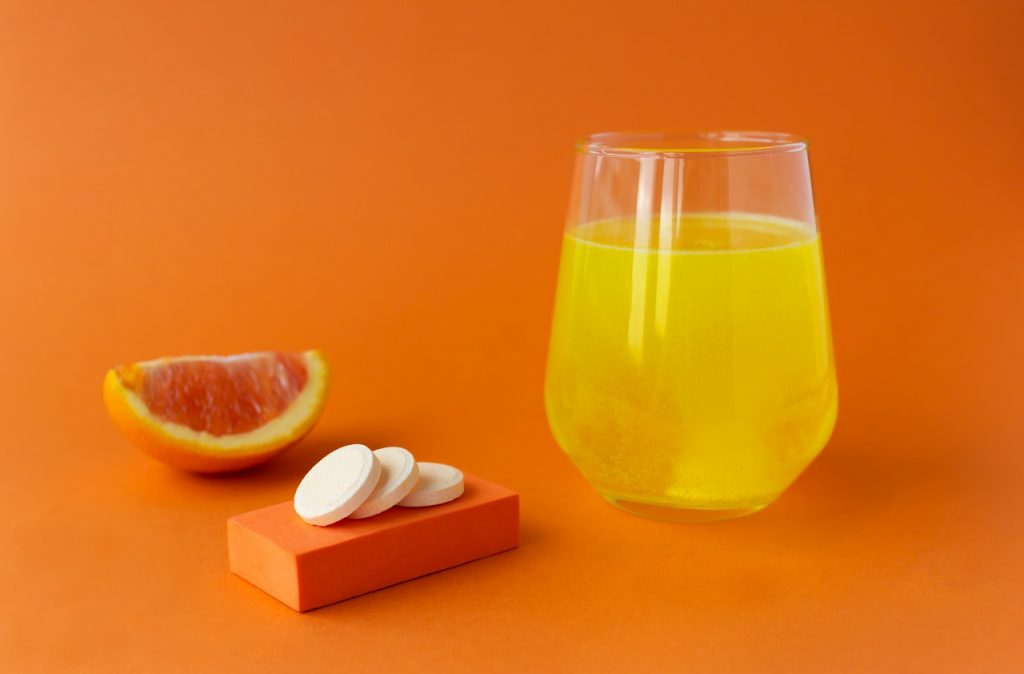
While the COVID-19 pandemic made us realize the importance of health and immunity, there has been an unprecedented hype about taking nutritional supplements, especially those that are claimed to protect us from infectious diseases. One such supplement that gained a lot of popularity is Vitamin C. According to data by a research firm, The All India Organisation of Chemists and Druggists (AIOCD), India sold around 171 crore pills of Vitamin C Supplements and 13 crore pills of vitamin C combined with other multivitamins in 2020. The growth in sales of vitamin C supplements in the year 2020 was almost 110%.
Health Benefits of Vitamin C
Vitamin C has numerous roles in our body and has been linked to some impressive health benefits!
- It is a powerful antioxidant that can strengthen your body’s natural defenses
- May lower the risk of heart diseases
- Has been linked to reduced blood uric acid levels and lower risk of gout
- Can improve the absorption of iron from the diet and helps prevent iron deficiency, anemia
- May boost immunity by helping white blood cells function more effectively, strengthening skin’s defense system and help heal wounds faster
- Low vitamin C levels have been linked to an increased risk of memory and thinking disorders like dementia, while just about the right amount taken from food sources has been shown to have a protective effect
Does More Mean Better Health and Immunity?
Given all the benefits of Vitamin C, can you consume more than required? Well, when it comes to vitamins, more is not always better. In fact, more can sometimes be dangerous. As vitamin and mineral supplements are available over the counter and without any prescription of a doctor/nutritionist, the masses assume that they are safe at any dosage. In the case of Vitamin C, our body cannot store it, so when consumption exceeds 2000 mg/day, it will be eliminated by the kidneys through urine, as it is a water soluble vitamin.
Too much vitamin C can interfere with the body’s ability to absorb copper, a mineral that is essential to the human body for carrying out major functions. Dosages above a 1000 mg coagulate iron in the cells of the body and oxidise them, causing an actual rusting action! Too much vitamin C or calcium (a regular component of vitamin C supplements) might cause bloating and stomach upset, diarrhea, nausea, vomiting, heartburn, headaches, insomnia, and in prolonged uses, kidney stones. This means that your immunity can be rather compromised than being boosted by unjustified popping of supplement pills.
How Much Of Vitamin C Supplements Is Enough?
Vitamin C is an essential vitamin, which means your body cannot produce it and one has to provide it from the outside. Yet, the daily need of this vitamin can be conveniently met with a balanced diet containing a good amount from natural sources as opposed to going for supplements. Found in a variety of fruits and vegetables, vitamin C is most abundant in Amla, Guava, Oranges, Strawberries, Kiwi, Bell peppers, Green chillies, Radish greens, Bathua Greens, Broccoli, Kale and Spinach.
Estimated Average Requirement (EAR) of Vitamin C:
- 55-65 mg/day for normal healthy adults
- 25-35 mg/day for normal healthy children (1-18 years of age)
We hope this article on Vitamin C Supplements helps you make the healthier choice! Do let us know your thoughts in the comments below. For more on nutrition, check out Healthy Reads or tune in to LIVE sessions by experts on GOQii Play.
#BeTheForce





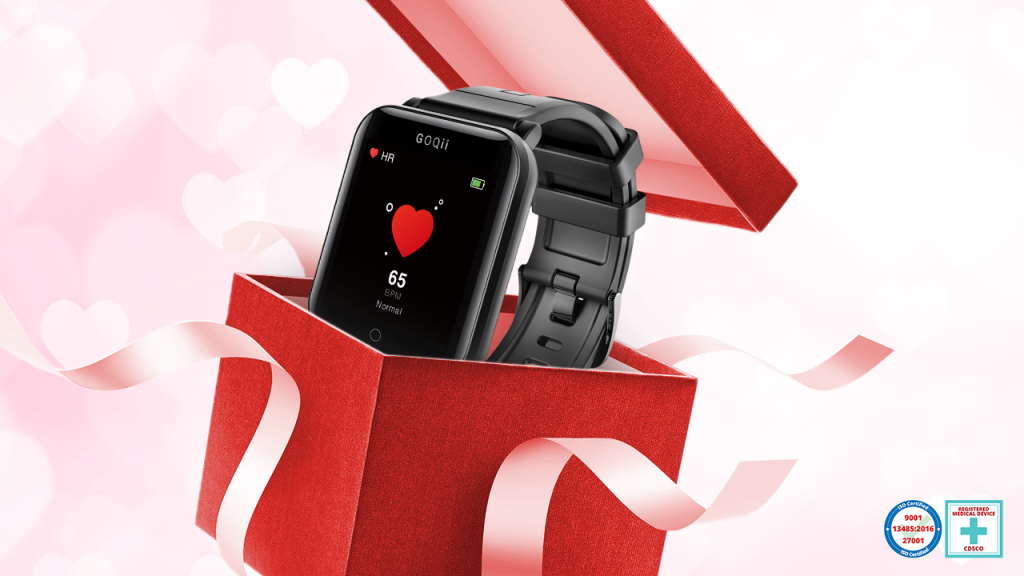
 Dr. Arvind Sinha has been suffering from hypertension for the last 3 decades and has had cardiac problems for close to 2 decades now. He first developed cardiac problems when he was around 46-47 years of age due to a sedentary lifestyle. About 25 years back, he underwent a coronary bypass operation. Almost a year ago his son Dr. Chandan Sinha came across the GOQii Vital ECG band, he decided to get it for his father to keep a check on his ECG. 9 months later, Dr. Arvind Sinha, one afternoon, suddenly developed palpitations. This kind of palpitations was something he had never experienced in 3 years. He had an oximeter by his bedside and so he first checked his SpO2 levels. His SpO2 levels were normal and BP showed 148-88mmHg. But, the palpitations continued for a while. Then around half an hour later, he again felt uneasy which is when he decided to use the GOQii Vital ECG band and check his ECG. The time was around 5:30 pm. The ECG reading showed abnormal – Atrial Fibrillation. Dr. Sinha was having palpitations when he took the ECG. He took his ECG (on his own) and the device helped him to understand what was happening to him.
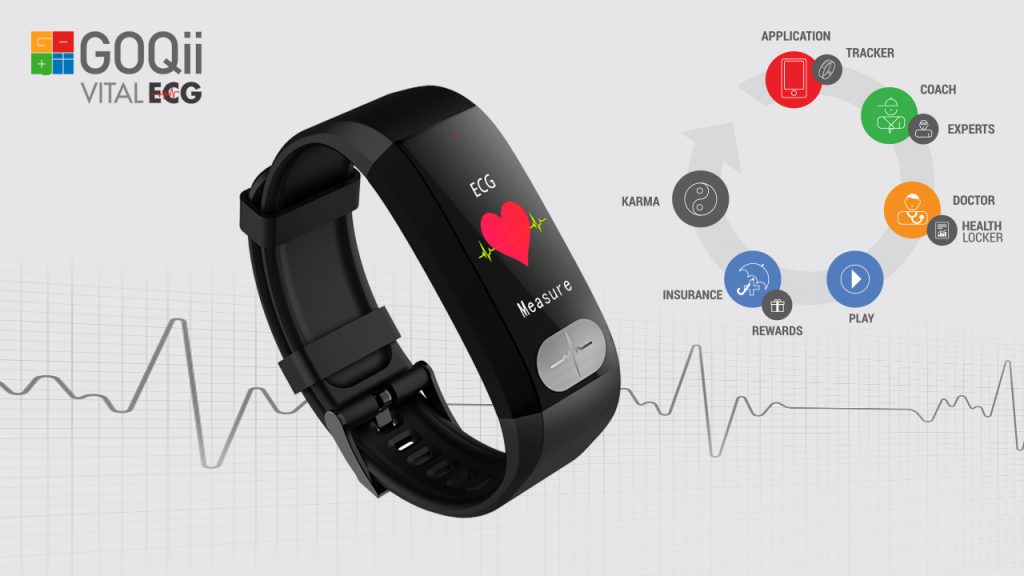 Dr Chandan Sinha says, “We do have a proper ECG machine at home where we would take my father’s ECG readings. But, it would have taken a while before we took his ECG when he had palpitations. In such a scenario, the device is handy and it helped understand the abnormal situation immediately. What surprised us was we got a call from their Bangalore HQ and the person on the other side sounded concerned and was asking for the well-being of the patient. Moreover, he wanted us to connect to a doctor if required. Now, this is something which would help the elderly staying alone in smaller cities of India. I feel it’s a must have item for parents, not a normal fitness band but the perfect health tracker!” he adds.


