The internet can be useful – there’s no denying that. Those fun DIY tricks and tutorials that help you pick up a new skill-set are pretty brilliant, aren’t they? But, like all things, the internet has a downside. While it helps you discover something new every day, it can also lead you down a rabbit hole of misinformation – particularly when it comes to health.
Take for example: Quick Fat Loss Tips or Lose Fat in 10 Days. While these headlines grab attention, they often promote unrealistic, unsustainable, and even harmful methods. So if you’re on a fat loss journey, here are 5 common mistakes you might be making – along with why it’s time to ditch the myths.
1. Starving for Fat Loss
Research shows that chronic starvation reduces muscle mass and organ size by up to 20%. Weight loss through starvation can also lead to lower bone density, making you more injury-prone.
It doesn’t stop there. Starving slows down your metabolism and hampers overall body function. Worst of all, once you return to eating normally, your body may store more calories as fat—undoing all your efforts.
Golden rule: Eat healthy, balanced meals at the right time. Nourishment, not restriction, is key.
2. No Rest Day
Think over-training equals faster fat loss? Think again.
Rest days are crucial to avoid muscle overuse and allow your body to recover. Lifting weights causes tiny muscle tears that can only repair – and grow – during rest. Over-training can actually stall fat loss, disturb your hormonal balance, and even cause amenorrhoea (loss of menstrual periods).
Tip: Take one rest day a week. Try light activity like walking, yoga, or deep breathing exercises.
3. Excess Protein Doesn’t Mean Better Fat Loss
Yes, protein helps you feel fuller and supports muscle maintenance – but more is not always better.
A high-protein diet alone won’t do the trick. Too much protein can strain digestion. What you really need is balance – enough fruits, vegetables, and complex carbs alongside your protein to support healthy fat loss.
4. Lack of Optimum Sleep
Getting fewer than six hours of sleep reduces leptin (the satiety hormone) and increases ghrelin (the hunger hormone). Translation? You’ll feel hungrier and less satisfied.
Studies show that people who sleep 7+ hours a night lose more fat and preserve more muscle mass. Lack of sleep also spikes cortisol – body’s stress hormone – which hinders fat breakdown and increases muscle loss.
So if you’re waking up early to squeeze in a workout but skipping sleep, it might be time to rethink your schedule.
5. Keeping Unrealistic Expectations
Setting tangible goals is great – but aiming too high, too soon, can backfire.
Studies show that people with overly ambitious expectations, especially those who are overweight or obese, are more likely to drop out of fat loss programmes within 6–12 months due to disappointment.
Instead: Set modest, achievable goals with the guidance of a certified coach. Progress that’s steady is progress that sticks.
Want to stop guessing and start getting real results? Speak to a GOQii Coach by subscribing to Personalised Health Coaching here.
Did this article help you? Share your thoughts in the comments! And for more tips, check out our Healthy Reads on weight loss here.
#BeTheForce
Disclaimer: The information provided in this blog is for general awareness and educational purposes only. It is not intended to replace professional medical advice, diagnosis, or treatment. Always consult a qualified healthcare provider for personalised medical guidance or concerns related to your health. Images shown are for representation purposes only and may not depict the exact recommendations or outcomes.
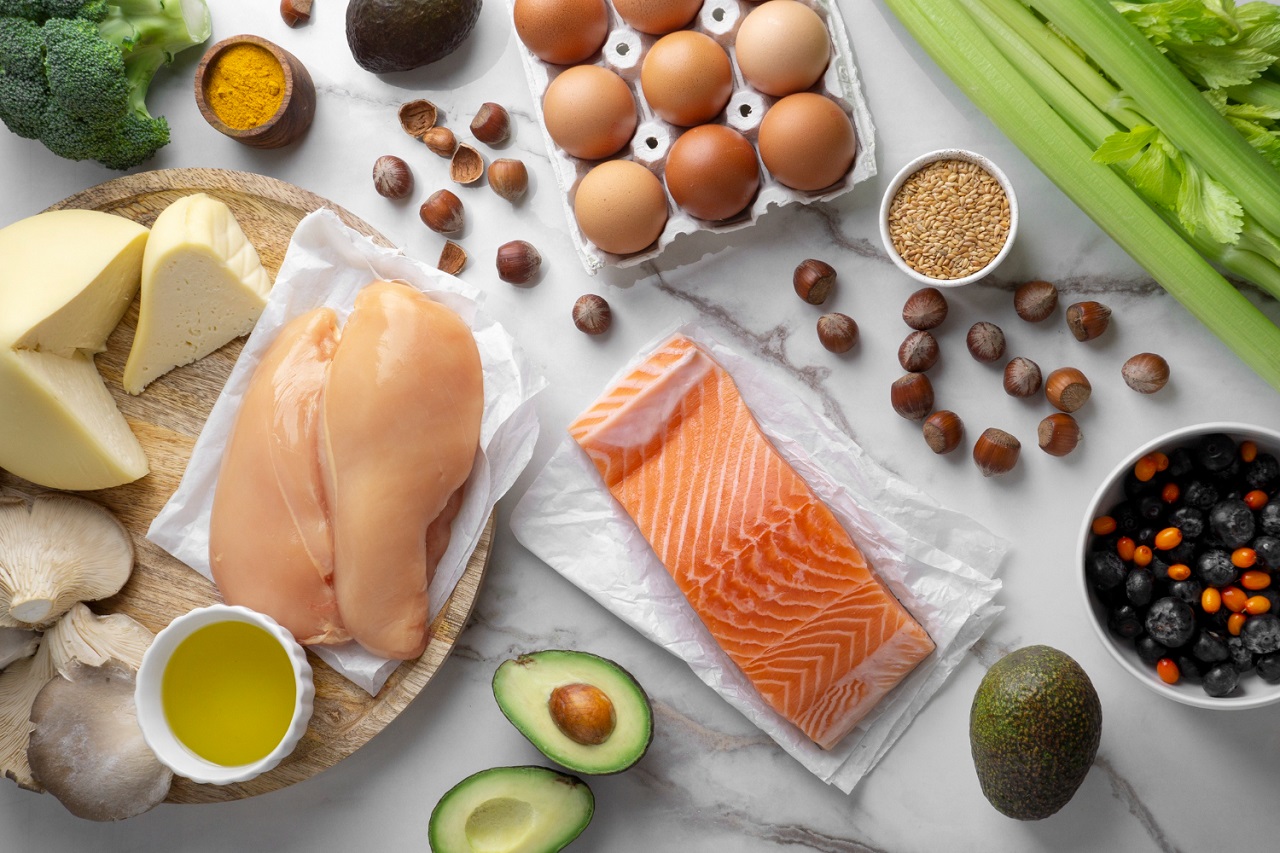 Protein is essential to fat loss, as it maintains your muscle during a calorie deficit. It keeps you satiated, which prevents overeating and snacking on junk food. Also, it boosts your calorie burn throughout the day because takes more energy to digest as compared to carbs or fat. Eat at least one gram of protein per pound of bodyweight every day and get your protein from whole sources like nuts, eggs, lean meats, yogurts, and quality protein powders.
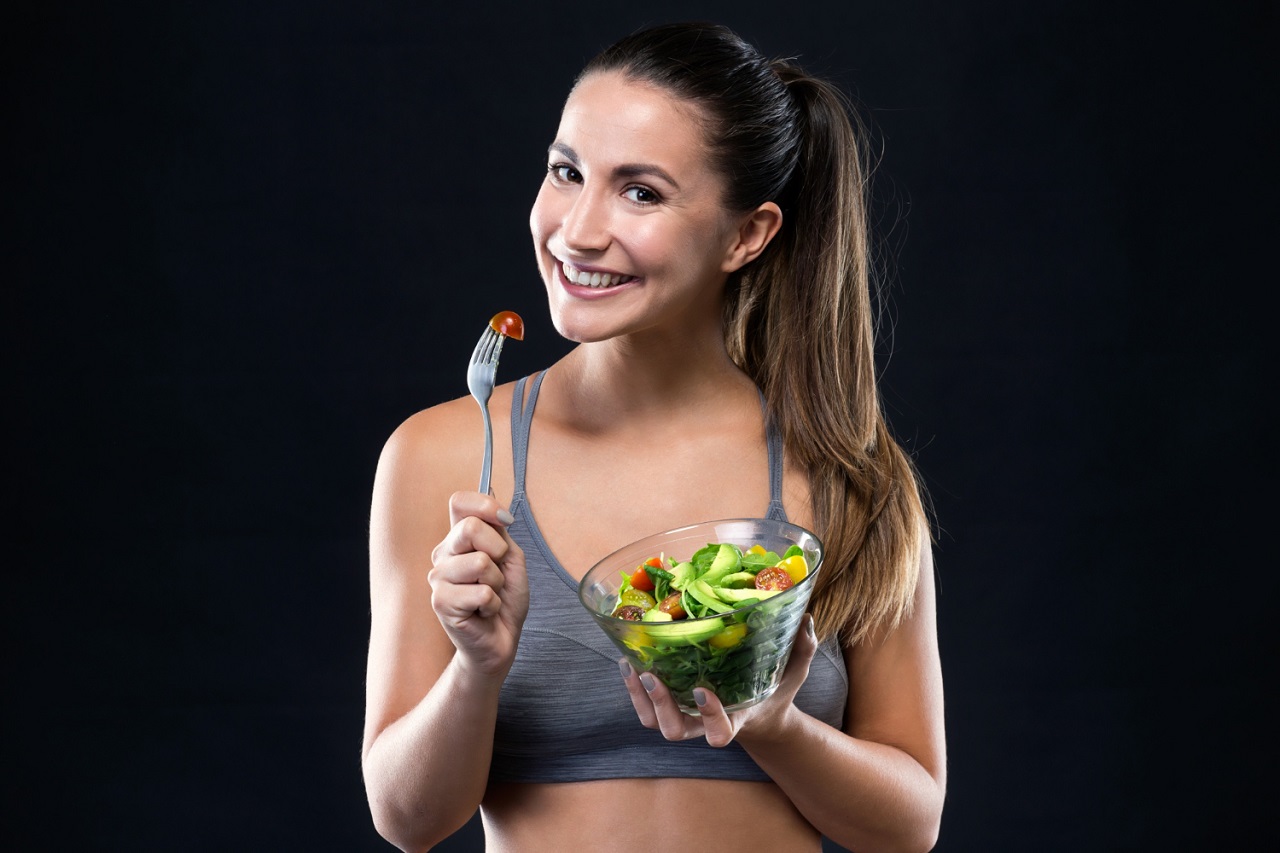 Vegetables are loaded with important nutrients and are low in calories and carbs. The fiber in your greens aids digestion and also provide your body the essential antioxidants it needs. Including them might help you break through the weight loss plateau.
 Most of us have this desirable goal of losing fat but, when asked to act on it, we have a fixed set of excuses ready – No time! Too tough for me! Too boring to repeat the same pattern, etc. It’s time to ditch these excuses and rev up workouts which consume less time, can be done easily and are not monotonous. We suggest going for Interval Training!
 It’s quite possible to take interval training to many levels. The length and speed of each high-intensity interval solely depend upon our strength and capacity. To get better with it, we need to make sure we push our body way past our comfort zone each time we do it. Remember, not to rush into strenuous exercise before our body is ready, to avoid injury. Ensure a good warm-up session before starting with it, and end it with stretches.