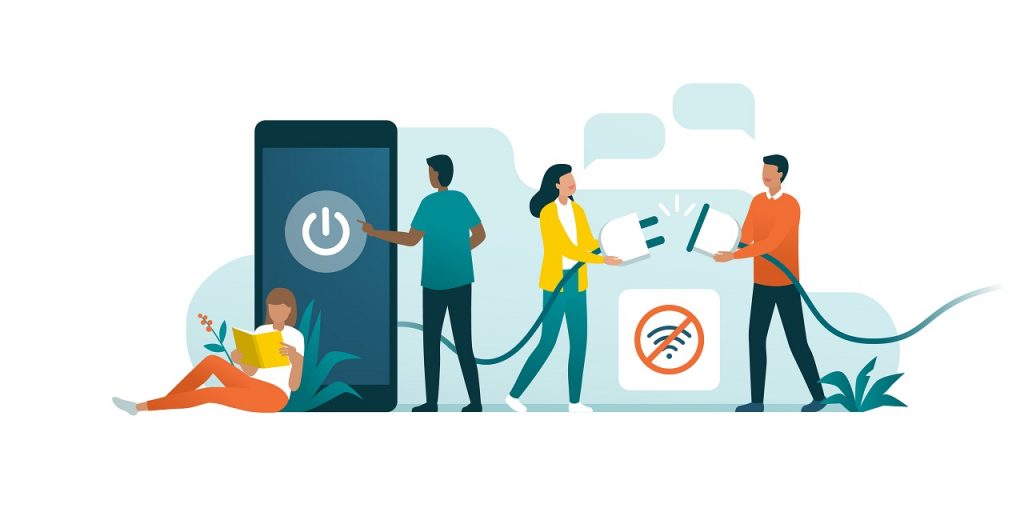
 We all know that a healthy work life balance is not only important for our health & relationships, but it also has a great impact on our productivity & day to day performance. But in the past few years, the inability to separate work from home has massively increased as we are constantly in touch with each other via mobile phones & laptops. During the ongoing pandemic, our gadgets made it easy for us to continue our work from where we are, but with excess usage, it is proving to be detrimental to our physical as well as mental health too. In recent research, it has been found that overuse of gadgets is increasing depression, anxiety & restlessness in people. Now this calls for a break from this tech savvy world through digital detox. Wondering what exactly it is? Let’s find out!
What Is Digital Detox?
Digital detox, in simple terms, is a time frame when you voluntarily stay away from your gadgets like smartphones, laptops & social media. It can be whatever you want it to be. One might try giving up usage of all digital devices at once for a specific time period. In other cases, one might just focus on restricting their use of one type of digital device like their smartphone.
Reasons To Do It
Digital detox can be a way to set limits & reduce following negative outcomes due to heavy usage of devices:
- While people often feel that spending time with their devices can be a stress buster after a long and tiring day, the truth is that it can greatly contribute to stress.
- Researchers have proved that prolonged use of devices around bed time can interfere with sleep quality & quantity. It can lead to issues like insomnia, anxiety & shorter sleep duration.
- Heavy usage of devices can decrease your attention span as they create unwanted distractions.
- Constant connectivity with the world around, makes us feel disconnected with ourselves & affects work life balance too.
- Comparison of your life with that of others, based on curated glimpses we see on someone’s instagram or facebook post, can make it hard to be content.
- Digital connectivity can feed the fear of missing out. It can lead a person to feel that their life is less exciting than others.
Signs That You Might Need It
- Feeling anxiety or stress if the phone is not around for a while or when the battery is discharged.
- Feeling compelled to check the phone every now & then.
- Depression, anxiety or anger after spending time on social media.
- Overthinking about likes, comments & shares on social posts.
- Feeling afraid of missing out on something if the phone is not checked after every few minutes.
- Inability to resist using the phone till late hours.
- Trouble concentrating on one thing without having to check the phone.
Does Digital Detox Work?
Many psychologists & mental health experts agree that digital detox can be a helpful approach to technology overuse. However, one time detox might not help you get back into your groove mentally & emotionally. Rather, it is probably one of the most effective tools if it is used as a way to kickstart a healthier relationship with technology.
Now that’s not all about digital detox. To understand how digital detox helps, what happens to your body & brain during a digital detox and challenges you might face as well as easy ways to do a digital detox, watch out for part 2 of this article!
We hope this helps you understand what a digital detox is and why it is necessary. For more on wellness and mental health, check out Healthy Reads or tune in to LIVE sessions by experts on GOQii Play. To get these tips and hacks directly from your GOQii Coach, subscribe to personalized coaching now: https://goqiiapp.page.link/wssu
#BeTheForce
 There must be few people you know who have been affected by COVID-19 during this global pandemic. Maybe you have gone through this too. Maybe you are experiencing few symptoms. You might have witnessed a few unfortunate deaths around you. This is like one of those sci-fi movies gone real. Everyone is talking about it and it’s terrible!
 It wasn’t that long ago that working from home was considered a luxury that only a few could afford. But with the pandemic setting in, working from home (WFH) became the norm. And suddenly it doesn’t feel like all that it was made out to be. To start with, the pandemic forced most people to switch from work-from-office to WFH, irrespective of their preference, and studies show that perceived lack of choice can add to people’s overall sense of unhappiness and dissatisfaction. Secondly, even for those who may have preferred WFH, the suddenness of the change deprived them of the opportunity to plan and prepare for it. In many households, the added responsibility of children being at home, with the schools going online, only added to the chaos.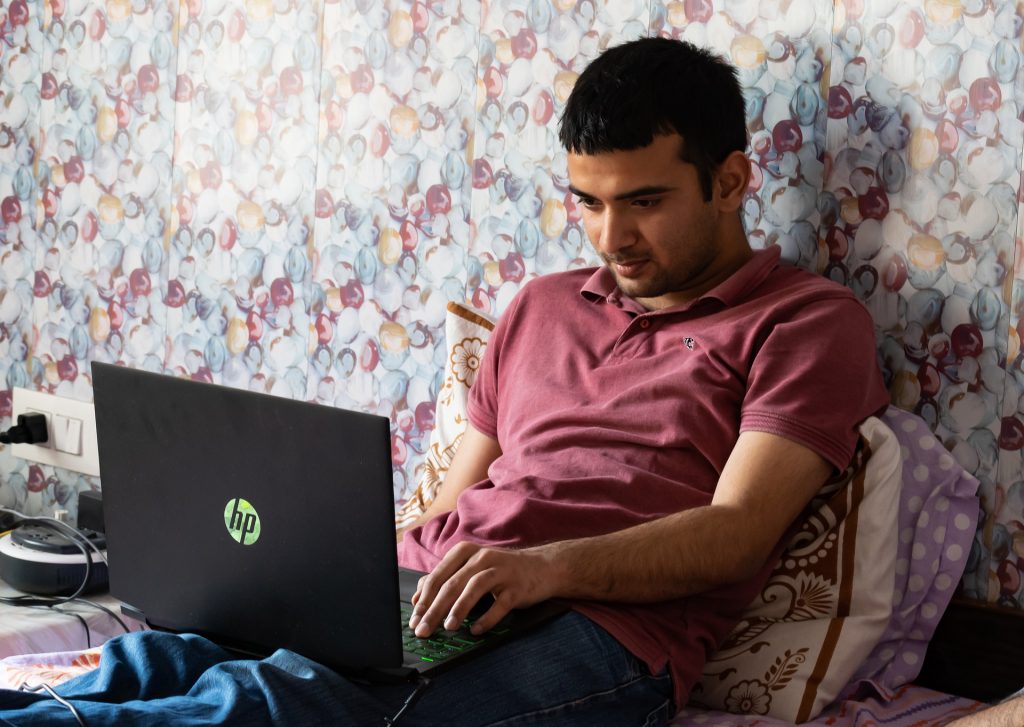

 It is normal to feel sad, stressed, confused, scared or angry during an epidemic outbreak. Hearing constant reports about the illness and death caused by the outbreak world over can be hard to take. But even amid the pandemic, it is important to make sure that you take care of your physical and mental health. We must cope with the stress and anxiety that the pandemic brings. Stress and anxiety can trigger ailments such as insomnia, depression, high blood pressure and more. It may also lead to an imbalance of the three doshas; vata, pitta and kapha in the body, depending on an individual’s constitution. Here are some ayurvedic tips that can help you manage stress and anxiety during this time period:


