GOQii

Blog

  • HOME
  • HEALTHY LIVING
  • FITNESS
  • HEALTHY RECIPES
  • USER STORIES
  • KARMA
  • BUY GOQii

December 8, 2025 By Saaimah Parkar 1 Comment

ALL ABOUT VERTIGO!

It came across as strange initially when I said that the world around me was spinning and that my entire room seemed to be in constant motion. Basically, I used to find the floor of my bedroom, the bed, and the room itself were in constant motion (not literally spinning or in constant motion, but I felt that way). I had to walk around supporting myself using the wall, furniture, anything that was close by, and if nothing was available, I literally had to crawl. Finally, I was diagnosed with something called Vertigo.

Vertigo is the feeling that you or your environment is moving or spinning. It differs from dizziness in that vertigo describes an illusion of movement. When you feel as if you are moving, it’s called subjective vertigo, and the perception that your surroundings are moving is called objective vertigo.

A few causes and types of Vertigo:

Benign Paroxysmal Positional Vertigo (BPPV): Tiny calcium particles called canaliths clump up in the canals of the inner ear. This could also be caused due to sudden movement of the head, resulting in the dislodgement of the crystalline structures in the ear’s balance detectors.

Meniere’s Disease: This is an inner ear disorder caused by changing pressure in the ear and a buildup of fluid in the ear.

Labrynthitis: Inner ear viral or bacterial infection

Bleeding in the brain: Vertigo can be caused by decreased blood flow to the base of the brain. Bleeding into the back of the brain (cerebellar hemorrhage) is characterized by vertigo, headache, difficulty walking, and an inability to look toward the side of the bleed. The result is that the person’s eyes gaze away from the side with the problem. Walking is also extremely impaired.

Some other less evident causes: 

Head or neck injury.

Stroke, tumour, diabetes mellitus, atherosclerosis

Migraine

Certain medications

Hormonal fluctuations in menopausal women.

Most common symptoms are: Spinning, loss of balance, headache, sweating, nausea, and yes I have experienced all of this at one go.

Treatment for Vertigo:  Treatment depends mainly on what’s causing it. There are a variety of treatments for vertigo, including self-care remedies, medications, and physical therapy maneuvers.

Let us look at some of the treatments

Benign Paroxysmal Positional Vertigo: Posture correction exercises, head and neck strengthening exercises help with this type of vertigo. It has helped me too. Apart from this, Vitamin D supplementation may be beneficial for patients diagnosed with benign paroxysmal positional vertigo. However, before that, you need to check if you have a Vitamin D deficiency.

Meniere’s Disease and Labyrinthitis: These two are usually treated with anti-inflammatory and diuretic medicines. However, natural foods like ginger root and curcumin aid in speeding up the recovery process.

Stroke, Atherosclerosis, Diabetes, Hypertension: Dietary modifications like avoiding junk, simple sugars, refined flours, and incorporating complex carbohydrates, more fruits and vegetables, and whole grains can help improve symptoms of vertigo.

Avoiding red meats, packaged and preserved foods like frozen meats like salamis and sausages, various sauces, chips and wafers (foods high in sodium), and replacing them with fatty fish and lean meats can improve both vertigo and any of the cardiovascular and lifestyle diseases mentioned above.

Understanding vertigo and its various causes can help in managing and treating it effectively. By incorporating lifestyle changes and seeking appropriate medical care, individuals can find relief from the discomfort and distress caused by vertigo. Remember, with the right approach, you can manage vertigo and lead a healthier, more balanced life.

#BeTheForce

Disclaimer: The information provided in this blog is for general awareness and educational purposes only. It is not intended to replace professional medical advice, diagnosis, or treatment. Always consult a qualified healthcare provider for personalised medical guidance or concerns related to your health.
November 12, 2025 By Neha Sharma Leave a Comment

Can You Die From Pneumonia? 6 Serious Complications You Should Know

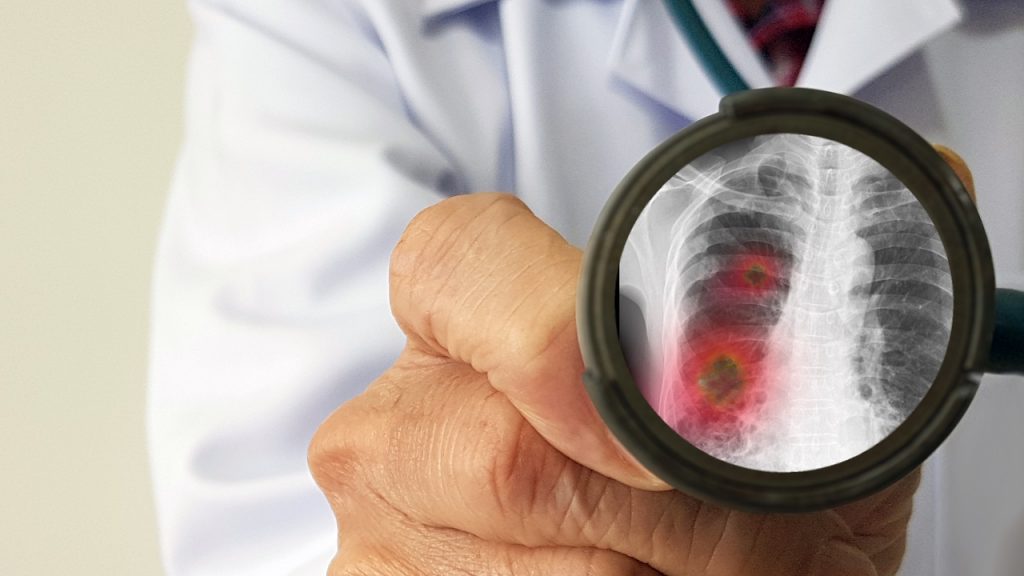
pneumoniaPneumonia is an infection of the lungs which can be caused by bacteria, fungi or a virus. It can range from mild to life threatening – when you require medical intervention at the earliest. When the air sac of one or both lungs are filled with some fluid or pus, it leads to inflammation which causes chest pain while breathing, cough with phlegm or pus, fever, chills and difficulty in breathing. Newborns up to 2 years of age and older people above 65 yrs of age are more prone to pneumonia as their immunity is not strong enough to fight the infection.

Types Of Pneumonia 

There are four types of Pneumonia.

  • CAP (Community Acquired Pneumonia): It is a type of pneumonia that occurs outside the hospital or other healthcare facilities and is caused by bacteria, bacteria like organisms, fungi or a virus like COVID-19 as well.
  • HAP (Hospital Acquired Pneumonia): This type of pneumonia occurs during a hospital stay and can be serious as the person is already sick.
  • Health Care Acquired Pneumonia: This type of acquired pneumonia occurs when patients stay for a long term in hospitals or go to outpatient clinics for dialysis or chemotherapy.
  • Aspiration Pneumonia: This type of pneumonia occurs when you inhale food, liquid, saliva or vomit in your lungs and that causes an infection and it also occurs when there’s a brain injury.

What Are The Complications That Occur? 

Even with treatment, some people with Pneumonia, who have other health ailments, suffer complications. Here are some of them: 

  1. Bacteremia: When infection is caused by bacteria, it travels down to the bloodstream and can lead to septic shock that lowers the blood pressure and the heart cannot pump blood into the organs and organs may stop working altogether. So, if you are having symptoms like fever with chills, low blood pressure, stomach upset, fast breathing with a fast heart rate, you need to consult a doctor immediately.
  2. Lung Abscesses: Sometimes, due to pneumonia, pus pockets are formed in the lungs and give rise to fever, fatigue, weight loss, loss of appetite and coughing. This basically happens when a person is having bacteremia, gum disease, weakened immune system and regular intake of alcohol.
  3. Pleural Effusions, Empyema and Pleurisy: There are two types of layers surrounding your lungs called pleura. One from the outer side and one lines the part of your chest where the lungs sit. They help the lungs to move smoothly when one breathes. Sometimes, pain occurs while breathing and this is because the pleura swells and sometimes a fluid forms in between the layers and that is known as PLEURA EFFUSION. And if the fluid gets infected it leads to EMPYEMA.
  4. Respiratory Failure: With pneumonia, your lungs get infected and they will not be able to transfer oxygen to organs and won’t be able to get rid of carbon dioxide from the body which leads to this condition. Symptoms are fast breathing, irregular heart rate, anxiety, fatigue, losing consciousness or bluish tint on your skin, fingertips or nails.
  5. Kidney Failure: It’s not a common complication of pneumonia but when you are having bacteremia or septic shock, your heart may not be able to pump enough blood to your kidneys and they might stop functioning. Chances of kidney failure are high if it is coupled with other metabolic disorders.
  6. Heart Failure: Chances of heart diseases are higher if you have pneumonia as the heart may not be able to pump enough blood and oxygen as the heart itself doesn’t have enough supply. 

All the complications of pneumonia are not to be taken casually. If you experience any of the above symptoms or complications, seek medical help immediately. You can also track symptoms such as low blood oxygen, low blood pressure, increased heart rate and high body temperature with Smart Devices from GOQii. Tracking these symptoms early can help you avoid any unnecessary complications and get medical assistance on time.

We hope this article helps you. For more on Pneumonia and other medical conditions, check out Healthy Reads or ask your GOQii Coach directly by subscribing for Personalised Health Coaching here.

#BeTheForce 

Disclaimer: The information provided in this blog is for general awareness and educational purposes only. It is not intended to replace professional medical advice, diagnosis, or treatment. Always consult a qualified healthcare provider for personalised medical guidance or concerns related to your health. Images shown are for representation purposes only and may not depict the exact recommendations or outcomes.

November 3, 2025 By Urvi Gohil 4 Comments

5 Simple Lifestyle Changes To Manage Hypertension

manage hypertensionBy now, anyone conscious about their health is aware of hypertension. In case you’re unfamiliar, hypertension is simply another name for high blood pressure. Blood pressure is the force exerted by blood against the walls of the blood vessels. This force depends on vascular resistance and how hard the heart has to work. Hypertension is a major risk factor for cardiovascular diseases, including stroke, heart attack, heart failure, and aneurysm.

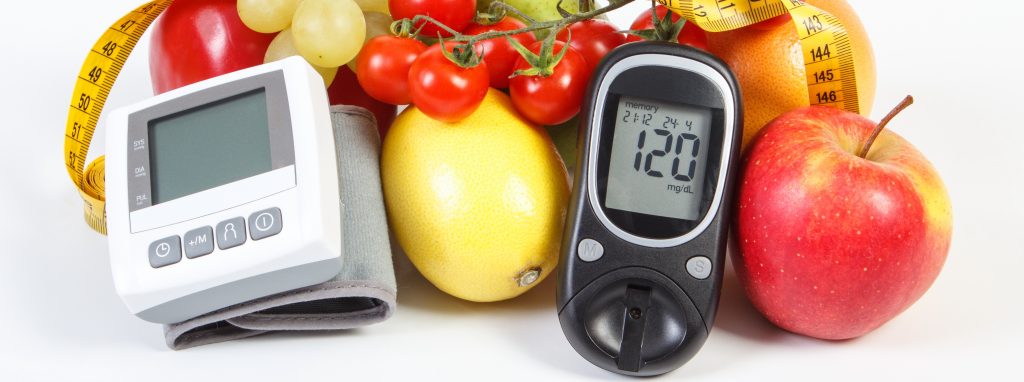
An optimal blood pressure level is a reading under 120/80 mmHg, while a reading over 140/90 mmHg is generally considered high. It is crucial to keep blood pressure under control, and lifestyle management is the first-line treatment for hypertension.

5 Lifestyle Changes to Manage Hypertension

1. Cut Down on Alcohol & Quit Smoking
Drinking too much alcohol can raise blood pressure to unhealthy levels. Having more than three drinks in one sitting temporarily spikes blood pressure, and frequent drinking can lead to long-term increases. Heavy drinkers should gradually reduce their alcohol intake over 1-2 weeks to prevent sudden blood pressure surges.
Similarly, smoking can raise blood pressure immediately after each cigarette. Quitting smoking helps to normalise BP, reduces the risk of heart disease, and significantly improves overall health.

2. Managing Stress Effectively
Your body produces stress hormones when faced with pressure or anxiety, causing your heart to beat faster and blood vessels to narrow—leading to temporary blood pressure spikes. While these return to normal once stress subsides, frequent episodes of high stress can damage blood vessels, the heart, and kidneys.

          How to manage stress:

    • Exercise regularly—30 minutes, 3-5 times a week, helps reduce stress.
    • Try yoga & meditation—Deep breathing and mindfulness can help regulate stress levels.
    • Get enough sleep—Quality rest is essential for keeping BP under control.
    • Maintain social connections—Engaging in enjoyable activities and staying socially active reduces stress.

3. Reduce Sodium Intake:
Even a small reduction in sodium can significantly improve heart health and lower blood pressure by 5-6 mmHg in hypertensive individuals.

          Recommended Daily Sodium Intake:

    • Limit sodium to 2300 mg per day (ideal for general adults)
    • 1500 mg per day is ideal for those with high BP (less than one teaspoon of salt)

          How to reduce sodium:

    • Read food labels and choose low-sodium options
    • Avoid processed & packaged foods (e.g., noodles, soups, crisps, biscuits)
    • Use herbs & spices instead of salt to add flavour
    • Gradually reduce salt intake so your palate adjusts over time

4. Increase Fruit & Vegetable Intake
A diet rich in whole grains, fruit, vegetables, and low-fat dairy—while avoiding saturated fats and cholesterol—can lower blood pressure by 11 mmHg.

This approach is called the DASH (Dietary Approaches to Stop Hypertension) Diet, which emphasises:

  • Fruits & vegetables—Great sources of potassium, which counteracts sodium.
  • Whole grains—Support heart health and lower BP naturally.
  • Low-fat dairy—Helps regulate blood pressure.
  • Beetroot—A powerhouse for reducing BP (add it to smoothies!).

⚠ If you have blood sugar concerns, consult your doctor before consuming beetroot.

5. Exercise Regularly
Making exercise a habit is one of the best ways to naturally lower BP. You don’t need to hit the gym—just ensuring regular movement is enough.

Engage in moderate exercise (e.g., brisk walking, jogging, cycling, swimming) for 30 minutes a day, at least 5 days a week. Even small activities—taking the stairs, stretching, or walking short distances—help maintain heart health. Always consult a doctor or health coach before starting a new fitness routine if you have high BP.

By incorporating these five simple lifestyle changes, you can effectively manage hypertension while improving overall health. Making small but consistent changes in your diet, exercise, and stress management will lead to long-term benefits for your heart and well-being.

Which lifestyle change has worked best for you? Share your experience in the comments below!

#BeTheForce

Disclaimer: The information provided in this blog is for general awareness and educational purposes only. It is not intended to replace professional medical advice, diagnosis, or treatment. Always consult a qualified healthcare provider for personalised medical guidance or concerns related to your health.

March 18, 2025 By GOQii Leave a Comment

Obesity & Its Impact on Your Health: Why It’s More Than Just Weight

Obesity is often seen as just a number on the scales, but in reality, it’s far more than that. It’s a complex health condition that affects every aspect of your well-being, from your heart to your mental health. In a world where fast food is abundant, sedentary lifestyles are the norm, and stress levels are constantly high, obesity has become a growing global concern.



But here’s the good news—it’s preventable and reversible with the right lifestyle changes. Let’s explore how obesity affects your health, what causes it, and, most importantly, how you can take control of your body and well-being.

What is Obesity?

Obesity is defined as having an excess amount of body fat that poses health risks. A common way to measure it is the Body Mass Index (BMI), which calculates weight in relation to height:

BMI Categories:

  • Healthy weight: 18.5 – 24.9
  • Overweight: 25 – 29.9
  • Obese: 30 or above

However, BMI doesn’t tell the full story—where the fat is stored matters too. Visceral fat (fat around the organs) is more harmful than subcutaneous fat (under the skin), increasing the risk of serious diseases.

How Obesity Impacts Your Health

Carrying excess weight isn’t just about appearance—it’s about how your body functions. Here’s how obesity can impact your health:

  1. Increases the Risk of Chronic Diseases

Obesity is linked to some of the most serious health conditions, including:

  • Heart Disease & High Blood Pressure – Excess fat increases strain on the heart, leading to hypertension and an increased risk of heart attacks and strokes.
  • Type 2 Diabetes – Obesity is a key driver of insulin resistance, making blood sugar levels harder to control.
  • Liver Disease (Fatty Liver) – Excess fat can accumulate in the liver, leading to inflammation and scarring (cirrhosis).
  • Certain Cancers – Studies show obesity is linked to an increased risk of cancers, including breast, colon, and liver cancer.
  1. Impacts Mental Health & Well-being

Obesity isn’t just about physical health—it affects mental and emotional well-being too. Many individuals with obesity experience:

  • Low self-esteem & body image concerns
  • Increased risk of anxiety & depression
  • Social stigma & discrimination

The mind-body connection is real, and feeling good about yourself plays a huge role in overall health.

  1. Affects Joint & Bone Health

Excess weight puts extra pressure on your joints, particularly in the knees, hips, and lower back, increasing the risk of:

  • Osteoarthritis (joint wear and tear)
  • Chronic back pain
  • Reduced mobility & flexibility
  1. Disrupts Sleep & Increases Fatigue

Obesity is a leading cause of sleep apnoea, a condition where breathing repeatedly stops and starts during sleep. This can lead to:

  • Poor-quality sleep & daytime fatigue
  • Increased risk of heart disease
  • Difficulty concentrating & lower productivity

Quality sleep is essential for energy levels, brain function, and overall health.

What Causes Obesity?

While diet and lack of exercise play major roles, obesity is often a combination of multiple factors:

  1. Poor Diet Choices – High-calorie, processed, and sugary foods contribute to weight gain.
  2. Lack of Physical Activity – A sedentary lifestyle means fewer calories burned, leading to excess fat storage.
  3. Genetics & Metabolism – Some individuals are genetically predisposed to store fat more easily.
  4. Hormonal Imbalances – Conditions like hypothyroidism & PCOS can make weight management harder.
  5. Stress & Emotional Eating – Many people turn to food as a way to cope with stress, boredom, or emotions.

Understanding these factors is key to making sustainable lifestyle changes.

How to Prevent & Manage Obesity

The best approach to tackling obesity is a holistic lifestyle change—not just crash diets or quick fixes. Here’s how to take control of your health:

  1. Eat Mindfully & Nutrient-Dense Foods 🍏
    • Swap processed foods for whole, natural foods.
    • Focus on lean proteins, healthy fats, and fibre-rich foods.
    • Reduce sugar & refined carbs—they spike insulin and lead to fat storage.
    • Practise portion control and avoid emotional eating.
  1. Move More, Sit Less 🏃‍♀️
    • Aim for 30-45 minutes of movement daily—it doesn’t have to be intense! Walking, cycling, yoga, or swimming all help.
    • Strength training boosts metabolism and burns fat long after exercise.
    • Take the stairs, stand more, and find ways to be active throughout the day.
  1. Prioritise Sleep & Stress Management 😴
    • Get 7-9 hours of quality sleep—it helps regulate hunger hormones.
    • Practise relaxation techniques like meditation, deep breathing, or journaling.
    • Avoid late-night snacking—it often leads to unnecessary calorie intake.
  1. Stay Hydrated 💧
    • Drinking enough water helps digestion, metabolism, and fat loss.
    • Sometimes, thirst is mistaken for hunger—stay hydrated to avoid overeating.
  1. Seek Professional Support If Needed
    • A nutritionist, doctor, or health coach can create a personalised plan.
    • Mental health support can help with emotional eating and motivation.
    • Consider a buddy system—staying accountable makes a difference!

Obesity isn’t just about weight—it’s about long-term health, energy, and well-being. The good news is that even small lifestyle changes can make a big difference.

✅ Start with one healthy habit at a time.
✅ Focus on progress, not perfection.
✅ Remember—your body is capable of amazing things!

💬 Have you made changes to improve your health? Share your journey in the comments!

#BeTheForce

Disclaimer: The information provided in this blog is for general awareness and educational purposes only. It is not intended to replace professional medical advice, diagnosis, or treatment. Always consult a qualified healthcare provider for personalised medical guidance or concerns related to your health.

  • 1
  • 2
  • 3
  • …
  • 5
  • Next Page »

Search

Recent Posts

  • India Leads in Longevity: GOQii Sanjeevini Named Top 40 in $101M XPRIZE
  • The Importance Of Knowing If You’re Thirsty Or Hungry
  • Best Foods To Alleviate Irritable Bowel Syndrome
  • ALL ABOUT VERTIGO!
  • PCOS and Anxiety: Discover Relief with the 54321 Technique

Stay Updated

Archives

  • December 2025 (8)
  • November 2025 (15)
  • October 2025 (20)
  • September 2025 (6)
  • August 2025 (6)
  • July 2025 (12)
  • June 2025 (18)
  • May 2025 (16)
  • April 2025 (23)
  • March 2025 (23)
  • February 2025 (22)
  • January 2025 (26)
  • December 2024 (26)
  • November 2024 (25)
  • October 2024 (22)
  • September 2024 (24)
  • August 2024 (31)
  • July 2024 (21)
  • June 2024 (26)
  • May 2024 (31)
  • April 2024 (27)
  • March 2024 (29)
  • February 2024 (26)
  • January 2024 (25)
  • December 2023 (15)
  • November 2023 (11)
  • October 2023 (20)
  • September 2023 (22)
  • August 2023 (20)
  • July 2023 (22)
  • June 2023 (24)
  • May 2023 (24)
  • April 2023 (24)
  • March 2023 (23)
  • February 2023 (20)
  • January 2023 (16)
  • December 2022 (12)
  • November 2022 (15)
  • October 2022 (15)
  • September 2022 (12)
  • August 2022 (10)
  • July 2022 (17)
  • June 2022 (11)
  • May 2022 (10)
  • April 2022 (6)
  • March 2022 (6)
  • February 2022 (13)
  • January 2022 (12)
  • December 2021 (7)
  • November 2021 (3)
  • October 2021 (6)
  • September 2021 (3)
  • August 2021 (8)
  • July 2021 (7)
  • June 2021 (15)
  • May 2021 (16)
  • April 2021 (10)
  • March 2021 (7)
  • February 2021 (4)
  • January 2021 (4)
  • December 2020 (3)
  • November 2020 (4)
  • October 2020 (10)
  • September 2020 (3)
  • August 2020 (3)
  • July 2020 (2)
  • June 2020 (4)
  • May 2020 (10)
  • April 2020 (12)
  • March 2020 (10)
  • February 2020 (4)
  • January 2020 (4)
  • December 2019 (3)
  • November 2019 (7)
  • October 2019 (5)
  • September 2019 (4)
  • August 2019 (9)
  • July 2019 (9)
  • June 2019 (11)
  • May 2019 (4)
  • April 2019 (9)
  • March 2019 (8)
  • February 2019 (9)
  • January 2019 (8)
  • December 2018 (9)
  • November 2018 (3)
  • October 2018 (3)
  • September 2018 (5)
  • August 2018 (10)
  • July 2018 (6)
  • June 2018 (13)
  • May 2018 (8)
  • April 2018 (18)
  • March 2018 (9)
  • February 2018 (8)
  • January 2018 (15)
  • December 2017 (12)
  • November 2017 (19)
  • October 2017 (13)
  • September 2017 (15)
  • August 2017 (4)
  • July 2017 (8)
  • June 2017 (7)
  • May 2017 (6)
  • April 2017 (8)
  • March 2017 (6)
  • February 2017 (7)
  • January 2017 (9)
  • December 2016 (10)
  • November 2016 (7)
  • October 2016 (7)
  • September 2016 (7)
  • August 2016 (11)
  • July 2016 (9)
  • June 2016 (9)
  • May 2016 (12)
  • April 2016 (17)
  • March 2016 (17)
  • February 2016 (8)
  • January 2016 (6)
  • December 2015 (2)
  • November 2015 (9)
  • October 2015 (7)
  • September 2015 (9)
  • August 2015 (11)
  • July 2015 (9)
  • June 2015 (12)
  • May 2015 (9)
  • April 2015 (13)
  • March 2015 (8)
  • February 2015 (5)
  • January 2015 (12)
  • December 2014 (14)
  • November 2014 (11)
  • October 2014 (6)
  • September 2014 (13)
  • August 2014 (12)
  • July 2014 (6)
  • June 2014 (2)
  • May 2014 (7)
  • April 2014 (5)

From “Laddu Nawin” to Fit and Fierce: How a 25-Year-Old Insurance Advisor Shed 20 Kilos and Gained His Life Back

When 25-year-old Nawin Yadav from Hyderabad walked into his office every morning, he carried more than just his files and policy papers. He had the weight of fatigue, sluggish energy, and an ever-growing belly that was becoming the butt of jokes. “People … [Read More...]

“I’ve Challenged Myself to Live 100 Years” – The Story of Chandubhai Savani’s Second Chance at Life

At 67, most people start slowing down. Not Chandubhai Savani. A resident of Surat, Chandubhai, thought life was on track. “My life was going well till I had my bypass surgery,” he says. That surgery, back in 2021, was a wake-up call.  Medication was routine, but exercise wasn’t. His diet? What he calls ‘normal.’ “I […]

From Shimla’s Slopes to Chandigarh’s Sidewalks: Surinder Kaur Bhalla’s Journey from Chaos to Control

Some journeys start with a plan. Others begin with a stumble literally. Surinder Bhalla, a government professional, born and raised in the scenic hill town of Shimla, had always lived a life of movement. “In Shimla, you walked everywhere,” she reflects. “Walking was never an exercise. It was just life.” But after shifting to Chandigarh, […]

Ananda Mukherjee Health Story

From Terminal Illness To Complete Wellness! Ananda Mukherjee Health Story

As we observe World Cancer Day under the powerful theme ‘United by Unique’ (2025-2027)**, we are reminded that every individual’s journey with cancer is distinct, yet united by shared resilience, hope, and the collective fight against this disease. This theme places people at the centre of care and their stories at the heart of the […]

  • HOME
  • HEALTHY LIVING
  • FITNESS
  • HEALTHY RECIPES
  • USER STORIES
  • KARMA
  • BUY GOQii

Copyright ©2016 GOQii
