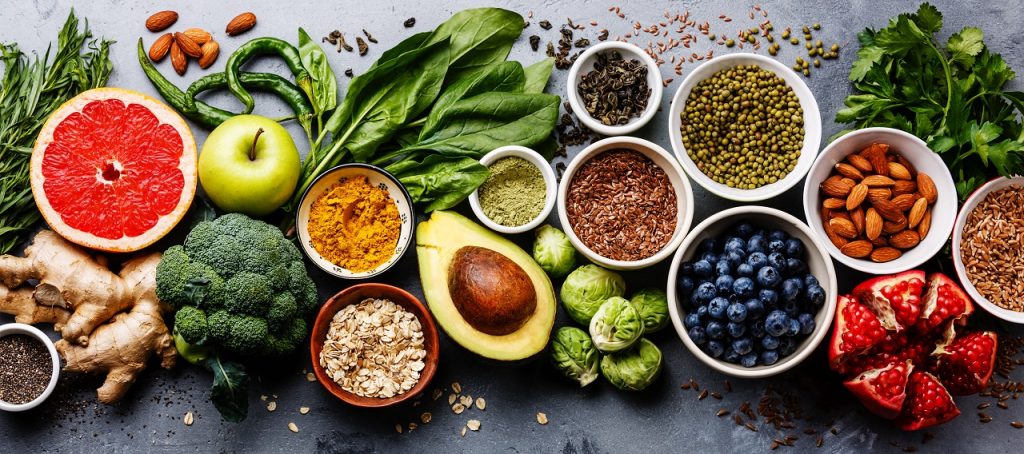
 Anything that sounds fancy won’t necessarily benefit our health. Lately, the word “Superfoods” must have appealed to you all. Well, what exactly are Superfoods? Why do we call them Superfoods? Though there’s no scientific definition, as per the dictionary, the definition of superfoods is “a food considered exceptionally good for one’s health and for boosting the immune system owing to its naturally high content of vitamins, minerals, fiber, antioxidants, or omega-3 fatty acids”. So basically, superfoods offer a dense concentration of nutrients with small quantities of food.
Are Superfoods a Fad?
Superfoods are largely plant based and the high amount of vitamins, minerals and antioxidants found in them can prevent many chronic diseases, autoimmune diseases, ward off inflammation and have huge health benefits. It can be taken by everyone including children. However, there is no specific list of superfoods yet, it includes a wide variety of food and every now and then, there is a new addition to the list. Though Superfoods are coined by marketers, as they are all natural and incorporated just as a supplement to our daily balanced diet, they cannot be considered as a fad. But always and as with everything else, superfoods need to be consumed in moderation. Anything that’s healthy can work against our body if it is taken in large quantities. Do not over do with any one variety of superfoods. It is good to take in varieties for maximum benefits while getting a wide array of vitamins and minerals too. Researching or consulting a nutrition expert or health coach would be ideal before trying any new superfood you come across.
What Are The Best Ones?
- Nuts and Seeds like almonds, walnuts, pistachios, flax seeds, chia seeds, pumpkin seeds, sunflower seeds, watermelon seeds, etc. provide proteins, fibers and unsaturated fat
- Quinoa: is an ancient grain, a very good alternative for animal protein especially for vegetarians and also good source of iron, zinc, vitamin E, and selenium
- Avocados: are a rich source of monounsaturated fat (Good fat) with 20 different vitamins, minerals, fiber, and phytonutrients too. They can be made as a healthy spread on sandwiches instead of mayonnaise.
- Olives and extra virgin olive oil: Both Olives and Olive oil are very high in vitamin E and other powerful antioxidants. They are also rich in monounsaturated healthy fats that can protect our heart, prevent cancer and osteoporosis
- Moringa: Moringa leaves are rich in antioxidants and iron. Apart from these, they have 15 times more potassium than bananas and 7 times more Vitamin C than oranges! They are also packed with many vitamins and minerals and protect cell damage and boost immunity.
- Dark Leafy greens: Spinach, Amaranth, beet greens, Dill, Fenugreek, Kale, Mustard, etc. are excellent sources of minerals like iron, magnesium, calcium, folate, zinc. They are also rich in Vitamin A, C, K and folate with a lot of fiber
- Broccoli: Having high calcium and collagen content, broccoli helps in making strong bones.
- Seafood especially salmon: provides Omega 3 fatty acids
- Berries: All type of berries including strawberries, blueberry, black berries, cherries are robust in antioxidants along with vitamins and minerals
- Beans and Legumes: are loaded with fibers, vitamins, minerals, including B-vitamins, iron, zinc, calcium and magnesium.
How to Choose Superfoods?
If you observe the list of superfoods, most of them are least processed and plant based. Keeping this point in mind, make sure you avoid food that is processed and marketed as superfoods. It is better to look at the food label before you buy and read the label for its nutritional facts, ingredients like sugar content, sodium and other chemicals which can do more harm than good. Choose something that is natural and least processed but remember, just adding superfoods to your diet may not make you healthy. Having them in the right quantity, with a balanced meal, right exercise and healthy lifestyle habits are equally important.
Certain superfoods may not be suitable to everyone due to allergies, such as allergies towards nuts or seeds. People with any acute or chronic health conditions need to consult their dietitian before they try any new food. Healthy people can always include one or two superfoods daily to enjoy optimum health!
We hope this article helps you. For more on nutrition, check out Healthy Reads. To get more information on superfoods, how to choose them and what to eat, speak to a GOQii Coach by subscribing for personalised health coaching here: https://goqiiapp.page.link/bsr
#BeTheForce
 There’s no doubt that this bright yellow, all season fruit has innumerable advantages. If I were to list down the benefits, it would be endless. The foremost advantage of lemon is its power to enhance the flavor of our kitchen. Packed with vitamin C, calcium, potassium, phosphorous, magnesium, pectin fiber and citric acid, this fruit has been known to boost immunity and take it to another level.
 Given the current situation, the pandemic has gotten most of us to focus on our health. We are in fact taking a step towards eating clean and boosting our immunity to fight the virus. But, boosting immunity is not a temporary need, we should always focus on it. It is our shield against infections and disease. Let’s look at one food which helps us do this – Coconut Oil!
 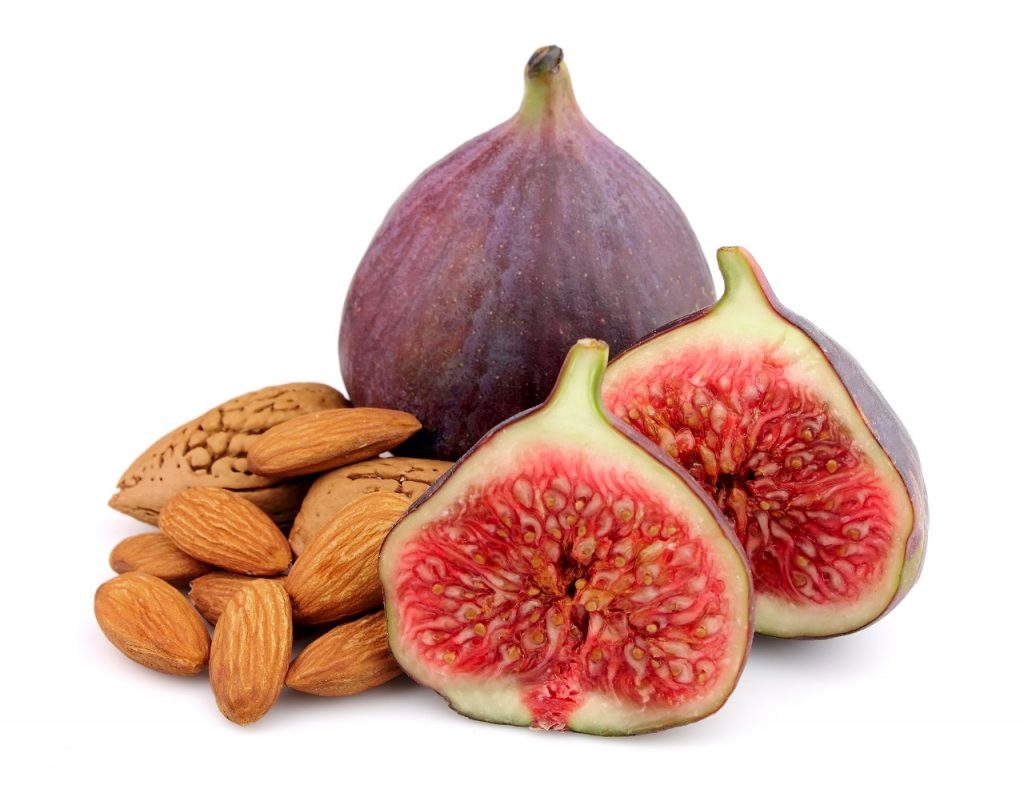 How are all of you doing during this lockdown? We hope you are all safe and healthy. Right about now, we know that your sweet tooth must be craving for something delicious but whatever you do, don’t give in to junk! To ensure that, and to make your quarantine time more productive, we’re sharing a sweet recipe for a delicious anjeer wrap that will warm your heart and keep you healthy!


