GOQii

Blog

  • HOME
  • HEALTHY LIVING
  • FITNESS
  • HEALTHY RECIPES
  • USER STORIES
  • KARMA
  • BUY GOQii

May 19, 2026 By GOQii Leave a Comment

World IBD Day 2026: Why IBD Is More Than Just a Gut Problem

We often hear conversations around “gut health” today – probiotics, digestion, bloating, and healthy eating have become part of mainstream wellness culture. But for millions of people living with Inflammatory Bowel Disease (IBD), gut health is not a trend. It is a lifelong medical condition that affects nearly every aspect of daily life.

Observed every year on May 19th, World IBD Day aims to raise awareness about chronic inflammatory bowel diseases like Crohn’s disease and Ulcerative Colitis, conditions that are often misunderstood, misdiagnosed, or ignored because their symptoms are largely invisible to others.

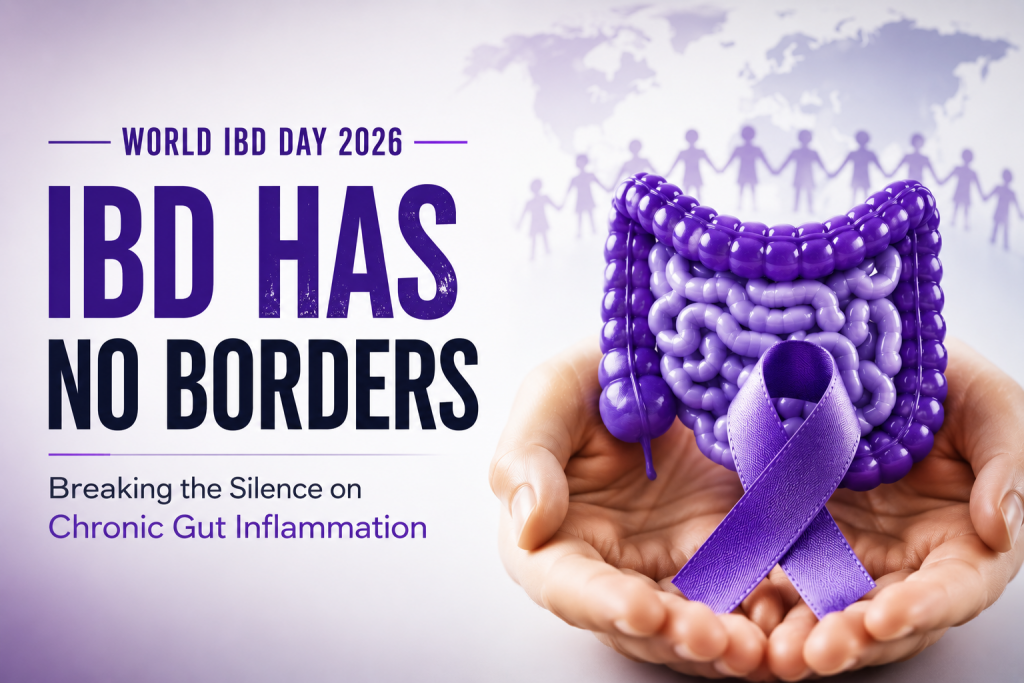
The official World IBD Day 2026 theme, “IBD Has No Borders: Access to IBD Care,” highlights an important global reality: everyone deserves timely diagnosis, quality treatment, and long-term support regardless of where they live.

And while medical care remains the foundation of IBD treatment, managing the condition daily also depends heavily on lifestyle, stress management, recovery, movement, and sustainable health habits.

What Exactly Is IBD?

Inflammatory Bowel Disease (IBD) is a chronic autoimmune condition in which the immune system mistakenly attacks healthy tissue in the digestive tract, causing ongoing inflammation and damage.

The two most common forms of IBD are:

  • Crohn’s Disease: Can affect any part of the digestive tract, from the mouth to the intestines.
  • Ulcerative Colitis: Primarily affects the lining of the large intestine (colon) and rectum.

Unlike occasional digestive discomfort, IBD involves chronic inflammation that can significantly impact nutrient absorption, energy levels, immunity, and overall quality of life.

Common symptoms may include:

  • Persistent diarrhoea
  • Abdominal pain or cramping
  • Fatigue
  • Unexplained weight loss
  • Rectal bleeding
  • Reduced appetite
  • Nutritional deficiencies

For many individuals, flare-ups can be unpredictable and physically exhausting.

IBD vs IBS: Understanding the Difference

IBD and IBS (Irritable Bowel Syndrome) are often confused, but they are not the same condition.

IBS is a functional digestive disorder, meaning the digestive system does not function optimally despite there being no visible inflammation or structural damage.

IBD, however, is a structural inflammatory disease. It causes visible damage to the digestive tract, including ulcers and tissue inflammation, and requires specialised medical care and long-term monitoring.

Understanding this difference is important because symptoms may overlap, but the long-term health implications are very different.

IBD Is More Than a Digestive Condition

One of the biggest misconceptions about IBD is that it only affects the stomach or intestines.

In reality, chronic inflammation can affect the entire body.

Many people living with IBD also experience:

  • Severe fatigue
  • Joint pain
  • Sleep disturbances
  • Anxiety and emotional stress
  • Nutrient deficiencies
  • Reduced immunity
  • Skin or eye inflammation

This is why managing IBD requires a more holistic approach that supports both physical and mental wellbeing—not just symptom control.

5 Lifestyle Habits That Can Support IBD Management

While IBD requires medical treatment and professional supervision, daily habits can play a major role in reducing flare triggers, supporting recovery, and improving overall quality of life.

  1. Identify Personal Food Triggers

There is no universal “IBD diet.”

Foods that work well for one person may worsen symptoms for another. Common triggers may include spicy foods, high-fat meals, dairy, caffeine, excessive processed foods, or artificial sweeteners.

The Action Step:

Keep a detailed food and symptom journal. Tracking meals alongside symptoms can help identify patterns and trigger foods more effectively over time.

During remission phases, focusing on balanced nutrition and overall gut health may help support microbiome diversity and digestive recovery.

  1. Support the Gut-Brain Connection

The gut and brain are deeply connected through the gut-brain axis. Chronic stress can directly influence inflammation, digestion, bowel sensitivity, and flare severity.

According to the GOQii India Fit Report 2026, 21% of women and 10% of men reported feeling chronic stress “always or very often.” Persistent stress keeps the body in a prolonged fight-or-flight state, which may aggravate inflammatory conditions over time.

The Action Step:

Prioritise nervous system recovery daily. Deep breathing, meditation, restorative yoga, journaling, nature walks, or simply disconnecting from screens can help calm the body and support digestive health.

Managing stress is not optional in chronic inflammatory conditions—it is part of the treatment ecosystem. Learn more about effective stress management techniques that can support long-term wellbeing.

  1. Stay Hydrated During Flare-Ups

IBD-related diarrhoea can increase the risk of dehydration and electrolyte imbalance, especially during active flare periods.

The Action Step:

Sip fluids consistently throughout the day instead of consuming large amounts at once. Coconut water, homemade oral rehydration solutions (ORS), and electrolyte-rich fluids may help replenish sodium and potassium levels more effectively.

  1. Avoid a Completely Sedentary Lifestyle

Movement plays an important role in circulation, digestion, mood, insulin sensitivity, and inflammation management.

The GOQii India Fit Report 2026 revealed that nearly 50% of Indians spend 5–8 hours sitting daily, while another 26% remain sedentary for even longer durations. Prolonged inactivity may worsen fatigue, digestive sluggishness, and systemic inflammation.

The Action Step:

Focus on gentle, sustainable movement. Walking, stretching, cycling, swimming, or light yoga can help support recovery without placing excessive physical stress on the body.

During flare-ups, the goal is not intense performance—it is maintaining mobility and supporting overall wellbeing.

  1. Prioritise Sleep and Recovery

Sleep is one of the most overlooked pillars of inflammatory health.

Poor sleep increases stress hormones, disrupts immune regulation, and may worsen inflammatory responses throughout the body. Many people living with IBD already struggle with interrupted sleep due to pain, discomfort, or fatigue.

The Action Step:

Create a consistent sleep routine. Reduce screen exposure before bed, avoid heavy late-night meals, and prioritise recovery habits that allow the body to rest and repair more effectively.

The Bigger Goal: Protecting Your Healthspan

Living with IBD can feel physically exhausting, emotionally isolating, and unpredictable. But awareness, support, and proactive management can significantly improve long-term quality of life.

The GOQii India Fit Report 2026 highlighted a growing concern: while average life expectancy in India has increased to 70.4 years, Healthy Life Expectancy (HALE) remains only 59 years. This means many people spend over a decade managing chronic health conditions that affect daily functioning and wellbeing.

World IBD Day is not just about awareness. It is about recognising that chronic inflammation, stress, sedentary lifestyles, poor recovery, and delayed diagnosis all influence long-term healthspan.

Supporting gut health is not simply about digestion—it is about protecting energy, immunity, resilience, and quality of life for the future.

Pro Tip: Use the GOQii App to track meals, hydration, symptoms, movement, sleep, and stress levels. Sharing this data with your GOQii Personalised Health Coach can help identify flare triggers faster and support more personalised lifestyle management.

Frequently Asked Questions (FAQs)

  1. Is there a cure for IBD?

Currently, there is no cure for Crohn’s disease or Ulcerative Colitis. However, many individuals successfully manage symptoms and achieve long-term remission through a combination of medical treatment, nutrition, stress management, and lifestyle support.

  1. Can stress worsen IBD symptoms?

Yes. While stress does not directly cause IBD, chronic stress may aggravate inflammation and trigger flare-ups through the gut-brain connection.

  1. What foods should people with IBD avoid?

Triggers vary from person to person. Common trigger foods may include spicy foods, high-fat meals, caffeine, alcohol, dairy, processed foods, or high-fibre foods during active flare-ups.

  1. Why is fatigue so common in IBD?

Ongoing inflammation, poor nutrient absorption, disrupted sleep, and immune system stress can all contribute to severe fatigue in people living with IBD.

#BeTheForce

Disclaimer: This article is intended for educational purposes only. IBD is a serious chronic medical condition. Always consult your gastroenterologist or healthcare provider before making changes to your diet, medication, or exercise routine.

April 10, 2026 By GOQii Leave a Comment

Inflammation: The Hidden Fire Behind Most Chronic Disease

Most people track cholesterol.
Many monitor blood sugar.

Very few think about inflammation.

And yet, chronic low-grade inflammation is now recognised as one of the most important underlying drivers of modern disease linking heart disease, diabetes, fatty liver, arthritis and even cognitive decline.

Think of it as a slow, internal fire.
Not something you feel immediately but something that quietly damages tissues over time.

What Is Chronic Inflammation?

Inflammation, in itself, is not the problem.

It is a natural defence mechanism. When you cut your finger or fight an infection, inflammation helps the body heal.

The issue begins when this response does not switch off.

Poor sleep, chronic stress, excess abdominal fat, smoking and diets high in ultra-processed foods can keep the body in a constant low-grade inflammatory state. This is often silent. There are no obvious symptoms.

But over time, the cumulative effect increases the risk of chronic disease.

What Does CRP Actually Tell You?

C-reactive protein (CRP) is a widely used blood marker that reflects inflammation in the body.

A more sensitive version, high-sensitivity CRP (hs-CRP), is commonly used to assess cardiovascular risk.

In general terms:

  • Below 1 mg/L → low risk
  • 1–3 mg/L → moderate risk
  • Above 3 mg/L → higher inflammatory burden

CRP does not diagnose a specific condition.
It indicates that the body is under physiological stress.

For meaningful interpretation, CRP should always be viewed alongside other markers such as blood glucose, lipid profile and body composition not in isolation.

Visceral Fat: More Than Stored Energy

Not all body fat behaves the same way.

Visceral fat- the fat stored deep around internal organs is metabolically active. It releases inflammatory chemicals directly into the bloodstream.

This is why central fat accumulation is strongly associated with:

  • cardiovascular disease
  • insulin resistance
  • type 2 diabetes

Importantly, you do not need to appear overweight to carry excess visceral fat. Even individuals with a “normal” weight may have elevated metabolic risk if they are sedentary or have poor lifestyle habits.

Reducing visceral fat is one of the most effective ways to lower chronic inflammation.

Ultra-Processed Foods and Oxidative Stress

Diet plays a central role in inflammation.

Ultra-processed foods typically high in refined carbohydrates, industrial oils and additives can lead to repeated blood sugar spikes and increased oxidative stress.

Oxidative stress damages cells and perpetuates inflammation.

Frequent consumption of:

  • packaged snacks
  • sugary beverages
  • deep-fried foods

combined with low physical activity creates a cycle that reinforces metabolic dysfunction over time.

Simple, Evidence-Based Ways to Reduce Inflammation

You do not need extreme interventions.
Consistency matters more than intensity.

  1. Walk after meals
    A 10–15 minute walk improves glucose regulation and reduces post-meal metabolic stress.
  2. Strength train regularly
    Resistance training improves insulin sensitivity and helps reduce visceral fat.
  3. Focus on whole foods
    Prioritise vegetables, fruits, lentils, nuts and seeds.
  4. Use traditional anti-inflammatory ingredients
    Turmeric, ginger and garlic offer well-documented benefits.
  5. Include omega-3 fats
    Sources such as fatty fish, flaxseeds and walnuts support both cardiovascular and cognitive health.
  6. Protect your sleep
    Poor sleep is a major driver of inflammation and hormonal imbalance.

Why This Matters

Chronic disease does not develop overnight.
It builds gradually often through processes like inflammation that go unnoticed for years.

Understanding inflammation helps connect the dots between conditions that are often treated separately:

  • heart disease
  • diabetes
  • obesity
  • cognitive decline

In many cases, they share the same underlying mechanisms.

The goal is not to eliminate inflammation entirely that is neither possible nor necessary.

The goal is to reduce the constant internal load.

To lower the heat.
Gradually. Consistently.

Because long-term health is not defined by one decision,
but by the patterns you repeat every day.

We hope this article helps you understand the silent signals your body might be sending. Do you have questions about managing inflammation, or have you noticed positive changes after adopting any of these habits? Drop your thoughts in the comments below! For personalized guidance on interpreting your health markers and building an anti-inflammatory lifestyle, speak to a certified expert by subscribing to GOQii’s Personalised Health Coaching here.

Frequently Asked Questions (FAQs)

1. What are the most common symptoms of chronic inflammation?
Unlike acute inflammation (which shows as visible redness or swelling), chronic inflammation is often “silent” and internal. However, common subtle warning signs include persistent fatigue, unexplained joint or muscle pain, stubborn weight gain (especially visceral fat around the belly), frequent digestive issues like bloating, and brain fog.

2. What is the best blood test to check for inflammation in the body?
The most common and reliable blood marker used by doctors to assess systemic inflammation and cardiovascular risk is the High-sensitivity C-reactive protein (hs-CRP) test. Generally, an hs-CRP level below 1 mg/L indicates low risk, while a level above 3 mg/L suggests a high inflammatory burden.

3. What foods cause the most inflammation?
Ultra-processed foods are the primary dietary drivers of chronic inflammation. This includes items high in refined sugars, high-fructose corn syrup, refined carbohydrates (like white bread and pastries), deep-fried foods, and industrial seed oils. These foods trigger rapid blood sugar spikes and oxidative stress, keeping the body’s inflammatory response constantly active.

4. How fast can you reduce inflammation with diet and lifestyle changes?
While chronic inflammation builds up over years, your body responds quickly to positive changes. Simple interventions—like taking a 15-minute walk after meals to control blood sugar, cutting out sugary beverages, and prioritizing 7-8 hours of sleep—can begin lowering inflammatory markers like hs-CRP within a few weeks to a few months.

5. Can regular exercise help reduce inflammation?
Yes. While intense, over-training can temporarily increase acute stress, regular and moderate exercise is highly anti-inflammatory. Strength training specifically helps burn away metabolically active visceral fat (which actively releases inflammatory chemicals), while daily movement improves insulin sensitivity and circulation.

#BeTheForce

Disclaimer: The information provided in this article is for educational and general informational purposes only and is not intended to serve as professional medical advice, diagnosis, or treatment. Inflammatory markers like hs-CRP must be interpreted by a qualified medical professional in the context of your overall health profile. Always consult with your doctor, physician, or a registered clinical dietitian before making significant changes to your diet, starting a new exercise routine, or if you are experiencing symptoms of chronic illness.

June 29, 2024 By Luke Coutinho 3 Comments

All you want to know about Inflammation

When you think pain, think inflammation.
 
Inflammation is a good thing. It’s your body’s way of rising up to fight out germs/bacteria/infections, heal bruises when you fall, heal torn ligaments/tissues/tendons etc.
 Once it does its job of fighting out these invaders or foreign organisms, the inflammation should reduce back down to normal.
 The problem arises when that does not happen.

Have a torn ligament or muscle pull that you are struggling to heal? Seen the best doctors, therapists, etc. and still not fixed? Struggling with arthritis and joint pain? 
Check your CRP (C-Reactive protein) levels and focus on reducing inflammation. The cure is in reducing inflammation.

Many of us live with chronic inflammation and that’s dangerous. It’s also one of the reason people struggle to lose weight, experience excruciating joint pains,
 age faster than normal, 
feel tired through the day, 
higher chances of cancer and heart disease, suffer from 
Fibromalgia/Headaches/Migraines, 
have higher chances of Alzheimer’s/Dementia, struggle with diabetes,
 feel depressed and low.

Silent inflammation like the ones described above can destroy your nerves and cellular health, suppressing and weakening your immune system, leading to deadly diseases like cancer, etc.


What’s scary is the fact that you can be extremely healthy and fit, but silent inflammation could be eating into you from inside, which is one of the many explainable reasons why cancer or heart attacks can strike down a healthy and young human being.
 Checking cholesterol levels, Vitamin D3, B12, SGOT, and SGTP is imperative, but what most people miss out on is checking their CRP levels (C-Reactive protein). This is an important protein level to check, and a simple blood test will cover that for you. This level will tell you volumes about the amount of inflammation you have in your body.

In my years of experience, what stands out in a cancer report of a person is an increase in CRP levels and white blood cells, and the immediate action is to reduce inflammation through food and lifestyle change.
 Diseases breathe in inflamed environments, in environments that are acidic, and in environments where there is less oxygen supply to the cells.

Overtraining causes inflammation.
 Vigorous exercise, inconsistent exercise, and high-intensity training that is not planned for your body type will make your CRP levels soar and kill your immunity, which is why many trainers ask their clients to take a Vitamin C and E post workouts.

Running marathons without proper nutrition causes massive inflammation.
 Stress causes inflammation (chronic stress).
 Improper nutrition (high-fat foods, sugar, artificial sweeteners, doughnuts, white sugar, aerated drinks, salty foods, packaged foods), and smoking causes inflammation. (I’ve seen CRP levels fall in a smoker’s blood report within 10 days of kicking the butt)

. 

How to keep your inflammation in check:

Smart and moderate exercise such as meditation and controlling your stress and BP levels, nuts and seeds, 
green leafy veggies and fruits,
 good fats (like nuts, olive oil, coconut oil) helps in keeping your inflammation under check. Finally, I should not be saying this, but it has been proven that a small amount of alcohol can actually lower CRP levels. Vitamin D3
 and Curcumin (turmeric extract) are some of the best spice-based inflammation fighters.

Understanding and managing inflammation is crucial for maintaining good health and preventing chronic diseases. By incorporating anti-inflammatory foods, regular exercise, and stress management into your routine, you can significantly reduce inflammation and improve your overall well-being.

We hope this article helps you. For further information or guidance, reach out to our certified experts by subscribing to GOQii’s Personalised Health Coaching here.

#BeTheForce 

Disclaimer: The information provided in this blog is for general awareness and educational purposes only. It is not intended to replace professional medical advice, diagnosis, or treatment. Always consult a qualified healthcare provider for personalised medical guidance or concerns related to your health.

February 10, 2024 By Luke Coutinho 3 Comments

Inflammation – What you should know?

Benefits_of_Fish_Oil_Blog_Reduce_Inflammation

When you think pain, think inflammation. Inflammation is a good thing. It’s your body’s way to rise up to fight germs/bacteria/infections, heal bruises when you fall, heal torn ligaments/tissues/tendons etc. Once it does its job of fighting out these invaders or foreign organisms, the inflammation should reduce to normal. The problem is when that doesn’t happen.

Have a torn ligament or muscle pulls that your struggling to heal? Seen the best doctors, therapists etc., and still not fixed? Struggling with arthritis and joint pain? Check your CRP (C-Reactive Protein) levels and focus on reducing inflammation. The cure is in reducing inflammation.

Many of us live with chronic inflammation and that’s dangerous. It’s also the reason people – struggle to lose weight, experience painful joint pain, age faster than normal, feel tired thru the day. Also with chronic inflammation there are higher chances of heart disease, Alzheimer’s/Dementia, struggle with diabetes, feel depressed. Low silent inflammation can destroy your nerves and cellular health, suppressing and weakening your immune system, leading to deadly diseases like cancer, etc.

What’s scary is the fact that you can be extremely healthy and fit, but silent inflammation could be eating into you from inside, which is one of the many explainable reasons why cancer or heart attacks can strike down a healthy and young human being.

Checking Cholesterol levels, Vitamin D3, B12, SGOT, SGTP is imperative, but what most people miss out on is checking their CRP levels. (C-Reactive protein). This is such an important protein level to check and a simple blood test will cover that for you.

CRP level will tell you volumes about the amount of inflammation you have in your body. In my years of experience what stands out in a cancer report of a person is an increase in CRP levels and white blood cells and the immediate action is to reduce inflammation thru food and lifestyle change. Diseases breathe in inflamed environments, in environments that are acidic and in environments where there is less oxygen supply to the cells.

Over training causes inflammation. Vigorous exercise, inconsistent exercise and high intensity training which is not planned for your body type will make your CRP levels soar and kill your immunity, which is why many trainers ask their clients to take a Vitamin C and E post workouts. Running marathons without proper nutrition causes massive inflammation.

Chronic stress, Improper nutrition (high fat foods, sugar, artificial sweeteners, doughnuts, white sugar, aerated drinks, salty foods, packaged foods), Smoking causes inflammation. I’ve seen CRP levels fall in a smokers blood report within 10 days of kicking the butt.

How to keep your inflammation in check:

– Smart and moderate exercise

– Meditation and controlling your stress and BP levels

– Nuts and seeds, Green leafy veggies and fruits

– Good fats (like nuts, olive oil, coconut oil)

But, it has been proven that a small amount of alcohol can actually lower CRP levels.

-Vitamin D3, Curcumin (turmeric extract) is one of the best spice based inflammation fighters

Inflammation, the silent orchestrator of health woes, demands our attention. CRP levels offer a symphony of insight. Embrace a melody of smart exercise, mindful nutrition, and stress soothers like meditation. Share your thoughts on inflammation and for more insights, explore Healthy Reads or connect with a certified expert through GOQii’s Personalised Health Coaching here. Your journey to well-being awaits!

#BeTheForce

Search

Recent Posts

  • 10 Everyday Habits That Could Be Hurting Your Health
  • Why Good Nutrition Matters: Benefits of Healthy Eating for a Healthy Life
  • Monsoon Health Tips: How to Boost Your Immunity During Seasonal Changes
  • Yoga for Healthy Ageing: Simple Practices to Add Life to Your Years
  • Calming Your Mind: Breathing Techniques for ADHD

Stay Updated

Archives

  • June 2026 (22)
  • May 2026 (20)
  • April 2026 (24)
  • March 2026 (18)
  • February 2026 (14)
  • January 2026 (14)
  • December 2025 (19)
  • November 2025 (15)
  • October 2025 (20)
  • September 2025 (6)
  • August 2025 (6)
  • July 2025 (11)
  • June 2025 (18)
  • May 2025 (16)
  • April 2025 (22)
  • March 2025 (27)
  • February 2025 (21)
  • January 2025 (25)
  • December 2024 (22)
  • November 2024 (23)
  • October 2024 (20)
  • September 2024 (23)
  • August 2024 (29)
  • July 2024 (20)
  • June 2024 (25)
  • May 2024 (26)
  • April 2024 (27)
  • March 2024 (27)
  • February 2024 (23)
  • January 2024 (21)
  • December 2023 (14)
  • November 2023 (10)
  • October 2023 (19)
  • September 2023 (22)
  • August 2023 (18)
  • July 2023 (21)
  • June 2023 (23)
  • May 2023 (20)
  • April 2023 (19)
  • March 2023 (23)
  • February 2023 (19)
  • January 2023 (15)
  • December 2022 (11)
  • November 2022 (15)
  • October 2022 (15)
  • September 2022 (12)
  • August 2022 (10)
  • July 2022 (17)
  • June 2022 (11)
  • May 2022 (10)
  • April 2022 (6)
  • March 2022 (6)
  • February 2022 (13)
  • January 2022 (11)
  • December 2021 (7)
  • November 2021 (3)
  • October 2021 (6)
  • September 2021 (3)
  • August 2021 (8)
  • July 2021 (7)
  • June 2021 (15)
  • May 2021 (16)
  • April 2021 (10)
  • March 2021 (7)
  • February 2021 (4)
  • January 2021 (4)
  • December 2020 (3)
  • November 2020 (4)
  • October 2020 (10)
  • September 2020 (3)
  • August 2020 (3)
  • July 2020 (2)
  • June 2020 (4)
  • May 2020 (10)
  • April 2020 (12)
  • March 2020 (10)
  • February 2020 (4)
  • January 2020 (4)
  • December 2019 (3)
  • November 2019 (7)
  • October 2019 (5)
  • September 2019 (4)
  • August 2019 (9)
  • July 2019 (9)
  • June 2019 (11)
  • May 2019 (4)
  • April 2019 (8)
  • March 2019 (8)
  • February 2019 (9)
  • January 2019 (8)
  • December 2018 (9)
  • November 2018 (3)
  • October 2018 (3)
  • September 2018 (5)
  • August 2018 (10)
  • July 2018 (6)
  • June 2018 (13)
  • May 2018 (8)
  • April 2018 (18)
  • March 2018 (9)
  • February 2018 (8)
  • January 2018 (15)
  • December 2017 (12)
  • November 2017 (19)
  • October 2017 (13)
  • September 2017 (15)
  • August 2017 (4)
  • July 2017 (8)
  • June 2017 (7)
  • May 2017 (6)
  • April 2017 (8)
  • March 2017 (6)
  • February 2017 (7)
  • January 2017 (9)
  • December 2016 (10)
  • November 2016 (7)
  • October 2016 (7)
  • September 2016 (7)
  • August 2016 (11)
  • July 2016 (9)
  • June 2016 (9)
  • May 2016 (12)
  • April 2016 (17)
  • March 2016 (17)
  • February 2016 (8)
  • January 2016 (6)
  • December 2015 (2)
  • November 2015 (9)
  • October 2015 (7)
  • September 2015 (9)
  • August 2015 (11)
  • July 2015 (9)
  • June 2015 (11)
  • May 2015 (9)
  • April 2015 (13)
  • March 2015 (8)
  • February 2015 (5)
  • January 2015 (12)
  • December 2014 (14)
  • November 2014 (11)
  • October 2014 (6)
  • September 2014 (13)
  • August 2014 (12)
  • July 2014 (6)
  • June 2014 (2)
  • May 2014 (7)
  • April 2014 (4)

From Shimla’s Slopes to Chandigarh’s Sidewalks: Surinder Kaur Bhalla’s Journey from Chaos to Control

Some journeys start with a plan. Others begin with a stumble literally. Surinder Bhalla, a government professional, born and raised in the scenic hill town of Shimla, had always lived a life of movement. “In Shimla, you walked everywhere,” she reflects. … [Read More...]

From “Laddu Nawin” to Fit and Fierce: How a 25-Year-Old Insurance Advisor Shed 20 Kilos and Gained His Life Back

When 25-year-old Nawin Yadav from Hyderabad walked into his office every morning, he carried more than just his files and policy papers. He had the weight of fatigue, sluggish energy, and an ever-growing belly that was becoming the butt of jokes. “People had even started calling me Laddu Nawin,” he says with a laugh, but […]

From Burnout to Balance: How Dr. Ranjit Reclaimed His Health

Dr Ranjit Bhatt has spent years tending to others. A practising doctor in Odisha, his days were packed with patients, surgeries, and emergencies. From the outside, it looked like a life lived in service. But on the inside, something wasn’t right. “I had no control over my schedule. I’d sleep late, eat at odd hours, […]

Ananda Mukherjee Health Story

From Terminal Illness To Complete Wellness! Ananda Mukherjee Health Story

As we observe World Cancer Day under the powerful theme ‘United by Unique’ (2025-2027)**, we are reminded that every individual’s journey with cancer is distinct, yet united by shared resilience, hope, and the collective fight against this disease. This theme places people at the centre of care and their stories at the heart of the […]

  • HOME
  • HEALTHY LIVING
  • FITNESS
  • HEALTHY RECIPES
  • USER STORIES
  • KARMA
  • BUY GOQii

Copyright ©2016 GOQii