GOQii

Blog

  • HOME
  • HEALTHY LIVING
  • FITNESS
  • HEALTHY RECIPES
  • USER STORIES
  • KARMA
  • BUY GOQii

Search Results for: work from home

June 15, 2024 By Geetika Patni 7 Comments

Mindful eating: Control portions and be wise! – Part 3


portion-control-plate

In my previous two blogs, I discussed the concept of Mindful Eating and the harmful effects of Mindless Eating. In my second blog, I explained why eating slowly is crucial to enjoy your meal fully (check it out here). Today, continuing this 5-part series on Mindful Eating, I will take you through portion control and why it is a must.

Appetite is complex and dieting is a challenge.

With every passing year, it gets more harrowing. We end up blaming the food industry, which has, over the years, increased portions per package and per serving size by whopping 2-7 times than the recommended value. Most of these take-away food products and dishes don’t fit in a healthy eating plan.

Mindful eating is the key to fix this chaos. When we can’t change anyone else (i.e. food industry), we can still change ourselves.

The art of being in present when you are eating your food is termed as Mindful Eating. Eating mindfully has tremendous benefits – you really learn to taste food and realize your real favourites and dislike, thus knowing what foods best fuel your exercise, work and leisure. If you enjoy eating or your food experience, you tend to enjoy life better. The by-product of this mindfulness is also a healthy weight loss and maintenance, and even the reversal of lifestyle disorders.

Among the many advantages of this healthy practice, my favourite one is learning to eat when hungry and stop when full, avoiding overeating at any given time. I have maintained my weight for years by effectively practicing portion control.

This is difficult, yet the easiest way to lose weight, keep it off, and moreover, it’s a lifestyle change – something that can change this whole obesity epidemic. We all struggle with food. This may be the solution to eating our favourite food, yet controlling the portions and being fair to our bodies.
portion-control-1

Portion control is easily achieved when you slow down your pace of eating. When you eat slowly, you become aware of when your stomach gets full and you also know how much to serve yourself and when to stop. Portion size and eating speed can be well explained through the famous ‘French Paradox’ which says that despite high intake of calorie-rich and fatty foods in France as compared to the US, the incidence of heart disease and overweight is relatively low in France.

It is well-documented fact that the French eat much slower than the Americans, thus ending up taking smaller portions. Sensible eating, therefore, works miraculously for the weight-watchers.

In this blog, I am sharing some good tricks and hacks that will help you prevent overeating and eliminate the need to diet ever.

When you first go through the list, pick up only 2 tasks which you can practice as your healthy habits. As you succeed, take up new ones gradually and implement them consistently to build in mindful eating approach for life.
portion-control1

Here’s how to practice portion control- 

      A) At home or for your regular eating

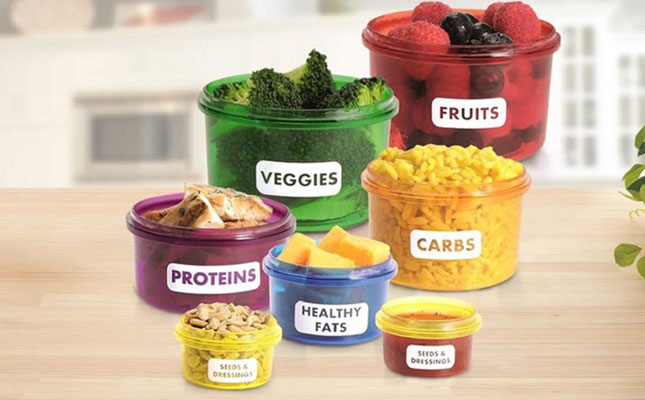
  1. Replace your food plates with smaller plates or use a side plate as your main plate. The food portion has grown bigger, and by choosing a small plate (law of size-metrics), you will reduce your consumption.
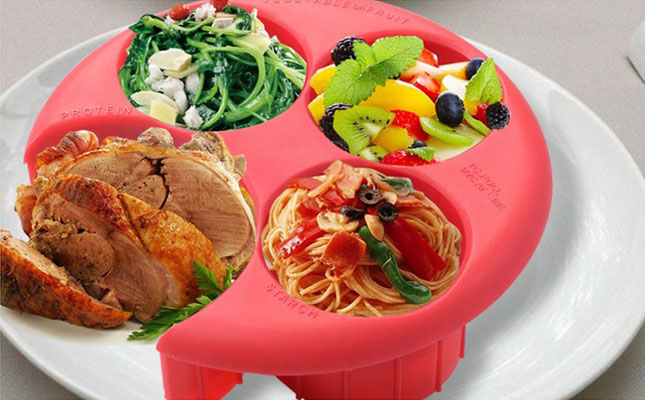
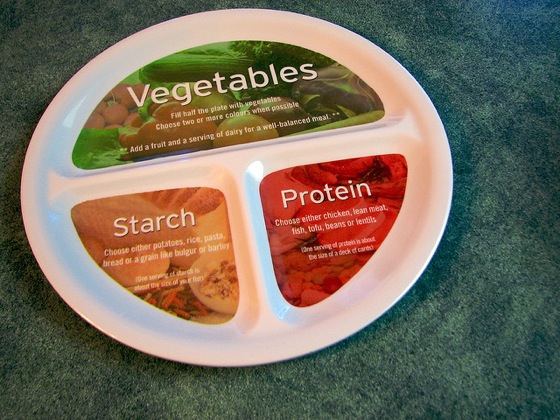
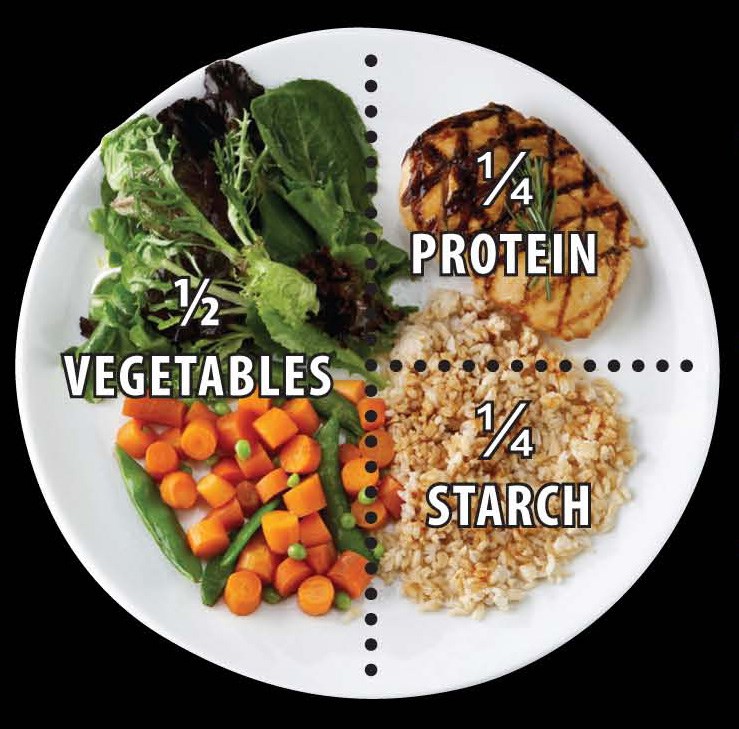
  1. Serve backwards – visualize your plate has 2 compartments. First fill up one half of it with veggies, both raw and cooked, and then serve other half of your plate with a portion of proteins (dal/curd) and carbs (rice/roti) combined. Eating veggies make you feel full, so serving it first on your plate and eating in larger portion quickly drives up the fullness quotient.
  1. Sit Down to eat- even if it is a snack. You are making your meal more organized by sitting down when dining, and this habit will prevent on-the-go munching that you may be unknowingly overdoing.
  • Deep breathe before you start your meal. This works as ‘ringing the bell’ –bringing your attention to your next to-do task, which is feeding yourself. Gently inhale through your nose, filling your chest with air, drawing your shoulder upwards, and exhale through your mouth for a little longer. Now take your first bite or sip.
  • Dine! Don’t multitask- Eating while watching TV or while fiddling with your cell phone will distract you from your meal. And distraction will lead to over consumption. Put away all gadgets while eating and you’ll be surprised that going back to your smart phone after 20 minutes is so refreshing. Plus, the added bonus of having a satisfying meal.
  • Have liquid first – A glass of water or a bowl of healthy soup. Starting your meal with fluids will fill up your belly to prevent over eating. It will irrigate the lining of your digestive tract, making your meals easier to flow down, and, probably quench your thirst, which may be the real reason behind your rumbling belly.
  • Eat slowly – to finish a meal in no less than 20 minutes. You may realize you don’t need the second helping if you eat your meals slowly.
  • Get Smart with leftovers – Because no one is judging how clean your plate is. If you are done with dinner, don’t stuff yourself just so that you don’t have to pack up the remaining food. Wrapping up remaining food is a smart way (as leftovers taste better too!) or downsizing your cooking is another idea to prevent over consumption.
  • Snack from a bowl– and not from a bag or box. You may end up eating 50% more if the snack you are having is hidden from your view. Pour a serving in a bowl and then munch.
portion-control

If you buy a bag of trail mix that reads 10 servings, divide the contents of the bag into 10 smaller bags or label it bold – ‘to be finished in 10 attempts’.

  • Out of sight-out of mouth – Keep tempting treats like chips, cookies, candies, and ice creams out of sight – high up in the kitchen cabinet or in the back line of the pantry shelf. Putting a fruit bowl, dark chocolate, dates, and nuts in the front row and within reach easily gets you to practice snacking.
  • Follow IN/OUT rule – When at home, the rule is to eat nutritious, balanced, and wholesome meals, avoiding all treats (White Sugar/breads/pasta/creamy desserts, and fried foods). When outside treat yourself to your favourite delicacies (but in moderation, lest you slip down the slope). This way you will be able to eat super healthy most of the time, and the occasional indulgences will soothe your soul.

Here are few suggestions to practice portion control outside home

When dining out –

  • Plan Ahead – Right when you start from home, put up a portion in head- “I’ll have only 2 glass of wine today”, “I’ll eat only 1 plate of pasta tonight”. When a plan is there, you only need to work on your determination during the action, so it makes sense to make a quick portion note prior to stepping out.
  • Survey the spread first (or read menu carefully) – By getting a sense of what are the foods available, you avoid heaping on excess of usual offerings because you didn’t realize earlier that the ‘can’t miss items’ were at the end of the line. So make your plate with intention and eat only what you really want to eat.
  • Order to serve your salad or soup first and entrée only after the appetizers are done with. A lot of food on the table and in sight will promote over eating.
  • Split and Share –the entrée with your dining partner. If eating alone, try doubling up your appetizer and skipping the main course altogether.
  • Indulge wisely – If you intend to end your meal with drinks or dessert, eat only half of your capability. Yes, it’s your treat meal! But a firm moderation now will prevent you from guilt trip later.
  • Split and share desserts too – or skip them totally and order yourself an unsweetened coffee/hot beverage to end the meal. Some metabolic push there! Plus you can always have a cube of dark chocolate when you reach home.
  • If Ice cream melts you away – Choose inedible dishes- say a cup over a cone, as your ice cream serving dish. Or if a cone gets you carried away, choose a kiddie, regular or sugar cone, as a waffle cone will increase your portion considerably. Avoid toppings or go for fruit based ones.
  • Tall and slim – Research says drinking from tall and slim glasses will cut down the portion of your drink by 20%, and so does avoiding exotic mixed liquor drinks. It’s that easy!
  • If you are travelling – Avoid heading to a restaurant directly. Instead take a pit stop at a fruit vendor first. A healthy snack before a meal will not spoil it, but help you portion mindfully.

Eating in moderation and compensating with a good round (or extra round) of exercising keeps one in balance. Avoid overeating and practice mindfulness – your ideal weight is just this one healthy habit away!

In my fourth blog, I shall talk about emotional eating. Very often, we find ourselves overeating or better to say indulge in mindless eating such as stress eating. Too happy indulge in over eating, too sad again indulge in over eating to feel good. The blog will take you through some pointers on how to avoid stress eating and satisfy your needs with mindfulness.

To be continued…

#BeTheForce
June 8, 2024 By Pallavi Barnwal Leave a Comment

The Joy Of Complaining

The joy of complaining

I have grown up to believe that happy couples do not fight, do not complain, and most of my life in almost all of my relationships, I have borne the brunt of this misconception. In my marriage, when differences accrued I thought it’s over, other than that it had become stale. Until recently, I carried this belief or rather misbelief cursing myself for complaining, regretting that why I could not compromise enough, adjusted enough since I was made to feel guilty for my disagreements. I agree, sometimes I went all ballistic, hurting the man for paltry reasons and those incidents could have been avoided. But to say one cannot complain at all is idealism!

Complaining is Healthy! Complaining is Juicy! Complaining is Catharsis!

You’re allowed to complain; it feels good sometimes! We can’t be grateful all the time. Gratitude is deeply important and healing, but we also have to make room for complaints. There’s a reason we have ten words for “complaining” in Yiddish. It’s a valve release. It’s a way to still feel like you have a say over your life when you don’t control squat. 

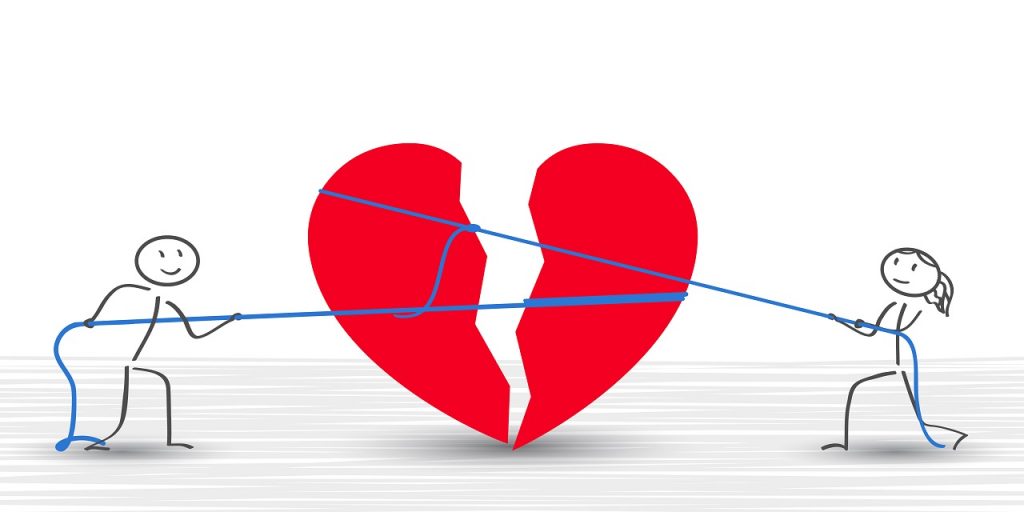
But a lot of us try to control our urge to complain about the fear of starting an argument. But holding in our relationship dissatisfactions over time creates a build-up of frustration and resentment that is toxic to our relationship. And then, when we finally do blurt out our complaints we do so in tones and words that are too harsh for our partner to absorb, leading them to become defensive and angry, a response that only convinces us to continue holding back our relationship-related complaints going forward, creating even more frustration, resentment, and negativity in our relationship.

To avoid this vicious cycle – to hold back – explode – backfire – hold back again, we should not stop complaining but instead, learn the art of complaining. Yes! We can be grateful and complain. We can be accountable and slack off. We can be peaceful and loving and we can talk shit and blow off steam. Complaining is a survival tool. Use it wisely. It will help us cope during the uneven phases of relationships. Complaining is juicy. So make your complaints good.

Complaint Sandwich – The Tool For Complaining The Right Way! 

We all love sandwiches right! How about turning your complaint into a delicious homemade grilled cheese sandwich? 

  • The first slice of bread in the Complaint Sandwich is a positive statement called The Ear Opener. Its goal is to lower the recipient’s defensiveness and allow them to absorb the complaint to follow.
  • The filling of the Complaint Sandwich is the actual complaint. The ‘filling’ should be lean like a slice—that is, keep it to a single incident and single complaint.
  • The second slice of bread in the Complaint Sandwich is another positive statement called The Digestive. Its goal is to motivate the recipient to respond positively to our complaint by assuring them that this complaint is for the betterment of our relationship, for the betterment of us.

Okay, you got the complaint sandwich ready, but do not spoil it by serving these small mistakes alongside it. There are reasons our complaints don’t get us what we want. We don’t think about what we want to achieve.

We complain because we want something, right? So before complaining, take 5 deep breaths, pause and think through what it is we want to achieve before we speak up. Figuring out what we want might be obvious when we call a customer service executive to remove a late charge on our credit card. It’s much less obvious when we’re complaining to our spouse/ partner. Take a moment to figure out what will make you feel satisfied through complaining.

We Allow Anger To Distract Us From Our Message

We usually complain when we are frustrated, hurt, or irritated. Feeling angry is fine if we are in control of our emotions and communicate reasonably. But when our voice gets too loud, our tone too harsh, or when we start cursing and accusing, the recipient’s attention will go to our anger and not to our actual message. As a result, we are more likely to encounter a counter-argument or resistance than a satisfactory resolution.

We Include More Than One Complaint At A Time

Hearing complaints always makes people defensive, so we have to voice our problems in ways that do not overwhelm them. It is far more effective to voice one complaint and get a result than to voice three and get nowhere. Tempting as it might be to air all your accumulated irritations at once, don’t! It doesn’t work.

We Don’t Complain To The Right Person

Surprisingly, we rarely voice our complaints to the person who can actually do something about them. We vent to our friends about our partner. If a complaint really irritates us, we owe it to our own peace of mind to address it to the person who can do something about it.

Make Your Complaint As Specific As Possible

Do not generalize it into a criticism. Complaining is about a situation, criticism is an ad nauseum attached on the character of the person. For example, “You forgot to call my sister this evening” will make the same point and be far easier for your partner to hear than “You said that you will speak to my sister but you never give any importance to my feelings”.

Remember!

Make space for other people to vent aloud. It often expresses their feelings of loss and longing. They know that they are powerless and they have to accept the situation; venting gives them the illusion that they have a say. It’s best to just let it pass and not try to reason with it.

We hope this article helps you to complain and heal your relationship the right way! Do leave your thoughts in the comments below. For more articles by our Sexual Wellness Expert Pallavi Barnwal, check out Healthy Reads or tune in to her sessions on GOQii Play.

#BeTheForce

June 3, 2024 By GOQii Leave a Comment

Pedaling Towards Better Health

cycling

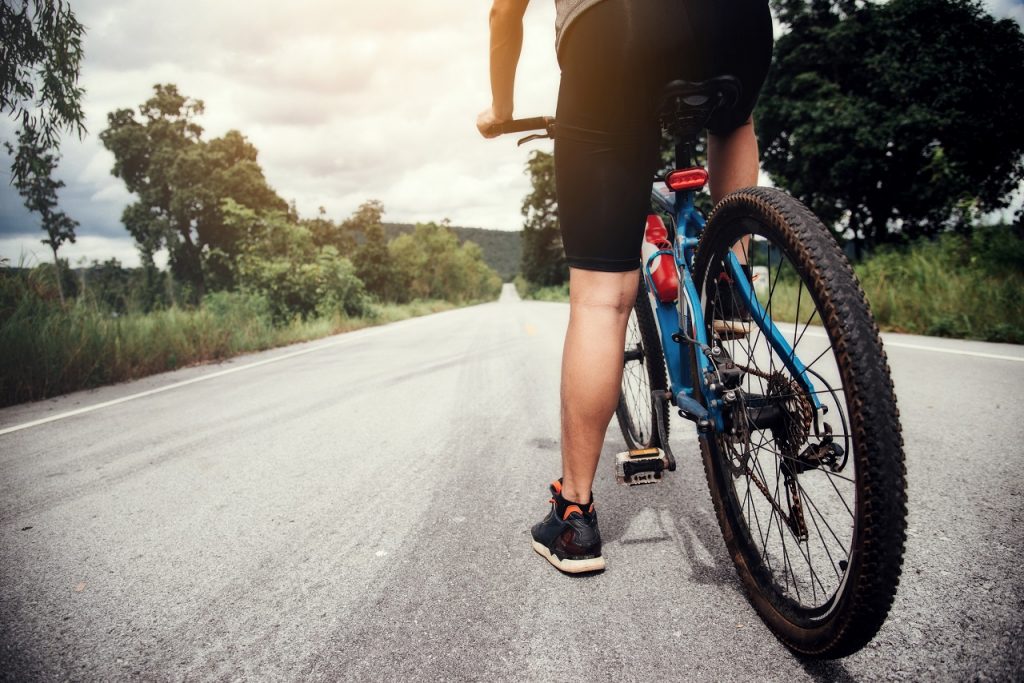
Embracing the pedal, cycling emerges as an unmatched ally in our quest for fitness and environmental stewardship. Ideal for the daily grind, it’s the perfect choice for those fortunate to work within a few kilometers from home.

However, finding a cycle-friendly zone can be challenging in the city’s bustling streets. Yet, cycling is an unrivalled option for maintaining fitness while contributing to a greener environment. Even if the city’s pace doesn’t always accommodate cyclists, there’s always a way to weave a 30-minute ride into your daily routine. Be it the serenity of park circuits or the quieter stretches away from the thrum of traffic, these pockets of peace offer a perfect backdrop for a daily pedal. This World Bicycle Day, let’s pledge to carve out time for cycling, ensuring we stay fit and do our bit for the planet, one ride at a time, despite the urban hustle.

Remember these essential tips for a safe ride:

  • Wear appropriate clothing, such as a t-shirt and padded shorts, and invest in a well-fitted helmet, bike reflectors, headlights, gloves, sturdy shoes, and eye protection.
  • Always wear a helmet for safety.
  • Keep to the left side of the road to allow traffic to pass.
  • Stick to well-lit paved roads, and if available, use bike paths, otherwise opt for service roads or park circuits where cycling is allowed
  • Make yourself visible with reflective clothing and use front and back lights on your bike
  • Signal your turns using arm and hand gestures
  • Keep your bike in good condition

Health Benefits of Pedaling:

Understanding the right way to sit on a bicycle is crucial before exploring its myriad health advantages. The right posture isn’t just about pedaling efficiently; it’s about keeping your body free from injury and discomfort.

Thanks to the bicycle’s design, which supports your sitting bones – the ischial tuberosities in your pelvis – cycling offers a joint-friendly exercise alternative. Unlike walking, which puts a burden on your legs, cycling spares your joints and is especially beneficial for those dealing with joint pain or the natural stiffness that comes with ageing.

Making cycling a regular part of your routine can help in warding off chronic conditions like heart disease, diabetes, and stroke. It’s a mood enhancer and an effective way to manage weight. Aim for an hour of cycling each day to not only reduce stress but also to build muscle strength and flexibility. Plus, cycling bolsters your immune system and releases endorphins – those feel-good hormones that keep you feeling youthful and vibrant. And as a bonus, it significantly boosts your stamina.

We hope this article inspires you to embrace cycling and experience its numerous health benefits. How do you incorporate cycling into your daily routine? Share your experiences in the comments below!

#BeTheForce

May 24, 2024 By Azra Faizan 41 Comments

How to Reduce Side effects of most commonly used Drugs

“For every drug that benefits a patient, there is a natural substance that can achieve the same effect.”
– Dr Carl C. Pfeiffer

Then why is it that drugs have become our first choice and not herbs? Well, the answer is obvious, in today’s fast-paced life we all want immediate results and while, some herbs do give immediate results for simple ailments, more serious ailments call for a longer treatment with herbs which most people don’t have the patience for. Also, at times the harm done is so extensive that we do need immediate results.

But, the biggest problem with allopathic medicines is their side effects, they might cure your ailment, but they more often than not, leave you with another one, resulting in the Doctor prescribing you another drug to reduce the side effect. This can sometimes become a vicious cycle.

From my personal experience, I understand that even though medication, long-term or temporary, sometimes is a necessity but, having further prescription drugs to counter the side effects of medications can usually be avoided by adopting simple home remedies instead.

So what are the most commonly occurring side effects of most allopathic medications?

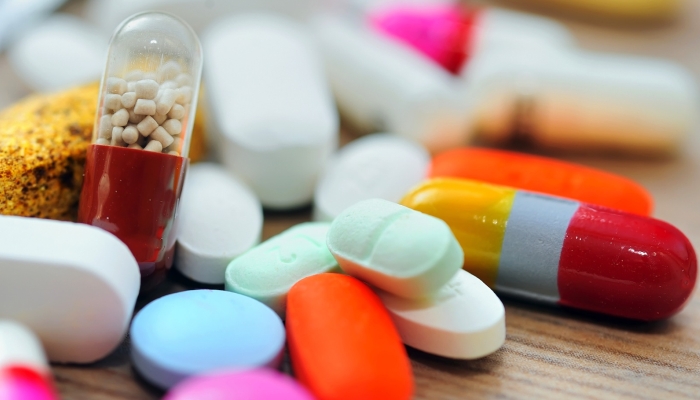
Hyperacidity, constipation, diarrhoea, nausea, abdominal cramps, water retention, oral ulcers, weight gain, weight loss, bone and joint pains, hair fall, high blood pressure, liver toxicity, kidney toxicity, drowsiness and, even hallucinations.

 So let us learn a few tips to keep in mind whenever on medication.

  1. Know your medicine – Don’t blindly accept whatever the Doctor has prescribed, without counter questions. Inquire about the side effect so that you are aware if it ever occurs, check the dosage too, and always make sure to ask your Doctor for the minimum dose required.
  2. WATER, WATER, WATER – Keep yourself hydrated, side effects occur because all oral medicines affect our whole body and not just the affected part. So drinking adequate water helps in flushing out the toxins present in drugs.
  3. Supplementation – Most drugs along with the ailment deplete our body’s vitamin and mineral stores, in turn leading to the side effects. So, why not replenish our vitamin stores instead of treating the symptom alone. Supplementation also helps in a quicker recovery.

Now; I know what my colleagues would be thinking “How can a nutritionist say take supplementation, instead of trying to get essential micronutrients through food?? “

Yes, like most nutritionists I do agree that healthy eating can keep giving us all the essential micronutrients that we need and that supplementation gives us synthetic vitamins and minerals which are not equally effective. But, the rules are changed when on medication, and to make up for the fast depletion and to prevent simple side effects, supplementation is key.

Now let’s take up those common Side effects individually and know what can be done about them.

Hyperacidity – If you have ever been prescribed an antibiotic, you would have noticed that your Doctor always prescribes an antacid along with it. And, it’s not only antibiotics that cause acidity, most drugs do.

DID YOU KNOW – antacids themselves can cause drug dependence, constipation or diarrhoea, the vicious cycle that I was talking about.

Instead, ditch the antacid and go for a glass of warm water with half a lemon squeezed in it – first thing in the morning. In fact, don’t wait till you get the acidity, start beforehand to prevent it, Plus lemon water also helps to remove those toxins I was talking about.

For severe acidity, you can have lemon water after every meal too. And for immediate relief, you can try chewing on a basil leaf – works same as 2 tbsp of prescribed antacid syrup.

Constipation – Another simple side effect, with a simple cure, though in the case of any complaint from the patient for constipation along with medicines, the Doctor will never fail to prescribe yet another syrup for relieving the symptom. The problem – drug dependence again. The Solution – adequate hydration, good soluble fibre in the diet, simple fruits like papaya, and bananas can work wonders.

In the case of severe constipation, a tablespoon of Psyllium husk (Isabgol), that is a naturally occurring fibre can work as good as any prescribed syrup.

Diarrhea – If it’s not constipation, it’s diarrhoea – more often than not diarrhoea is caused due to hyperacidity. So the above-mentioned lemon water works as the best prevention. Another quick age-old cure is black tea with lemon -tea contains astringent tannins that help reduce intestinal inflammation.

And to replenish the electrolytes lost during severe diarrhoea, just have simple ORS solution, lime juice (with sugar and salt), juices and coconut water at short intervals.

Nausea – Nausea or vomiting again usually subsides with lime juice and ORS solution.

Oral ulcers – Another common occurrence whenever someone is prescribed antibiotics. These are caused due to hyperacidity and depletion of B-complex vitamin stores in the body – So a supplementation of B-complex and the first prevention that is lemon water usually works best.

For severe and painful ulcers – applying honey on the affected area, and gargling with lightly salted water usually, helps alleviate the pain.

Water retention and weight gain – Almost 70% of weight gain due to medication is because of water retention. So by simply reducing our salt intake, upping our potassium intake and water intake, we can say goodbye to our water intake.

Fruits like sweet lime, oranges, tomatoes, and bananas are all high in potassium, and not to forget my favourite – coconut water.

Increasing our water intake also helps in reducing water retention.

Replacing some of our salt with black salt also helps in increasing your potassium intake and reduce sodium intake. Another big culprit of high sodium in processed food which can be easily avoided.

Water retention aside, the long-term use of some drugs – like oral steroids, antidepressants, Antihistamines, and even insulin can cause weight gain.

In such a case, eating healthy, and having a good exercise regime helps a lot. If a healthy lifestyle is adopted, these drugs are less likely to affect our waistlines. Knowing that the drug can cause weight gain also helps in making sure we try and avoid long-term use of the same.

Weight loss – With most medications, weight loss results due to severe loss of appetite, and the toll the ailment and its treatment is taking on the body. Good Proteins and good fats to supplement our diet along with medication helps a lot in preventing severe weight loss.

It is also important to understand that this weight loss is temporary and due to the condition, which can be reversed once the medication stops.

Bone and Joint Pain – Many drugs leach calcium from our body and some medicines can also cause depletion of Vitamin D. So, timely Calcium and Vitamin D supplementation along with prescribed drugs can usually reduce these symptoms.

Hair loss – Again, nothing but protein depletion, and your body’s proteins are getting used up elsewhere to fight inflammation.

Liver toxicity – Our liver should be cleansed timely, ailment or no ailment, side effects or no side effects. It may sound complex but, it’s really easy. A daily morning glass of lemon water on an empty stomach can detox your liver. For added toxicity or side effects, garlic is another excellent food to cleanse the liver. Just chew on a clove of raw garlic every morning, and the allicin (an organosulfur compound obtained from garlic) works wonders.

Kidney toxicity – Simple kidney toxicity or high uric acid levels can be easily corrected with just increasing our water intake, for cleansing the liver further, you can just add a cup of coriander or parsley tea to your routine daily.

Drowsiness – Drowsiness is usually just temporary, and again, knowing in advance that a drug can cause you to be sleepy, can prevent any serious damage.

Hallucination – Yes, some drugs do cause hallucination, again temporarily, And the best way to manage these is to be aware that the said drug can cause hallucinations. If we stay aware, it is less likely that the hallucination will scare or disturb us.

Follow the above and avoid complications due to medications.

We hope this article equips you with valuable insights on reducing the side effects of common medications. By incorporating these natural remedies and nutritional tips, you can manage your health more effectively while minimising adverse effects. If you found this information helpful, we’d love to hear your thoughts in the comments below. For further information or guidance, reach out to our certified experts by subscribing to GOQii’s Personalised Health Coaching here.

#BeTheForce

  • « Previous Page
  • 1
  • …
  • 23
  • 24
  • 25
  • 26
  • 27
  • …
  • 75
  • Next Page »

Search

Recent Posts

  • 4 Reasons Why Affirmations Are Not Working For You
  • The Social Side of GLP-1: Navigating “Food Culture” and Peer Pressure
  • Leaky Gut: Symptoms and Causes
  • Muscle Is Your Insurance Policy: Why Strength Predicts Lifespan More Than Cardio
  • The Fiber Gap: Managing Digestion on GLP-1 Therapy

Stay Updated

Archives

  • March 2026 (1)
  • February 2026 (14)
  • January 2026 (14)
  • December 2025 (19)
  • November 2025 (15)
  • October 2025 (20)
  • September 2025 (6)
  • August 2025 (6)
  • July 2025 (12)
  • June 2025 (18)
  • May 2025 (16)
  • April 2025 (22)
  • March 2025 (23)
  • February 2025 (22)
  • January 2025 (25)
  • December 2024 (22)
  • November 2024 (23)
  • October 2024 (21)
  • September 2024 (24)
  • August 2024 (30)
  • July 2024 (21)
  • June 2024 (26)
  • May 2024 (31)
  • April 2024 (27)
  • March 2024 (29)
  • February 2024 (25)
  • January 2024 (21)
  • December 2023 (15)
  • November 2023 (11)
  • October 2023 (19)
  • September 2023 (22)
  • August 2023 (18)
  • July 2023 (22)
  • June 2023 (24)
  • May 2023 (24)
  • April 2023 (23)
  • March 2023 (23)
  • February 2023 (19)
  • January 2023 (15)
  • December 2022 (11)
  • November 2022 (15)
  • October 2022 (15)
  • September 2022 (12)
  • August 2022 (10)
  • July 2022 (17)
  • June 2022 (11)
  • May 2022 (10)
  • April 2022 (6)
  • March 2022 (6)
  • February 2022 (13)
  • January 2022 (11)
  • December 2021 (7)
  • November 2021 (3)
  • October 2021 (6)
  • September 2021 (3)
  • August 2021 (8)
  • July 2021 (7)
  • June 2021 (15)
  • May 2021 (16)
  • April 2021 (10)
  • March 2021 (7)
  • February 2021 (4)
  • January 2021 (4)
  • December 2020 (3)
  • November 2020 (4)
  • October 2020 (10)
  • September 2020 (3)
  • August 2020 (3)
  • July 2020 (2)
  • June 2020 (4)
  • May 2020 (10)
  • April 2020 (12)
  • March 2020 (10)
  • February 2020 (4)
  • January 2020 (4)
  • December 2019 (3)
  • November 2019 (7)
  • October 2019 (5)
  • September 2019 (4)
  • August 2019 (9)
  • July 2019 (9)
  • June 2019 (11)
  • May 2019 (4)
  • April 2019 (8)
  • March 2019 (8)
  • February 2019 (9)
  • January 2019 (8)
  • December 2018 (9)
  • November 2018 (3)
  • October 2018 (3)
  • September 2018 (5)
  • August 2018 (10)
  • July 2018 (6)
  • June 2018 (13)
  • May 2018 (8)
  • April 2018 (18)
  • March 2018 (9)
  • February 2018 (8)
  • January 2018 (15)
  • December 2017 (12)
  • November 2017 (19)
  • October 2017 (13)
  • September 2017 (15)
  • August 2017 (4)
  • July 2017 (8)
  • June 2017 (7)
  • May 2017 (6)
  • April 2017 (8)
  • March 2017 (6)
  • February 2017 (7)
  • January 2017 (9)
  • December 2016 (10)
  • November 2016 (7)
  • October 2016 (7)
  • September 2016 (7)
  • August 2016 (11)
  • July 2016 (9)
  • June 2016 (9)
  • May 2016 (12)
  • April 2016 (17)
  • March 2016 (17)
  • February 2016 (8)
  • January 2016 (6)
  • December 2015 (2)
  • November 2015 (9)
  • October 2015 (7)
  • September 2015 (9)
  • August 2015 (11)
  • July 2015 (9)
  • June 2015 (12)
  • May 2015 (9)
  • April 2015 (13)
  • March 2015 (8)
  • February 2015 (5)
  • January 2015 (12)
  • December 2014 (14)
  • November 2014 (11)
  • October 2014 (6)
  • September 2014 (13)
  • August 2014 (12)
  • July 2014 (6)
  • June 2014 (2)
  • May 2014 (7)
  • April 2014 (5)

From “Laddu Nawin” to Fit and Fierce: How a 25-Year-Old Insurance Advisor Shed 20 Kilos and Gained His Life Back

When 25-year-old Nawin Yadav from Hyderabad walked into his office every morning, he carried more than just his files and policy papers. He had the weight of fatigue, sluggish energy, and an ever-growing belly that was becoming the butt of jokes. “People … [Read More...]

“I’ve Challenged Myself to Live 100 Years” – The Story of Chandubhai Savani’s Second Chance at Life

At 67, most people start slowing down. Not Chandubhai Savani. A resident of Surat, Chandubhai, thought life was on track. “My life was going well till I had my bypass surgery,” he says. That surgery, back in 2021, was a wake-up call.  Medication was routine, but exercise wasn’t. His diet? What he calls ‘normal.’ “I […]

From Shimla’s Slopes to Chandigarh’s Sidewalks: Surinder Kaur Bhalla’s Journey from Chaos to Control

Some journeys start with a plan. Others begin with a stumble literally. Surinder Bhalla, a government professional, born and raised in the scenic hill town of Shimla, had always lived a life of movement. “In Shimla, you walked everywhere,” she reflects. “Walking was never an exercise. It was just life.” But after shifting to Chandigarh, […]

Ananda Mukherjee Health Story

From Terminal Illness To Complete Wellness! Ananda Mukherjee Health Story

As we observe World Cancer Day under the powerful theme ‘United by Unique’ (2025-2027)**, we are reminded that every individual’s journey with cancer is distinct, yet united by shared resilience, hope, and the collective fight against this disease. This theme places people at the centre of care and their stories at the heart of the […]

  • HOME
  • HEALTHY LIVING
  • FITNESS
  • HEALTHY RECIPES
  • USER STORIES
  • KARMA
  • BUY GOQii

Copyright ©2016 GOQii