GOQii

Blog

  • HOME
  • HEALTHY LIVING
  • FITNESS
  • HEALTHY RECIPES
  • USER STORIES
  • KARMA
  • BUY GOQii

Search Results for: weight

August 20, 2014 By Luke Coutinho Leave a Comment

Use this tool to eat Right and Lose Weight

portion-control
The concept of weight gain and weight loss will always remain the same, irrespective of any new theories on molecular science and diet, blood group diets, fad exercise programs, restrictive diets etc.

‘ Your body will only use how much it needs of the food you eat, for it’s functions Anything extra will get stored away, leading to possible fat gain’.

If you are very hungry, and your only option is a slice of pizza, you should eat it. Your body will break it down for the energy it needs.

What it may not be able to do is break down a couple of slices of pizza, with a portion of pasta and a tiramisu. It may if you’ve just burnt like 1500 cals and your body is craving replenishment of energy.

It is all about controlling your food portions. How much is enough for your body?

Only you can tell by being aware. Eating 2-3 rotis at night or at lunch is probably out of habit. It’s what you have done since you were growing up. But the situations are different. You ate more when you were probably more active and younger with a quicker metabolism.

Things change. Everything changes, including the way your body works and breaks down food, year on year.

What if your body really can do with just 1 roti instead of 3?

What if your body can do with a small scoop of ice cream instead of a large or super-sized portion?

What if you really don’t need 6 small meals in a day?

What if you could still enjoy your dessert or piece of cake, but share it, so you don’t get into a deprivation mode?

Most humans eat more than their bodies require. Especially with the massive choice of culinary delights available, the eye appealing desserts, the way food is plated etc…it works on our minds to a level that we crave it. And that’s OK. I love good food too, who doesn’t.

The problem is, we eat too much of it and there reaches a point when the body does not know what to do with the crazy amounts of food we eat, so when you see your belly/tummy, mid riff, waist starting to expand, that’s your body telling you, ‘ you are eating too much’  OR

‘ Your not exercising sufficiently, your not using all this excess energy that you are feeding me ‘

And what takes months or even years to develop into abdominal fat, as humans we always want things to happen for us quickly. Instant gratification, Instant results, and then we get crazy and desperate to lose that tummy, choosing options that can create more harm than good for the other parts of our body.

We get into intensive exercises, and damage our knees and backs..we get on crazy diets and lose a little weight along with bone density, and key nutrients.

PORTION CONTROL is difficult, yet the easiest way to lose weight, keep it off and moreover, it’s a lifestyle change, something that can change this whole obesity epidemic. We all struggle with food. This may be the solution to eating our favorite food, yet controlling the portions and being fair to our bodies.

When my friend Vishal Gondal brought back a portion control plate from the U.S  to show the entire GOQii team, I had a look at it and realized, this is what India needs.

Such a simple tool that will teach people how to eat, How much to eat without feeling deprived.

It can teach children all about the right portions that they should serve themselves, and I envision families using this portion control plate to serve themselves and build a culture of eating clean and right.

I used one for a month, serving myself everyday using this portion plate and at first I thought the quantity was too less, but quickly figured I was eating more than I needed.  I used a 1 cup portion serving for a few days and then cut back to a half cup serving at dinner.

Like all habits, it took a few days getting used to, but all I can say now is, I am eating lesser for sure and I don’t feel hungry after doing this.

It beats all fat loss pills, which anyway never work. This teaches you to eat the right way and anything that works towards making a shift in your lifestyle, is worth it, is sustainable and is the right way to go.

Once you get into the habit of controlling your portions and knowing how much your body really needs, you then begin to automatically apply the same when you eat out.

You can try this simple yet effective tool to change the way you eat and control or lose weight.

Moreover, using this will ensure you eat a balanced meal of carbs, protein, fats and veggies.

Get it at: http://purenutrition.co.in/meal-measure.html

December 10, 2025 By Neha Goyal Leave a Comment

Best Foods To Alleviate Irritable Bowel Syndrome

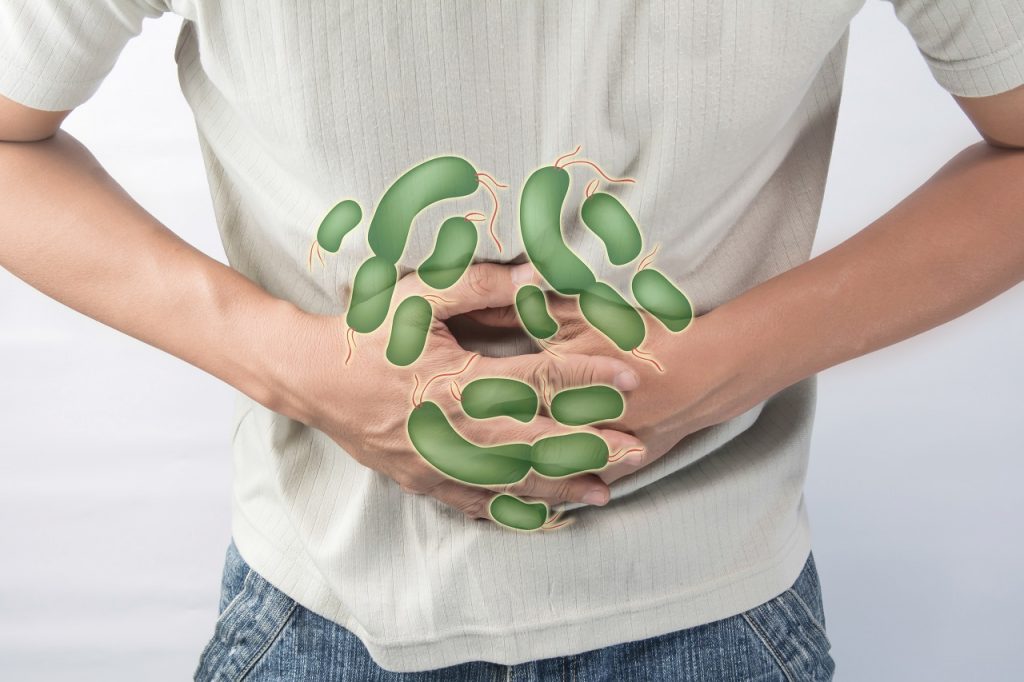
irritable bowel syndromeIrritable Bowel Syndrome (IBS) is a common gastrointestinal disorder making mealtimes a challenge for many people. With such a condition, you may notice that certain foods trigger uncomfortable digestive symptoms like irregular bowel movements, cramping, gas, bloating, diarrhoea or constipation. It’s no surprise that living with IBS can have a significant effect on a person’s quality of life.

While there are foods which help prevent the symptoms of IBS, everyone responds to food differently. One has to be their own food detective by recording their intake and symptoms so as to rule out trigger foods that your gut may not be able to handle easily. 

Foods Which Help Alleviate Irritable Bowel Syndrome 

Here is a list of food you can stock as they are gentle on your system. You can use them to create satisfying, healthy meals and snacks without upsetting your stomach. 

  1. Cooked Vegetables: Vegetables are high in fibre and may worsen symptoms for IBS in some people. But cooked vegetables are safe to eat as cooking makes them easy to digest. Eggplant, carrots, sweet potato, yam, broccoli, bell peppers, potato, zucchini, baby spinach, pumpkin, bottle gourd, green beans and celery in cooked form with some added herbs like basil, coriander, mint, ginger, lemongrass, rosemary, parsley and thyme enhance flavour and are safe to eat for most people.
  2. Fruits with low Fructose: Fructose in fruits can cause discomfort if you have Irritable Bowel Syndrome. So choose low fructose fruits like banana, blueberry, cranberry, kiwi, strawberry, lemon, lime, raspberry, pineapple and papaya. Make sure you don’t eat too many fruits at a time or you may overwhelm your body’s ability to absorb fruit sugars without fermentation.
  3. Gluten-free/Low Gluten Grains: People with IBS can safely tolerate gluten to some extent. Some gluten-free grains can be a great addition to a hassle-free IBS diet.  You can enjoy rice, cooked oatmeal, quinoa, tapioca and millet every day without being worried about IBS flares.
  4. Eggs: can easily be a part of your breakfast, lunch or dinner. However, some people report sensitivity with protein in egg whites or fat in egg yolk, but for most people, they are easy to digest.
  5. Lean Meats: They are easy to digest due to low fat and negligible fibre content. They provide a good amount of protein.
  6. Fish: Being rich in anti-inflammatory omega-3 fatty acids, fish can be a great addition to your diet. Since an inflamed gut may be a reason for your IBS, consuming fish can actually help. Good fish sources are anchovies, sardines, mackerel, black cod, herring, rainbow trout and salmon.
  7. Lactose-free Milk: Most people can handle small amounts of lactose found in dairy unless they have lactose intolerance. But if you have more than your intestines can handle, it may cause bloating and gas. Some lactose-free milk options can be used in such conditions like oat milk, rice milk and soy milk as an alternative to cow’s milk.
  8. Nuts and Seeds: are high in fibre, protein and omega-3 – which are good for overall health and your gut flora. They are especially good for IBS. You can add them to your salads, smoothies or oatmeal. Safer options in limited amounts for IBS are almonds, Brazil nuts, sesame seeds, flaxseeds, pumpkin seeds, sunflower seeds, walnuts, pine nuts, hazelnuts, pecans and macadamia nuts.

Along with carefully choosing food that suits you, a healthy lifestyle with a low fat diet, regular exercise, managing stress and mindful eating often makes a great difference. Before you begin consuming any of the above foods, do consult your doctor, nutritionist or dietitian. 

For more information or tips to alleviate Irritable Bowel Syndrome, speak to a GOQii Coach by subscribing for Personalised Health Coaching here.

#BeTheForce 

Disclaimer: The information provided in this blog is for general awareness and educational purposes only. It is not intended to replace professional medical advice, diagnosis, or treatment. Always consult a qualified healthcare provider for personalised medical guidance or concerns related to your health.

December 6, 2025 By Sweta Jaiswal Leave a Comment

PCOS and Anxiety: Discover Relief with the 54321 Technique

PCOS and Anxiety: Discover Relief with the 54321 TechniqueA huge section, which is 70% of women and girls of reproductive age, remains undiagnosed in the primary (stage 1) care of PCOS globally. The recent WHO (World Health Organization) data suggests that 116 million women (3.4%) are affected globally. In India itself, the range is 3.7-22.5% of the female population. Though there is a rapid rise in cases, not much is given or taken in terms of awareness.

PCOS (Polycystic Ovary/Ovarian Syndrome) is the most prevalent female endocrine disorder and the preeminent cause of infertility. It is not only characterized by a cystic ovary but also by ovarian dysfunction and androgen excess. It is a combination of signs and symptoms related to an imbalance of hormones. This imbalance leads to hirsutism (hair growing in areas where men typically grow hair, e.g.- face, abdomen, chest, and back), balding, acne, and oily skin. Ovarian dysfunction looks like a complete absence of menstruation (amenorrhea) to menstruation delayed to 35 days or more (oligomenorrhea) to heavy bleeding (menorrhagia).

Due to all these dermatological, metabolic, and reproductive disturbances, PCOS affects the psychological and sleep areas in a woman’s life, leading to acute anxiety, depression, sleep apnea, disturbed sleep, and obesity. Women with PCOS are four times more likely to be at risk for depression compared with women without PCOS.

If you’ve been told you have PCOS, you may feel frustrated and sad as well, but then there will be relief that there are reasons and possible treatments for the symptoms that you have been having such a hard time dealing with— e.g., keeping a healthy weight, managing stress related to it, hirsutism, acne, or irregular periods. It can be difficult to have a diagnosis without an exact cure. However, it’s important for women with PCOS to know they are not alone.

Finding a support network and a healthcare provider who knows a lot about PCOS and is someone you feel comfortable talking with is very important. Even though the results may take a long time, it is important to keep working on a healthy lifestyle and not let PCOS get you down. Many PCOS sufferers claim that discussing their worries with a counsellor can be beneficial because it lowers their burden.

Along with diet and lifestyle modifications to maintain a healthy weight, the 54321 technique can really help battle the high levels of anxiety and depression in women facing PCOS. This technique is the best form of self-care for females who find it hard to focus on other important issues apart from the everyday mental struggles that PCOS offer.

PCOS and Anxiety: Discover Relief with the 54321 Technique

The 54321 technique is a fun and easy way to practice mindfulness. It is so much more than the counts of breathing which we use to calm anger and nervousness. It keeps the 5 senses in play like the eyes, nose, ears, skin and tongue. It is Simple, Practical and Therapeutic.

Let’s understand it. You need to Focus on –

  1. 5 things you see – From the 1000 things that you see, zero it down to five which relate well to your present situation and how it does wonders to the environment/surroundings.
  2. 4 things you can touch – Give priority to touches that give you comfort like massaging your ears, your water bottle, a plant, or a pen. Feel its texture, weight and shape.
  3. 3 things you Hear – This can be a challenge as you will tend to listen to the loudest sounds /noise first. Listen to quieter and soft sounds or music/songs that you enjoy.
  4. 2 things you Smell – Differentiate between pleasant and unpleasant smells. Smell the only 2 things that will make you feel relaxed, like perfume in your napkin, your favourite hand lotion or an odour that you want to move away from.
  5. 1 thing you can taste – This is just as easy as popping a mint or gum in your mouth or drinking your plain/flavoured water.

Being able to apply this natural, easy-to-remember remedy for anxiety and being grounded will help interrupt the nervousness and make you feel instantly re-energised and supported.

In conclusion, the 54321 technique is a powerful mindfulness practice that offers significant relief from the anxiety and depression often experienced by women with PCOS. It provides a simple yet effective way to reconnect with the present moment, using our senses to ground ourselves and break free from the grip of anxiety.

Living with PCOS can be challenging, but it’s crucial to remember that you’re not alone in this journey. Finding a support network and seeking guidance from healthcare providers who specialise in PCOS can make a world of difference. While there may not be a definitive cure, there are ways to manage and alleviate the symptoms, allowing you to lead a fulfilling and healthy life.

At GOQii, we believe in holistic well-being, and that includes mental health. If you’ve found this information helpful, we’d love to hear your thoughts in the comments below. Remember, you can explore more articles on topics like these in our Healthy Reads section. For personalised guidance and support on managing PCOS, consider subscribing to GOQii’s Personalised Health Coaching here.

#BeTheForce 

Disclaimer: The information provided in this blog is for general awareness and educational purposes only. It is not intended to replace professional medical advice, diagnosis, or treatment. Always consult a qualified healthcare provider for personalised medical guidance or concerns related to your health. Images shown are for representation purposes only and may not depict the exact recommendations or outcomes.

December 2, 2025 By Parveen Nake 3 Comments

What Gestational Diabetes Can Do To You & Your Unborn Child

Gestational DiabetesWe all know about Diabetes Mellitus to some extent as Diabetes Mellitus is a chronic metabolic disorder that prevents the body from utilising glucose completely or partially. It is characterised by raised glucose concentration in the blood and alterations in carbohydrate, protein and fat metabolism. But have you ever heard of Gestational Diabetes or Pregnancy Diabetes?

Gestational Diabetes is a high blood sugar (glucose) condition that develops during pregnancy and usually disappears after giving birth. It can happen at any stage of pregnancy, but is more common in the second or third trimester. Insulin requirements goes up one to three times in pregnancy. During normal pregnancy the level of plasma insulin is raised by the action of placental hormones thus placing a burden on the insulin secreting cells of the pancreatic islets. The pancreas may be unable to meet these demands in women genetically predisposed to develop both types of diabetes. Long term studies show that some 80% of women with gestational diabetes ultimately develop permanent clinical diabetes requiring treatment.

What Causes Gestational Diabetes?

The causes of Gestational Diabetes is not known clearly yet. Some, but not all women with gestational diabetes are found to be overweight before getting pregnant or have a family history of diabetes. It is more common in Native American, Alaskan Native, Asian and Black women, but white women may develop it due to poor lifestyle.

Are There Tests to Determine it?

Oral glucose tolerance test (OGTT) is a confirmatory test. The OGTT measures blood glucose after you fast for at least 8 hours. Firstly, the blood sample is drawn in fasting state. Then, 75g of glucose dissolved in 250-300 ml of water is given, Lemon juice may be added for flavour and to prevent nausea. Then the blood specimens are collected every 30 mins for 2-3 hours after the administration of glucose.

High blood glucose levels at any two or more blood test times – Fasting, 1 hour, 2 hours or 3 hours – mean you have Gestational diabetes.

Complications During Pregnancy

If blood sugar is not controlled, it can lead to problems for both maternal and foetal health. Uncontrolled diabetes during the first trimester of pregnancy increases the risk of abortions and congenital malfunctions in the foetus. Some of the major consequences are:

  • High Blood Pressure (Preeclampsia): Preeclampsia is a potentially dangerous pregnancy complication characterised by high blood pressure. Due to the high blood pressure levels of the mother, the protein in urine spikes up and swelling in fingers and toes and lower body persists. High blood pressure can be harmful to both – the mother and the unborn baby. It might lead to the baby being born early and also could cause seizures or a stroke (a blood clot or a bleed in the brain that can lead to brain damage) in the woman during labour or delivery.
  • An Extra Large Baby: Uncontrolled Diabetes in the mother causes the baby’s blood sugar to be high. The baby tends to “overfeed” and grows extra-large. Besides, causing discomfort to the mother, it can lead to problems during delivery causing prolonged labour pain which might need a C-section to deliver the baby. The baby can be born with nerve damage due to pressure on the shoulder during delivery.
  • Low Blood Sugar (Hypoglycaemia): People with diabetes who take insulin or other medications can develop blood sugar that is too low or hypoglycaemia. Low blood sugar can be very serious and even fatal if not treated quickly.

How to Manage Gestational Diabetes

The main modes of treatment of Gestational Diabetes include:

1. Eating a Healthy Diet: Dietary measures are an essential part of the treatment of diabetic patients whether they are on diet alone or on metformin drug or insulin. Carbohydrate restriction impairs insulin sensitivity and reversed by high carbohydrate diet but it needs to be maintained between 60-65% of total calories. So include more complex carbohydrates or polysaccharides like Multi-grain flour, Oats, Muesli, Granola, Amaranth, Pearl Millet (Bajra), Finger Millet (Ragi), Quinoa, etc. Studies have shown that raising carbohydrates does not adversely affect the fasting blood glucose levels, glucose tolerance or insulin requirements provided that total calories are not increased.

Along with carbs, include more protein-rich foods like pulses and lentils, Kidney beans (Rajma), Soya Bean, peas, beans, peanuts, milk and dairy products like yogurt, buttermilk, cottage cheese (paneer), eggs, chicken, etc. to ensure weight gain and prevent osteomalacia during pregnancy. Inclusion of fibre like fruits and green leafy vegetables are must as it improves glucose metabolism without increasing insulin secretion. It increases the intestinal transit-time, delay gastric emptying slow glucose absorption.

2. Drugs or Insulin Treatment: Metformin or Insulin therapy is the accepted medical management of gestational diabetes. Insulin is the first drug of choice and metformin can be considered after 20 weeks of gestation. Insulin must be taken without delay if it is suggested by the doctor.

3. Exercise: Stay Active to help keep your blood sugar under control. Exercise regularly – before, during and after pregnancy. Moderate exercise such as brisk walking for 30mins a day for 5 times a week is a good goal to set.

4. Monitoring Blood Sugar Often: Be aware that your blood sugar can change very quickly, becoming too high or too low depending on what you eat and how much you exercise and your growing baby’s blood sugar also varies several times during the day. Check your blood sugar level as often as directed by the doctor and any time you have symptoms.

By adopting these measures one can enjoy a healthy Antenatal period. For more articles on managing Diabetes, check out Healthy Reads or for further information or guidance, reach out to our certified experts by subscribing to GOQii’s Personalised Health Coaching here.

#BeTheForce

Disclaimer: The information provided in this blog is for general awareness and educational purposes only. It is not intended to replace professional medical advice, diagnosis, or treatment. Always consult a qualified healthcare provider for personalised medical guidance or concerns related to your health. Images shown are for representation purposes only and may not depict the exact recommendations or outcomes.

  • « Previous Page
  • 1
  • …
  • 13
  • 14
  • 15
  • 16
  • 17
  • …
  • 265
  • Next Page »

Search

Recent Posts

  • Best Foods To Alleviate Irritable Bowel Syndrome
  • ALL ABOUT VERTIGO!
  • PCOS and Anxiety: Discover Relief with the 54321 Technique
  • Navigating the Maze of Nutrition: Finding Clarity Amidst Confusion
  • Get children active and keep them healthy

Stay Updated

Archives

  • December 2025 (6)
  • November 2025 (15)
  • October 2025 (20)
  • September 2025 (6)
  • August 2025 (6)
  • July 2025 (12)
  • June 2025 (18)
  • May 2025 (16)
  • April 2025 (23)
  • March 2025 (23)
  • February 2025 (22)
  • January 2025 (26)
  • December 2024 (26)
  • November 2024 (25)
  • October 2024 (22)
  • September 2024 (24)
  • August 2024 (31)
  • July 2024 (21)
  • June 2024 (26)
  • May 2024 (31)
  • April 2024 (27)
  • March 2024 (29)
  • February 2024 (26)
  • January 2024 (25)
  • December 2023 (15)
  • November 2023 (11)
  • October 2023 (22)
  • September 2023 (22)
  • August 2023 (20)
  • July 2023 (22)
  • June 2023 (24)
  • May 2023 (24)
  • April 2023 (24)
  • March 2023 (23)
  • February 2023 (20)
  • January 2023 (16)
  • December 2022 (12)
  • November 2022 (15)
  • October 2022 (15)
  • September 2022 (12)
  • August 2022 (10)
  • July 2022 (17)
  • June 2022 (11)
  • May 2022 (10)
  • April 2022 (6)
  • March 2022 (6)
  • February 2022 (13)
  • January 2022 (12)
  • December 2021 (7)
  • November 2021 (3)
  • October 2021 (6)
  • September 2021 (3)
  • August 2021 (8)
  • July 2021 (7)
  • June 2021 (15)
  • May 2021 (16)
  • April 2021 (10)
  • March 2021 (7)
  • February 2021 (4)
  • January 2021 (4)
  • December 2020 (3)
  • November 2020 (4)
  • October 2020 (10)
  • September 2020 (3)
  • August 2020 (3)
  • July 2020 (2)
  • June 2020 (4)
  • May 2020 (10)
  • April 2020 (12)
  • March 2020 (10)
  • February 2020 (4)
  • January 2020 (4)
  • December 2019 (3)
  • November 2019 (7)
  • October 2019 (5)
  • September 2019 (4)
  • August 2019 (9)
  • July 2019 (9)
  • June 2019 (11)
  • May 2019 (4)
  • April 2019 (9)
  • March 2019 (8)
  • February 2019 (9)
  • January 2019 (8)
  • December 2018 (9)
  • November 2018 (3)
  • October 2018 (3)
  • September 2018 (5)
  • August 2018 (10)
  • July 2018 (6)
  • June 2018 (13)
  • May 2018 (8)
  • April 2018 (18)
  • March 2018 (9)
  • February 2018 (8)
  • January 2018 (15)
  • December 2017 (12)
  • November 2017 (19)
  • October 2017 (13)
  • September 2017 (15)
  • August 2017 (4)
  • July 2017 (8)
  • June 2017 (7)
  • May 2017 (6)
  • April 2017 (8)
  • March 2017 (6)
  • February 2017 (7)
  • January 2017 (9)
  • December 2016 (10)
  • November 2016 (7)
  • October 2016 (7)
  • September 2016 (7)
  • August 2016 (11)
  • July 2016 (9)
  • June 2016 (9)
  • May 2016 (12)
  • April 2016 (17)
  • March 2016 (17)
  • February 2016 (8)
  • January 2016 (6)
  • December 2015 (2)
  • November 2015 (9)
  • October 2015 (7)
  • September 2015 (9)
  • August 2015 (11)
  • July 2015 (9)
  • June 2015 (12)
  • May 2015 (9)
  • April 2015 (13)
  • March 2015 (8)
  • February 2015 (5)
  • January 2015 (12)
  • December 2014 (14)
  • November 2014 (11)
  • October 2014 (6)
  • September 2014 (13)
  • August 2014 (12)
  • July 2014 (6)
  • June 2014 (2)
  • May 2014 (7)
  • April 2014 (5)

From “Laddu Nawin” to Fit and Fierce: How a 25-Year-Old Insurance Advisor Shed 20 Kilos and Gained His Life Back

When 25-year-old Nawin Yadav from Hyderabad walked into his office every morning, he carried more than just his files and policy papers. He had the weight of fatigue, sluggish energy, and an ever-growing belly that was becoming the butt of jokes. “People … [Read More...]

“I’ve Challenged Myself to Live 100 Years” – The Story of Chandubhai Savani’s Second Chance at Life

At 67, most people start slowing down. Not Chandubhai Savani. A resident of Surat, Chandubhai, thought life was on track. “My life was going well till I had my bypass surgery,” he says. That surgery, back in 2021, was a wake-up call.  Medication was routine, but exercise wasn’t. His diet? What he calls ‘normal.’ “I […]

From Shimla’s Slopes to Chandigarh’s Sidewalks: Surinder Kaur Bhalla’s Journey from Chaos to Control

Some journeys start with a plan. Others begin with a stumble literally. Surinder Bhalla, a government professional, born and raised in the scenic hill town of Shimla, had always lived a life of movement. “In Shimla, you walked everywhere,” she reflects. “Walking was never an exercise. It was just life.” But after shifting to Chandigarh, […]

Ananda Mukherjee Health Story

From Terminal Illness To Complete Wellness! Ananda Mukherjee Health Story

As we observe World Cancer Day under the powerful theme ‘United by Unique’ (2025-2027)**, we are reminded that every individual’s journey with cancer is distinct, yet united by shared resilience, hope, and the collective fight against this disease. This theme places people at the centre of care and their stories at the heart of the […]

  • HOME
  • HEALTHY LIVING
  • FITNESS
  • HEALTHY RECIPES
  • USER STORIES
  • KARMA
  • BUY GOQii

Copyright ©2016 GOQii