 When you think of the sun, what comes to mind? Warmth on your skin? A beautiful morning walk? Or perhaps the occasional sunburn?
What if we told you the sun is also one of the most powerful natural healers available to us?
Sunlight, in moderation, is essential—not just for mood and energy—but because it helps our bodies make Vitamin D, a key nutrient that supports your bones, immune system, and even blood sugar control. Let’s break down how you can harness the power of the sun to boost your overall health (and yes, without getting sunburnt!).
☀️ How the Sun Helps Make Vitamin D
When sunlight hits your skin, it triggers a reaction that produces vitamin D. About 80% of the vitamin D your body needs comes from this process, making sun exposure the most effective natural source.
But it’s all about balance. Too much sun can cause damage, while 10 to 30 minutes of sunlight, especially in the early morning or late afternoon, can do wonders—depending on your skin type and where you live.
✨ Bonus: Early morning light also helps regulate your body clock, which means better sleep and improved mental clarity.
🧠 Why Vitamin D Matters
Here’s what happens when your body gets enough Vitamin D:
✔️ Your immune system gets a boost – Helps fight infections more effectively
✔️ Your bones and muscles stay strong – Supports calcium absorption and muscle repair
✔️ Your mood improves – Low vitamin D has been linked to depression and low energy
✔️ You sleep better – Supports your natural sleep-wake cycle
✔️ Your blood sugar stays steadier – May improve insulin sensitivity, especially helpful for those managing diabetes
🚶♀️ Sun + Movement = Double the Benefits
If you’re exercising outdoors, you’re getting both physical and nutritional benefits. Walking, jogging, cycling, gardening—even 20 minutes of light activity outside can help lift your spirits while supporting vitamin D production.
So yes, that peaceful walk in the park? It’s not just good for your heart—it’s good for your bones, mood, and immunity too.
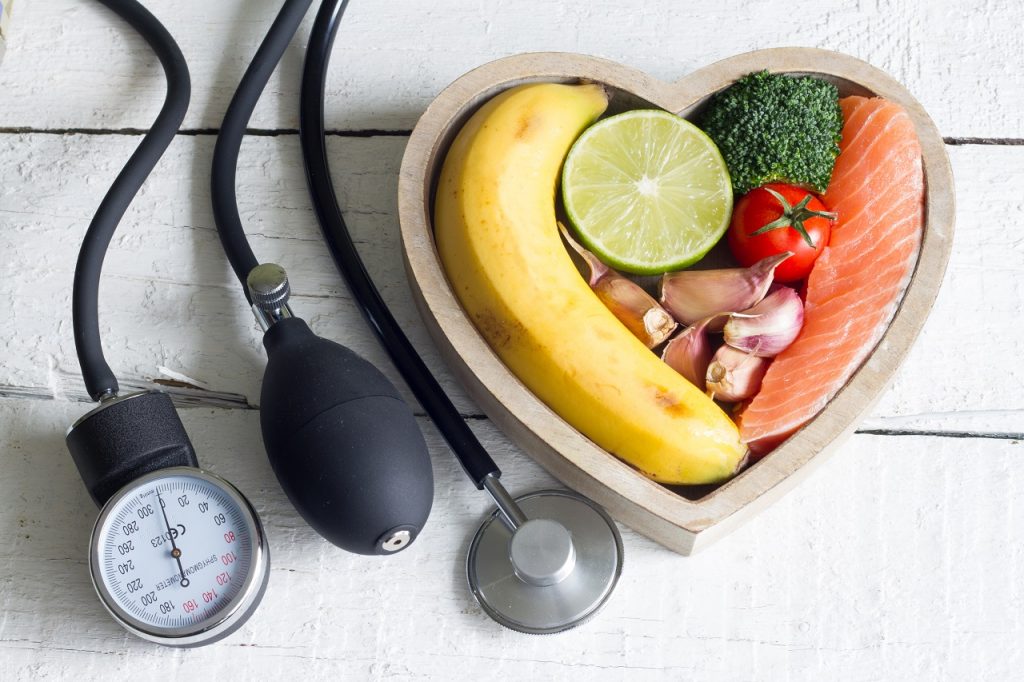
🥦 Foods That Help Top Up Vitamin D
While sunlight is your best source, some foods can help too—especially when sunshine is in short supply.
✅ Oily fish – salmon, sardines, mackerel
✅ Eggs – particularly the yolk
✅ Nuts – a great on-the-go snack
✅ Leafy greens – spinach, kale, and similar
✅ Fortified foods – plant milks, cereals (check labels)
These are nutrient-packed choices that often fit well into low-carb or blood sugar-friendly meal plans.
💊 Should You Take a Supplement?
If you live in a region with limited sunlight (especially in winter), or you spend most of your time indoors, you may struggle to get enough vitamin D naturally.
That’s where supplements can help.
Many people find that 1000 IU per day is a safe and effective amount—but always speak with your doctor or nutritionist first, especially if you have any health conditions.
🧴 A Quick Note on Safe Sun Habits
- Start with short exposure in the morning
- Let your skin absorb some sun without sunscreen for the first 10 minutes
- After that, apply sunscreen, especially if staying out longer
- Dark skin tones may need more exposure to produce the same amount of vitamin D
Vitamin D isn’t just about stronger bones or fighting colds. It’s about helping your body and mind work at their best—from better mood to stronger immunity, steadier sleep, and balanced hormones.
So, step outside. Stretch. Breathe deeply. And soak in a little bit of nature’s original health supplement.
Just 20 minutes a day could make a world of difference.
#BeTheForce
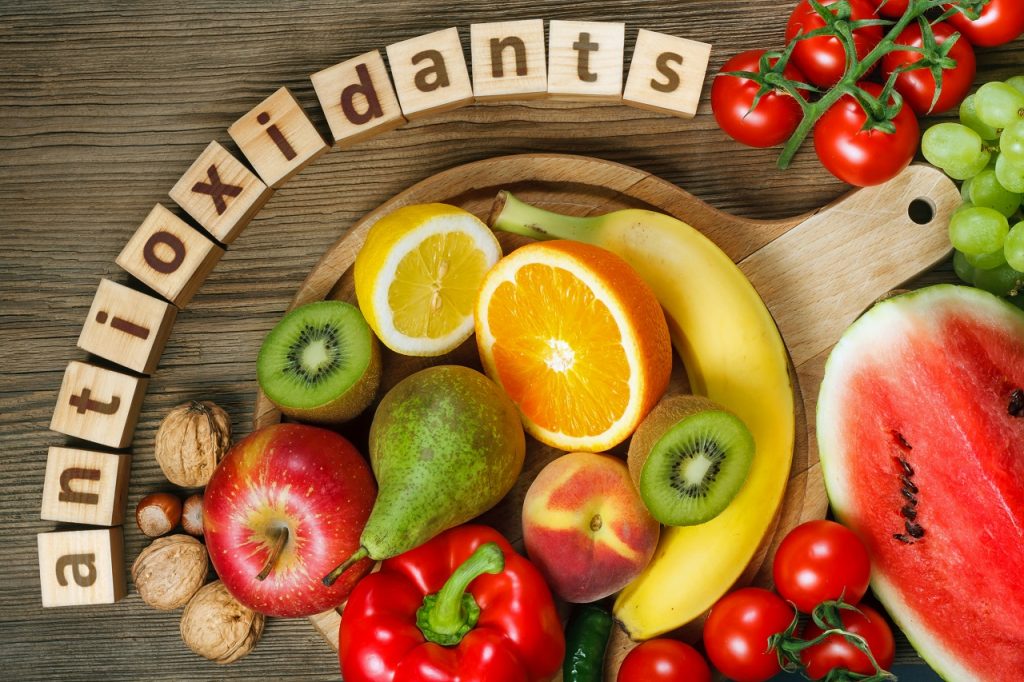 Antioxidants—also known as “free radical fighters”—have been making waves in the health and wellness industry. But what exactly do they do? Are they genuinely beneficial, or are they just another marketing buzzword? More importantly, is it better to get them from food or supplements? Let’s break it down.
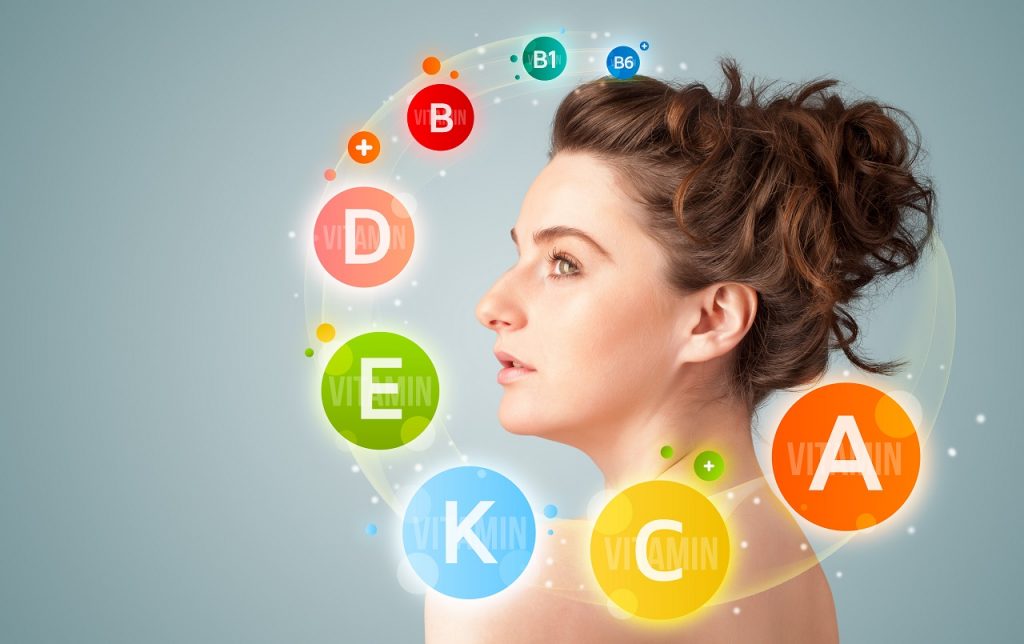 Skin is the largest organ of our body and the one that is directly exposed to the outer environment every day. External factors like sunlight, wind, dust, cold weather, alcohol, and smoking, as well as internal factors like dehydration, aging, poor nutrition, stress, and lack of sleep, can damage the skin. When we feel that our skin is damaged or to prevent skin damage, many of us tend to fall for the plethora of skincare products available in the market. But in reality, we need to work on fixing our damaged skin internally rather than relying on external products that may contain harmful chemicals. So, what do we do for skin repair? The answer is simple—it’s the vitamins in our diet!