 Do you remember the days when you were active and indulged in sports. Be it a game of football or cricket in your alley or shooting 3 pointers at your college’s basketball court, running all over the place with your friends created cherished memories. If this was an integral part of your childhood, you are familiar with the health benefits of playing sports!
Sports ensures that you are active both mentally and physically. As you grow older, sometimes due to responsibilities, work, family or other reasons, we tend to give up on our favorite hobby. We have seen so many cases where a person who used to play a sport, gave up and gained weight.
In most cases, once they began playing their favorite sport once again, their body accelerated much faster than the others and they lost all the stubborn fat they couldn’t get rid of otherwise. This happens primarily because your cells have the memory of being active. Remember that it is never too late to start again!
Sports as an extracurricular activity in school and college not only gave you a break from your studies but also helped you get healthier. How you ask? Let’s find out!
6 Health Benefits of Playing Sports
- It teaches you to be patient, have a fighting spirit, and never settle for less in life.
- Studies show that, children who have been into sports or are blessed with super active genes are quick learners, very social, perform better at any given task, are more attentive in class and their grasping powers are much better than the others.
- Sports at an early age helps in life-long fitness habits.
- Earlier it was believed that any type of physical exertion can make a person feel more tired and less attentive. This belief was nothing more than a myth. Active people are more intellectual and perform better as compared to sedentary people.
- Looking at the growing occurrence of Teenage Obesity, sports can be a great and fun way to help them get back into shape.
- Any sport or activity will give you a dash of endorphins, reducing any kind of stress and keeping you happy!
So don’t sit back and think you’re too old for this or too old to get back to the sport you love! Wake up your inner child, grab your equipment, play a sport and encourage those around you to as well!
If you need guidance or want to pursue a sport, speak to a GOQii Coach by subscribing for Personalised Health Coaching here.
Happy National Sports Day!
#BeTheForce
 A young woman, who seemed slightly on the heavier side, approached me on the walking track at the Coimbatore-Race Course. She asked for tips on health management and weight reduction, even suggesting that I create a group to help with these goals. This encounter inspired me to share my thoughts in this blog.
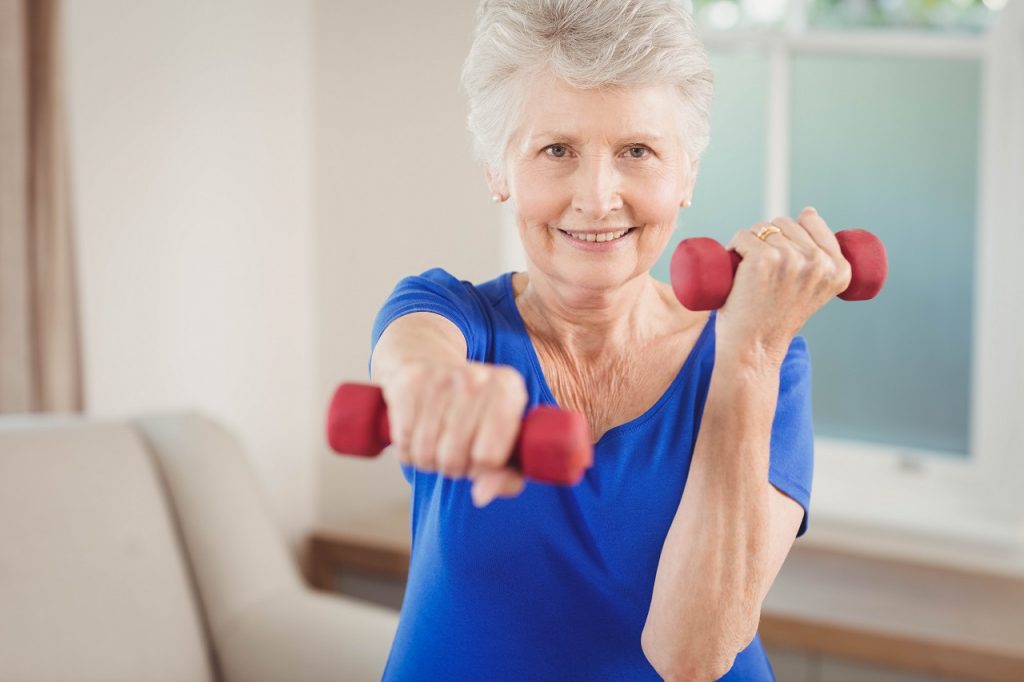 Does old age mark the end of physical fitness? If you retire from work, with reduced responsibilities, does it mean you can retire from exercise as well? At any given age, physical fitness and exercise play a crucial role in leading a healthy lifestyle, especially for senior citizens. Whether you’re young or old, working out and keeping yourself active shouldn’t stop as exercise is important even when you’re a senior citizen.


