GOQii

Blog

  • HOME
  • HEALTHY LIVING
  • FITNESS
  • HEALTHY RECIPES
  • USER STORIES
  • KARMA
  • BUY GOQii

Search Results for: stress

December 3, 2024 By Sunita Arora 3 Comments

Lower Blood Pressure Naturally With Dietary Changes

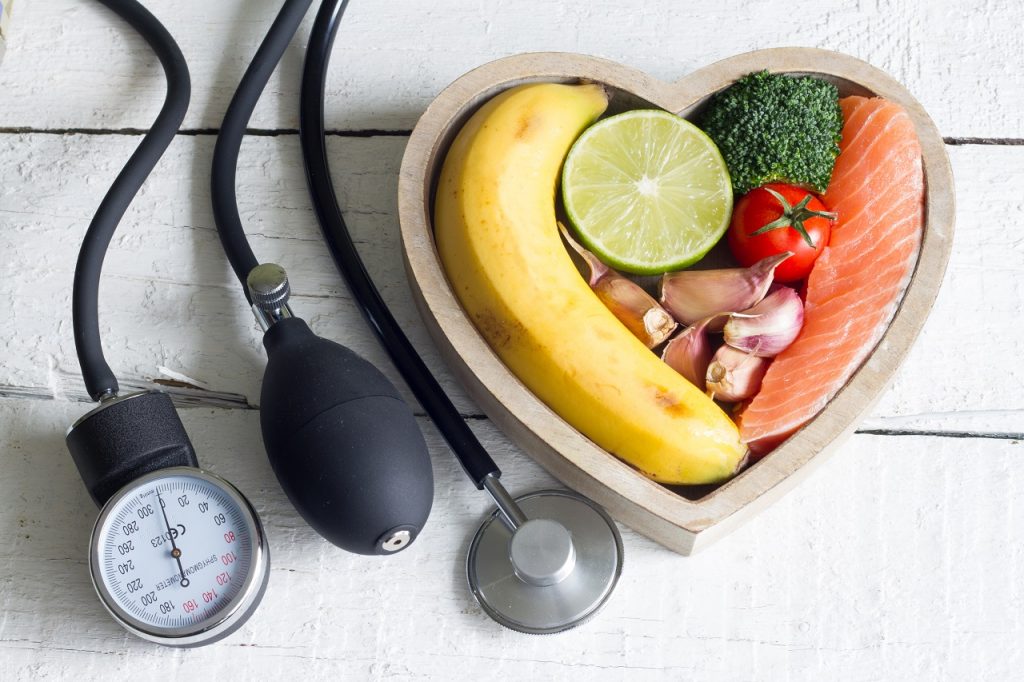
lower blood pressure naturallyHypertension, known as a silent killer, is simply the elevation of your blood pressure levels. It is majorly developed due to factors like a sedentary lifestyle, high salt intake due to processed and packaged food. But, the good news is that you can control it. You can manage to lower blood pressure naturally by making dietary and other lifestyle changes after consulting with your doctor. 

Foods That Help Lower Blood Pressure Naturally 

Let’s take a look at foods which are healthy and can help with the condition! 

  1. Green Tea: is associated with numerous health benefits. It is rich in polyphenols and catechins, which act as antioxidants to prevent cell damage, reduce inflammation, and protect heart health. Intake of green tea is associated with significantly lower levels of LDL, triglycerides, total cholesterol, and blood pressure. You can have 1-2 cups of green tea daily one hour after a meal to maintain your blood pressure and to improve insulin sensitivity.
  2. Olive Oil: is packed with antioxidants like tocopherols, β-carotene, lutein which helps in relieving inflammation and decreases the risk of cardiovascular diseases. It is rich in MUFA which promotes heart health and is linked with lowering blood pressure. In Indian cooking, you can safely use 1-2 teaspoon of extra virgin olive oil daily to sauté veggies, make salad dressings, etc.
  3. Fatty Fish: like salmon and tuna are rich with omega-3 fatty acids which aid in improving heart health. These fatty fishes and fish oil supplements are beneficial for lowering blood pressure, sugar levels and triglycerides. Consumption of fatty fish 2-3 times a week is good for heart health.
  4. Nuts: like walnuts, almonds are a rich source of monounsaturated fatty acids which lower total cholesterol, LDL (bad) cholesterol and blood pressure. It has minerals like magnesium and copper, Vitamin E, MUFA which protects against various heart diseases by reducing plaque formation and keeps your arteries clear. You can include 5-6 soaked almonds and 2-3 walnuts in your diet.
  5. Seeds: are the powerhouse of various nutrients, rich in Omega-3 and Omega-6 fatty acids which improve many heart disease risk factors including blood pressure, cholesterol, and triglycerides. Include flax seeds, chia seeds, sunflower seeds and hemp seeds in your diet. Just make a mixture of these seeds and have 1-2 tsp daily by mixing them with nuts or adding them to your smoothies or salads. 
  6. Berries: are packed with antioxidants like anthocyanins which protect the heart from oxidative stress and help in maintaining normal blood pressure. It also has polyphenols which improve blood pressure, insulin resistance and systemic inflammation. You can add a handful of strawberries, blackberries and raspberries in your diet.
  7. Banana: The American Heart Association encourages people to increase the consumption of foods that contain potassium. Eating foods that are rich in potassium helps in lowering blood pressure levels better than taking supplements. You can slice a banana in your favourite cereal or oatmeal, make a smoothie or a shake for a potassium-rich addition.
  8. Pomegranate: is rich in fibre, vitamins and minerals. Drinking a cup of pomegranate juice daily for four weeks can help lower blood pressure naturally. Early research suggests that drinking pomegranate juice helps to keep the arteries in the neck clear of the build-up of fatty deposits and improve blood flow to the heart.
  9. Tomato: is one of the important ingredients in our Indian cuisine which enhances the flavour and colour of dishes. Tomatoes are loaded with lycopene which reduces the risk of heart attack and stroke. New research claims that drinking a glass of unsalted tomato juice daily is a simple way to lower blood pressure and reduce the risk of heart disease. It also removes excess cholesterol, plaque from arteries and increases the level of HDL Cholesterol.
  10. Garlic: is a pearl for Hypertension patients. Daily consumption of garlic for an extended period can reduce LDL Cholesterol, triglycerides, and blood pressure significantly. It has allicin, allyl mercaptan, and diallyl disulphide which are very effective in controlling cholesterol and blood pressure. Eating 1-2 fresh, raw garlic is one among the herbal remedies for controlling high blood pressure.
  11. Oats: are a rich source of soluble and insoluble fiber. They are low in fat, low in sodium and contain beta-glucan, a type of fiber which lowers blood pressure. A review of 28 trials concluded that higher consumption of beta-glucan fiber may lower both systolic and diastolic blood pressure. Eating oats for breakfast/snacks in the form of oats porridge, oats upma, oats chila, is a great way to fuel up for the day.
  12. Beetroot: Drinking one glass of beetroot juice daily can significantly reduce blood pressure in people with hypertension. Due to the high concentration of nitrates, it relaxes blood vessels and dilates them, which helps the blood flow more easily and lowers blood pressure. Both raw beet juice and cooked beets are effective to lower blood pressure and decrease inflammation. 

Apart from the above food options, you need to  control what you eat. Avoid sauces, pickles, coffee, packaged food, etc. and cut your salt intake to half a teaspoon daily. Avoid smoking and consuming alcohol in excess as well. Before making any massive dietary changes, consult your doctor first!

We hope this article helps you! For more on hypertension and tips to lower blood pressure, tune in to live sessions by experts on GOQii Play or ask your GOQii Coach directly by subscribing to Personalised Health Coaching here.

To know how simple lifestyle changes can help your reverse high blood pressure, listen to our player Digvijay Singh’s journey as he discusses the lifestyle changes he made with our Founder & CEO Vishal Gondal.

#BeTheForce 

November 28, 2024 By Pradnya Shinde Leave a Comment

Minimalist Living – Why Less is More!

minimalist living

“If you don’t know what you want, you end up with a lot you don’t,” – Well, if you have read Chuck Palahniuk’s masterpiece Fight Club, you’ll be familiar with this quote. It is funny how a work of fiction can hold so much relevance in the world we live in and maybe Tyler Durden, the film’s protagonist, was right when he said, “The things you own, end up owning you.”

How many times have you browsed through an online shopping portal and thought, “Oh! I might need a new phone”, “Wow! This is on discount. I should get this,” or just bought something that you don’t really need and it just sits on a shelf till you forget about it? No one would blame you. We’re living in the peak of consumerism where everything you need and don’t need is just a finger tap away.

Does happiness really exist in a big home with perfect flooring and matching drapes? Does it exist in a fancy car, smart electronic devices, furniture, fashionable clothes, jewellery, footwear et al? What if the answer was in the opposite direction?

When it comes to living a wholesome, healthy and holistic lifestyle, anything which is in excess is bad! Be it food, exercise, thoughts and even the things we surround ourselves with. One of the best ways to achieve good mental health is to declutter and take up minimalist living.

What is Minimalism?

Minimalism, in essence, is living with less. The whole idea is to live a life based on experiences rather than worldly possessions. This includes decluttering or minimum usage of things such as furniture, clothes, accessories, etc. It is a personal change one makes to add value to their life. You can choose what is important to you and throw away things which are not.

What are the Benefits of Minimalist Living?

Minimalist Living does involve sacrificing things you think you might need. Not necessarily the best life choice for hoarders and might seem a bit unnecessary but it needs to be done! Trust me, the pros most definitely outweigh the cons!

For instance, decluttering and reducing the number of things you own helps you focus only on the important things in life. With less distractions, you can pay attention to things that require it. This does not mean you throw out things important to you. Keep the things you really need and thrown away the things you don’t.

More space and less junk will definitely help you be more productive. A clean and organized house definitely reduces a lot of stress! More so, you have a lot less financial burdens and avoid unnecessary expenses.

How Do You Do It?  

Let’s get started! Observe your home and your belongings. Make a list of things which you have not used in a year or two. There are less chances you will need it again so get rid of it.

Here, I am sharing a sample list to help you out:

  • Unused and worn out clothes, shoes, socks, etc.
  • Excess clutter in wallet
  • Unwanted receipts, bills, papers, books, manuals, etc.
  • Old electronics/ wires/ chargers/ batteries
  • Unused and expired beauty products and medication
  • Unused stationery that doesn’t work
  • Unused cleaning products
  • Broken or unused furniture
  • Damaged plastic containers
  • Kitchen gadgets and appliances you don’t use
  • Extra towel/ cushions/ scarf/ gloves
  • Junk drawer
  • Extra bags
  • Anything that you don’t know the purpose of

Remove all of it from your home. You can donate the things you don’t need to somebody who might have use for it or just resell, recycle or repurpose it.

You’re all done! Does it feel good?

Furthermore, you can also make additional changes to keep this habit going by thinking before you buy. Don’t purchase it just because you might need it in the future or because it is on sale. Buy only when you need. Regularly keep a check and see if you’re cluttering again.

In the next article, we will explore the wonderful benefits that minimalism offers and how it can help your health and life!

Stay tuned and #BeTheForce!

November 22, 2024 By Urvi Gohil 1 Comment

Your Guide For A Happy Gut: Say bye to bloating, acidity and heartburn

Gut health Your body is constantly communicating with you. Very small episodes of acidity, bloating, indigestion, etc. says a lot about your lifestyle and overall health. Are you paying attention? It is important for us to know that about 70% of the immune system is located in our gut and the gut absorbs nutrients that support body functions from energy production to hormone balance, skin health to mental health and toxin & waste elimination too.


So how can you keep your gut healthy? Well, follow this guide for a happy gut to stay healthy!

Easy Guide For A Happy Gut 

  1. Fennel Seeds or Saunf: These seeds have antispasmodic, anti-inflammatory properties and promote the production of gastric enzymes. It works wonderfully against indigestion, bloating, acidity, heartburn post meals and constipation too. Just add 1 tbsp of raw seeds to the water bottle you carry to office or have 1 glass of fennel seed water post meals to take care of such symptoms.
  2. Basil Seeds: They work well in relieving constipation, bloating, naturally detox your body and help regulate smooth bowel movements. It works as a natural coolant. You can have a glass of milk with basil seeds few hours before bed time, or make a drink with water, honey and basil seeds and have it in mid-morning, or just make a habit of soaking it for 2-3 hours and drinking the water in the morning.
  3. Fenugreek Seeds: These are rich in fiber and antioxidants, and help in enhancing bowel movement. Take a tsp of fenugreek seeds and soak it in 1 cup of water at night and have it in the morning with a glass of lukewarm water if you have long term problems of constipation, indigestion or heartburn. *People experiencing severe acidity should avoid this.
  4. Lemon Ginger Water: This will help strengthen the digestive system and prevent indigestion, nausea, heartburn and bloating. Take a glass of lukewarm water, add 1 tsp of lemon juice and 1 tsp of ginger juice in it. This will work best for bloating post meals or occasional bloating post heavy meals.
  5. Apple Cider Vinegar: The unfiltered, unpasteurized and raw mother Apple Cider Vinegar has live micro-organisms and help to work towards heartburn & GI stress. A dilution of Apple Cider Vinegar before a meal can help you stimulate acid secretion and reduce gut symptoms. Also, having a tbsp of ACV in 300 ml water in the morning can also help in the same.
  6. Water: Is the body’s basic requirement! A constant supply of water is necessary to replenish the fluids lost through activities such as respiration, perspiration, urination, regulating body temperature, digesting food, etc. Try to drink at least 2-2.5L of water throughout the day and it is the answer to all your digestive issues.
  7. Vegetables & Fruits: Having 1 portion of vegetables in every meal is the best way to help your gut digest the food well and have enough nutrients. Plus, the fiber from them helps to ease bowel movement and acts as food for micro-organisms. Fruits are best to go for in mid meals to add more soluble fiber and get rid of acidity and bloating.
  8. Physical Activity: No escape here. Being physically active for 30-45mins is the answer to good health and a happy gut. Exercise gets your heart pumping and increases blood flow and oxygen circulation throughout the body. Blood and oxygen are necessary to aid digestion and keep the intestinal muscles healthy. So for constipation, bloating, acidity, heartburn, etc. including some walking, cycling, yoga, etc. will give you better results.
  9. No Sugar: Processed sugar, refined flour, fried and processed food should be avoided as they are not good for your gut microbes.

Just follow these simple tips for a happy gut! If this article helped you, let us know your thoughts in the comments below. You can find more articles like this on Gut Health here. If you want expert advice or further guidance on improving digestive or gut health, speak to a GOQii Coach by subscribing for Personalised Health Coaching here.

#BeTheForce

Disclaimer: The information provided in this blog is for general awareness and educational purposes only. It is not intended to replace professional medical advice, diagnosis, or treatment. Always consult a qualified healthcare provider for personalised medical guidance or concerns related to your health.

November 21, 2024 By Sohini Chakraborty Leave a Comment

Fat Facts That Are Easy to Digest

fat factsIt’s a shame that the word “Fat” has developed such a notorious reputation over the years with every health-conscious individual hellbent on removing that word from their dictionary. Before we condemn the word, we need to understand that the quality of fat is just as important as the quantity of it. So let’s bust some myths with these fat facts! 

Fat is one of the macro nutrients which provides 9kcal per gram and it is also essential for many functions of the body like solubilizing fat-soluble vitamins, secreting hormones, protecting our vital organs, etc. It is imperative to classify fats into broad categories. Now, let’s delve a little deeper into fat facts.  

1. Fats Which Are Bad For You

Here are the types of fats which are bad for your health.

  • Saturated Fat: Saturated fats are usually found in animal fats like beef, pork, lard, dark chocolate, full-fat dairy products like cheese, etc. They are usually solid at room temperature. Saturated fats were previously thought to cause cardiac problems but saturated fats are known to increase the amount of both HDL (good cholesterol) and LDL (bad cholesterol), hence it is safe to have saturated fats in lower amounts.
  • Trans-Fat: are produced during hydrogenation of fat when the oil is hardened to increase its shelf life. Apart from the natural Trans-fat present to some extent in dairies and meats, the artificial trans fat produced as a result of hydrogenation of fat is very harmful to health. It is found to increase the level of LDL cholesterol, thus increasing the risk of artery blockage and heart disease. It is also known to cause free radical damage to the body resulting in cancer. Trans-Fat is found in fried foods such as French fries, fried chicken, crackers, microwave popcorn, pizza, doughnut, cakes, muffins, pies, nuggets, sausages, non-dairy creamers, margarines, etc. Avoid this type of fat to stay healthy and free from diseases. Not more than 2% in a 2000kcal diet is permissible.
  • Cholesterol: is one of the most misunderstood subjects of this decade. Cholesterol is a wax like substance present in our body and can be obtained from many dietary sources like egg, meats and dairy products. It is necessary for bile formation and many other important functions of our body. According to recent studies, our total cholesterol level is not affected by entirely dietary intake as the body itself maintains the cholesterol balance. Then again, we should be careful about choosing the type of cholesterol to be consumed. There are 2 types of cholesterol: 
  1. HDL (High Density Lipoprotein): is very beneficial for the body as it removes plaques from the arteries and makes blood circulation smooth, preventing arterial block or damage. Its sources include olive oil, beans and legumes, high fiber fruits like avocado, chia seeds, nuts and fatty fish like salmon, trout, etc. These must be present in our diet.
  2. LDL (Low Density Lipoprotein), VLDL (Very Low Density Lipoprotein): are considered to be very harmful to the body. They create atherosclerotic plaque in the arteries, constricting proper blood circulation and cause the narrowing of blood vessels and heart blockage. Most of its sources include pork, beef, lamb meat, milk, butter, cream and cocoa butter. These should be present sparingly in our diet.

2. Fats Which Are Good For You

Let’s take a look at fats which are actually good for you!

  • Unsaturated Fats: contain double bonds in their structure and are known to be most beneficial among all. It may be of 2 types:
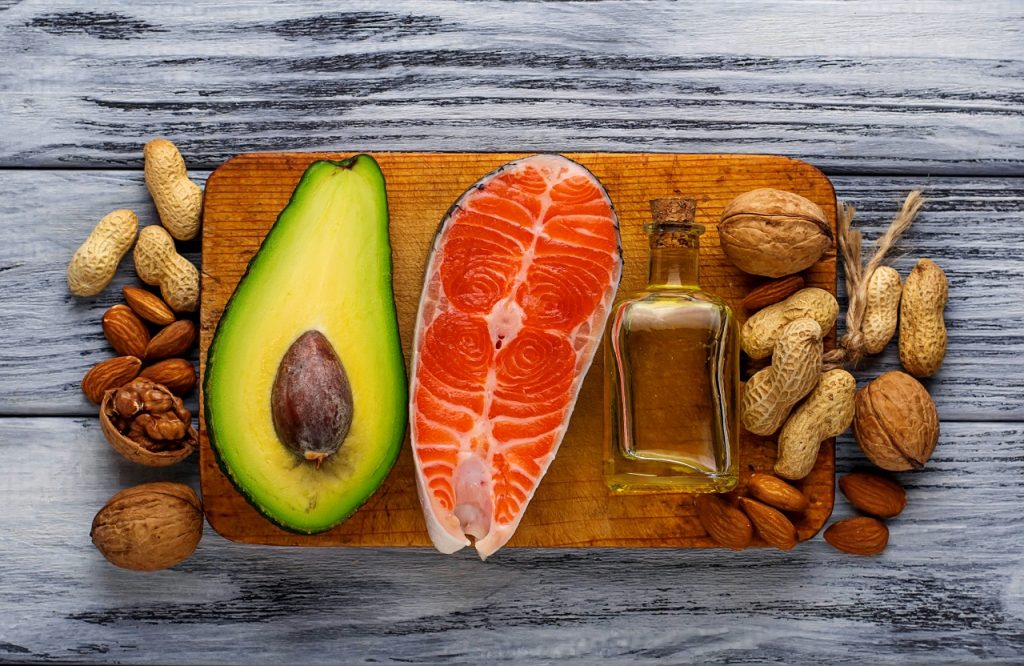
  • Monounsaturated Fats: These contain a single double bond and are known to be helpful in many ways. Evidently, they aid weight loss, reduce cardiac problems and decrease inflammation. Its major sources are avocado, nuts like almond, pistachios, vegetable oils like safflower oil, sesame oil, olive oil, canola oil, etc.
  • Polyunsaturated Fats: are considered as the most beneficial among the fat family. These fats are mainly of 2 types:
    1. Omega 3 Fatty Acids: are known to improve heart health, protect the nervous system, increase brain function, reduce anxiety and stress, improve eye function, reduce inflammation and help fight cancer as well. Sources include soya beans, chia seeds, walnuts, canola oil, salmon, sardine, etc. It’s good to have them as a part of daily diet.
    2. Omega 6 Fatty Acids: This type of fat helps balance good and bad cholesterol, it helps reduce asthma or respiratory problems especially in children, relieves diarrhea in children and is essential for improving brain function. Sources of Omega 6 Fatty Acids include hemp seed or hemp seed oil, flaxseed or flaxseed oil, walnuts, almond, avocado oil, eggs, tofu etc.

These fatty acids are called “essential” because they are not produced in the body and that is why they have to be present in our diet.

Considering all the fat facts listed above, we must focus more on the types of fat we are consuming. In a typical Indian diet, about 15-20% of total calories should come from fat and the most desirable proportion of Saturated Fat (SFA), Monounsaturated Fatty Acid (MUFA) and Polyunsaturated Fatty Acid (PUFA) must be 1:1.3:1.

We hope this article helps you make the best food choices. To know more about fat facts, bust more myths about food and nutrition, ask a GOQii Coach by subscribing for Personalised Health Coaching here.

Do leave your thoughts in the comments below! 

#BeTheForce 

  • « Previous Page
  • 1
  • …
  • 31
  • 32
  • 33
  • 34
  • 35
  • …
  • 144
  • Next Page »

Search

Recent Posts

  • Caution: Smoking is Injurious to health!!
  • The Sleep-Metabolism Connection: Why Rest is Your Best GLP-1 Partner
  • Accelerate Action for Your Health: Why Self-Care Matters This International Women’s Day
  • 4 Reasons Why Affirmations Are Not Working For You
  • The Social Side of GLP-1: Navigating “Food Culture” and Peer Pressure

Stay Updated

Archives

  • March 2026 (4)
  • February 2026 (14)
  • January 2026 (14)
  • December 2025 (19)
  • November 2025 (15)
  • October 2025 (20)
  • September 2025 (6)
  • August 2025 (6)
  • July 2025 (12)
  • June 2025 (18)
  • May 2025 (16)
  • April 2025 (22)
  • March 2025 (23)
  • February 2025 (22)
  • January 2025 (25)
  • December 2024 (22)
  • November 2024 (23)
  • October 2024 (21)
  • September 2024 (24)
  • August 2024 (30)
  • July 2024 (21)
  • June 2024 (26)
  • May 2024 (31)
  • April 2024 (27)
  • March 2024 (29)
  • February 2024 (25)
  • January 2024 (21)
  • December 2023 (15)
  • November 2023 (11)
  • October 2023 (19)
  • September 2023 (22)
  • August 2023 (18)
  • July 2023 (22)
  • June 2023 (24)
  • May 2023 (24)
  • April 2023 (23)
  • March 2023 (23)
  • February 2023 (19)
  • January 2023 (15)
  • December 2022 (11)
  • November 2022 (15)
  • October 2022 (15)
  • September 2022 (12)
  • August 2022 (10)
  • July 2022 (17)
  • June 2022 (11)
  • May 2022 (10)
  • April 2022 (6)
  • March 2022 (6)
  • February 2022 (13)
  • January 2022 (11)
  • December 2021 (7)
  • November 2021 (3)
  • October 2021 (6)
  • September 2021 (3)
  • August 2021 (8)
  • July 2021 (7)
  • June 2021 (15)
  • May 2021 (16)
  • April 2021 (10)
  • March 2021 (7)
  • February 2021 (4)
  • January 2021 (4)
  • December 2020 (3)
  • November 2020 (4)
  • October 2020 (10)
  • September 2020 (3)
  • August 2020 (3)
  • July 2020 (2)
  • June 2020 (4)
  • May 2020 (10)
  • April 2020 (12)
  • March 2020 (10)
  • February 2020 (4)
  • January 2020 (4)
  • December 2019 (3)
  • November 2019 (7)
  • October 2019 (5)
  • September 2019 (4)
  • August 2019 (9)
  • July 2019 (9)
  • June 2019 (11)
  • May 2019 (4)
  • April 2019 (8)
  • March 2019 (8)
  • February 2019 (9)
  • January 2019 (8)
  • December 2018 (9)
  • November 2018 (3)
  • October 2018 (3)
  • September 2018 (5)
  • August 2018 (10)
  • July 2018 (6)
  • June 2018 (13)
  • May 2018 (8)
  • April 2018 (18)
  • March 2018 (9)
  • February 2018 (8)
  • January 2018 (15)
  • December 2017 (12)
  • November 2017 (19)
  • October 2017 (13)
  • September 2017 (15)
  • August 2017 (4)
  • July 2017 (8)
  • June 2017 (7)
  • May 2017 (6)
  • April 2017 (8)
  • March 2017 (6)
  • February 2017 (7)
  • January 2017 (9)
  • December 2016 (10)
  • November 2016 (7)
  • October 2016 (7)
  • September 2016 (7)
  • August 2016 (11)
  • July 2016 (9)
  • June 2016 (9)
  • May 2016 (12)
  • April 2016 (17)
  • March 2016 (17)
  • February 2016 (8)
  • January 2016 (6)
  • December 2015 (2)
  • November 2015 (9)
  • October 2015 (7)
  • September 2015 (9)
  • August 2015 (11)
  • July 2015 (9)
  • June 2015 (12)
  • May 2015 (9)
  • April 2015 (13)
  • March 2015 (8)
  • February 2015 (5)
  • January 2015 (12)
  • December 2014 (14)
  • November 2014 (11)
  • October 2014 (6)
  • September 2014 (13)
  • August 2014 (12)
  • July 2014 (6)
  • June 2014 (2)
  • May 2014 (7)
  • April 2014 (4)

From “Laddu Nawin” to Fit and Fierce: How a 25-Year-Old Insurance Advisor Shed 20 Kilos and Gained His Life Back

When 25-year-old Nawin Yadav from Hyderabad walked into his office every morning, he carried more than just his files and policy papers. He had the weight of fatigue, sluggish energy, and an ever-growing belly that was becoming the butt of jokes. “People … [Read More...]

“I’ve Challenged Myself to Live 100 Years” – The Story of Chandubhai Savani’s Second Chance at Life

At 67, most people start slowing down. Not Chandubhai Savani. A resident of Surat, Chandubhai, thought life was on track. “My life was going well till I had my bypass surgery,” he says. That surgery, back in 2021, was a wake-up call.  Medication was routine, but exercise wasn’t. His diet? What he calls ‘normal.’ “I […]

From Shimla’s Slopes to Chandigarh’s Sidewalks: Surinder Kaur Bhalla’s Journey from Chaos to Control

Some journeys start with a plan. Others begin with a stumble literally. Surinder Bhalla, a government professional, born and raised in the scenic hill town of Shimla, had always lived a life of movement. “In Shimla, you walked everywhere,” she reflects. “Walking was never an exercise. It was just life.” But after shifting to Chandigarh, […]

Ananda Mukherjee Health Story

From Terminal Illness To Complete Wellness! Ananda Mukherjee Health Story

As we observe World Cancer Day under the powerful theme ‘United by Unique’ (2025-2027)**, we are reminded that every individual’s journey with cancer is distinct, yet united by shared resilience, hope, and the collective fight against this disease. This theme places people at the centre of care and their stories at the heart of the […]

  • HOME
  • HEALTHY LIVING
  • FITNESS
  • HEALTHY RECIPES
  • USER STORIES
  • KARMA
  • BUY GOQii

Copyright ©2016 GOQii