GOQii

Blog

  • HOME
  • HEALTHY LIVING
  • FITNESS
  • HEALTHY RECIPES
  • USER STORIES
  • KARMA
  • BUY GOQii

Search Results for: sex

October 12, 2024 By Nisha Rashmi 2 Comments

Osteoarthritis: Causes, Symptoms & Tips For Prevention

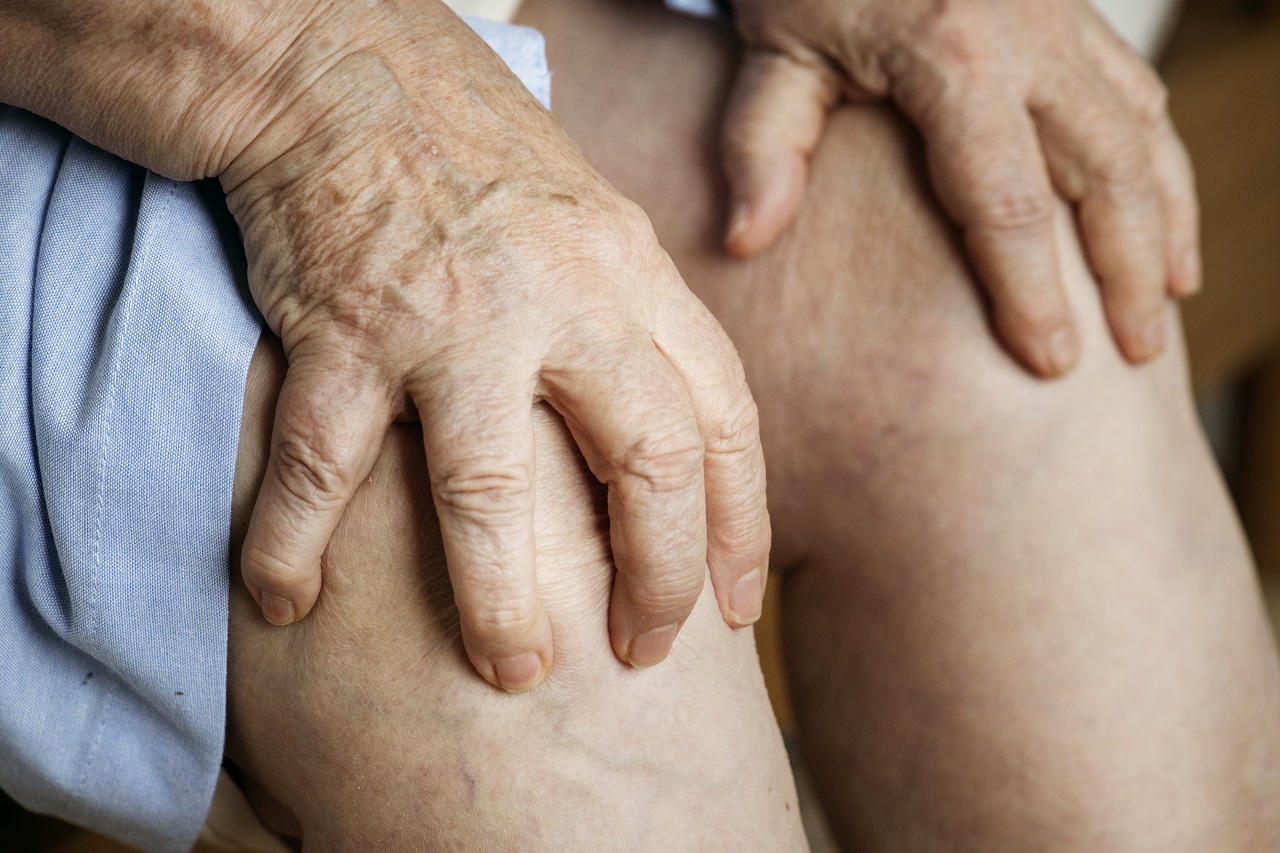
Osteoarthritis Arthritis is common and most people are aware of this medical condition. Among all types of Arthritis, Osteoarthritis is the most common form. It is a non-inflammatory degenerative condition of joints, characterized by degeneration of articular cartilage and formation of new bone that is called Osteophytes.

Osteoarthritis can affect any joint in the body, though it most commonly affects joints in the hands, hips, knees and spine. It typically affects just one joint, though in some cases, such as with finger arthritis, several joints can be affected. Osteoarthritis gradually worsens with time, and no cure exists. But osteoarthritis treatments can relieve pain and help you to remain active. Taking steps to actively manage this condition may help patients gain control over the pain.

Symptoms of Osteoarthritis  

Osteoarthritis symptoms often develop slowly and worsen over time. Signs and symptoms include:

  • Pain in a joint during or after use, or after a period of inactivity
  • Tenderness in the joint when you apply light pressure
  • Stiffness in a joint that may be most noticeable when a patient wakes up in the morning or after a period of inactivity
  • Loss of flexibility may make it difficult to use the joint
  • Grating sensation when moving the joint
  • Bone spurs, which appear as hard lumps, may form around the affected joint
  • Swelling in some cases

Unless one has been injured or has placed unusual stress on a joint, it’s uncommon for Osteoarthritis symptoms to affect jaw, shoulder, elbows, wrists or ankles.

What Cause This Condition?

Osteoarthritis occurs when the cartilage that cushions the ends of bones in the joints deteriorates over time. The smooth surface of the cartilage becomes rough, causing irritation. Eventually, if the cartilage wears down completely, patient may be left with bone rubbing on bone — causing the ends of the bones to become damaged and the joints to become painful. It isn’t clear what causes osteoarthritis in most cases. Researchers suspect that it’s a combination of factors, including being overweight, the aging process, joint injury or stress, heredity, and muscle weakness.

Risk Factors that increase risk of osteoarthritis include:

  • Old age: This condition typically occurs in older adults. People under 40 rarely experience it
  • Sex: Women are more likely to develop this condition, though it isn’t clear why
  • Bone deformities: Some people are born with malformed joints or defective cartilage, which can increase the risk of this condition
  • Joint injuries: Injuries, such as those that occur when playing sports or from an accident, may increase the risk
  • Obesity: Carrying more body weight places more stress on weight-bearing joints, such as knees. But obesity has also been linked to an increased risk of osteoarthritis in the hands, as well.

How Can You Prevent It? 
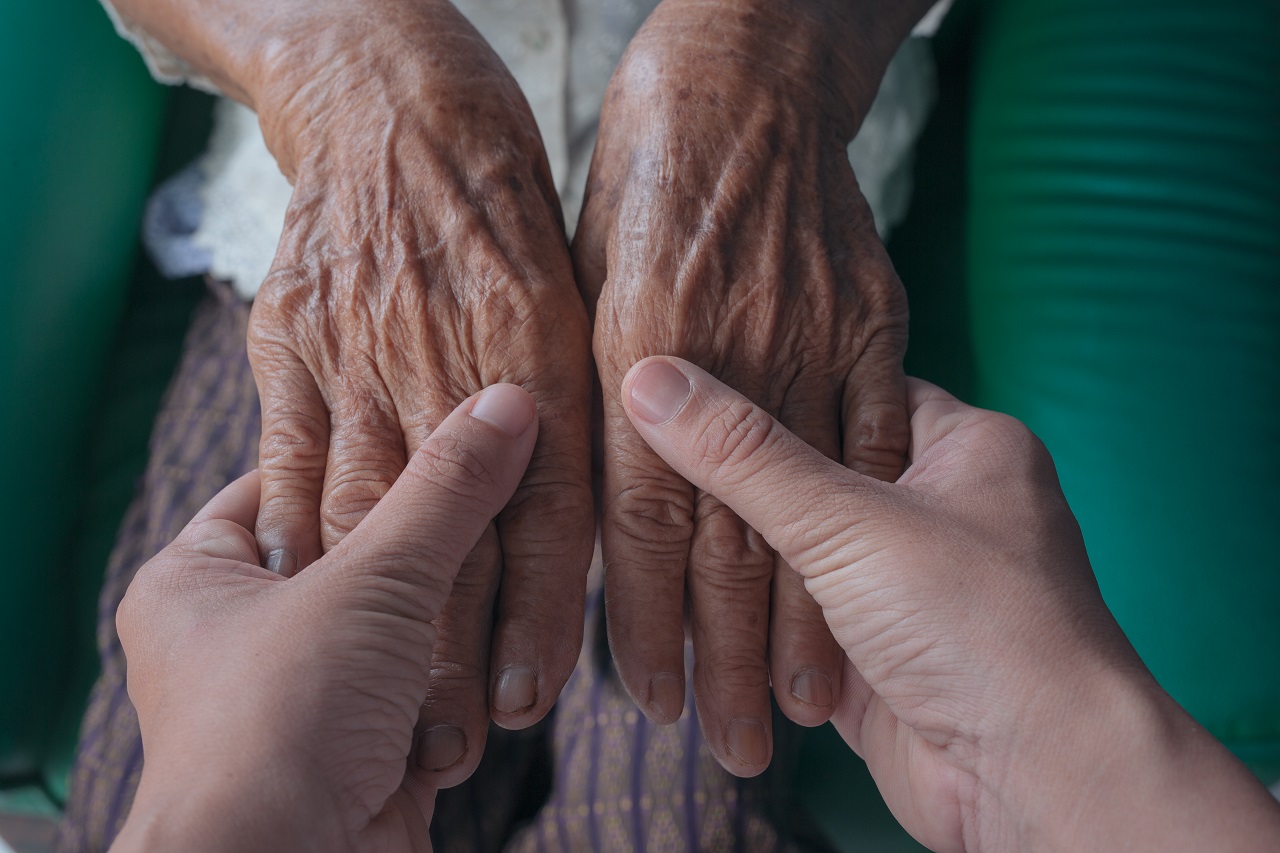
Osteo Arthritis 2

1. Diet

Avoid processed and sugary foods and drinks, eat more fruits and vegetables. Foods rich in antioxidants help in decreasing pain and inflammation. Also include food rich in Omega-3 Fatty Acids. Olive Oil helps in preventing inflammation. Eating fruits rich in Vitamin C helps in building collagen and connective tissue. Examples are citrus fruits, strawberries, red peppers and cabbage. Try some of these foods:

  1. Bananas and Plantains are high in magnesium and potassium which increases your bone density. Magnesium is also known to alleviate symptoms of arthritis. So peel a banana or fry up some plantains!
  2. Blueberries also pack a walloping antioxidant punch! Antioxidants protect your body against inflammation and free radicals – molecules that can damage cells and organs. Pay special attention to blueberries. USDA researcher Ronald Prior, Ph.D., showed that a one-cup serving of Wild Blueberries had more antioxidant capacity than a serving of cranberries, strawberries, plums and raspberries.
  3. Salmon: Not only can Omega-3 found in fish significantly reduce joint pain and shorten the duration of morning stiffness, but studies, such as those reported in the American Journal of Clinical Nutrition, show that increased levels of Omega-3 fatty acids also have enabled people taking Non-Steroidal Anti-Inflammatory Drugs (NSAIDs) to reduce their dosage or discontinue use.
  4. Green Tea: Many studies have shown that green tea possesses anti-inflammatory properties. One study showed that mice predisposed to a condition similar to human osteoarthritis had mild arthritis and little evidence of cartilage damage and bone erosion when green tea polyphenols were added to their drinking water. Another study showed that when added to human cartilage cell cultures, the active ingredients in green tea inhibited chemicals and enzymes that lead to cartilage damage and breakdown.
  5. Vitamin C is important in the development of normal cartilage. A deficiency of Vitamin C might lead to the development of weak cartilage. In 2010, The Arthritis Research Institute of America, Inc. published an important article in the Journal Public Health Nutrition which suggested that Vitamin C supplementation may indeed be beneficial in preventing new cases of knee osteoarthritis.
  6. Soy protein, found in tofu, has been shown to reduce pain and swelling in chronic knee joint pain, not attributed to injury or rheumatoid arthritis. Results were found to be more beneficial for men than women. Tofu can be cubed and fried with noodles, or bought prepackaged as tofu pups or tofu burgers. There are even recipes that call for it in fruit smoothies!
  7. Peanut Butter: Vitamin B3, found in peanut butter, is a supplement that may help people with Osteoarthritis. One 1996 study (National Institutes of Health) showed that taking Vitamin B3 was more effective than a placebo in improving flexibility and reducing inflammation.
  8. Whole Grain Breads and Cereals: In one placebo controlled trial, those with rheumatoid arthritis (and by extension osteoarthritis) had less disability, morning stiffness, and pain when they took high doses of pantothenic acid (Brewer’s Yeast) daily.
  9. Lobster is an excellent source of Vitamin E. Vitamin E may be the key to fighting arthritis-like damage. According to a study from the University of North Carolina at Chapel Hill School of Medicine, Vitamin E (also known as alpha tocopherol) and other naturally occurring antioxidants in the diet appear to protect against knee Osteoarthritis.
  10. Pineapple: For years, professional coaches have recommended pineapple to athletes to help heal sports injuries. That’s because a key enzyme in pineapple called bromelain, which helps reduce inflammation.

Apart from the food recommendations above, ensure that you maintain an active lifestyle. To understand what workouts or exercises you can implement in your daily routine, speak to a certified expert from GOQii by subscribing for Personalised Health Coaching here.

Though Osteoarthritis is a chronic disorder, you can prevent it or if you have it already, you can live in a better way by managing it with proper lifestyle habits. Prevention is always better than cure. So let’s concentrate on exercises as well as healthier food options. Ultimately, eating right, exercise and living a healthy life style can prevent most ailments.

You can explore some healthy habits by checking out Healthy Reads for more articles such as these. Do leave your thoughts in the comments below!

#BeTheForce

Disclaimer: The information provided in this blog is for general awareness and educational purposes only. It is not intended to replace professional medical advice, diagnosis, or treatment. Always consult a qualified healthcare provider for personalised medical guidance or concerns related to your health.
August 26, 2024 By Ravishankar Balasubramanian 3 Comments

How to Create a Better and Healthy India

women's healthA young woman, who seemed slightly on the heavier side, approached me on the walking track at the Coimbatore-Race Course. She asked for tips on health management and weight reduction, even suggesting that I create a group to help with these goals. This encounter inspired me to share my thoughts in this blog.
Creating awareness among women about the importance of staying physically fit is the first step towards building a healthier India. In my opinion, healthy women are the cornerstone of healthy societies. Health and fitness are two sides of the same coin, both essential for living a healthy and happy life.

While women excel in many areas, taking care of their health is often not one of them. The reality is that women are more likely than men to neglect preventive health care. My conversations with women reveal that fitness is one of their top wellness challenges. But why is that?

Following are the commonly cited reasons by women as barriers to exercise:

  1. Women are too busy taking care of others to focus on themselves. Their dedication to family creates significant time and logistical barriers to being physically active. Many women juggle household responsibilities and jobs, leaving little time for their health or self-care.
  2. They may not have access to resources such as parks and gyms, and they often lack motivation and confidence to exercise.
  3. Reasons for weight gain may be attributed to the inheritance of genetic predisposition or caesarean sections undergone by them.
  4. Lack of energy is yet another factor as fatigue is a by-product of a tiring lifestyle and women are often tired.
  5. Women with low incomes are less likely to exercise regularly.  They do not realize that not all exercises require expensive clothes or a gym membership. One of the most beneficial forms of exercise is free – brisk walking!
  6. Mindset is yet another factor, as women feel that going outside for a walk or to hit the gym is not necessary for them.
  7. Breaking the laziness barrier is the main hurdle for most people irrespective of gender.
  8. Women feel that they are constantly being looked at by others when walking in public. They are reluctant and shy to wear jogging suits and walk with their cellulite jiggling appearance, as they feel that they will be laughed at. This is true especially among South Indian women as cultural factors play a major role in this part of India. The fear of judgement is greater than the women’s self-confidence.
  9. Women who believe that child-rearing and domestic chores are ‘women’s work’ are less likely to take time to exercise – perhaps they feel guilty taking time out for themselves. Sexism proves to be one of the barriers.
  10. Some others think that to be useful, exercise must be painful, sweaty and gruelling, which of course is not true.

How Can Women Improve Their Health?

Women, as health managers or promoters within their families, have a significant role in influencing overall family health. It’s time for women to prioritize their well-being and adopt a healthy lifestyle.

  • Lose weight if you are overweight, start with just 15 minutes of walking a day.
  • Eat a balanced diet. Cook healthy meals for yourself and your family instead of relying on takeout or processed foods.
  • Eat the right food in correct proportions at the right time as women have the habit of delaying their meal timings owing to the pressure of work.
  • Create time for walking as walking is considered the king of exercises. It offers numerous benefits without risking injury or stress on the body.
  • Regular Brisk Walking can help you maintain a healthy weight. It prevents and/or manages various medical conditions, including heart disease, high blood pressure and type 2 diabetes.
  • Find a walking partner if you are not motivated to walk alone. For instance, your husband, parents, friends, relatives or your children. You can even join a local walking group.

Delaying simple aerobic exercise can lead to obesity and various health issues. Without proper awareness, women may feel lost when it comes to maintaining their health. By overcoming initial reluctance, women can adopt a balanced approach to fitness, directly influencing the well-being of their families. Women are the backbone of India, and their health is crucial to the nation’s well-being.

We hope this article encourages you to prioritize your health. If it did, share your thoughts in the comments below! For more tips on fitness and nutrition, explore our Healthy Reads. Ready to take charge of your health? Get personalized guidance from GOQii’s health experts by subscribing here.

#BeTheForce for a healthier you!

August 20, 2024 By Rashmi Deshpande 8 Comments

5 Hormones That Have a Big Impact on Your Health

hormones that affect healthEver experienced a sudden mood swing? Or, have you been dealing with a lot of fatigue or sleepless nights? Your body undergoes many changes from birth to adolescence and into adulthood. Most of these changes, both physical and mental, are regulated by the hormones present in our body.

Hormones are the chemical messengers of our body. They travel through our bloodstream and hold the key to optimum health. In essence, they affect metabolism, sexual function, reproduction, growth and development and even our mood.

A better understanding of the hormones that influence our well-being and how to activate them will help us live better and healthier lives.

Let’s take a closer look!

1. Thyroid Stimulating Hormone (TSH)

We are quite familiar with this hormone nowadays! It is a pituitary hormone that stimulates the thyroid gland to produce thyroxine T4 and triiodothyronine T3, which stimulate the metabolism of almost every tissue in our body.

Abnormalities in this hormone can manifest as sudden weight gain, weight loss, dry skin, mood swings, severe sensitivity to cold or heat, depression with weak metabolism, and even an enlarged gland in the form of goiter.

The abnormalities in this hormone can be effectively managed with lifestyle modification, medication, yoga, exercises, and regular checkups of hormone. It has mainly two types: Hypo & Hyper. The Normal range is:

  • TSH: 0.5 – 4.15 mU/L
  • T4: 6 – 12 ug/dL
  • T3: 240 – 280 ug/dL

2. Insulin

“Hey! I am on insulin!”

At some point, we have all heard this from a diabetic person. Insulin is released by the pancreas, a leaf-like gland situated in the abdominal cavity behind the stomach. It regulates the body’s glucose or sugar levels, which are derived from carbohydrates.

It also allows the body to store and utilize glucose for energy. When insulin is released into the bloodstream, it can cause either hyper or hypo glycemia.

Abnormalities in insulin levels can lead to weight gain or weight loss, frequent urination, constant hunger, fatigue, wounds taking longer to heal, etc. These changes are due to insulin either not being produced in sufficient quantity or not functioning properly.

The most effective treatment include lifestyle modifications, healthy eating habits, staying active, managing stress and medication. The referred range is:

  • Random blood glucose: 70 – 100 mg/dl
  • Fasting: 70 – 110 mg/dl
  • After meals: <140 mg/dl

3. Cortisol (Stress Hormone)

There’s a fair chance that every second person you meet might be stressed! The stress hormone, called Cortisol, is produced by the adrenal gland. It helps us stay healthy and energetic. Its main role is to control physical and psychological stress.

Excess secretion of cortisol causes a number of side effects such as increased heart rate, blood pressure, respiration, sweating, and shivering. At stressful times, the body secretes cortisol to help cope with the situation. High level of cortisol consistently can lead to ulcers, high blood pressure, anxiety, high levels of cholesterol, etc.

Similarly, low levels of cortisol in the body causes weakness, fatigue and low blood pressure. This can be managed by sharing your feelings, meditating, pursuing hobbies, listening to music, spending time with  family, going on vacations, prayers, and, if necessary, psychiatric treatment with medication.

4. Sex Hormones

This hormone are categorized into male and female hormones:

  • Testosterone: This is the primary male sex hormone. An anabolic steroid by nature, it helps in building body muscles. In males, it plays an important role in the development of male reproductive tissues like the testes and prostate. It also promotes secondary sexual characteristics like increased  muscle and bone mass, body hair growth, etc. If testosterone secretion is insufficient in men, then it may lead to abnormalities, including frailty and bone loss. This can be treated with medication.
  • Progesterone: This hormone is produced in the ovaries, the placenta and the adrenal glands when a woman gets pregnant. It stimulates and regulates various functions. Progesterone plays an important role in maintaining pregnancy by helping the body prepare for conception, pregnancy and regulating the monthly cycle. When pregnancy doesn’t occur, progesterone levels drop, and menstrual cycle occurs. It also plays a role in sexual desire. Any abnormalities can be treated with home remedies and medication.

5. Serotonin

We all need this happy hormone during stressful days! It is associated with learning and memory, sleep regulation, digestion, mood regulation, some muscular functions, etc. An imbalance in this hormone may affect the brain’s ability to control stress levels and mood effectively.

Low level of serotonin can lead to depression, migraines, weight gain, insomnia, carbohydrate cravings, etc. Excess levels of serotonin in the body causes agitation, stage of confusion, sedation, etc.

After learning about the 5 hormones which are essential for good health, it is clear that the key to keeping them in balance is healthy eating, an active lifestyle, and good rest with meditation. Make sure to check with your doctor for any imbalances or irregularities in your hormones and take the necessary actions as suggested by your doctor. For further information or guidance, reach out to our certified experts by subscribing to GOQii’s Personalised Health Coaching here.

Do share your thoughts and queries in the comments below!

Be balanced! Be happy! #BeTheForce!  

August 7, 2024 By Urvi Gohil Leave a Comment

Improve Sleep and Sleep Quality with these Lifestyle Changes

Improve sleep and sleep qualityWhile sleep requirements vary slightly from person to person, most healthy adults need between 7-9 hours of sleep per night to function at best. It has been estimated that more than half of the working population in India have experienced some or the other form of sleep deprivation or alteration during their lifetime.



Globally, the prevalence of insomnia ranges from 10-15%.

Sleep deprivation reduces your cognitive processes like thinking, learning, attention, concentration, etc. Chronic sleep deprivation increases the risk of heart disease, high blood pressure, diabetes, irregular heartbeat, etc. Over time, lack of sleep can contribute to symptoms of depression and kills your sex drive. And yes, lack of optimum sleep can make you gain weight.

How to Improve Sleep and Sleep Quality

1. Stay away from gadgets
Using electronic devices before bedtime can be physiologically and psychologically stimulating in ways that can adversely affect your sleep. The more electronic devices a person uses in the evening, the harder it is to fall asleep or stay asleep. Using TV, tablets, smartphones, laptops or other electronic devices before bed delays your body’s internal clock, suppresses the release of sleep-inducing hormones & makes it difficult to fall asleep. Along, with increase in alertness at the time you should sleep, it, in turn, delays the onset of REM (Rapid Eye Movement) sleep and compromises energy levels the next morning. Over time, these effects can add up to a significant chronic deficiency in sleep.

2. Take a Lukewarm Bath Before Bed
Taking a bath or shower before bedtime is a well-known sleep remedy. This is because a warm bath can help us relax. Our body temperature tends to drop after a warm bath, which can induce better sleep. Research suggests that the best time for taking a shower is 1-2 hours before going to bed. The duration of the bath does not need to be longer than 10 min. This will improve blood circulation and stimulate “temperature circadian rhythm” helping you fall asleep, improving sleep and sleep quality.

3. Perform Deep Breathing Before Sleep
Breathing strongly influences physiology and thought processes including moods. By simply focusing your attention on your breathing and without doing anything to change it, you can move in the direction of relaxation. The 4-7-8 breathing exercise also called “the relaxing breath” promotes better sleep. Here are the steps:

  1. Exhale completely through your mouth, making a whoosh sound.
  2. Close your mouth and inhale quietly through your nose to a mental count of four.
  3. Hold your breath for a count of seven.
  4. Exhale completely through your mouth making a whoosh sound to a count of eight.
  5. This is one breath. Repeat 20 times.

4. Sleep Inducing Foods
There are certain foods which can help induce better sleep.

  • A glass of warm milk is a perfect beverage to induce sound sleep. Milk contains tryptophan, an amino acid that converts into serotonin. Serotonin is known to have soothing effects in the brain and helps you sleep well. Adding a pinch of nutmeg, cardamom and some crushed almonds will improve taste and sleep.
  • Chamomile tea: Refreshing, revitalizing and fragrant chamomile tea has soothing effects on nerves and helps induce sleep.
  • Almonds could help you support sound sleep. Almonds also contain tryptophan and magnesium which are helpful in keeping your heart rhythm steady.
  • Avoid tea, coffee, alcohol and other stimulating foods after dusk.

5. Eat Your Dinner Early
When you eat late, you are unable to sleep because of improper digestion. An early dinner is good for digestion, helps in reaching your satiety value earlier and the body is able to utilize the food better and induce sleep. Eating late at night leaves the body on a high alert state which interferes with the circadian rhythm. Minimum 2-3 hours of gap between Dinner and sleep is good.

We hope these tips help you improve sleep and sleep quality! Do leave your thoughts in the comments below.

For more on sleep, check out Healthy Reads or get these tips directly from your GOQii Coach, by subscribing for Personalised Health Coaching here.

#BeTheForce

Disclaimer: The information provided in this blog is for general awareness and educational purposes only. It is not intended to replace professional medical advice, diagnosis, or treatment. Always consult a qualified healthcare provider for personalised medical guidance or concerns related to your health.

  • « Previous Page
  • 1
  • …
  • 3
  • 4
  • 5
  • 6
  • 7
  • …
  • 18
  • Next Page »

Search

Recent Posts

  • ALL ABOUT VERTIGO!
  • PCOS and Anxiety: Discover Relief with the 54321 Technique
  • Navigating the Maze of Nutrition: Finding Clarity Amidst Confusion
  • Get children active and keep them healthy
  • What Gestational Diabetes Can Do To You & Your Unborn Child

Stay Updated

Archives

  • December 2025 (5)
  • November 2025 (15)
  • October 2025 (20)
  • September 2025 (6)
  • August 2025 (6)
  • July 2025 (12)
  • June 2025 (18)
  • May 2025 (16)
  • April 2025 (23)
  • March 2025 (23)
  • February 2025 (22)
  • January 2025 (26)
  • December 2024 (26)
  • November 2024 (25)
  • October 2024 (22)
  • September 2024 (24)
  • August 2024 (31)
  • July 2024 (21)
  • June 2024 (26)
  • May 2024 (31)
  • April 2024 (27)
  • March 2024 (29)
  • February 2024 (26)
  • January 2024 (25)
  • December 2023 (15)
  • November 2023 (11)
  • October 2023 (22)
  • September 2023 (22)
  • August 2023 (20)
  • July 2023 (22)
  • June 2023 (24)
  • May 2023 (24)
  • April 2023 (24)
  • March 2023 (23)
  • February 2023 (20)
  • January 2023 (16)
  • December 2022 (12)
  • November 2022 (15)
  • October 2022 (15)
  • September 2022 (12)
  • August 2022 (10)
  • July 2022 (17)
  • June 2022 (11)
  • May 2022 (10)
  • April 2022 (6)
  • March 2022 (6)
  • February 2022 (13)
  • January 2022 (12)
  • December 2021 (7)
  • November 2021 (3)
  • October 2021 (6)
  • September 2021 (3)
  • August 2021 (8)
  • July 2021 (7)
  • June 2021 (15)
  • May 2021 (16)
  • April 2021 (10)
  • March 2021 (7)
  • February 2021 (4)
  • January 2021 (4)
  • December 2020 (3)
  • November 2020 (4)
  • October 2020 (10)
  • September 2020 (3)
  • August 2020 (3)
  • July 2020 (2)
  • June 2020 (4)
  • May 2020 (10)
  • April 2020 (12)
  • March 2020 (10)
  • February 2020 (4)
  • January 2020 (4)
  • December 2019 (3)
  • November 2019 (7)
  • October 2019 (5)
  • September 2019 (4)
  • August 2019 (9)
  • July 2019 (9)
  • June 2019 (11)
  • May 2019 (4)
  • April 2019 (9)
  • March 2019 (8)
  • February 2019 (9)
  • January 2019 (8)
  • December 2018 (9)
  • November 2018 (3)
  • October 2018 (3)
  • September 2018 (5)
  • August 2018 (10)
  • July 2018 (6)
  • June 2018 (13)
  • May 2018 (8)
  • April 2018 (18)
  • March 2018 (9)
  • February 2018 (8)
  • January 2018 (15)
  • December 2017 (12)
  • November 2017 (19)
  • October 2017 (13)
  • September 2017 (15)
  • August 2017 (4)
  • July 2017 (8)
  • June 2017 (7)
  • May 2017 (6)
  • April 2017 (8)
  • March 2017 (6)
  • February 2017 (7)
  • January 2017 (9)
  • December 2016 (10)
  • November 2016 (7)
  • October 2016 (7)
  • September 2016 (7)
  • August 2016 (11)
  • July 2016 (9)
  • June 2016 (9)
  • May 2016 (12)
  • April 2016 (17)
  • March 2016 (17)
  • February 2016 (8)
  • January 2016 (6)
  • December 2015 (2)
  • November 2015 (9)
  • October 2015 (7)
  • September 2015 (9)
  • August 2015 (11)
  • July 2015 (9)
  • June 2015 (12)
  • May 2015 (9)
  • April 2015 (13)
  • March 2015 (8)
  • February 2015 (5)
  • January 2015 (12)
  • December 2014 (14)
  • November 2014 (11)
  • October 2014 (6)
  • September 2014 (13)
  • August 2014 (12)
  • July 2014 (6)
  • June 2014 (2)
  • May 2014 (7)
  • April 2014 (5)

From “Laddu Nawin” to Fit and Fierce: How a 25-Year-Old Insurance Advisor Shed 20 Kilos and Gained His Life Back

When 25-year-old Nawin Yadav from Hyderabad walked into his office every morning, he carried more than just his files and policy papers. He had the weight of fatigue, sluggish energy, and an ever-growing belly that was becoming the butt of jokes. “People … [Read More...]

“I’ve Challenged Myself to Live 100 Years” – The Story of Chandubhai Savani’s Second Chance at Life

At 67, most people start slowing down. Not Chandubhai Savani. A resident of Surat, Chandubhai, thought life was on track. “My life was going well till I had my bypass surgery,” he says. That surgery, back in 2021, was a wake-up call.  Medication was routine, but exercise wasn’t. His diet? What he calls ‘normal.’ “I […]

From Shimla’s Slopes to Chandigarh’s Sidewalks: Surinder Kaur Bhalla’s Journey from Chaos to Control

Some journeys start with a plan. Others begin with a stumble literally. Surinder Bhalla, a government professional, born and raised in the scenic hill town of Shimla, had always lived a life of movement. “In Shimla, you walked everywhere,” she reflects. “Walking was never an exercise. It was just life.” But after shifting to Chandigarh, […]

Ananda Mukherjee Health Story

From Terminal Illness To Complete Wellness! Ananda Mukherjee Health Story

As we observe World Cancer Day under the powerful theme ‘United by Unique’ (2025-2027)**, we are reminded that every individual’s journey with cancer is distinct, yet united by shared resilience, hope, and the collective fight against this disease. This theme places people at the centre of care and their stories at the heart of the […]

  • HOME
  • HEALTHY LIVING
  • FITNESS
  • HEALTHY RECIPES
  • USER STORIES
  • KARMA
  • BUY GOQii

Copyright ©2016 GOQii
