 प्राणायाम सबसे सामान्य योग आसनों में से एक माना जाता है जिसे लोग बहुत ही आसानी से करते हैं और इसके कई प्रकार के फायदे प्राप्त करते हैं।
प्राणायाम क्या है?
प्राणायाम को सांस को खींचने, लंबा करने या मोडीफाई करने के रूप में परिभाषित किया गया है। एक अनैच्छिक प्रक्रिया होने के बावजूद, सांस को स्वेच्छा से नियंत्रित और मैनिपुलेट किया जा सकता है। नियंत्रित श्वास आपको अपने दिमाग और शरीर पर बेहतर पकड़ बनाने में मदद करता है।
प्राणायाम करने के लिए आप कोई भी ध्यान मुद्रा चुन सकते हैं। यदि कोई ध्यानात्मक मुद्रा कठिन है, तो आप सुखासन का विकल्प चुन सकते हैं जहाँ सिर, गर्दन और रीढ़ को एक सीधी रेखा में रखना होता है। अपनी सांस पर ध्यान केंद्रित करें, प्रत्येक सांस को महसूस करने की कोशिश करें जिसे आप अपने नाक से अंदर और बाहर छोड़ते हैं। ऐसा करने के बाद, आराम करें और अपने पूरे शरीर का निरीक्षण करने के लिए कुछ समय ऐसे ही व्यतीत करें। पूरे सेशन में अवेयरनेस बनी रहनी चाहिए।
कुछ शब्दावली जो आपको पता होनी चाहिए:
- पूरक – सांस अंदर लेना
- रेचक – सांस बाहर
- कुम्भक – सांस को रोकना।
प्राणायाम कई प्रकार के होते हैं। आज हम उनमे से कुछ के बारे में बात करेंगे।
1. भस्त्रिका प्राणायाम
‘भस्त्र’ धौंकनी पंप है जिसका इस्तेमाल आग बुझाने के लिए किया जाता है। ‘भस्त्रिका’ शब्द की उत्पत्ति इसी शब्द से हुई है। हाई ब्लड प्रेशर वाले लोगों को भस्त्रिका नहीं करनी चाहिए। हालाँकि, वे इसे मॉडिफाइड तरीकों से कर सकते हैं। भस्त्रिका प्राणायाम में व्यक्ति को तेजी से और जोर से सांस अंदर लेनी और छोड़ना चाहिए। उसी समय, उन्हें पेट को ज़ोर ज़ोर से अंदर और बाहर करना चाहिए। जब आप सांस अंदर लेंगे तो आपका पेट फूलेगा और जब आप सांस बाहर निकालेंगे तो आपका पेट सिकुड़ेगा।
लाभ: गैसों का आदान-प्रदान बहुत तीव्र गति से होता है। ऑक्सीजन का सेवन बढ़ जाता है क्योंकि शरीर अधिक कार्बन डाइऑक्साइड बाहर फेंकता है। साथ ही मेटाबोलिक रेट में भी वृद्धि होती है।
2. अनुलोम-विलोम
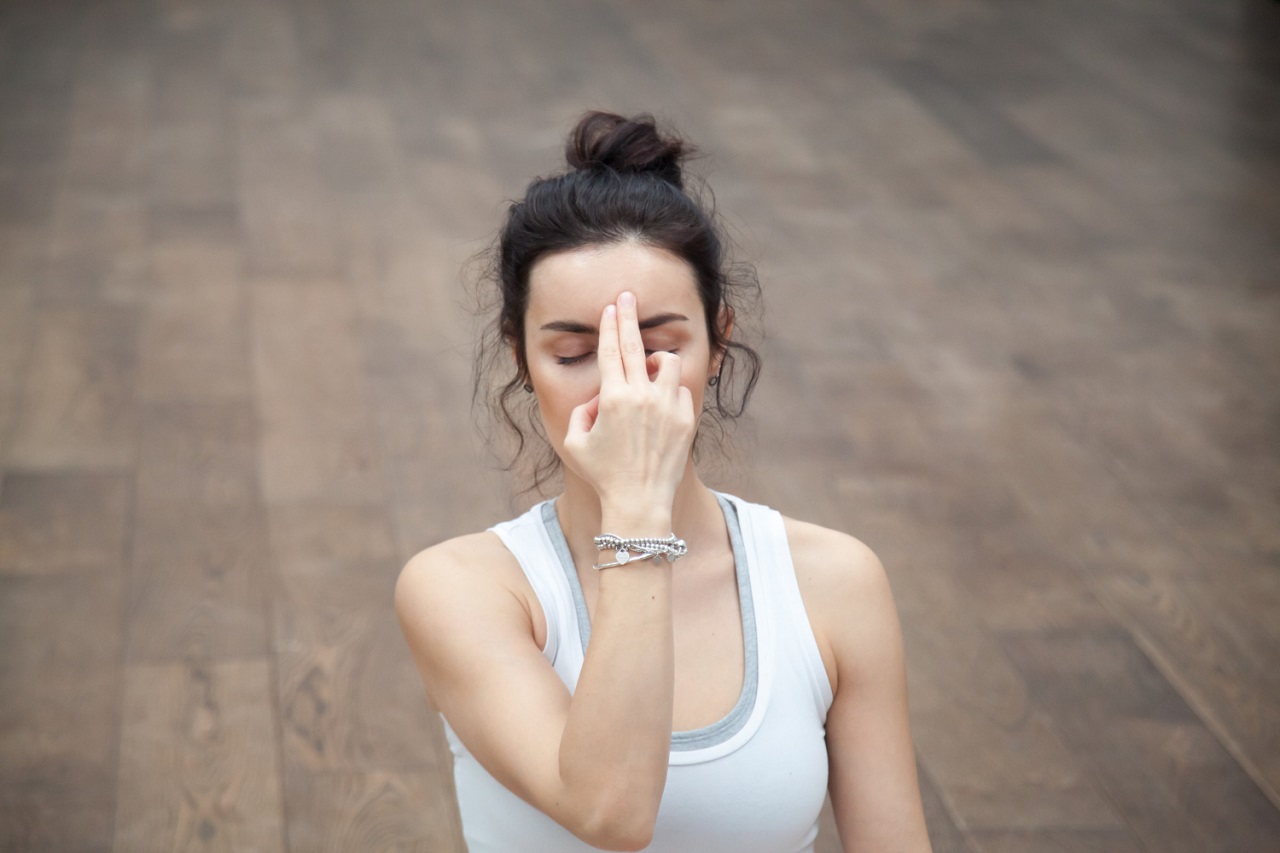
यह एक अल्टरनेट नॉस्ट्रिल ब्रीदिंग के रूप में भी जाना जाता है, जो धीमी और गहरी रदमीक ब्रीथिंग पैटर्न को फॉलो करते है। इस वेरिएशन को करने के लिए, बायें नाक को बंद करें और दायें नाक से सांस लें। 3-5 सेकंड के लिए अपनी सांस को रोक कर रखें। दायें तरफ के नाक को बंद करके बायें नाक से सांस लें। ऑक्सीजन के अब्सॉर्प्शन को बढ़ाने के लिए इसे 3-5 सेकंड के लिए रोक कर रखें।
लाभ: साइनसाइटिस से पीड़ित लोगों के लिए उपयोगी है। यह प्राणायाम दिमाग और पूरे नर्वस सिस्टम को रिलैक्स करता है।यह फेफड़ों की क्षमता में सुधार करता है, हृदय को मजबूत करता है और रक्त संचार में सुधार करता है।
3. शीतली प्राणायाम
इस प्राणायाम को कूलिंग ब्रीथिंग भी कहा जाता है। शीतली प्राणायाम करने से पहले यह सुनिश्चित कर लेना चाहिए कि वातावरण स्वच्छ हो। जीभ को रोल करें और मुंह से धीमी और गहरी सांस लें। आप अपनी जीभ की सतह पर ठंडक का अनुभव करेंगे। मुंह को बंद करके नाक से सांस छोड़ें।
लाभ: डाइजिस्टिव डिसऑर्डर्स और एसिडिटी से पीड़ित लोगों के लिए यह बहुत फायदेमंद है। यह प्राणायाम दिमाग को भी शांत करता है।
4. भ्रामरी
इसे सेशन के अंत तक किया जा सकता है। भ्रामरी दिमाग को शांत करती है और ब्लड सर्कुलेशन और सेरेब्रोस्पाइनल तरल पदार्थ के सर्कुलेशन में भी मदद करती है। भ्रामरी को हमिंग बी ब्रीथ भी कहा जाता है। ध्यान मुद्रा में बैठकर नाक से गहरी सांस अंदर लें और धीरे-धीरे सांस छोड़ें, जिससे हम्मिंग की तरह आवाज आएगी। सांस लेने और छोड़ने का समय समान रहेगा।
5. सूर्यभेदन
सूर्य दाहिनी नासिका को दर्शाता है और भेदन पियर्सिंग को। नाक के दाहिने ओर से सांस लेना और बायीं ओर से सांस छोड़ना सूर्यभेदन कहलाता है। यह स्फूर्तिदायक प्राणायाम हमारे सिम्पैथेटिक नर्वस सिस्टम को उत्तेजित करता है, और खोपड़ी को साफ करता है और हठप्रदीपिका में उल्लेख है कि इस प्राणायाम से उत्पन्न गर्मी पेट में कीड़े को नष्ट कर देगी।
6. शीतकारी प्राणायाम
इसे हिसिंग ब्रीथ भी कहा जाता है, इस प्राणायाम को ऊपरी और निचले जबड़े के दांतों को एक साथ छूकर और सांस अंदर लेकर किया जाता है। इसे करने के बाद आपको मुंह और जीभ के किनारों पर ठंडक का अनुभव होगा। यह भी एक शांतिदायक प्राणायाम है। इसके नियमित अभ्यास से पाचन क्रिया दुरुस्त होती है और एसिडिटी में रहत मिलती है। अनिद्रा से पीड़ित लोगों के लिए यह एक अच्छा अभ्यास है। यह गर्मी के दिनों में विशेष रूप से उपयोगी है क्योंकि यह शरीर के तापमान को कम करता है। इस प्राणायाम का अभ्यास करते समय इस बात का ध्यान रखना चाहिए कि वातावरण स्वच्छ हो।
डिस्क्लेमर: प्राणायाम शुरू करने से पहले कृपया अपने GOQii डॉक्टर से सलाह लें। आगे के मार्गदर्शन के लिए, आप यहां पेर्सनलिज़्ड हेल्थ कोचिंग की सदस्यता लेकर किसी विशेषज्ञ तक पहुंच सकते हैं |
हमें उम्मीद है कि यह लेख आपकी मदद करेगा! अपने विचार हमें नीचे कमेंट्स में बताएं।
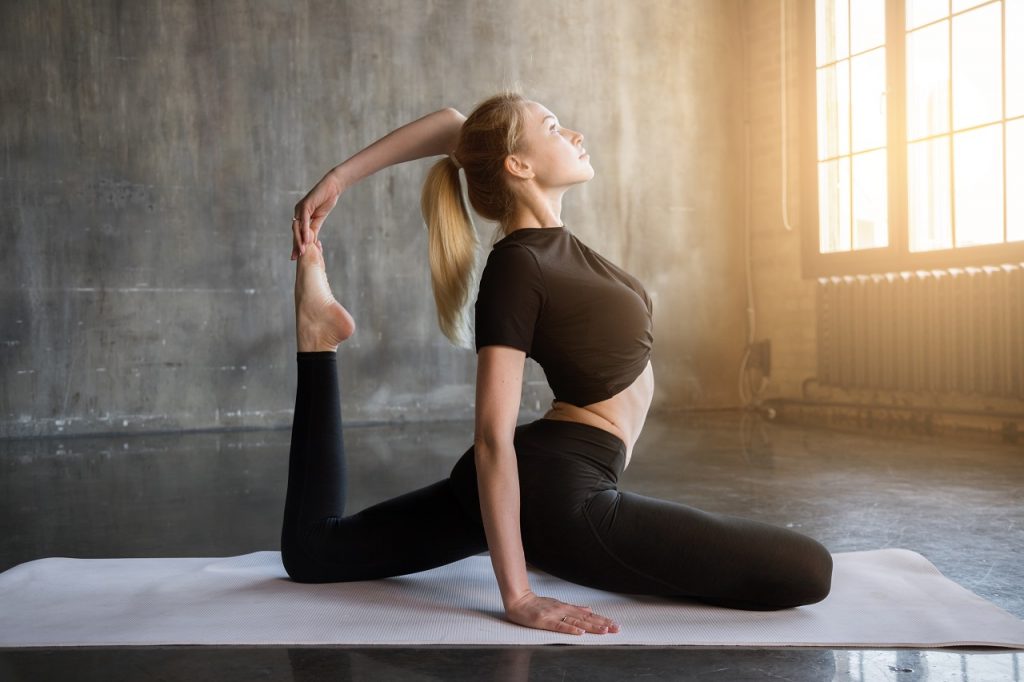 Get ready to boost your immunity and conquer those pesky viral infections! Monsoons and the ever-changing weather can leave us feeling drained and vulnerable to sore throats, colds, and fevers. But fret not! Yoga Therapy comes to the rescue with its comprehensive approach.
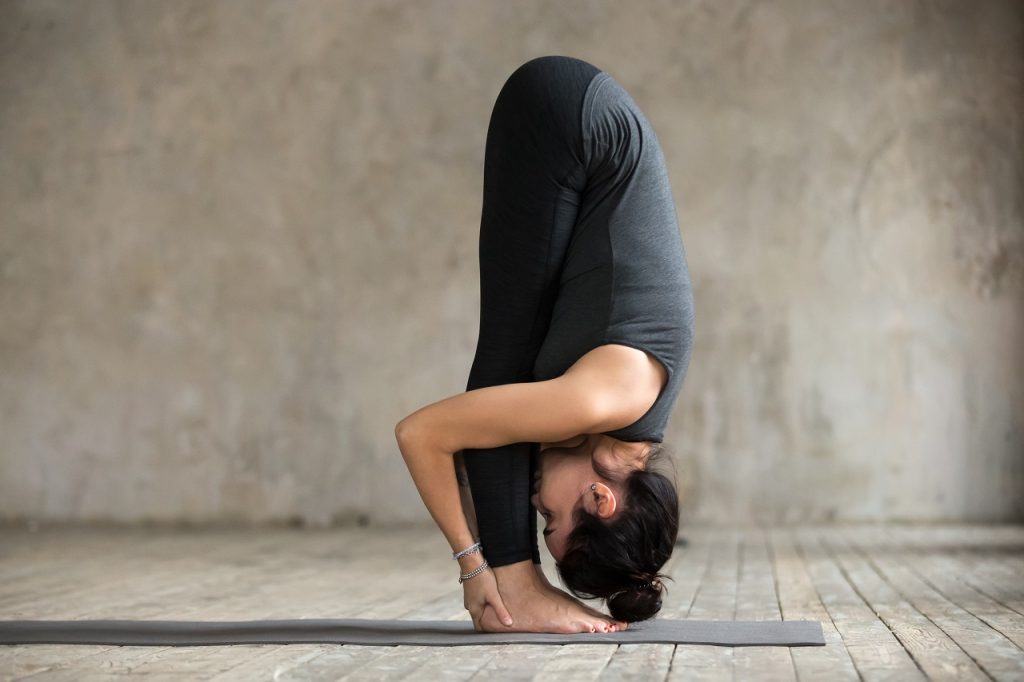 Helps in clearing out the sinus passages, thereby clearing out blockages and allowing for more complete breathing. It invigorates the nervous system and relieves stress and tension.
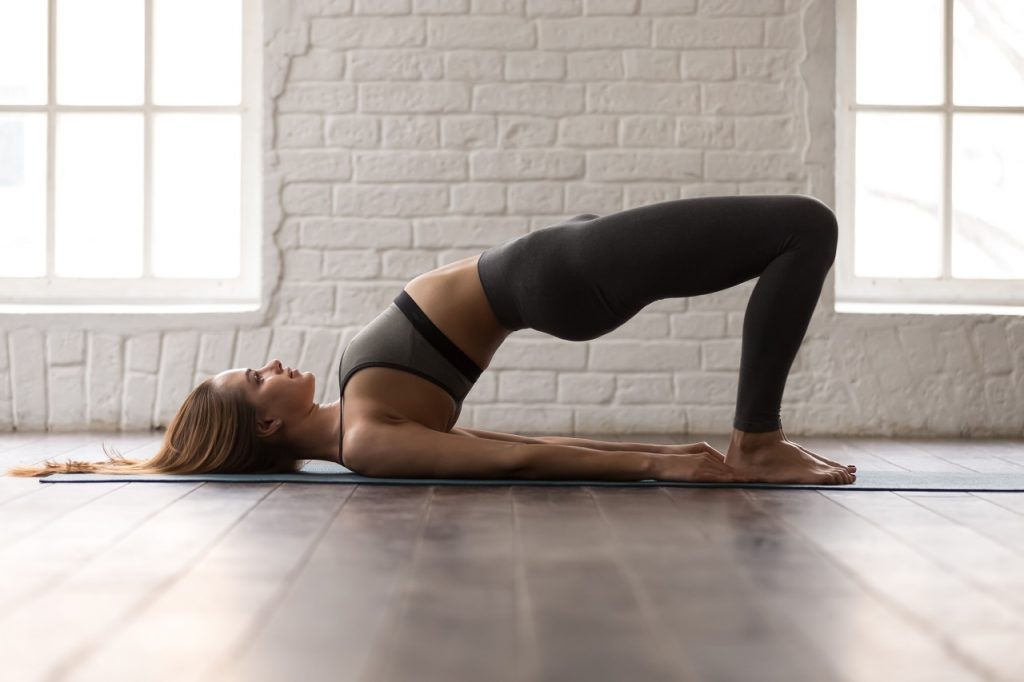 Opens up the chest. It also sends fresh blood to the head, which helps open up the sinuses further. This asana also activates the thymus glands, one of the main organs of the immune system.
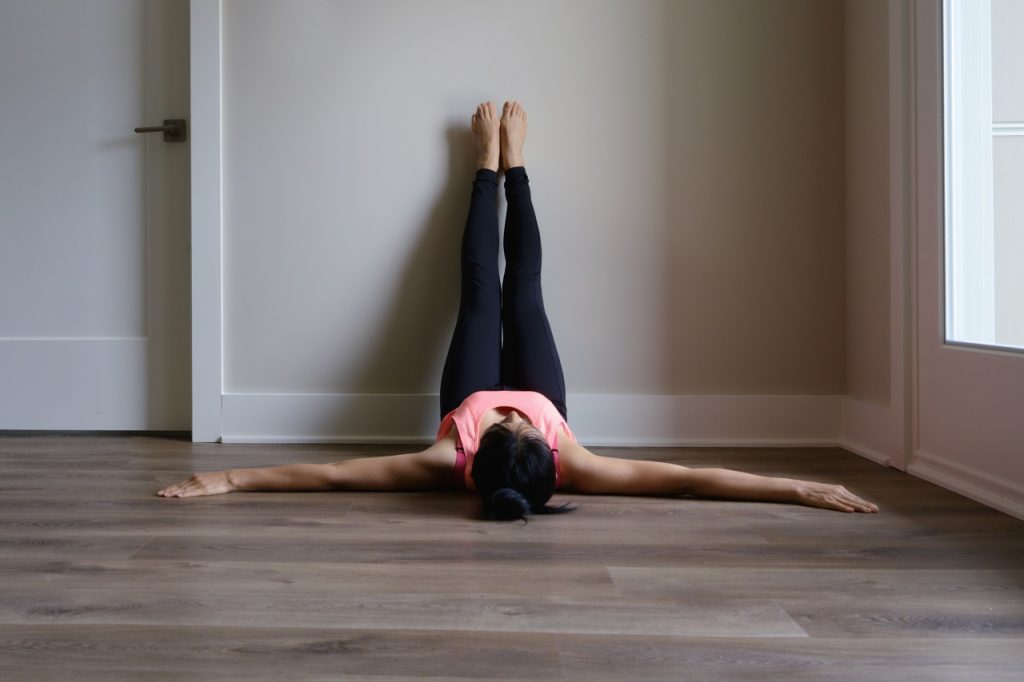 The Legs Up the Wall Pose is a great pose to practice to counter respiratory ailments. When you practice this asana, you might find relief from headaches or backaches that accompany a cold. Practicing this asana calms the mind and makes you strong as your body deals with the cold and helps in reducing fatigue, which usually follows common cold. This asana helps the immune cells to move through your body.
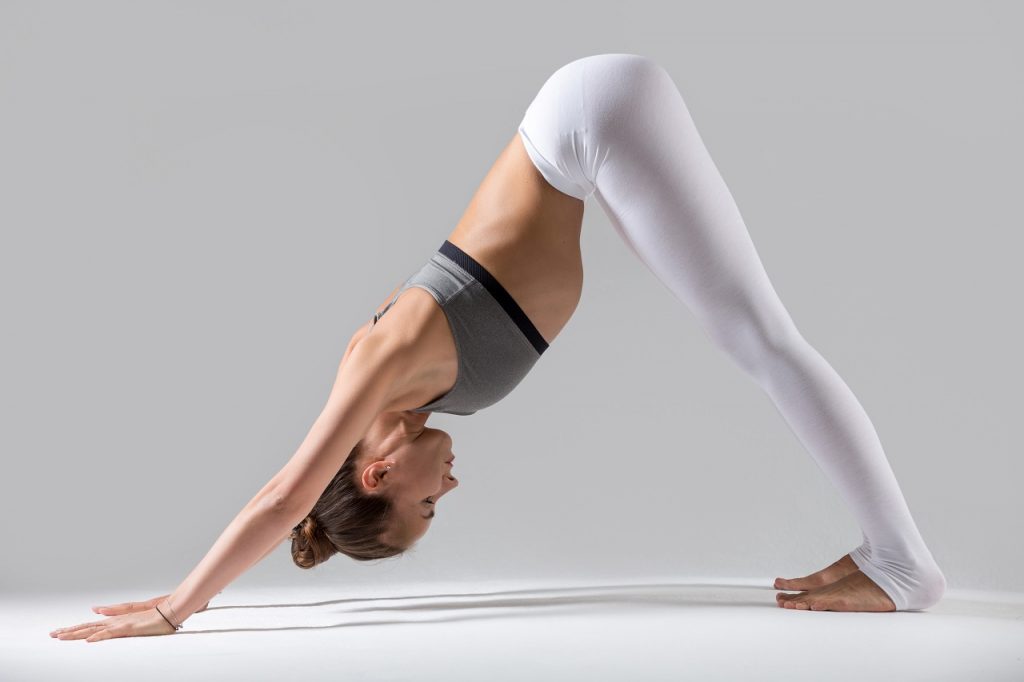 In this asana, your heart is placed higher than the head. There is a reverse pull of gravity that happens when you do that, and this aids in the proper circulation of the lymph and the blood. The mild inversion allows a free flow of white blood cells throughout the body and also helps to drain out the sinuses.
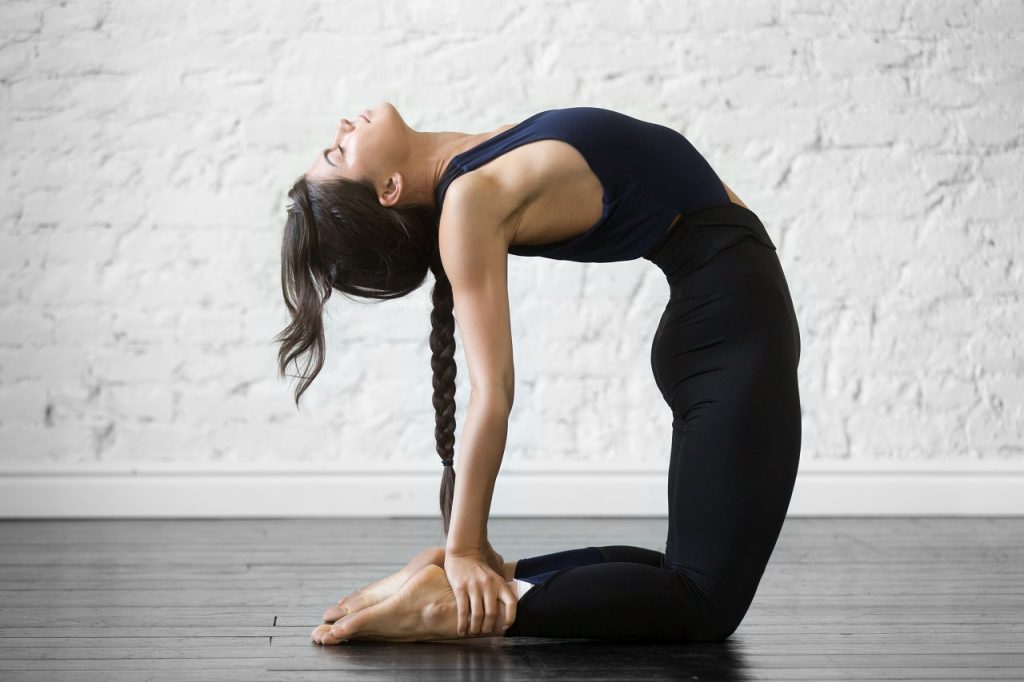 This asana opens up the chest and clears out all the passages. It is essential to try and breathe as much as you can while you are in this pose. This will help open up all the blocked areas that are causing the cold.
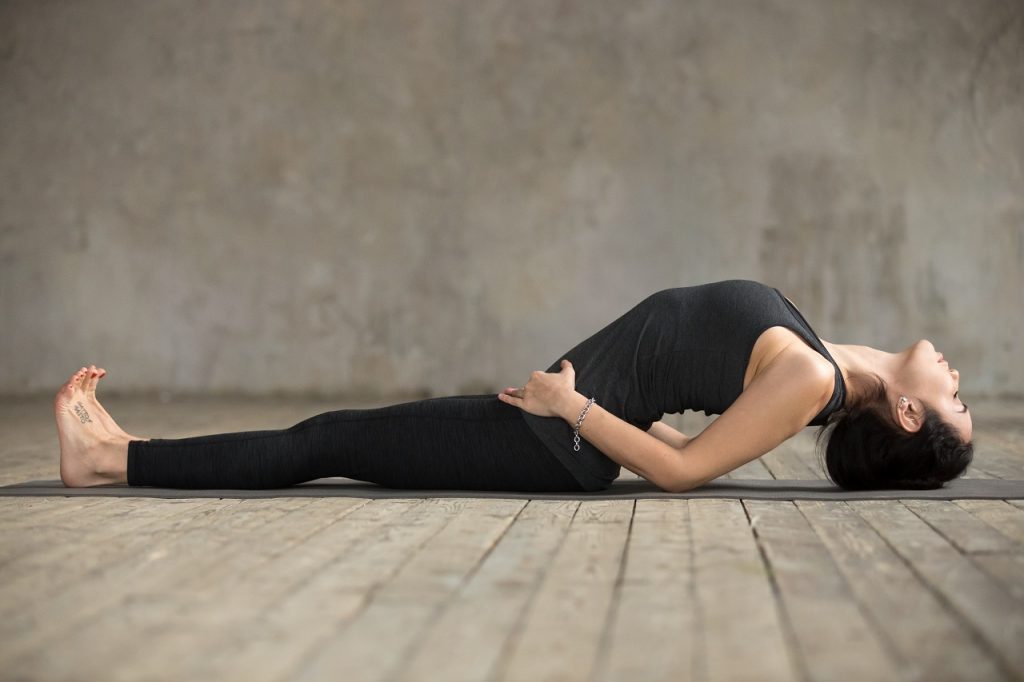 When you assume this asana, your chest is raised and your throat is opened up. This improves your breathing and might help alleviate a cold. During colds, one can support the upper thoracic back with a cushion, bolster, or yoga blocks, aiding optimal recovery.
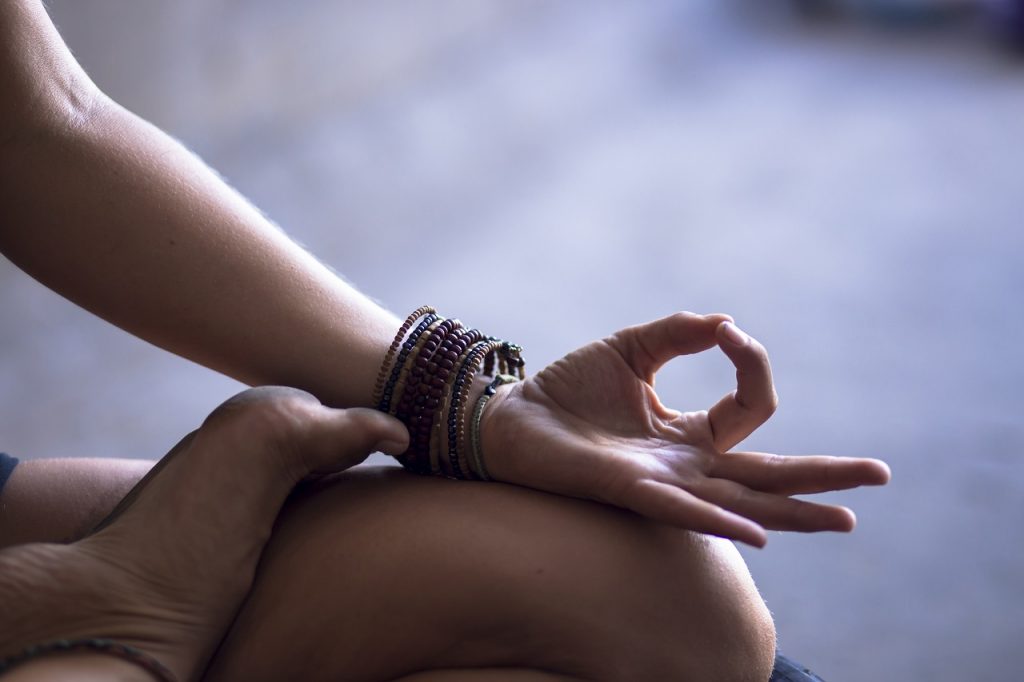 Everyone knows about yoga and the benefits it can bring to your life. This ancient form of exercise started in India and has reached far and wide across the world. Since the pandemic, we’re always looking for new ways to be fit and active, given that health has now become a priority. I have a few ways on how we can be more active during the day and that’s Hand Yoga!
 In this Mudra, the thumb and index finger are touching and form a circle. The other three fingers are stretched casually. The palms are facing upwards. This Hand Yoga Mudra is known as the gesture of knowledge and wisdom. The Index Finger symbolizes the ego that is beaten by the universal wisdom, which is represented by thumb.
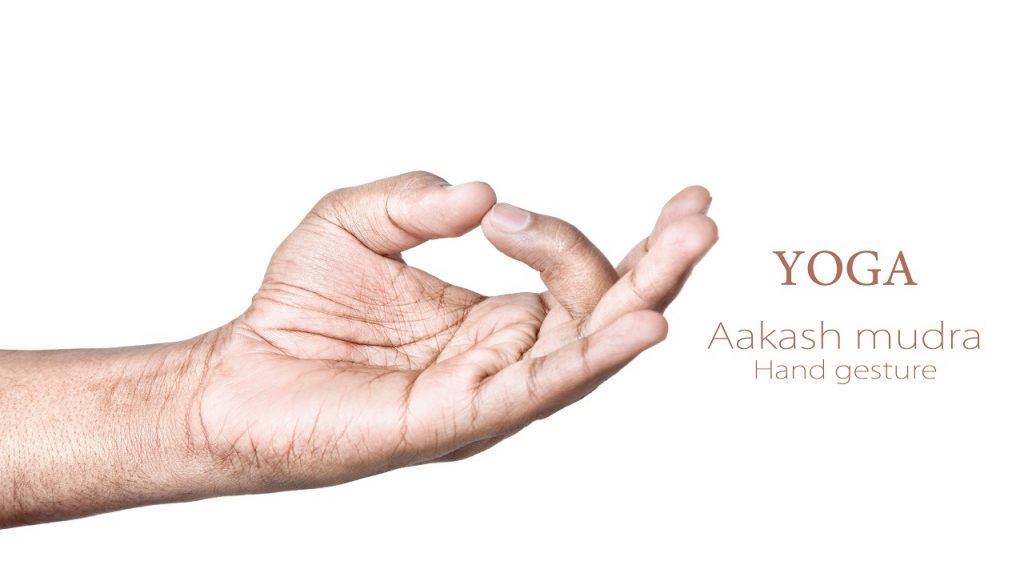 To perform this, the thumb and middle finger are brought together. The other fingers are casually stretching. Aakash stands for the element of room or ether.
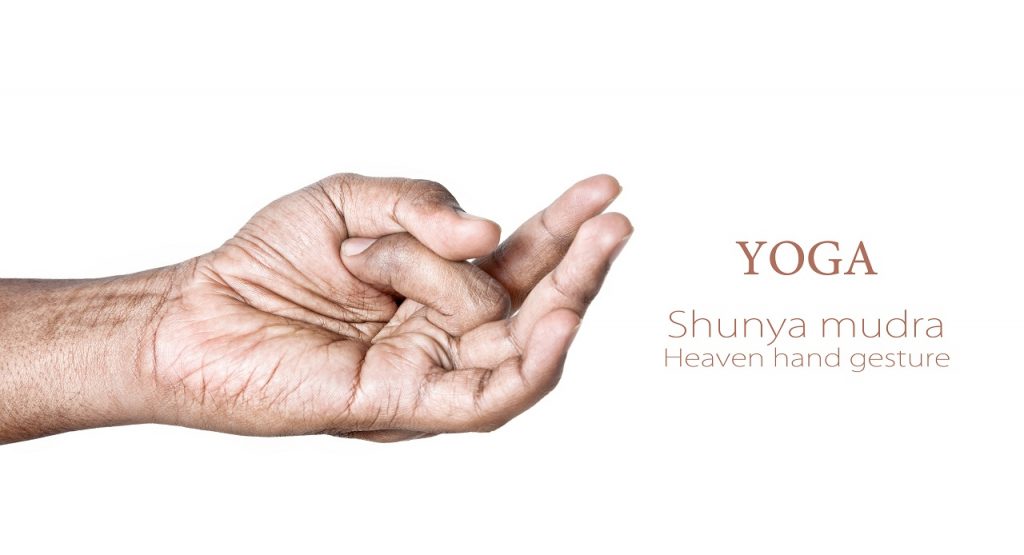 In this Hand Yoga Mudra, you bend your middle finger until it touches the ball below the thumb. The thumb performs light pressure on the middle finger. The other fingers are stretched. Put your hands, palms facing up, on your thighs. Sunya Means “sky” or “zero”.
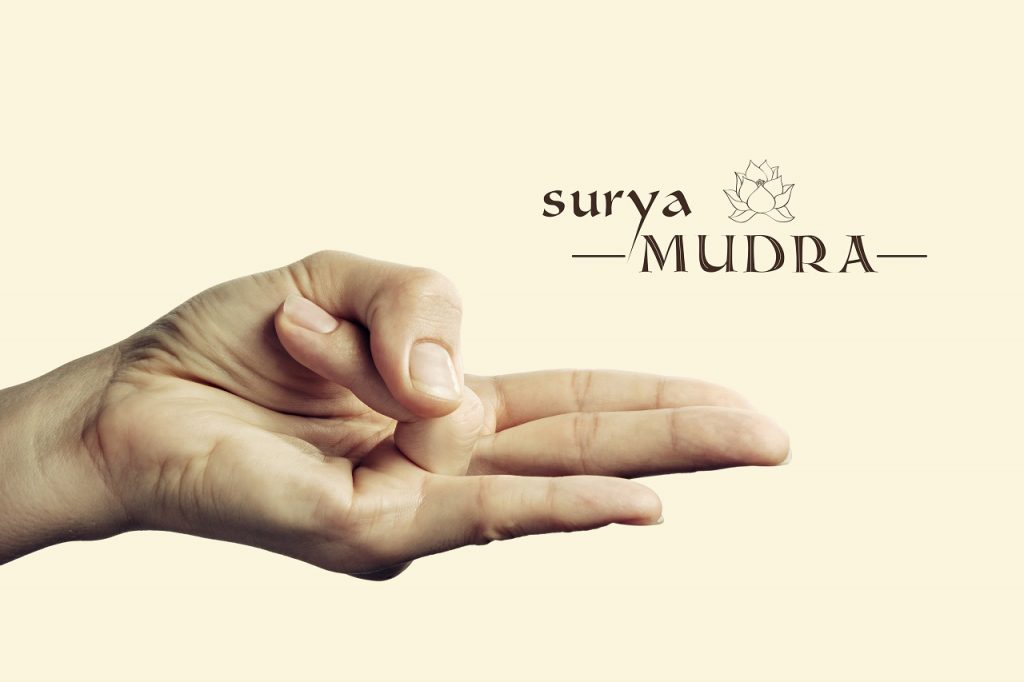 It is formed by folding the ring finger so that it touches the lower end of the thumb. The thumb pushes the ring finger slightly down and other fingers are casually stretched upwards. Surya Mudra activates the fire element of the body.
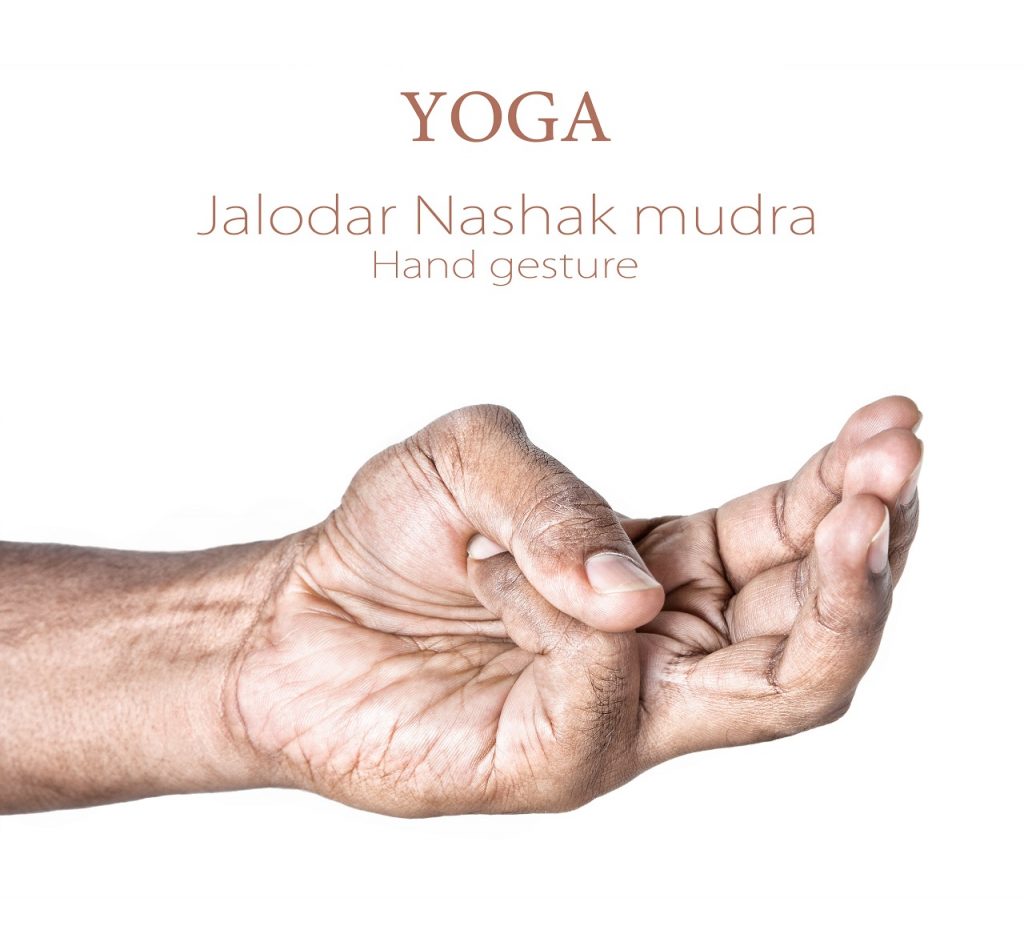 To perform this, the small finger is bent towards the thumb. The thumb pushes the small finger slightly down. The name of this hand gesture (Mudra) is made up of from three words Jal for “water”, Udar for “ stomach”and Nashak for “finish”. The small finger represent the water element.