
GOQii

Blog

  • HOME
  • HEALTHY LIVING
  • FITNESS
  • HEALTHY RECIPES
  • USER STORIES
  • KARMA
  • BUY GOQii

Search Results for: portion control

September 29, 2023 By Arooshi Garg Leave a Comment

How To Prevent Heart Disease At Any Age

How to prevent heart disease at any age

Heart disease is a generic term used to describe diseases that affect the heart and supporting arteries. In these diseases, the blood flow to the brain, heart or any other body part is reduced due to the thickening of arteries due to fat deposition, or due to a circulating clot in the bloodstream. It may lead to chest pain, stroke, heart failure, or arrhythmia.

All age groups can benefit from following a healthy, clean eating pattern. Lifestyle habits are formed slowly, over the years, and changing them can be overwhelming. Understanding what foods are good or bad and taking small steps to include or avoid different foods can be a game changer. Let’s read on to learn more about foods and habits that are essential for a healthy heart:

1. Controlling portions: Your foods’ estimated calories are the easiest way to avoid overeating and over consumption of calories. Even healthy foods like nuts, when taken in excess, are harmful! Always choose low-calorie and high-fibre foods to fill yourself, like raw fruits and vegetables. Take smaller portions of calorie-dense and high-salt foods for a healthy heart. Another tip is to choose a smaller plate when eating.

2. Choosing raw vegetables: Having at least 3-4 servings of fresh and local vegetables is very essential to get a good supply of heart-healthy antioxidants. Choose bright-coloured vegetables to get maximum benefit. Fiber which is present in vegetables helps in controlling high BP, and fat deposition in arteries and also eases digestion.

3. Including whole grains, millets: Grains are naturally high in fiber and nutrients. Avoid refined and processed cereals like all-purpose flour, bread, and bakery products. Instead, choose locally available native millets like barley, ragi, bajra, quinoa, and farro.

4. Consume salt mindfully: Having too much salt can worsen cardiac health and cause hypertension. Adding no-table salt and reducing salt while you cook is the first step. Reducing hidden salt from foods like cornflakes, muesli, bread, biscuits, sauces, and pickles is the next step. Choose less refined salts like Rock salt, and Himalayan salt. Be wary if you also have thyroid you might need regular iodized salt. Flavour your dishes using dill, coriander, mint, lemon, and oregano instead!

5. Choosing low-fat high protein sources: Cut short on high-fat animal products like full-fat milk, processed cheese etc. Go for low-fat/ toned milk, choose leaner cuts, fish, and eggs to meet your protein requirement. Certain types of fish are rich in omega-3 fatty acids, which can lower blood fats called triglycerides. Products like soy granules, sprouts, and powdered pulses are good, low-fat sources of protein and contain no cholesterol. They can be easily added to the diet to increase protein intake.

6. Engaging in cardio activities: As the name suggests, any type of physical activity that affects the heart’s activity is considered good for cardiovascular health. If you cannot go to the gym, ensure that you at least go for a walk. A quick 30-minute fast walk can help you get good cardio activity to reduce cholesterol levels, and blood pressure and improve energy levels, plus it can fight weight gain to improve overall cardiac health. If you are still unable to find time for dedicated exercise, make it a habit to walk for 10 minutes after every meal. Finding small pockets of time for cardiovascular fitness in the form of walking can really be helpful. Choose any activity like jogging, running, cycling, swimming, Zumba, aerobics etc.

7. Say no to smoking and alcohol: Limit your alcohol intake. Smoking is a major risk factor for heart disease. The chemicals you inhale when you smoke cause damage to your heart and blood vessels.

GOQii wishes the best for all of you on this World Heart Day! We hope this article has shed light on the essential habits for a healthy heart. If you found this information valuable, share your thoughts in the comments below. You can browse more articles like this here. To get more tips and guidance, speak to a GOQii Coach for lifestyle modifications suited to your health goals. You can subscribe for Personalised Health Coaching here.

September 18, 2023 By Rashmi Deshpande 2 Comments

Types of Fat and Fat Composition

fat composition“I can’t lose weight no matter how hard I try!” – this sentence is pretty common, isn’t it? Ever wondered why? The answer lies in the extra fat deposition on our bones and organs which become an obstacle for our weight loss journey. The key to slimming down is understanding that fat loss is more important than weight loss. Let’s study about how we gain fat and fat composition in detail!

What is Fat?

Fats are substances that help the body use some vitamins and keep the skin healthy. They also help the body store energy. In food, there are different types of fats such as saturated, unsaturated, polyunsaturated, monounsaturated, and trans fats. Most people consume too much of the wrong kinds of fat, putting their health at risk.

Good Fat vs. Bad Fat

Daily diet contains fat such as different oils (sunflower, peanut, rice bran, olive oil, sesame etc.), ghee (clarified butter), butter, cheese, avocados, eggs, nuts, seeds, milk, curd etc. (these are good fats). All these give us essential fats and 9kcal/g which helps the body function smoothly. They aid joint rotation, absorption of fat soluble Vitamins A, D, E and K. They’re the biggest source of energy.

The questions is where are we going wrong? How are we getting those chubby cheeks, round bellies, heavy arms and bulky thighs?

Do we consider how much fat we’re consuming when eating a 100g pack of chips? One packet of chips contains 100g but in serving portion, the manufacturer will only write 10g calories which amounts to approx. 20-28 pieces of chips which contain 160kcal, 7g fats and 16g carbohydrates. But do we only eat 28 pieces? It’s the same with burgers, pizzas, white paste, 2 minute noodles, biscuits, cookies and more. It has been shown that fat intake of the wrong kind will result in fat gain. As the body typically burns carbs for fuel and uses proteins for repair, it makes sense to cut back on bad fat while increasing good fat.

Different Types of Fat

The word “Fat” is broadly used to describe all body fats but that’s not true. There are several different types. Some fats can have a negative impact on health while others are necessary for good health. They can be stored as essential, subcutaneous or visceral fat. Each type of fat serves a different role. Some promote healthy metabolism and hormone levels, while others contribute to life-threatening diseases, including Type 2 Diabetes, Heart Disease, High Blood Pressure and even Cancer.

  1. Essential Fat: Essential fat is exactly that – essential for life and a healthy body. This fat is found in our brain, bone marrow, nervous system and membranes that protect the organs. Essential fat plays a major role in hormone regulation, including the hormones that control fertility, vitamin absorption, and temperature regulation. Women need at least 10-13% of their body composition to come from essential fat to be in good health, while men require at least 2-5%.
  2. Subcutaneous Fat: This is the fat which is stored under the skin. It covers a major portion of our body fat. This is the fat we can squeeze or pinch on our arms, belly, thighs, and buttocks. We can measure subcutaneous fat as a way of estimating total body fat percentage. A certain amount of subcutaneous fat is normal and healthy, but too much can lead to imbalanced hormone levels and sensitivity.
  3. Visceral Fat: This type is also known as belly fat. It is the white fat that’s stored in your abdomen and around all the major organs such as the liver, kidneys, pancreas, intestines, and heart. High visceral fat levels can increase your risk for diabetes, heart disease, stroke, artery disease, and some cancers.

Body Fat Composition

The proper body fat composition and distribution of fat will protect us from various risk factors and diseases. Women have different sights of fat deposition such as thighs, arms, buttocks, below the belly button, etc. Men experience this on their chest, belly, and waist. This deposition is different because of the varying percentage of testosterone (male hormone) and estrogen (female hormone).

In males, mean percentage body fat ranges from 22.9% at age 16-19 to 30.9% at 60-79 years of age. In females, mean percentage body fat ranges from 32% at age 8-11 to 42.4% at age 60-79. There is a close relation between fat and physical exercise as regular exercises helps you burn stored fat. Exercise helps you turn deposited fat into an energy source.

We hope this article helps you. To know more about fats, check out Healthy Reads or ask a GOQii Coach by subscribing for Personalised Health Coaching here.

#BeTheForce 
September 13, 2023 By Roopa Tandur Leave a Comment

What Are The Best Sources of Calcium

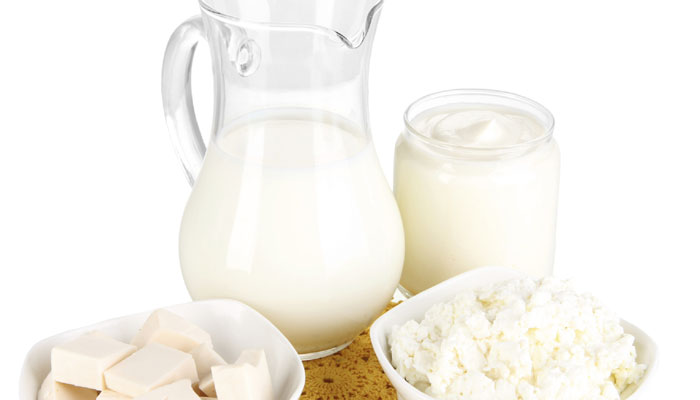
best sources of calciumCalcium, needed for healthy and strong bones and teeth, also helps in alleviating normal blood clotting, supports proper functioning of muscles and nerves. Most calcium is found in the bones of our body. If sufficient calcium is not included in the diet, then the body starts extracting calcium from bones making them weak and brittle and putting one at risk of Osteoporosis. Calcium requirements differ for each age group and gender. The most being required by the 50+ age group people as the body removes old bones faster than it rebuilds new ones. Let’s look into some of the best sources of calcium rich foods, including which will help us meet the daily recommended requirements for the mineral.

Best Sources of Calcium

  1. Milk and Milk Products: like curds, yogurt, buttermilk, paneer (Indian cottage cheese), ghee, are all very good sources of calcium. Including milk and milk products regularly in the diet helps us meet 12-30% of daily calcium requirement with 1 glass of milk helping us meet 12% of daily requirements of calcium. But choosing the right type of milk and milk products helps us reach the goal of maintaining or reducing or increasing weight at the same time.
  2. Leafy Greens: like spinach, kale, rhubarb and amaranth greens all have a good amount of calcium in them and can easily be incorporated in a diet. People following a vegan diet find it very easy to incorporate leafy vegetables and can complete their daily recommended dosage for calcium. People with kidney disease should follow restrictions which include these leafy greens as they also have large amounts of oxalates which are a reason for kidney stones – including good amounts of liquids helps minimize the oxalates effects on the body.
  3. Nuts: like almonds, walnuts, hazelnuts and dried figs have good amounts of calcium with almonds topping the list with 75 mg of calcium per 30 gms of almonds included. Nuts can be easily incorporated in snacks which are a healthy swap for all the unhealthy cravings in between meals. Incorporating a large quantity of nuts can also cause weight gain as they are very good sources of fats. Ensure that you control the portion size of nuts included. 
  4. Seeds: like sesame seeds, sunflower seeds, chia seeds and poppy seeds are rich in calcium and can be easily included in any of the Indian meal preparations which will add to the nutrient content of the dish and makes it more appealing as well. What is more interesting is that a very small quantity of the seeds, around 1-2 tsp in a day, will give you 80-150 gms of calcium.
  5. Vegetables: are rated quite low in terms of calcium but vegetables such as broccoli, sweet potato, lady finger and beans are good sources of calcium, between 70g-160g and are easily available all through the year and can be included in diet as salads, sabji (dry vegetable preparation) or mid meal snacks as well. 
  6. Sea foods: Sea animals like tuna, sardines, salmon provide us many of the micronutrients like potassium, selenium and magnesium along with calcium. These fishes have high levels of calcium as they have edible bones. They are also a good source of protein and Omega-3 fatty acids. But they also have high amounts of mercury so precaution must be taken to clean the fish well before using it for cooking
  7. Fruits: Though fruits are not very good sources of calcium, fruits like grapefruit, kiwi and orange help us get around 30-50mg of calcium per serving. Including fruits in between meals help in better absorption of nutrients from them.

We hope these best sources of calcium help you! Do leave your thoughts in the comments below! For more tips on nutrition, check out Healthy Reads or speak to a GOQii Coach by subscribing for Personalised Health Coaching here.

#BeTheForce 
April 23, 2023 By Kusum Soni 3 Comments

Top Meat Substitutes And Their Importance

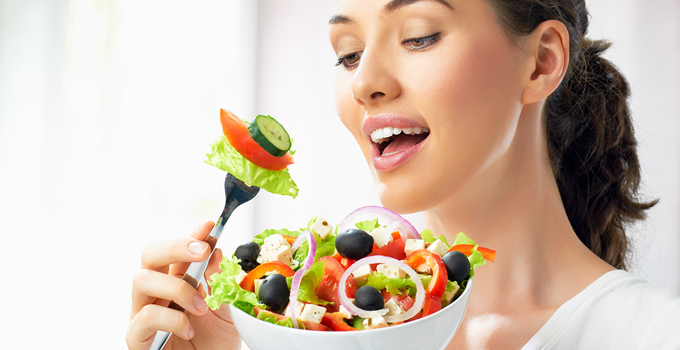
meat substitute

Meat consumption has primarily been linked to Western diet and recently, it’s been a trend in people who want to build muscles. No doubt, Meat is an excellent source of high-quality protein, various vitamins and minerals such as vitamin B12, zinc, selenium, iron, niacin, and vitamin B6.

However, a large number of studies have linked meat consumption to higher risk of cardiovascular disease, heart disease, stroke and some forms of cancer, Type 2 diabetes, also known as “Non-Communicable Diseases (NCDs)”. That is because, Meat is high in saturated fat, which can lead to above-mentioned lifestyle diseases. Thus, health awareness and other factors such as animal disease, natural resources depletion, green-house gas emission and other environmental concerns has led to the shift to low fat and low calorie plant foods and has increased importance of meat substitutes in the current scenario.

Plant based foods are associated with lowered risks for several  kinds of cancers, lowered incidence of hypercholesterolemia, cardiovascular diseases and are known to enhance the immune system as well. Only limiting factor here can be the low quality proteins, but that too can be easily overcome by including diverse plant protein sources to get all the essential amino acids.

Plant-based Meat Substitutes

Here are some of the best meat substitutes that can be a part of a healthy and wholesome diet.

1. Tofu

It is also called Bean Curd, is a  Soy food product made from soybean or soya bean. It is one of the best meat substitutes because

  • It offers a complete protein profile
  • It has heat-stable storage protein. Hence, it is good for high temperature cooking
  • Bioavailability of soy protein is equivalent to meat and eggs
  • They are low in fat in comparison to animal based food especially saturated fat, and have zero cholesterol
  • Rich in many bioactive compounds such as isoflavones, peptides, flavonoids and vitamins, which have a protective effect against free radicals in the body

Using firm tofu and Crumbling, stir-fry it until brown and crispy. This makes it taste extremely similar to ground chicken or pork. It can be stir-fried with veggies like broccoli, bell pepper, Zucchini to make salads or its sautéed cubes can be added in soups, or used in sandwiches with lettuce and tomato slices or made into Tikka masala or Tofu-Chilli, etc.

2. Beans and Legumes

They are an ideal choice for a filling and fiber-rich meal. They have protein content which is at par with some animal foods, as per the Nutritive Value of Indian Foods. Raw beans/legumes can provide a whopping 18-37 gm of protein per 100 grams with additional advantage of fiber, low fat, no cholesterol and plenty of vitamins and minerals.

Few options include: 

  • Chickpeas have beneficial nutrient composition with high fibre which makes it more filling. They not only provide protein but also provide a substantial portion of iron, folate, potassium, and have a calcium content equivalent to milk. Using it as coarsely ground gives it a texture of minced beef. It can be used to make Hummus which is used as a dip for vegetable sticks,  baked falafel, which can serve as a meat-free patty in tacos or burgers or pancakes from chickpea flour with veggies to make a complete meal.
  • Boiled and minced Black beans can replace beans for ground beef in tacos and other similar dishes. The dark colour of the bean makes it a fantastic source of antioxidants and anthocyanins. It can be made into vegetables or fillings for sandwiches.
  • Lentils have one of the highest levels of protein by weight of all the pulses and less than 1% fat, providing them a nutritional edge to thicken meat-free curries and soups.
  • Cooked green peas are another protein-rich option, almost the same as a cup of milk. It can be served as a side dish, made into patties, cooked with veggies, stirred into soup or macaroni and cheese or blended with olive oil, parmesan cheese and toasted pine nuts to make a delicious pesto sauce.

3. Nuts & Seeds

Nuts and seeds are another good substitute for meats, fish and eggs as they are protein-dense, especially Hemp seeds which have complete proteins, good fiber, vitamin E, vitamin B2, niacin, folate, and essential minerals such as zinc, iron, calcium, magnesium, phosphorus, potassium, copper, and selenium and healthy essential fats

Only downside here is the relatively higher calories which calls for controlled portions. Here’s how you can use them: 

  • Hemp seeds, chia seeds and flax seeds can be toasted and sprinkled over salad to give a crunch.
  • Stir them into buttermilk/yogurt and oatmeal or blend them into smoothies.
  • Sunflower, sesame and melon seeds can be added to muffins, salads, stir fries or in the case of sunflower seeds, can be eaten on their own. 
  • Toasted nuts can be made into energy bars.
  • Plain nuts and nut butters can be eaten without hydrogenated oils or lots of added sugar, example, Almond butter and peanut butter.
  • Almond milk or hemp milk are also good options for consumption.

A study by Harvard School of Public Health (HSPH) has revealed that replacing one serving of red meat with one serving of nuts reduces mortality risk by 19%. Believe it or not, tennis legends Venus and Serena Williams follow a healthy, balanced raw vegan diet during the tennis season. That’s right, both raw and vegan.

If this article helped you, let us know in the comments below. You can read more articles on nutrition here or just speak to a GOQii Coach directly by subscribing for Personalised Health Coaching here.  

#BeTheForce 
  • « Previous Page
  • 1
  • …
  • 22
  • 23
  • 24
  • 25
  • 26
  • …
  • 32
  • Next Page »

Search

Recent Posts

  • India Leads in Longevity: GOQii Sanjeevini Named Top 40 in $101M XPRIZE
  • The Importance Of Knowing If You’re Thirsty Or Hungry
  • Best Foods To Alleviate Irritable Bowel Syndrome
  • ALL ABOUT VERTIGO!
  • PCOS and Anxiety: Discover Relief with the 54321 Technique

Stay Updated

Archives

  • December 2025 (8)
  • November 2025 (15)
  • October 2025 (20)
  • September 2025 (6)
  • August 2025 (6)
  • July 2025 (12)
  • June 2025 (18)
  • May 2025 (16)
  • April 2025 (23)
  • March 2025 (23)
  • February 2025 (22)
  • January 2025 (26)
  • December 2024 (26)
  • November 2024 (25)
  • October 2024 (22)
  • September 2024 (24)
  • August 2024 (31)
  • July 2024 (21)
  • June 2024 (26)
  • May 2024 (31)
  • April 2024 (27)
  • March 2024 (29)
  • February 2024 (26)
  • January 2024 (25)
  • December 2023 (15)
  • November 2023 (11)
  • October 2023 (20)
  • September 2023 (22)
  • August 2023 (20)
  • July 2023 (22)
  • June 2023 (24)
  • May 2023 (24)
  • April 2023 (24)
  • March 2023 (23)
  • February 2023 (20)
  • January 2023 (16)
  • December 2022 (12)
  • November 2022 (15)
  • October 2022 (15)
  • September 2022 (12)
  • August 2022 (10)
  • July 2022 (17)
  • June 2022 (11)
  • May 2022 (10)
  • April 2022 (6)
  • March 2022 (6)
  • February 2022 (13)
  • January 2022 (12)
  • December 2021 (7)
  • November 2021 (3)
  • October 2021 (6)
  • September 2021 (3)
  • August 2021 (8)
  • July 2021 (7)
  • June 2021 (15)
  • May 2021 (16)
  • April 2021 (10)
  • March 2021 (7)
  • February 2021 (4)
  • January 2021 (4)
  • December 2020 (3)
  • November 2020 (4)
  • October 2020 (10)
  • September 2020 (3)
  • August 2020 (3)
  • July 2020 (2)
  • June 2020 (4)
  • May 2020 (10)
  • April 2020 (12)
  • March 2020 (10)
  • February 2020 (4)
  • January 2020 (4)
  • December 2019 (3)
  • November 2019 (7)
  • October 2019 (5)
  • September 2019 (4)
  • August 2019 (9)
  • July 2019 (9)
  • June 2019 (11)
  • May 2019 (4)
  • April 2019 (9)
  • March 2019 (8)
  • February 2019 (9)
  • January 2019 (8)
  • December 2018 (9)
  • November 2018 (3)
  • October 2018 (3)
  • September 2018 (5)
  • August 2018 (10)
  • July 2018 (6)
  • June 2018 (13)
  • May 2018 (8)
  • April 2018 (18)
  • March 2018 (9)
  • February 2018 (8)
  • January 2018 (15)
  • December 2017 (12)
  • November 2017 (19)
  • October 2017 (13)
  • September 2017 (15)
  • August 2017 (4)
  • July 2017 (8)
  • June 2017 (7)
  • May 2017 (6)
  • April 2017 (8)
  • March 2017 (6)
  • February 2017 (7)
  • January 2017 (9)
  • December 2016 (10)
  • November 2016 (7)
  • October 2016 (7)
  • September 2016 (7)
  • August 2016 (11)
  • July 2016 (9)
  • June 2016 (9)
  • May 2016 (12)
  • April 2016 (17)
  • March 2016 (17)
  • February 2016 (8)
  • January 2016 (6)
  • December 2015 (2)
  • November 2015 (9)
  • October 2015 (7)
  • September 2015 (9)
  • August 2015 (11)
  • July 2015 (9)
  • June 2015 (12)
  • May 2015 (9)
  • April 2015 (13)
  • March 2015 (8)
  • February 2015 (5)
  • January 2015 (12)
  • December 2014 (14)
  • November 2014 (11)
  • October 2014 (6)
  • September 2014 (13)
  • August 2014 (12)
  • July 2014 (6)
  • June 2014 (2)
  • May 2014 (7)
  • April 2014 (5)

From “Laddu Nawin” to Fit and Fierce: How a 25-Year-Old Insurance Advisor Shed 20 Kilos and Gained His Life Back

When 25-year-old Nawin Yadav from Hyderabad walked into his office every morning, he carried more than just his files and policy papers. He had the weight of fatigue, sluggish energy, and an ever-growing belly that was becoming the butt of jokes. “People … [Read More...]

“I’ve Challenged Myself to Live 100 Years” – The Story of Chandubhai Savani’s Second Chance at Life

At 67, most people start slowing down. Not Chandubhai Savani. A resident of Surat, Chandubhai, thought life was on track. “My life was going well till I had my bypass surgery,” he says. That surgery, back in 2021, was a wake-up call.  Medication was routine, but exercise wasn’t. His diet? What he calls ‘normal.’ “I […]

From Shimla’s Slopes to Chandigarh’s Sidewalks: Surinder Kaur Bhalla’s Journey from Chaos to Control

Some journeys start with a plan. Others begin with a stumble literally. Surinder Bhalla, a government professional, born and raised in the scenic hill town of Shimla, had always lived a life of movement. “In Shimla, you walked everywhere,” she reflects. “Walking was never an exercise. It was just life.” But after shifting to Chandigarh, […]

Ananda Mukherjee Health Story

From Terminal Illness To Complete Wellness! Ananda Mukherjee Health Story

As we observe World Cancer Day under the powerful theme ‘United by Unique’ (2025-2027)**, we are reminded that every individual’s journey with cancer is distinct, yet united by shared resilience, hope, and the collective fight against this disease. This theme places people at the centre of care and their stories at the heart of the […]

  • HOME
  • HEALTHY LIVING
  • FITNESS
  • HEALTHY RECIPES
  • USER STORIES
  • KARMA
  • BUY GOQii

Copyright ©2016 GOQii



