GOQii

Blog

  • HOME
  • HEALTHY LIVING
  • FITNESS
  • HEALTHY RECIPES
  • USER STORIES
  • KARMA
  • BUY GOQii

Search Results for: liver

October 10, 2016 By Dr Ashwin Nanda 1 Comment

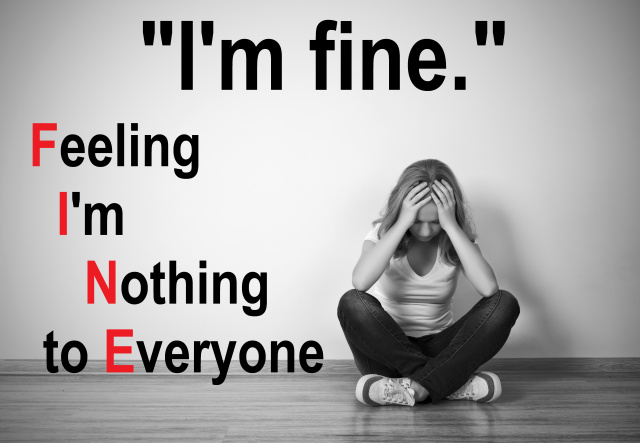
SHEDDING LIGHT ON DEPRESSION

depression

Last year, when the famous Bollywood actress Deepika Padukone opened the lid on her struggle with anxiety and depression and admitted to the world that she was on medication for the same, it became the talk of the town. Everyone started discussing mental health, there were articles in Newspapers, TV channels interviewing the actress and asking her to tell her story. Padukone became an example for many to come out and discuss their issue without fear. Why so? Because depression and mental illness isn’t usually talked about. There is shame and stigma attached to talking about depression. Today, on world health day, I would like to share some insights into depression and what needs to be done when in that situation.

My first experience in dealing with depression was when I was still in Medical school. My very close friend from medical school went through depression. It was then I realized that one needs a lot of empathy and patience to understand what someone is going through in depression. The extreme low mood during depression is such a bad feeling that no one chooses to be depressed by choice …it’s either circumstances or medical conditions that push an individual into depression.

My friend had slipped into depression due to a heart break. The impact was so huge that he withdrew himself from studies, friends and family. He slept longer than usual 8 hours, ate less and experienced terrible mood swings. He refused to talk to anyone and eventually turned suicidal. It is at this point that we had to rush him to the psychiatry department of our college hospital.

The psychiatrist talked to my friend privately for 15 minutes and then to his parents and me privately for another 10 minutes. Then, called us all in and sat us down and explained to us that my friend was suffering from an episode of major depression and medication was a must.

None of us were comfortable that he needed medication to recover from depression but, as counseled by the doctor, avoiding medicines wasn’t an option as he was feeling suicidal. Fifteen days later he started feeling better by 10% and the counselor started weekly sessions with him on the recommendation of the Psychiatrist to expedite recovery. Thankfully my friend recovered completely to his normal self in 6 months’ time and medicines and counseling were discontinued.

It is said that one in every four people suffer from anxiety and depression. According to WHO (World Health Organization) 350 million people worldwide suffer from depression in a year. By the year 2020, it will be the second most common disorder after heart disease. The chemical changes occurring in the brain during depression is a reduction in the level of Serotonin, dopamine and nor adrenaline – these are neurotransmitters (Chemicals which are produced by brain cells).

SOME COMMON SYMPTOMS OF DEPRESSION:

  1. Loss of interest / pleasure in activities which were previously enjoyable.
  2. Decreased energy.
  3. Feelings of guilt and low self – worth.
  4. Disturbed sleep and appetite.
  5. Poor concentration.
  6. Substantial impairment in the person’s ability to handle his/her daily responsibilities.
  7. At its worst it can make the person suicidal.

All symptoms are mild in the beginning and gradually increase in intensity over time.

RISK FACTORS:

  1. Genetics – If you have an immediate family member who has experienced major depression, there is a likelihood that you will also have an episode in your lifetime.
  2. Financial hardships and low education levels.
  3. Female Gender – depression is two to three times more likely in women as compared to men. Depression setting in after delivery of child occurs in some cases.
  4. Chronic illnesses like diabetes, tuberculosis, arthritis.
  5. Exposure to violence / Abuse especially in childhood.
  6. Being separated / divorced especially for men.

MANAGING DEPRESSION:

It is important to recognize depression and take it seriously. Going to a psychiatrist is a must

Mild cases can improve with counseling and psychological therapy (depending on the cause of depression, the person is taught coping mechanisms). Severe cases need anti-depressants along with psychological therapy. Self help is equally essential.

Some self help tips:

  1. Create a daily routine and try to stick to it.
  2. Exercise releases endorphins in the brain which give a feeling of happiness, hence daily exercise is a must to recover and prevent depression.
  3. Try to eat a healthy and balanced diet daily.
  4. Openly communicate with family members and loved ones about what you are experiencing to foster relationships and get support.
  5. Avoid alcohol and recreational drugs as they worsen depression.
  6. Be patient with yourself. For someone with depression even the smallest tasks can seem impossible.

Depression is treatable and plenty of help is available to assist a person cope with it and get back to leading a normal and enjoyable life.

August 31, 2016 By Divita Bhatt 8 Comments

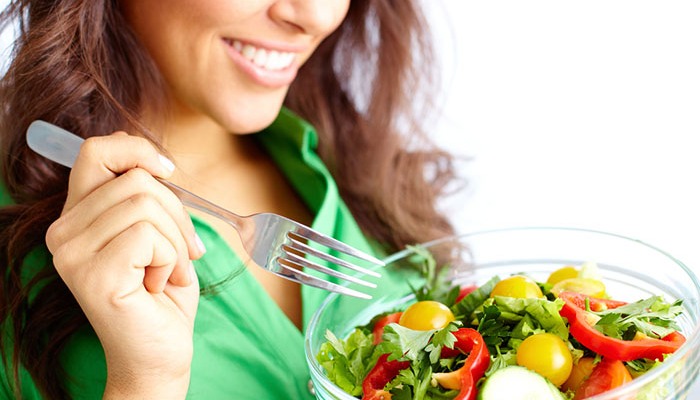
Detoxification: Some do’s and don’ts for Detox Diet Day

Detox diet

Did you know….that As we breathe and live life, day- on today, we also accumulate toxins into our bodies?. That’s right…we are exposed to toxins on a fairly consistent basis. Some of these accumulate due to our diet and others are due to the environment around us. Of course, our lifestyle also adds to it—if you smoke or drink alcohol on a regular basis you tend to accumulate more toxins.

The good news is that your body has a means of processing and eliminating these toxins. Also, when you make healthy changes to your diet or lifestyle…you can help support or maybe even accelerate that process. When you make a healthy change in your diet or lifestyle, this is part of the reason that short-term detox diet plans have gained popularity.

If you should decide to embark on such a plan, it can be a powerful tool. There are, however, a few things to keep in mind. For example, toxins are released into the bloodstream and carried through the circulatory system before being eliminated from your body. This process may result in a headache, diarrhea, or constipation, or symptoms like lack of energy.

The benefits, though, are usually worth the discomfort. Detoxification is one way to cleanse and throw out the toxins out of our body. Interestingly, Linda Page (http://www.webmd.com/linda-page ) , ND, Ph.D., a Naturopathic doctor, lecturer and author of the book ‘Detoxification’ –defines detoxification of the body as “spring cleansing.”

“It’s a way to recharge, rejuvenate, and renew, says Page in her article in WebMD. “Anybody can benefit from a cleansing. The body is coming out of what might be called hibernation. It’s a way you can jump-start your body for a more active life, a healthier life.” “Our bodies naturally detoxify every day,” Page tells WebMD.

“Detoxification is a normal body process of eliminating or neutralizing toxins through the colon, liver.”

There are some nutrition experts who are reluctant to recommend detox diets, so it’s important to be informed. Katerine Zeratsky, specialty editor for the nutrition and healthy eating guide, for example, argues that it may just be because detox diets get rid of a lot of processed foods – which has the effect of making us feel better. And either way, she advises getting the OK from your doctor – especially if you have chronic conditions.

If you decide to move forward, there are several ways to detoxify. There is a “water only” fast (which is pretty straightforward). Interestingly, there has been some evidence to suggest fasting in this way may even help trigger stem cell regeneration (Link: https://news.usc.edu/63669/fasting-triggers-stem-cell-regeneration-of-damaged-old- immune-system/), diet detoxification (adding in food) is another, gentler, strategy. But it’s a bit more involved.


One of the hardest things about detox or cleansing is really knowing what to do and what not to do. One can undergo a Detox day or ten-day detox. The duration and severity of symptoms depend on your lifestyle before making a change and how quickly you make it.

Here are few do’s and don’ts to go on a ‘Detox Diet Day’. The basic key is to think and feel positive and treat yourself with some foods every 2 hours. You would definitely feel lighter the next day. More specifically:

  1. You can go for a ‘detox day’ once in a week or once in a fortnight. Either way, you want to be sure you don’t go longer than 2 consecutive days.
  2. When you engage in a detox plan, you are limited to fruits, or homemade fruit/vegetable juices.
  3. You can have Sautéed/stir fried vegetables or green leafy vegetables in cooked form. You can have boiled vegetables as well.
  4. Minimize your cereals intake. If you want to have you can have one serving of fibrous cereals like broken wheat (Daliya in Hindi) or one millet flat bread (chapatti) in a day.
  5. No coffee. No caffeinated tea. You can have green tea if you wish, along with some herbal teas..
  6. No processed food, No sugar. You can have jaggery in small quantities
  7. Your meals should be vegetarian.
  8. You can make soup out of your favorite vegetables and season it with Extra Virgin Cold Pressed Coconut oil. Better to use this oil in all your preparations like salads/soups/stir-frying
  9. You can have sprouts to feel full
  10. No milk allowed on a detox day

Make sure that before you go on a detox day, you check with you coach, nutritionist or a doctor about doing it. Once you get the go- ahead, then you can begin. Once you are successful in following all instructions and doing the right things, you will probably also notice that each time you do an effective detoxification, the next time is even easier as you have fewer toxins to process.

And if you’re feeling overwhelmed…take heart. As a health coach, I am personally here to, personally help you get the best results from this valuable health tool.

July 25, 2016 By Luke Coutinho 3 Comments

Why eating too healthy is dangerous for your health

Fruit diets, fruit juice diets, banana and milk diets, high protein diets, chia seed infused water, salads, Vegan food, sugarless snacks, low-fat foods, organic foods, fortified foods, innumerable ranges of organic vitamins, supplements etc……

We have it all….We also have more obesity, more cancer, more diabetes, more depression, more mental decay, more medication, more vitamin deficiencies, more time spent with doctors and in hospitals.

In our endeavor to get healthy, we may actually be doing more harm than good, if we don’t understand the physiology of the human body and mind. Too much of a good thing is bad…..even food… Yes, fruits are extremely nutrient dense foods but, it does not mean we constantly eat them.
Protein is needed, it’s good for repair, tone, muscle, recovery but, it does not mean we need more and more of it.

Many fats may be bad, but it does not mean we stop eating fat completely. It’s a very common belief that to be healthy, we need to eat more and more healthy foods.

Pure Ghee on a fresh hot wheat roti? What’s’ worse, the ghee or the roti?

Most people say that Ghee, is a fat and fat causes cholesterol and high cholesterol causes heart attacks… which really isn’t’ the case in most people who have cardiac arrests or strokes. There are many other reasons. I would worry about the roti, the wheat, where has the wheat come from, is it GMO? How processed is it?

Our beliefs about healthy foods need to be balanced with the understanding of what our body really needs and how our body assimilates nutrients from the food we eat.

A fruit diet is not going to do anything but cleansing……

Too much protein intake is going to do more harm than just repair or muscle build. This is when good food turns bad. When we have too much of even a good thing, it ceases to be good, and can in fact cause harm. There is absolutely no doubt that fruits and vegetables are rich in vitamins, minerals and all things good, and that they also contain fibre, which prevents constipation and other gastric problems. But, too much fibre (for instance, when you eat platefuls of raw green leafy vegetables or salads like radish day in and out) can mess things up – big time. Excess fibre often causes bloating, abdominal cramps and gas right away.

In the long term, it can interfere with the absorption of minerals like iron, zinc, calcium, magnesium and phosphorus, causing some serious deficiencies. Fruits also contain natural sugars, no harm in that but, too much is bad…your body only uses what it needs, the rest gets stored as fat or becomes waste and all waste is waste, whether it’s a fruit or a samosa. Waste is toxic.

Insane workouts or working out too much, I have a question for you, is it really working? are you really getting the desired body you have in mind? Or are you using exercise as a way of punishing your body because you ate too much?

It just doesn’t work, your body has a life, so does your bones, your muscles and joints and over exercising will decrease your bone density, deplete vitamins from your body , raise cortisol levels, decrease immunity and leave you with ‘STUBBORN BELLY FAT AND LOVE HANDLES’…

The body needs not more than 30 minutes of smart exercise to stay health and if your fat and you are trying to lose weight, more exercise DOES NOT mean more exercise…it means looking smartly at your food choices, your alcohol intake, your sleep, your stress levels, your sugar and the consistency of your exercise program.

Does your choice of exercise suit your body or are you just following the latest fad ?

The body needs protein to repair and build muscle, but eating excessive amounts won’t do the job better. In fact, in a diet where the protein intake goes beyond 30 per cent of the daily caloric intake, a build-up of toxic ketones in the body may occur, causing the kidneys to go into overdrive in an attempt to flush them out. This may lead to a significant loss of water and calcium from the body, causing dehydration and bone loss.

Symptoms include a feeling of weakness and dizziness, dry skin, loss of hair, low appetite, nausea and bad breath. In the long term, this may strain the kidneys, stretch out the liver and put stress on your heart too.

Weight loss efforts go bust too, as excess protein is converted into fat. Another problem is that while making protein into carbs or fat, the body converts the protein’s nitrogen into urea or uric acid. In large amounts, this can mess up your kidneys, lead to gout (a condition that causes your joints to become inflamed, tender and painful to move) and cause gallstones and kidney stones.”

Be super careful with protein shakes and bars. The body can process only about four to five grams of protein per hour, so the 50 grams you got from that protein bar or shake will take about 10 hours to digest and absorb. Also, when you replace your meals with protein shakes, you run the risk of missing the vitamins and nutrients you get from real food.

The Japanese eat soya and stay healthy and live longer. It is high in protein and has zero cholesterol. So what could be wrong with that?

That’s true, but, what is also true is that most Japanese eat only about 8 to 10g of soy protein a day, and even soya causes problems when eaten in excess. If overeaten, it may promote cancer, dementia, reproductive abnormalities, and osteoporosis and thyroid disorders. Increased consumption could also increase a woman’s total estrogen level, which is a risk factor for breast cancer.

For men, excessive soya can raise the risk of infertility, physical changes, and hormonal havoc.

The body will only use what it needs…anything in excess becomes fat or waste and both are detrimental to your mind-body health.

July 12, 2016 By Neha Kapoor 1 Comment

Can we replace white rice?

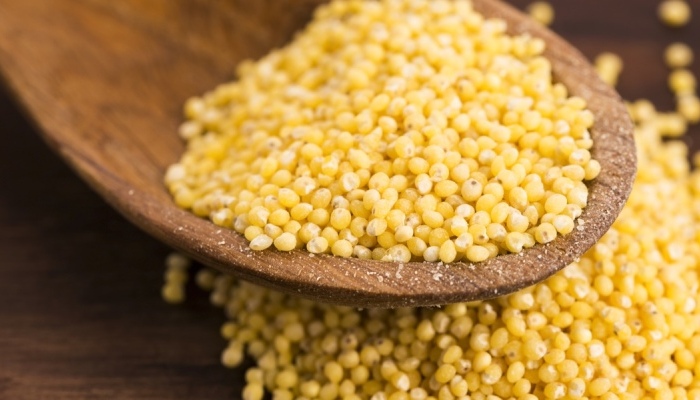
Millet-literacy-head

Are you a white rice eater and looking to cut your rice intake but, findings it hard to do so? The best way to cut down on rice is to replace it with millets. Millets are also called wonder or magical grains. However, these wonder grains are not much recognized and used in today’s world of junk food and where refined flour has captured the whole market. Millet is full of nutrients your body needs, such as: Magnesium, Calcium, Manganese, Tryptophan, Phosphorus, Fiber, B vitamins, Antioxidants.

Most people have not even heard of millet forget knowing the benefits of millet nutrition. And yet, millet is one of the best-kept secrets of our ancient ancestors. Traced back to its origin, millet has been used throughout the ages and across many countries.

For centuries millet has been a prized crop in China, India, Greece, Egypt and Africa, used in everything from bread to couscous, and as cereal grain.

Some of the key reasons millet is part of your healthy Body Ecology diet is because it is:

*Highly nutritious – ideal for children

*Acts as a prebiotic to feed important micro-flora in your inner ecosystem

*Provides serotonin to calm and soothe your moods.

*Helps hydrate your colon to keep you regular.

*Great energy source – ideal for athletes

*Complete protein source when combined with legumes – ideal for a vegetarian diet

*Is alkaline.

*High amounts of fiber

*Rich in photochemicals including phytic acid, which is believed to lower cholesterol, and phytate, which is associated with reducing cancer risks.

*All Millet varieties show high antioxidant activity.

*Millet helps to control Blood sugar and Cholesterol.

*Digests easily.

*Millet Consumption decreases Triglycerides and C-Reactive Protein.

VARAGU/KODU MILLET The fiber content of this whole grain is very high. Varagu rice has around 11% protein, and the nutritional value of the protein has been found to be slightly better than that of Thinai but, comparable to that of other small millets. As with other food grains, the nutritive value of Varagu rice protein could be improved by supplementation with legume protein. It has high source of Protein, Calcium, fiber and Minerals. It can reduce body weight. Varagu increases Liver functionality and good for lympatic disorder. 

THINNAI RICE/ FOXTAIL MILLET: Thinai is fairly tolerant of drought; it can escape some droughts because of early maturity. Due to its quick growth, it can be grown as a short-term cash crop. It is adapted to a wide range of elevations, soils and temperatures. Its grain is used for human consumption. Rich in protein and minerals, increases kidney functionality. Best for muscle strength and hormonal imbalances.

FINGER MILLET/RAGI- Foxtail millets are ideal for reducing the cholesterol of the body, controlling blood sugar and aiding metabolism rate. It is highly rich in anti-oxidation, which removes all the acidic elements away from the body. Foxtail millets are also high in dietary fiber, which aids in proper breakdown of food and complete digestion. Ragi flour can be used in many different ways to make Roti, porridge and dosa or idli (steamed panckaes). It has thirty times as much calcium as rice, more than ten times as much fiber.

KUTHIRAIVALI RICE/PEARL MILLET: This particular variety is 6 times more nutritious than wheat. Rich in Protein, fiber, minerals and iron compared to all other grains. Good for Heart related problems, Anemic, Menstural Disorder and Diabetics.

SAAMAI RICE/LITTLE MILLET Samai is another reliable cash crop in view of its earliness and resistance to adverse agro-climatic conditions. Samai is suitable for all ages. Samai trend constipation. Stomach related diseases and improves Men’s sperm production. Diabetic patients and in women it could be a good idea for all periods and imaginary problems. Samai is rich in fiber, helps reducing fat, good for bones and muscles. 

Millets can be used to make many simple and easy recipes to replace white rice and has many healthy nutrients that makes the dishes more yummy by adding new flavor to them.

  • « Previous Page
  • 1
  • …
  • 52
  • 53
  • 54
  • 55
  • 56
  • …
  • 62
  • Next Page »

Search

Recent Posts

  • The Sleep-Metabolism Connection: Why Rest is Your Best GLP-1 Partner
  • Accelerate Action for Your Health: Why Self-Care Matters This International Women’s Day
  • 4 Reasons Why Affirmations Are Not Working For You
  • The Social Side of GLP-1: Navigating “Food Culture” and Peer Pressure
  • Leaky Gut: Symptoms and Causes

Stay Updated

Archives

  • March 2026 (3)
  • February 2026 (14)
  • January 2026 (14)
  • December 2025 (19)
  • November 2025 (15)
  • October 2025 (20)
  • September 2025 (6)
  • August 2025 (6)
  • July 2025 (12)
  • June 2025 (18)
  • May 2025 (16)
  • April 2025 (22)
  • March 2025 (23)
  • February 2025 (22)
  • January 2025 (25)
  • December 2024 (22)
  • November 2024 (23)
  • October 2024 (21)
  • September 2024 (24)
  • August 2024 (30)
  • July 2024 (21)
  • June 2024 (26)
  • May 2024 (31)
  • April 2024 (27)
  • March 2024 (29)
  • February 2024 (25)
  • January 2024 (21)
  • December 2023 (15)
  • November 2023 (11)
  • October 2023 (19)
  • September 2023 (22)
  • August 2023 (18)
  • July 2023 (22)
  • June 2023 (24)
  • May 2023 (24)
  • April 2023 (23)
  • March 2023 (23)
  • February 2023 (19)
  • January 2023 (15)
  • December 2022 (11)
  • November 2022 (15)
  • October 2022 (15)
  • September 2022 (12)
  • August 2022 (10)
  • July 2022 (17)
  • June 2022 (11)
  • May 2022 (10)
  • April 2022 (6)
  • March 2022 (6)
  • February 2022 (13)
  • January 2022 (11)
  • December 2021 (7)
  • November 2021 (3)
  • October 2021 (6)
  • September 2021 (3)
  • August 2021 (8)
  • July 2021 (7)
  • June 2021 (15)
  • May 2021 (16)
  • April 2021 (10)
  • March 2021 (7)
  • February 2021 (4)
  • January 2021 (4)
  • December 2020 (3)
  • November 2020 (4)
  • October 2020 (10)
  • September 2020 (3)
  • August 2020 (3)
  • July 2020 (2)
  • June 2020 (4)
  • May 2020 (10)
  • April 2020 (12)
  • March 2020 (10)
  • February 2020 (4)
  • January 2020 (4)
  • December 2019 (3)
  • November 2019 (7)
  • October 2019 (5)
  • September 2019 (4)
  • August 2019 (9)
  • July 2019 (9)
  • June 2019 (11)
  • May 2019 (4)
  • April 2019 (8)
  • March 2019 (8)
  • February 2019 (9)
  • January 2019 (8)
  • December 2018 (9)
  • November 2018 (3)
  • October 2018 (3)
  • September 2018 (5)
  • August 2018 (10)
  • July 2018 (6)
  • June 2018 (13)
  • May 2018 (8)
  • April 2018 (18)
  • March 2018 (9)
  • February 2018 (8)
  • January 2018 (15)
  • December 2017 (12)
  • November 2017 (19)
  • October 2017 (13)
  • September 2017 (15)
  • August 2017 (4)
  • July 2017 (8)
  • June 2017 (7)
  • May 2017 (6)
  • April 2017 (8)
  • March 2017 (6)
  • February 2017 (7)
  • January 2017 (9)
  • December 2016 (10)
  • November 2016 (7)
  • October 2016 (7)
  • September 2016 (7)
  • August 2016 (11)
  • July 2016 (9)
  • June 2016 (9)
  • May 2016 (12)
  • April 2016 (17)
  • March 2016 (17)
  • February 2016 (8)
  • January 2016 (6)
  • December 2015 (2)
  • November 2015 (9)
  • October 2015 (7)
  • September 2015 (9)
  • August 2015 (11)
  • July 2015 (9)
  • June 2015 (12)
  • May 2015 (9)
  • April 2015 (13)
  • March 2015 (8)
  • February 2015 (5)
  • January 2015 (12)
  • December 2014 (14)
  • November 2014 (11)
  • October 2014 (6)
  • September 2014 (13)
  • August 2014 (12)
  • July 2014 (6)
  • June 2014 (2)
  • May 2014 (7)
  • April 2014 (4)

From “Laddu Nawin” to Fit and Fierce: How a 25-Year-Old Insurance Advisor Shed 20 Kilos and Gained His Life Back

When 25-year-old Nawin Yadav from Hyderabad walked into his office every morning, he carried more than just his files and policy papers. He had the weight of fatigue, sluggish energy, and an ever-growing belly that was becoming the butt of jokes. “People … [Read More...]

“I’ve Challenged Myself to Live 100 Years” – The Story of Chandubhai Savani’s Second Chance at Life

At 67, most people start slowing down. Not Chandubhai Savani. A resident of Surat, Chandubhai, thought life was on track. “My life was going well till I had my bypass surgery,” he says. That surgery, back in 2021, was a wake-up call.  Medication was routine, but exercise wasn’t. His diet? What he calls ‘normal.’ “I […]

From Shimla’s Slopes to Chandigarh’s Sidewalks: Surinder Kaur Bhalla’s Journey from Chaos to Control

Some journeys start with a plan. Others begin with a stumble literally. Surinder Bhalla, a government professional, born and raised in the scenic hill town of Shimla, had always lived a life of movement. “In Shimla, you walked everywhere,” she reflects. “Walking was never an exercise. It was just life.” But after shifting to Chandigarh, […]

Ananda Mukherjee Health Story

From Terminal Illness To Complete Wellness! Ananda Mukherjee Health Story

As we observe World Cancer Day under the powerful theme ‘United by Unique’ (2025-2027)**, we are reminded that every individual’s journey with cancer is distinct, yet united by shared resilience, hope, and the collective fight against this disease. This theme places people at the centre of care and their stories at the heart of the […]

  • HOME
  • HEALTHY LIVING
  • FITNESS
  • HEALTHY RECIPES
  • USER STORIES
  • KARMA
  • BUY GOQii

Copyright ©2016 GOQii