GOQii

Blog

  • HOME
  • HEALTHY LIVING
  • FITNESS
  • HEALTHY RECIPES
  • USER STORIES
  • KARMA
  • BUY GOQii

Search Results for: liver

March 17, 2024 By Chhavi Goel Manglik 4 Comments

All you need to know about Vitamin K

Vitamin-k-foods

Most of us are aware of Vitamin A, B, C, D and E. But do you know there is Vitamin K as well?  Yes there is Vitamin K which is an essential vitamin for our body.

Vitamin K is a fat soluble Vitamin is founded by Henrick Dam in 1934. It is also referred as antihemorrhagic factor or coagulation vitamin which has been derived from the Danish word Koagulations.

It is available in two forms

Vitamin K1, also known as phylloquinone, phytomenadione, or phytonadione. It is largely found in green leafy vegetables.

Vitamin K2 is known as menaquinones and is mainly found in the bacteria of colon (Large intestine).

FUNCTIONS

  1. It helps in maintaining bone matrix (bone mineralization)
  2. It helps in cellular growth
  3. It acts as a co factor for enzyme that validates protein to bind calcium
  4. It is important for normal clotting of blood
  5. It helps in synthesis of protein in plasma, bone and kidney
  6. It reduces the risk of cardio vascular diseases
  7. It lowers down the risk of type 2 diabetes
  8. It helps in the maintaining the bone health
  9. Ministry of Japan used it in treating osteoporosis
  10. It lowers the risk of liver cancer
  11. It diminishes the risk of non-Hodgkin lymphoma
  12. It is used in treatment of Alzheimer’s disease
  13. It’s antidote treatment of poisoning byrodenticide

Daily Dietary Recommendations

Infants

  • 0-6 months: 2 mcg
  • 6-12 months: 2.5 mcg

Toddlers 

  • 1-3 years: 30 mcg
  • 4-8 years: 55 mcg
  • 9-12 years: 60 mcg 

Teenagers

  • 13 years: 60 mcg
  • 14-18 years: 75 mcg

Adults

  • 19+ years, Female: 90 mcg
  • 19+ years, Male: 120 mcg

Pregnacy and lactation

  • Pregnant or lactating women, 14-18 years: 75 mcg
  • Pregnant or lactating women, 19+ years: 90 mcg 

Food sources for K1

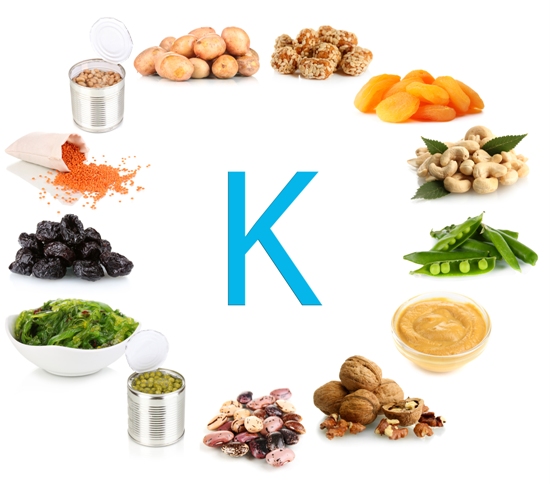
Spinach, alfalfa, cabbage, kale, mustard leaves, collard greens, lettuce, Brussels greens, turnip greens, broccoli, parsley

Food sources for K2

Egg yolk, egg white, chicken, cheddar cheese, salmon, goose liver, bacon

Necessary as supplements for

1.   It is rare in adults but common in new born

2.   People suffering from

a.  Crohn’s disease

b.   Celiac disease

c.   Malnutrition

d.  Gall bladder diseases

e.  Cystic fibrosis

f.   Burn patients

g.  On hemodialysis

3.   People who are alcoholic.

4.   People on thinners

a.  Warfarin (Coumadin)

5.  People on drug (antibiotics) that interferes with vitamin K metabolism

a.   Cefamandole (Mandol)

b.  Cefoperazone (Cefobid)

c.  Cefmetazole (Zefazone)

d.  Cefotetan (Cefotan)

6. People on anticonvulsants

a. Phenytoin (Dilantin)

7. People on cholesterol lowering medications

a. Cholestyramine (Questran)

b. Colestipol (Colestid)

c. Colsevelam (Welchol)

Deficiencies & Toxicity

The deficiency of Vitamin K results in hemorrhage and lowering of blood clotting process. Whereas, steatorrhea may occur in the case of Vitamin K toxicity, though very rare.

Understanding the importance of Vitamin K in maintaining bone health, supporting blood clotting, and reducing the risk of various diseases is crucial for overall wellness. Incorporate Vitamin K-rich foods into your diet and consult with certified expert by subscribing to GOQii’s Personalised Health Coaching here, to ensure optimal levels of this essential nutrient.

#BeTheForce
March 11, 2024 By Neha Morche 8 Comments

All about Wheat Grass and its benefits

wheatgrass

In the ancient days in India plants were used as a medicine to cure health issues. Later allopathy was invented and it made life simpler. During my days of college, I came across this magical grass called ‘Wheatgrass’ and it’s amazing benefits to our health.

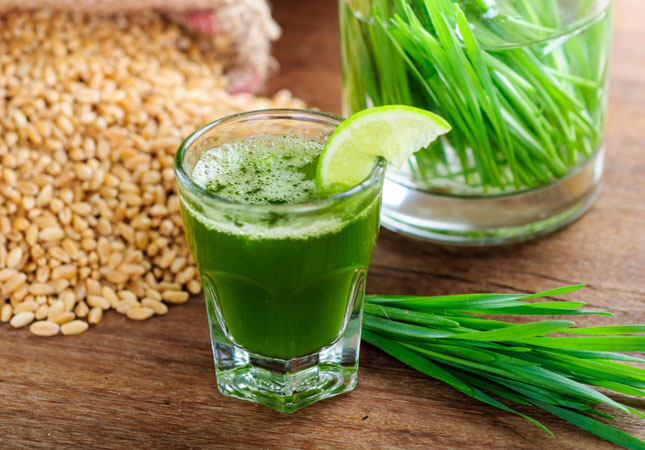
Wheat grass itself cannot be eaten as it is hard to digest. Interestingly, it can be grown indoors and outdoors by putting wheat seeds in water and then harvesting the leaves; which also occupies less space. It is available in various forms such as juice outside parks, powders and in capsule form. But, the ideal way to have it is in the fresh juice form to get enough nutrients. Wheatgrass is used as a concentrated source of nutrients in powder and capsules.

Wheatgrass is a good source of potassium, dietary fiber, Vitamin A, Vitamin C, Vitamin E, Vitamin K, Thiamin, Riboflavin, Niacin, Vitamin B6, Pantothenic Acid, Iron, Zinc, Copper, Manganese and Selenium, and has negligible amount of proteins.

Wheatgrass is generally considered safe. A word of caution as it may cause nausea, headaches, swelling to your throat due to the bacteria present in it (due to contamination) as it is grown in soil or water.

 Benefits :

  1. It is rich in chlorophyll (similar to haemoglobin) and iron which increases blood cell count.
  2. Lowers blood pressure by dilating the blood pathways.
  3. Wheat grass juice has alkaline minerals which reduces acidity also gastrointestinal tract problems.
  4. It detoxifies liver and the bloodstream.
  5. It has powerful ability to fight against tumors.
  6. If applied externally on the skin which eliminate itching immediately.
  7. It prevents hair from greying.
  8. It helps in stabilising blood sugar levels.
  9. Drinking wheat grass juice will help in clearing sinuses by breaking up the mucus.
  10. It helps in increasing immunity.

We trust this exploration into the wonders of wheatgrass has sparked your curiosity about incorporating this nutritional gem into your daily routine. Are you already a wheatgrass enthusiast, or are you inspired to give it a try? Share your thoughts and experiences in the comments below. For further insights into holistic health and nutrition, check out Healthy Reads. If you’re seeking personalised guidance, connect with our certified experts through GOQii’s Personalised Health Coaching here. Embrace the goodness of wheatgrass and embark on a journey to enhanced well-being!

#BeTheForce

March 7, 2024 By Dr. Viral Thakkar 10 Comments

Vitamin B12: The Energy Nutrient many of you should be thinking about!

cc

As a medical practitioner, I am appalled by the number of patients suffering from B12 deficiency. Patients complain about fatigue, vague pains, tingling, numbness, loss of concentration. Many tests are conducted with no results and the one missed is the test for vitamin B12. Vitamin B12 is the only vitamin that contains a trace element – cobalt – which gives this vitamin its chemical name – cobalamin – which is at the centre of its molecular structure.

B12 is required

  • For the manufacture of red blood cells; deficiency leads to a characteristic kind of anemia
  • To support the normal function of nerve cells, and to manufacture myelin, the insulating material that surrounds some of our nerve cells and speeds neural transmission. B12 deficiency impairs brain function. Advanced B12 deficiency causes dementia resembling Alzheimer’s.
  • The deficiency leads to difficulty in regeneration of new healthy cells- mimics all of the effects of aging.
  • B12 is involved in the metabolism of every cell of the human body, especially affecting DNA synthesis, fatty acid and amino acid metabolism.

Vitamin B12 is produced by some species of bacteria in colon. The colon is followed by the small intestine & is a part of large intestine and hence the B12 produced there is not absorbed which results in the need of supplementation.

Who should be concerned about B12 deficiency?

  1. If you are or were a vegetarians / a vegan – get yourself tested
  2. Babies born to mothers who are vegetarians
  3. Risk of B12 deficiency increases with age. So test yourself and fortify your meals
  4. Pernicious anaemia – is an autoimmune condition that affects your stomach. In your stomach, Vitamin B12 is combined with a protein called intrinsic factor. This mix of Vitamin B12 and intrinsic factor is then absorbed into the body in part of the gut called the distal ileum. Pernicious anaemia causes your immune system to attack the cells in your stomach that produce the intrinsic factor, which means your body is unable to absorb Vitamin B12.
  5. Conditions affecting your intestines – E.g. Crohn’s disease (a long-term condition that causes inflammation of the lining of the digestive system)
  6. Some types of medicine – E.g. proton pump inhibitors (PPIs) –a medication sometimes used to treat indigestion – can make a Vitamin B12 deficiency worse.
  7. People suffering from Atrophic Gastritis (the stomach line becomes thin)
  8. Surgery where a part of the stomach is removed, including weight loss surgery like bariatric surgery.
  9. Smoking, drinking & stress increases the requirement of B12
  10. Few autoimmune disorders
  11. Chronic illnesses leads to a deficiency of this diseases

Move towards a B12 rich diet if you have the following symptoms

  • Weakness, tiredness, dizziness or lightheadedness
  • Smooth tongue
  • Palpitations and dyspnea
  • Pale skin
  • Constipation, diarrhea, a loss of appetite, or dyspepsia
  • Nerve problems – numbness or tingling, muscle weakness,
  • Loss of weight
  • Mental problems – memory loss, or behavioral changes, confusions
  • Glove & stocking neuropathy (tingling of palms & forearms, feet till knees) – in this scenario B12 deficiency is the majorly deficient apart from other nutrients

Untitled

Sources of B12

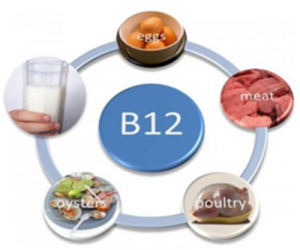
Sources of B12 are animal products (meat, fish, and dairy products), fortified foods. Ensure sufficient quantities of these foods to maintain your B12 levels. If your count is low, consider oral or injectable forms of the vitamin. But why reach that stage?

Have the above mentioned foods in your routine.  The best part of this Energy Nutrient is that the excess is excreted by the body or stored in the liver for use when supplies are scarce. Stores of B12 can last for up to a year. Unfortunately sometimes catching the B12 deficiency late can result in permanent damage. Any neurological damage due to B12 deficiency cannot be reversed. Ensure that your B12 levels are maintained at levels 200 to 900 picograms per milliliter (pg/mL).

#BeTheForce

February 28, 2024 By CHARMI GOGRI 2 Comments

10 Cooking habits that you need to RECONSIDER!

Ever wondered why people are still at risk for chronic illness despite following a healthy lifestyle? Why does immunity fail to protect the body when the weather changes? Why with growing awareness about fitness, people still fall sick?

There is a number of articles and literature online that broadcast the importance of active life, a nutritious, mostly plant-based diet, daily exercises, weight management, disease prevention, smoking cessation, moderation in alcohol intake etc. Despite the abundance of knowledge about how to live a “healthy” lifestyle, choose “best food” and follow an “active” exercise regime, there haven’t been such significant improvements in the health of the general public. There is something missing which needs to be corrected so as to multiply the goodness of active life and healthy food.

Let me support this with a phrase, “Muscles are built in a gym, but nourished in Kitchens”

Yes! The kitchen is the place where our food first enters before it enters our body. There are some kitchen habits which might be silently killing us. When I chose to highlight this topic, I did not have to look much farther than my own circle to compile a list of common, but avoidable kitchen habits:

  • Dipping tea bags in hot water: Some of the tea bags are made with a variety of plastics. These plastics are generally considered among the safest in terms of leaching potential, but the molecules in these plastic tea bags may still break down and leach out when steeped in boiling water. Tea bags made up of paper may be just as bad, or worse, than the plastic ones because many of them are treated with epichlorohydrin. When this epichlorohydrin comes in contact with water, it hydrolyzes to a compound which has been shown to cause cancer and suppress immune function in animals. Knowing these hazards, your best option would be to opt for loose organic tea.
  • Reusing Cooking oil: Indian cooking is said to be indispensable without cooking oil. Consumption of oil in the right proportion and in the correct manner often doesn’t cause any health issues. Though many people follow this practice regularly, Very few people are aware of the dangerous effects of recycled cooking oil i.e. reheating the used oil. Reusing the oil alters the chemical composition of oil leads to the formation of highly charged free radicals or uncharged molecules with unpaired electrons which can often be These free radicals attach themselves to healthy cells resulting in an increase of bad cholesterol levels and block arteries as well.

Storing the used oil for a longer period of time encourages bacterial growth due to the presence of leftover food particles present in the oil, can lead to fatal food poisoning. Best possible solution to avoid hazards of reusing oil would be using less amount of oil for frying or choosing shallow/stir frying over deep frying to avoid wastage of oil.

  • Overheating cooking oil: Oils can withstand varying levels of heat, for some type of oils the threshold for heat tolerance is lower and for some, it’s higher. Normally, a heated cooking oil is considered unsafe when it reaches its smoking point i,e, the temperature at which it begins to chemically break down and smoke continuously. At this point, the fat molecules break down into glycerol and free fatty acids, and the glycerol breaks down further to produce toxic fumes and free radicals.This also leads to loss of the antioxidants present in the oil. So it’s wise to pick up oil with better smoke value if you intend to use for cooking and not dressing.
  • Using non-stick pans on high temperature: Almost everyone owns a non-stick Teflon-coated pan. It may be more convenient and easier to clean but, cooking in it on high temperatures can cause the “Teflon flu.” This illness is characterized by flu-like symptoms such as headaches, chills, backaches, and a temperature ranging between 100°F and 104°F. High temperatures cause the non-stick lining to release PFCs (Perfluorocarbons) in the form of fumes. PFCs can cause liver damage and also developmental problems. Also, the chemicals used to make this non-stick substance include ammonium perfluorooctanoate which has been linked to cancer, organ damage and other negative health effects (animal studies).
  • Using metal ladles on non-stick vessels: Using metal utensils to stir on a nonstick pan is not a good idea. You can unknowingly/unintentionally scratch the surface of the pan, which could lead you to ingest the PFCs in the nonstick lining. Use wooden or heat-safe rubber utensils when using a non-stick pan to avoid any scraping.
  • Using regular utensils in the microwave: Radiation from microwaves has not been proven to be particularly dangerous in itself, providing that the appliance is in good working order. Rather, the danger lies in the types of containers we microwave our food in. Certain compounds used to make rigid plastic more pliable may act as endocrine disrupters. They may mimic or compete with human hormones, which could affect fertility or cancer risk. It is best to avoid microwaving plastic containers that aren’t specifically designed for microwave use.
  • Poor ventilation: Without appropriate ventilation, indoor air quality can suffer and cause serious health problems. The pollutants which degrade air quality comes from cooking burners especially gas burners and have an effect on the respiratory and cardiovascular system as they can enter the bloodstream and reduce oxygen delivery to the body’s organs and tissues. Fine particles are produced essentially by volatilizing dust by both gas and electric burners during cooking. They are potentially very harmful because they can enter the lungs, bloodstream or other tissues. Decreasing this indoor pollution is to make sure pollutants vents to the outdoors else they will simply recirculate in the kitchen. If having a hood/ exhaust fan is not possible, opening a window while cooking does help.
  • Keeping water pans open: It’s not new that epidemic of waterborne disease is so widespread and easy to acquire. People who don’t own water purifier often have the sense to boil water before consumption. One cannot fill the drinking pots with hot water so people usually keep hot water pans (often uncovered) at room temperature. While water is getting cooled and getting ready to be transferred in pots, it gets attracted by dust and particles present in the air. The chances of water contamination increase if air microflora is high. The safe way to deal with this is to invest in water purifier or perhaps cover the pans with lid and strain water with muslin cloth before transferring to pots.
  • Cleaning vegetables and fruits: Every homemaker knows the importance of washing fruits and vegetables once before consuming. Having said that most of homemakers/chef clean them superficially i.e cleaning under running water for 1-2 mins and keep it open to air dry. Does this really wash off the chemicals and pesticides? Well, No! It doesn’t. There are numerous options to clean them correctly. Soaking them in 10 % White vinegar + 90 % water solution for 15-20 mins; Soaking them in 2% salt solution or washing them in cold water helps to wash off most of the pesticides, chemicals as well as dirt present on the surface. It is worthwhile to invest some time in washing and cleaning your food, as you don’t want to end up consuming a portion of toxins with your meals!
  • Using Aluminium foil to pack hot food: High levels of Aluminium has been found in the food cooked, reheated and cooled in aluminium foil. This is alarming knowing the fact that high levels of Aluminum which accumulates in the body causes hypercalcemia (More calcium in the blood), weakens bone mineral density and hence causes Osteoporosis later in life. However, use of Aluminum foil has been found safe to wrap cold food as aluminium doesn’t leach out. As an alternative to cook/store hot food, Parchment paper/wax paper can be used respectively.

While concluding this eye-opener topic, I would like to make it a point that despite the risks associated with many cooking methods, you don’t have to start eating all your food raw. Simply take small steps to avoid these cooking dangers.

Many little changes can go a long way in terms of improving your health and preventing illness.Many of the above-mentioned habits don’t pose an immediate danger to your health, but long-term use and a combination (with other lifestyle factors) might lead to problems later on in life.

So the take-home message is “Don’t overreact, just be mindful of the habits, Now is the time to understand and adapt ourselves to healthy cooking habits along with making healthy meal choices”

#BeTheForce

  • « Previous Page
  • 1
  • …
  • 19
  • 20
  • 21
  • 22
  • 23
  • …
  • 62
  • Next Page »

Search

Recent Posts

  • The Sleep-Metabolism Connection: Why Rest is Your Best GLP-1 Partner
  • Accelerate Action for Your Health: Why Self-Care Matters This International Women’s Day
  • 4 Reasons Why Affirmations Are Not Working For You
  • The Social Side of GLP-1: Navigating “Food Culture” and Peer Pressure
  • Leaky Gut: Symptoms and Causes

Stay Updated

Archives

  • March 2026 (3)
  • February 2026 (14)
  • January 2026 (14)
  • December 2025 (19)
  • November 2025 (15)
  • October 2025 (20)
  • September 2025 (6)
  • August 2025 (6)
  • July 2025 (12)
  • June 2025 (18)
  • May 2025 (16)
  • April 2025 (22)
  • March 2025 (23)
  • February 2025 (22)
  • January 2025 (25)
  • December 2024 (22)
  • November 2024 (23)
  • October 2024 (21)
  • September 2024 (24)
  • August 2024 (30)
  • July 2024 (21)
  • June 2024 (26)
  • May 2024 (31)
  • April 2024 (27)
  • March 2024 (29)
  • February 2024 (25)
  • January 2024 (21)
  • December 2023 (15)
  • November 2023 (11)
  • October 2023 (19)
  • September 2023 (22)
  • August 2023 (18)
  • July 2023 (22)
  • June 2023 (24)
  • May 2023 (24)
  • April 2023 (23)
  • March 2023 (23)
  • February 2023 (19)
  • January 2023 (15)
  • December 2022 (11)
  • November 2022 (15)
  • October 2022 (15)
  • September 2022 (12)
  • August 2022 (10)
  • July 2022 (17)
  • June 2022 (11)
  • May 2022 (10)
  • April 2022 (6)
  • March 2022 (6)
  • February 2022 (13)
  • January 2022 (11)
  • December 2021 (7)
  • November 2021 (3)
  • October 2021 (6)
  • September 2021 (3)
  • August 2021 (8)
  • July 2021 (7)
  • June 2021 (15)
  • May 2021 (16)
  • April 2021 (10)
  • March 2021 (7)
  • February 2021 (4)
  • January 2021 (4)
  • December 2020 (3)
  • November 2020 (4)
  • October 2020 (10)
  • September 2020 (3)
  • August 2020 (3)
  • July 2020 (2)
  • June 2020 (4)
  • May 2020 (10)
  • April 2020 (12)
  • March 2020 (10)
  • February 2020 (4)
  • January 2020 (4)
  • December 2019 (3)
  • November 2019 (7)
  • October 2019 (5)
  • September 2019 (4)
  • August 2019 (9)
  • July 2019 (9)
  • June 2019 (11)
  • May 2019 (4)
  • April 2019 (8)
  • March 2019 (8)
  • February 2019 (9)
  • January 2019 (8)
  • December 2018 (9)
  • November 2018 (3)
  • October 2018 (3)
  • September 2018 (5)
  • August 2018 (10)
  • July 2018 (6)
  • June 2018 (13)
  • May 2018 (8)
  • April 2018 (18)
  • March 2018 (9)
  • February 2018 (8)
  • January 2018 (15)
  • December 2017 (12)
  • November 2017 (19)
  • October 2017 (13)
  • September 2017 (15)
  • August 2017 (4)
  • July 2017 (8)
  • June 2017 (7)
  • May 2017 (6)
  • April 2017 (8)
  • March 2017 (6)
  • February 2017 (7)
  • January 2017 (9)
  • December 2016 (10)
  • November 2016 (7)
  • October 2016 (7)
  • September 2016 (7)
  • August 2016 (11)
  • July 2016 (9)
  • June 2016 (9)
  • May 2016 (12)
  • April 2016 (17)
  • March 2016 (17)
  • February 2016 (8)
  • January 2016 (6)
  • December 2015 (2)
  • November 2015 (9)
  • October 2015 (7)
  • September 2015 (9)
  • August 2015 (11)
  • July 2015 (9)
  • June 2015 (12)
  • May 2015 (9)
  • April 2015 (13)
  • March 2015 (8)
  • February 2015 (5)
  • January 2015 (12)
  • December 2014 (14)
  • November 2014 (11)
  • October 2014 (6)
  • September 2014 (13)
  • August 2014 (12)
  • July 2014 (6)
  • June 2014 (2)
  • May 2014 (7)
  • April 2014 (4)

From “Laddu Nawin” to Fit and Fierce: How a 25-Year-Old Insurance Advisor Shed 20 Kilos and Gained His Life Back

When 25-year-old Nawin Yadav from Hyderabad walked into his office every morning, he carried more than just his files and policy papers. He had the weight of fatigue, sluggish energy, and an ever-growing belly that was becoming the butt of jokes. “People … [Read More...]

“I’ve Challenged Myself to Live 100 Years” – The Story of Chandubhai Savani’s Second Chance at Life

At 67, most people start slowing down. Not Chandubhai Savani. A resident of Surat, Chandubhai, thought life was on track. “My life was going well till I had my bypass surgery,” he says. That surgery, back in 2021, was a wake-up call.  Medication was routine, but exercise wasn’t. His diet? What he calls ‘normal.’ “I […]

From Shimla’s Slopes to Chandigarh’s Sidewalks: Surinder Kaur Bhalla’s Journey from Chaos to Control

Some journeys start with a plan. Others begin with a stumble literally. Surinder Bhalla, a government professional, born and raised in the scenic hill town of Shimla, had always lived a life of movement. “In Shimla, you walked everywhere,” she reflects. “Walking was never an exercise. It was just life.” But after shifting to Chandigarh, […]

Ananda Mukherjee Health Story

From Terminal Illness To Complete Wellness! Ananda Mukherjee Health Story

As we observe World Cancer Day under the powerful theme ‘United by Unique’ (2025-2027)**, we are reminded that every individual’s journey with cancer is distinct, yet united by shared resilience, hope, and the collective fight against this disease. This theme places people at the centre of care and their stories at the heart of the […]

  • HOME
  • HEALTHY LIVING
  • FITNESS
  • HEALTHY RECIPES
  • USER STORIES
  • KARMA
  • BUY GOQii

Copyright ©2016 GOQii