GOQii

Blog

  • HOME
  • HEALTHY LIVING
  • FITNESS
  • HEALTHY RECIPES
  • USER STORIES
  • KARMA
  • BUY GOQii

Search Results for: kidney

September 18, 2023 By Rashmi Deshpande 2 Comments

Types of Fat and Fat Composition

fat composition“I can’t lose weight no matter how hard I try!” – this sentence is pretty common, isn’t it? Ever wondered why? The answer lies in the extra fat deposition on our bones and organs which become an obstacle for our weight loss journey. The key to slimming down is understanding that fat loss is more important than weight loss. Let’s study about how we gain fat and fat composition in detail!

What is Fat?

Fats are substances that help the body use some vitamins and keep the skin healthy. They also help the body store energy. In food, there are different types of fats such as saturated, unsaturated, polyunsaturated, monounsaturated, and trans fats. Most people consume too much of the wrong kinds of fat, putting their health at risk.

Good Fat vs. Bad Fat

Daily diet contains fat such as different oils (sunflower, peanut, rice bran, olive oil, sesame etc.), ghee (clarified butter), butter, cheese, avocados, eggs, nuts, seeds, milk, curd etc. (these are good fats). All these give us essential fats and 9kcal/g which helps the body function smoothly. They aid joint rotation, absorption of fat soluble Vitamins A, D, E and K. They’re the biggest source of energy.

The questions is where are we going wrong? How are we getting those chubby cheeks, round bellies, heavy arms and bulky thighs?

Do we consider how much fat we’re consuming when eating a 100g pack of chips? One packet of chips contains 100g but in serving portion, the manufacturer will only write 10g calories which amounts to approx. 20-28 pieces of chips which contain 160kcal, 7g fats and 16g carbohydrates. But do we only eat 28 pieces? It’s the same with burgers, pizzas, white paste, 2 minute noodles, biscuits, cookies and more. It has been shown that fat intake of the wrong kind will result in fat gain. As the body typically burns carbs for fuel and uses proteins for repair, it makes sense to cut back on bad fat while increasing good fat.

Different Types of Fat

The word “Fat” is broadly used to describe all body fats but that’s not true. There are several different types. Some fats can have a negative impact on health while others are necessary for good health. They can be stored as essential, subcutaneous or visceral fat. Each type of fat serves a different role. Some promote healthy metabolism and hormone levels, while others contribute to life-threatening diseases, including Type 2 Diabetes, Heart Disease, High Blood Pressure and even Cancer.

  1. Essential Fat: Essential fat is exactly that – essential for life and a healthy body. This fat is found in our brain, bone marrow, nervous system and membranes that protect the organs. Essential fat plays a major role in hormone regulation, including the hormones that control fertility, vitamin absorption, and temperature regulation. Women need at least 10-13% of their body composition to come from essential fat to be in good health, while men require at least 2-5%.
  2. Subcutaneous Fat: This is the fat which is stored under the skin. It covers a major portion of our body fat. This is the fat we can squeeze or pinch on our arms, belly, thighs, and buttocks. We can measure subcutaneous fat as a way of estimating total body fat percentage. A certain amount of subcutaneous fat is normal and healthy, but too much can lead to imbalanced hormone levels and sensitivity.
  3. Visceral Fat: This type is also known as belly fat. It is the white fat that’s stored in your abdomen and around all the major organs such as the liver, kidneys, pancreas, intestines, and heart. High visceral fat levels can increase your risk for diabetes, heart disease, stroke, artery disease, and some cancers.

Body Fat Composition

The proper body fat composition and distribution of fat will protect us from various risk factors and diseases. Women have different sights of fat deposition such as thighs, arms, buttocks, below the belly button, etc. Men experience this on their chest, belly, and waist. This deposition is different because of the varying percentage of testosterone (male hormone) and estrogen (female hormone).

In males, mean percentage body fat ranges from 22.9% at age 16-19 to 30.9% at 60-79 years of age. In females, mean percentage body fat ranges from 32% at age 8-11 to 42.4% at age 60-79. There is a close relation between fat and physical exercise as regular exercises helps you burn stored fat. Exercise helps you turn deposited fat into an energy source.

We hope this article helps you. To know more about fats, check out Healthy Reads or ask a GOQii Coach by subscribing for Personalised Health Coaching here.

#BeTheForce 
September 13, 2023 By Roopa Tandur Leave a Comment

What Are The Best Sources of Calcium

best sources of calciumCalcium, needed for healthy and strong bones and teeth, also helps in alleviating normal blood clotting, supports proper functioning of muscles and nerves. Most calcium is found in the bones of our body. If sufficient calcium is not included in the diet, then the body starts extracting calcium from bones making them weak and brittle and putting one at risk of Osteoporosis. Calcium requirements differ for each age group and gender. The most being required by the 50+ age group people as the body removes old bones faster than it rebuilds new ones. Let’s look into some of the best sources of calcium rich foods, including which will help us meet the daily recommended requirements for the mineral.

Best Sources of Calcium

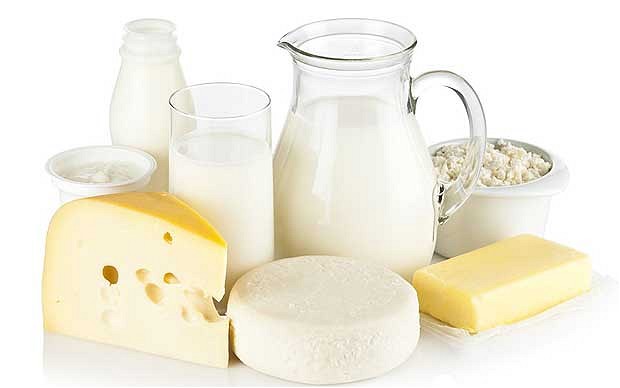
  1. Milk and Milk Products: like curds, yogurt, buttermilk, paneer (Indian cottage cheese), ghee, are all very good sources of calcium. Including milk and milk products regularly in the diet helps us meet 12-30% of daily calcium requirement with 1 glass of milk helping us meet 12% of daily requirements of calcium. But choosing the right type of milk and milk products helps us reach the goal of maintaining or reducing or increasing weight at the same time.
  2. Leafy Greens: like spinach, kale, rhubarb and amaranth greens all have a good amount of calcium in them and can easily be incorporated in a diet. People following a vegan diet find it very easy to incorporate leafy vegetables and can complete their daily recommended dosage for calcium. People with kidney disease should follow restrictions which include these leafy greens as they also have large amounts of oxalates which are a reason for kidney stones – including good amounts of liquids helps minimize the oxalates effects on the body.
  3. Nuts: like almonds, walnuts, hazelnuts and dried figs have good amounts of calcium with almonds topping the list with 75 mg of calcium per 30 gms of almonds included. Nuts can be easily incorporated in snacks which are a healthy swap for all the unhealthy cravings in between meals. Incorporating a large quantity of nuts can also cause weight gain as they are very good sources of fats. Ensure that you control the portion size of nuts included. 
  4. Seeds: like sesame seeds, sunflower seeds, chia seeds and poppy seeds are rich in calcium and can be easily included in any of the Indian meal preparations which will add to the nutrient content of the dish and makes it more appealing as well. What is more interesting is that a very small quantity of the seeds, around 1-2 tsp in a day, will give you 80-150 gms of calcium.
  5. Vegetables: are rated quite low in terms of calcium but vegetables such as broccoli, sweet potato, lady finger and beans are good sources of calcium, between 70g-160g and are easily available all through the year and can be included in diet as salads, sabji (dry vegetable preparation) or mid meal snacks as well. 
  6. Sea foods: Sea animals like tuna, sardines, salmon provide us many of the micronutrients like potassium, selenium and magnesium along with calcium. These fishes have high levels of calcium as they have edible bones. They are also a good source of protein and Omega-3 fatty acids. But they also have high amounts of mercury so precaution must be taken to clean the fish well before using it for cooking
  7. Fruits: Though fruits are not very good sources of calcium, fruits like grapefruit, kiwi and orange help us get around 30-50mg of calcium per serving. Including fruits in between meals help in better absorption of nutrients from them.

We hope these best sources of calcium help you! Do leave your thoughts in the comments below! For more tips on nutrition, check out Healthy Reads or speak to a GOQii Coach by subscribing for Personalised Health Coaching here.

#BeTheForce 

September 2, 2023 By Neha Morche 3 Comments

Coconut-The Super Fruit & Its Many Benefits

Coconut uses and benefits

“Why are you eating a coconut? It’s so fattening!” This comment was directed at me once and I couldn’t hold myself back and burst into laughter. But, at the same time, I was not surprised at this question. Most people consider it to be a fatty fruit. If that is the case then all those who include it in their daily food intake should be fat. This should be the case not only in India but in many other countries like Sri Lanka, Thailand, and Philippines where coconut is one of the main ingredients used for cooking.

Coconut can be consumed in various ways – fresh, dry form, coconut water, coconut oil, or coconut milk, etc. Interestingly, each form has its own significance. Coconut does have saturated fats (which is not as harmful as vegetable oil) but, it also has unsaturated fats (like polyunsaturated and monounsaturated fatty acids), polyphenols, vitamin K, vitamin E and minerals like calcium, magnesium, iron, copper, manganese, zinc and also dietary fiber.

Why Should It Be An Important Aspect Of Your Diet? 

  1. Coconut oil helps in healthy growth of hair and gives it a shine
  2. It helps control high cholesterol levels, high blood pressure and atherosclerosis as it has 50 % lauric acid
  3. Thanks to its Vitamin E content, it helps in moisturizing all skin types and it does not have any adverse effect
  4. It increases immunity as it has anti-bacterial, anti-viral, and anti-fungal properties thanks to Lauric acid and Capric acid. These properties also help in digestion and help one find relief from irritable bowel syndrome
  5. It improves the secretion of insulin, hence controls blood sugar levels as well
  6. It is good for the bones as it has Calcium and Magnesium
  7. It helps in healing damaged issues and infections
  8. MCT’s (medium chain triglycerides) present in coconut help reduce appetite

It is not only a fruit that can be eaten but, it also has water which you can drink. Just like the fruit, Coconut water also has many benefits! All we know about Coconut water is that it is a refreshing drink. While that is true, let’s delve a little deep to know more about it and its benefits.

Benefits of Coconut Water 

Besides less sugar, coconut water is packed with sodium, potassium, folic acid, B complex vitamins, calcium, magnesium, phosphorus, zinc, and iron minerals… So many nutrients in just 200ml of water! Drinking Coconut water not provides the aforementioned nutrients but it also helps in many ways to conquer health issues.

  1. It slows down the ageing process and also can be applied on eczema and acne
  2. It is good for digestion as it has anti-fungal, anti-bacterial properties
  3. It hydrates our body faster than normal water as it has natural electrolytes
  4. It is definitely healthier than fruit juices because it has fewer calories
  5. It has anti-carcinogenic and anti-thrombotic properties to reduce cholesterol levels
  6. It helps in finding relief from UTI and kidney stones as it acts a diuretic

Coconut water has 40-60 calories per 200ml – which is great for your health! More so, there are various uses for coconut oil as well! So what are you waiting for? Add this super fruit to your diet now!

We hope this article helps you! For more on nutrition, check out Healthy Reads or speak to a GOQii Coach by subscribing for Personalised Health Coaching here.

Do leave your thoughts in the comments below!

#BeTheForce

August 4, 2023 By Dr Darshana Salve 2 Comments

Tired All The Time? Here’s What’s Causing It!

fatigueThe alarm is set for 6 am to go for a morning walk, filled with determination to start on a routine walk from the next morning, she went to sleep early. But, like any other day, the alarm went off, but as usual, she couldn’t get out of bed. With each passing day, it got difficult to even get up for work. This happened almost for 2-3 months when Ananya realized this was not just laziness but something beyond and decided to see a doctor. Ananya described that she had no energy to wake up in the morning and felt tired and exhausted by the end of the day. Sounds familiar? Yes! This happens to many around us or even to us. This syndrome is called Fatigue.

What is Fatigue?

Fatigue is generally defined as a feeling of lack of energy and motivation that can be physical, mental or both. Fatigue is very common. Fatigue can be caused by Physical (around 60%) as well as Mental causes (40%). Unfortunately, it can also occur in normal individuals who experience intense physical or mental activity (or both).

However, in contrast to fatigue that occurs with some diseases and syndromes, normal fatigue in healthy individuals is quickly relieved in few hours to about a day when the physical or mental activity is reduced and adequate rest is taken.

What Causes It?

  • Sleep Problems: Sleep Apnea, insomnia, working in shifts or work shift changes, pregnancy, extra night hours at “work”, gadget time, etc. can cause fatigue. For such problems, including foods like nuts or milk that are rich in tryptophan (sleep inducing hormone) can help get better sleep.
  • Dysglycemia: Skipping breakfast, long gaps between meals is known to cause irregular fluctuations in sugar levels. To avoid such irregularities one must have a healthy breakfast every day preferably within one hour of waking up. Always plan for a mid-meal snack especially when the gap exceeds 5 hours.
  • Nutritional Deficiency: Eating a healthy, balanced diet (proteins, carbohydrates, fats and fiber) is an important part of maintaining good health. It can help you feel your best. Include fruits, whole grains, and protein rich foods and avoid junk food, processed/packaged food.
  • Gut Disturbances: An acidic body doesn’t allow oxygen to be absorbed and in turn causes fatigue. Gastric issues such as bloating, constipation, food sensitivity/allergy, leaky gut (gastric reflux) all create havoc in our body resulting in physical and mental fatigue. Including adequate quantity of fiber, probiotics like curd and a good intake of water keep your gut happy and healthy.
  • Caffeine Overload: Limit tea/coffee/green tea to 2 cups/day. Avoid having it post sunset and near bed time.
  • Dehydration: When dehydrated, the fluid loss causes a drop in blood volume, which makes the heart work harder to push oxygen and nutrients through the bloodstream to the brain, skin, and muscles. Maintaining a water intake to 2.5-3 litre is adequate for the majority of the population.
  • Metabolic/Endocrine causes: Vitamin D deficiency, Hypothyroidism, Diabetes, Electrolyte abnormalities, kidney disease, Liver disease can all cause varying degrees of fatigue.
  • Anemia (Iron deficiency, Vitamin B12 deficiency): It is one of the most common reasons of fatigue or tiredness in India and especially common among women.
  • Infectious Diseases: Viral infections, Hepatitis, Tuberculosis, cytomegalovirus (CMV), HIV infection, Influenza (flu), Malaria and many other infectious diseases can cause fatigue.
  • Medications: It might come as a surprise to you but many drugs like antidepressants, anti-anxiety medications, sedatives, antihistamines, steroids and even some blood pressure medications can cause fatigue.
  • Mental Health: Stress, Depression, Anxiety, Drug abuse, Alcohol abuse, eating disorders, (for example bulimia/anorexia), Grief and Bereavement are all few of the most ignored causes of fatigue. Awareness and proactive management of mental disorders is a must for living healthy.

Depending on the above reasons, the right treatment must be decided as it is important that the root cause of fatigue be treated and not just the symptom.

In the case of Ananya, on taking a proper history and some blood tests, she was found to have nutritional and Vitamin D deficiency. Once these were corrected she felt strong and active enough to start with her healthy regime.

Fatigue is a natural part of our lives, because of which we tend to ignore it and instead learn to live with it. This causes more trouble in the long run. We must look out for tell-tale signs of things we could do earlier but can’t do anymore, unrelated aches and pains or headaches and if found positive we must seek the right help. Don’t let feeling tired today ruin your attempt to feel healthy tomorrow!

If you’re looking to relax, meditate or practice yoga to ward off fatigue, ask your GOQii Coach directly by subscribing for Personalised Health Coaching here.

#BeTheForce

  • « Previous Page
  • 1
  • …
  • 16
  • 17
  • 18
  • 19
  • 20
  • …
  • 38
  • Next Page »

Search

Recent Posts

  • 10 Tips for a Blissful Night Sleep
  • World Liver Day 2026: Solid Habits, Strong Liver
  • Prebiotics and Probiotics: What’s the Difference?
  • Social Health and Longevity: Why Relationships Matter as Much as Diet
  • Top 10 Foods For Diabetics: What to Eat to Manage Blood Sugar

Stay Updated

Archives

  • April 2026 (15)
  • March 2026 (18)
  • February 2026 (14)
  • January 2026 (14)
  • December 2025 (19)
  • November 2025 (15)
  • October 2025 (20)
  • September 2025 (6)
  • August 2025 (6)
  • July 2025 (12)
  • June 2025 (18)
  • May 2025 (16)
  • April 2025 (22)
  • March 2025 (28)
  • February 2025 (22)
  • January 2025 (25)
  • December 2024 (22)
  • November 2024 (23)
  • October 2024 (21)
  • September 2024 (23)
  • August 2024 (30)
  • July 2024 (21)
  • June 2024 (25)
  • May 2024 (30)
  • April 2024 (27)
  • March 2024 (27)
  • February 2024 (24)
  • January 2024 (21)
  • December 2023 (14)
  • November 2023 (10)
  • October 2023 (19)
  • September 2023 (22)
  • August 2023 (18)
  • July 2023 (22)
  • June 2023 (23)
  • May 2023 (24)
  • April 2023 (21)
  • March 2023 (23)
  • February 2023 (19)
  • January 2023 (15)
  • December 2022 (11)
  • November 2022 (15)
  • October 2022 (15)
  • September 2022 (12)
  • August 2022 (10)
  • July 2022 (17)
  • June 2022 (11)
  • May 2022 (10)
  • April 2022 (6)
  • March 2022 (6)
  • February 2022 (13)
  • January 2022 (11)
  • December 2021 (7)
  • November 2021 (3)
  • October 2021 (6)
  • September 2021 (3)
  • August 2021 (8)
  • July 2021 (7)
  • June 2021 (15)
  • May 2021 (16)
  • April 2021 (10)
  • March 2021 (7)
  • February 2021 (4)
  • January 2021 (4)
  • December 2020 (3)
  • November 2020 (4)
  • October 2020 (10)
  • September 2020 (3)
  • August 2020 (3)
  • July 2020 (2)
  • June 2020 (4)
  • May 2020 (10)
  • April 2020 (12)
  • March 2020 (10)
  • February 2020 (4)
  • January 2020 (4)
  • December 2019 (3)
  • November 2019 (7)
  • October 2019 (5)
  • September 2019 (4)
  • August 2019 (9)
  • July 2019 (9)
  • June 2019 (11)
  • May 2019 (4)
  • April 2019 (8)
  • March 2019 (8)
  • February 2019 (9)
  • January 2019 (8)
  • December 2018 (9)
  • November 2018 (3)
  • October 2018 (3)
  • September 2018 (5)
  • August 2018 (10)
  • July 2018 (6)
  • June 2018 (13)
  • May 2018 (8)
  • April 2018 (18)
  • March 2018 (9)
  • February 2018 (8)
  • January 2018 (15)
  • December 2017 (12)
  • November 2017 (19)
  • October 2017 (13)
  • September 2017 (15)
  • August 2017 (4)
  • July 2017 (8)
  • June 2017 (7)
  • May 2017 (6)
  • April 2017 (8)
  • March 2017 (6)
  • February 2017 (7)
  • January 2017 (9)
  • December 2016 (10)
  • November 2016 (7)
  • October 2016 (7)
  • September 2016 (7)
  • August 2016 (11)
  • July 2016 (9)
  • June 2016 (9)
  • May 2016 (12)
  • April 2016 (17)
  • March 2016 (17)
  • February 2016 (8)
  • January 2016 (6)
  • December 2015 (2)
  • November 2015 (9)
  • October 2015 (7)
  • September 2015 (9)
  • August 2015 (11)
  • July 2015 (9)
  • June 2015 (11)
  • May 2015 (9)
  • April 2015 (13)
  • March 2015 (8)
  • February 2015 (5)
  • January 2015 (12)
  • December 2014 (14)
  • November 2014 (11)
  • October 2014 (6)
  • September 2014 (13)
  • August 2014 (12)
  • July 2014 (6)
  • June 2014 (2)
  • May 2014 (7)
  • April 2014 (4)

From “Laddu Nawin” to Fit and Fierce: How a 25-Year-Old Insurance Advisor Shed 20 Kilos and Gained His Life Back

When 25-year-old Nawin Yadav from Hyderabad walked into his office every morning, he carried more than just his files and policy papers. He had the weight of fatigue, sluggish energy, and an ever-growing belly that was becoming the butt of jokes. “People … [Read More...]

“I’ve Challenged Myself to Live 100 Years” – The Story of Chandubhai Savani’s Second Chance at Life

At 67, most people start slowing down. Not Chandubhai Savani. A resident of Surat, Chandubhai, thought life was on track. “My life was going well till I had my bypass surgery,” he says. That surgery, back in 2021, was a wake-up call.  Medication was routine, but exercise wasn’t. His diet? What he calls ‘normal.’ “I […]

From Shimla’s Slopes to Chandigarh’s Sidewalks: Surinder Kaur Bhalla’s Journey from Chaos to Control

Some journeys start with a plan. Others begin with a stumble literally. Surinder Bhalla, a government professional, born and raised in the scenic hill town of Shimla, had always lived a life of movement. “In Shimla, you walked everywhere,” she reflects. “Walking was never an exercise. It was just life.” But after shifting to Chandigarh, […]

Ananda Mukherjee Health Story

From Terminal Illness To Complete Wellness! Ananda Mukherjee Health Story

As we observe World Cancer Day under the powerful theme ‘United by Unique’ (2025-2027)**, we are reminded that every individual’s journey with cancer is distinct, yet united by shared resilience, hope, and the collective fight against this disease. This theme places people at the centre of care and their stories at the heart of the […]

  • HOME
  • HEALTHY LIVING
  • FITNESS
  • HEALTHY RECIPES
  • USER STORIES
  • KARMA
  • BUY GOQii

Copyright ©2016 GOQii