
GOQii

Blog

  • HOME
  • HEALTHY LIVING
  • FITNESS
  • HEALTHY RECIPES
  • USER STORIES
  • KARMA
  • BUY GOQii

Search Results for: hormone

December 16, 2024 By Dr. Viral Thakkar 15 Comments

Menstrual Pain: Every Woman’s Nightmare No more!!

woman-with-hot-water-bottleI know many women, especially adolescents, who don’t like ‘being a woman’ because of the pain during menstruation. If you are one of those or know such women, this article is for you.

Primary dysmenorrhea (menstrual pain) is a normal part of menstruation. It affects girls during adolescence and eases as they mature. It may be painful, but it is not harmful.

Prostaglandins (hormones that causes your uterus to contract during menstruation and childbirth) are responsible for the pain. This pain results from contractions of your uterus that occur when the blood supply to its lining (endometrium) is reduced. (But hey! It is a part of you, and it is important, so blame it, but accept it and get on with it).
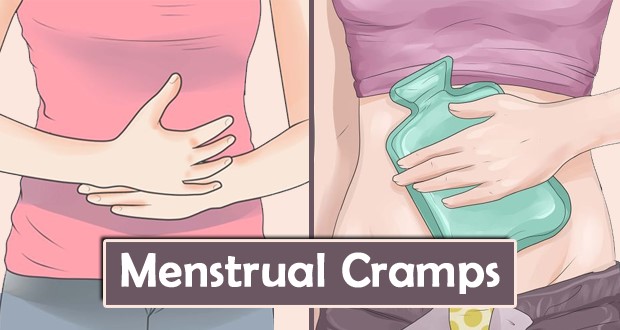
menstrual cramps Image 1

Other factors include a uterus that tilts backward instead of forward, lack of exercise, psychological or social stress, smoking, drinking alcohol or being overweight.

Secondary dysmenorrhea is generally related to some kind of gynecological disorder. It is most likely to affect women during adulthood.

Causes

  1. Fibroids that develop within the uterine wall or are attached to it cause inflammation leading to pain.
  2. Adenomyosis – the tissue that lines the uterus (called the endometrium) begins to grow within its muscular walls. This makes the uterine walls thicker. It may lead to heavy or longer-than-usual menstrual bleeding, as well as pain during menstrual cycle or intercourse.
  3. A sexually transmitted infection.
  4. Endometriosis – fragments of the endometrial lining that are found on other pelvic organs.
  5. Pelvic inflammatory disease, primarily an infection of the fallopian tubes, but it can also affect the ovaries, uterus, and cervix. It is caused primarily by sexually transmitted infections that spread up from the opening of the uterus to these organs.
  6. An ovarian cyst or tumor is a sac filled with fluid that forms on or inside of an ovary, causing pain.
  7. The use of an intrauterine device (IUD), a birth control method, leads to painful menstruation, which decreases over time.

‘Pain’ is the body telling us that something is not right. So listen to what your body is telling you. While you must seek medical advice for secondary dysmenorrhea, consider the following as well.

Be comfortable with your body. Negative messaging at times can become part of the subconscious mind, which rejects the female body. So anything that reminds the body of being a ‘woman’ can hurt.

Have a balanced diet. Ensure your diet includes foods rich in Vitamin B12, D, omega-3 fatty acids and calcium. As an extra tip, ginger is a wonder herb that can effectively ease menstrual cramps as it lowers the levels of pain-causing prostaglandins.

A hot water bag relaxes the contracting muscles in your uterus.

Make sure your hemoglobin level is within the normal range by including iron rich foods along with foods high in Vitamin C in your everyday diet.

An orgasm can help relieve all kinds of pains. Before an orgasm, the uterus is more relaxed, and during climax, blood flow increases, helping to relieve the cramps. The endorphins released after sex will make you feel better instantly.

Eat 2tbs of flaxseeds every day during periods reduces prostaglandin levels in the body.

Keep yourself hydrated during your period (and otherwise too!).

Exercise increases the blood flow, which calms the pain naturally.

Be happy, and you will feel your body responding better and dealing better with pain during your period.

Yoga Postures to relieve menstrual pain

One Legged Pigeon Pose stretches the entire lower part of the body and stimulates the abdominal organs.

menstrual cramps- yoga pose 1

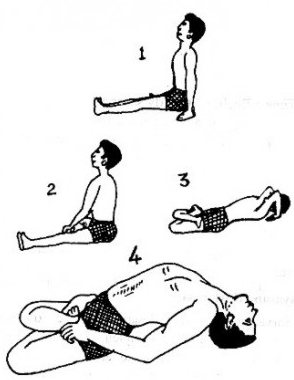
Matsyasana (Fish pose) is a backbend that stretches and stimulates the belly muscles.
menstrual cramps- yoga pose 2

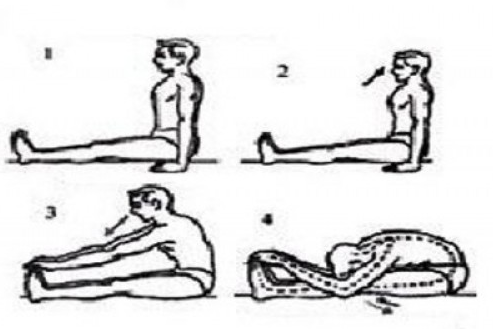
JanuShirasana (One-legged Forward bend) massages the abdominal organs.
menstrual cramps-yoga pose 3

Dhanurasana (Bow pose) strengthens the abdominal muscles and stimulates the reproductive organs.

Menstrual cramps-Yoga pose 4

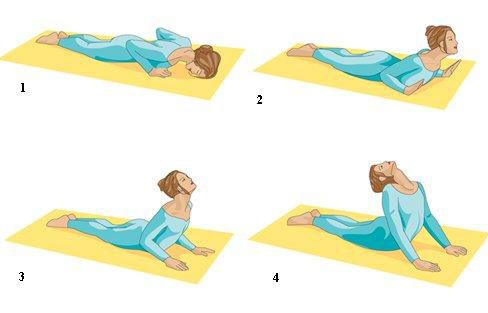
Bhujangasana (Cobra pose) stretches and tones the abdomen.
Menstrual Cramps-Yoga pose 5

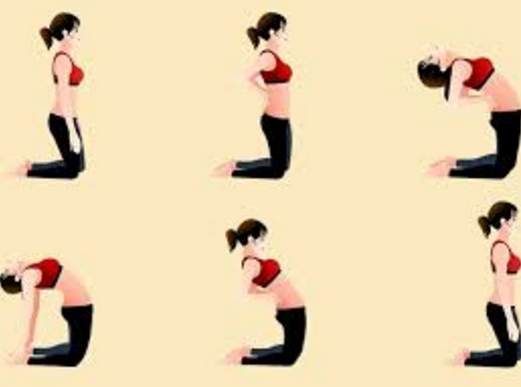
Ustrasana (Camel pose) stretches and opens the front of the body.
menstrual cramps-yoga pose 6

Yoga is one of the means to reach your goal of painless menstruation. Don’t forget to respect your body and give it time to overcome the pain.

We hope this article provides valuable insights into managing menstrual pain and helps you feel more empowered during your menstrual cycle. Remember, it’s essential to listen to your body and seek professional advice when needed. Do you have your own tips or experiences to share? Let us know in the comments below! For further information or guidance, reach out to our certified experts by subscribing to GOQii’s Personalised Health Coaching here.

#BeTheForce

Disclaimer: The information provided in this blog is for general awareness and educational purposes only. It is not intended to replace professional medical advice, diagnosis, or treatment. Always consult a qualified healthcare provider for personalised medical guidance or concerns related to your health.

November 29, 2024 By Mubasheera Chaiwala Leave a Comment

Stress and You: A Comprehensive Guide to Managing Life’s Challenges-Part-1

India is still stressedPicture yourself about to deliver a crucial presentation at work. Standing before your colleagues, you feel your heart racing, your hands slightly sweaty, and your mind zeroing in on every word you’re about to say. That surge you feel? It’s stress at work—a natural response gearing you up to perform at your best. In this moment, stress isn’t a barrier; it’s a boost, keeping you sharp, focused, and ready to engage.

Stress plays a crucial role in many areas of our lives, whether it’s the drive to excel in an exam, perform well in a major game, or stay alert in a risky situation. However, like a double-edged sword, while stress can provide a helpful boost, excessive stress can start to hold us back. By understanding what stress is and how it impacts us, we can learn to harness it when it’s useful and manage it when it starts to feel overwhelming.

Let us understand what is Stress?

Stress is the body’s natural reaction to any demand or threat. When we sense danger—whether it’s real or perceived—the body triggers an automatic “stress response” designed to protect us, keeping us focused, energized, and alert. In emergencies, stress can even be life-saving, providing extra strength and heightened awareness to face the challenge.

However, stress isn’t always a negative force. It can serve as a motivator, helping us rise to challenges. For example, stress can keep us sharp during a work presentation, boost our focus in a game, or push us to study for an exam rather than indulge in distractions. In this way, stress can empower us to exceed our limits and achieve our goals. But when stress becomes chronic, it can start to affect our health, making it essential to manage it well.

What happens when you’re stressed?

When you experience stress, your nervous system releases a surge of stress hormones, including adrenaline and cortisol, priming your body for action. Your heart beats faster, muscles tense, blood pressure rises, breathing quickens, and your senses sharpen. However, after a certain point, stress ceases to be helpful and can begin to harm your health, mood, productivity, relationships, and overall quality of life.

Common symptoms of stress-

Cognitive symptoms

  1. Memory problems- Inability to concentrate
  2. Constant worrying
  3. Mood swings, irritability, anger

Physical symptoms                                                                              

  1. Chest pain, rapid heart rate
  2. Frequent colds or flu
  3. Aches and pains
  4. Dark circles, skin pigmentation

Behavioral symptoms

  1. Eating more or less
  2. Sleeping too much or too little
  1. Withdrawing from others
  2. Procrastinating or neglecting responsibilities
  3. consuming alcohol, smoking, or drugs to relax, Nervous habits (e.g. nail biting)

Health Problems Related to Stress:

Diabetes

Stress can worsen diabetes in two ways. Hormones like cortisol, cortisone, and hydrocortisone play a major role in the body’s response to stress. Under the influence of cortisol, blood sugar levels are maintained and can even rise during stressful times. These hormones are responsible for converting glycogen into glucose. Any type of stress increases cortisol levels in the blood. Additionally, stress raises the likelihood of unhealthy behaviours, such as poor eating habits and excessive drinking.

Hypertension and Heart Disease

People who are stressed have a higher risk of high blood pressure and heart problems. Stress can directly increase heart rate and blood flow, causing the release of cholesterol and triglycerides into the bloodstream. It’s also possible that stress is linked to other issues—like an increased likelihood of smoking or obesity—that indirectly elevate heart risks.

Things to do to effectively manage stress:

  1. Eat a well-balanced diet, food rich in important vitamins and minerals that help in managing stress (we will discuss the food helping in managing stress in PART 2)
  2. Yoga is a popular physical and mental health enhancer
  3. Exercise can be a great stress reliever. It changes one’s outlook and the day will seem far less tense.
  4. Massage is a form of enforced physical relaxation and mental relaxation to reduce stress.
  5. Being assertive. Assertive people tend to have less conflicts, and are understanding.
  6. Cultivate the power of patience, it will do you a lot of good.
  7. Keep yourself occupied so that your mind doesn’t think of those matter that hurt you. (example if watching news that make you sad .. try not to watch it and watch something funny and light.).
  8. Read books that motivate you.
  9. Try doing things that make you happy. For instance playing your favourite sport, going on a long drive, hanging out with friends or calling them home.

This concludes Part 1 of our comprehensive guide to stress management. We hope this article provided valuable insights into understanding and managing stress effectively. Stay tuned for Part 2, where we’ll delve into the role of nutrition and advanced strategies in stress management.

For more informative articles on health and well-being, explore Healthy Reads. For further guidance on managing stress and lifestyle, speak to a certified expert by subscribing to GOQii’s Personalised Health Coaching here.

#BeTheForce

Disclaimer: The information provided in this blog is for general awareness and educational purposes only. It is not intended to replace professional medical advice, diagnosis, or treatment. Always consult a qualified healthcare provider for personalised medical guidance or concerns related to your health.

November 22, 2024 By Urvi Gohil 1 Comment

Your Guide For A Happy Gut: Say bye to bloating, acidity and heartburn

Gut health Your body is constantly communicating with you. Very small episodes of acidity, bloating, indigestion, etc. says a lot about your lifestyle and overall health. Are you paying attention? It is important for us to know that about 70% of the immune system is located in our gut and the gut absorbs nutrients that support body functions from energy production to hormone balance, skin health to mental health and toxin & waste elimination too.
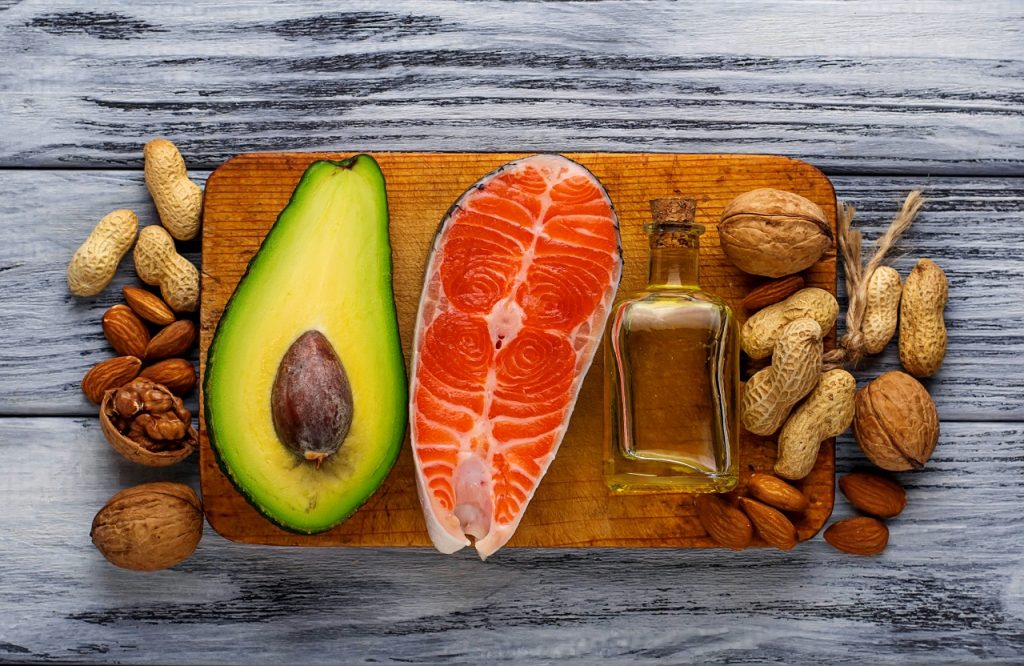


So how can you keep your gut healthy? Well, follow this guide for a happy gut to stay healthy!

Easy Guide For A Happy Gut 

  1. Fennel Seeds or Saunf: These seeds have antispasmodic, anti-inflammatory properties and promote the production of gastric enzymes. It works wonderfully against indigestion, bloating, acidity, heartburn post meals and constipation too. Just add 1 tbsp of raw seeds to the water bottle you carry to office or have 1 glass of fennel seed water post meals to take care of such symptoms.
  2. Basil Seeds: They work well in relieving constipation, bloating, naturally detox your body and help regulate smooth bowel movements. It works as a natural coolant. You can have a glass of milk with basil seeds few hours before bed time, or make a drink with water, honey and basil seeds and have it in mid-morning, or just make a habit of soaking it for 2-3 hours and drinking the water in the morning.
  3. Fenugreek Seeds: These are rich in fiber and antioxidants, and help in enhancing bowel movement. Take a tsp of fenugreek seeds and soak it in 1 cup of water at night and have it in the morning with a glass of lukewarm water if you have long term problems of constipation, indigestion or heartburn. *People experiencing severe acidity should avoid this.
  4. Lemon Ginger Water: This will help strengthen the digestive system and prevent indigestion, nausea, heartburn and bloating. Take a glass of lukewarm water, add 1 tsp of lemon juice and 1 tsp of ginger juice in it. This will work best for bloating post meals or occasional bloating post heavy meals.
  5. Apple Cider Vinegar: The unfiltered, unpasteurized and raw mother Apple Cider Vinegar has live micro-organisms and help to work towards heartburn & GI stress. A dilution of Apple Cider Vinegar before a meal can help you stimulate acid secretion and reduce gut symptoms. Also, having a tbsp of ACV in 300 ml water in the morning can also help in the same.
  6. Water: Is the body’s basic requirement! A constant supply of water is necessary to replenish the fluids lost through activities such as respiration, perspiration, urination, regulating body temperature, digesting food, etc. Try to drink at least 2-2.5L of water throughout the day and it is the answer to all your digestive issues.
  7. Vegetables & Fruits: Having 1 portion of vegetables in every meal is the best way to help your gut digest the food well and have enough nutrients. Plus, the fiber from them helps to ease bowel movement and acts as food for micro-organisms. Fruits are best to go for in mid meals to add more soluble fiber and get rid of acidity and bloating.
  8. Physical Activity: No escape here. Being physically active for 30-45mins is the answer to good health and a happy gut. Exercise gets your heart pumping and increases blood flow and oxygen circulation throughout the body. Blood and oxygen are necessary to aid digestion and keep the intestinal muscles healthy. So for constipation, bloating, acidity, heartburn, etc. including some walking, cycling, yoga, etc. will give you better results.
  9. No Sugar: Processed sugar, refined flour, fried and processed food should be avoided as they are not good for your gut microbes.

Just follow these simple tips for a happy gut! If this article helped you, let us know your thoughts in the comments below. You can find more articles like this on Gut Health here. If you want expert advice or further guidance on improving digestive or gut health, speak to a GOQii Coach by subscribing for Personalised Health Coaching here.

#BeTheForce

Disclaimer: The information provided in this blog is for general awareness and educational purposes only. It is not intended to replace professional medical advice, diagnosis, or treatment. Always consult a qualified healthcare provider for personalised medical guidance or concerns related to your health.

November 21, 2024 By Sohini Chakraborty Leave a Comment

Fat Facts That Are Easy to Digest

fat factsIt’s a shame that the word “Fat” has developed such a notorious reputation over the years with every health-conscious individual hellbent on removing that word from their dictionary. Before we condemn the word, we need to understand that the quality of fat is just as important as the quantity of it. So let’s bust some myths with these fat facts! 

Fat is one of the macro nutrients which provides 9kcal per gram and it is also essential for many functions of the body like solubilizing fat-soluble vitamins, secreting hormones, protecting our vital organs, etc. It is imperative to classify fats into broad categories. Now, let’s delve a little deeper into fat facts.  

1. Fats Which Are Bad For You

Here are the types of fats which are bad for your health.

  • Saturated Fat: Saturated fats are usually found in animal fats like beef, pork, lard, dark chocolate, full-fat dairy products like cheese, etc. They are usually solid at room temperature. Saturated fats were previously thought to cause cardiac problems but saturated fats are known to increase the amount of both HDL (good cholesterol) and LDL (bad cholesterol), hence it is safe to have saturated fats in lower amounts.
  • Trans-Fat: are produced during hydrogenation of fat when the oil is hardened to increase its shelf life. Apart from the natural Trans-fat present to some extent in dairies and meats, the artificial trans fat produced as a result of hydrogenation of fat is very harmful to health. It is found to increase the level of LDL cholesterol, thus increasing the risk of artery blockage and heart disease. It is also known to cause free radical damage to the body resulting in cancer. Trans-Fat is found in fried foods such as French fries, fried chicken, crackers, microwave popcorn, pizza, doughnut, cakes, muffins, pies, nuggets, sausages, non-dairy creamers, margarines, etc. Avoid this type of fat to stay healthy and free from diseases. Not more than 2% in a 2000kcal diet is permissible.
  • Cholesterol: is one of the most misunderstood subjects of this decade. Cholesterol is a wax like substance present in our body and can be obtained from many dietary sources like egg, meats and dairy products. It is necessary for bile formation and many other important functions of our body. According to recent studies, our total cholesterol level is not affected by entirely dietary intake as the body itself maintains the cholesterol balance. Then again, we should be careful about choosing the type of cholesterol to be consumed. There are 2 types of cholesterol: 
  1. HDL (High Density Lipoprotein): is very beneficial for the body as it removes plaques from the arteries and makes blood circulation smooth, preventing arterial block or damage. Its sources include olive oil, beans and legumes, high fiber fruits like avocado, chia seeds, nuts and fatty fish like salmon, trout, etc. These must be present in our diet.
  2. LDL (Low Density Lipoprotein), VLDL (Very Low Density Lipoprotein): are considered to be very harmful to the body. They create atherosclerotic plaque in the arteries, constricting proper blood circulation and cause the narrowing of blood vessels and heart blockage. Most of its sources include pork, beef, lamb meat, milk, butter, cream and cocoa butter. These should be present sparingly in our diet.

2. Fats Which Are Good For You

Let’s take a look at fats which are actually good for you!

  • Unsaturated Fats: contain double bonds in their structure and are known to be most beneficial among all. It may be of 2 types:
  • Monounsaturated Fats: These contain a single double bond and are known to be helpful in many ways. Evidently, they aid weight loss, reduce cardiac problems and decrease inflammation. Its major sources are avocado, nuts like almond, pistachios, vegetable oils like safflower oil, sesame oil, olive oil, canola oil, etc.
  • Polyunsaturated Fats: are considered as the most beneficial among the fat family. These fats are mainly of 2 types:
    1. Omega 3 Fatty Acids: are known to improve heart health, protect the nervous system, increase brain function, reduce anxiety and stress, improve eye function, reduce inflammation and help fight cancer as well. Sources include soya beans, chia seeds, walnuts, canola oil, salmon, sardine, etc. It’s good to have them as a part of daily diet.
    2. Omega 6 Fatty Acids: This type of fat helps balance good and bad cholesterol, it helps reduce asthma or respiratory problems especially in children, relieves diarrhea in children and is essential for improving brain function. Sources of Omega 6 Fatty Acids include hemp seed or hemp seed oil, flaxseed or flaxseed oil, walnuts, almond, avocado oil, eggs, tofu etc.

These fatty acids are called “essential” because they are not produced in the body and that is why they have to be present in our diet.

Considering all the fat facts listed above, we must focus more on the types of fat we are consuming. In a typical Indian diet, about 15-20% of total calories should come from fat and the most desirable proportion of Saturated Fat (SFA), Monounsaturated Fatty Acid (MUFA) and Polyunsaturated Fatty Acid (PUFA) must be 1:1.3:1.

We hope this article helps you make the best food choices. To know more about fat facts, bust more myths about food and nutrition, ask a GOQii Coach by subscribing for Personalised Health Coaching here.

Do leave your thoughts in the comments below! 

#BeTheForce 

  • « Previous Page
  • 1
  • …
  • 11
  • 12
  • 13
  • 14
  • 15
  • …
  • 64
  • Next Page »

Search

Recent Posts

  • Water Intake Pre, During and Post Workout
  • India Leads in Longevity: GOQii Sanjeevini Named Top 40 in $101M XPRIZE
  • The Importance Of Knowing If You’re Thirsty Or Hungry
  • Best Foods To Alleviate Irritable Bowel Syndrome
  • ALL ABOUT VERTIGO!

Stay Updated

Archives

  • December 2025 (9)
  • November 2025 (15)
  • October 2025 (20)
  • September 2025 (6)
  • August 2025 (6)
  • July 2025 (12)
  • June 2025 (18)
  • May 2025 (16)
  • April 2025 (23)
  • March 2025 (23)
  • February 2025 (22)
  • January 2025 (26)
  • December 2024 (26)
  • November 2024 (25)
  • October 2024 (22)
  • September 2024 (24)
  • August 2024 (31)
  • July 2024 (21)
  • June 2024 (26)
  • May 2024 (31)
  • April 2024 (27)
  • March 2024 (29)
  • February 2024 (26)
  • January 2024 (25)
  • December 2023 (15)
  • November 2023 (11)
  • October 2023 (20)
  • September 2023 (22)
  • August 2023 (20)
  • July 2023 (22)
  • June 2023 (24)
  • May 2023 (24)
  • April 2023 (24)
  • March 2023 (23)
  • February 2023 (20)
  • January 2023 (16)
  • December 2022 (12)
  • November 2022 (15)
  • October 2022 (15)
  • September 2022 (12)
  • August 2022 (10)
  • July 2022 (17)
  • June 2022 (11)
  • May 2022 (10)
  • April 2022 (6)
  • March 2022 (6)
  • February 2022 (13)
  • January 2022 (12)
  • December 2021 (7)
  • November 2021 (3)
  • October 2021 (6)
  • September 2021 (3)
  • August 2021 (8)
  • July 2021 (7)
  • June 2021 (15)
  • May 2021 (16)
  • April 2021 (10)
  • March 2021 (7)
  • February 2021 (4)
  • January 2021 (4)
  • December 2020 (3)
  • November 2020 (4)
  • October 2020 (10)
  • September 2020 (3)
  • August 2020 (3)
  • July 2020 (2)
  • June 2020 (4)
  • May 2020 (10)
  • April 2020 (12)
  • March 2020 (10)
  • February 2020 (4)
  • January 2020 (4)
  • December 2019 (3)
  • November 2019 (7)
  • October 2019 (5)
  • September 2019 (4)
  • August 2019 (9)
  • July 2019 (9)
  • June 2019 (11)
  • May 2019 (4)
  • April 2019 (9)
  • March 2019 (8)
  • February 2019 (9)
  • January 2019 (8)
  • December 2018 (9)
  • November 2018 (3)
  • October 2018 (3)
  • September 2018 (5)
  • August 2018 (10)
  • July 2018 (6)
  • June 2018 (13)
  • May 2018 (8)
  • April 2018 (18)
  • March 2018 (9)
  • February 2018 (8)
  • January 2018 (15)
  • December 2017 (12)
  • November 2017 (19)
  • October 2017 (13)
  • September 2017 (15)
  • August 2017 (4)
  • July 2017 (8)
  • June 2017 (7)
  • May 2017 (6)
  • April 2017 (8)
  • March 2017 (6)
  • February 2017 (7)
  • January 2017 (9)
  • December 2016 (10)
  • November 2016 (7)
  • October 2016 (7)
  • September 2016 (7)
  • August 2016 (11)
  • July 2016 (9)
  • June 2016 (9)
  • May 2016 (12)
  • April 2016 (17)
  • March 2016 (17)
  • February 2016 (8)
  • January 2016 (6)
  • December 2015 (2)
  • November 2015 (9)
  • October 2015 (7)
  • September 2015 (9)
  • August 2015 (11)
  • July 2015 (9)
  • June 2015 (12)
  • May 2015 (9)
  • April 2015 (13)
  • March 2015 (8)
  • February 2015 (5)
  • January 2015 (12)
  • December 2014 (14)
  • November 2014 (11)
  • October 2014 (6)
  • September 2014 (13)
  • August 2014 (12)
  • July 2014 (6)
  • June 2014 (2)
  • May 2014 (7)
  • April 2014 (5)

From “Laddu Nawin” to Fit and Fierce: How a 25-Year-Old Insurance Advisor Shed 20 Kilos and Gained His Life Back

When 25-year-old Nawin Yadav from Hyderabad walked into his office every morning, he carried more than just his files and policy papers. He had the weight of fatigue, sluggish energy, and an ever-growing belly that was becoming the butt of jokes. “People … [Read More...]

“I’ve Challenged Myself to Live 100 Years” – The Story of Chandubhai Savani’s Second Chance at Life

At 67, most people start slowing down. Not Chandubhai Savani. A resident of Surat, Chandubhai, thought life was on track. “My life was going well till I had my bypass surgery,” he says. That surgery, back in 2021, was a wake-up call.  Medication was routine, but exercise wasn’t. His diet? What he calls ‘normal.’ “I […]

From Shimla’s Slopes to Chandigarh’s Sidewalks: Surinder Kaur Bhalla’s Journey from Chaos to Control

Some journeys start with a plan. Others begin with a stumble literally. Surinder Bhalla, a government professional, born and raised in the scenic hill town of Shimla, had always lived a life of movement. “In Shimla, you walked everywhere,” she reflects. “Walking was never an exercise. It was just life.” But after shifting to Chandigarh, […]

Ananda Mukherjee Health Story

From Terminal Illness To Complete Wellness! Ananda Mukherjee Health Story

As we observe World Cancer Day under the powerful theme ‘United by Unique’ (2025-2027)**, we are reminded that every individual’s journey with cancer is distinct, yet united by shared resilience, hope, and the collective fight against this disease. This theme places people at the centre of care and their stories at the heart of the […]

  • HOME
  • HEALTHY LIVING
  • FITNESS
  • HEALTHY RECIPES
  • USER STORIES
  • KARMA
  • BUY GOQii

Copyright ©2016 GOQii

