GOQii

Blog

  • HOME
  • HEALTHY LIVING
  • FITNESS
  • HEALTHY RECIPES
  • USER STORIES
  • KARMA
  • BUY GOQii

Search Results for: heart health

August 27, 2024 By Roopa Tandur 1 Comment

6 Good Cholesterol Foods You Must Eat

good cholesterol foods

When someone mentions cholesterol, we often think of bad cholesterol and heart disease. However, there are also good cholesterol foods that are vital for our body. Functions like the synthesis of Vitamin D and hormones, as well as the formation and structure of cell membranes, rely on good cholesterol. 

What is Good Cholesterol? 

Good cholesterol refers to High-Density Lipoprotein (HDL), which helps remove bad cholesterol, known as Low-Density Lipoprotein (LDL). HDL helps transport LDL to the liver for removal from the body. Consuming foods high in saturated fats can increase LDL levels, raising the risk of heart disease and stroke.

While exercising, sleep, stress management, limiting alcohol intake and quitting smoking are essential for maintaining healthy cholesterol levels, certain foods also help. Let’s take a look at some good cholesterol foods!

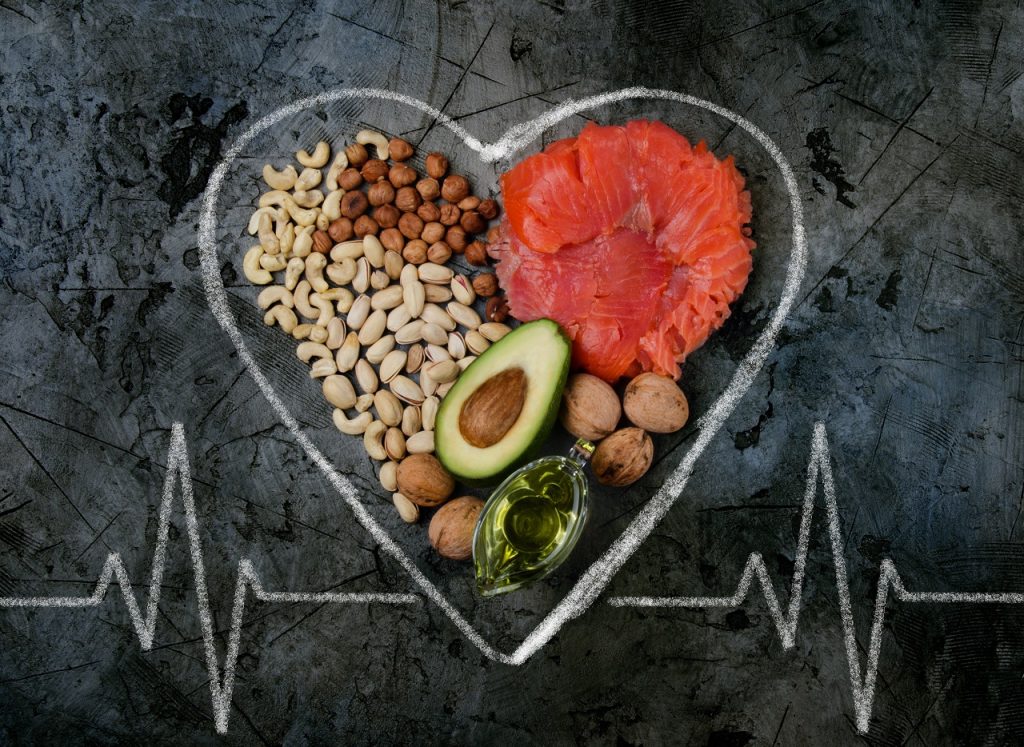
  1. Nuts and Seeds: They are high in healthy fats like monounsaturated and polyunsaturated fats (Omega 3 and Omega 6) and low on saturated fats, which help lower LDL cholesterol. They are rich in Alpha-Linoleic acid, which reduces inflammation and improves overall fat composition. These foods prevent oxidation of LDL cholesterol by free radicals, reducing plaque formation. They are also an excellent source of plant-based protein and fiber which give you a feeling of fullness. They also have a good amount of micronutrients which make them an ideal post-workout meal. However if you have allergies to nuts and seeds, avoid them. 
  2. Avocados: They are both tasty and nutrient-rich. They contain a high amount of Oleic acid, a monounsaturated fat that helps reduce inflammation and the risk of heart disease. Studies show that avocados can lower LDL cholesterol by 10% and total cholesterol by 8%. Additionally, avocados are high in fiber and healthy fats, which help you feel full for longer.
  3. Fatty Fish: Salmon, mackerel, tuna and sardines are rich in Omega 3 fatty acids, which benefit vital organs like the heart, brain and lungs. They also contain Vitamin D and A, essential for good bone and eye health. These fish are particularly effective in reducing death rates due to myocardial infarction and arrhythmia. They also help lowering plaque build-up in arteries and reducing the risk of cardiovascular disease. However, these fish contain contaminants, so cleaning them thoroughly before consuming is crucial.
  4. Eggs: They have a bad reputation due to their fat content, but not all fat in eggs are harmful. Eggs contain monounsaturated and polyunsaturated fats, which are heart healthy, along with saturated and trans fats, which raise bad cholesterol levels. One egg can easily provide a quarter of your daily fat serving. So including eggs in breakfast easily helps you include healthy fats in your diet. It also supports weight loss by preventing cravings throughout the day. Egg is a complete food, rich in both macro and most micronutrients and a good source of protein. Helps improve Vitamin D levels by aiding in its absorption. Having whole eggs by people who are already at risk of high cholesterol levels may worsen the condition, so include egg white as most of the fat and cholesterol in eggs comes from its yolk.
  5. Complex Carbs: Whole grain cereals like millets, wheat bran, oats, brown rice, fruit and vegetables contain longer chains of sugar that take longer to digest and convert into glucose, which the body uses for energy. Including 2 servings of whole grain cereals can help lower bad cholesterol, as the fiber in these foods aids in its removal from the body and improves HDL cholesterol levels.
  6. Lentils and Pulses: Including these in your diet is an easy and inexpensive way to get both macro and micronutrients. Lentils are a good source of polyphenols, which reduce inflammation and prevent many life threatening diseases, including some types of cancer. Proteins in lentils help prevent blood vessel constriction, improve HDL levels and reduce LDL levels. Lentils are also rich in folate, which prevents the accumulation of homocysteine, a trigger factor for heart disease. 

We hope this article helps you understand the difference between bad cholesterol and good cholesterol foods, as well as what to eat to stay healthy. For more tips, check out Healthy Reads or ask an expert by subscribing for GOQii’s Personalised Health Coaching here.

#BeTheForce 

Disclaimer: The information provided in this blog is for general awareness and educational purposes only. It is not intended to replace professional medical advice, diagnosis, or treatment. Always consult a qualified healthcare provider for personalised medical guidance or concerns related to your health.
August 8, 2024 By Mubasheera Chaiwala Leave a Comment

Mastering Hypertension: A Comprehensive Guide to Lifestyle Management

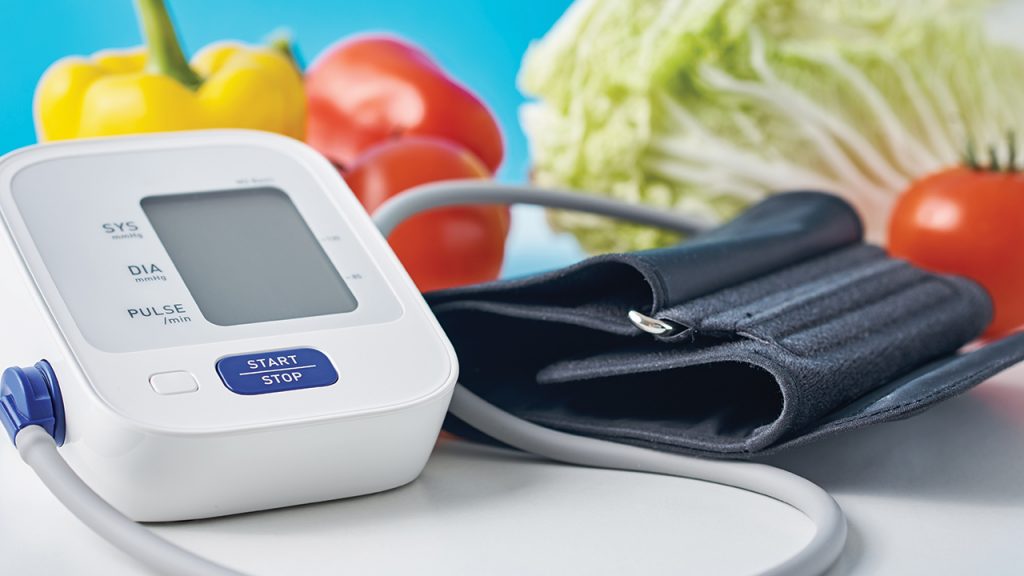
HypertensionHypertension, commonly known as high blood pressure, is largely influenced by lifestyle factors. By understanding and making adjustments to five key aspects of daily life — diet, exercise, stress management, sleep quality, and hydration— you can effectively manage this condition and improve overall well-being.


Dietary Adjustments: Sodium plays a crucial role in the body’s fluid balance, but excessive intake can be harmful. A moderate salt intake is essential, particularly by reducing hidden sodium sources found in processed, preserved, and packaged foods (Avoid 3Ps). To naturally support heart health and lower blood pressure, incorporate foods that boost nitric oxide production, such as beetroot, garlic, dark chocolate (in moderation), nuts, seeds, and berries. These foods contain beneficial compounds that help relax blood vessels, promoting better circulation and supporting long-term heart health.

Regular Exercise: A sedentary lifestyle contributes to arterial stiffness and plaque buildup, increasing hypertension risk. Regular cardiovascular activity can prevent these complications and enhance heart function.

Recommended activity levels: 150 minutes of moderate-intensity cardio per week or 75 minutes of vigorous-intensity cardio, Strength training at least twice a week to improve circulation and overall heart health.

Exercise not only improves physical health but also reduces stress by triggering the release of endorphins—the body’s natural mood boosters.

Stress Reduction: Stress is a natural response to daily challenges, but chronic stress can lead to sustained high blood pressure, increasing the risk of heart complications. Implementing stress management techniques can help reduce this burden and support cardiovascular health.

Effective Stress Reduction Strategies: Engage in activities you enjoy, Maintain social connections and positive relationships, Practise deep breathing and relaxation techniques, Incorporate yoga and meditation for mindfulness and balance, Laugh often—yes, laughter can lower stress hormones!

Optimizing Sleep: The quality of sleep plays a vital role in blood pressure regulation. Creating a relaxing sleep environment and healthy bedtime habits can significantly improve sleep and prevent disruptions linked to hypertension.

Sleep Tips for Blood Pressure Control: Reserve the bedroom for rest—avoid working or using electronic devices in bed, Elevate your legs before sleeping to promote circulation, Maintain a quiet, dark, and cool environment for deeper sleep, Practise deep breathing exercises before bedtime, Avoid abrupt awakenings—opt for a gentle alarm tone

Adequate Hydration: Dehydration can increase sodium concentration in the blood, leading to a rise in blood pressure. Ensuring consistent hydration throughout the day supports heart function and helps regulate blood pressure.

Hydration Tips: Drink small amounts of water regularly rather than consuming large amounts at once, Include herbal teas and water-rich fruits & vegetables in your diet, Avoid excessive caffeine and sugary drinks, which can contribute to dehydration.

By embracing these lifestyle modifications, you can take proactive steps towards managing hypertension naturally while enhancing overall health and well-being. Small, consistent changes in diet, exercise, stress management, sleep, and hydration can have a big impact on your heart health.

#BeTheForce

Disclaimer: The information provided in this blog is for general awareness and educational purposes only. It is not intended to replace professional medical advice, diagnosis, or treatment. Always consult a qualified healthcare provider for personalised medical guidance or concerns related to your health.

June 12, 2024 By Yogita Agarwal 1 Comment

Top 5 Foods To Fight Wrinkles And Premature Aging

We all want healthy and glowing skin but do you know that your skin reflects what you eat? Healthy skin needs nutrients, a healthy diet, enough water and good sleep. When these aspects are balanced, it shows on our skin. Wrinkles are a sign of ageing. We can’t stop or avoid it but with healthy food and lifestyle, we can delay it. When it comes to premature aging or wrinkles, it happens due to Sun damage and loss of collagen and elastin. These two proteins take care of our skin and keep it healthy, young and firm. 

When UV rays hit our skin, it reduces the production of collagen and elastin. It increases the production of free radicals and premature aging. As we age, the skin starts losing its firmness and elasticity. Other factors that contribute to the process are pollution, smoking, stress, dehydration, lack of sleep and unhealthy food habits.

Which Foods Help Fight Wrinkles and Premature Aging? 

  1. Avocado: is a fruit with healthy fats. It has fiber and many nutrients like Folate, Magnesium, Potassium, Riboflavin (Vitamin B2), Niacin (Vitamin B3), Pantothenic Acid (Vitamin B5), Pyridoxine (Vitamin B6), Vitamin C, Vitamin E and Vitamin K. Vitamin E aids skin nourishment, reduces scars and fights free radicals. Avocado is high in the antioxidant glutathione, which helps the body to detoxify and keeps skin clear of acne and wrinkles.
  2. Berries: All the berries are extremely rich in antioxidants, are a good source of Fiber, Vitamin C, Manganese, Vitamin K1, Copper and Folate. Those are rich in Flavonoids, Vitamins and Polyphenol. So berries are perfect food to fight wrinkles and fine lines. Berries not only help in reducing wrinkles but also help in the regeneration of new skin cells. Add berries to your breakfast or morning smoothies.
  3. Buckwheat: It is gluten free, rich in fiber, Iron, provides B1, is a rich source of Magnesium and Calcium, Folate, helps in heart health and controls blood sugar levels and also reduces the signs of premature aging. It has Bioflavonoid Rutin which helps to maintain the production of collagen in the skin and encourage the body’s utilization of Vitamin C.
  4. Papaya: is rich in a variety of antioxidants, vitamins and minerals like Vitamin A, C, K and E, Calcium, Potassium, Magnesium, Phosphorus and Vitamin B. These help to improve skin elasticity and minimize the fine lines and wrinkles. Papaya is rich in the enzyme papain and chymopapain which helps to reduce inflammation. It helps to reduce acne by removing dead skin cells, and remove damaged keratin which can build up on the skin and form small bumps.
  5. Sweet Potatoes: are rich in Vitamin A, B, C, D, Calcium, Iron, Magnesium, Potassium, Phosphorus, Thiamine, Zinc. It has the antioxidant beta-carotene which is converted into Vitamin A and helps in restoring skin elasticity, prompts skin cell turnover, which means healthy glowing skin. The Vitamin C and E in it helps in protection of skin from free radicals and keeps complexion radiant. Both the Vitamins are crucial to keep skin healthy, glowing and supple. Vitamin C boosts collagen and promotes tightening of skin. 

Above are the few foods which help protect our skin from wrinkles and premature aging. In addition to including these foods to your diet, make sure that you have healthy fats, a variety of veggies and fruits, especially different colour veggies and fruits. Keep yourself well hydrated, do regular exercise, learn to manage stress and sleep well.

Reduce the consumption of alcohol, tea, coffee, preserved canned food and processed food. Our body does not have a voice but it talks to us through signs and symptoms, so pay attention to the health of the skin to be healthy and fit. With good food habits, healthy lifestyle, proper hydration, good sleep and stress management we can turn the clock on our skin to look 10 years younger. 

We hope this article helps you fight wrinkles! Do leave your thoughts in the comments below. For more tips on skincare, check out Healthy Reads or ask a GOQii Coach by subscribing for Personalised Health Coaching here.

#BeTheForce  

May 17, 2024 By Dr. Viral Thakkar 1 Comment

Hypertension: Know it to Avoid it

Hypertension Day John, 38, is caught in the grind of a demanding job that consumes his weekdays with 12-hour shifts, tight deadlines, and constant pressure. His stressful work environment leaves him perpetually exhausted and struggling to get enough sleep. To cope with the relentless stress, John turns to partying over the weekends, indulging in late nights and heavy drinking as a way to escape his hectic routine and enjoy his financial success.


However, a few days ago, his life took an alarming turn when he was diagnosed with hypertension, with his blood pressure reading at 170/100 mmHg. The news left John tense and scared, realising that his health was at serious risk. His doctor suggested lifestyle modifications as the first step towards managing his condition.

Determined to take responsibility for his well-being, John began researching ways to improve his health. He discovered a holistic approach to wellness that includes personalised coaching, fitness tracking, and health insights. Through expert guidance, he learned strategies to manage his hypertension, leading him towards a healthier lifestyle and helping him combat the impact of his stressful job and sleepless nights.

Understanding Blood Pressure

Blood pressure is the force exerted by the blood against the walls of the blood vessels. The pressure depends on the heart’s workload and the resistance within the arteries. A normal blood pressure reading is 120 (systolic)/80 (diastolic) mmHg, while hypertension is diagnosed when readings consistently exceed 140/90 mmHg. Since blood pressure fluctuates throughout the day, at least three separate readings taken two hours apart are required to confirm chronic hypertension.

Types of Hypertension

  1. Primary Hypertension: May result from factors like plasma volume and hormonal regulation of blood pressure, or lifestyle and environmental influences.
  2. Secondary Hypertension: Develops as a complication of other conditions such as diabetes, thyroid disorders, kidney disease, sleep apnoea, or certain medications.

What Can Lead to Hypertension?

  • Stress – Chronic stress contributes to high blood pressure.
  • Underlying Health Conditions – Diabetes, cardiovascular disease, chronic kidney disease, and high cholesterol can increase risk.
  • Alcohol & Tobacco Use – Both can significantly raise blood pressure and cause other health issues.
  • Age & Gender – Hypertension is more common in individuals over 60, though lifestyle factors are causing an increase in younger adults. Men are more prone at a younger age, whereas older women experience a rise in BP due to hormonal changes.
  • Obesity & Poor Diet – Excess weight and consumption of processed, fatty, and high-salt foods increase the risk.
  • Lack of Physical Activity – A sedentary lifestyle can worsen heart health.
  • Genetic Factors – A family history of high blood pressure may contribute, but healthy habits can override genetic predispositions.

If you fall into any of these categories, it’s time to take proactive steps to maintain your health.

Your Daily Routine for Managing Hypertension

  1. Start your morning on a positive note – Be grateful, relax, and avoid rushing into stressful tasks.
  2. Eat a balanced diet – Include whole foods, fresh vegetables, fruits, lean proteins, and healthy fats while avoiding junk food.
  3. Reduce salt intake – The WHO recommends limiting salt to under 5g per day to reduce hypertension risk.
  4. Exercise regularly – Aim for at least 45 minutes of moderate activity daily.
  5. Avoid smoking & alcohol – Eliminating these habits can significantly lower blood pressure.
  6. Maintain a healthy weight – Strive to achieve and sustain a healthy BMI.
  7. Practice relaxation techniques – Pranayama, yoga, and meditation help reduce stress and improve heart health.
  8. Monitor your blood pressure – Regular check-ups help detect issues early and prevent complications.

Why Managing Hypertension is Important

Long-term hypertension can cause arterial damage, leading to complications such as:

  • Heart Disease – Increases the risk of heart attacks and heart failure.
  • Stroke – Can result from restricted blood flow to the brain.
  • Aneurysm – A bulge in an artery that can burst, leading to severe internal bleeding.
  • Kidney Failure – High blood pressure can damage kidney function over time.
  • Hypertensive Retinopathy – Can cause vision loss or blindness.

The best way to prevent and manage hypertension is to prioritise both mental and physical well-being. By reducing stress, eating healthily, staying active, and monitoring your blood pressure, you can take control of your heart health and prevent serious complications.

Have you made changes to manage hypertension? Share your experience in the comments below!

#BeTheForce

⚠ Medication should always be taken as per your doctor’s advice, but remember—lifestyle modifications are the key to long-term health!

Disclaimer: The information provided in this blog is for general awareness and educational purposes only. It is not intended to replace professional medical advice, diagnosis, or treatment. Always consult a qualified healthcare provider for personalised medical guidance or concerns related to your health.

  • « Previous Page
  • 1
  • …
  • 40
  • 41
  • 42
  • 43
  • 44
  • …
  • 136
  • Next Page »

Search

Recent Posts

  • Healthy Eating: Vegetable Stuffed Ragi Paratha
  • Sustaining the “GLP-1 Glow”: Nutrition for Skin and Tissue Elasticity
  • Nutritional Deficiencies That Can Cause Hair Loss (And How to Fix Them)
  • The Recovery Gap: Sleep Debt, Overwork and Silent Burnout Are Ageing You Faster
  • Sleep Well, Live Better: Lifestyle Habits That Improve Sleep Quality

Stay Updated

Archives

  • March 2026 (10)
  • February 2026 (14)
  • January 2026 (14)
  • December 2025 (19)
  • November 2025 (15)
  • October 2025 (20)
  • September 2025 (6)
  • August 2025 (6)
  • July 2025 (12)
  • June 2025 (18)
  • May 2025 (16)
  • April 2025 (22)
  • March 2025 (23)
  • February 2025 (22)
  • January 2025 (25)
  • December 2024 (22)
  • November 2024 (23)
  • October 2024 (21)
  • September 2024 (24)
  • August 2024 (30)
  • July 2024 (21)
  • June 2024 (26)
  • May 2024 (31)
  • April 2024 (27)
  • March 2024 (27)
  • February 2024 (25)
  • January 2024 (21)
  • December 2023 (15)
  • November 2023 (11)
  • October 2023 (19)
  • September 2023 (22)
  • August 2023 (18)
  • July 2023 (22)
  • June 2023 (24)
  • May 2023 (24)
  • April 2023 (23)
  • March 2023 (23)
  • February 2023 (19)
  • January 2023 (15)
  • December 2022 (11)
  • November 2022 (15)
  • October 2022 (15)
  • September 2022 (12)
  • August 2022 (10)
  • July 2022 (17)
  • June 2022 (11)
  • May 2022 (10)
  • April 2022 (6)
  • March 2022 (6)
  • February 2022 (13)
  • January 2022 (11)
  • December 2021 (7)
  • November 2021 (3)
  • October 2021 (6)
  • September 2021 (3)
  • August 2021 (8)
  • July 2021 (7)
  • June 2021 (15)
  • May 2021 (16)
  • April 2021 (10)
  • March 2021 (7)
  • February 2021 (4)
  • January 2021 (4)
  • December 2020 (3)
  • November 2020 (4)
  • October 2020 (10)
  • September 2020 (3)
  • August 2020 (3)
  • July 2020 (2)
  • June 2020 (4)
  • May 2020 (10)
  • April 2020 (12)
  • March 2020 (10)
  • February 2020 (4)
  • January 2020 (4)
  • December 2019 (3)
  • November 2019 (7)
  • October 2019 (5)
  • September 2019 (4)
  • August 2019 (9)
  • July 2019 (9)
  • June 2019 (11)
  • May 2019 (4)
  • April 2019 (8)
  • March 2019 (8)
  • February 2019 (9)
  • January 2019 (8)
  • December 2018 (9)
  • November 2018 (3)
  • October 2018 (3)
  • September 2018 (5)
  • August 2018 (10)
  • July 2018 (6)
  • June 2018 (13)
  • May 2018 (8)
  • April 2018 (18)
  • March 2018 (9)
  • February 2018 (8)
  • January 2018 (15)
  • December 2017 (12)
  • November 2017 (19)
  • October 2017 (13)
  • September 2017 (15)
  • August 2017 (4)
  • July 2017 (8)
  • June 2017 (7)
  • May 2017 (6)
  • April 2017 (8)
  • March 2017 (6)
  • February 2017 (7)
  • January 2017 (9)
  • December 2016 (10)
  • November 2016 (7)
  • October 2016 (7)
  • September 2016 (7)
  • August 2016 (11)
  • July 2016 (9)
  • June 2016 (9)
  • May 2016 (12)
  • April 2016 (17)
  • March 2016 (17)
  • February 2016 (8)
  • January 2016 (6)
  • December 2015 (2)
  • November 2015 (9)
  • October 2015 (7)
  • September 2015 (9)
  • August 2015 (11)
  • July 2015 (9)
  • June 2015 (12)
  • May 2015 (9)
  • April 2015 (13)
  • March 2015 (8)
  • February 2015 (5)
  • January 2015 (12)
  • December 2014 (14)
  • November 2014 (11)
  • October 2014 (6)
  • September 2014 (13)
  • August 2014 (12)
  • July 2014 (6)
  • June 2014 (2)
  • May 2014 (7)
  • April 2014 (4)

From “Laddu Nawin” to Fit and Fierce: How a 25-Year-Old Insurance Advisor Shed 20 Kilos and Gained His Life Back

When 25-year-old Nawin Yadav from Hyderabad walked into his office every morning, he carried more than just his files and policy papers. He had the weight of fatigue, sluggish energy, and an ever-growing belly that was becoming the butt of jokes. “People … [Read More...]

“I’ve Challenged Myself to Live 100 Years” – The Story of Chandubhai Savani’s Second Chance at Life

At 67, most people start slowing down. Not Chandubhai Savani. A resident of Surat, Chandubhai, thought life was on track. “My life was going well till I had my bypass surgery,” he says. That surgery, back in 2021, was a wake-up call.  Medication was routine, but exercise wasn’t. His diet? What he calls ‘normal.’ “I […]

From Shimla’s Slopes to Chandigarh’s Sidewalks: Surinder Kaur Bhalla’s Journey from Chaos to Control

Some journeys start with a plan. Others begin with a stumble literally. Surinder Bhalla, a government professional, born and raised in the scenic hill town of Shimla, had always lived a life of movement. “In Shimla, you walked everywhere,” she reflects. “Walking was never an exercise. It was just life.” But after shifting to Chandigarh, […]

Ananda Mukherjee Health Story

From Terminal Illness To Complete Wellness! Ananda Mukherjee Health Story

As we observe World Cancer Day under the powerful theme ‘United by Unique’ (2025-2027)**, we are reminded that every individual’s journey with cancer is distinct, yet united by shared resilience, hope, and the collective fight against this disease. This theme places people at the centre of care and their stories at the heart of the […]

  • HOME
  • HEALTHY LIVING
  • FITNESS
  • HEALTHY RECIPES
  • USER STORIES
  • KARMA
  • BUY GOQii

Copyright ©2016 GOQii

