GOQii

Blog

  • HOME
  • HEALTHY LIVING
  • FITNESS
  • HEALTHY RECIPES
  • USER STORIES
  • KARMA
  • BUY GOQii

Search Results for: hair

June 25, 2023 By Dr Supriya Vhatkar 3 Comments

Light and White Skin Patches? All You Need to Know About Vitiligo!

World Vitiligo Day Have you ever come across someone with lighter or white skin patches? Ever wondered what was wrong with them? Ever been curious enough to research? What these individuals suffer from is called Vitiligo. As today is World Vitiligo Day, let us understand this skin disorder.

Vitiligo occurs when pigment-producing cells (melanocytes) die or stop producing melanin — the pigment that gives your skin, hair and eyes color. The involved patches or affected area of the skin become lighter or white.

Common Symptoms

  • Patchy loss of skin color
  • Premature whitening or graying of the hair on the scalp, eyelashes, eyebrows or beard
  • Loss of color in the tissues that line the inside of the mouth and nose (mucous membranes)
  • Loss of or change in color of the inner layer of the eyeball (retina)

Onset: Vitiligo can start at any age, but often appears before the age of 20.

Different Types of Vitiligo

  1. Generalized Vitiligo: This is the most common type. The patches appear on most parts of the skin. The discolored patches often progress similarly on corresponding body parts (symmetrically).
  2. Segmental Vitiligo: In this type, only one side or part of the body gets affected. It tends to occur at a younger age and progresses for a year or two, and then it stops.
  3. Localized (Focal) Vitiligo: In this type, one or only a few areas of your body get affected.

It is difficult to predict how the disease will progress. Sometimes the patches stop forming without treatment. In most cases, pigment loss spreads and eventually involves most of your skin. In this condition, the skin rarely gets its color back.

What Causes Vitiligo?

The most common causes of vitiligo may be related to:

  • A disorder in which your immune system attacks and destroys the melanocytes in the skin
  • Family history (heredity)
  • A trigger event, such as sunburn, stress or exposure to industrial chemicals

Diagnosis

  1. Medical History and Examination: If your doctor suspects you have vitiligo, he or she will ask about your medical history, examine you and try to rule out other medical problems, such as dermatitis or psoriasis. He or she may use a special lamp to shine ultraviolet light onto the skin to determine whether you have vitiligo.
  2. Skin Biopsy & Blood Draw: Take a small sample (biopsy) of the affected skin, draw blood for lab tests to look for underlying autoimmune conditions, such as anemia or diabetes

Treatment

Many treatments are available to help restore skin color or even out skin tone. Results vary and are unpredictable. Some treatments have serious side effects. Your doctor may suggest that you first try improving the appearance of your skin by applying self-tanning products or makeup.

If you and your doctor decide to treat your condition with a drug, surgery or therapy, the process may take many months to judge its effectiveness. And you may have to try more than one approach or a combination of approaches before you find the treatment that works best for you.

Even if treatment is successful for a while, the results may not last or new patches may appear.

Medications

No drug can stop the process of Vitiligo — the loss of pigment cells (melanocytes). But some drugs, used alone or with light therapy, can help restore some skin tone.

  1. Creams That Control Inflammation: Applying a corticosteroid cream to affected skin may help return color, particularly if you start using it early in the disease. You may not see a change in your skin’s color for several months. This type of cream is effective and easy to use. But it can cause side effects, such as skin thinning or the appearance of streaks or lines on your skin. Milder forms of the drug may be prescribed for children and for people who have large areas of discolored skin.
  2. Medications That Affect The Immune System: Ointments containing tacrolimus or pimecrolimus (calcineurin inhibitors) may be effective for people with small areas of depigmentation, especially on the face and neck. This treatment may have fewer side effects than corticosteroids and can be used with ultraviolet B (UVB) light. However, the Food and Drug Administration has warned about a possible link between these drugs and lymphoma as well as skin cancer.

Surgery

This may be an option if light therapy doesn’t work. Surgery can also be used with those therapies. The goal of the following techniques is to even out your skin tone by restoring color.

  1. Skin Grafting: In this procedure, your doctor removes very small sections of your normal, pigmented skin and attaches them to the areas that have lost pigment. This procedure is sometimes used if you have small patches of vitiligo. Possible risks include infection, scarring, a cobblestone appearance, spotty color and failure of the area to recolor.
  2. Blister Grafting: In this procedure, your doctor creates blisters on your pigmented skin, usually with suction. He or she then removes the tops of the blisters and transplants them to an area of discolored skin.
  3. Tattooing (micropigmentation): In this technique, your doctor uses a special surgical instrument to implant pigment into your skin. It’s most effective in and around the lips in people with darker complexions.

Lifestyle & Home Remedies

The following self-care tactics may help you care for your skin and improve its appearance:

  • Protect your skin from the sun and artificial sources of UV light. If you have vitiligo, particularly if you have light skin, use a broad-spectrum, water-resistant sunscreen with an SPF of at least 30. Apply sunscreen generously and reapply every two hours — or more often if you’re swimming or sweating.
  • Seek shade and wear clothing that shields your skin from the sun. Don’t use tanning beds and sunlamps.

Protecting your skin from the sun helps prevent sunburn and long-term damage. A bad sunburn can make your condition worse. Sunscreen also minimizes tanning, which makes the contrast between normal and discolored skin less noticeable.

We hope this article helped you understand the symptoms, causes and treatment of Vitiligo. Do you have any doubts? Let us know in the comments below!

Find more articles on skincare and remedies here.  You can also reach out to an expert by subscribing to GOQii’s Personalized Health Coaching here.

#BeTheForce
May 16, 2023 By Tabassum Parveen 4 Comments

Beat the Heat With Simple Lifestyle Changes!

lifestyle changes for summer

If you’re a kid, summer has to be the most awaited season for you as it spells the beginning of vacations! As an adult, there are many things you need to worry about. There are things such as dehydration, heatstroke and a few other precautions you need to maintain whether you’re indoors or outdoors.

What Happens to Your Body During Summer?

Your body undergoes so many changes in the heat. For instance:

  • Heatstroke: Puts pressure on your heart
  • Dehydration: Causes your brain to shrink, causes headaches, confusion, itchy eyes, heart palpitations and sleep issues
  • Muscle cramps and lethargy: because your body uses energy to lower your body temperature
  • Itchiness: under or around the eyes, around your body because of sweat being stuck under your skin
  • Nausea: due to the rise in body temperature
  • Low blood pressure as your heart has to work harder to supply blood to the body due to the heat.

The above issues can be fixed or avoided by adopting very simple lifestyle changes to beat the heat!

1. Hair Care

Your scalp sweats more during summer. Your hair may become frizzy and dry. While washing your hair every day might seem like a good idea, it may remove natural oils from your scalp which might result in dandruff and hair loss. You can try massaging your head to increase blood flow to your hair roots. Wash your hair every alternate day.

2. Face and Skincare

The sun’s harmful UV Rays may damage your skin resulting in brown spots, tanning and wrinkles if proper care isn’t taken. It is imperative to avoid the sun between 10 am to 2 pm as the temperature is quite high at noon. If you must venture out, use a sunscreen and appropriate protection to avoid any damage.

The best time to venture out during summer is either early in the morning or late evening as exposure to the sun is also important to strengthen bones and improve immunity as well as correcting sleep and mood.

3. Clothing

Choosing the right clothes will help you deal with the summer heat properly! Light colors are the way to go. Avoid dark colors and stick to cotton clothes or khadi which has the ability to absorb heat and cool down by itself. Avoid silk, nylon and other fabrics that absorb heat and store it.

4. Hydration

This is the key to stay healthy during summer! As mentioned above, dehydration can cause a lot of health issues. Drink at least 2-3 liters of water a day. Always have a bottle of water handy and keep sipping even if you aren’t thirsty.

You can also opt for coconut water, fresh fruit juices, sugarcane juice, herbal iced tea, buttermilk, or yoghurt. You can make your own natural drink by adding salt, a piece of jaggery, basil seeds, or mint/lemon drops to your water to replenish your body with electrolytes.

Foods That Help You Beat the Heat

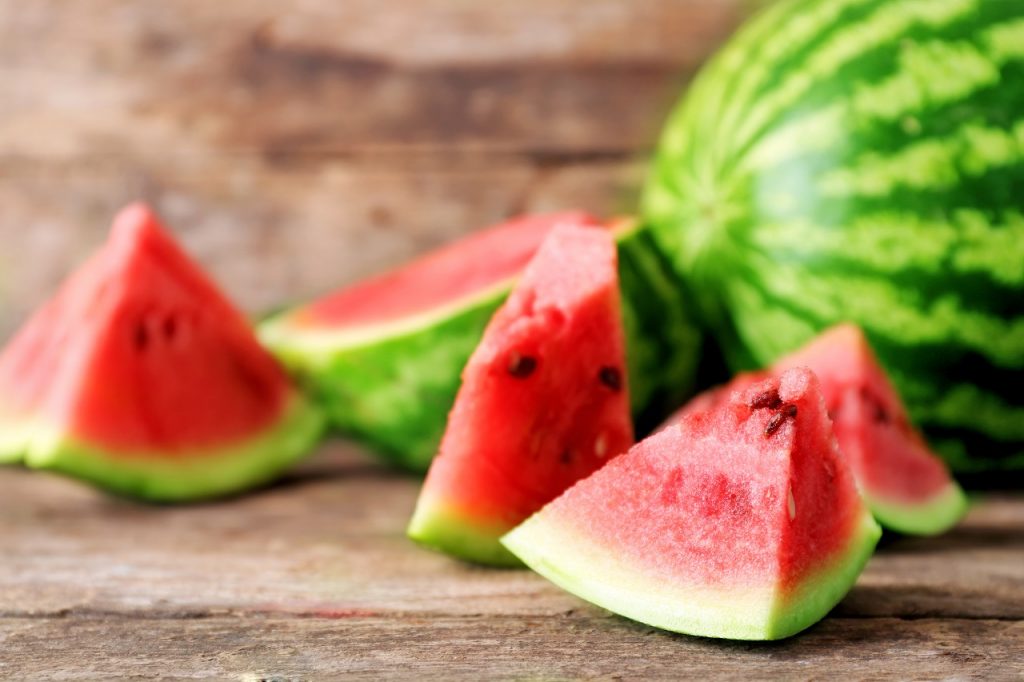
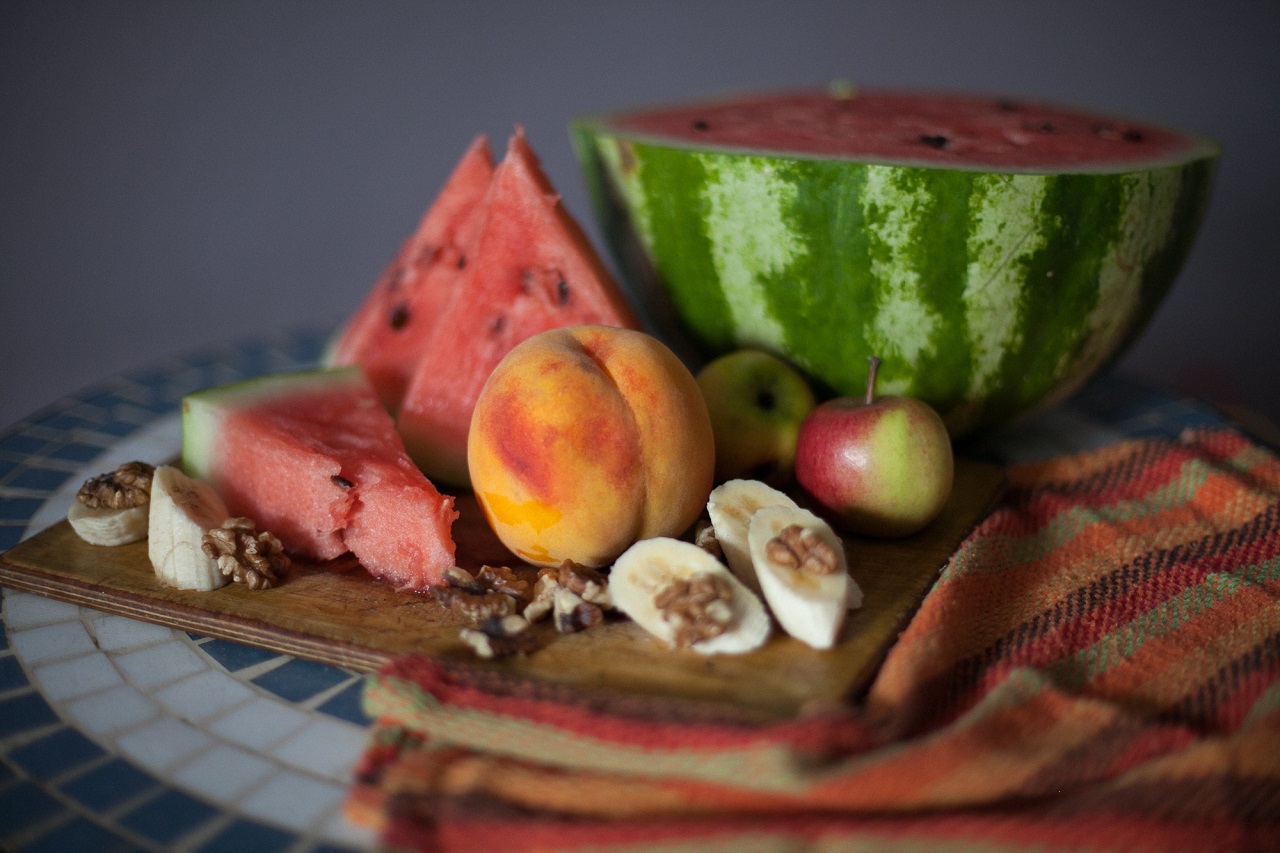
  • Watermelon: When your body needs hydration, watermelon is the fruit to go to! It contains 90% water, is rich in Vitamin A and C. It helps you stay hydrated, protects your heart circulating system and acts against muscle and headaches.
  • Cucumber: acts as a natural body coolant, reducing body heat. It also helps you stay hydrated as it contains 95% water and it is rich in copper, potassium, vitamin B, C, K and Manganese.
  • Onion: One must carry an onion in a pocket to beat the summer heat. Onion acts as a body coolant by helping the body temperature cool down quickly and prevent a heat stroke. It can be consumed raw or added to a salad which can protect you from many diseases and infections. If you face nose bleeding issues during summer, inhale an onion to stop the bleeding.
  • Coconut Water: is loaded with Vitamin A, C and minerals like potassium, calcium, manganese and magnesium. It helps you stay hydrated with these essentials nutrients.
  • Basil Seeds: These small seeds have wonderful cooling effects. It improves hair and skin health and prevents diseases due to its anti-inflammation, antioxidant and antibacterial properties.
  • Yoghurt: strengthens the gut and improves immunity. 2-3 servings of yoghurt or curd can do wonders for your body. To enhance its benefits, add berries to yoghurt or consume either Lassi or buttermilk.
  • Barley Water: with a drop of lemon is an excellent summer coolant. It also cures urinary tract infection. You can either drink this cold or warm to replenish yourself with a good amount of fibre, vitamins and minerals.

Foods to Avoid During Summer

The scorching summer heat affects the digestive system severely. It’s best to avoid certain foods.

  • Junk Foods: can cause indigestion and food poisoning
  • Heaty Foods: Avoid red meats and spices such as nutmeg, chillies, ginger, pepper and cinnamon that generate too much heat
  • Dairy Foods: Skip high fat dairy foods such as cheese or ghee that might upset the stomach. Their high fat content may also result in pimples on the face.
  • Hot Beverages: Avoid tea, coffee and aerated drinks that leave you dehydrated and affect the kidneys.

Incorporate these changes and you’re all geared to beat the heat this Summer! Get more summer tips here or speak to a GOQii Coach by subscribing for Personalised Health Coaching here.

#BeTheForce

May 14, 2023 By Nilakhi Nath 1 Comment

Health Tips For New Moms!

Health Tips For New MomsIt is difficult to describe the feeling of ecstasy that a woman experiences when she learns that she is about to become a mother. While most new mothers would be happy, there are a few new moms who wouldn’t be so sure about this “happy” feeling. No, they aren’t necessarily anti-motherhood or anti-babies, they are going through lot of emotions which includes stress and a lot of changes in their body and their lives. Some of them say it out loud and some don’t, but the challenge remains the same for each of them.
While taking care of the new member of the family, a mother often forgets to take care of herself. Challenges that a new mother usually faces are:

  • Weak Back & Core
  • Incontinence
  • Stress 

How Can New Moms Maintain Good Health 

In this article, we are sharing some basic ways to cope with the most common challenges a new mom faces post delivery.

1. For A Weak Back and Core

Start with the easiest and safest exercise

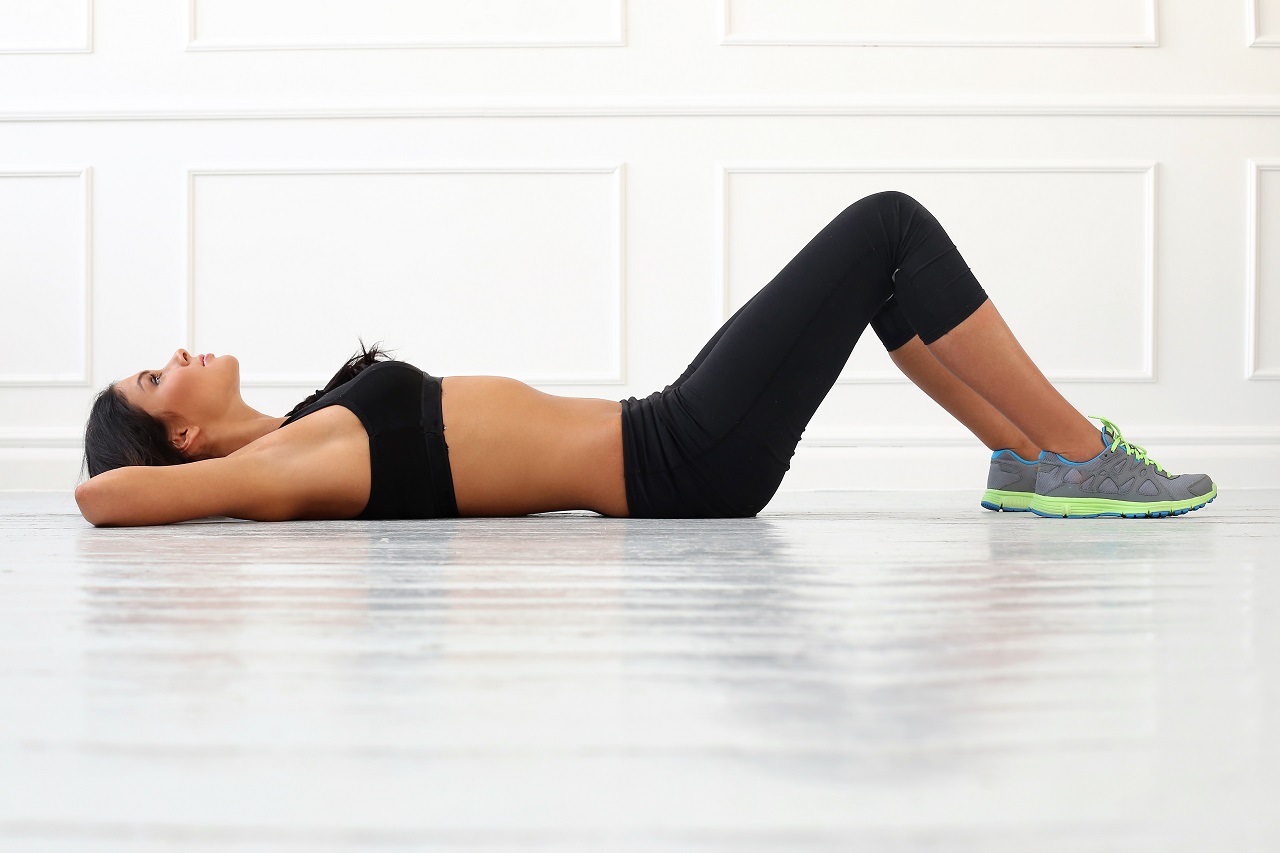
A. Pelvic Tilt

Pelvic Tilt

Lie on the floor or on your bed. Place a pillow under your head. Bend your knees by sliding your feet up towards your bottom. Tighten your pelvic floor and pull in your lower tummy muscles. Hold this for a count of 1-3 and then relax your tummy. Repeat this 10 times. Make sure you are breathing normally, as breathing is the most essential part of any exercise.

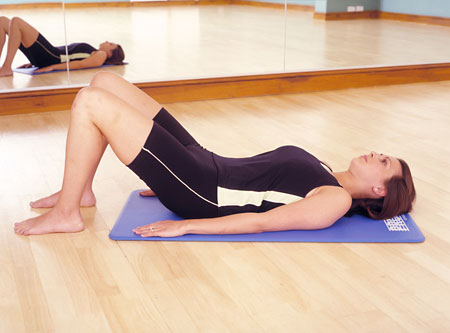
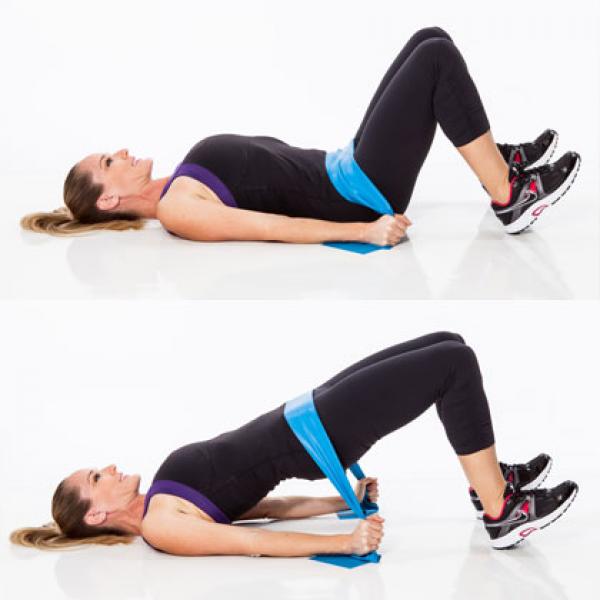
B. Pelvic Bridging
Lie on your back with knees bent and feet flat. Pull in your lower tummy muscles and inhale, then exhale as you tighten your buttocks and lift your hips until your body forms a straight line. Do this 5 times and repeat in 3 sets of 5 reps exercise

Not only does this exercise strengthen your major back muscles but also focuses on your small yet very important core muscles.

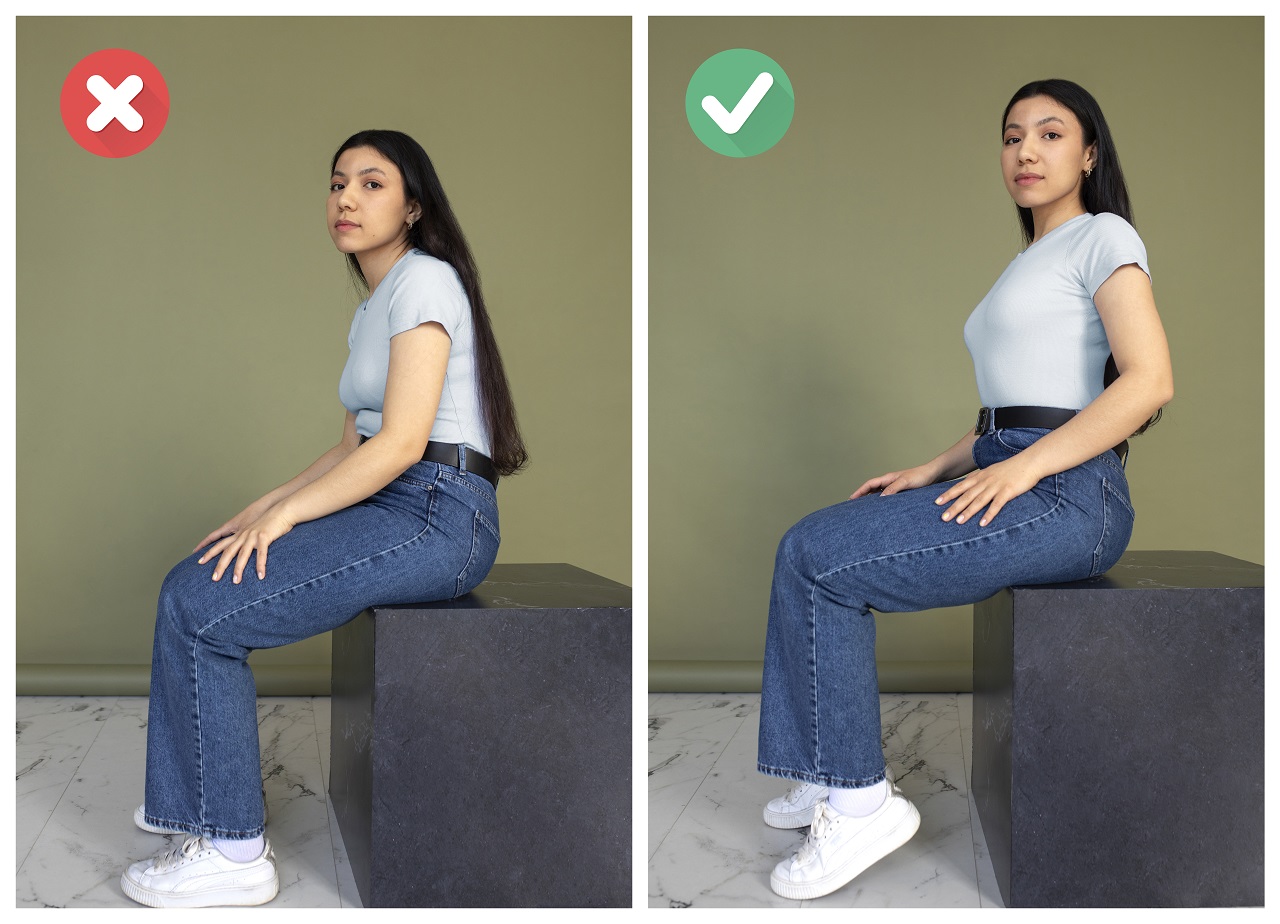
C. Maintain Correct Posture While Sitting

Correct Posture

Posture is an important factor for a new mom and maintaining it is extremely necessary. More often than not, new moms tend to stand, sit or even nurse their babies in an incorrect posture. The right posture is to maintain the arch of the back with the chest and bottom out. Even while nursing the baby, the mother must maintain the correct posture. Back should be supported properly and the baby must be held close to the breast so that the mother doesn’t have to slouch. The mother can keep a pillow under the baby to support her arms while feeding.

2. For Incontinence

Perform the Kegel’s Exercise. If you’re wondering how to do it, you need to first find your pelvic muscles.

How do you find the pelvic muscles?
These are the muscles that form the base of your pelvic floor. The most common way to find them is to try to stop the flow of your urine mid-steam. This tightening is the basic move of a Kegel. Let those muscles go and resume the flow of urine and you’ll have a better sense of where those Kegels are.

Now, let us start the Kegel’s exercise to strengthen your pelvic floor muscles.

You can do this exercise either sitting in a chair or lying on the floor. Make sure your buttock and tummy muscles are relaxed. If you are lying down, then you should be flat on your back with your arms on your sides and your knees up and together. Keep your head down, too, to avoid straining your neck.


pelvic

Squeeze your pelvic floor muscles for 5 seconds. You don’t want to strain those muscles too much by squeezing them for too long. If 5 seconds is too long for you, you can begin by squeezing those muscles for just 2-3 seconds. Repeat it 5 times. You can increase the number of repetitions as per your convenience.

Note: Bladder should be empty while doing the Kegel’s exercise

3. For Stress

Stress during and after pregnancy is inevitable. So, what do you do about it? How do you relieve stress? The best way to tackle stress is to be aware of what causes it. In most common cases, it is because of the sudden change in lifestyle and irregular sleep patterns.

Waking up every now and then to feed the baby can be very tiresome. You may also experience stress based on the changes you see in your appearance. There are many factors that may stress you out. Here are some easy ways to copy with it:

  • Deep Breathing Exercises: When stressed, we tend to do Shallow Over-breathing (taking shorter breaths), this prolongs anxiety and stress by raising the stress hormones in our system. Deep abdominal breathing helps reduce the level of stress hormones in your blood and thus, relaxes the body and mind. Breathe in through nose and let the abdomen rise, hold your breath for 3-4 seconds and slowly exhale through the mouth. Repeat it at least 5-10 times in a quiet environment for maximum relaxation.
  • Talk To Your Spouse: Speak to your partner about the challenges you are facing. Talking to your partner not only involves him in this transition phase you are going through but it also strengthens the relationship between you two by many folds.
  • Take a Nap: Do this every time your baby is asleep. Not only your baby but even you need ample of rest. Your little one is going to keep you awake the whole night. So might as well take a nap whenever possible to catch up on the sleep you have missed. Your body needs rest to repair all the cells and tissues that were worn and torn during the day.
  • Give Yourself Time & Attention: Do what you love the most. Listen to music, read a book, catch up with old friends or just about anything that keeps you happy because only a happy mind can nurture a healthy body and a healthy baby.

There it is! Follow these basic tips to stay healthy as a new mom. If you’re looking for more health tips as a new mom or want to manage the transitions you face during pregnancy, speak to one of our experts by subscribing for GOQii’s Personalised Health Coaching here. You can also read more about coping with Women’s Health Issues here.

If this article helped you, let us know in the comments below!

Happy Mother’s Day

#BeTheForce

May 12, 2023 By Vaishali Vibhute 3 Comments

Benefits Of Eating Watermelon During Summer

watermelon

Summers are incomplete without the red and juicy watermelon. Watermelon is a large, sweet, and refreshingly low calorie fruit. It is grown in a favorable climate from tropical to temperate regions worldwide. Besides cantaloupe, honeydew and cucumber, watermelon is a member of the Cucurbitaceae family. All parts of this fruit are edible.

There are lots of nutrients from the seeds to the white flesh closest to the rind. The rind contains more amino acid citrulline than the flesh. Rind is edible after cooking. Watermelon rinds are often cooked as vegetables in most parts of India. Watermelon seeds are also loaded with nutrients. They are high in protein, fiber, vitamin B and omega 3 fatty acid.

Healthy Reasons To Eat Watermelon 

Each bite contains 92% water and 6% sugar. It’s name makes perfect sense, as it consists mostly of water. So apart from keeping you hydrated, what else does this healthy summer fruit offer? 

  • Rich in nutrients: It is an excellent source of a wide variety of nutrients specially Vitamin A, Vitamin C, Potassium, Dietary Fiber and Antioxidant Compounds.

Nutrients present in 100gm of watermelon are as follows :

Sr.No. Nutrients Units Quantity
1 Energy Cal 30
2 Carbohydrate Gm 7.5 including 6.2 gm sugar
3 Fiber Gm 0.4
4 Magnesium Mg 10
5 Potassium Mg 112
6 Choline Mg 6.3
7 Vitamin A Mcg 27
8 B – carotene Mcg 467
9 Lycopene Mcg 4532
10 Vitamin C Mg 8.3

One ounce i.e 28.5gm of seeds provide around 8gm of protein.

  • It helps you to shed extra kilos: Watermelon is the best fruit to eat if someone is trying to lose weight. It is rich in lycopene. It will increase your body’s Arginine level, an amino acid, which helps burn fat quickly. Due to its low calorie and highwater content, it keeps a person full for a long time and helps promote weight loss.
  • Good for eyes: Lycopene, an antioxidant present in watermelon keeps the eyes healthy and protects against age related macular degeneration (AMD).
  • Keeps your kidney healthy: Watermelon is a natural diuretic. Potassium present in watermelon removes toxic substances from the body and reduces the percentage of uric acid present in the blood.
  • Prevents constipation: It is high in water and a good source of fiber that helps prevent constipation and promotes good bowel movement.
  • Promotes a healthy heart: It is the best source of Citrulline – an amino acid that our body converts to Arginine, an essential amino acid that plays a key role in relaxing blood vessels and helps improve blood flow. It also helps control blood sugar and helps lower blood pressure.
  • Keeps your skin and hair healthy: Watermelon contains vitamin C, which the body needs to produce collagen – a protein that keeps your skin supple and hair strong.
  • Helps in cancer prevention: Being a source of numerous antioxidants and flavonoids, watermelon consumption helps in protecting against certain types of cancer such as colon, breast and lung cancer.
  • Helps with sore muscles: Due to the presence of amino acid, citrulline in watermelon, muscle soreness can be treated. Watermelon may enhance performance and speed of recovery post exercise.
  • Reduce asthmatic attack: An antioxidant lycopene present in watermelon helps reduce asthmatic flares up in both children and adults.
  • Keeps you energetic: Potassium present in watermelon has electrolyte properties that leaves you feeling energetic for a long time.
  • Enhances the immune system: Vitamins and antioxidants present in this fruit, aids the production of RBC (red blood cells) which keep the immune system strong.
  • Good for the brain and nervous system: Being rich in Choline, an antioxidant present in this fruit, helps in learning, memory and brain development.

It is the best cooling fruit to eat during the summer season. Apart from the above benefits, Watermelon also has Vitamin B6 and potassium. Potassium maintains water balance in the body while Vitamin B6 improves immunity. Citrulline prevents muscle cramps. Remember that Juicing breaks down the fiber, making sugar easier to absorb and you may not get the benefit of fiber. People with diabetes should consider eating fresh, whole watermelon rather than drinking the juice.

We hope this article helps you head to the market and pick this amazing fruit now! Find more tips on nutrition and healthy summer eating here or speak to a GOQii Coach by subscribing for Personalised Health Coaching here.  

#BeTheForce 

  • « Previous Page
  • 1
  • …
  • 17
  • 18
  • 19
  • 20
  • 21
  • …
  • 41
  • Next Page »

Search

Recent Posts

  • Best Foods To Alleviate Irritable Bowel Syndrome
  • ALL ABOUT VERTIGO!
  • PCOS and Anxiety: Discover Relief with the 54321 Technique
  • Navigating the Maze of Nutrition: Finding Clarity Amidst Confusion
  • Get children active and keep them healthy

Stay Updated

Archives

  • December 2025 (6)
  • November 2025 (15)
  • October 2025 (20)
  • September 2025 (6)
  • August 2025 (6)
  • July 2025 (12)
  • June 2025 (18)
  • May 2025 (16)
  • April 2025 (23)
  • March 2025 (23)
  • February 2025 (22)
  • January 2025 (26)
  • December 2024 (26)
  • November 2024 (25)
  • October 2024 (22)
  • September 2024 (24)
  • August 2024 (31)
  • July 2024 (21)
  • June 2024 (26)
  • May 2024 (31)
  • April 2024 (27)
  • March 2024 (29)
  • February 2024 (26)
  • January 2024 (25)
  • December 2023 (15)
  • November 2023 (11)
  • October 2023 (22)
  • September 2023 (22)
  • August 2023 (20)
  • July 2023 (22)
  • June 2023 (24)
  • May 2023 (24)
  • April 2023 (24)
  • March 2023 (23)
  • February 2023 (20)
  • January 2023 (16)
  • December 2022 (12)
  • November 2022 (15)
  • October 2022 (15)
  • September 2022 (12)
  • August 2022 (10)
  • July 2022 (17)
  • June 2022 (11)
  • May 2022 (10)
  • April 2022 (6)
  • March 2022 (6)
  • February 2022 (13)
  • January 2022 (12)
  • December 2021 (7)
  • November 2021 (3)
  • October 2021 (6)
  • September 2021 (3)
  • August 2021 (8)
  • July 2021 (7)
  • June 2021 (15)
  • May 2021 (16)
  • April 2021 (10)
  • March 2021 (7)
  • February 2021 (4)
  • January 2021 (4)
  • December 2020 (3)
  • November 2020 (4)
  • October 2020 (10)
  • September 2020 (3)
  • August 2020 (3)
  • July 2020 (2)
  • June 2020 (4)
  • May 2020 (10)
  • April 2020 (12)
  • March 2020 (10)
  • February 2020 (4)
  • January 2020 (4)
  • December 2019 (3)
  • November 2019 (7)
  • October 2019 (5)
  • September 2019 (4)
  • August 2019 (9)
  • July 2019 (9)
  • June 2019 (11)
  • May 2019 (4)
  • April 2019 (9)
  • March 2019 (8)
  • February 2019 (9)
  • January 2019 (8)
  • December 2018 (9)
  • November 2018 (3)
  • October 2018 (3)
  • September 2018 (5)
  • August 2018 (10)
  • July 2018 (6)
  • June 2018 (13)
  • May 2018 (8)
  • April 2018 (18)
  • March 2018 (9)
  • February 2018 (8)
  • January 2018 (15)
  • December 2017 (12)
  • November 2017 (19)
  • October 2017 (13)
  • September 2017 (15)
  • August 2017 (4)
  • July 2017 (8)
  • June 2017 (7)
  • May 2017 (6)
  • April 2017 (8)
  • March 2017 (6)
  • February 2017 (7)
  • January 2017 (9)
  • December 2016 (10)
  • November 2016 (7)
  • October 2016 (7)
  • September 2016 (7)
  • August 2016 (11)
  • July 2016 (9)
  • June 2016 (9)
  • May 2016 (12)
  • April 2016 (17)
  • March 2016 (17)
  • February 2016 (8)
  • January 2016 (6)
  • December 2015 (2)
  • November 2015 (9)
  • October 2015 (7)
  • September 2015 (9)
  • August 2015 (11)
  • July 2015 (9)
  • June 2015 (12)
  • May 2015 (9)
  • April 2015 (13)
  • March 2015 (8)
  • February 2015 (5)
  • January 2015 (12)
  • December 2014 (14)
  • November 2014 (11)
  • October 2014 (6)
  • September 2014 (13)
  • August 2014 (12)
  • July 2014 (6)
  • June 2014 (2)
  • May 2014 (7)
  • April 2014 (5)

From “Laddu Nawin” to Fit and Fierce: How a 25-Year-Old Insurance Advisor Shed 20 Kilos and Gained His Life Back

When 25-year-old Nawin Yadav from Hyderabad walked into his office every morning, he carried more than just his files and policy papers. He had the weight of fatigue, sluggish energy, and an ever-growing belly that was becoming the butt of jokes. “People … [Read More...]

“I’ve Challenged Myself to Live 100 Years” – The Story of Chandubhai Savani’s Second Chance at Life

At 67, most people start slowing down. Not Chandubhai Savani. A resident of Surat, Chandubhai, thought life was on track. “My life was going well till I had my bypass surgery,” he says. That surgery, back in 2021, was a wake-up call.  Medication was routine, but exercise wasn’t. His diet? What he calls ‘normal.’ “I […]

From Shimla’s Slopes to Chandigarh’s Sidewalks: Surinder Kaur Bhalla’s Journey from Chaos to Control

Some journeys start with a plan. Others begin with a stumble literally. Surinder Bhalla, a government professional, born and raised in the scenic hill town of Shimla, had always lived a life of movement. “In Shimla, you walked everywhere,” she reflects. “Walking was never an exercise. It was just life.” But after shifting to Chandigarh, […]

Ananda Mukherjee Health Story

From Terminal Illness To Complete Wellness! Ananda Mukherjee Health Story

As we observe World Cancer Day under the powerful theme ‘United by Unique’ (2025-2027)**, we are reminded that every individual’s journey with cancer is distinct, yet united by shared resilience, hope, and the collective fight against this disease. This theme places people at the centre of care and their stories at the heart of the […]

  • HOME
  • HEALTHY LIVING
  • FITNESS
  • HEALTHY RECIPES
  • USER STORIES
  • KARMA
  • BUY GOQii

Copyright ©2016 GOQii