GOQii

Blog

  • HOME
  • HEALTHY LIVING
  • FITNESS
  • HEALTHY RECIPES
  • USER STORIES
  • KARMA
  • BUY GOQii

Search Results for: food

May 10, 2024 By Neesah Patel Leave a Comment

Top 5 Superfoods You Need to Start Eating Today!

top superfoods

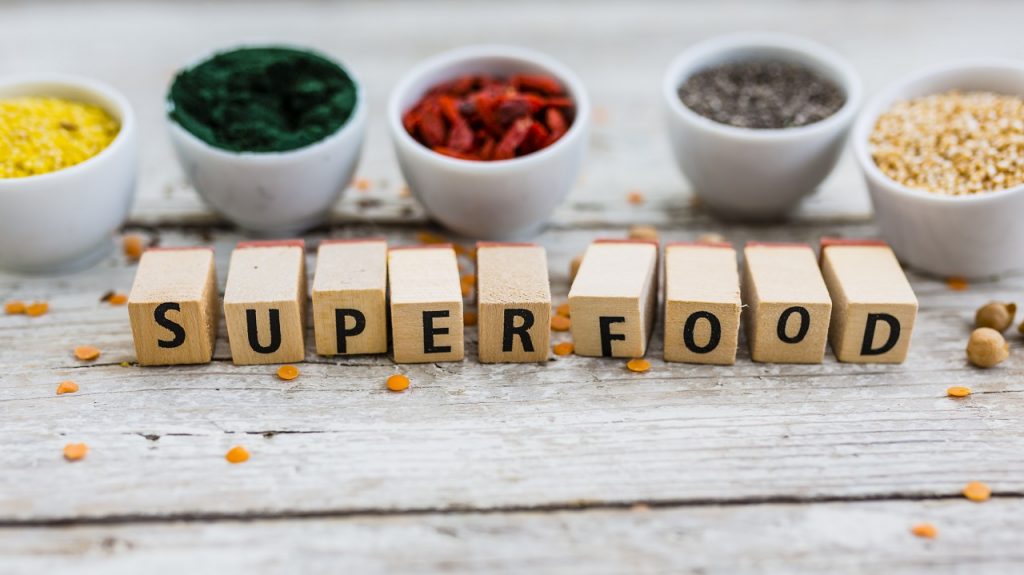
If you check from a nutritional perspective, there is no such thing as superfoods. While this was a term used for marketing purposes to influence food trends, there is no denying the positive effects that some of these foods have on the body. The term “superfoods” is used to describe a food that is rich in a particular nutrient or other bioactive substances. Superfoods are steadily joining the wagon in India due to their numerous health benefits.

Here are 5 foods that may be worthy of the esteemed superfood title.

1. Indian Gooseberry (Amla)

It has a sour, astringent taste and sweet aftertaste. It is one of the richest sources of vitamin C (approx. 600-700mg per fruit). Along with antioxidants and immunity-boosting properties, it also has anti-ageing, anti-cancer, anti-diabetes properties and it also reduces menstrual discomfort. It is rich in pectin, a dietary fibre that regulates bowel movement and also treats scurvy. Amla powder is used in many hair tonics as it enriches hair growth, maintains hair colour, and improves lustre. It is also available in various other forms such as powder, juice, oil, tablet and spice. Click here to know more about the Indian Gooseberry!

2. Fenugreek Seeds

As demonstrated in various studies Fenugreek is rich in fibre and protein. Due to its valuable bioactive components, it has an anti-diabetic effect, it is loaded with antioxidants, and it is anti-carcinogenic, hypo-glycemic and has a cholesterol-lowering effect as well. It reduces weight and obesity, treats constipation and also acts as a Galactagogue i.e. it improves milk production in breastfeeding mothers. Fenugreek should be included in our daily diet. It can be used while cooking curries, vegetables, dals, and parathas, etc.

3. Garlic

The health benefits of garlic are numerous. These include anti-cancer, antibiotic, anti-hypertensive and cholesterol-lowering properties. It is also anti-diabetic, antioxidant, antimicrobial, immunomodulatory, anti-asthmatic. Garlic needs to be peeled, chopped or crushed and then consumed to activate its main component. It is also a source of prebiotics. Studies indicate that eating 2 cloves of garlic lowers cardiovascular disease risk. To know more about the benefits of Garlic, click here!

4. Green Banana Flour

It is made by drying unripe green bananas and grinding them into a fine powder. It has a mild nutty taste and has resistant starch which is undigested, thus beneficial for colon health and also aids digestion. It is gluten-free and can be substituted for wheat flour. It is ideal for weight watchers as it keeps the tummy full for a longer time. This prevents binge eating. As green banana is low in sugars, it is also diabetic friendly. It contains numerous vitamins and minerals.

5. Moringa / Drumstick

A highly overpriced superfood in the west, it grows abundantly in India. It is used mostly in sambhars, curries and cooked vegetables, both in rural and urban areas. WHO (World Health Organization) promotes this as an alternative food source to treat malnutrition. Moringa leaves are rich in minerals such as calcium, potassium, zinc, magnesium, iron and copper. Thus, it helps in treating anemia and boosts immunity. A single serving of Moringa contains about 3x the iron of spinach. Iron is essential to enriching the blood, energy and oxygen in our muscles and organs. It also works as a Galactagogue i.e. helps in inducing milk. It is highly recommended for pregnant women. 1 tsp of Moringa powder added to water or the leaves cooked into a vegetable or the drumsticks inner pulp consumed, can begin the process of adding health and nutrition to your life and everyone around.

These easily available superfoods can add to your health and well-being! Do consult your doctor before trying any of these foods to avoid allergic reactions, especially if pregnant.

We hope this article helps you! Leave your thoughts in the comments below! For more informative articles such as this, check out Healthy Reads or you can get this information directly from a GOQii Coach by subscribing for Personalised Health Coaching here.

#BeTheForce
April 27, 2024 By Swati Savla 1 Comment

Top Foods to Increase Hemoglobin Naturally

hemoglobin

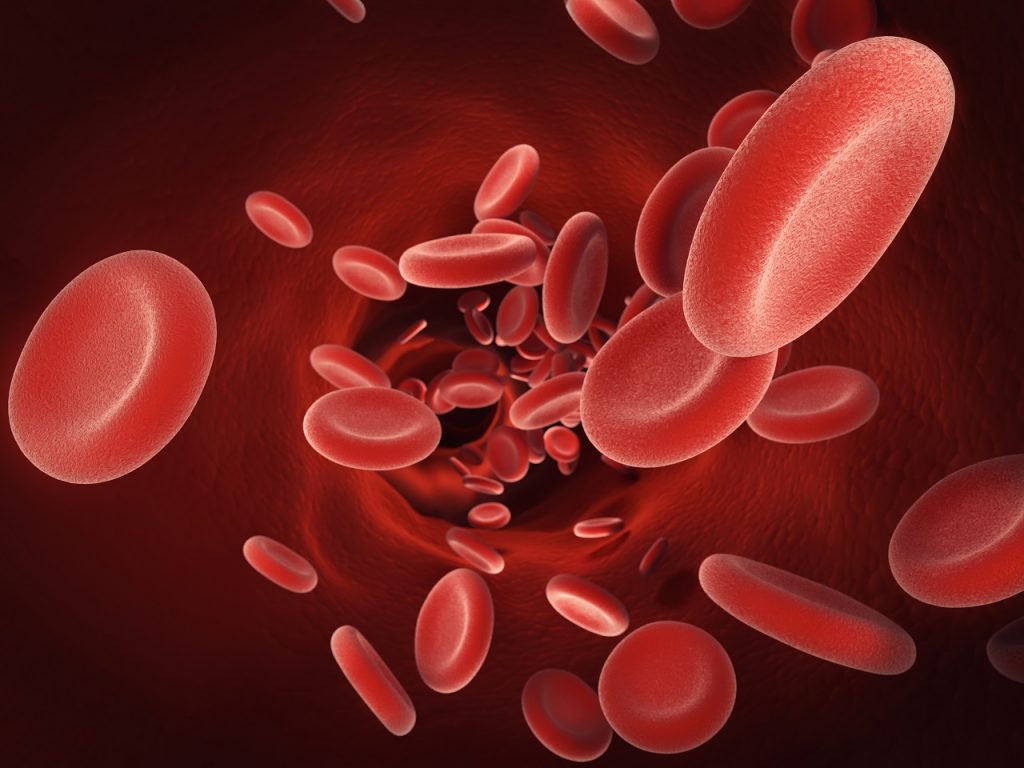
Hemoglobin and Iron are two terms that go hand in hand and there’s a simple understanding behind this. 70% of the body’s iron is found in hemoglobin and myoglobin. Hemoglobin is the red colored pigment present in red blood cells which carries oxygen from the lungs to the rest of our body. This released oxygen then permits aerobic respiration to provide energy to power the functions of our body in the process called metabolism. 

That’s not where it’s role ends. It is also a part of other cells which are found in some major organs like lungs, kidneys and the skin. Here, it’s function is that of an antioxidant and regulator of iron metabolism. Finally, it also transports carbon dioxide out of the cells and back to the lungs to be blown out of our body. The expected normal range of Hemoglobin in men is above 13 gm/dL and women is above 12 gm/dL, typically which is not difficult to maintain but still is of major concern if goes below the desired levels, creating a condition called Anemia.

Lack of Folate or B-12, blood loss post surgery, heavy menstrual bleeding or internal bleeding due to ulcers or even inadequate intake are some possible causes of low Hemoglobin levels. All of this explains our symptoms of Anemia like exhaustion, skin paleness, headache to abnormal or rapid heartbeat and chest pain. We’ve read and heard of varied iron supplements which can be taken to replenish extremely low Hemoglobin levels but eating the right kind of foods in the correct combinations can help increase hemoglobin naturally and quickly also. 

What Can You Eat to Increase Hemoglobin? 

When thinking about Hemoglobin, the 1st mineral coming to our mind is Iron but here’s the catch – Iron alone cannot increase your Hb. It has to be in combination with Folate or Vit B12 (depending on the deficiency) and Vit. A & C which act as carriers for it’s better absorption. Combining all the above elements finally gives us this list of foods which can help increase hemoglobin naturally. 

  1. Foods like Shellfish, Sardines, Tuna, Mackerel, Eggs and Meat are high on Heme Iron which is easily absorbed in the body and do not require carriers.
  2. Plant foods like Spinach, Kale, Broccoli, Beetroot, Pumpkin Seeds, and legumes like Soybeans, Chickpeas, Peas, etc. can help as well. 
  3. Vit. A & C rich foods like Tomatoes, Carrots, Lemon, Red Peppers, Oranges, Pomegranates, etc. should be used in combination with above mentioned foods.
  4. Fortified cereals also help as they are high in Folate.

While some elements are carriers, some can act as an hindrance. Phytic acid and Calcium are 2 such elements which make Iron absorption harder. Hence, avoid taking Calcium supplements or very high calcium rich foods along with Iron rich foods or supplements. Before making any changes to your diet, do consult a doctor, nutritionist or your dietitian. 

We hope this article to increase hemoglobin naturally helps you. Do leave your thoughts in the comments below! For more useful information on Hemoglobin and other health-related queries, check out Healthy Reads or speak to a certified expert by subscribing to GOQii’s Personalised Health Coaching here.

#BeTheForce 
April 22, 2024 By Arooshi Garg 2 Comments

Plastics in food and its health hazards

feature_food_packaging_mainHave you ever given a thought to all the plastic in your home/kitchen? What could be the reason for alarming concern over usage of plastics in storing/serving/eating food?
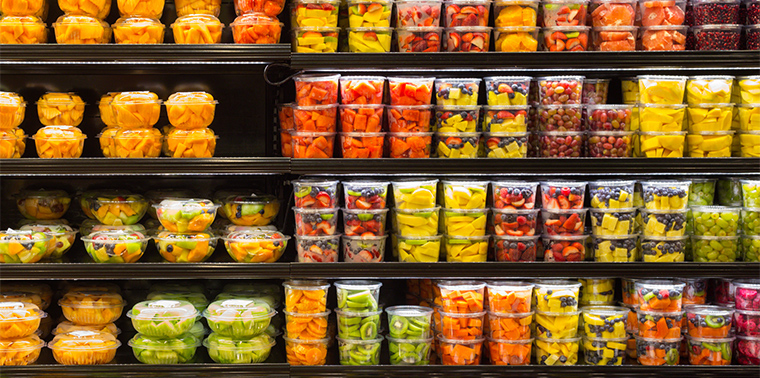
You probably have an entire cupboard full of stuff, including reusable plastic containers that you use to store and reheat leftovers. After all, plastics are handy, lightweight, they store easily, and they’re cheap. We have been enslaved to plastic usage for the last few decades, and it is a useful material with many important uses. But, food storage, reheating, and serving is not among these uses. To reduce the risk that plastic chemicals will leach into food avoid cooking, eating, storing in plastic containers, even if the label says ‘microwave safe,’ or ‘oven safe’.

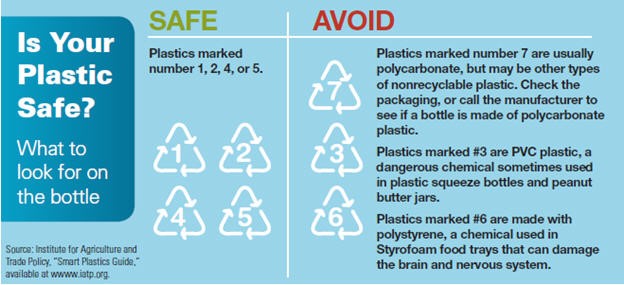
When it comes to plastic food containers, some are safer than others. You can tell what kind of plastic you have by looking at the ‘resin identification number’ located in a triangle on the product (check details in pic). Note that the triangle by itself does not mean that the plastic is recyclable. You need to look at the number in the triangle and check whether that plastic grade is safe for using or not.

  plastics in food

What is PLASTIC?

There’s no single substance called ‘plastic’. That term covers many materials made from an array of organic and inorganic compounds. Substances are often added to plastic to help shape or stabilize it. Two of these plasticizers are:

Bisphenol-A (BPA), added to make clear, hard plastic

Phthalates added to make plastic soft and flexible

BPA and phthalates are believed to be Endocrine disrupters. These are substances that mimic human hormones, and not for the good. When food is wrapped in plastic or placed in a plastic container and microwaved, BPA and phthalates may leak into the food. Any migration is likely to be greater with fatty foods such as meats and oils than with other foods. Whenever hot food or liquid is packed in a plastic bag there is an exchange of toxic chemicals into the food. Many restaurants, small food kiosks, food delivery systems still use plastic boxes, covers and cups unsuited for keeping food as it may lead to food poisoning. These should be avoided at all costs.

The toxins and chemicals that leach from plastics into our food have shown to mimic hormones and cause diseases like – hormonal imbalances, infertility, early onset of diabetes, hypertension, cancers, especially breast cancer. Thus, it’s important to try to make reasonable efforts to replace plastic in our kitchens.

As we know plastic does not last forever. The more it’s heated and cooled, the more the chemicals in that container begin to break down. And when they start to break down, they break down into the food inside. As a result, detrimental and expensive health issues can arise.

fast-food-74324_640

Realistically speaking, eating hot food from a plastic bag one time will probably have no effect on a person’s health, but those who make a habit out of it may be putting themselves at risk. There is no set rule on how many times a person can eat food that has touched hot plastic without getting sick. The safest solution is to avoid eating this food whenever possible. The price of a ceramic/steel plate may higher than that of a plastic plate, but compared to the long-term financial and emotional costs associated with conditions like diabetes and infertility, it’s a small price to pay.

How to Create a Safer Kitchen

It’s almost impossible to have a 100% plastic-free kitchen. It wraps our bread, it stores our oils, bread, groceries, packaged foods etc. After all, plastic is everywhere. But we can surely try to remove it from wherever possible!

However, there are steps you can take to create a safer, plastic-free kitchen.

  1. If you do use plastic, never heat it – When plastic is heated, it leaches chemicals 55 times faster than normal. So, never ever heat food in a plastic container in the microwave, or pour hot food (especially liquid) into a plastic container. Even if it says “microwave safe” on it, it’s still going to leach chemicals. Microwave Safe simply means the container won’t warp in the heat. Also for baby foods/milk – always use designated glass bottles/steel containers for storing food/feeding the baby.

If you still plan to use plastic, stick to numbers 1, 2, 4, and 5. Those are safest.

  1. Use glass or stainless steel containers – The best step you can take to cut down on your use of plastic is to recycle all the plastic storage containers you have and use glass or stainless steel instead.
  2. Buy Fresh foods – BPA is in the lining of almost all canned food because it helps prevent corrosion and food contamination. Whenever you can, buy fresh or frozen food rather than canned food. For us Indians, most of the canned food consumption is limited to Cherries, Pineapple, Corn, Condensed Milk and some other stuff. Always try to buy fresh fruit/veggies over can stuff.
  3. Use a stainless steel water bottle/glass jars – Many plastic bottles available are not safe to use. Always check for the mark under the bottle and see if it is safe for storing water on a daily basis. If you can best avoid using plastic bottles and stick to stainless steel bottles available in various sizes. For storing water in fridges – good quality glass bottles or jugs can be used.

Only bottles specifically made to be reused should be refilled. Wear and tear on the bottle can form cracks that could harbour bacteria. An additional concern is that harmful chemicals can leach out of single-use plastic bottles and into your drinking water.

  1. Also leaving water bottles in cars for extended periods of time can raise the BPA levels. Do not drink bottled water that has been left in a car. The heat reacts with the chemicals in the plastic of the bottle which releases dioxin into the water. Dioxin is a toxin increasingly found in breast cancer tissue. So please be careful and do not drink bottled water that has been left in a car. Use glass, stainless steel, and copper bottles for storing and carrying water.
  2. Ditch the plastic wrap/cling film – Do you know the plastic that wraps your paneer, meats, cakes, bread and other bakery stuff equally harmful? Avoid that and instead, ask your bakery stuff to be wrapped in food wrapping paper.
  3. Plastic tiffin boxes – If possible do check the plastic grade of boxes, containers that you use to store/put hot food into. Replace all plastic tiffin boxes with the good old time stainless steel tiffins for kids, for adults as well. Also for adults, a lot of Borosil/glass tiffins are available. To prevent the glass from breaking they have good silicone/foam coverings!

Tupperware/Silicone and similar plastics

While the vast majority of Tupperware products are considered safe, for example, some of its food storage containers use polycarbonate (plastic #7), which has been shown to leach the harmful hormone-disrupting chemical Bisphenol A (BPA) into food items after repeated uses.

However, as a safety precaution: Don’t ever heat, or microwave food in plastic or Tupperware, don’t even pour hot liquid. Wear, tear and repeated washings may lead harmful chemicals leaching into the food.

Silicone: Silicone, a synthetic rubber made of bonded silicon. Food-grade silicone is a non-toxic polymer mostly made from silica (sand). It can withstand heating and freezing without leaching or off-gassing, hazardous chemicals – unlike plastics, which contaminate food in these environments.

According to food regulatory authorities, silicone appears to be safe. It is an inert material – nothing used in its manufacture will leach into foods. Also, Silicone bakeware is tolerant of both heat and cold. However, reports of dyes or silicone oil oozing out of overheated silicone cookware keep on coming on internet posts, as do reports of odours lingering after repeated washings. So while most of us will probably not have a problem with silicone cookware, those with chemical sensitivities might want to stay away until more definitive research has been conducted. In the meantime, cast iron and stainless steel cookware remain top choices for those concerned about harmful elements leaching into their cooked foods.

All this information will help you make better choices for storing, serving and cooking food and replacing plastics from our kitchens and our lives! Implement the suggested alternatives and safety measures to create a healthier environment in your kitchen. For further information or guidance, reach out to our certified experts by subscribing to GOQii’s Personalised Health Coaching here.

#BeTheForce

April 1, 2024 By Madhu Soni Leave a Comment

6 Foods That Help Reduce Acid Reflux

reduce acid refluxEver felt that burning sensation in your chest after a big meal or when you eat after a long gap? That feeling is known as acid reflux. Acid reflux is a condition where the acid content of the stomach flows up to the esophagus and pushes the food out from the mouth.



This is often called a heartburn but has nothing to do with the heart. One of the major reasons for this condition is a weak lower esophageal sphincter – which acts like a valve to prevent the food in the stomach from going back to the food pipe. Besides this, other factors contributing are excessive caffeine intakes, erratic meal patterns, eating in large portions, excessive junk food, sleeping immediately after meals and obesity, etc.

How Can You Reduce Acid Reflux?

Modifying our diet is the easiest way to reduce acid reflux. Try these simple and easily available foods from your kitchen to get some relief.

1. Fruits
Alkaline food will help to reduce the backflow of acid and fruits are the best example. Fruits like bananas, watermelon, pomegranate and cantaloupe help to neutralize the acid content and numb the effects of reflux. Banana is a natural antacid. The high fiber content of fruits helps to improve the digestion and ward off indigestion.

2. Herbal tea
Herbal tea with ginger, licorice, mint and Tulsi [Holy Basil] helps to curb acidity. Ginger has anti inflammatory properties and along with Mint leaves, stimulates the digestive system to produce more bile for better digestion. Ginger has the capability to destroy the acidity triggering pylori bacteria. Licorice is said to increase the mucus lining on the esophagus and thus have a calm effect on the stomach. Tulsi leaves are a natural cure for acidity and burning sensation in the stomach.

3. Curd & Buttermilk
Curd is a probiotic which help in digestion and has a soothing effect on the stomach. It keeps discomfort at bay. Being a good source of protein it helps digest the food and boost the immune system.

Cold buttermilk is a good antidote for acidity. The good bacteria in buttermilk helps in digesting the food well and prevents bloating and gas formation which eventually leads to acid reflux. Adding a pinch of jeera powder and pepper makes it more beneficial.

4. Coconut Water
One of the lesser known reasons for acid reflux is less intake of water. Sipping on coconut water is a great way to stay hydrated. Coconut water is rich in potassium which regulates the pH balance crucial for acid reflux. Having coconut water daily helps to reduce bloating drastically.

5. Aloe Vera
The antibacterial compounds of Aloe Vera fight the bad bacteria in the digestive system which cause bloating and belching. The bad bacteria present not only weaken the digestive system but also reduces the digestion ability of the body. Aloe Vera juice and gels work very well on acid reflux condition. Aloe Vera soft gel and powder can also be tried.

6. Lemon Water
Although lemons are acidic in nature, they have an alkaline effect on the stomach and help in neutralizing the acid and thus reduce acid reflux. For better results, replace the sugar with rock salt in the lemon water and feel instant relief. Lemons are rich in Vitamin C, which help fight infection and boost immunity.

Was this article helpful? Do you have your own home remedy? Want to know more? Drop us your thoughts and queries in the comments below!

For more tips on how to reduce acid reflux, check out Healthy Reads or ask a GOQii Coach by subscribing for Personalised Health Coaching here.

#BeTheForce 

  • « Previous Page
  • 1
  • …
  • 7
  • 8
  • 9
  • 10
  • 11
  • …
  • 245
  • Next Page »

Search

Recent Posts

  • Water Intake Pre, During and Post Workout
  • India Leads in Longevity: GOQii Sanjeevini Named Top 40 in $101M XPRIZE
  • The Importance Of Knowing If You’re Thirsty Or Hungry
  • Best Foods To Alleviate Irritable Bowel Syndrome
  • ALL ABOUT VERTIGO!

Stay Updated

Archives

  • December 2025 (9)
  • November 2025 (15)
  • October 2025 (20)
  • September 2025 (6)
  • August 2025 (6)
  • July 2025 (12)
  • June 2025 (18)
  • May 2025 (16)
  • April 2025 (23)
  • March 2025 (23)
  • February 2025 (22)
  • January 2025 (26)
  • December 2024 (26)
  • November 2024 (25)
  • October 2024 (22)
  • September 2024 (24)
  • August 2024 (31)
  • July 2024 (21)
  • June 2024 (26)
  • May 2024 (31)
  • April 2024 (27)
  • March 2024 (29)
  • February 2024 (26)
  • January 2024 (25)
  • December 2023 (15)
  • November 2023 (11)
  • October 2023 (20)
  • September 2023 (22)
  • August 2023 (20)
  • July 2023 (22)
  • June 2023 (24)
  • May 2023 (24)
  • April 2023 (24)
  • March 2023 (23)
  • February 2023 (20)
  • January 2023 (16)
  • December 2022 (12)
  • November 2022 (15)
  • October 2022 (15)
  • September 2022 (12)
  • August 2022 (10)
  • July 2022 (17)
  • June 2022 (11)
  • May 2022 (10)
  • April 2022 (6)
  • March 2022 (6)
  • February 2022 (13)
  • January 2022 (12)
  • December 2021 (7)
  • November 2021 (3)
  • October 2021 (6)
  • September 2021 (3)
  • August 2021 (8)
  • July 2021 (7)
  • June 2021 (15)
  • May 2021 (16)
  • April 2021 (10)
  • March 2021 (7)
  • February 2021 (4)
  • January 2021 (4)
  • December 2020 (3)
  • November 2020 (4)
  • October 2020 (10)
  • September 2020 (3)
  • August 2020 (3)
  • July 2020 (2)
  • June 2020 (4)
  • May 2020 (10)
  • April 2020 (12)
  • March 2020 (10)
  • February 2020 (4)
  • January 2020 (4)
  • December 2019 (3)
  • November 2019 (7)
  • October 2019 (5)
  • September 2019 (4)
  • August 2019 (9)
  • July 2019 (9)
  • June 2019 (11)
  • May 2019 (4)
  • April 2019 (9)
  • March 2019 (8)
  • February 2019 (9)
  • January 2019 (8)
  • December 2018 (9)
  • November 2018 (3)
  • October 2018 (3)
  • September 2018 (5)
  • August 2018 (10)
  • July 2018 (6)
  • June 2018 (13)
  • May 2018 (8)
  • April 2018 (18)
  • March 2018 (9)
  • February 2018 (8)
  • January 2018 (15)
  • December 2017 (12)
  • November 2017 (19)
  • October 2017 (13)
  • September 2017 (15)
  • August 2017 (4)
  • July 2017 (8)
  • June 2017 (7)
  • May 2017 (6)
  • April 2017 (8)
  • March 2017 (6)
  • February 2017 (7)
  • January 2017 (9)
  • December 2016 (10)
  • November 2016 (7)
  • October 2016 (7)
  • September 2016 (7)
  • August 2016 (11)
  • July 2016 (9)
  • June 2016 (9)
  • May 2016 (12)
  • April 2016 (17)
  • March 2016 (17)
  • February 2016 (8)
  • January 2016 (6)
  • December 2015 (2)
  • November 2015 (9)
  • October 2015 (7)
  • September 2015 (9)
  • August 2015 (11)
  • July 2015 (9)
  • June 2015 (12)
  • May 2015 (9)
  • April 2015 (13)
  • March 2015 (8)
  • February 2015 (5)
  • January 2015 (12)
  • December 2014 (14)
  • November 2014 (11)
  • October 2014 (6)
  • September 2014 (13)
  • August 2014 (12)
  • July 2014 (6)
  • June 2014 (2)
  • May 2014 (7)
  • April 2014 (5)

From “Laddu Nawin” to Fit and Fierce: How a 25-Year-Old Insurance Advisor Shed 20 Kilos and Gained His Life Back

When 25-year-old Nawin Yadav from Hyderabad walked into his office every morning, he carried more than just his files and policy papers. He had the weight of fatigue, sluggish energy, and an ever-growing belly that was becoming the butt of jokes. “People … [Read More...]

“I’ve Challenged Myself to Live 100 Years” – The Story of Chandubhai Savani’s Second Chance at Life

At 67, most people start slowing down. Not Chandubhai Savani. A resident of Surat, Chandubhai, thought life was on track. “My life was going well till I had my bypass surgery,” he says. That surgery, back in 2021, was a wake-up call.  Medication was routine, but exercise wasn’t. His diet? What he calls ‘normal.’ “I […]

From Shimla’s Slopes to Chandigarh’s Sidewalks: Surinder Kaur Bhalla’s Journey from Chaos to Control

Some journeys start with a plan. Others begin with a stumble literally. Surinder Bhalla, a government professional, born and raised in the scenic hill town of Shimla, had always lived a life of movement. “In Shimla, you walked everywhere,” she reflects. “Walking was never an exercise. It was just life.” But after shifting to Chandigarh, […]

Ananda Mukherjee Health Story

From Terminal Illness To Complete Wellness! Ananda Mukherjee Health Story

As we observe World Cancer Day under the powerful theme ‘United by Unique’ (2025-2027)**, we are reminded that every individual’s journey with cancer is distinct, yet united by shared resilience, hope, and the collective fight against this disease. This theme places people at the centre of care and their stories at the heart of the […]

  • HOME
  • HEALTHY LIVING
  • FITNESS
  • HEALTHY RECIPES
  • USER STORIES
  • KARMA
  • BUY GOQii

Copyright ©2016 GOQii
