
GOQii

Blog

  • HOME
  • HEALTHY LIVING
  • FITNESS
  • HEALTHY RECIPES
  • USER STORIES
  • KARMA
  • BUY GOQii

Search Results for: food

August 7, 2015 By Tasneem Jawadwala Leave a Comment

A Human’s first food-Breast Milk

breast-milk

August 1-7th is considered “World Breast Feeding Week”. On this occasion we emphasize the value of breastfeeding for mothers as well as children.  I take this opportunity of celebrating breastfeeding week by bringing you a blog on Breast Milk and how it is an important nutrient for a Child..

We have often thought about what we should eat and what we should avoid but has this thought crossed our mind when we were born? The first 1000 days of a human is the milestone that decides his or her lifelong health. This journey starts from the mother’s womb (day of conception) and continues till the 2nd birthday.

Well, as I believe, our life is a gift from God. He’s the creator and he creates everything perfectly. The same way, in the womb he protects the child from the environment and provides nutrition from the mother’s stores. When he enters the world, his food comes in the world with him. But do we make its best use?

Yes, let me tell you what we should feed a newborn so that he may not have to face any health issues in his future.

As you may be aware the first food normally given to an infant is breast milk. However, during the first few days after child birth a thick, sticky yellowish fluid is secreted from the breast. This fluid is called colostrum. Breast milk is secreted from the third or fifth day onwards.

Colustrum is the most nutritious and balanced food which the baby needs. In addition to containing all the vitamins and nutrients your baby needs in the first six months of life, breast milk is packed with disease-fighting substances that protect your baby from illness. It is often referred to as the first immunization that a child receives from the mother. Unfortunately, some families still welcome their child with jaggery, sweets or even tea.

Most of the mothers usually complain that their child doesn’t seem satisfied with the content of milk and therefore keeps crying.

But that’s not true. Your child is crying because of the new environment which he or she has to get adjusted to. If your child is crying a lot then keep him close to your breast to maintain skin contact with the child. Science says that the skin of the mother has the same temperature as it was in the womb therefore the newborn feels comfortable in the mother’s arms.

A mother should feed her child solely on breast milk up till 6 months, till the digestive tract of the infant is totally developed to digest other foods. She can continue feeding till 2 years, however other complimentary food is necessary to start at the age of 6 months.

The benefits of breastfeeding are numerous, for the child as well as the mother.

Benefits of breast feeding on the child:

  1. Well absorbed and digestible, appropriate nutrients for growth and development
  2. Rich in taurine which helps in retinal development
  3. Rich in polyunsaturated essential fatty acids which helps in brain

Development

  1. Better bioavailability of iron and calcium
  2. Protects against infection due to presence of immunoglobulins and

lymphocytes

  1. Prevents allergies in infancy and later life
  2. Associated with higher intelligence
  3. Promotes emotional bonding
  4. Lesser incidence of heart disease, diabetes and lymphoma as an adult

Benefits of breast feeding on the mother:

  1. Helps in involution of uterus
  2. Delays pregnancy
  3. Decreases mother’s workload, saves time and energy
  4. Lowers risk of breast and ovarian cancer
  5. Helps to get back in shape faster
  6. Emotional bonding with the child.

Lastly, I believe that 90% of women are capable of breast feeding. However if there is some unfortunate incident then a child should be given formula milk that is most similar to breast milk, or could also purchase breast milk from breast milk banks.( it’s an excellent upcoming concept).
June 15, 2015 By Payal Choudhury 3 Comments

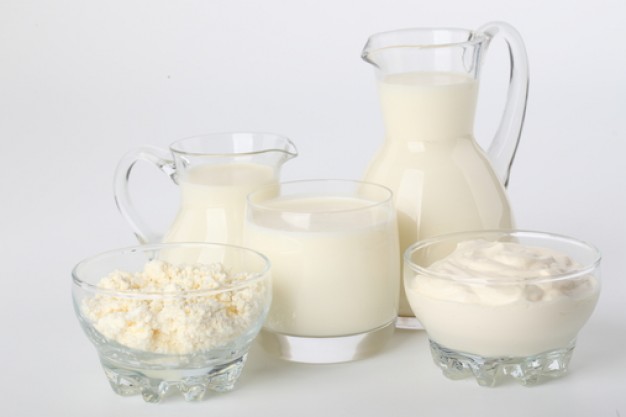
A “ Delight Touch- Dairy foods”


Diary Products

“Milk”, just the word itself sounds comforting!

The entire world of food and especially that of milk is surrounded with emotional and cultural importance. Milk was our very first food. Now, we are a nation of milk drinkers with nearly all of us, infants, the adolescents, adults and even the aged have at least a glass of milk daily.

Milk is often regarded as being nature’s most complete food. It earns this reputation by providing many of the nutrients which are essential for the growth of the human body. Being an excellent source of protein and having an abundance of vitamins and minerals, particularly calcium, milk can make a positive contribution to one’s health as a whole.

Healthy eating is a top priority for many individuals. People eat food, not nutrients – however the combination and amount of nutrients in the foods we eat can greatly affect our health. A healthy, balanced diet is essential in optimising health and reducing the risk of disease.

ROLE OF DAIRY PRODUCTS:

Making simple alterations to our diet and lifestyle can impact our bodies greatly and our long term health.

A healthy, balanced diet or as we call the ‘Food Guide Pyramid’ is made up of five main food groups and milk and dairy foods are one of these.

Dairy is the term used to describe milk-based or milk-related products. The dairy foods milk, cheese and yogurt are a natural source of nutrients such as protein and calcium and they provide a quick and easy way of supplying these nutrients to the diet within relatively few calories.

Incorporating milk, cheese and yogurt into our daily diet can contribute greatly to our nutritional intake and status.

Milk, cheese and yogurt provide the following beneficial nutrients in varying quantities

Calcium – for healthy bones and teeth

Phosphorous – for energy release

Magnesium – for muscle function

Protein – for growth and repair

Vitamin B12 – for production of healthy cells

Vitamin A – for good eyesight and immune function

Zinc – for immune function

Riboflavin – for healthy skin

Folate – for production of healthy cells

Vitamin C – for formation of healthy connective tissues.

Iodine – for regulation of the body’s rate of metabolism (how quickly the body burns energy and the rate of growth

1 glass of milk alone can make a contribution to the daily recommended intake of many important nutrients for all age groups.

Consumption of dairy products has also been associated with numerous health benefits including the following:

Bone health

-Dairy products provide calcium, which is essential for bone growth and development..

Teeth

-Dairy products contain calcium and other tooth friendly nutrients, which help teeth, grow and keep them healthy.

It is the only drink -excluding water which is recommended by dentists to be safe to consume between meals. Milk and cheese are very beneficial for weaning babies and young children as they not only provide many of the nutrients required for general growth and development, but also offer good levels of the specific nutrients needed to ensure development and maintenance of healthy teeth

No Obesity:

Milk is also not a high fat product. Whole milk contains 4% fat, semi-skimmed milk contains 1.7% fat, 1% fat milk contains 1% fat and skimmed milk contains 0.3% fat.

Reduce Blood Pressure

Dairy products help reduce blood pressure. A diet containing fruit and vegetables, low-fat dairy products and low salt helps reduce blood pressure (Dietary Approaches to Stop Hypertension: DASH diet).

The potassium, magnesium and calcium found in dairy products are all linked to healthy blood pressure.

Cardiovascular disease

Consumption of milk and dairy has also been associated with a reduced risk of suffering a heart attack-

Type 2 diabetes

Consumption of low fat dairy products has been linked to a reduced risk of developing type 2 diabetes.

Hydration

Regular fluid intake throughout the day is essential to be well hydrated. Dietetic experts recommend drinking 6-8 glasses of fluid per day. As milk contains a high percentage of water, it is a useful vehicle for rehydration.

Eating habits

People who consume dairy products have better intake of nutrients than people who do not consume dairy products. Introducing dairy products at an early age helps establish good eating habits for later in life.

Dairy products, such as milk, yogurt, cheese and cottage cheese, contain essential nutrients and may offer health benefits. Dairy products are high in calcium and vitamin D, both of which help to maintain strong bones and teeth. Dairy products also contain potassium, which offers heart protection and may help to lower blood pressure. In addition, dairy products are high in muscle-building proteins.

Here is a list some of the available dairy products in the market.

  1. Butter
  2. Ghee
  3. Curd
  4. Cheese
  5. Cottage cheese
  6. Cream
  7. Buttermilk
  8. Lassi
  9. Condensed milk
  10. Processed milk powder.
  11. Ice-creams. And many more.

Well, a lot of variations and innovations can be incorporated with few of these items in our day to day life which eventually will enhance our lifestyle .We can split its intake in our daily meals, with a controlled portion size.

Our breakfast which ideally should be “king size” can comprise of many different variations of dairy products so as to remove the boredom and also from nutritional point of view.

Few examples of dairy products which can be introduced in breakfast are: Porridge, cottage cheese pancakes, scrambled cheese, whole wheat cottage cheese naan, cheese dosa whole wheat toast with butter, whole wheat vegetable cheese sandwiches, cheese omlette.etc.

For mid-mornings we can include buttermilk or lassi or low-fat cream mixed with fruits (lesser the amount of cream.)

Well for our main meals, we have abundant options. We can include paneer both (home-made and processed) prepared in various forms. Right from sauté paneer to traditional style, from Chinese to sizzlers.

Next we have the most credited options, that is “raita”. A  combination of curd with different vegetables or fruits (with or without seasoning). Preferably unflavoured curds are the best.

We can also make different recipes of curd –fruit salad. .

Another variety is ghee-which is widely used in Indian cuisine. A slight dash of it enhances the flavour and aroma of any vegetarian and non-vegetarian food.

Dairy products are cherished by the health organizations as an essential food for bone health. But, not all dairy products are the same. Essential is the sugar content in it.

However, our health and vitality depends not only on how much dairy products we consume but, also important is their quality. Like the old Indian adage goes, ‘you are what you eat’.

May 11, 2015 By Shimpli Patil 10 Comments

Kick your bad cholesterol with the top 10 cholesterol lowering foods

Source-of-Omega-3

In my previous blog on Cholesterol, I had talked about the different kinds of cholesterol, including the good and bad cholesterol and the vital functions that it performs in our body (Refer-https://goqii.com/blog/the-truth-about-cholesterol/).

In this blog I am listing out a few  foods which overstep the rest in lowering the bad cholesterol (LDL), out of which a few also help in increasing the good one (HDL).

A few key things that we need to look at when we are aiming at cholesterol reduction:

*A high fiber diet: Adding vegetable salads in the meals, having unstrained vegetable juices and soups, consuming whole fruits, choosing whole flour over the refined one etc. Fiber binds with the cholesterol and removes it out of the system through stools.

*An Omega 3 intake- Omega 3 has a wonder effect of reducing the LDL, total cholesterol, triglycerides and increasing HDL.

*Reduction of red meat consumption- Eggs, chicken and fish are a better choice.

*An overall low fat intake- Choosing a good quality fat and staying away from saturated and trans-fat. Full fat dairy products, red meat and some oils contain saturated fats which raise the total cholesterol level. Trans-fats found in bakery items (cookies, biscuits, cakes and crackers) increase the bad cholesterol and lower the good one.

Check out the list-

1)      Omega 3 Containing foods-

This category includes flaxseeds, walnuts, fatty fish like salmon, sardine, tuna, mackerel, herring and halibut.

As per the American Heart Association guidelines, we need to eat minimum 2 servings of fish a week to get maximum Omega 3 for healthy cholesterol levels. Since Omega 3 is heat susceptible, make sure you do not overcook the fish, you can simply bake it or grill it.

If you do not eat fish, you can get your Omega 3 dose from 1 tbsp flaxseed once a day OR a handful of walnuts on a regular basis.

2)      Lycopene-
Lycopene is a carotenoid pigment responsible for giving fruits and vegetables their red color. It’s seen in tomatoes, watermelon, guava, etc.

An intake of 25 mg of lycopene on a regular basis helps knock off 10% of LDL. It not only stops the LDL synthesis but also helps break down the existing LDL in the body.

1 cup of tomatoes provides us with 5 mg of lycopene, so imagine how many tomatoes we need to eat every day to get the 25 mg lycopene dose (Do the math)! One more interesting fact about lycopene is, it gets activated only when heat is applied to it. Thus, a raw tomato salad is good, but a better choice would be a tomato soup or a ravishing red tomato base in your meal preparations.

 3)      Green Tea

This antioxidant packed herbal beverage does good to our body in multiple ways. A regular intake of sugarless green tea has been shown to reduce cholesterol by 2-5% keeping the HDL levels untouched.

To make the cholesterol reducing efficacy of green tea even better (and to enhance its flavor), we can add half a tsp of cinnamon into it which has also shown to reduce triglycerides, LDL and total cholesterol levels.

4)      Almonds

They are not only packed with good quality fat but also with fiber and Vitamin E which prevent LDL from getting oxidized. Now this is an interesting trait because once LDL is oxidized, it tends to choke the arteries, which restricts the blood flow to heart, leading to heart attacks and stroke. Almonds prevent all of it! Snack on it more often, mix them with walnuts to reap most benefits.

5)      Olive Oil

It tops among all the oils in terms of fatty acid profile. Being rich in MUFA (heart healthy fat), antioxidants and phenolics, it lowers the LDL, increases the HDL and makes blood less likely to clot. 2 tbsp a day can be used for shallow frying or salad dressing purpose.

6)   Oats and barley

They are rich soluble fiber, called beta-glucan which forms a gel in the intestine and prevents cholesterol from being absorbed into the bloodstream. 5-10 gm of soluble fiber a day is good enough to take care of the cholesterol levels. One and half cup of cooked oatmeal supplies 6 gm of fiber, top it with an apple or a banana to get the extra 3-4 gm of fiber and we are sorted.

7)   Unstrained bottle guard juice with a dash of crushed garlic-

It’s the perfect mix for cholesterol reduction. Rich in soluble and highly alkaline in nature, bottle guard is very well appreciated in the weight loss segment. However, regular consumption of bottle guard also helps keeping the lipid profile in check. Adding crushed garlic while juicing this fiber rich veggie enhances the cholesterol reducing properties to a great extent.

8)    Avocados

Generally, fruits do not contain fat. But, this is one peculiar fruit that is full of fat, but thankfully, a good quality fat- MUFA that helps kick off LDL and triglyceride and boosts up the HDL. You can snack on avocado, add it in the salads or sandwiches or make a spread out of it to smear on a whole wheat bread slice. Definitely, it’s the best substitute to butter and cheese.

9)      Dark chocolate-

For all the chocolate lovers! Since it is rich in flavanoids and oleic acid, dark chocolate does good to our lipid profile. We can nibble on 2 pieces of 70-80%  dark to get the most of its benefits.

10)  Fenugreek seeds-

They provide a 3 way benefit- They contain saponins that reduce body’s absorption of cholesterol. These saponins also reduce cholesterol synthesis in the body. Apart from saponins, the fiber component of fenugreek also helps fight cholesterol in all the ways.

The best way to incorporate fenugreek is:  To consume 1 tbsp of seeds soaked in 1 cup water overnight on an empty stomach in the morning OR you can dry roast 1 tbsp of seeds until they turn brown, powder it and add it in our meal preparations.

That was a comprehensive list of cholesterol lowering foods, however, for any of these foods to work, it’s necessary we make other lifestyle changes too, including a regular physical activity, adequate water intake and balanced meals.Now you know which foods to fill up your cart with, the next time you are at the grocery store.


March 25, 2015 By Aqsa Shaikh 9 Comments

Food Pyramid – Did you Know? A guide to healthy eating with the Food Pyramid

food pyramidGood food after a day’s hard work is always a pleasure and there is no substitute to good wholesome and nutritious food. But, more often than not, we are so engrossed in our work that we fail to think about our health which in turn means that we neglect good food.



And most think it’s a cumbersome task to deal with all these nitty gritties, think about nutrition, good food etc.. It’s so complicated. The idea ultimately is to just eat whatever is available when hungry.

But, it’s not difficult as it seems. Well, while you are in a restaurant you always think about ordering something tasty and compromise often with the nutritional aspects, here is a simple food pyramid tips which can be followed easily without any complications. This can be followed in restaurants or while you are out and at home.

So in the food pyramid, there is a cereal and grains group, followed by fruits and vegetable group, dairy products and non-veg, and then oil fat and sugary foods,

1.Cereal and grains group.
These are mostly staple foods which is consist of nutrients like carbohydrates ( Complex carbs ), proteins, fibre, minerals, calcium and B-complex vitamins. An individual should have 6-11 servings of this portion in a day. Common food items in this group- Whole grain cereals, millets, rice, Jowar, Bajra, Makai (Corn), Barley Oats, Poha (Puffed Rice) and Upma. These foods are rich in nutrients and good to provide the necessary fuel for our body to run all day long

One serving of this equals
-1 cup of rice, Poha or Upma
-1 cup of oats
-1 Paratha
-2 Phulka
-1 Jowar, Bajra or Makai roti.

2.Vegetables and Fruits group (Protective Food Group)

These foods are a must eat and should be added to our food plate daily. A person should have at least 3-5 servings of vegetables and 2-4 servings of fruits each day. They contain vital nutrients like vitamins, minerals, antioxidants, folate, iron and potassium and many more nutrients. These foods consist fiber help our digestive system and also gives us different types of nutrients, phytochemicals and are also rich in antioxidants.

One serving of vegetables consists of:

1 cup of leafy vegetables ( Lettuce, spinach, Fenugreek, Dil, spring onions)
1 medium potato/yam, ½ medium sweet potato ( cooked )
1/2 cup of other vegetables, cooked or raw ( You can also include some of them as salads too )
3/4 cup of vegetable juice(vegetables like Bottle gourd, carrot, beetroot, French beans, green peas, are good to grind and have as smoothe with a pinch of salt and pepper)

In fruits one serving is:
One small apple, orange or banana or any other fruit
1/2 cup of chopped, cooked or canned fruit

3.Dairy products and non-veg food items 

These foods are the main protein building group because it is important to maintain the strength of our bones and muscles. Apart from providing proteins these food items also provide B-complex vitamins, invisible fat, fibre, calcium, vitamin A, riboflavin, vitamin B12, iron and iodine. You should ideally have 4-6 servings of this group each day. These foods are mainly important to build up our muscles and help to recover the wear and tear that might occur during the hectic day

One serving of this group consists of:
1 cup of milk, curd
40g (2 slices) cheese, paneer
1 cup dal, pulses, sprouts
1 handful of dry fruits, nuts like groundnuts
1 Egg
65-100gm cooked meat/chicken (½ cup mince, 2 small chops, or 2 slices roast meat)
80-120g cooked fish fillet

4. Oils, fats and sugar:

There are certain good fats which are useful and beneficial for our body, as the cell membrane around our brain are made up of good fats, These are the foods which should be eaten by keeping the portion control in mind and even the time of the day should be noticed as its important.

Some good source of sweetners are Raw honey/Jaggery/Dates/Prunes, these are the healthy sweetners, But, because of today’s lifestyle some unhealthy sweetners have sadly become the staple diet in our lifestyle. Ideally this should not have happened. Choose Any of the junk food item and it will contain these ingredients – burgers, pizza, vada pav, samosa, fizzy drinks, alcohol, instant noodles, chips, frankies etc.

These are not bad to have but, at the same time we should keep our portion in control. We shouldn’t have more than 3-4 servings of these food items in a day. Some common basic sources are vegetable oils, butter, sugar, jaggery and honey.
One serving is defined as 1 tsp of oil, ghee or butter and also 1 tsp of sugar, jaggery and honey.

Now last but the least…WATER:. Water is one of the most important component that cannot be ignored in this entire pyramid. We should have at least 8 glasses of water, as it is very important to keep our cells well hydrated and alive. The above given quantity is for a non-active person, but an active person needs at least 10 to 12 glasses of water average..

  • « Previous Page
  • 1
  • …
  • 22
  • 23
  • 24
  • 25
  • 26
  • …
  • 252
  • Next Page »

Search

Recent Posts

  • International Dance Day: Why Dancing is the Ultimate Workout for Your Body and Mind
  • Summer Health Hazards You Need To Be Aware Of (And How to Prevent Them)
  • Sitting Too Much? Here’s How It’s Shortening Your Life
  • Everything You Need to Know About Malaria
  • 3 Super Simple Ways to Overcome Anxiety Induced Procrastination

Stay Updated

Archives

  • April 2026 (23)
  • March 2026 (18)
  • February 2026 (14)
  • January 2026 (14)
  • December 2025 (19)
  • November 2025 (15)
  • October 2025 (20)
  • September 2025 (6)
  • August 2025 (6)
  • July 2025 (12)
  • June 2025 (18)
  • May 2025 (16)
  • April 2025 (22)
  • March 2025 (28)
  • February 2025 (21)
  • January 2025 (25)
  • December 2024 (22)
  • November 2024 (23)
  • October 2024 (21)
  • September 2024 (23)
  • August 2024 (30)
  • July 2024 (21)
  • June 2024 (25)
  • May 2024 (28)
  • April 2024 (27)
  • March 2024 (27)
  • February 2024 (24)
  • January 2024 (21)
  • December 2023 (14)
  • November 2023 (10)
  • October 2023 (19)
  • September 2023 (22)
  • August 2023 (18)
  • July 2023 (22)
  • June 2023 (23)
  • May 2023 (24)
  • April 2023 (19)
  • March 2023 (23)
  • February 2023 (19)
  • January 2023 (15)
  • December 2022 (11)
  • November 2022 (15)
  • October 2022 (15)
  • September 2022 (12)
  • August 2022 (10)
  • July 2022 (17)
  • June 2022 (11)
  • May 2022 (10)
  • April 2022 (6)
  • March 2022 (6)
  • February 2022 (13)
  • January 2022 (11)
  • December 2021 (7)
  • November 2021 (3)
  • October 2021 (6)
  • September 2021 (3)
  • August 2021 (8)
  • July 2021 (7)
  • June 2021 (15)
  • May 2021 (16)
  • April 2021 (10)
  • March 2021 (7)
  • February 2021 (4)
  • January 2021 (4)
  • December 2020 (3)
  • November 2020 (4)
  • October 2020 (10)
  • September 2020 (3)
  • August 2020 (3)
  • July 2020 (2)
  • June 2020 (4)
  • May 2020 (10)
  • April 2020 (12)
  • March 2020 (10)
  • February 2020 (4)
  • January 2020 (4)
  • December 2019 (3)
  • November 2019 (7)
  • October 2019 (5)
  • September 2019 (4)
  • August 2019 (9)
  • July 2019 (9)
  • June 2019 (11)
  • May 2019 (4)
  • April 2019 (8)
  • March 2019 (8)
  • February 2019 (9)
  • January 2019 (8)
  • December 2018 (9)
  • November 2018 (3)
  • October 2018 (3)
  • September 2018 (5)
  • August 2018 (10)
  • July 2018 (6)
  • June 2018 (13)
  • May 2018 (8)
  • April 2018 (18)
  • March 2018 (9)
  • February 2018 (8)
  • January 2018 (15)
  • December 2017 (12)
  • November 2017 (19)
  • October 2017 (13)
  • September 2017 (15)
  • August 2017 (4)
  • July 2017 (8)
  • June 2017 (7)
  • May 2017 (6)
  • April 2017 (8)
  • March 2017 (6)
  • February 2017 (7)
  • January 2017 (9)
  • December 2016 (10)
  • November 2016 (7)
  • October 2016 (7)
  • September 2016 (7)
  • August 2016 (11)
  • July 2016 (9)
  • June 2016 (9)
  • May 2016 (12)
  • April 2016 (17)
  • March 2016 (17)
  • February 2016 (8)
  • January 2016 (6)
  • December 2015 (2)
  • November 2015 (9)
  • October 2015 (7)
  • September 2015 (9)
  • August 2015 (11)
  • July 2015 (9)
  • June 2015 (11)
  • May 2015 (9)
  • April 2015 (13)
  • March 2015 (8)
  • February 2015 (5)
  • January 2015 (12)
  • December 2014 (14)
  • November 2014 (11)
  • October 2014 (6)
  • September 2014 (13)
  • August 2014 (12)
  • July 2014 (6)
  • June 2014 (2)
  • May 2014 (7)
  • April 2014 (4)

From “Laddu Nawin” to Fit and Fierce: How a 25-Year-Old Insurance Advisor Shed 20 Kilos and Gained His Life Back

When 25-year-old Nawin Yadav from Hyderabad walked into his office every morning, he carried more than just his files and policy papers. He had the weight of fatigue, sluggish energy, and an ever-growing belly that was becoming the butt of jokes. “People … [Read More...]

“I’ve Challenged Myself to Live 100 Years” – The Story of Chandubhai Savani’s Second Chance at Life

At 67, most people start slowing down. Not Chandubhai Savani. A resident of Surat, Chandubhai, thought life was on track. “My life was going well till I had my bypass surgery,” he says. That surgery, back in 2021, was a wake-up call.  Medication was routine, but exercise wasn’t. His diet? What he calls ‘normal.’ “I […]

From Shimla’s Slopes to Chandigarh’s Sidewalks: Surinder Kaur Bhalla’s Journey from Chaos to Control

Some journeys start with a plan. Others begin with a stumble literally. Surinder Bhalla, a government professional, born and raised in the scenic hill town of Shimla, had always lived a life of movement. “In Shimla, you walked everywhere,” she reflects. “Walking was never an exercise. It was just life.” But after shifting to Chandigarh, […]

Ananda Mukherjee Health Story

From Terminal Illness To Complete Wellness! Ananda Mukherjee Health Story

As we observe World Cancer Day under the powerful theme ‘United by Unique’ (2025-2027)**, we are reminded that every individual’s journey with cancer is distinct, yet united by shared resilience, hope, and the collective fight against this disease. This theme places people at the centre of care and their stories at the heart of the […]

  • HOME
  • HEALTHY LIVING
  • FITNESS
  • HEALTHY RECIPES
  • USER STORIES
  • KARMA
  • BUY GOQii

Copyright ©2016 GOQii
