GOQii

Blog

  • HOME
  • HEALTHY LIVING
  • FITNESS
  • HEALTHY RECIPES
  • USER STORIES
  • KARMA
  • BUY GOQii

Search Results for: food

September 7, 2022 By Dr. Naina Sudarshan 4 Comments

Are Superfoods Super Good or Super Fad?

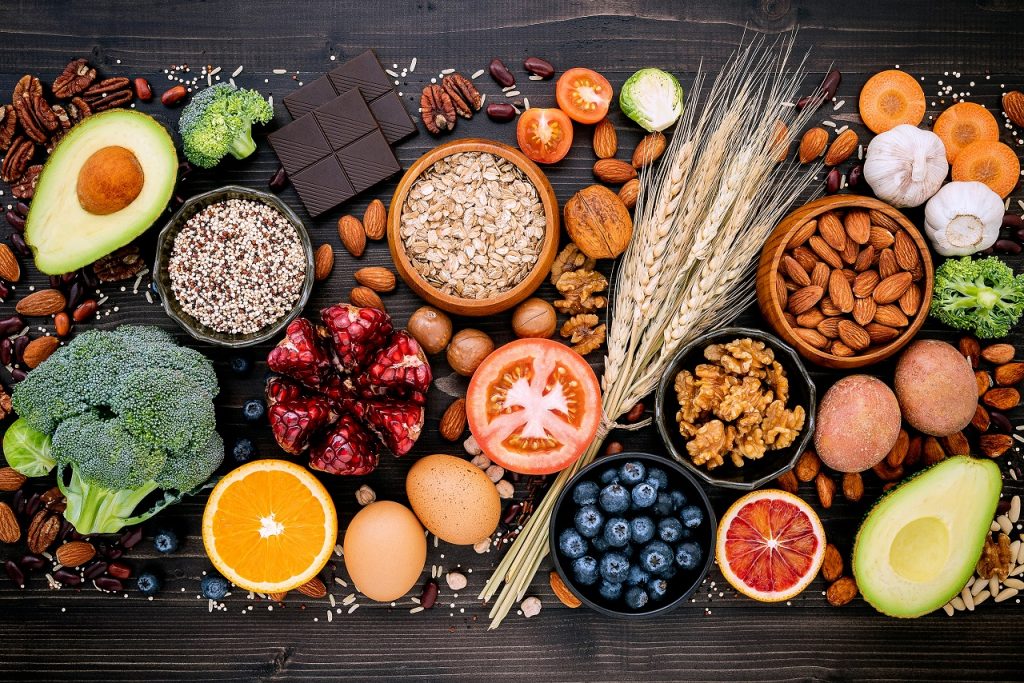
superfoodsAnything that sounds fancy won’t necessarily benefit our health. Lately, the word “Superfoods” must have appealed to you all. Well, what exactly are Superfoods? Why do we call them Superfoods? Though there’s no scientific definition, as per the dictionary, the definition of superfoods is “a food considered exceptionally good for one’s health and for boosting the immune system owing to its naturally high content of vitamins, minerals, fiber, antioxidants, or omega-3 fatty acids”. So basically, superfoods offer a dense concentration of nutrients with small quantities of food. 

Are Superfoods a Fad? 

Superfoods are largely plant based and the high amount of vitamins, minerals and antioxidants found in them can prevent many chronic diseases, autoimmune diseases, ward off inflammation and have huge health benefits. It can be taken by everyone including children. However, there is no specific list of superfoods yet, it includes a wide variety of food and every now and then, there is a new addition to the list. Though Superfoods are coined by marketers, as they are all natural and incorporated just as a supplement to our daily balanced diet, they cannot be considered as a fad. But always and as with everything else, superfoods need to be consumed in moderation. Anything that’s healthy can work against our body if it is taken in large quantities. Do not over do with any one variety of superfoods. It is good to take in varieties for maximum benefits while getting a wide array of vitamins and minerals too. Researching or consulting a nutrition expert or health coach would be ideal before trying any new superfood you come across. 

What Are The Best Ones? 

  • Nuts and Seeds like almonds, walnuts, pistachios, flax seeds, chia seeds, pumpkin seeds, sunflower seeds, watermelon seeds, etc. provide proteins, fibers and unsaturated fat
  • Quinoa: is an ancient grain, a very good alternative for animal protein especially for vegetarians and also good source of iron, zinc, vitamin E, and selenium
  • Avocados: are a rich source of monounsaturated fat (Good fat) with 20 different vitamins, minerals, fiber, and phytonutrients too. They can be made as a healthy spread on sandwiches instead of mayonnaise. 
  • Olives and extra virgin olive oil: Both Olives and Olive oil are very high in vitamin E and other powerful antioxidants. They are also rich in monounsaturated healthy fats that can protect our heart, prevent cancer and osteoporosis
  • Moringa: Moringa leaves are rich in antioxidants and iron. Apart from these, they have 15 times more potassium than bananas and 7 times more Vitamin C than oranges! They are also packed with many vitamins and minerals and protect cell damage and boost immunity.  
  • Dark Leafy greens: Spinach, Amaranth, beet greens, Dill, Fenugreek, Kale, Mustard, etc. are excellent sources of minerals like iron, magnesium, calcium, folate, zinc. They are also rich in Vitamin A, C, K and folate with a lot of fiber
  • Broccoli: Having high calcium and collagen content, broccoli helps in making strong bones. 
  • Seafood especially salmon: provides Omega 3 fatty acids
  • Berries: All type of berries including strawberries, blueberry, black berries, cherries are robust in antioxidants along with vitamins and minerals
  • Beans and Legumes: are loaded with fibers, vitamins, minerals, including B-vitamins, iron, zinc, calcium and magnesium. 

How to Choose Superfoods? 

If you observe the list of superfoods, most of them are least processed and plant based. Keeping this point in mind, make sure you avoid food that is processed and marketed as superfoods. It is better to look at the food label before you buy and read the label for its nutritional facts, ingredients like sugar content, sodium and other chemicals which can do more harm than good. Choose something that is natural and least processed but remember, just adding superfoods to your diet may not make you healthy. Having them in the right quantity, with a balanced meal, right exercise and healthy lifestyle habits are equally important. 

Certain superfoods may not be suitable to everyone due to allergies, such as allergies towards nuts or seeds. People with any acute or chronic health conditions need to consult their dietitian before they try any new food. Healthy people can always include one or two superfoods daily to enjoy optimum health! 

We hope this article helps you. For more on nutrition, check out Healthy Reads. To get more information on superfoods, how to choose them and what to eat, speak to a GOQii Coach by subscribing for personalised health coaching here: https://goqiiapp.page.link/bsr 

#BeTheForce 
August 12, 2022 By Tahurah Muqeem 1 Comment

Food is Your Fountain of Youth! Healthy Eating Tips for the Elderly

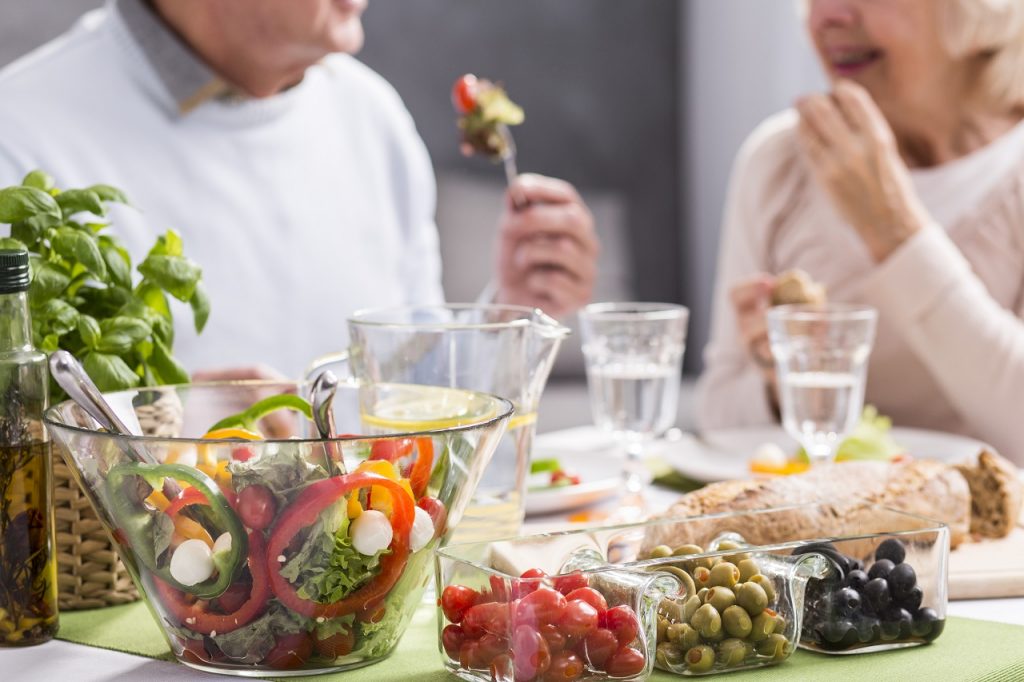
Healthy Eating Tips for the ElderlyAs we mentioned in our IndiaFit Report 2020: India’s Ikigai – The Secret to Longevity, there are some folks who manage to live long and healthy lives thanks to their discipline, but most people usually find their health crumbling. In old age, a human either becomes disinterested in eating or can’t manage their meals due to medical conditions which make eating difficult. There is a loss of appetite as anxiety, depression, irritability or gastric trouble become commonplace.

The body of the elderly needs to be cared for and fed with good food so that it helps in combating stress, depression, fight inflammation and pain. With the growing rate of diabetes in the mid-40s, by the time a person reaches 70-80 years of age, the damage done to the organs by diabetes or any other lifestyle disease is unpredictable.

Healthy Eating Tips for the Elderly

It is important that the elderly eat small meals at frequent intervals. The diet should be a balance of carbohydrates, proteins, fats, vitamins and minerals. In fact, the food should be appealing. Let’s see how we can incorporate all of this:

  • The diet of the elderly should contain complex carbohydrates like Wheat, Oats, Ragi, Jowar, Brown rice and should avoid refined cereals like white bread and maida.
  • Protein is a very important nutrient because there is a lot of muscle wastage that occurs in old age. Loss of skin tone, loss of skin elasticity is profound. The diet should include good sources of proteins such as lentils, dals, soybean, milk and milk products. For non-vegetarians, boiled egg whites every day is recommended. Opt for skinless chicken which can be grilled, roasted or used in soups. 
  • Healthy fats are essential to protect the heart and provide essential vitamins such as vitamin E which protects the body organs and nourishes the skin. Include soaked almonds, walnuts, dates, dried figs in the diet in the form of morning snacks. Fish like Salmon provides Omega 3 fatty acids which help fight against cancers. 
  • As we age our digestive system slows down. Many face a problem digesting fiber. While it is easy to consume salads or raw veggies, for some, it is difficult and leads to constipating, bloating or gassiness. In this case, it is better to consume vegetables which are boiled or steamed. Unstrained vegetable soups and vegetable smoothies are good options as well. 
  • Including 1-2 servings of fruits every day is crucial. Fruits not only regulate blood sugar but also provide essential minerals and vitamins to the body. 
  • The most important thing is to hydrate, hydrate, hydrate and hydrate! Especially at old age, it is more important to consume 2-3 liters of water every day. Having 1 glass of warm water immediately after waking up stimulates the body cells. For improving digestion, consuming 1 glass of warm water half an hour before and half and hour after meals is a must. 
  • Don’t forget to include anti-inflammatory foods like turmeric, ginger and cinnamon. They will help protect against bone disease and reduce joint pains while protecting the heart. Consuming ginger water in the day helps treat various digestion related issues as well. 

What’s an Ideal Meal Plan? 

If you need a roadmap or an ideal plan, here it is: 

  1. Start the day with a glass of warm water, lemon water or ginger water with half tsp of honey. 
  2. Eat a healthy breakfast consisting of oats porridge, khichdi, vegetable idli, paneer dosa or poha with a glass of milk or boiled egg white. 
  3. Mid morning should contain a fruit which can be an apple, guava, watermelon, pears, banana, papaya or you can have a mixed fruit bowl as well.
  4. Lunch should include roti or rice with 1 bowl dal, a bowl of vegetable curry, 1 salad and 1 bowl of curd. 
  5. Dinner should be the same as lunch, although, it should be lighter. Cut down the quantity of rice/roti. Eat dinner at least 2-3 hours before bed to ensure proper digestion. 
  6. Before bed, drink low fat milk to ensure good sleep and provide your body with calcium for strong bones. You can also add turmeric to it for extra benefits! 

Before you undertake this meal plan or decide to follow it religiously, you need to consult your doctor or nutritionist to check how it may affect any existing medical condition you may have. Along with all kinds of fruits, veggies and healthy foods, don’t forget to stay active! 

We hope these healthy eating tips for the elderly help you. Do share your thoughts in the comments below. To subscribe for GOQii’s personalised health coaching and get more of these tips from a GOQii Coach, click here: https://goqiiapp.page.link/bsr 

#BeTheForce 

May 22, 2022 By Yogita Agarwal 3 Comments

Tired All The Time? Start With These Superfoods

superfoods

Do you feel tired all the time? Do you wish for sleep or rest more often than you should? There are a wide range of causes that trigger tiredness and these include medical issues such as a thyroid disorder, heart disease, diabetes, etc. The lifestyle related causes include alcohol or drug abuse, lack of regular exercise, exertion, jet lag, large meals et al. Thankfully, there are few superfoods that can help us to overcome it.

Which Superfoods Can Help With Tiredness? 

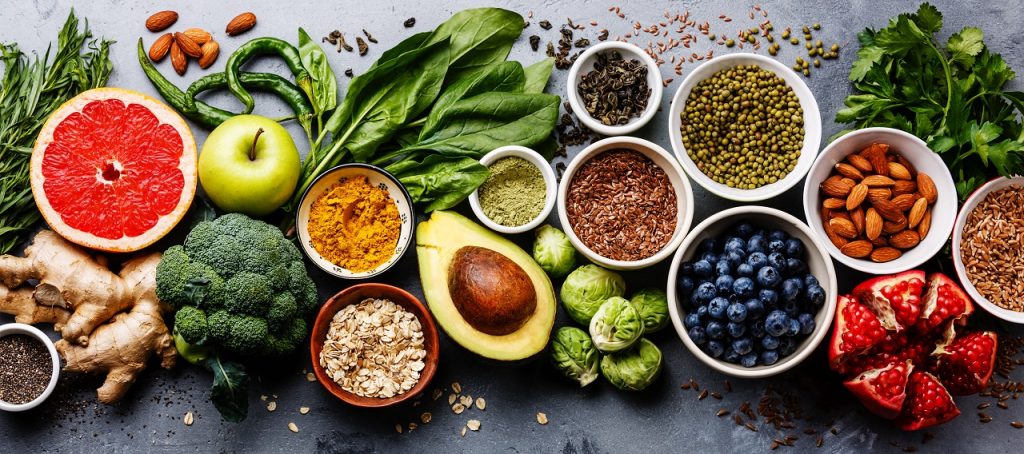
Superfoods are high in nutritional density and provide a substantial amount of nutrients with low calories. They are high in vitamins, minerals, and antioxidants. They can re-energise you. Try these superfoods to overcome tiredness! 

  1. Chia Seeds: These tiny seeds are packed with nutrients. They are a good source of Omega -3 fatty acids, protein, iron, calcium and fiber. They are an excellent source of antioxidants. When soaked in water, they absorb water and expand 10x their size and help us feel full for a longer time. We can add it to smoothies, shakes or have it with water.
  2. Fruits: such as Watermelon contain 90% of water, have vitamins, minerals and antioxidants that combat dehydration – one of the reasons for tiredness. It also has amino acid L-citrulline which can help reduce muscle soreness. Bananas are a good source of potassium, magnesium, vitamin B, vitamin C, fiber, antioxidants and phytonutrients. They provide ample amounts of energy. Avocado as well, is a powerhouse of energy with vitamins such as B, C and E, minerals like folate and potassium, monounsaturated fats and help keep a control on blood sugar spikes as well. 
  3. Kale: This leafy vegetable is a storehouse of vitamins, minerals and antioxidants. It is a good source of iron which carries oxygen to our tissues and cells – much needed for us to thrive. It is an amazing source of calcium, folate and vitamin B. Kale is a low density food which aids weight loss and obesity that are linked to tiredness.
  4. Almonds: are a good source of protein, fiber and healthy fats. Almonds have vitamin B, which helps convert food into energy. It also contains magnesium which helps us fight muscle fatigue. A handful of almonds are a good mid-meal.
  5. Dates: are excellent sources of energy. They are high in carbs which provide instant energy. It is packed with fiber, calcium, phosphorus, potassium, magnesium, zinc and iron. It’s an amazing source of antioxidants like flavonoids, carotenoids and phenolic acid. It’s sweet in nature so can be used as a sweetener.
  6. Spinach: is a powerhouse of nutrients, It contains vitamins like C, K B6, B9 and E, minerals like potassium, magnesium, folic acid, iron and calcium. Adequate amounts of vitamins and minerals are essential for energy production. Low levels of iron can cause fatigue.
  7. Egg: Do you remember the slogan “Sunday ho ya Monday Roj khao ande”? It’s actually true, as an egg is an excellent source of high biological value protein and healthy fats which can keep us energized. It is a good source of vitamins and minerals which are vitamin D and B12, iron and choline. 
  8. Dark chocolate: is a great source of iron, copper, magnesium, zinc, phosphorus and flavanols. Is a rich source of theobromine which is a stimulant that works the same as caffeine. Polyphenols in dark chocolate have positive effects on serotonin levels which helps us to lift up the mood and energy levels. 
  9. Quinoa: It’s a grain crop which is high in carbs, protein, fiber, manganese, magnesium, phosphorus, potassium, copper, iron, zinc and folate. It is also a good source of vitamin B and E, and various antioxidants. Although quinoa is high in carbs, it has a low glycaemic index, so it releases energy slowly and sustains for a longer time.
  10. Sattu: It is generally made by Bengal gram (Chana), which means it is high in protein. It is a low cost, so-called poor man’s protein. It Is rich in fiber, calcium, iron, manganese, magnesium and low in sodium. It provides instant energy with a cooling effect. So it’s best consumed during summer. 

Try these foods in your diet especially in morning hours to boost your energy levels and fight tiredness. With these we need to focus on 20 to 30 min regular exercise, balanced meals, adequate sleep, proper hydration and stress management. Do consult your doctor before trying any of these superfoods. 

For more on nutrition, check out Healthy Reads. If you want to know more about superfoods, nutrition or get a meal plan for a health goal, speak to an expert by subscribing for personalized health coaching here: https://goqiiapp.page.link/bsr

#BeTheForce 

February 15, 2022 By Dr. Vaidya's 1 Comment

Foods That Are Bad For Immunity According To Ayurveda

Bad For ImmunityWhile personal hygiene and social distancing measures are essential to stay safe, we can also turn to traditional Ayurvedic wisdom to raise immunity levels. As a holistic health system, Ayurveda has always regarded disease prevention as the key to maintaining health. Accordingly, a great amount of Ayurvedic literature focuses on diet, lifestyle, and home remedies to boost immunity. Since there’s already plenty of information on immunity boosting foods and remedies, we are going to put the spotlight on foods that are bad for immunity. 

8 Foods That Are Bad For Immunity 

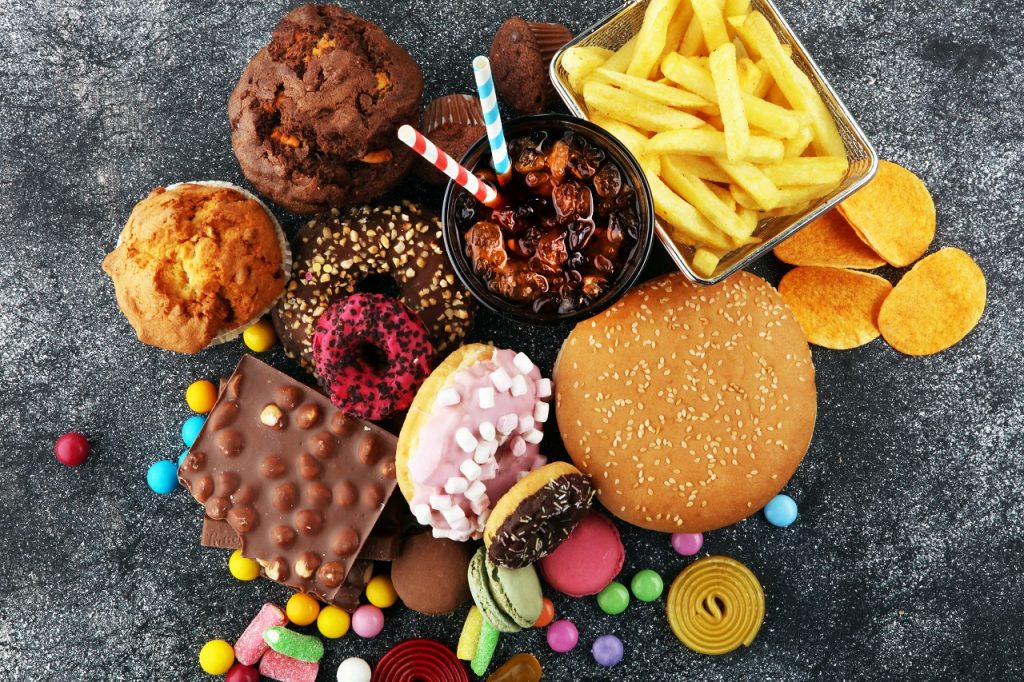
  1. Fried Foods: We love our fried foods, from samosas to bhajias, but it’s time to make some sacrifices. Whether it’s farsan or burgers, all fried foods are loaded with fats, including trans fats. This is known to trigger inflammation, weakening immune function. So, although you might be eating home cooked meals during this time, try to skip the fried and deep fried foods. This will help to keep your immune function strong.
  2. Sodas and Colas: Even if we are not that addicted to sodas yet, now would be a good time to curb the habit. It really doesn’t matter if you only drink diet soda or carbonated drinks with ‘no added sugar’. They are all artificially sweetened and have no nutritional value whatsoever. Phosphoric acid, which is present in most sodas, depletes calcium and magnesium levels, both of which are vital for good immune function.
  3. Canned Soups: In our current state of lockdown, canned foods like canned soups may seem like the healthiest choice. Unfortunately, the convenience of such instant foods comes with a price. Most instant soups (and other instant foods for that matter) contain high amounts of sodium, corn flour, maltodextrin, and other artificial preservatives and flavoring agents. These ingredients are known to increase the risk of lifestyle diseases and infections because of impaired immune function.
  4. Sugary Snacks: Ayurveda has always recognized the risk posed by artificially sweetened foods. This ancient wisdom is now accepted as a scientific fact, as we know that high sugar intake triggers chronic inflammation and suppresses the immune function, making you more vulnerable to all types of infections – viral, bacterial and fungal. Ice cream, pastries, and chocolates may be your comfort foods but they are simply not a good way to survive social isolation.
  5. Red Meats: are to be strictly avoided according to Ayurveda to protect against infection. A sugar called Neu5Gc is found in red meats and unlike fruit sugars, this sugar is not digested by the body. Instead, it is absorbed into tissue and triggers inflammation and suppresses immunity. Additionally, red meats are also high in fats that we know are bad for immunity.
  6. Foods with MSG: MSG came into the spotlight some years ago when instant noodles were briefly off the shelves. Sadly, the ingredient hasn’t disappeared altogether and you’ll find it in a whole lot of processed and instant foods. Look at those food labels carefully. MSG is bad for your immunity as it causes oxidative stress to the thymus and spleen, which are vital for healthy immune function.
  7. Alcoholic Beverages: Although Ayurveda recognizes the medicinal value of natural alcohols, recreational consumption of alcoholic beverages is regarded as toxic to the body. Alcoholic beverages are known to have high sugar content, impair sleep, increase inflammation and damage the gastrointestinal lining. This severely impairs immunity and increases vulnerability to infections.
  8. Caffeinated Beverages: The need for harmonious living in accordance with the rhythms of nature is central to Ayurveda. Stimulants like caffeine can disturb this natural rhythm, especially when consumed later in the day. This is known to impair sleep, which is vital for strong immunity. Caffeinated drinks are also known to increase acidic levels in the body, which can increase inflammation and suppress immunity.

Reconnecting with our rich heritage of Ayurveda can help us through these tough times. Remember, Ayurveda is not about restriction but balance and harmony. So, in addition to eliminating these bad food choices, try using immunomodulatory herbs like tulsi, amla, and neem to boost immunity and stay safe from infections. 

We hope this article on foods that are bad for immunity helps you make a positive shift to a healthier lifestyle. For more on Healthy Living, check out Healthy Reads or ask a GOQii Coach by subscribing for personalized coaching here: https://goqiiapp.page.link/bsr

#BeTheForce 

  • « Previous Page
  • 1
  • …
  • 12
  • 13
  • 14
  • 15
  • 16
  • …
  • 245
  • Next Page »

Search

Recent Posts

  • Water Intake Pre, During and Post Workout
  • India Leads in Longevity: GOQii Sanjeevini Named Top 40 in $101M XPRIZE
  • The Importance Of Knowing If You’re Thirsty Or Hungry
  • Best Foods To Alleviate Irritable Bowel Syndrome
  • ALL ABOUT VERTIGO!

Stay Updated

Archives

  • December 2025 (9)
  • November 2025 (15)
  • October 2025 (20)
  • September 2025 (6)
  • August 2025 (6)
  • July 2025 (12)
  • June 2025 (18)
  • May 2025 (16)
  • April 2025 (23)
  • March 2025 (23)
  • February 2025 (22)
  • January 2025 (26)
  • December 2024 (26)
  • November 2024 (25)
  • October 2024 (22)
  • September 2024 (24)
  • August 2024 (31)
  • July 2024 (21)
  • June 2024 (26)
  • May 2024 (31)
  • April 2024 (27)
  • March 2024 (29)
  • February 2024 (26)
  • January 2024 (25)
  • December 2023 (15)
  • November 2023 (11)
  • October 2023 (20)
  • September 2023 (22)
  • August 2023 (20)
  • July 2023 (22)
  • June 2023 (24)
  • May 2023 (24)
  • April 2023 (24)
  • March 2023 (23)
  • February 2023 (20)
  • January 2023 (16)
  • December 2022 (12)
  • November 2022 (15)
  • October 2022 (15)
  • September 2022 (12)
  • August 2022 (10)
  • July 2022 (17)
  • June 2022 (11)
  • May 2022 (10)
  • April 2022 (6)
  • March 2022 (6)
  • February 2022 (13)
  • January 2022 (12)
  • December 2021 (7)
  • November 2021 (3)
  • October 2021 (6)
  • September 2021 (3)
  • August 2021 (8)
  • July 2021 (7)
  • June 2021 (15)
  • May 2021 (16)
  • April 2021 (10)
  • March 2021 (7)
  • February 2021 (4)
  • January 2021 (4)
  • December 2020 (3)
  • November 2020 (4)
  • October 2020 (10)
  • September 2020 (3)
  • August 2020 (3)
  • July 2020 (2)
  • June 2020 (4)
  • May 2020 (10)
  • April 2020 (12)
  • March 2020 (10)
  • February 2020 (4)
  • January 2020 (4)
  • December 2019 (3)
  • November 2019 (7)
  • October 2019 (5)
  • September 2019 (4)
  • August 2019 (9)
  • July 2019 (9)
  • June 2019 (11)
  • May 2019 (4)
  • April 2019 (9)
  • March 2019 (8)
  • February 2019 (9)
  • January 2019 (8)
  • December 2018 (9)
  • November 2018 (3)
  • October 2018 (3)
  • September 2018 (5)
  • August 2018 (10)
  • July 2018 (6)
  • June 2018 (13)
  • May 2018 (8)
  • April 2018 (18)
  • March 2018 (9)
  • February 2018 (8)
  • January 2018 (15)
  • December 2017 (12)
  • November 2017 (19)
  • October 2017 (13)
  • September 2017 (15)
  • August 2017 (4)
  • July 2017 (8)
  • June 2017 (7)
  • May 2017 (6)
  • April 2017 (8)
  • March 2017 (6)
  • February 2017 (7)
  • January 2017 (9)
  • December 2016 (10)
  • November 2016 (7)
  • October 2016 (7)
  • September 2016 (7)
  • August 2016 (11)
  • July 2016 (9)
  • June 2016 (9)
  • May 2016 (12)
  • April 2016 (17)
  • March 2016 (17)
  • February 2016 (8)
  • January 2016 (6)
  • December 2015 (2)
  • November 2015 (9)
  • October 2015 (7)
  • September 2015 (9)
  • August 2015 (11)
  • July 2015 (9)
  • June 2015 (12)
  • May 2015 (9)
  • April 2015 (13)
  • March 2015 (8)
  • February 2015 (5)
  • January 2015 (12)
  • December 2014 (14)
  • November 2014 (11)
  • October 2014 (6)
  • September 2014 (13)
  • August 2014 (12)
  • July 2014 (6)
  • June 2014 (2)
  • May 2014 (7)
  • April 2014 (5)

From “Laddu Nawin” to Fit and Fierce: How a 25-Year-Old Insurance Advisor Shed 20 Kilos and Gained His Life Back

When 25-year-old Nawin Yadav from Hyderabad walked into his office every morning, he carried more than just his files and policy papers. He had the weight of fatigue, sluggish energy, and an ever-growing belly that was becoming the butt of jokes. “People … [Read More...]

“I’ve Challenged Myself to Live 100 Years” – The Story of Chandubhai Savani’s Second Chance at Life

At 67, most people start slowing down. Not Chandubhai Savani. A resident of Surat, Chandubhai, thought life was on track. “My life was going well till I had my bypass surgery,” he says. That surgery, back in 2021, was a wake-up call.  Medication was routine, but exercise wasn’t. His diet? What he calls ‘normal.’ “I […]

From Shimla’s Slopes to Chandigarh’s Sidewalks: Surinder Kaur Bhalla’s Journey from Chaos to Control

Some journeys start with a plan. Others begin with a stumble literally. Surinder Bhalla, a government professional, born and raised in the scenic hill town of Shimla, had always lived a life of movement. “In Shimla, you walked everywhere,” she reflects. “Walking was never an exercise. It was just life.” But after shifting to Chandigarh, […]

Ananda Mukherjee Health Story

From Terminal Illness To Complete Wellness! Ananda Mukherjee Health Story

As we observe World Cancer Day under the powerful theme ‘United by Unique’ (2025-2027)**, we are reminded that every individual’s journey with cancer is distinct, yet united by shared resilience, hope, and the collective fight against this disease. This theme places people at the centre of care and their stories at the heart of the […]

  • HOME
  • HEALTHY LIVING
  • FITNESS
  • HEALTHY RECIPES
  • USER STORIES
  • KARMA
  • BUY GOQii

Copyright ©2016 GOQii