GOQii

Blog

  • HOME
  • HEALTHY LIVING
  • FITNESS
  • HEALTHY RECIPES
  • USER STORIES
  • KARMA
  • BUY GOQii

Search Results for: fat

April 22, 2025 By Hardika Vira 5 Comments

Common Reasons For Not Losing Belly Fat

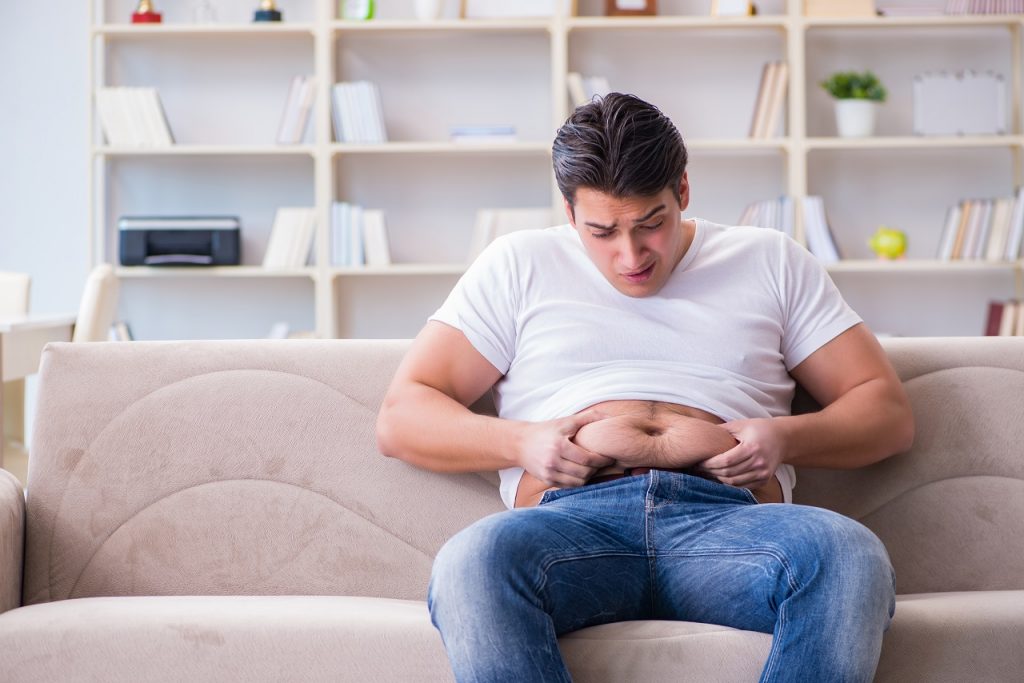
Commons Reasons For Not Losing Belly FatBelly fat is not accumulated in a day or two. It takes several weeks and months of unhealthy eating and lifestyle to build it. When people finally decide to lose belly fat, the first thing they wonder is ‘Why am I not losing belly fat even after exercising so much and cutting down on junk food?’ There are several reasons for it.

Reasons Why You’re Not Losing Belly Fat

Here are a few common reasons why most individuals find it difficult to lose belly fat.

1. Eating Heavy Meals At One Time
Most people struggling with losing belly fat and weight loss are the ones who tend to have too much food at one time. The reason for this is largely either long gaps between the meals or skipping previous meal or if the person consumes food very fast. How is this related to belly fat?

When a person consumes food, it gets broken down to release/provide energy. Firstly, it will fill in the glycogen stores and then the excess calories that are not used up with good physical activity get converted into fats and the most common sites of fat storage is the belly, arms, thighs and buttocks.

When you are having food, only post 20-25 mins of eating, the satiety centers in the brain are activated and you feel full and satisfied. When you eat fast the satiety centers of the brain are not activated and you end up eating more. Small frequent meals and chewing your food thoroughly and eating mindfully is the key to control food portion.

2. Dinner Meals Are High In Carbs & High In Quantity
Due to a hectic schedule, the only meal that we have together with the family turns out to be ‘dinner’ and in turn, it ends up to be the largest meal with a variety of food that the entire family enjoys. Ideally, dinners should be light and should be high in proteins and less in carbs. This is actually vice versa of what is generally practiced.

The reason for the dinners to be light and high in proteins and less in carbs is that post dinner, we are not that active. Hence, there’s no real requirement of all the carbs for energy. The process of recovery of all the muscles that are used up throughout the day, the repairing of all the wear and tear happens during the night and that requires proteins, not carbs.

3. Physical & Mental Stress
This is only with regards to people who are excessively obsessed with exercise to lose belly fat. Excessive exercise leads to physical stress and thus, high cortisol levels. In case of mental stress, you might have noticed that the first thing you would choose is chocolates/ice creams or any comfort foods that are high in sugar or carbs for that matter. At this point of stress, the food gets broken down and is converted to fat and stored in your belly area. Exercise in moderation and keep yourself stress free by indulging in some yoga and meditation or your hobbies.

4. Consumption Of Processed Food
Do you have the habit of reading labels? Do pick one product that you eat the most and read the label today. Most of the processed or ready to eat food products are high in sugar, fat or refined carbs. They are extremely low in fiber as well. Even the fiber enriched product gives less than 2gm of fiber per serving. Read labels and choose wisely. The best solution here is to eat homemade food or you can try some variations to increase fiber intake by incorporating more veggies/fruits along with the main product.

5. Aerated Drinks
Products containing HFCS (High Fructose Corn syrup) or liquid glucose, that are present in all the aerated drinks like Cola, flavored sugar syrups, etc. do not get metabolized and are stored in the belly as fat, which is really tough to get rid off through just activities. Instead, opt for buttermilk, lemon water, coconut water, and fresh lime soda (salted) over the above drinks.

We hope this article helps you make better choices and avoid these common reasons for not losing belly fat.

#BeTheForce

Disclaimer: The information provided in this blog is for general awareness and educational purposes only. It is not intended to replace professional medical advice, diagnosis, or treatment. Always consult a qualified healthcare provider for personalised medical guidance or concerns related to your health.
April 7, 2025 By GOQii Leave a Comment

Put Your Fat on Flame with Interval Training

We all want to lose fat — but when it comes to taking action, the usual excuses show up:

“No time!”
“Too hard!”
“Same routine gets boring!”

It’s time to ditch the excuses and ignite your fitness with a workout that’s quick, dynamic, and highly effective — Interval Training.

What Is Interval Training?

Interval training is a style of workout that alternates bursts of high-intensity effort with periods of lower-intensity recovery. This method pushes your cardiovascular system to work harder in short intervals, burning more calories in less time compared to steady-state exercise.

Think of it as a cardio blast with rest built in — making it manageable yet highly effective.

How Does It Work?

When you alternate intensity during exercise, it creates what’s known as “muscle confusion” — your body doesn’t get used to a single pace. Here’s what happens:

  • Your heart rate increases rapidly
  • More oxygen is delivered to your muscles
  • Fat combustion improves significantly in the presence of oxygen

Think of it like this: just as a candle stops burning when you cut off oxygen, fat burn requires oxygen too. Interval training enhances oxygen supply and boosts fat oxidation — making it a favourite in fat loss routines.

Examples of Interval Training You Can Try

You can apply interval training to almost any type of physical activity. Here are a few easy ways to begin:

Activity Interval Format
Walking Walk fast for 2 minutes, then slow for 1 minute — repeat
Running Run for 2 minutes, walk for 1 minute — repeat
Swimming Alternate fast laps with slow-paced strokes
Cycling Sprint on your bike for 30 seconds, then pedal slowly for 1 minute
Strength Exercises (e.g. Tabata) 20 seconds of intense work, 10 seconds rest, repeated 8 times per round

You can also use interval training for dance workouts, skipping, stairs, HIIT circuits, and more. The options are endless — and you set the pace based on your fitness level.

Key Guidelines for Safe and Effective Interval Training

  • ✅ Warm up for at least 5–10 minutes before starting
  • ✅ Push yourself beyond your comfort zone during high-intensity bursts
  • ✅ Cool down and stretch after every session
  • 🚫 Avoid if you have chronic conditions (e.g., uncontrolled hypertension, cardiovascular illness) — check with your doctor first
  • 🧘 Start slow if you’re new to exercise — begin with steady-state cardio for a few weeks before adding intervals

💡 Tip: Once a week is a great way to begin integrating interval training into your routine. As your fitness improves, increase frequency or intensity gradually.

Interval training is one of the most time-efficient ways to burn fat, improve stamina, and keep workouts exciting. No more excuses — just smarter workouts.

So, lace up your shoes, pick your activity, and start torching fat one interval at a time.

Disclaimer: If you have any medical conditions or haven’t exercised in a while, consult your physician or a certified trainer before beginning interval training.

March 19, 2025 By GOQii Leave a Comment

Fatty Liver: Causes, Symptoms & How to Reverse It Naturally

Understanding Fatty Liver

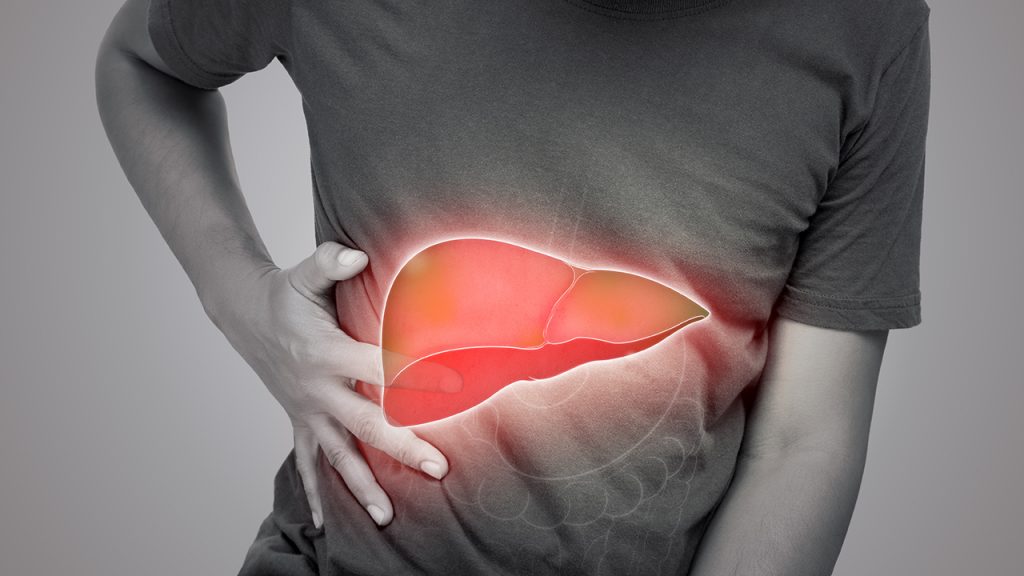
Your liver is a powerhouse—processing nutrients, filtering toxins, and keeping your metabolism running smoothly. But when too much fat builds up in liver cells, it can disrupt its function and lead to fatty liver disease.

Fatty liver is one of the most common liver conditions globally, affecting millions of people. The good news? It’s reversible in its early stages! But left unchecked, it can progress to more serious liver damage.

Let’s break down the causes, symptoms, and best ways to treat and prevent fatty liver disease—so you can take charge of your health before it’s too late.

Types of Fatty Liver Disease

There are two main types of fatty liver disease:

  1. Non-Alcoholic Fatty Liver Disease (NAFLD)
  • Occurs without excessive alcohol consumption.
  • Linked to obesity, diabetes, high cholesterol, and poor diet.
  • Can progress to non-alcoholic steatohepatitis (NASH)—a more severe form causing liver inflammation and scarring.
  1. Alcohol-Related Fatty Liver Disease (AFLD)
  • Caused by excessive alcohol consumption, which damages liver cells.
  • If drinking continues, it can lead to cirrhosis and liver failure.

Both conditions increase the risk of serious liver complications, but lifestyle changes can help prevent or even reverse them in the early stages.

What Causes Fatty Liver?

Several lifestyle and health factors contribute to fatty liver disease:

  • High Sugar & Processed Foods – Sugary drinks, sweets, and refined carbs promote fat accumulation in the liver.
  • Obesity & Insulin Resistance – Excess weight, especially around the abdomen, increases fatty deposits in the liver.
  • Sedentary Lifestyle – Lack of exercise slows metabolism and contributes to fat storage.
  • Excess Alcohol Intake – Alcohol is metabolised in the liver, and excessive intake can lead to fat buildup and inflammation.
  • High Cholesterol & Triglycerides – Poor cholesterol levels contribute to fat accumulation in the liver.
  • Underlying Health Conditions – Diabetes, metabolic syndrome, and PCOS are all linked to fatty liver.
  • Certain Medications – Some steroids, chemotherapy drugs, and painkillers can contribute to liver fat buildup.

Signs & Symptoms of Fatty Liver

In its early stages, fatty liver doesn’t usually cause noticeable symptoms. However, as it progresses, you may experience:

⚠️ Constant fatigue or sluggishness
⚠️ Discomfort or pain in the upper right abdomen
⚠️ Unexplained weight gain or difficulty losing weight
⚠️ Nausea or loss of appetite
⚠️ Jaundice (yellowing of skin/eyes) in severe cases

If left untreated, fatty liver can progress to fibrosis, cirrhosis, or even liver failure.

How to Treat & Reverse Fatty Liver

The best approach to managing and reversing fatty liver is lifestyle modification. Here’s how to take charge of your liver health:

  1. Improve Your Diet
  • Prioritise whole, unprocessed foods—vegetables, lean proteins, and whole grains.
  • Reduce sugar intake—avoid fizzy drinks, sweets, and refined carbs.
  • Eat liver-friendly foods:
    • Leafy greens (spinach, kale) – Detoxifying properties.
    • Berries – Packed with antioxidants to reduce inflammation.
    • Turmeric – Contains curcumin, which helps protect liver cells.
  • Oats & Whole Grains – Rich in fibre to support digestion.

Avoid trans fats, fried foods, and processed snacks—they increase liver inflammation.

  1. Stay Active
  • Regular exercise helps burn excess liver fat—aim for at least 150 minutes per week.
  • Include strength training to improve metabolism and fat-burning capacity.
  • Even small changes—like walking after meals—can significantly improve liver function.
  1. Maintain a Healthy Weight
  • Losing just 5-10% of body weight can reduce liver fat and inflammation.
  • Focus on sustainable, healthy weight loss—crash diets can do more harm than good!
  1. Cut Back on Alcohol
  • Alcohol is one of the leading causes of liver damage—reducing intake can prevent fatty deposits from worsening.
  • If you drink, stick to recommended guidelines—no more than 14 units per week (UK guidelines).
  1. Stay Hydrated
  • Water helps flush out toxins and supports liver function.
  • Aim for at least 2-3 litres per day.
  1. Manage Stress & Sleep
  • Chronic stress can lead to overeating & poor lifestyle habits—practise relaxation techniques like deep breathing and meditation.
  • Prioritise sleep—poor sleep quality is linked to metabolic disorders affecting the liver.
  1. Get Regular Check-ups
  • Monitor liver function through blood tests if you have risk factors like obesity, diabetes, or a history of high alcohol consumption.
  • Consult your doctor if you experience persistent symptoms.

Can Fatty Liver Be Reversed?

Yes! With consistent lifestyle changes, fatty liver can be reversed in its early stages. However, if it progresses to fibrosis or cirrhosis, the damage becomes permanent.

Taking action now can protect your liver and overall well-being.

Fatty liver disease is increasingly common, but the good news is that it can be prevented and even reversed with the right lifestyle choices.

By making simple yet powerful changes to your diet, exercise routine, and daily habits, you can protect your liver and improve overall health.

💬 Have you made lifestyle changes to improve liver health? Share your experience in the comments!

#BeTheForce

Disclaimer: The information provided in this blog is for general awareness and educational purposes only. It is not intended to replace professional medical advice, diagnosis, or treatment. Always consult a qualified healthcare provider for personalised medical guidance or concerns related to your health.

March 9, 2025 By GOQii Leave a Comment

Best Foods to Support Liver Health & Reduce Fatty Liver Risk

Your liver is one of the most hardworking organs in your body, performing over 500 essential functions, from detoxifying harmful substances to aiding digestion and metabolism. But with today’s lifestyle—highly processed diets, excessive alcohol, and sedentary habits—the liver often bears the brunt, leading to issues like fatty liver disease.



The good news? Your diet plays a huge role in keeping your liver healthy! By making the right food choices, you can protect your liver, reduce fat accumulation, and support overall detoxification. Here’s a guide to the best foods that will help you maintain a healthy liver and reduce fatty liver risk naturally.

1. Leafy Greens 🥬

Spinach, kale, and collard greens are powerhouses of antioxidants and chlorophyll, which help flush toxins from the liver. They also contain nitrate compounds that can improve liver function and prevent fat accumulation.

💡 How to Add: Toss greens into salads, blend them into smoothies, or sauté them with garlic for a nutritious side dish.

2. Cruciferous Vegetables 🥦

Broccoli, cauliflower, Brussels sprouts, and cabbage are loaded with sulphur compounds, which enhance liver detoxification and reduce inflammation. These veggies also boost glutathione levels, an antioxidant critical for liver health.

💡 How to Add: Lightly steam them or stir-fry with olive oil for a delicious and liver-friendly meal.

3. Fatty Fish 🐟

Salmon, sardines, and mackerel are rich in omega-3 fatty acids, which help reduce liver inflammation and prevent excess fat buildup. Omega-3s also support overall heart health, reducing the risk of metabolic issues that impact liver function.

💡 How to Add: Grill or bake fatty fish with lemon and herbs for a tasty, nutritious meal.

4. Turmeric 🫚

This golden spice contains curcumin, a powerful anti-inflammatory and antioxidant compound that supports liver detoxification and improves bile production.

💡 How to Add: Mix turmeric into warm milk, sprinkle it over roasted vegetables, or add it to soups and curries.

5. Nuts & Seeds 🌰

Almonds, walnuts, chia seeds, and flaxseeds are packed with healthy fats, vitamin E, and antioxidants, all of which protect liver cells and reduce fat accumulation.

💡 How to Add: Snack on a handful of nuts or sprinkle seeds over yoghurt, oatmeal, or smoothies.

6. Green Tea 🍵

Rich in catechins and polyphenols, green tea helps reduce oxidative stress on the liver and supports fat metabolism. Studies suggest that regular green tea consumption can help prevent liver disease.

💡 How to Add: Enjoy 1-2 cups daily for the best benefits, but avoid excessive intake, as too much can strain the liver.

7. Garlic 🧄

Garlic contains allicin, a compound that activates liver detox enzymes and helps flush out toxins. It also has anti-inflammatory properties that support liver function.

💡 How to Add: Add minced garlic to stir-fries, soups, or roasted veggies.

8. Berries 🍓

Blueberries, strawberries, and raspberries are loaded with anthocyanins, which help protect the liver from damage and reduce fat buildup.

💡 How to Add: Toss berries into your breakfast bowls, smoothies, or eat them fresh as a snack.

9. Oats & Whole Grains 🌾

High in fibre and complex carbohydrates, oats and whole grains help regulate blood sugar levels, reducing the risk of non-alcoholic fatty liver disease (NAFLD).

💡 How to Add: Have oat porridge, whole grain bread, or quinoa-based meals for a fibre boost.

10. Beetroot Juice 🥤

Beetroot is high in nitrates and antioxidants, which help reduce liver inflammation and support natural detox processes.

💡 How to Add: Drink fresh beetroot juice or add it to salads for extra nutrition.

Foods to Avoid for Liver Health

❌ Processed foods – High in unhealthy fats and preservatives that stress the liver.
❌ Excessive alcohol – A major cause of liver damage and fatty liver disease.
❌ Refined sugars – Can contribute to insulin resistance and liver fat accumulation.
❌ Fried foods – High in trans fats that promote inflammation and liver dysfunction.

Your liver works tirelessly to keep you healthy—so why not return the favour? Making small dietary changes can go a long way in improving liver function, preventing fatty liver disease, and boosting overall well-being.

💡 Start incorporating these liver-friendly foods into your diet today!

💬 Have you tried any of these foods for liver health? Share your thoughts in the comments!

#BeTheForce

Disclaimer: The information provided in this blog is for general awareness and educational purposes only. It is not intended to replace professional medical advice, diagnosis, or treatment. Always consult a qualified healthcare provider for personalised medical guidance or concerns related to your health.

  • « Previous Page
  • 1
  • 2
  • 3
  • 4
  • 5
  • …
  • 198
  • Next Page »

Search

Recent Posts

  • PCOS and Anxiety: Discover Relief with the 54321 Technique
  • Navigating the Maze of Nutrition: Finding Clarity Amidst Confusion
  • Get children active and keep them healthy
  • What Gestational Diabetes Can Do To You & Your Unborn Child
  • Breathing – A Forgotten Art

Stay Updated

Archives

  • December 2025 (4)
  • November 2025 (15)
  • October 2025 (20)
  • September 2025 (6)
  • August 2025 (6)
  • July 2025 (12)
  • June 2025 (18)
  • May 2025 (16)
  • April 2025 (23)
  • March 2025 (23)
  • February 2025 (22)
  • January 2025 (26)
  • December 2024 (26)
  • November 2024 (25)
  • October 2024 (22)
  • September 2024 (24)
  • August 2024 (31)
  • July 2024 (21)
  • June 2024 (26)
  • May 2024 (31)
  • April 2024 (27)
  • March 2024 (29)
  • February 2024 (26)
  • January 2024 (25)
  • December 2023 (15)
  • November 2023 (11)
  • October 2023 (22)
  • September 2023 (22)
  • August 2023 (20)
  • July 2023 (22)
  • June 2023 (24)
  • May 2023 (24)
  • April 2023 (24)
  • March 2023 (23)
  • February 2023 (20)
  • January 2023 (16)
  • December 2022 (12)
  • November 2022 (15)
  • October 2022 (15)
  • September 2022 (12)
  • August 2022 (10)
  • July 2022 (17)
  • June 2022 (11)
  • May 2022 (10)
  • April 2022 (6)
  • March 2022 (6)
  • February 2022 (13)
  • January 2022 (12)
  • December 2021 (7)
  • November 2021 (3)
  • October 2021 (6)
  • September 2021 (3)
  • August 2021 (8)
  • July 2021 (7)
  • June 2021 (15)
  • May 2021 (16)
  • April 2021 (10)
  • March 2021 (7)
  • February 2021 (4)
  • January 2021 (4)
  • December 2020 (3)
  • November 2020 (4)
  • October 2020 (10)
  • September 2020 (3)
  • August 2020 (3)
  • July 2020 (2)
  • June 2020 (4)
  • May 2020 (10)
  • April 2020 (12)
  • March 2020 (10)
  • February 2020 (4)
  • January 2020 (4)
  • December 2019 (3)
  • November 2019 (7)
  • October 2019 (5)
  • September 2019 (4)
  • August 2019 (9)
  • July 2019 (9)
  • June 2019 (11)
  • May 2019 (4)
  • April 2019 (9)
  • March 2019 (8)
  • February 2019 (9)
  • January 2019 (8)
  • December 2018 (9)
  • November 2018 (3)
  • October 2018 (3)
  • September 2018 (5)
  • August 2018 (10)
  • July 2018 (6)
  • June 2018 (13)
  • May 2018 (8)
  • April 2018 (18)
  • March 2018 (9)
  • February 2018 (8)
  • January 2018 (15)
  • December 2017 (12)
  • November 2017 (19)
  • October 2017 (13)
  • September 2017 (15)
  • August 2017 (4)
  • July 2017 (8)
  • June 2017 (7)
  • May 2017 (6)
  • April 2017 (8)
  • March 2017 (6)
  • February 2017 (7)
  • January 2017 (9)
  • December 2016 (10)
  • November 2016 (7)
  • October 2016 (7)
  • September 2016 (7)
  • August 2016 (11)
  • July 2016 (9)
  • June 2016 (9)
  • May 2016 (12)
  • April 2016 (17)
  • March 2016 (17)
  • February 2016 (8)
  • January 2016 (6)
  • December 2015 (2)
  • November 2015 (9)
  • October 2015 (7)
  • September 2015 (9)
  • August 2015 (11)
  • July 2015 (9)
  • June 2015 (12)
  • May 2015 (9)
  • April 2015 (13)
  • March 2015 (8)
  • February 2015 (5)
  • January 2015 (12)
  • December 2014 (14)
  • November 2014 (11)
  • October 2014 (6)
  • September 2014 (13)
  • August 2014 (12)
  • July 2014 (6)
  • June 2014 (2)
  • May 2014 (7)
  • April 2014 (5)

From “Laddu Nawin” to Fit and Fierce: How a 25-Year-Old Insurance Advisor Shed 20 Kilos and Gained His Life Back

When 25-year-old Nawin Yadav from Hyderabad walked into his office every morning, he carried more than just his files and policy papers. He had the weight of fatigue, sluggish energy, and an ever-growing belly that was becoming the butt of jokes. “People … [Read More...]

“I’ve Challenged Myself to Live 100 Years” – The Story of Chandubhai Savani’s Second Chance at Life

At 67, most people start slowing down. Not Chandubhai Savani. A resident of Surat, Chandubhai, thought life was on track. “My life was going well till I had my bypass surgery,” he says. That surgery, back in 2021, was a wake-up call.  Medication was routine, but exercise wasn’t. His diet? What he calls ‘normal.’ “I […]

From Shimla’s Slopes to Chandigarh’s Sidewalks: Surinder Kaur Bhalla’s Journey from Chaos to Control

Some journeys start with a plan. Others begin with a stumble literally. Surinder Bhalla, a government professional, born and raised in the scenic hill town of Shimla, had always lived a life of movement. “In Shimla, you walked everywhere,” she reflects. “Walking was never an exercise. It was just life.” But after shifting to Chandigarh, […]

Ananda Mukherjee Health Story

From Terminal Illness To Complete Wellness! Ananda Mukherjee Health Story

As we observe World Cancer Day under the powerful theme ‘United by Unique’ (2025-2027)**, we are reminded that every individual’s journey with cancer is distinct, yet united by shared resilience, hope, and the collective fight against this disease. This theme places people at the centre of care and their stories at the heart of the […]

  • HOME
  • HEALTHY LIVING
  • FITNESS
  • HEALTHY RECIPES
  • USER STORIES
  • KARMA
  • BUY GOQii

Copyright ©2016 GOQii
