GOQii

Blog

  • HOME
  • HEALTHY LIVING
  • FITNESS
  • HEALTHY RECIPES
  • USER STORIES
  • KARMA
  • BUY GOQii

Search Results for: fat

April 15, 2015 By Ami Shah 1 Comment

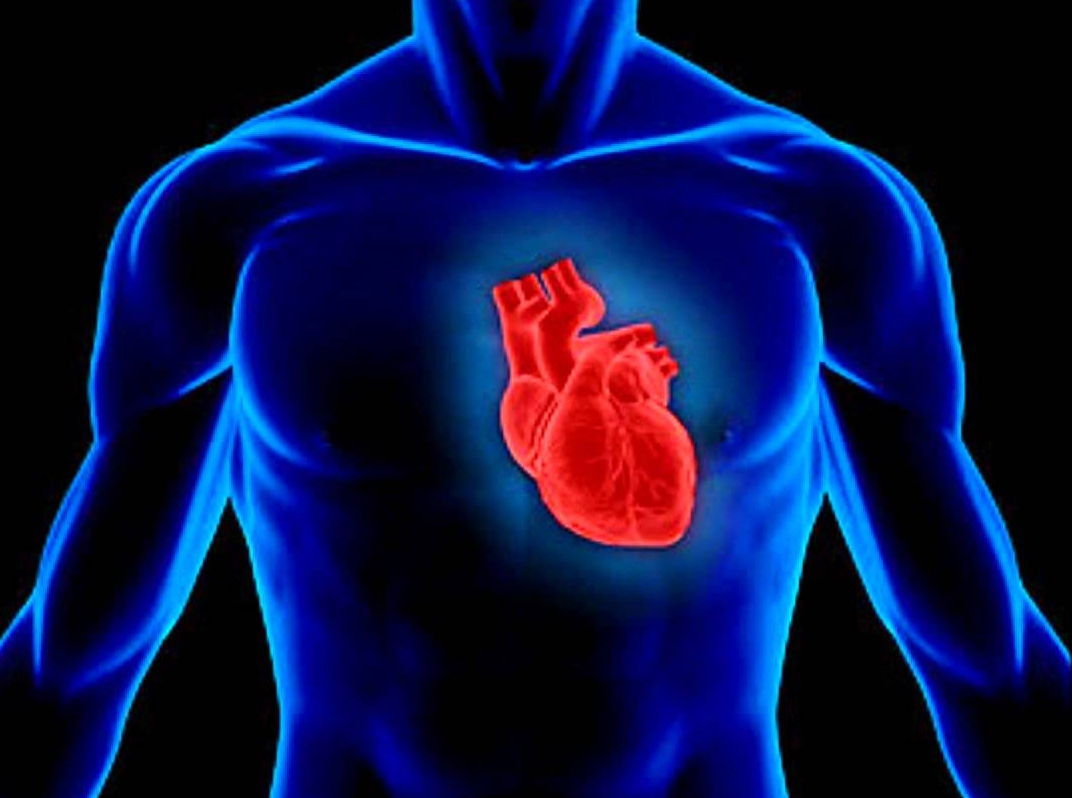
TRANS FAT-The biggest enemy of your heart

heart
I have friends who binge all the time on deep fried chips/wafers.. Its their way to satisfy their hunger. I asked them if they were aware that of why these chips feel scrumptious and crispy. Their reply was who cares we are just happy that it tastes so good.

This is not the case with only my friends, most people never bother to find out what the chips is made of, what goes into make it so tasty and crispy. Instead of creating nutrition awareness, the gimmicks around it entice people and children to buy these crispies.

Nutritional labels are overlooked. Many people don’t know how to read the nutritional label and what do the fancy ingredients mean? Even if they know they will only look for major component such as carbs, proteins, fat what about the breakdown of these macro nutrients like sugars/fiber comes under carbs.

Likewise, saturated fats/trans fat/MUFA/PUFA is also part of the Fat group. These lip smacking wafers which most people and kids gorge on area red alert for your heart! That’s because of the TRANS FAT (Bad fat). Caution- It’s a major enemy of heart!

First let’s understand what is trans fat??

Most trans fat are artificially synthesized through an industrial process that adds hydrogen molecule to vegetable oil, which causes the oil to become solid at room temperature. This partially hydrogenated oil is less likely to spoil, so foods made with it have a longer shelf life. Some restaurants use partially hydrogenated vegetable oil in their deep fryers, because it doesn’t have to be changed as often as do other oils. These fats are used in making c akes/pastries/puffs/rolls, margarine, doughnuts/wafers/chip/butter/margarine etc which provides empty calories (only calories and no nutrients).

Trans fat are inexpensive and gives a desired texture and taste to the item. (yes, you got it right.. the secret behind all these irresistible things is TRANS FATS!).

What does this trans fat do in the body?

Trans fat gets deposited in the arteries making them clogged. Clogged arteries are a sign of heart disease; they increase your risk of both heart attack and stroke. Here’s how it works: Trans fats raise low-density lipoprotein (LDL) or “bad” cholesterol levels. This contributes to the buildup of fatty plaque in arteries and lowering of your good (HDL) cholesterol levels. Eating trans fats increases your risk of developing heart disease and stroke. It’s also associated with a higher risk of developing type 2diabetes by increasing insulin resistance!

How can you limit your intake of Trans Fat?

Checking the nutrition label is very important.. When the Nutrition Facts label says a food contains 0 g of trans fat, but includes partially hydrogenated oil in the ingredient list, it means the food contains trans fat, but less than 0.5 grams of trans fat per serving.  The daily limit intake of trans fat should be zero. If you are buying any fod packet, please check the nutritional label for trans fat.

Here are some alternative to Trans fat:

    • Keep the usage of butter/margarine at bay. Instead use ghar ka desi Ghee. 🙂
    • Choose to eat foods that contain healthier fats, such as nuts ( walnuts and almonds), seeds (sunflower, pumpkin, watermelon, flax seeds), olives and avocados.
    • Opt for Rice bran oil, Oilve oil, Soyabean oil and mustard oil. They are a good source of MUFA (good quality fat)
    • Choose low-fat or fat-free dairy products and lean cuts of meat and skinless poultry. Keep red meat at bay.
    • Get plenty of foods that are naturally low in fat and high on fiber, such as whole grains, fruits and vegetables.

So, next time when you grab a packet of chips or wafers, remember the above points.

August 5, 2014 By Vrushali Athavle 4 Comments

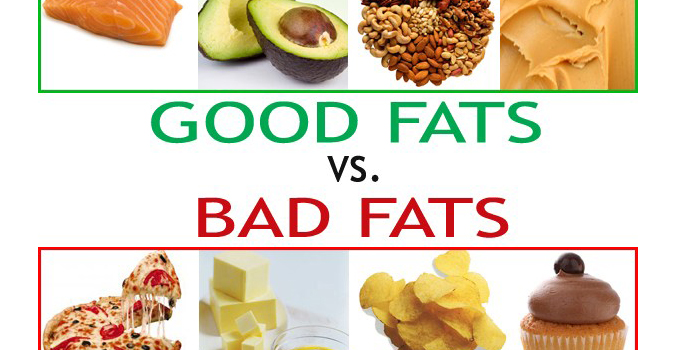
GOOD FAT versus BAD FATS

goodfatvsbadfat
How many of you would debate with me if I say FATS are good for your health? I think most of you would, right? I know for a fact that you will counter me on this and argue with me that fat is one of the major culprits behind heart attacks or high cholesterol levels and also that it has a very big contribution towards the distorted figure which now one is struggling with and trying to get back into shape.

Well, while I agree to an extent, I also disagree at the same time. I do not mean to confuse you. Let me simply explain this to you. All of us are familiar with the popular saying there are two sides to the same coin or the fact that there is good and bad in everything and every aspect. Same applies   to fats as well. There are good fats and there are bad fats.

You must be actually wondering when I say there are Good Fats. But, the reality is yes there are good fats. Let us now try and understand what good fats are?

There are three types of fats

1. Unsaturated fats (Good fats)

2. Saturated fats (Bad fats)

3. Trans fats (Bad fats)

GOOD FATS.

v  Unsaturated fats/ good fats are divided into 2 types:

1. Polyunsaturated fats – Omega 3 and Omega 6

2. Monounsaturated fats

POLYUNSATURATED FATS

What makes them good?

  • They help to build cell membranes, the exterior covering of each cell, and the sheaths surrounding nerves.
  • They’re vital to blood clotting, muscle contraction and relaxation, and inflammation.
  • They reduce LDL (Bad cholesterol) more than they lower HDL (Good cholesterol), improving your cholesterol profile. Even better, they also lower triglycerides.

There are two types of polyunsaturated fats: Omega-3 and Omega-6

  • Omega-3 (n-3) fatty acids

ü  Prevent and even treat heart disease and stroke.

ü  Prevent and treat autoimmune diseases such as lupus, eczema, and rheumatoid arthritis.

Good sources: flaxseeds, walnuts, canola oil, fatty fish such as salmon, mackerel and sardines

  • Omega-6 (n-6) fatty acids.

ü  Omega-6 fatty acids also lower the risk for heart disease.

Good sources: vegetable oils as safflower, soybean, sunflower, walnut, and corn oils.

MONOUNSATURATED FATS

These fats should be used as much as possible along with polyunsaturated fats to replace the bad saturated fats and Trans fats.

Good sources of monounsaturated fats are olive oil, peanut oil, canola oil, avocados, sesame oil and most nuts.

BAD FATS

Saturated fats

What makes them bad?

  • They increase the acetate fragments in the body which is turn leads to increase in the production of cholesterol.
  • They tend to clump together and form deposits in the body along with protein and cholesterol, and get lodged in blood cells and organs leading to many health problems like obesity, heart diseases and cancers of breast and colon.
  • They build up in the arteries causing narrowing of the arteries called as atherosclerosis which consequently can lead to major heart problems.

Sources of saturated fats: Cheese, butter, cream, red meat. Saturated fat is also in tropical oils, such as palm oil, coconut oil and cocoa butter. 

  Trans fats- worst fats

What makes them bad?

  • Tran’s fat is made by adding hydrogen to vegetable oil through a process called hydrogenation, which makes the oil less likely to spoil but difficult to digest.
  • Raises your “bad” (LDL) cholesterol and lowers your “good” (HDL) cholesterol.

April 21, 2026 By GOQii Leave a Comment

The New Annual Health Check: Tests That Actually Matter After 35

Most people wait for symptoms before they take their health seriously. The problem is after 35, many of the biggest risks develop silently, long before symptoms appear.

For many, an annual health check still means cholesterol, fasting sugar, and perhaps an ECG. That may have been sufficient years ago, but it no longer reflects how modern health risks develop.

You may feel completely normal and still be developing insulin resistance, fatty liver, or gradual muscle loss. Preventive healthcare has evolved and your annual check-up needs to evolve with it. Understanding how daily habits influence long-term health is equally important, especially when it comes to building consistency in exercise and lifestyle routines.

Studies show that a large number of adults with early metabolic risk remain undiagnosed for years because routine tests fail to capture these silent changes.

Who Should Prioritise These Tests?

These tests are especially important if you:

  • Have a sedentary lifestyle
  • Have a family history of diabetes or heart disease
  • Carry excess abdominal fat
  • Experience fatigue despite “normal” reports

If any of these apply to you, your standard check-up may not be enough.

  1. Body Composition, Not Just BMI

BMI only tells you your weight relative to height. It does not distinguish between fat and muscle, which means it often misses underlying risk.

Body composition analysis provides a clearer assessment by measuring:

  • Body fat percentage
  • Visceral fat
  • Muscle mass

A normal BMI with high visceral fat is often where risk is missed.

Visceral fat—especially around the abdomen is strongly linked to heart disease and diabetes. It is also closely associated with chronic inflammation, which often develops silently and accelerates disease risk.

Assess annually where possible, especially if you are making lifestyle changes.

  1. Cardiorespiratory Fitness and VO₂ Max

VO₂ max reflects how efficiently your body uses oxygen during physical activity. It is one of the strongest predictors of long-term health and survival.

Higher fitness levels are associated with:

  • Lower cardiovascular risk
  • Better metabolic health
  • Reduced risk of early mortality

Fitness level often predicts health outcomes more accurately than weight alone.

While lab testing offers precision, many fitness trackers provide reasonable estimates. Clinical treadmill tests can also be used.

Track this every 1–2 years to monitor improvement or decline.

  1. Liver Health and Fatty Liver Screening

Fatty liver disease is rising rapidly, even among individuals who do not consume alcohol.

A basic liver function test may indicate elevated enzymes, but an abdominal ultrasound provides a clearer assessment of fat accumulation.

Fatty liver is often the first visible sign of deeper metabolic dysfunction. In many cases, this overlaps with early inflammatory changes that go unnoticed for years.

It is strongly linked to:

  • Insulin resistance
  • Central obesity
  • Elevated triglycerides

If you fall into these categories, consider screening annually or as advised by your doctor.

  1. Vitamin D, B12 and Ferritin

Micronutrient deficiencies are common and often overlooked, yet they can significantly impact overall health.

Key markers include:

  • Vitamin D – supports bone health and immunity
  • Vitamin B12 – essential for nerve function and energy
  • Ferritin – reflects iron stores and can explain fatigue

These do not need to be tested every year for everyone, but checking at least once after 35, especially if you have symptoms or dietary restrictions is sensible.

  1. HbA1c, Not Just Fasting Sugar

Fasting blood sugar provides a snapshot of your glucose levels at a single point in time.

HbA1c reflects your average blood sugar over the past three months, making it a more reliable indicator of early metabolic changes.

As a general guideline:

  • Below 5.7% → normal
  • 5.7%–6.4% → prediabetes
  • Above 6.5% → diabetes

If you are over 35 especially with a sedentary lifestyle or family history testing annually is advisable. Managing blood sugar effectively also depends on consistent lifestyle habits, not just test results.

Track Trends, Not Just Reports

A single abnormal value does not define your health. What matters more is the direction over time.

Ask yourself:

  • Is your HbA1c slowly rising each year?
  • Is visceral fat increasing?
  • Is your fitness declining?

These patterns often appear long before disease is diagnosed.

Preventive health is about early correction, not late intervention. Long-term consistency is often influenced by environment, routines, and even social health and behavioural patterns.

Save your reports. Compare annually. Adjust early.

The most dangerous health changes are the ones you don’t feel.

After 35, the goal is no longer to react to disease it is to detect risk early and stay ahead of it.

Preventive health works best when data is combined with daily guidance, habit tracking, and personalised support through a connected health ecosystem.

Because the earlier you see it,
the easier it is to change it.

Frequently Asked Questions (FAQs)

  1. What tests should you do annually after 35?

After 35, annual health checks should go beyond basic tests and include body composition, HbA1c, liver health screening, and key metabolic markers. These tests help detect early risk factors that may not show symptoms.

  1. Is BMI enough to assess health risk?

No. BMI does not differentiate between fat and muscle. A person can have a normal BMI but still carry high visceral fat, which increases the risk of heart disease and diabetes. Body composition is a more accurate indicator.

  1. Why is HbA1c better than fasting sugar?

Fasting sugar reflects glucose levels at a single point in time, while HbA1c shows average blood sugar over the past three months. This makes it more reliable for identifying early metabolic changes.

  1. How often should you check for fatty liver?

If you have risk factors such as central obesity, high triglycerides, or insulin resistance, screening for fatty liver annually or as advised by a doctor is recommended.

  1. What is VO₂ max and why is it important?

VO₂ max measures how efficiently your body uses oxygen during exercise. It is a strong predictor of cardiovascular health and long-term survival, often more indicative than weight alone.

  1. Do all these tests need to be done every year?

Not necessarily. Some tests like HbA1c and body composition may be tracked annually, while others like vitamin levels can be checked periodically based on symptoms and risk factors.

#BeTheForce

Disclaimer: This article is intended for general informational and educational purposes only and should not be considered medical advice. The tests mentioned may not be necessary for everyone and should be undertaken based on individual health needs and medical history. Always consult a qualified healthcare professional before making decisions about medical tests, diagnosis, or treatment. GOQii provides preventive health guidance and lifestyle coaching and does not offer clinical diagnosis or medical treatment.

April 20, 2026 By Trupti Hingad Leave a Comment

10 Tips for a Blissful Night Sleep

Improve sleep and sleep quality

How do you feel when you wake up in the morning? Every health professional must have asked you this question? Amidst our busy schedule, Sleep issues have become alarmingly common.

Here are some of the reasons why you might not be getting proper sleep:-

  1. Distracted by thoughts
  2. Waking up at 3-4am (early hour insomnia)
  3. Constant interruption—night sweats
  4. Sleeping for more than 7hours but not waking up refreshed.

Poor quality of sleep is the most underestimated factor for weight gain, menopause, mood swings, low energy levels, fatigue etc. Sleep is the most important factor of a healthy lifestyle because the body repairs and regenerates during this time. It is also the time when your brain detoxifies and gets rid of waste products. Poor sleep patterns lead to hormonal imbalance and an increase in hunger hormones. Leptin and Ghrelin are the hormones responsible for the regulation of appetite, Leptin tells the brain that you are full and Ghrelin tells the body to eat.

Guess what happens when you don’t sleep well?

Leptin decreases and Ghrelin increases making your body think that you are starving. This either wakes you up to eat in the middle of the night or makes you overeat the next day. When leptin levels are low, the thyroid gland slows down your metabolism making you feel tired and increasing fat storage. Poor sleep increases the stress hormone—cortisol in the body leading to fat storage and can also increase insulin resistance leading to diabetes.

Here are some tips to help you sleep better:-

How-to-Get-a-Better-Nights-Sleep

  1. Keep it dark: The artificial light can reduce the production of hormone—melatonin which makes it hard to fall asleep. Try to keep your bedroom black. Switch off electronic lights (alarms, mobile, TV, ipad)
  2. Nice and early to bed: Practice going to bed at the same time every day. This registers in your subconscious mind and allows you to sleep well. This helps to regulate your body clock and could help you fall asleep and stay asleep for the night.
  3. Keep gadgets away: Try to keep your room gadget free. Charge your phone or laptop in a different room if you can or keep them away from your head, shut them down or put them on Airplane mode (this will reduce the EMF’s, Electro Magnetic Frequencies, that can interfere with your sleep).
  4. Relax your mind: Stress is one of the biggest factor of not getting good sleep. Give time to your mind to switch off from daily activities and get into sleep mode. Avoid thrillers or scary news at night. Try listening to soothing music, read books, meditation or deep breathing.
  5. Relax your body: Take a hot shower before bed or try Epsom salt bath. Epsom salts are rich in Magnesium Sulphate, a known muscle relaxant and detoxifier.
  6. Avoid alcohol: Alcohol leaves you dehydrated at the middle of the night, with low blood sugar and overtaxed liver. Alcohol also messes with your production of serotonin (the precursor to melatonin).
  7. Limit caffeine intake: Caffeine is a stimulant that can keep you awake. So avoid the consumption of caffeine 4-6 hours before bedtime.
  8. Pay attention to what you eat and drink: Avoid refined carbs like pasta, white rice, bread, pastry, sugar and processed foods as it will spike blood sugar at night and may wake you up. Eating a healthy dinner allows the body to absorb proper nutrients and provides the brain with the chemical environment required to produce neurotransmitters, required to maintain adequate sleep.
  9. Hydrate well in the day:  Your sleep can be interrupted if you’re dehydrated as this stimulates cortisol, which wakes you up.
  10. Supplement: Tryptophan is a protein that helps make melatonin. Food sources include whey protein, meat, fish, dairy, nuts and seeds. L-theanine is a calming nutrient found in tea (black and green), Magnesium helps to relax the body and increase a calming neurotransmitter. You can also use Ashwagandha, chamomile, lavender tea, passion flower and lemon balm to induce sleep. Refer to this blog for more info about this supplement.

Sleep is the golden chain that ties HEALTH and our body together. So Snooze and sleep well.

We hope this article helps you. For further information or guidance, reach out to our certified experts by subscribing to GOQii’s Personalised Health Coaching here.

#BeTheForce

  • « Previous Page
  • 1
  • …
  • 10
  • 11
  • 12
  • 13
  • 14
  • …
  • 206
  • Next Page »

Search

Recent Posts

  • The New Annual Health Check: Tests That Actually Matter After 35
  • 10 Tips for a Blissful Night Sleep
  • World Liver Day 2026: Solid Habits, Strong Liver
  • Prebiotics and Probiotics: What’s the Difference?
  • Social Health and Longevity: Why Relationships Matter as Much as Diet

Stay Updated

Archives

  • April 2026 (16)
  • March 2026 (18)
  • February 2026 (14)
  • January 2026 (14)
  • December 2025 (19)
  • November 2025 (15)
  • October 2025 (20)
  • September 2025 (6)
  • August 2025 (6)
  • July 2025 (12)
  • June 2025 (18)
  • May 2025 (16)
  • April 2025 (22)
  • March 2025 (28)
  • February 2025 (22)
  • January 2025 (25)
  • December 2024 (22)
  • November 2024 (23)
  • October 2024 (21)
  • September 2024 (23)
  • August 2024 (30)
  • July 2024 (21)
  • June 2024 (25)
  • May 2024 (30)
  • April 2024 (27)
  • March 2024 (27)
  • February 2024 (24)
  • January 2024 (21)
  • December 2023 (14)
  • November 2023 (10)
  • October 2023 (19)
  • September 2023 (22)
  • August 2023 (18)
  • July 2023 (22)
  • June 2023 (23)
  • May 2023 (24)
  • April 2023 (21)
  • March 2023 (23)
  • February 2023 (19)
  • January 2023 (15)
  • December 2022 (11)
  • November 2022 (15)
  • October 2022 (15)
  • September 2022 (12)
  • August 2022 (10)
  • July 2022 (17)
  • June 2022 (11)
  • May 2022 (10)
  • April 2022 (6)
  • March 2022 (6)
  • February 2022 (13)
  • January 2022 (11)
  • December 2021 (7)
  • November 2021 (3)
  • October 2021 (6)
  • September 2021 (3)
  • August 2021 (8)
  • July 2021 (7)
  • June 2021 (15)
  • May 2021 (16)
  • April 2021 (10)
  • March 2021 (7)
  • February 2021 (4)
  • January 2021 (4)
  • December 2020 (3)
  • November 2020 (4)
  • October 2020 (10)
  • September 2020 (3)
  • August 2020 (3)
  • July 2020 (2)
  • June 2020 (4)
  • May 2020 (10)
  • April 2020 (12)
  • March 2020 (10)
  • February 2020 (4)
  • January 2020 (4)
  • December 2019 (3)
  • November 2019 (7)
  • October 2019 (5)
  • September 2019 (4)
  • August 2019 (9)
  • July 2019 (9)
  • June 2019 (11)
  • May 2019 (4)
  • April 2019 (8)
  • March 2019 (8)
  • February 2019 (9)
  • January 2019 (8)
  • December 2018 (9)
  • November 2018 (3)
  • October 2018 (3)
  • September 2018 (5)
  • August 2018 (10)
  • July 2018 (6)
  • June 2018 (13)
  • May 2018 (8)
  • April 2018 (18)
  • March 2018 (9)
  • February 2018 (8)
  • January 2018 (15)
  • December 2017 (12)
  • November 2017 (19)
  • October 2017 (13)
  • September 2017 (15)
  • August 2017 (4)
  • July 2017 (8)
  • June 2017 (7)
  • May 2017 (6)
  • April 2017 (8)
  • March 2017 (6)
  • February 2017 (7)
  • January 2017 (9)
  • December 2016 (10)
  • November 2016 (7)
  • October 2016 (7)
  • September 2016 (7)
  • August 2016 (11)
  • July 2016 (9)
  • June 2016 (9)
  • May 2016 (12)
  • April 2016 (17)
  • March 2016 (17)
  • February 2016 (8)
  • January 2016 (6)
  • December 2015 (2)
  • November 2015 (9)
  • October 2015 (7)
  • September 2015 (9)
  • August 2015 (11)
  • July 2015 (9)
  • June 2015 (11)
  • May 2015 (9)
  • April 2015 (13)
  • March 2015 (8)
  • February 2015 (5)
  • January 2015 (12)
  • December 2014 (14)
  • November 2014 (11)
  • October 2014 (6)
  • September 2014 (13)
  • August 2014 (12)
  • July 2014 (6)
  • June 2014 (2)
  • May 2014 (7)
  • April 2014 (4)

From “Laddu Nawin” to Fit and Fierce: How a 25-Year-Old Insurance Advisor Shed 20 Kilos and Gained His Life Back

When 25-year-old Nawin Yadav from Hyderabad walked into his office every morning, he carried more than just his files and policy papers. He had the weight of fatigue, sluggish energy, and an ever-growing belly that was becoming the butt of jokes. “People … [Read More...]

“I’ve Challenged Myself to Live 100 Years” – The Story of Chandubhai Savani’s Second Chance at Life

At 67, most people start slowing down. Not Chandubhai Savani. A resident of Surat, Chandubhai, thought life was on track. “My life was going well till I had my bypass surgery,” he says. That surgery, back in 2021, was a wake-up call.  Medication was routine, but exercise wasn’t. His diet? What he calls ‘normal.’ “I […]

From Shimla’s Slopes to Chandigarh’s Sidewalks: Surinder Kaur Bhalla’s Journey from Chaos to Control

Some journeys start with a plan. Others begin with a stumble literally. Surinder Bhalla, a government professional, born and raised in the scenic hill town of Shimla, had always lived a life of movement. “In Shimla, you walked everywhere,” she reflects. “Walking was never an exercise. It was just life.” But after shifting to Chandigarh, […]

Ananda Mukherjee Health Story

From Terminal Illness To Complete Wellness! Ananda Mukherjee Health Story

As we observe World Cancer Day under the powerful theme ‘United by Unique’ (2025-2027)**, we are reminded that every individual’s journey with cancer is distinct, yet united by shared resilience, hope, and the collective fight against this disease. This theme places people at the centre of care and their stories at the heart of the […]

  • HOME
  • HEALTHY LIVING
  • FITNESS
  • HEALTHY RECIPES
  • USER STORIES
  • KARMA
  • BUY GOQii

Copyright ©2016 GOQii