GOQii

Blog

  • HOME
  • HEALTHY LIVING
  • FITNESS
  • HEALTHY RECIPES
  • USER STORIES
  • KARMA
  • BUY GOQii

Search Results for: fat

April 15, 2015 By Ami Shah 1 Comment

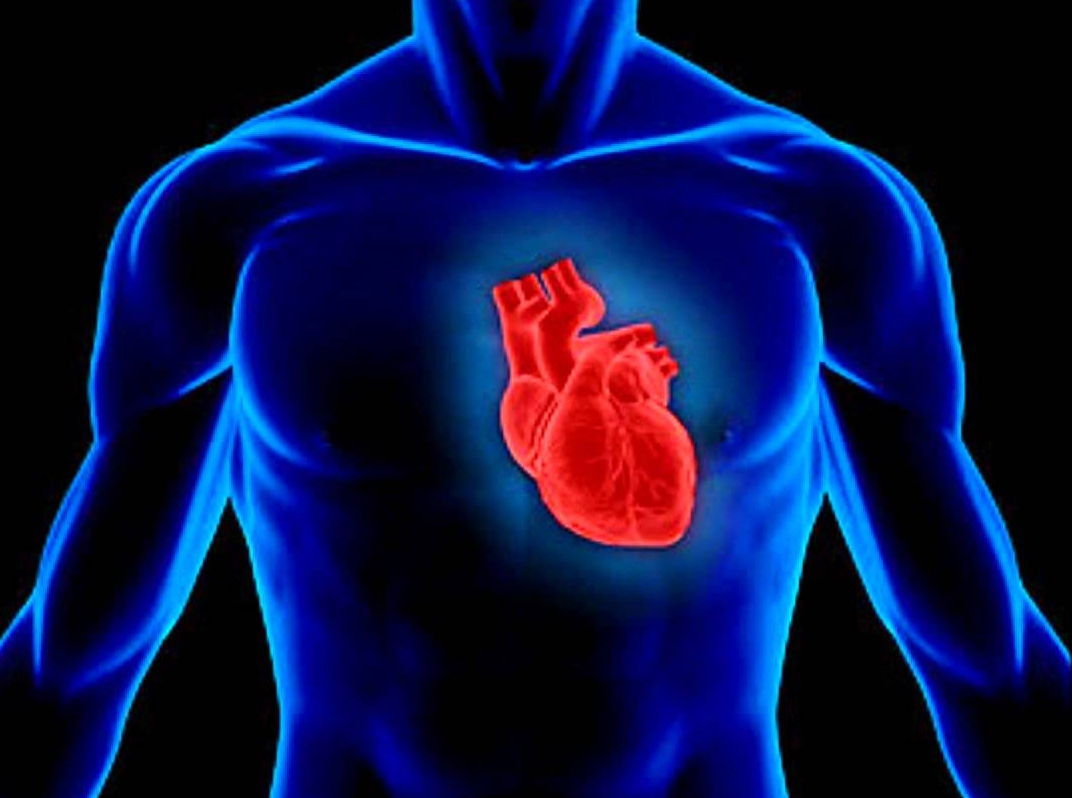
TRANS FAT-The biggest enemy of your heart

heart
I have friends who binge all the time on deep fried chips/wafers.. Its their way to satisfy their hunger. I asked them if they were aware that of why these chips feel scrumptious and crispy. Their reply was who cares we are just happy that it tastes so good.

This is not the case with only my friends, most people never bother to find out what the chips is made of, what goes into make it so tasty and crispy. Instead of creating nutrition awareness, the gimmicks around it entice people and children to buy these crispies.

Nutritional labels are overlooked. Many people don’t know how to read the nutritional label and what do the fancy ingredients mean? Even if they know they will only look for major component such as carbs, proteins, fat what about the breakdown of these macro nutrients like sugars/fiber comes under carbs.

Likewise, saturated fats/trans fat/MUFA/PUFA is also part of the Fat group. These lip smacking wafers which most people and kids gorge on area red alert for your heart! That’s because of the TRANS FAT (Bad fat). Caution- It’s a major enemy of heart!

First let’s understand what is trans fat??

Most trans fat are artificially synthesized through an industrial process that adds hydrogen molecule to vegetable oil, which causes the oil to become solid at room temperature. This partially hydrogenated oil is less likely to spoil, so foods made with it have a longer shelf life. Some restaurants use partially hydrogenated vegetable oil in their deep fryers, because it doesn’t have to be changed as often as do other oils. These fats are used in making c akes/pastries/puffs/rolls, margarine, doughnuts/wafers/chip/butter/margarine etc which provides empty calories (only calories and no nutrients).

Trans fat are inexpensive and gives a desired texture and taste to the item. (yes, you got it right.. the secret behind all these irresistible things is TRANS FATS!).

What does this trans fat do in the body?

Trans fat gets deposited in the arteries making them clogged. Clogged arteries are a sign of heart disease; they increase your risk of both heart attack and stroke. Here’s how it works: Trans fats raise low-density lipoprotein (LDL) or “bad” cholesterol levels. This contributes to the buildup of fatty plaque in arteries and lowering of your good (HDL) cholesterol levels. Eating trans fats increases your risk of developing heart disease and stroke. It’s also associated with a higher risk of developing type 2diabetes by increasing insulin resistance!

How can you limit your intake of Trans Fat?

Checking the nutrition label is very important.. When the Nutrition Facts label says a food contains 0 g of trans fat, but includes partially hydrogenated oil in the ingredient list, it means the food contains trans fat, but less than 0.5 grams of trans fat per serving.  The daily limit intake of trans fat should be zero. If you are buying any fod packet, please check the nutritional label for trans fat.

Here are some alternative to Trans fat:

    • Keep the usage of butter/margarine at bay. Instead use ghar ka desi Ghee. 🙂
    • Choose to eat foods that contain healthier fats, such as nuts ( walnuts and almonds), seeds (sunflower, pumpkin, watermelon, flax seeds), olives and avocados.
    • Opt for Rice bran oil, Oilve oil, Soyabean oil and mustard oil. They are a good source of MUFA (good quality fat)
    • Choose low-fat or fat-free dairy products and lean cuts of meat and skinless poultry. Keep red meat at bay.
    • Get plenty of foods that are naturally low in fat and high on fiber, such as whole grains, fruits and vegetables.

So, next time when you grab a packet of chips or wafers, remember the above points.
August 5, 2014 By Vrushali Athavle 4 Comments

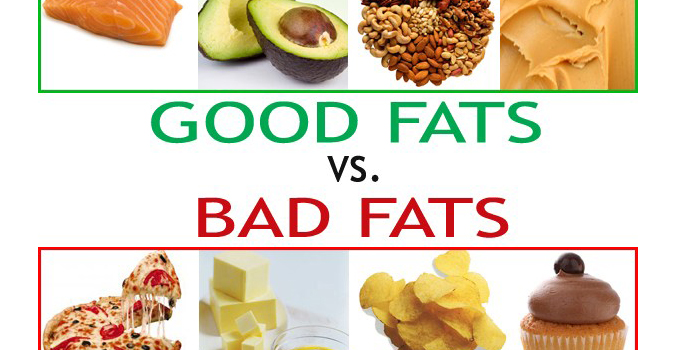
GOOD FAT versus BAD FATS

goodfatvsbadfat
How many of you would debate with me if I say FATS are good for your health? I think most of you would, right? I know for a fact that you will counter me on this and argue with me that fat is one of the major culprits behind heart attacks or high cholesterol levels and also that it has a very big contribution towards the distorted figure which now one is struggling with and trying to get back into shape.

Well, while I agree to an extent, I also disagree at the same time. I do not mean to confuse you. Let me simply explain this to you. All of us are familiar with the popular saying there are two sides to the same coin or the fact that there is good and bad in everything and every aspect. Same applies   to fats as well. There are good fats and there are bad fats.

You must be actually wondering when I say there are Good Fats. But, the reality is yes there are good fats. Let us now try and understand what good fats are?

There are three types of fats

1. Unsaturated fats (Good fats)

2. Saturated fats (Bad fats)

3. Trans fats (Bad fats)

GOOD FATS.

v  Unsaturated fats/ good fats are divided into 2 types:

1. Polyunsaturated fats – Omega 3 and Omega 6

2. Monounsaturated fats

POLYUNSATURATED FATS

What makes them good?

  • They help to build cell membranes, the exterior covering of each cell, and the sheaths surrounding nerves.
  • They’re vital to blood clotting, muscle contraction and relaxation, and inflammation.
  • They reduce LDL (Bad cholesterol) more than they lower HDL (Good cholesterol), improving your cholesterol profile. Even better, they also lower triglycerides.

There are two types of polyunsaturated fats: Omega-3 and Omega-6

  • Omega-3 (n-3) fatty acids

ü  Prevent and even treat heart disease and stroke.

ü  Prevent and treat autoimmune diseases such as lupus, eczema, and rheumatoid arthritis.

Good sources: flaxseeds, walnuts, canola oil, fatty fish such as salmon, mackerel and sardines

  • Omega-6 (n-6) fatty acids.

ü  Omega-6 fatty acids also lower the risk for heart disease.

Good sources: vegetable oils as safflower, soybean, sunflower, walnut, and corn oils.

MONOUNSATURATED FATS

These fats should be used as much as possible along with polyunsaturated fats to replace the bad saturated fats and Trans fats.

Good sources of monounsaturated fats are olive oil, peanut oil, canola oil, avocados, sesame oil and most nuts.

BAD FATS

Saturated fats

What makes them bad?

  • They increase the acetate fragments in the body which is turn leads to increase in the production of cholesterol.
  • They tend to clump together and form deposits in the body along with protein and cholesterol, and get lodged in blood cells and organs leading to many health problems like obesity, heart diseases and cancers of breast and colon.
  • They build up in the arteries causing narrowing of the arteries called as atherosclerosis which consequently can lead to major heart problems.

Sources of saturated fats: Cheese, butter, cream, red meat. Saturated fat is also in tropical oils, such as palm oil, coconut oil and cocoa butter. 

  Trans fats- worst fats

What makes them bad?

  • Tran’s fat is made by adding hydrogen to vegetable oil through a process called hydrogenation, which makes the oil less likely to spoil but difficult to digest.
  • Raises your “bad” (LDL) cholesterol and lowers your “good” (HDL) cholesterol.

December 10, 2025 By Neha Goyal Leave a Comment

Best Foods To Alleviate Irritable Bowel Syndrome

irritable bowel syndromeIrritable Bowel Syndrome (IBS) is a common gastrointestinal disorder making mealtimes a challenge for many people. With such a condition, you may notice that certain foods trigger uncomfortable digestive symptoms like irregular bowel movements, cramping, gas, bloating, diarrhoea or constipation. It’s no surprise that living with IBS can have a significant effect on a person’s quality of life.

While there are foods which help prevent the symptoms of IBS, everyone responds to food differently. One has to be their own food detective by recording their intake and symptoms so as to rule out trigger foods that your gut may not be able to handle easily. 

Foods Which Help Alleviate Irritable Bowel Syndrome 

Here is a list of food you can stock as they are gentle on your system. You can use them to create satisfying, healthy meals and snacks without upsetting your stomach. 

  1. Cooked Vegetables: Vegetables are high in fibre and may worsen symptoms for IBS in some people. But cooked vegetables are safe to eat as cooking makes them easy to digest. Eggplant, carrots, sweet potato, yam, broccoli, bell peppers, potato, zucchini, baby spinach, pumpkin, bottle gourd, green beans and celery in cooked form with some added herbs like basil, coriander, mint, ginger, lemongrass, rosemary, parsley and thyme enhance flavour and are safe to eat for most people.
  2. Fruits with low Fructose: Fructose in fruits can cause discomfort if you have Irritable Bowel Syndrome. So choose low fructose fruits like banana, blueberry, cranberry, kiwi, strawberry, lemon, lime, raspberry, pineapple and papaya. Make sure you don’t eat too many fruits at a time or you may overwhelm your body’s ability to absorb fruit sugars without fermentation.
  3. Gluten-free/Low Gluten Grains: People with IBS can safely tolerate gluten to some extent. Some gluten-free grains can be a great addition to a hassle-free IBS diet.  You can enjoy rice, cooked oatmeal, quinoa, tapioca and millet every day without being worried about IBS flares.
  4. Eggs: can easily be a part of your breakfast, lunch or dinner. However, some people report sensitivity with protein in egg whites or fat in egg yolk, but for most people, they are easy to digest.
  5. Lean Meats: They are easy to digest due to low fat and negligible fibre content. They provide a good amount of protein.
  6. Fish: Being rich in anti-inflammatory omega-3 fatty acids, fish can be a great addition to your diet. Since an inflamed gut may be a reason for your IBS, consuming fish can actually help. Good fish sources are anchovies, sardines, mackerel, black cod, herring, rainbow trout and salmon.
  7. Lactose-free Milk: Most people can handle small amounts of lactose found in dairy unless they have lactose intolerance. But if you have more than your intestines can handle, it may cause bloating and gas. Some lactose-free milk options can be used in such conditions like oat milk, rice milk and soy milk as an alternative to cow’s milk.
  8. Nuts and Seeds: are high in fibre, protein and omega-3 – which are good for overall health and your gut flora. They are especially good for IBS. You can add them to your salads, smoothies or oatmeal. Safer options in limited amounts for IBS are almonds, Brazil nuts, sesame seeds, flaxseeds, pumpkin seeds, sunflower seeds, walnuts, pine nuts, hazelnuts, pecans and macadamia nuts.

Along with carefully choosing food that suits you, a healthy lifestyle with a low fat diet, regular exercise, managing stress and mindful eating often makes a great difference. Before you begin consuming any of the above foods, do consult your doctor, nutritionist or dietitian. 

For more information or tips to alleviate Irritable Bowel Syndrome, speak to a GOQii Coach by subscribing for Personalised Health Coaching here.

#BeTheForce 

Disclaimer: The information provided in this blog is for general awareness and educational purposes only. It is not intended to replace professional medical advice, diagnosis, or treatment. Always consult a qualified healthcare provider for personalised medical guidance or concerns related to your health.

December 8, 2025 By Saaimah Parkar 1 Comment

ALL ABOUT VERTIGO!

It came across as strange initially when I said that the world around me was spinning and that my entire room seemed to be in constant motion. Basically, I used to find the floor of my bedroom, the bed, and the room itself were in constant motion (not literally spinning or in constant motion, but I felt that way). I had to walk around supporting myself using the wall, furniture, anything that was close by, and if nothing was available, I literally had to crawl. Finally, I was diagnosed with something called Vertigo.



Vertigo is the feeling that you or your environment is moving or spinning. It differs from dizziness in that vertigo describes an illusion of movement. When you feel as if you are moving, it’s called subjective vertigo, and the perception that your surroundings are moving is called objective vertigo.

A few causes and types of Vertigo:

Benign Paroxysmal Positional Vertigo (BPPV): Tiny calcium particles called canaliths clump up in the canals of the inner ear. This could also be caused due to sudden movement of the head, resulting in the dislodgement of the crystalline structures in the ear’s balance detectors.

Meniere’s Disease: This is an inner ear disorder caused by changing pressure in the ear and a buildup of fluid in the ear.

Labrynthitis: Inner ear viral or bacterial infection

Bleeding in the brain: Vertigo can be caused by decreased blood flow to the base of the brain. Bleeding into the back of the brain (cerebellar hemorrhage) is characterized by vertigo, headache, difficulty walking, and an inability to look toward the side of the bleed. The result is that the person’s eyes gaze away from the side with the problem. Walking is also extremely impaired.

Some other less evident causes: 

Head or neck injury.

Stroke, tumour, diabetes mellitus, atherosclerosis

Migraine

Certain medications

Hormonal fluctuations in menopausal women.

Most common symptoms are: Spinning, loss of balance, headache, sweating, nausea, and yes I have experienced all of this at one go.

Treatment for Vertigo:  Treatment depends mainly on what’s causing it. There are a variety of treatments for vertigo, including self-care remedies, medications, and physical therapy maneuvers.

Let us look at some of the treatments

Benign Paroxysmal Positional Vertigo: Posture correction exercises, head and neck strengthening exercises help with this type of vertigo. It has helped me too. Apart from this, Vitamin D supplementation may be beneficial for patients diagnosed with benign paroxysmal positional vertigo. However, before that, you need to check if you have a Vitamin D deficiency.

Meniere’s Disease and Labyrinthitis: These two are usually treated with anti-inflammatory and diuretic medicines. However, natural foods like ginger root and curcumin aid in speeding up the recovery process.

Stroke, Atherosclerosis, Diabetes, Hypertension: Dietary modifications like avoiding junk, simple sugars, refined flours, and incorporating complex carbohydrates, more fruits and vegetables, and whole grains can help improve symptoms of vertigo.

Avoiding red meats, packaged and preserved foods like frozen meats like salamis and sausages, various sauces, chips and wafers (foods high in sodium), and replacing them with fatty fish and lean meats can improve both vertigo and any of the cardiovascular and lifestyle diseases mentioned above.

Understanding vertigo and its various causes can help in managing and treating it effectively. By incorporating lifestyle changes and seeking appropriate medical care, individuals can find relief from the discomfort and distress caused by vertigo. Remember, with the right approach, you can manage vertigo and lead a healthier, more balanced life.

#BeTheForce

Disclaimer: The information provided in this blog is for general awareness and educational purposes only. It is not intended to replace professional medical advice, diagnosis, or treatment. Always consult a qualified healthcare provider for personalised medical guidance or concerns related to your health.

  • « Previous Page
  • 1
  • …
  • 10
  • 11
  • 12
  • 13
  • 14
  • …
  • 199
  • Next Page »

Search

Recent Posts

  • Best Foods To Alleviate Irritable Bowel Syndrome
  • ALL ABOUT VERTIGO!
  • PCOS and Anxiety: Discover Relief with the 54321 Technique
  • Navigating the Maze of Nutrition: Finding Clarity Amidst Confusion
  • Get children active and keep them healthy

Stay Updated

Archives

  • December 2025 (6)
  • November 2025 (15)
  • October 2025 (20)
  • September 2025 (6)
  • August 2025 (6)
  • July 2025 (12)
  • June 2025 (18)
  • May 2025 (16)
  • April 2025 (23)
  • March 2025 (23)
  • February 2025 (22)
  • January 2025 (26)
  • December 2024 (26)
  • November 2024 (25)
  • October 2024 (22)
  • September 2024 (24)
  • August 2024 (31)
  • July 2024 (21)
  • June 2024 (26)
  • May 2024 (31)
  • April 2024 (27)
  • March 2024 (29)
  • February 2024 (26)
  • January 2024 (25)
  • December 2023 (15)
  • November 2023 (11)
  • October 2023 (22)
  • September 2023 (22)
  • August 2023 (20)
  • July 2023 (22)
  • June 2023 (24)
  • May 2023 (24)
  • April 2023 (24)
  • March 2023 (23)
  • February 2023 (20)
  • January 2023 (16)
  • December 2022 (12)
  • November 2022 (15)
  • October 2022 (15)
  • September 2022 (12)
  • August 2022 (10)
  • July 2022 (17)
  • June 2022 (11)
  • May 2022 (10)
  • April 2022 (6)
  • March 2022 (6)
  • February 2022 (13)
  • January 2022 (12)
  • December 2021 (7)
  • November 2021 (3)
  • October 2021 (6)
  • September 2021 (3)
  • August 2021 (8)
  • July 2021 (7)
  • June 2021 (15)
  • May 2021 (16)
  • April 2021 (10)
  • March 2021 (7)
  • February 2021 (4)
  • January 2021 (4)
  • December 2020 (3)
  • November 2020 (4)
  • October 2020 (10)
  • September 2020 (3)
  • August 2020 (3)
  • July 2020 (2)
  • June 2020 (4)
  • May 2020 (10)
  • April 2020 (12)
  • March 2020 (10)
  • February 2020 (4)
  • January 2020 (4)
  • December 2019 (3)
  • November 2019 (7)
  • October 2019 (5)
  • September 2019 (4)
  • August 2019 (9)
  • July 2019 (9)
  • June 2019 (11)
  • May 2019 (4)
  • April 2019 (9)
  • March 2019 (8)
  • February 2019 (9)
  • January 2019 (8)
  • December 2018 (9)
  • November 2018 (3)
  • October 2018 (3)
  • September 2018 (5)
  • August 2018 (10)
  • July 2018 (6)
  • June 2018 (13)
  • May 2018 (8)
  • April 2018 (18)
  • March 2018 (9)
  • February 2018 (8)
  • January 2018 (15)
  • December 2017 (12)
  • November 2017 (19)
  • October 2017 (13)
  • September 2017 (15)
  • August 2017 (4)
  • July 2017 (8)
  • June 2017 (7)
  • May 2017 (6)
  • April 2017 (8)
  • March 2017 (6)
  • February 2017 (7)
  • January 2017 (9)
  • December 2016 (10)
  • November 2016 (7)
  • October 2016 (7)
  • September 2016 (7)
  • August 2016 (11)
  • July 2016 (9)
  • June 2016 (9)
  • May 2016 (12)
  • April 2016 (17)
  • March 2016 (17)
  • February 2016 (8)
  • January 2016 (6)
  • December 2015 (2)
  • November 2015 (9)
  • October 2015 (7)
  • September 2015 (9)
  • August 2015 (11)
  • July 2015 (9)
  • June 2015 (12)
  • May 2015 (9)
  • April 2015 (13)
  • March 2015 (8)
  • February 2015 (5)
  • January 2015 (12)
  • December 2014 (14)
  • November 2014 (11)
  • October 2014 (6)
  • September 2014 (13)
  • August 2014 (12)
  • July 2014 (6)
  • June 2014 (2)
  • May 2014 (7)
  • April 2014 (5)

From “Laddu Nawin” to Fit and Fierce: How a 25-Year-Old Insurance Advisor Shed 20 Kilos and Gained His Life Back

When 25-year-old Nawin Yadav from Hyderabad walked into his office every morning, he carried more than just his files and policy papers. He had the weight of fatigue, sluggish energy, and an ever-growing belly that was becoming the butt of jokes. “People … [Read More...]

“I’ve Challenged Myself to Live 100 Years” – The Story of Chandubhai Savani’s Second Chance at Life

At 67, most people start slowing down. Not Chandubhai Savani. A resident of Surat, Chandubhai, thought life was on track. “My life was going well till I had my bypass surgery,” he says. That surgery, back in 2021, was a wake-up call.  Medication was routine, but exercise wasn’t. His diet? What he calls ‘normal.’ “I […]

From Shimla’s Slopes to Chandigarh’s Sidewalks: Surinder Kaur Bhalla’s Journey from Chaos to Control

Some journeys start with a plan. Others begin with a stumble literally. Surinder Bhalla, a government professional, born and raised in the scenic hill town of Shimla, had always lived a life of movement. “In Shimla, you walked everywhere,” she reflects. “Walking was never an exercise. It was just life.” But after shifting to Chandigarh, […]

Ananda Mukherjee Health Story

From Terminal Illness To Complete Wellness! Ananda Mukherjee Health Story

As we observe World Cancer Day under the powerful theme ‘United by Unique’ (2025-2027)**, we are reminded that every individual’s journey with cancer is distinct, yet united by shared resilience, hope, and the collective fight against this disease. This theme places people at the centre of care and their stories at the heart of the […]

  • HOME
  • HEALTHY LIVING
  • FITNESS
  • HEALTHY RECIPES
  • USER STORIES
  • KARMA
  • BUY GOQii

Copyright ©2016 GOQii