GOQii

Blog

  • HOME
  • HEALTHY LIVING
  • FITNESS
  • HEALTHY RECIPES
  • USER STORIES
  • KARMA
  • BUY GOQii

Search Results for: disease

May 5, 2023 By Tabassum Parveen Leave a Comment

Healthy & Refreshing Summer Coolers!

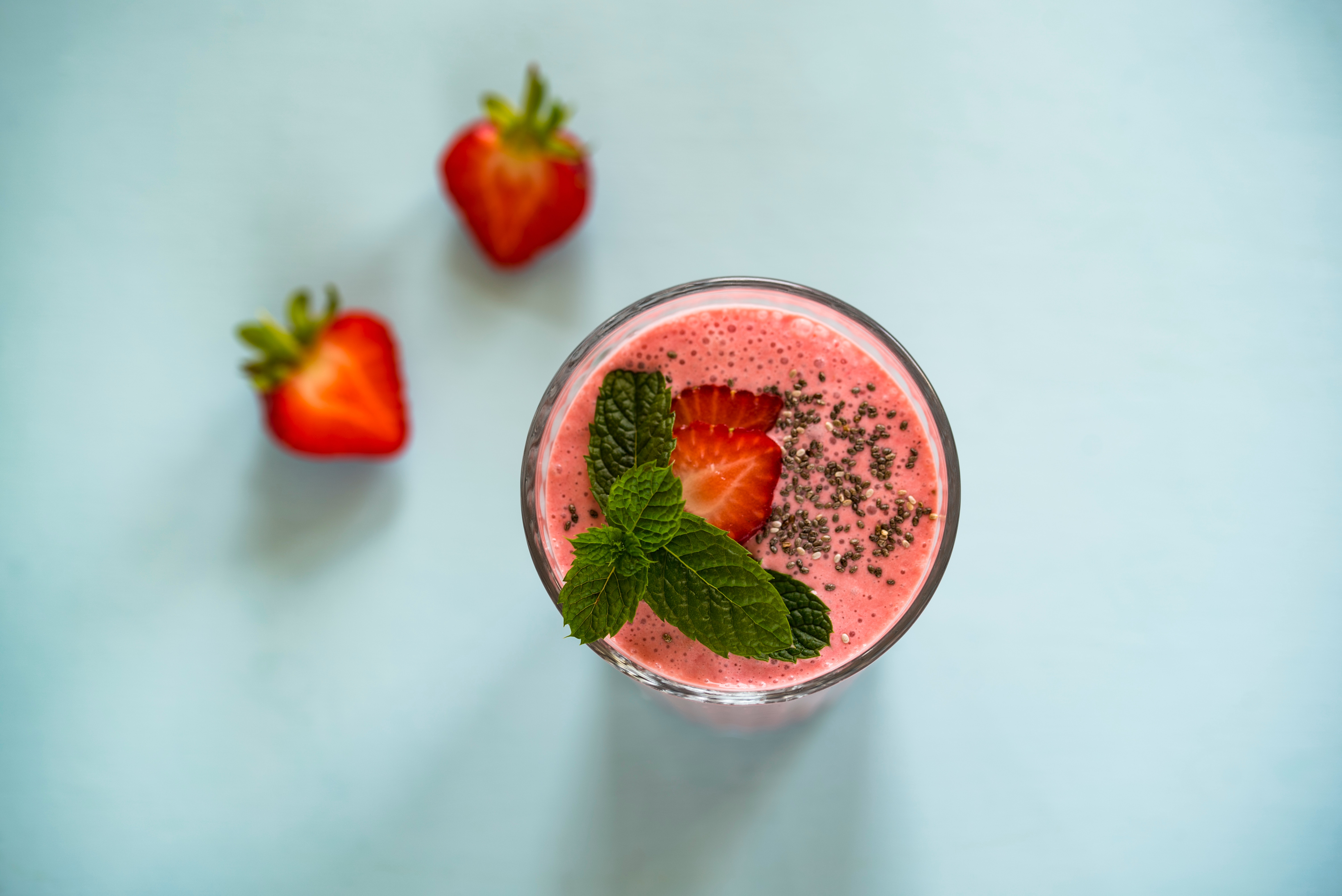
summer coolersGetting out of the house has been a task because of the heat. Venturing out means sweating profusely or being dehydrated due to lack of drinking water at continuous intervals. Want to take some extra precautions to keep your body cool and healthy? Try these healthy and refreshing summer coolers to keep you cool and ward off the heat!

1. Strawberry Pineapple Lemonade

Ingredients:

  • Strawberry – 2 cup fresh small size
  • Pineapple – 3 cup slices
  • Lemon – 1 or ½ cup
  • Ice – Optional
  • Honey – ½ cup
  • Water – 3 ½ cup

Method:

  • Place the strawberries, pineapple and water in a blender and prepare a puree
  • Strain the puree to remove seeds
  • Add lemon juice and honey
  • Add ice cubes and enjoy the drink

Benefits: This healthy, refreshing summer cooler is loaded with antioxidant properties. It supports the immune system, fights diseases and enhances your skin complexion. Its anti-inflammatory properties will help you deal with arthritis, gout, reduced blood pressure and stroke. Adding lemon will enhance its nutritive value by giving a dose of important vitamins to run body functions normally.

2. Mango, Raspberry & Basil Seed Popsicle

Ingredients:

  • Mango    – 3 cup
  • Chia Seed – 2 cup
  • Raspberry – 2 cup
  • Cinnamon Powder – 1 teaspoon
  • Brown Sugar – 1 tablespoon

Method:

  • In a blender, mix the mangoes until it is smooth
  • Pour it in a bowl and add Chia seeds
  • Mix well and let it rest in a refrigerator for 30 minutes
  • In a blender mix raspberries, brown sugar and cinnamon powder until smooth
  • Let it rest for 5 minutes
  • In a popsicle mold, pour 1 tablespoon of mango and chia seed mix. Then 1 tablespoon of raspberry mix.
  • Place in the freezer for at least 2 hrs

Benefits: This Popsicle is one of the best nutrient-rich summer coolers! Mango and Raspberry are packed with nutrients that support the heart, digestion, eye, hair and skin health. Adding Basil Seeds will reduce body heat and boost metabolism. It can relieve constipation and improve the respiratory system.

3. Ginger Cucumber Summer Cooler

Ingredients:

  • Ginger    – ½ Ginger
  • Cucumber – ½ Cucumber
  • Lemon – Few drops
  • Honey – 1 tsp
  • Water – 1 cup

Method:

  • Peel and grate the cucumber and Ginger
  • Blend it well by adding water
  • Strain it and add Honey and lemon
  • Decorate the glass with a slice of Cucumber and enjoy the drink

Benefits: Ginger improves digestive health and blood circulation. Along with Lemon, Ginger acts as an antibiotic. The combination of Cucumber, Ginger and Lemon act as a summer thirst quencher and also helps you lose weight by reducing water retention. It also boosts metabolism and keeps you hydrated!

4. Lemon Barley Water

Ingredients:

  • Barley – 3 cup
  • Lemon    Zest – 2 Lemons
  • Honey – ½ cup
  • Water – 3 cup

Method:

  • Place the barley in a bowl and wash it properly
  • Place it in a pan and add lemon zest and water
  • Bring the mixture to boil and let it simmer for 5-10 minutes
  • Strain the mixture then add honey and stir it well
  • Let the water cool down, transfer it into bottles and refrigerate until it is chilled
  • Serve it and enjoy the drink.

Benefits: It is one of the oldest drinks used by ancient Egyptians to cool their bodies during summer. This summer cooler helps maintain body temperature. It also acts as a natural remedy to reduce kidney stones and clear off Urinary Tract Infection. Due to its fiber content, it aids weight loss, improves metabolism and keeps the digestive system healthy.

5. Gur Sherbet (Jaggery and Chia Seed Drink)

Ingredients:

  • Gur (Jaggery ) – Few pieces
  • Water – 1 liter or 1 cup
  • Lemon – 1 or 2 slices
  • Salt – Optional ( ½ Tea spoon )
  • Ice – Optional
  • Chia seeds – 1 or 2 tsp

Method:

  • Soak chia seeds and jaggery in water for about half an hour or overnight
  • Add few lemon pieces  and serve chilled
  • Carry this drink to the office or if you are going out to stay hydrated

Benefits: One of the traditional summer coolers to replenish oneself. Jaggery is well known for its iron content. It also boosts immunity and reduces constipation. Adding chia seeds to it enhances this drink’s nutritive content by becoming a good source of fats that protect the heart and improve brain functioning.

Do try these healthy and refreshing summer coolers and let us know about your experience. Do you have recipes of your own? Share them with us in the comments below!

If you enjoyed these recipes, you can find more here. You can also get them directly from a GOQii Coach by subscribing for Personalised Health Coaching here.

#BeTheForce

May 2, 2023 By Sonal Pradhan 3 Comments

All You Need to Know About Asthma

World Asthma Day

Asthma is a chronic disease that affects the airways that transport air to and from the lungs. Asthma is a condition in which your airways narrow and swells and produce extra mucus. This can make breathing difficult and trigger coughing, wheezing and shortness of breath. Asthma can’t be cured, but its symptoms can be controlled.

Types of Asthma

Many different aspects of a person’s environment and genetic makeup can contribute to the development of asthma.

  1. Extrinsic: This type is associated with and triggered by allergens. Sometimes known as allergic asthma, it is more common and typically develops in childhood. Your immune system reacts to what would normally be a harmless substance by increasing antibodies, increasing mucous and thereby, making airways narrow and inflamed. It can be associated with
    • Pollens
    • Dust mites
    • Pet dander
    • Certain foods like Nuts
  2. Intrinsic Asthma: This is a non-allergic, non-seasonal form. Usually, it first occurs during adulthood. Intrinsic asthma represents a small amount of all cases. It usually develops after the age of 30 and is not typically associated with allergies. Intrinsic asthma can be difficult to treat and symptoms are often chronic and year-round. Substances irritate the airways. It is associated with:
    • Chemicals such as cleaning products, aerosols, air fresheners
    • Exercise-induced
    • Environmental pollution or cigarette smoke
    • Extremes of cold or very hot weather
    • Emotional extremes – such as laughing, stress

What Causes Asthma? 

Many different aspects of a person’s environment and genetic makeup can contribute to the development of asthma.

  • Genetics: It is widely accepted that asthma is a disease that can be inherited. If there’s asthma, eczema, hay fever or other allergies in family, it makes asthma more likely.
  • Persons with allergies can develop asthma. A strong link exists between allergies and asthma.
  • Smoking increases the risk of developing asthma. It has a part to play in adult-onset asthma. Smoking during pregnancy or passive smoking may also increase the risk of developing asthma in children.
  • Exposure to triggers at work: Sometimes asthma triggers present at the workplace which is a reason for causing asthma.
  • Female hormones: Hormones can play a part in triggering late onset asthma and some women first develop asthma during or after the menopause.
  • Pollution plays a part in causing asthma. Environmental pollution, including traffic fumes and chemicals from power plants, can make asthma symptoms worse and may play a part in causing asthma.
  • Childhood Development: The early months and years of a child’s life are critical times during which a baby can develop or become susceptible to developing asthma. The abnormal development and growth of the lungs can increase a person’s risk for developing asthma.

Asthma Triggers

Exposure to various irritants and substances that trigger allergies (allergens), can trigger signs and symptoms of asthma:

  • Airborne substances, such as pollen, dust mites, mold spores, pet dander or particles of cockroach waste
  • Strong emotions and stress
  • Respiratory infections, such as the common cold
  • Physical activity (exercise-induced asthma)
  • Cold air
  • Certain medications, including beta blockers, aspirin, ibuprofen (Advil, Motrin IB, others) and naproxen (Aleve)
  • Sulfites and preservatives added to some types of foods and beverages, including shrimp, dried fruit, processed potatoes, beer and wine
  • Air pollutants and irritants, such as smoke

What Are The Risk Factors Involved?

  • Having a family history with asthma
  • Exposure to occupational triggers, such as chemicals used in farming, hairdressing and manufacturing
  • Having another allergic condition, such as atopic dermatitis or allergic rhinitis (hay fever)
  • Being overweight
  • Exposure to exhaust fumes or other types of pollution
  • Being a smoker
  • Exposure to secondhand smoke

Symptoms Of Asthma

The classic signs and symptoms of asthma are shortness of breath, cough (often worse at night), and wheezing (high-pitched whistling sound produced by turbulent airflow through narrow airways, typically with exhalation). Many patients also report chest tightness. It is important to note that these symptoms are episodic, and individuals with asthma can go long periods of time without any symptoms.

It’s not necessary that every person with asthma shows all of these symptoms. For instance, some people may have disturbed sleep at night due to excessive coughing, while others may experience breathlessness while exercising.

Can It Be Prevented? 

Avoidance of triggers is a key component of improving control and preventing attacks of Asthma. It’s vital to learn to identify your asthma triggers and take steps to avoid them. If you have allergies and asthma, it’s important to minimize your exposure to allergens (substances to which you are allergic). Minimize exposure to all sources of smoke, including tobacco, incense, candles, fires, and fireworks.

Avoid close contact with people who have a cold or the flu, because your asthma symptoms may worsen if you catch the infection from them. Early pet exposure may be useful. Coping with stress can help prevent and control your asthma. Meditation helps a person reduce stress.

Exercise is beneficial in people with stable asthma. Yoga could provide small improvements in quality of life and symptoms in people with asthma. With proper management and prevention of asthma you can minimize your symptoms and enjoy a better quality of life.

If this article helped you, let us know in the comments below! You can find more informative articles here or you can speak directly to a GOQii Coach by subscribing for Personalised Health Coaching here.

#BeTheForce
April 25, 2023 By Sonal Pradhan Leave a Comment

Everything You Need to Know About Malaria

Malaria causes, symptoms and prevention

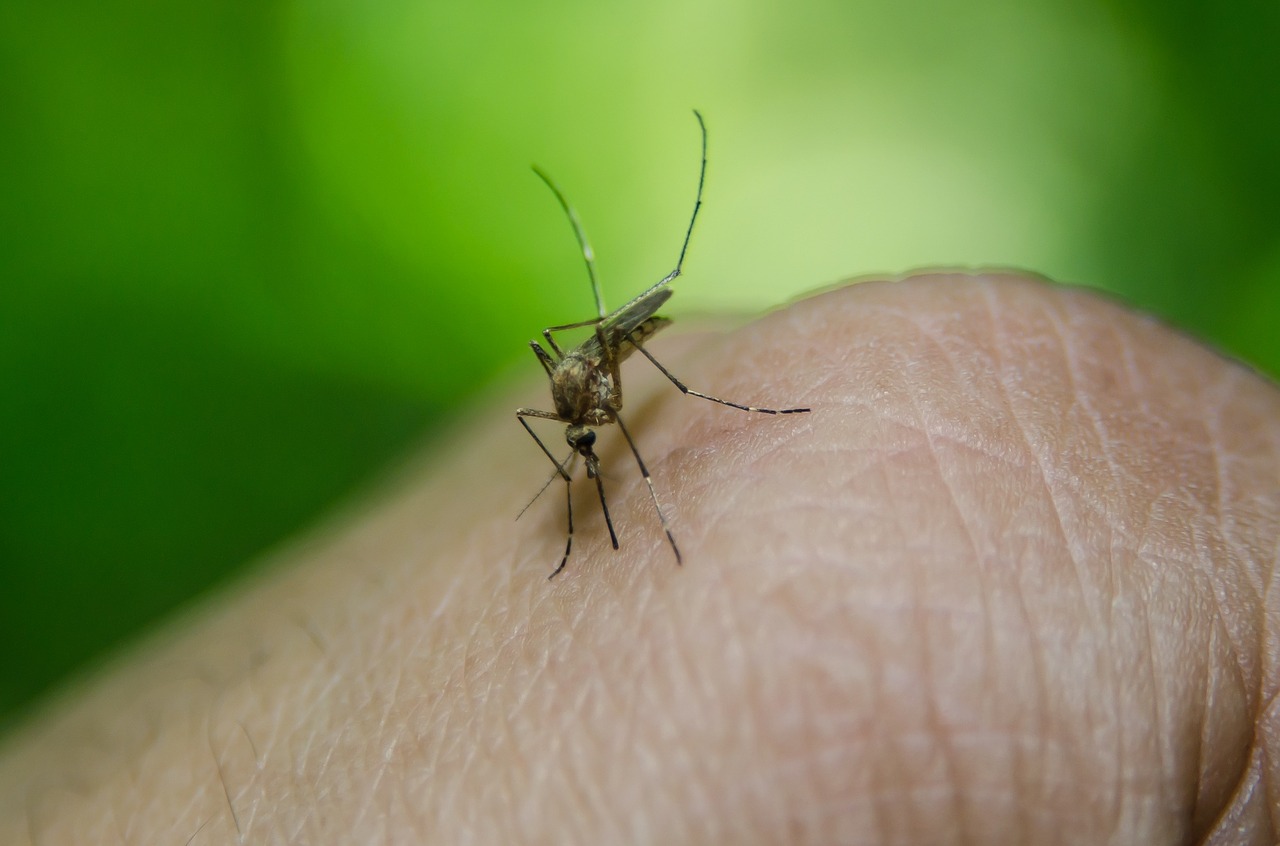
Malaria is a serious, life-threatening and sometimes fatal, disease spread by mosquitoes – Anopheles and caused by a parasite (Plasmodium). Five species of Plasmodium (single-celled parasites) can infect humans and cause illness:

  • Plasmodium falciparum (or P. Falciparum)
  • Plasmodium malariae (or P. Malariae)
  • Plasmodium vivax (or P. Vivax)
  • Plasmodium ovale (or P. Ovale)
  • Plasmodium knowlesi (or P. Knowlesi)

Falciparum Malaria is potentially life-threatening. Patients with severe Falciparum Malaria may develop liver and kidney failure, convulsions, and coma. Although occasionally severe, infections with P. Vivax and P. Ovale generally cause less serious illness, but the parasites can remain dormant in the liver for many months, causing a reappearance of symptoms months or even years later. Plasmodium Ovale is generally not found in India. Plasmodium Malariae is commonly found in tribals, in forests and hilly areas. P. Vivax and Plasmodium Falciparum are found in most parts of India.

Symptoms of Malaria

Malaria has a wide spectrum of symptoms. Along with high fever, shaking chills and sweating, symptoms can include headache, body aches, general weakness, nausea and vomiting. Sometimes complicated or severe malaria affects different body systems which may cause severe anemia, kidney failure, seizures, cardiovascular collapse or low blood sugar.

Modes of Transmission

Generally, it is transmitted through bites from female Anopheles mosquitoes. Besides this, there are other modes of transmission. Because the parasites that cause malaria affect red blood cells, people can also catch it from exposure to infected blood, including: From a mother to an unborn child or through blood transfusion.

Treatment of Malaria

Malaria is treated with prescription drugs to kill the parasite. The types of drugs and the duration of treatment will vary. This depends on:

  • Type of malaria parasites
  • Severity of symptoms
  • Pregnancy.

People who have malaria should drink lots of fluids. Hydration will not treat or cure it, but it will reduce side effects associated with dehydration.

Preventive Measures 

Undeniably, the best way to treat malaria is to never catch it in the first place. Thus, avoiding contact with mosquitoes is crucial. To avoid contact use these simple yet effective ways:

  • Using Insecticide Treated Net (ITN) for sleeping can reduce contact between mosquitoes and humans.
  • Another powerful way to reduce transmission is Indoor Residual Spraying (IRS) with insecticides. Once or twice in year, spraying can be done inside of housing structures.
  • Apply insect repellent to exposed skin.
  • Clothing that covers most of the exposed skin and shoes that are closed can reduce the risk of bites. Tuck in all clothing. Pants should be tucked into socks to avoid exposure around the ankles. In addition, treating clothes with insecticides can prevent bites even further.
  • Make sure that water is not allowed to stagnate in or around your house where mosquitoes breed.
  • Keep your surroundings clean.

The World Health Organization (WHO) has developed a simple 4 letter tool to help travelers safely prepare for ventures in any corner of the world.

  1. Awareness of Risk: Before you travel, you need to be aware if the place you are heading to has a risk of Malaria.
  2. Bite prevention: Whether you are headed to a high or low-risk area, it is important that you try to avoid being bitten by mosquitoes.
  3. Chemoprophylaxis: In some areas where there is a risk of Malaria, it is advised that you use anti-malarial medication to reduce your risk of contracting it should you get bitten.
  4. Diagnosis: Prompt diagnosis ensures you get the right treatment when you need it and ultimately, improves your chances.

Although malaria can be a deadly disease, illness and death can usually be prevented if you are prepared for it.

Did we miss out on anything? Would you like to know more? Then subscribe for personalized health coaching and get the right guidance and information from a certified expert here.

#BeTheForce

April 23, 2023 By Kusum Soni 3 Comments

Top Meat Substitutes And Their Importance

meat substitute

Meat consumption has primarily been linked to Western diet and recently, it’s been a trend in people who want to build muscles. No doubt, Meat is an excellent source of high-quality protein, various vitamins and minerals such as vitamin B12, zinc, selenium, iron, niacin, and vitamin B6.

However, a large number of studies have linked meat consumption to higher risk of cardiovascular disease, heart disease, stroke and some forms of cancer, Type 2 diabetes, also known as “Non-Communicable Diseases (NCDs)”. That is because, Meat is high in saturated fat, which can lead to above-mentioned lifestyle diseases. Thus, health awareness and other factors such as animal disease, natural resources depletion, green-house gas emission and other environmental concerns has led to the shift to low fat and low calorie plant foods and has increased importance of meat substitutes in the current scenario.

Plant based foods are associated with lowered risks for several  kinds of cancers, lowered incidence of hypercholesterolemia, cardiovascular diseases and are known to enhance the immune system as well. Only limiting factor here can be the low quality proteins, but that too can be easily overcome by including diverse plant protein sources to get all the essential amino acids.

Plant-based Meat Substitutes

Here are some of the best meat substitutes that can be a part of a healthy and wholesome diet.

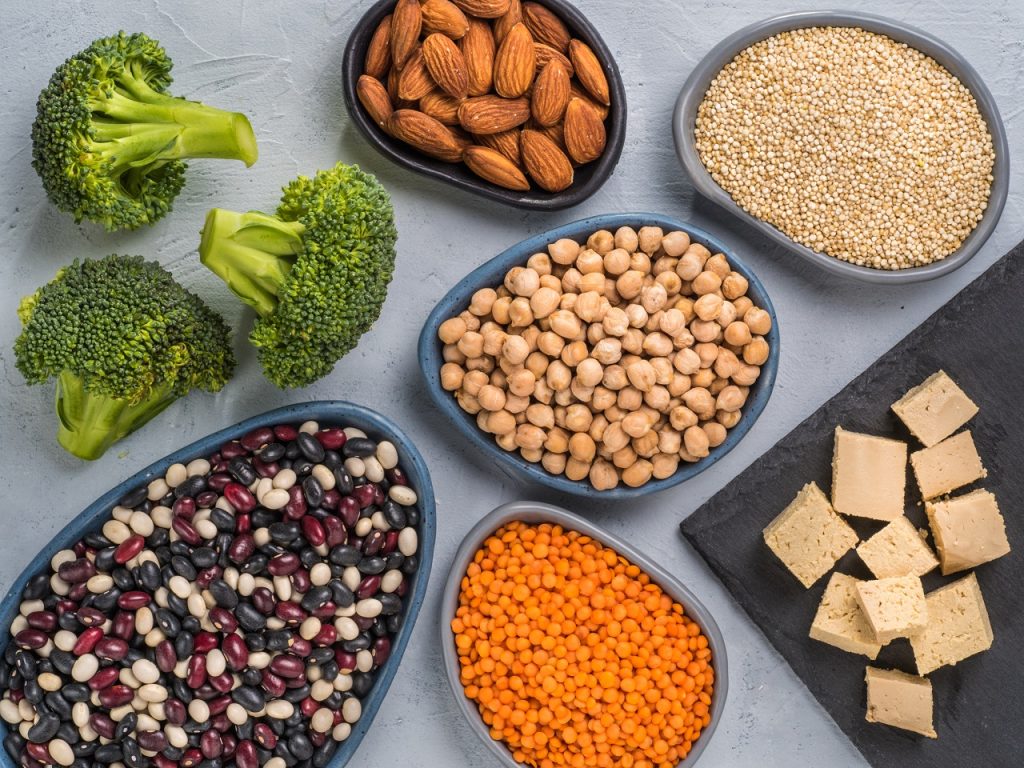
1. Tofu

It is also called Bean Curd, is a  Soy food product made from soybean or soya bean. It is one of the best meat substitutes because

  • It offers a complete protein profile
  • It has heat-stable storage protein. Hence, it is good for high temperature cooking
  • Bioavailability of soy protein is equivalent to meat and eggs
  • They are low in fat in comparison to animal based food especially saturated fat, and have zero cholesterol
  • Rich in many bioactive compounds such as isoflavones, peptides, flavonoids and vitamins, which have a protective effect against free radicals in the body

Using firm tofu and Crumbling, stir-fry it until brown and crispy. This makes it taste extremely similar to ground chicken or pork. It can be stir-fried with veggies like broccoli, bell pepper, Zucchini to make salads or its sautéed cubes can be added in soups, or used in sandwiches with lettuce and tomato slices or made into Tikka masala or Tofu-Chilli, etc.

2. Beans and Legumes

They are an ideal choice for a filling and fiber-rich meal. They have protein content which is at par with some animal foods, as per the Nutritive Value of Indian Foods. Raw beans/legumes can provide a whopping 18-37 gm of protein per 100 grams with additional advantage of fiber, low fat, no cholesterol and plenty of vitamins and minerals.

Few options include: 

  • Chickpeas have beneficial nutrient composition with high fibre which makes it more filling. They not only provide protein but also provide a substantial portion of iron, folate, potassium, and have a calcium content equivalent to milk. Using it as coarsely ground gives it a texture of minced beef. It can be used to make Hummus which is used as a dip for vegetable sticks,  baked falafel, which can serve as a meat-free patty in tacos or burgers or pancakes from chickpea flour with veggies to make a complete meal.
  • Boiled and minced Black beans can replace beans for ground beef in tacos and other similar dishes. The dark colour of the bean makes it a fantastic source of antioxidants and anthocyanins. It can be made into vegetables or fillings for sandwiches.
  • Lentils have one of the highest levels of protein by weight of all the pulses and less than 1% fat, providing them a nutritional edge to thicken meat-free curries and soups.
  • Cooked green peas are another protein-rich option, almost the same as a cup of milk. It can be served as a side dish, made into patties, cooked with veggies, stirred into soup or macaroni and cheese or blended with olive oil, parmesan cheese and toasted pine nuts to make a delicious pesto sauce.

3. Nuts & Seeds

Nuts and seeds are another good substitute for meats, fish and eggs as they are protein-dense, especially Hemp seeds which have complete proteins, good fiber, vitamin E, vitamin B2, niacin, folate, and essential minerals such as zinc, iron, calcium, magnesium, phosphorus, potassium, copper, and selenium and healthy essential fats

Only downside here is the relatively higher calories which calls for controlled portions. Here’s how you can use them: 

  • Hemp seeds, chia seeds and flax seeds can be toasted and sprinkled over salad to give a crunch.
  • Stir them into buttermilk/yogurt and oatmeal or blend them into smoothies.
  • Sunflower, sesame and melon seeds can be added to muffins, salads, stir fries or in the case of sunflower seeds, can be eaten on their own. 
  • Toasted nuts can be made into energy bars.
  • Plain nuts and nut butters can be eaten without hydrogenated oils or lots of added sugar, example, Almond butter and peanut butter.
  • Almond milk or hemp milk are also good options for consumption.

A study by Harvard School of Public Health (HSPH) has revealed that replacing one serving of red meat with one serving of nuts reduces mortality risk by 19%. Believe it or not, tennis legends Venus and Serena Williams follow a healthy, balanced raw vegan diet during the tennis season. That’s right, both raw and vegan.

If this article helped you, let us know in the comments below. You can read more articles on nutrition here or just speak to a GOQii Coach directly by subscribing for Personalised Health Coaching here.  

#BeTheForce 
  • « Previous Page
  • 1
  • …
  • 62
  • 63
  • 64
  • 65
  • 66
  • …
  • 131
  • Next Page »

Search

Recent Posts

  • The Sleep-Metabolism Connection: Why Rest is Your Best GLP-1 Partner
  • Accelerate Action for Your Health: Why Self-Care Matters This International Women’s Day
  • 4 Reasons Why Affirmations Are Not Working For You
  • The Social Side of GLP-1: Navigating “Food Culture” and Peer Pressure
  • Leaky Gut: Symptoms and Causes

Stay Updated

Archives

  • March 2026 (3)
  • February 2026 (14)
  • January 2026 (14)
  • December 2025 (19)
  • November 2025 (15)
  • October 2025 (20)
  • September 2025 (6)
  • August 2025 (6)
  • July 2025 (12)
  • June 2025 (18)
  • May 2025 (16)
  • April 2025 (22)
  • March 2025 (23)
  • February 2025 (22)
  • January 2025 (25)
  • December 2024 (22)
  • November 2024 (23)
  • October 2024 (21)
  • September 2024 (24)
  • August 2024 (30)
  • July 2024 (21)
  • June 2024 (26)
  • May 2024 (31)
  • April 2024 (27)
  • March 2024 (29)
  • February 2024 (25)
  • January 2024 (21)
  • December 2023 (15)
  • November 2023 (11)
  • October 2023 (19)
  • September 2023 (22)
  • August 2023 (18)
  • July 2023 (22)
  • June 2023 (24)
  • May 2023 (24)
  • April 2023 (23)
  • March 2023 (23)
  • February 2023 (19)
  • January 2023 (15)
  • December 2022 (11)
  • November 2022 (15)
  • October 2022 (15)
  • September 2022 (12)
  • August 2022 (10)
  • July 2022 (17)
  • June 2022 (11)
  • May 2022 (10)
  • April 2022 (6)
  • March 2022 (6)
  • February 2022 (13)
  • January 2022 (11)
  • December 2021 (7)
  • November 2021 (3)
  • October 2021 (6)
  • September 2021 (3)
  • August 2021 (8)
  • July 2021 (7)
  • June 2021 (15)
  • May 2021 (16)
  • April 2021 (10)
  • March 2021 (7)
  • February 2021 (4)
  • January 2021 (4)
  • December 2020 (3)
  • November 2020 (4)
  • October 2020 (10)
  • September 2020 (3)
  • August 2020 (3)
  • July 2020 (2)
  • June 2020 (4)
  • May 2020 (10)
  • April 2020 (12)
  • March 2020 (10)
  • February 2020 (4)
  • January 2020 (4)
  • December 2019 (3)
  • November 2019 (7)
  • October 2019 (5)
  • September 2019 (4)
  • August 2019 (9)
  • July 2019 (9)
  • June 2019 (11)
  • May 2019 (4)
  • April 2019 (8)
  • March 2019 (8)
  • February 2019 (9)
  • January 2019 (8)
  • December 2018 (9)
  • November 2018 (3)
  • October 2018 (3)
  • September 2018 (5)
  • August 2018 (10)
  • July 2018 (6)
  • June 2018 (13)
  • May 2018 (8)
  • April 2018 (18)
  • March 2018 (9)
  • February 2018 (8)
  • January 2018 (15)
  • December 2017 (12)
  • November 2017 (19)
  • October 2017 (13)
  • September 2017 (15)
  • August 2017 (4)
  • July 2017 (8)
  • June 2017 (7)
  • May 2017 (6)
  • April 2017 (8)
  • March 2017 (6)
  • February 2017 (7)
  • January 2017 (9)
  • December 2016 (10)
  • November 2016 (7)
  • October 2016 (7)
  • September 2016 (7)
  • August 2016 (11)
  • July 2016 (9)
  • June 2016 (9)
  • May 2016 (12)
  • April 2016 (17)
  • March 2016 (17)
  • February 2016 (8)
  • January 2016 (6)
  • December 2015 (2)
  • November 2015 (9)
  • October 2015 (7)
  • September 2015 (9)
  • August 2015 (11)
  • July 2015 (9)
  • June 2015 (12)
  • May 2015 (9)
  • April 2015 (13)
  • March 2015 (8)
  • February 2015 (5)
  • January 2015 (12)
  • December 2014 (14)
  • November 2014 (11)
  • October 2014 (6)
  • September 2014 (13)
  • August 2014 (12)
  • July 2014 (6)
  • June 2014 (2)
  • May 2014 (7)
  • April 2014 (5)

From “Laddu Nawin” to Fit and Fierce: How a 25-Year-Old Insurance Advisor Shed 20 Kilos and Gained His Life Back

When 25-year-old Nawin Yadav from Hyderabad walked into his office every morning, he carried more than just his files and policy papers. He had the weight of fatigue, sluggish energy, and an ever-growing belly that was becoming the butt of jokes. “People … [Read More...]

“I’ve Challenged Myself to Live 100 Years” – The Story of Chandubhai Savani’s Second Chance at Life

At 67, most people start slowing down. Not Chandubhai Savani. A resident of Surat, Chandubhai, thought life was on track. “My life was going well till I had my bypass surgery,” he says. That surgery, back in 2021, was a wake-up call.  Medication was routine, but exercise wasn’t. His diet? What he calls ‘normal.’ “I […]

From Shimla’s Slopes to Chandigarh’s Sidewalks: Surinder Kaur Bhalla’s Journey from Chaos to Control

Some journeys start with a plan. Others begin with a stumble literally. Surinder Bhalla, a government professional, born and raised in the scenic hill town of Shimla, had always lived a life of movement. “In Shimla, you walked everywhere,” she reflects. “Walking was never an exercise. It was just life.” But after shifting to Chandigarh, […]

Ananda Mukherjee Health Story

From Terminal Illness To Complete Wellness! Ananda Mukherjee Health Story

As we observe World Cancer Day under the powerful theme ‘United by Unique’ (2025-2027)**, we are reminded that every individual’s journey with cancer is distinct, yet united by shared resilience, hope, and the collective fight against this disease. This theme places people at the centre of care and their stories at the heart of the […]

  • HOME
  • HEALTHY LIVING
  • FITNESS
  • HEALTHY RECIPES
  • USER STORIES
  • KARMA
  • BUY GOQii

Copyright ©2016 GOQii



