
GOQii

Blog

  • HOME
  • HEALTHY LIVING
  • FITNESS
  • HEALTHY RECIPES
  • USER STORIES
  • KARMA
  • BUY GOQii

Search Results for: disease

July 7, 2025 By GOQii Leave a Comment

Reframing Obesity as a Disease: From Blame to Biology

“Just eat less and move more.” It’s a phrase people living with obesity have heard far too often. It sounds simple. And that’s the problem.

This outdated, oversimplified narrative continues to frame obesity as a failure of willpower, a personal shortcoming, a lifestyle choice. But science tells us a very different story, one that calls for a global shift in mindset, medicine, and policy.

Obesity Isn’t a Choice. It’s a Chronic Disease.

Obesity is not about laziness or lack of discipline. It’s a complex, chronic condition shaped by biology, environment, genetics, metabolism, hormones, and more. And like any other disease, it requires medical attention, structured care, and above all, empathy.

Way back in 2011, The Lancet laid out five clear messages to tackle the obesity crisis:

  1. Government leadership is non-negotiable.
  2. Business as usual will lead to rising costs and falling health.
  3. Quick-fix weight loss assumptions are deeply flawed.
  4. Accurate monitoring and evaluation are critical.
  5. A multi-sectoral, systemic response is the only way forward.

A decade later, not much has changed, except the numbers. They’ve only grown worse.

A Global Crisis with Unequal Burden

Today, over 1 billion people are living with obesity, and the numbers are rising fast, not just in high-income countries, but across India, Brazil, China, and Sub-Saharan Africa. Often, those hardest hit are also the ones with the least access to healthcare, support, or treatment.

The 2013 Global Burden of Disease Study showed a 28% rise in obesity among adults and a staggering 47% rise among children since 1980. And this trend hasn’t slowed.

Obesity isn’t just a weight issue. It’s a health time bomb, closely linked to:

  • Type 2 diabetes
  • Hypertension
  • Cardiovascular disease
  • Certain cancers
  • Depression and anxiety

Despite this, many health systems still don’t officially classify obesity as a disease, an omission with real consequences for diagnosis, insurance coverage, and stigma.

Why Defining Obesity as a Disease Matters

When we call obesity a disease, we shift the narrative:

  • From shame to science
  • From blame to biology
  • From “try harder” to evidence-based treatment

This means acknowledging that:

  • Weight gain isn’t always voluntary.
  • Weight loss is often biologically resisted.
  • Genetics and environment play a major role.
  • Medical interventions—like GLP-1 receptor agonists, nutrition therapy, behavioural counselling, and even bariatric surgery—must be on the table.

And yet, even in clinical settings, people with obesity face discrimination. Studies show they often receive less time, less empathy, and less evidence-based care from healthcare providers.

From Individual Burden to Systemic Action

If obesity is a disease, the solution cannot rest solely on the individual. We need:

  • Urban design that encourages active living
  • Policy reform to restrict junk food marketing to children
  • Inclusive school programs that promote health without body shaming
    Affordable access to obesity care, mental health support, and treatment, regardless of postcode or income

We also need to stop equating weight with worth. Health is more than a number on a scale.

A Matter of Equity

Obesity disproportionately affects:

  • Low- and middle-income populations
  • Women and girls
  • Communities experiencing food insecurity

Reframing obesity as a disease is not just a medical imperative; it’s a moral and equity imperative. It pushes systems to deliver care, not judgment. It ensures that treatment becomes a right, not a luxury.

We don’t tell people with cancer to “try harder.”
We don’t shame people with asthma for needing medication.
So why do we still treat obesity with blame instead of care?

The Time for Change Is Now

We need to reframe obesity not just in our medical textbooks, but in our minds, our policies, and our everyday conversations.

-It’s time to stop shaming and start treating.

– To move from bias to biology.

– To recognise that no one should have to fight a disease and a stigma.

Only when we treat obesity like a chronic disease, it is can we begin to build a world that heals.

#BeTheForce

Disclaimer: The information provided in this blog is for general awareness and educational purposes only. It is not intended to replace professional medical advice, diagnosis, or treatment. Always consult a qualified healthcare provider for personalised medical guidance or concerns related to your health. Images shown are for representation purposes only and may not depict the exact recommendations or outcomes.
April 17, 2025 By Uzma Salam Leave a Comment

Role of Plant-Based Diets for Chronic Kidney Disease

Chronic Kidney Disease (CKD) affects millions globally and is one of the leading contributors to long-term health complications and premature deaths. CKD is marked by a gradual loss of kidney function, and in advanced stages, it can result in the build-up of fluids, toxins, and electrolytes—putting immense strain on the body.

While medication and medical monitoring are essential, diet plays a pivotal role in preventing and managing the progression of CKD. Emerging research points to the power of a plant-based diet, especially plant-based proteins, in helping slow down kidney damage and supporting overall well-being. Here’s how making some intentional dietary shifts can positively impact kidney health.

What Counts as Plant-Based Protein?

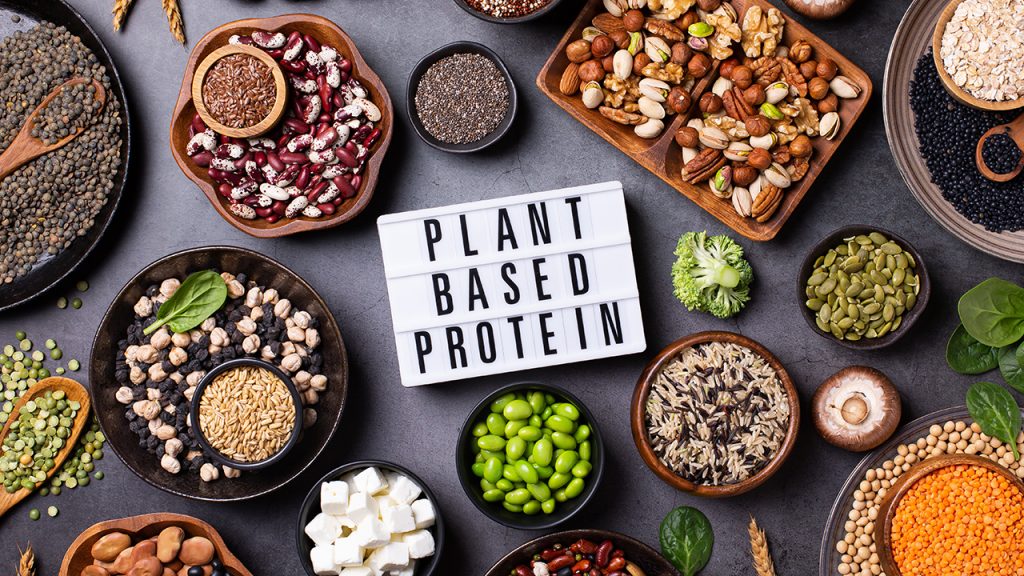
When most people think of protein, their minds go straight to animal sources like meat, fish, or eggs. But there’s a wide variety of plant-based foods rich in protein that offer just as much (if not more) benefit—without the downsides of saturated fat and cholesterol.

Common Plant-Based Protein Sources:

  • Lentils, chickpeas, green peas
  • Quinoa, oats, barley, rice with beans
  • Almonds, walnuts, peanuts
  • Chia seeds, pumpkin seeds
  • Potatoes

These foods are not only nutrient-dense but are also packed with fibre, antioxidants, vitamins and minerals.

Why Consider Plant-Based Proteins for CKD?

Proteins are essential for everything from muscle repair and hormone production to immune function. However, the source of your protein matters a great deal, especially for those with kidney conditions.

Animal proteins—particularly processed meats and red meats—are associated with:

  • Increased inflammation
  • Higher acid load
  • Elevated risk of heart disease and CKD progression

Plant-based proteins, on the other hand:

  • Are low in saturated fat
  • Contain natural antioxidants
  • Provide fibre, which supports gut health and blood sugar regulation
  • May improve blood pressure and cholesterol levels

Contribute to lowering the risk of diabetes—a major contributor to CKD

Pros and Cons of a Plant-Based Diet for CKD

Pros:

  • Reduces inflammation and acid load on kidneys
  • Helps manage blood pressure, blood sugar, and cholesterol
  • Supports gut health and overall digestive function
  • Associated with lower risk of CKD-related mortality
  • High in beneficial nutrients like magnesium, calcium, and vitamin C

Cons:

  • Many plant proteins are incomplete (they may lack one or more essential amino acids)
  • Risk of Vitamin B12 deficiency, which can lead to anaemia or neurological issues
  • Lower absorption rates than animal proteins—so quantity and variety matter
  • Some individuals may need supplementation or careful meal planning to meet protein needs

Kidneys work silently in the background—filtering blood, regulating blood pressure, and supporting vital body functions. With CKD, even small lifestyle shifts like embracing more plant-based proteins can delay progression, reduce complications, and improve quality of life.

If you’re exploring plant-based eating:

  • Diversify your sources (e.g., combine legumes with whole grains to get complete proteins)
  • Be mindful of any deficiencies, especially B12
  • Monitor portion sizes and nutrients—not all plant-based options are equally kidney-friendly

You don’t have to go fully vegan—but a gradual move towards plant-forward meals can make a real difference.

#BeTheForce

Disclaimer: The information provided in this blog is for general awareness and educational purposes only. It is not intended to replace professional medical advice, diagnosis, or treatment. Always consult a qualified healthcare provider for personalised medical guidance or concerns related to your health.

October 18, 2024 By Navnee Garg 3 Comments

When Not Eating Becomes a Disease: What Anorexia Really Does to You or Someone You Love

Anorexia Nervosa

Following healthy habits is good. It’s always nice to have a plan for healthy eating and follow it steadily with discipline. But what happens when you overindulge in a dieting plan? As we all know, anything in excess is bad and the same goes for dieting or having an unhealthy obsession with losing weight which may make one do things that can cause more damage than good. Having said that, I’d like to highlight an eating disorder that I recently came across called Anorexia Nervosa.

What is Anorexia Nervosa?

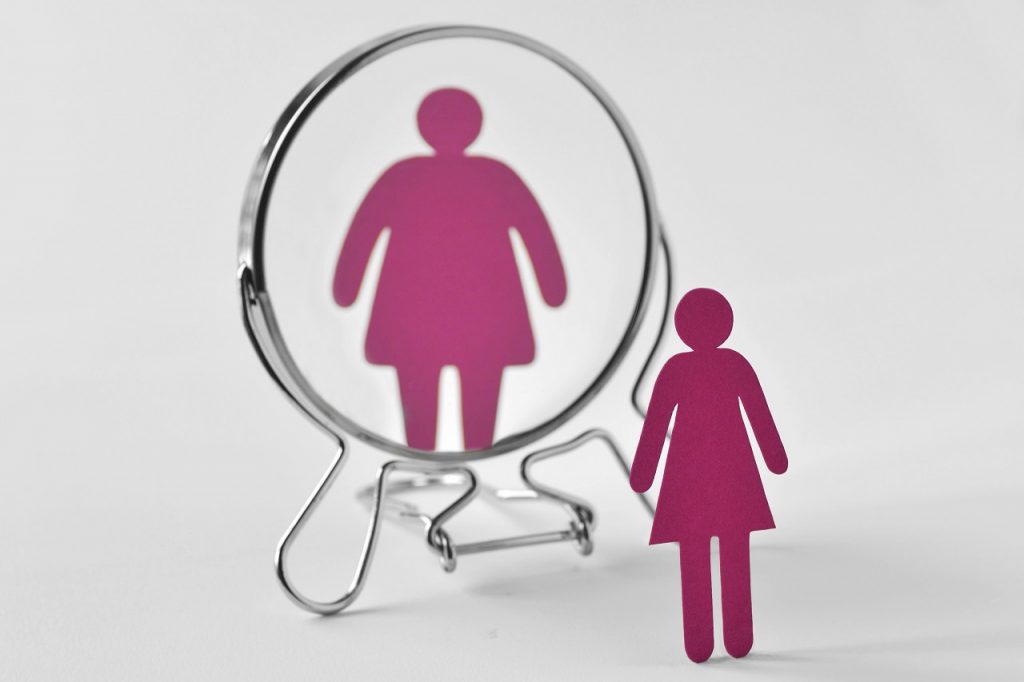
Anorexia Nervosa is an eating disorder which is characterized by low body weight, fear of gaining weight, and a distorted perception of weight. This means that despite having normal body weight, these people feel that they are overweight, or even if they will eat a bite extra, they feel that they will suddenly gain weight. So they prefer being on a very low calorie diet, prefer restricted foods, focusing excessively on the portion they eat. They also try to control their weight by vomiting after eating, or misusing laxatives, diet aids, diuretics or even enemas. At times, they also try to lose weight by excessive exercising just post consuming meals.

Nervosa is not about calorie counting, it is more about one’s psychological aspect which can be extremely dangerous or even life threatening to try to cope up with emotional distress. Anorexic people often tend to equate thinness with self worth.

What Are The Symptoms?

The most evident physical symptom of Nervosa is Starvation, and let us not confuse it with conscious eating. Apart from it, it also includes some emotional and behavioural issues which include unrealistic perception of one’s own body in terms of being fat or fear of gaining weight.

It is difficult to notice the signs and symptoms among the people, but there are few alarming signs which can be noticed by near and dear ones like low body weight, or thin appearance, abnormal blood counts, fatigue, dizziness, and insomnia, thinning of hair, blue discoloration of fingers, irregular bowel movements, irregular heart rhythms, and dehydration.

Also some emotional and behavioural symptoms would include:

  • Skipping meals or refusing to eat
  • Making excuses like denial for hunger, or unwell
  • Avoiding to eat in public
  • Social withdrawal
  • Irritability and Insomnia

Diagnosis 

Though it is difficult to diagnose Anorexia Nervosa at an early stage, the American Psychiatric Association’s (APA’s) Diagnostic and Statistical Manual of Mental Disorders has set diagnosis criteria for people prone to being Anorexic.

  1. Restricted calorie intake as per the requirement of the body in terms of age, height, gender and physical health.
  2. Misconception of being overweight, despite being actually underweight.
  3. A full medical history can also help to reach the outcome

Treatment and Recovery

Treatment includes some medications, nutritional counseling, psychotherapy and family counseling as well which would depend on one’s level of being anorexic. Generally people refuse to accept that they fall in the category but a proper counseling session can help one recover soon.

There is no harm in Being Picky about putting food in your mouth, but this should be done in certain limits by working on calorie counting, or choosing the healthiest option and not in excessive fear to gain weight. The body needs fuel as well to work its system out. The correct way to lose weight is by eating healthy and exercising regularly, and not “DIETING”. Long term anorexia nervosa can lead to serious medical issues like low bone density, anemia, or some gastrointestinal issues as well.

So, if you feel any such symptoms, or you know someone prone to it, do share the article with them, and we at GOQii are always there to help you recover in whatever best way possible.

Did you find this article helpful? Do leave your thoughts and queries in the comments below and do share it on the GOQii Arena in the GOQii app with your friends! 

#BeTheForce 

Disclaimer: The information provided in this blog is for general awareness and educational purposes only. It is not intended to replace professional medical advice, diagnosis, or treatment. Always consult a qualified healthcare provider for personalised medical guidance or concerns related to your health.

September 29, 2024 By Dr. Viral Thakkar 2 Comments

Your Heart and You: Signs of Heart Disease to Watch Out For

heart diseaseMishita, 55 years old, had been feeling low and depressed for a few months. For the past 2 days, she began experiencing slight restlessness, palpitations, and a suffocating feeling followed by mild chest pain radiating to her left shoulder. Being alone, she called her daughter to share these symptoms. Her daughter immediately alerted a neighbour who had basic knowledge about heart symptoms and helped save Mishita from a major heart attack. Early signs of arteriosclerosis were detected, and with lifestyle changes, Mishita is now happy, healthy, and almost off medication!



How & When Does Heart Disease Develop?

Heart disease often develops over time due to an unhealthy lifestyle. Early signs or symptoms can manifest long before a serious heart issue arises. In my practice, I have seen that the body, including the heart, will give several signs before it deteriorates. It’s up to you how much you listen to your body.

Heart disease describes a range of conditions affecting the heart. It could relate to blood vessels, such as coronary artery disease—especially arteriosclerosis (narrowing of the arteries that supply blood to the heart, which can lead to myocardial infarction)—or arrhythmias (irregular heartbeats due to issues with the heart’s electrical system). Some people are born with heart conditions, such as congenital heart defects. Two major factors that affect heart health are a person’s physiological and emotional constitution.

Psychoneuroimmunology has proven that individuals who are sad, depressed, unhealthy, or unhappy are at greater risk for heart attacks and other diseases. Emotional, mental, and physical well-being are key to leading a healthy life.

Signs To Watch Out For

I’ll be discussing common symptoms of a heart attack, as the number of people affected continues to rise. If you experience any of the following symptoms at any age, it’s crucial to seek medical advice:

  • Chest Pain: Discomfort or pain in the chest, which can be felt on the left, center, or sometimes even the right side, and may radiate to the left shoulder, upper back, jaw, or chin. There are many causes of chest pain unrelated to the heart, but it remains the most common symptom of poor blood flow to the heart cells, leading to a heart attack (myocardial infarction).
  • It can feel like crushing pain or mild discomfort.
  • It might feel heavy, or like the heart is being squeezed. Some may feel a sharp, burning sensation in the chest or upper stomach area.
  • Chest pain may occur during activity, after emotional experiences, or at rest, and may improve with rest or nitroglycerin.
  • Bad indigestion can also cause chest pain, but it doesn’t necessarily indicate heart trouble. However, any symptoms are the body’s way of communicating, so do not ignore them.

Additional symptoms to be aware of include extreme anxiety, fainting, dizziness, nausea, vomiting, palpitations (feeling like your heart is beating too fast or irregularly), shortness of breath, and heavy sweating.

For individuals with comorbidities such as diabetes, hypertension, or high cholesterol, symptoms may include fatigue, shortness of breath, general weakness, or changes in skin color.

Symptoms That Need Cardiac Attention

  1. Shortness of Breath: When the heart can’t pump blood as well as it should, blood backs up in the veins that go from the lungs to the heart. Fluid leaks into the lungs and causes shortness of breath. This is a symptom of heart failure. One may notice shortness of breath during activity, while resting or when lying flat on the back – it might wake you up from sleep.
  2. Continuous coughing or wheezing could be a sign that the fluid is building up in the lungs. One may also cough up mucus that is pink or bloody.
  3. Swelling in the Legs, Ankles, or Feet: because the blood flow slows and backs up in the veins in the legs. This causes fluid to build up in the tissues. One may also experience swelling in the stomach or notice some weight gain. This is mostly seen in congestive cardiac failure.
  4. Narrowed Blood Vessels could mean a higher risk of a heart attack & can occur when cholesterol and other fatty material (plaque) builds upon the walls of the arteries. It is also the cause of hypertension.
  5. Fatigue: Tiredness can have many causes. It could be a sign of heart trouble when one feels so tired that regular activities are not conducted or when the feeling is sudden and leads to severe weakness
  6. Palpitations: If the heart can’t pump blood normally, it may beat faster to try to keep up. It might feel that the heart is racing or throbbing. A fast or uneven heartbeat can also be a sign of arrhythmia. This is a problem with your heart rate or rhythm.

The heart is an organ that never rests until you do. Maintaining a healthy lifestyle is essential for maintaining heart health. Your diet, sleep, stress levels, emotional state, and physical activity all play key roles in your heart’s well-being. If you experience any of the symptoms mentioned above, seek medical attention immediately.

Don’t let the rhythm of your heart be disturbed. In most heart-related cases, prevention is the only cure!

Watch out for Part 2 of this article. For more on heart health, check out Healthy Reads or speak to a certified expert by subscribing to GOQii’s Personalised Health Coaching here.

#BeTheForce

Disclaimer: The information provided in this blog is for general awareness and educational purposes only. It is not intended to replace professional medical advice, diagnosis, or treatment. Always consult a qualified healthcare provider for personalised medical guidance or concerns related to your health.

  • 1
  • 2
  • 3
  • …
  • 130
  • Next Page »

Search

Recent Posts

  • India Leads in Longevity: GOQii Sanjeevini Named Top 40 in $101M XPRIZE
  • The Importance Of Knowing If You’re Thirsty Or Hungry
  • Best Foods To Alleviate Irritable Bowel Syndrome
  • ALL ABOUT VERTIGO!
  • PCOS and Anxiety: Discover Relief with the 54321 Technique

Stay Updated

Archives

  • December 2025 (8)
  • November 2025 (15)
  • October 2025 (20)
  • September 2025 (6)
  • August 2025 (6)
  • July 2025 (12)
  • June 2025 (18)
  • May 2025 (16)
  • April 2025 (23)
  • March 2025 (23)
  • February 2025 (22)
  • January 2025 (26)
  • December 2024 (26)
  • November 2024 (25)
  • October 2024 (22)
  • September 2024 (24)
  • August 2024 (31)
  • July 2024 (21)
  • June 2024 (26)
  • May 2024 (31)
  • April 2024 (27)
  • March 2024 (29)
  • February 2024 (26)
  • January 2024 (25)
  • December 2023 (15)
  • November 2023 (11)
  • October 2023 (20)
  • September 2023 (22)
  • August 2023 (20)
  • July 2023 (22)
  • June 2023 (24)
  • May 2023 (24)
  • April 2023 (24)
  • March 2023 (23)
  • February 2023 (20)
  • January 2023 (16)
  • December 2022 (12)
  • November 2022 (15)
  • October 2022 (15)
  • September 2022 (12)
  • August 2022 (10)
  • July 2022 (17)
  • June 2022 (11)
  • May 2022 (10)
  • April 2022 (6)
  • March 2022 (6)
  • February 2022 (13)
  • January 2022 (12)
  • December 2021 (7)
  • November 2021 (3)
  • October 2021 (6)
  • September 2021 (3)
  • August 2021 (8)
  • July 2021 (7)
  • June 2021 (15)
  • May 2021 (16)
  • April 2021 (10)
  • March 2021 (7)
  • February 2021 (4)
  • January 2021 (4)
  • December 2020 (3)
  • November 2020 (4)
  • October 2020 (10)
  • September 2020 (3)
  • August 2020 (3)
  • July 2020 (2)
  • June 2020 (4)
  • May 2020 (10)
  • April 2020 (12)
  • March 2020 (10)
  • February 2020 (4)
  • January 2020 (4)
  • December 2019 (3)
  • November 2019 (7)
  • October 2019 (5)
  • September 2019 (4)
  • August 2019 (9)
  • July 2019 (9)
  • June 2019 (11)
  • May 2019 (4)
  • April 2019 (9)
  • March 2019 (8)
  • February 2019 (9)
  • January 2019 (8)
  • December 2018 (9)
  • November 2018 (3)
  • October 2018 (3)
  • September 2018 (5)
  • August 2018 (10)
  • July 2018 (6)
  • June 2018 (13)
  • May 2018 (8)
  • April 2018 (18)
  • March 2018 (9)
  • February 2018 (8)
  • January 2018 (15)
  • December 2017 (12)
  • November 2017 (19)
  • October 2017 (13)
  • September 2017 (15)
  • August 2017 (4)
  • July 2017 (8)
  • June 2017 (7)
  • May 2017 (6)
  • April 2017 (8)
  • March 2017 (6)
  • February 2017 (7)
  • January 2017 (9)
  • December 2016 (10)
  • November 2016 (7)
  • October 2016 (7)
  • September 2016 (7)
  • August 2016 (11)
  • July 2016 (9)
  • June 2016 (9)
  • May 2016 (12)
  • April 2016 (17)
  • March 2016 (17)
  • February 2016 (8)
  • January 2016 (6)
  • December 2015 (2)
  • November 2015 (9)
  • October 2015 (7)
  • September 2015 (9)
  • August 2015 (11)
  • July 2015 (9)
  • June 2015 (12)
  • May 2015 (9)
  • April 2015 (13)
  • March 2015 (8)
  • February 2015 (5)
  • January 2015 (12)
  • December 2014 (14)
  • November 2014 (11)
  • October 2014 (6)
  • September 2014 (13)
  • August 2014 (12)
  • July 2014 (6)
  • June 2014 (2)
  • May 2014 (7)
  • April 2014 (5)

From “Laddu Nawin” to Fit and Fierce: How a 25-Year-Old Insurance Advisor Shed 20 Kilos and Gained His Life Back

When 25-year-old Nawin Yadav from Hyderabad walked into his office every morning, he carried more than just his files and policy papers. He had the weight of fatigue, sluggish energy, and an ever-growing belly that was becoming the butt of jokes. “People … [Read More...]

“I’ve Challenged Myself to Live 100 Years” – The Story of Chandubhai Savani’s Second Chance at Life

At 67, most people start slowing down. Not Chandubhai Savani. A resident of Surat, Chandubhai, thought life was on track. “My life was going well till I had my bypass surgery,” he says. That surgery, back in 2021, was a wake-up call.  Medication was routine, but exercise wasn’t. His diet? What he calls ‘normal.’ “I […]

From Shimla’s Slopes to Chandigarh’s Sidewalks: Surinder Kaur Bhalla’s Journey from Chaos to Control

Some journeys start with a plan. Others begin with a stumble literally. Surinder Bhalla, a government professional, born and raised in the scenic hill town of Shimla, had always lived a life of movement. “In Shimla, you walked everywhere,” she reflects. “Walking was never an exercise. It was just life.” But after shifting to Chandigarh, […]

Ananda Mukherjee Health Story

From Terminal Illness To Complete Wellness! Ananda Mukherjee Health Story

As we observe World Cancer Day under the powerful theme ‘United by Unique’ (2025-2027)**, we are reminded that every individual’s journey with cancer is distinct, yet united by shared resilience, hope, and the collective fight against this disease. This theme places people at the centre of care and their stories at the heart of the […]

  • HOME
  • HEALTHY LIVING
  • FITNESS
  • HEALTHY RECIPES
  • USER STORIES
  • KARMA
  • BUY GOQii

Copyright ©2016 GOQii
