GOQii

Blog

  • HOME
  • HEALTHY LIVING
  • FITNESS
  • HEALTHY RECIPES
  • USER STORIES
  • KARMA
  • BUY GOQii

Search Results for: diabetes

November 10, 2016 By Farida Gohil 1 Comment

Whole Grains slash Pre-Diabetes Risk!

Whole grains

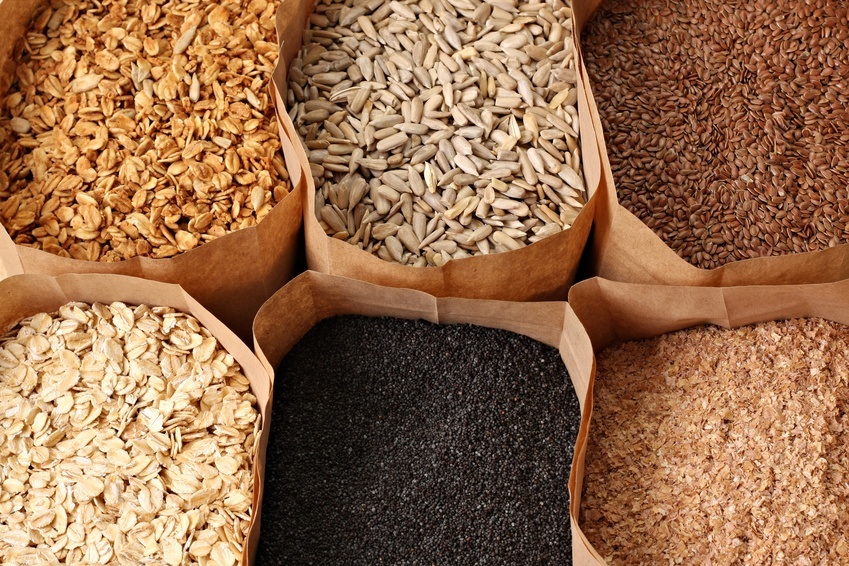
Whole grains are packed with nutrients, including protein, fiber, B vitamins, anti-oxidants, and trace minerals (iron, zinc, copper, and magnesium). A diet rich in whole grains has been shown to reduce the risk of heart disease, type 2 diabetes, obesity, and some forms of cancer.

The addition of more whole grains into a healthy diet is associated with a decreased risk of deteriorating glucose tolerance, including progression from normal glucose tolerance to pre-diabetes, according to a new study published in the American Journal of Clinical Nutrition.

According to a research paper titled Food Product Design, dated Dec 26, 2012 published in Health and Nutrition, researchers at Karolinska Institute and Karolinska University Hospital investigated whether a higher intake of whole grains protects against the development of pre-diabetes and type 2 diabetes and tested for modulation by polymorphisms of the TCF7L2 gene. Participants included 5,477 Stockholm residents aged 35 to 56 years who were not diagnosed with diabetes and who kept food journals of how much whole and refined grains they consumed. Researchers measured blood glucose in study participants and followed up 10 years later.

Participants who ate 59 grams of whole grains a day had a 34% lower risk to deteriorate in glucose tolerance compared to those who ate 30 grams of whole grains a day. Risk reduction was significant in men, but not in women. Participants who consumed 59 grams of whole grains a day also had a 27% reduced risk of becoming pre-diabetic.

Whole grains are rich in fibre. Fibre in the diet does not allow the blood glucose levels to rise thereby controls the rise in sugar levels in the body. Fibre also helps in lowering cholesterol as it helps in decreasing the low density lipoprotein whch is bad cholesterol and increases high density lipoprotein which is good cholesterol.

What foods are in the grains group?

Any food made from wheat, rice, oats, cornmeal, barley or another cereal grain is a grain product. Bread, pasta, oatmeal, breakfast cereals, tortillas, and grits are examples of grain products.

It is advised that at least half the grains in your diet should be whole grains. Whole-grain versions of rice, bread, cereal, flour and pasta can be found at most grocery stores. Many whole-grain foods come ready to eat. These include a variety of breads, pastas and cereals.

Examples of whole grains include:

  • Barley
  • Brown rice
  • Buckwheat
  • Bulgur (cracked wheat)
  • Millet
  • Oatmeal
  • Popcorn
  • Whole-wheat bread, pasta or crackers
  • Wild rice

It’s not always easy to tell what kind of grains a product has, especially bread. For instance, a brown bread isn’t necessarily whole wheat — the colour may come from added colouring. If you’re not sure something has whole grains, check the product label or the Nutrition Facts panel. Look for the word “whole” on the package, and make sure whole grains appear among the first items in the ingredient list.
April 7, 2016 By GOQii Editor 4 Comments

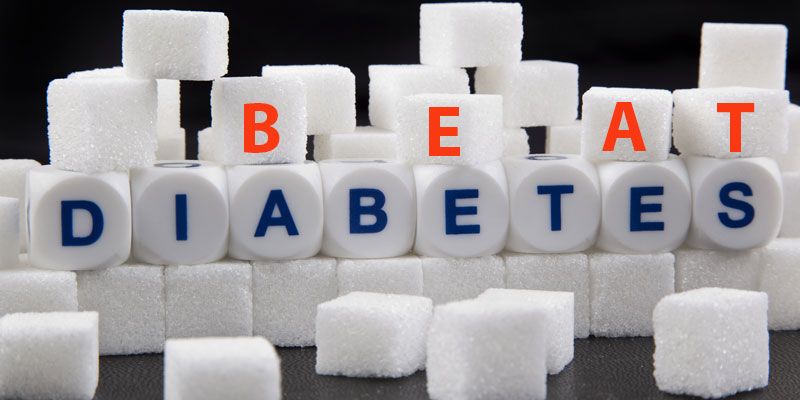
India becoming a ‘Sweet Nation’: Let’s beat Diabetes

diabetes
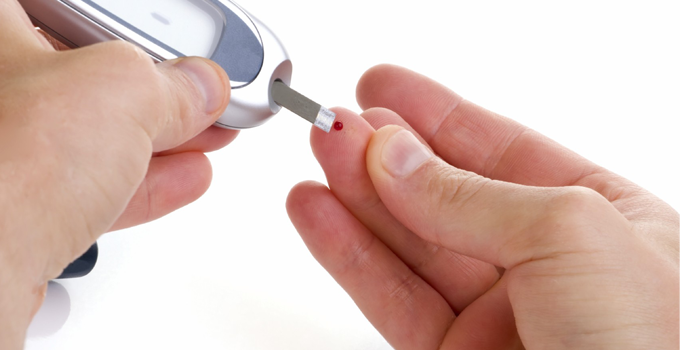
India is becoming a sweeter nation by the day. Wondering what I mean by a sweeter nation. Today , on this day of World Diabetes day we would like to take you through some facts about diabetes. According to the World Health Organisation, India has been declared as the Diabetic capital of the world.

The statistics are alarming. In 2000 there were 32 million diabetics in India, in 2013, the figure doubled to 63 million and by 2030 it has been projected to touch 101.2 million. India ranks second, between China with 90 million and the USA with 24 million diabetics. The factors largely driving this dramatic rise include overweight and obesity. The annual spend on diabetes is Rs 1.5 lakh crore, 4 times the central Government’s allocation of Rs 32000 crore.

The Prime Minster of India Narendra Modi on World health day said on twitter that a healthy lifestyle is a key to overcoming diabetes. “Our lifestyle is the biggest cause for diabetes. If every citizen of my country is healthy, then my country will be healthy. I call upon you to defeat diabetes, which plays host to so many diseases,” said Modi in his message to Indians on World health day.

Some Facts

  • 422 Million adults globally suffer from diabetes
  • 5 million deaths are directly attributed to diabetes each year
  • 1 in 3 adults aged over 18 years is overweight and 1 in 10 is obese

Source: WHO

Diabetes can be controlled however with exercise. Here are some excerpts from a blog written by one of the GOQii coaches Disti Shah. According to Disti, the facts and myths about diabetes are plenty especially on the kind of foods one should have or not have, whether one should exercise to control diabetes etc. But diet is not all that one needs to focus on. Exercise is equally important.

However, when diabetes exercises one should keep in mind the following at what sugar levels should we allow or not allow a diabetic person to exercise? What should be the intensity and frequency of exercise and What type of exercise should a Diabetic do?

Here are some information on about how regular exercise can control your Diabetes.

How does Exercise Help in Diabetes?

  1. Lowers blood sugar levels.
  2. Helps you feel better.
  3. Help maintain proper body weight.
  4. Help keep the heart rate and blood pressure lower.
  5. Helps keep blood fats levels normal.
  6. Improves insulin sensitivity.
  7. Help maintain normal blood circulation in the feet.

Now that we know seven of the many reasons why exercise is important for a person with diabetes, let’s know which exercise benefits diabetics.

Which kinds of Exercise are Best?

Expert agrees you need either

  1. 30 minutes of “moderate intensity” aerobic activity – 5 days a week.
  2. “Vigorous intense” aerobic activity 20 minutes or more a day – 3-5 days a week.

In addition, you should add flexibility and strength training to your routine.

  1. Flexibility activities 5-7 days a week.
  2. Strength training 8-10 exercise, 10-15 repetitions of each exercise, 2-3 days a week.

Calories Per hour and the types of moderate and vigorous exercises

Moderate physical activity for one hour Calorie burnt per hour
Hiking 370
Light gardening / Yard work 330
Dancing 330
Golf(walking and carrying clubs) 330
Bicycling (<10mph) 290
Walking   (3.5mph) 280
Weight lifting (light workout) 220
Stretching 180
Vigorous physical activity for one hour


Running / Jogging (5mph) 590
Bicycling (>10mph) 590
Swimming (Slow freestyle laps) 510
Aerobics 480
Walking (4-5 mph) 460
Heavy Yard work (chopping wood) 440
Weight lifting (vigorous effort) 440
Basket ball (vigorous) 440

Source – Dietary guidelines for Americans – 2005 *(These values are not specifically for Indians as they are taken from American journals)

Remember that Diabetes cannot take your hope, faith, attitude, courage, happiness, and happy life away from you. We are the author of our own health and disease. Let’s overcome it, no matter what type or what level of disease it is. Let’s help others and ourselves to be active most of the time. Exercise can permanently remove or reduce medication.

To read it at length go to http://goqii.com/blog/regular-exercise-can-control-diabetes/

October 13, 2014 By SANA SHAIKH Leave a Comment

Control Diabetes with Lente Carbohydrates

diabetes

Diabetes has become a common ailment today. There are more people being detected with diabetes than ever before.

Diabetes is a group of metabolic disorders characterized by increased sugar levels (hyperglycemia) resulting from relative/absolute deficiency of insulin or impaired action on target tissue or both. The chronic nature of diabetes is associated with long term damage, dysfunction and failure of various organs. Hence, effective self- diabetes control is essential.

Along with the use of appropriate medication/insulin as required, a diabetic should also pay attention on to his/her dietary pattern. Few measures well taken could prove beneficial for their sugar and insulin levels.

The primary concern for a diabetic is the intake of carbohydrates because the body uses them as the primary source of energy. Simple or easily digestible carbohydrate foods like refined flour products, juices, sugar should be limited/ avoided within the diet, since they tend to increase the post- prandial levels.

Hence, intake of lente carbohydrate should be included within the diet apart from complex carbohydrates. Lente carbohydrates  are slowly absorbed within the body, due to the presence of high amounts of viscous fiber within them, thereby delaying gastric emptying time. They also reduce the glycemic response of a meal.

Slow absorption has been shown to have beneficial effects such as  improved insulin sensitivity (i.e. easy acceptance of insulin by the target cells within the body), thereby lowering the insulin requirements; decreased LDL/ Bad cholesterol, decreased clotting factors leading to reduced risk of cardiovascular diseases (CVD’s).

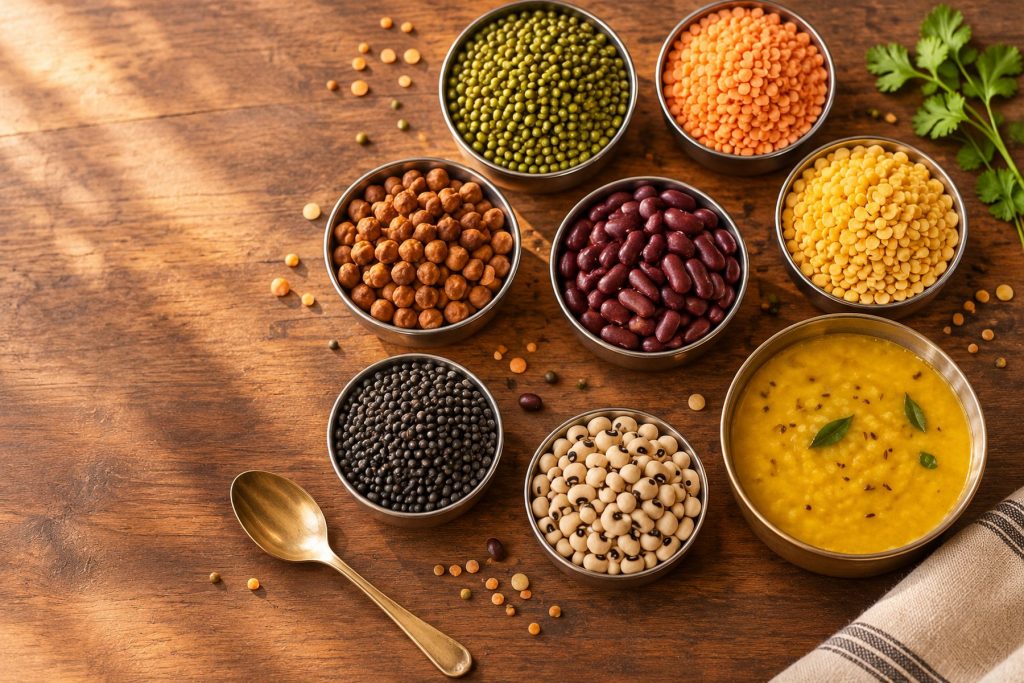
Lente carbohydrates are readily available in the foods such as  legumes (viz lentils,Split grams, Kidney beans, green peas etc. ) soaked pulses, cereal oat bran & barley; most of them being a part of the staple diet.

Thus, lente carbohydrates would not only help in maximizing diabetes control but also provides preventive measures against CVD’s…

June 16, 2026 By GOQii Leave a Comment

The Benefits of Micro-Workouts: Why Small Exercise Snacks Lower Sedentary Risk

The Big Question: If you don’t have time for a 60-minute gym session, is skipping your workout entirely the only other option?
For many people, staying active feels like an all-or-nothing commitment. When a busy schedule pushes a long run or a structured fitness class off your priority list, it is easy to assume the day is a total fitness loss. However, cutting-edge exercise physiology is completely redefining that narrative. You do not need a massive block of free time to protect your body. Brief, intentional bursts of movement distributed throughout your day frequently called micro-workouts or exercise snacks can radically improve your metabolic health, clear away brain fog, and lower the cellular damage caused by a desk-bound lifestyle.

Between tight work deadlines, family responsibilities, long daily commutes, and endless screen time, finding a dedicated hour for fitness can often feel nearly impossible.

But what if improving your physical health didn’t require a full, exhaustive workout? What if just a few minutes of low-impact movement, repeated consistently throughout the day, could create a powerful, long-term difference?

While they may seem minor in isolation, these micro-workouts can be seamlessly woven into your existing routine. Over time, they add up to powerful health benefits, serving as an exceptional defense system in a world where many of us spend the vast majority of our waking hours sitting still.

The Hidden Problem with Sitting All Day

Modern professional and personal lifestyles have made human beings more sedentary than ever before. Many of us spend consecutive hours sitting at a desk, attending virtual meetings, driving, scrolling through smartphones, and relaxing in front of a television screen after a long day.

Even if you manage to squeeze in a highly disciplined workout before or after your workday, prolonged periods of uninterrupted sitting can still silently work against your health.

Clinical research has consistently linked excessive, unbroken sedentary behavior with a significantly higher risk of:

  • Type 2 diabetes and severe insulin resistance
  • Chronic cardiovascular disease and poor circulation
  • Stubborn visceral weight gain around the abdomen
  • General downregulation of metabolic flexibility
  • Premature all-cause mortality

This does not mean your morning gym session or evening run is useless far from it. Regular structured training is fantastic for building muscular strength and aerobic capacity. However, emerging research in lifestyle medicine demonstrates that what you choose to do during the other 23 hours of the day matters just as much for your longevity.

Why One Workout Isn’t Always Enough

Imagine a typical day: you spend nine hours sitting relatively motionless at your office desk, followed by a one-hour weight-lifting or cardio session in the evening. While that evening workout is undeniably beneficial, your body has still spent roughly 90% of its daylight hours completely inactive.

Our skeletal muscles and circulatory systems are biologically designed to move regularly. When you remain seated and uninterrupted for hours at a time, your glucose tracking receptors, known as GLUT4 pathways, essentially go to sleep. This causes blood sugar spikes to linger and slows your overall metabolism.

By inserting a short micro-workout into your day, you trigger immediate muscle contractions that force those receptors to pull sugar straight out of your bloodstream without needing insulin at all, giving your body a vital chemical reset.

This is why preventive health experts are increasingly encouraging people to focus not only on structured exercise but also on actively reducing prolonged periods of total inactivity. The ultimate goal isn’t simply to exercise more intensely; it is to sit less and move more often throughout the day.

What Exactly Are Micro-Workouts?

Micro-workouts are short, bite-sized bursts of physical activity that typically last anywhere between 30 seconds and 10 minutes. Instead of forcing yourself to block out a single, large chunk of time in your schedule, you elegantly spread your physical movement across the entire day.

The absolute beauty of micro-workouts is their complete simplicity. They require no expensive gym memberships, no specialized exercise equipment, and no complicated programming. They are simply intentional moments of functional human movement.

The Compounding Power of Everyday Movement (NEAT)

One of the most overlooked aspects of metabolic health is something known as Non-Exercise Activity Thermogenesis (NEAT). NEAT refers to all the energy and calories your body burns performing everyday tasks outside of structured sports or gym workouts.

This includes common daily actions such as:

  • Walking over to a colleague’s desk instead of sending an email
  • Choosing to take the stairs instead of riding an escalator
  • Carrying your own groceries to the car
  • Alternating to a standing posture while working at your desk
  • Completing basic household chores and stretching out your limbs

These movements may not feel like formal exercise, but collectively they contribute significantly to your daily energy expenditure and overall cardiovascular vitality. In many cases, consistently increasing your daily NEAT through micro-workouts is far more sustainable and less stressful on your joints than relying solely on high-intensity workout sessions.

Why Exercise Snacks Work for Busy Professionals

The number one barrier to a consistent lifestyle routine is a perceived lack of time. Micro-workouts completely remove that mental obstacle because they fit effortlessly into the small gaps that already exist within your day.

They don’t require you to change your clothes, travel to a fitness facility, or disrupt your calendar. A quick two-minute stair climb between tasks, a five-minute walk after eating lunch, or ten bodyweight squats while waiting for a video call to connect are small actions that are highly sustainable. When it comes to protecting your long-term health, consistency almost always beats perfection.

5 Easy Micro-Workouts You Can Start Today

To transform your day from sedentary to active, try introducing these five simple “exercise snacks” into your normal routine:

  1. The Post-Meal Walk: Take a brisk 5-to-10-minute walk immediately after finishing a meal to help your muscles naturally absorb glucose and flatten blood sugar spikes.
  2. The Staircase Option: Commit to completely skipping the elevator whenever a flight of stairs is available.
  3. The Hourly Movement Alarm: Set a silent reminder on your phone to prompt you to stand up every 60 minutes and perform 10 bodyweight squats or 10 calf raises.
  4. The Mobile Meeting: If a phone call or virtual meeting doesn’t require you to look at a presentation screen, use that time to pace around your room or office while you talk.
  5. The Waiting Window: While waiting for your morning coffee or kettle to boil, use that open minute to perform light upper-body stretches or march dynamically in place.

Structured Exercise vs. Continuous Daily Movement

Metric Structured Gym Training Micro-Workout Movement (NEAT)
Primary Goal Builds raw athletic strength and aerobic stamina Lowers sedentary risk and stabilizes blood sugar
Time Investment 60 continuous minutes 1 to 5 minutes distributed hourly
Equipment Need Weights, machines, or specialized facilities None—uses natural body weight

Many people assume that physical health improvements can only be earned through grueling, intense gym sessions. The scientific truth is much simpler: long-term health is built through small, consistent habits repeated over time.

A person who moves regularly throughout the day provides their circulatory and metabolic systems with a more consistent health benefit than someone who exercises intensely for an hour but remains completely stationary for the remaining hours.

This doesn’t mean you should abandon your current gym routine. Rather, think of micro-workouts as a powerful, necessary complement to your existing fitness habits. The combination of regular exercise and frequent daily movement is where true metabolic health happens. Every single minute counts!

Pro Tip: Successfully shifting to a more active lifestyle requires clear awareness of your daily habits. Use the GOQii App to track your total daily steps and log your active movement patterns across the day. You can easily share this data with your GOQii Personalised Health Coach to identify hidden opportunities for movement and co-create an easy, highly sustainable micro-workout plan built perfectly around your professional schedule!

Frequently Asked Questions (FAQs)

  1. Can a routine of micro-workouts completely replace my standard gym sessions?

Not entirely. Traditional, longer workouts are required to build maximum muscular strength, bone density, and peak cardiorespiratory fitness. Micro-workouts are specifically designed to reduce sedentary time, keep your circulation flowing, and optimize blood sugar processing throughout your working hours. For the best longevity results, use them together.

  1. How many micro-workouts should I realistically aim to complete each day?

A highly effective strategy is to aim to break up your seated desk time once every 60 to 90 minutes. Completing between 3 to 5 short movement snacks (lasting anywhere from 2 to 5 minutes each) across a standard 8-hour workday is enough to provide massive improvements to your metabolic health markers.

  1. Do I need to buy any specialized resistance bands or equipment for this?

No, absolutely not. The core philosophy of an exercise snack is zero friction. You utilize your own natural body weight and your immediate physical surroundings—such as walking down hallways, using stairwells, or doing standard bodyweight squats, desk lunges, and standing stretches.

  1. Are micro-workouts safe and appropriate for older adults?

Yes, they are exceptional for older adults. Because micro-workouts are short and easily controlled, the intensity and choice of movement can be adapted to perfectly match any fitness level, balance capability, or pre-existing joint condition. It is a fantastic, low-stress way to maintain daily mobility.

#BeTheForce

Disclaimer: This article is intended for educational and informational purposes only. It is not intended to replace professional medical advice, clinical diagnosis, or treatment. Always consult your primary care physician or a qualified healthcare specialist before making major changes to your physical activity levels, especially if you have an underlying chronic health condition.

  • « Previous Page
  • 1
  • …
  • 6
  • 7
  • 8
  • 9
  • 10
  • …
  • 89
  • Next Page »

Search

Recent Posts

  • Why Small Misunderstandings Become Big Fights – And How Couples Can Handle Them Better
  • The Benefits of Micro-Workouts: Why Small Exercise Snacks Lower Sedentary Risk
  • Train Hard, Sleep Well: The Recovery Secret Most People Ignore
  • World Blood Donor Day: The Lifesaving Gift That Science Still Cannot Create
  • From Shimla’s Slopes to Chandigarh’s Sidewalks: Surinder Kaur Bhalla’s Journey from Chaos to Control

Stay Updated

Archives

  • June 2026 (16)
  • May 2026 (20)
  • April 2026 (24)
  • March 2026 (18)
  • February 2026 (14)
  • January 2026 (14)
  • December 2025 (19)
  • November 2025 (15)
  • October 2025 (20)
  • September 2025 (6)
  • August 2025 (6)
  • July 2025 (11)
  • June 2025 (18)
  • May 2025 (16)
  • April 2025 (22)
  • March 2025 (27)
  • February 2025 (21)
  • January 2025 (25)
  • December 2024 (22)
  • November 2024 (23)
  • October 2024 (20)
  • September 2024 (23)
  • August 2024 (29)
  • July 2024 (20)
  • June 2024 (25)
  • May 2024 (27)
  • April 2024 (27)
  • March 2024 (27)
  • February 2024 (23)
  • January 2024 (21)
  • December 2023 (14)
  • November 2023 (10)
  • October 2023 (19)
  • September 2023 (22)
  • August 2023 (18)
  • July 2023 (22)
  • June 2023 (23)
  • May 2023 (20)
  • April 2023 (19)
  • March 2023 (23)
  • February 2023 (19)
  • January 2023 (15)
  • December 2022 (11)
  • November 2022 (15)
  • October 2022 (15)
  • September 2022 (12)
  • August 2022 (10)
  • July 2022 (17)
  • June 2022 (11)
  • May 2022 (10)
  • April 2022 (6)
  • March 2022 (6)
  • February 2022 (13)
  • January 2022 (11)
  • December 2021 (7)
  • November 2021 (3)
  • October 2021 (6)
  • September 2021 (3)
  • August 2021 (8)
  • July 2021 (7)
  • June 2021 (15)
  • May 2021 (16)
  • April 2021 (10)
  • March 2021 (7)
  • February 2021 (4)
  • January 2021 (4)
  • December 2020 (3)
  • November 2020 (4)
  • October 2020 (10)
  • September 2020 (3)
  • August 2020 (3)
  • July 2020 (2)
  • June 2020 (4)
  • May 2020 (10)
  • April 2020 (12)
  • March 2020 (10)
  • February 2020 (4)
  • January 2020 (4)
  • December 2019 (3)
  • November 2019 (7)
  • October 2019 (5)
  • September 2019 (4)
  • August 2019 (9)
  • July 2019 (9)
  • June 2019 (11)
  • May 2019 (4)
  • April 2019 (8)
  • March 2019 (8)
  • February 2019 (9)
  • January 2019 (8)
  • December 2018 (9)
  • November 2018 (3)
  • October 2018 (3)
  • September 2018 (5)
  • August 2018 (10)
  • July 2018 (6)
  • June 2018 (13)
  • May 2018 (8)
  • April 2018 (18)
  • March 2018 (9)
  • February 2018 (8)
  • January 2018 (15)
  • December 2017 (12)
  • November 2017 (19)
  • October 2017 (13)
  • September 2017 (15)
  • August 2017 (4)
  • July 2017 (8)
  • June 2017 (7)
  • May 2017 (6)
  • April 2017 (8)
  • March 2017 (6)
  • February 2017 (7)
  • January 2017 (9)
  • December 2016 (10)
  • November 2016 (7)
  • October 2016 (7)
  • September 2016 (7)
  • August 2016 (11)
  • July 2016 (9)
  • June 2016 (9)
  • May 2016 (12)
  • April 2016 (17)
  • March 2016 (17)
  • February 2016 (8)
  • January 2016 (6)
  • December 2015 (2)
  • November 2015 (9)
  • October 2015 (7)
  • September 2015 (9)
  • August 2015 (11)
  • July 2015 (9)
  • June 2015 (11)
  • May 2015 (9)
  • April 2015 (13)
  • March 2015 (8)
  • February 2015 (5)
  • January 2015 (12)
  • December 2014 (14)
  • November 2014 (11)
  • October 2014 (6)
  • September 2014 (13)
  • August 2014 (12)
  • July 2014 (6)
  • June 2014 (2)
  • May 2014 (7)
  • April 2014 (4)

From Shimla’s Slopes to Chandigarh’s Sidewalks: Surinder Kaur Bhalla’s Journey from Chaos to Control

Some journeys start with a plan. Others begin with a stumble literally. Surinder Bhalla, a government professional, born and raised in the scenic hill town of Shimla, had always lived a life of movement. “In Shimla, you walked everywhere,” she reflects. … [Read More...]

From “Laddu Nawin” to Fit and Fierce: How a 25-Year-Old Insurance Advisor Shed 20 Kilos and Gained His Life Back

When 25-year-old Nawin Yadav from Hyderabad walked into his office every morning, he carried more than just his files and policy papers. He had the weight of fatigue, sluggish energy, and an ever-growing belly that was becoming the butt of jokes. “People had even started calling me Laddu Nawin,” he says with a laugh, but […]

From Burnout to Balance: How Dr. Ranjit Reclaimed His Health

Dr Ranjit Bhatt has spent years tending to others. A practising doctor in Odisha, his days were packed with patients, surgeries, and emergencies. From the outside, it looked like a life lived in service. But on the inside, something wasn’t right. “I had no control over my schedule. I’d sleep late, eat at odd hours, […]

Ananda Mukherjee Health Story

From Terminal Illness To Complete Wellness! Ananda Mukherjee Health Story

As we observe World Cancer Day under the powerful theme ‘United by Unique’ (2025-2027)**, we are reminded that every individual’s journey with cancer is distinct, yet united by shared resilience, hope, and the collective fight against this disease. This theme places people at the centre of care and their stories at the heart of the […]

  • HOME
  • HEALTHY LIVING
  • FITNESS
  • HEALTHY RECIPES
  • USER STORIES
  • KARMA
  • BUY GOQii

Copyright ©2016 GOQii