GOQii

Blog

  • HOME
  • HEALTHY LIVING
  • FITNESS
  • HEALTHY RECIPES
  • USER STORIES
  • KARMA
  • BUY GOQii

Search Results for: diabetes

May 12, 2023 By Vaishali Vibhute 3 Comments

Benefits Of Eating Watermelon During Summer

watermelon

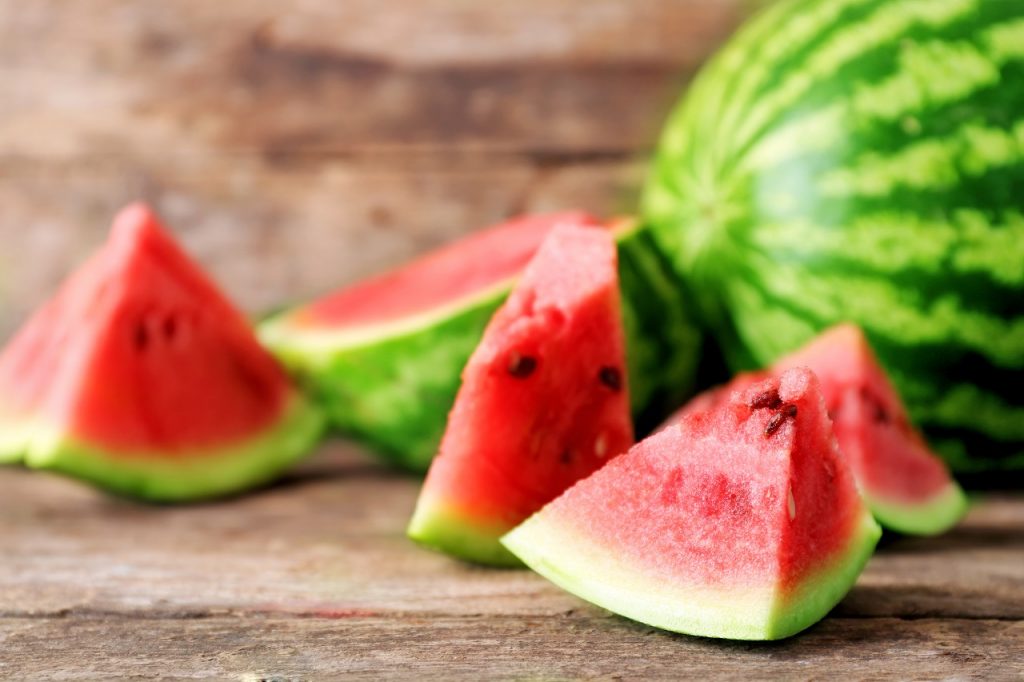
Summers are incomplete without the red and juicy watermelon. Watermelon is a large, sweet, and refreshingly low calorie fruit. It is grown in a favorable climate from tropical to temperate regions worldwide. Besides cantaloupe, honeydew and cucumber, watermelon is a member of the Cucurbitaceae family. All parts of this fruit are edible.

There are lots of nutrients from the seeds to the white flesh closest to the rind. The rind contains more amino acid citrulline than the flesh. Rind is edible after cooking. Watermelon rinds are often cooked as vegetables in most parts of India. Watermelon seeds are also loaded with nutrients. They are high in protein, fiber, vitamin B and omega 3 fatty acid.

Healthy Reasons To Eat Watermelon 

Each bite contains 92% water and 6% sugar. It’s name makes perfect sense, as it consists mostly of water. So apart from keeping you hydrated, what else does this healthy summer fruit offer? 

  • Rich in nutrients: It is an excellent source of a wide variety of nutrients specially Vitamin A, Vitamin C, Potassium, Dietary Fiber and Antioxidant Compounds.

Nutrients present in 100gm of watermelon are as follows :

Sr.No. Nutrients Units Quantity
1 Energy Cal 30
2 Carbohydrate Gm 7.5 including 6.2 gm sugar
3 Fiber Gm 0.4
4 Magnesium Mg 10
5 Potassium Mg 112
6 Choline Mg 6.3
7 Vitamin A Mcg 27
8 B – carotene Mcg 467
9 Lycopene Mcg 4532
10 Vitamin C Mg 8.3

One ounce i.e 28.5gm of seeds provide around 8gm of protein.

  • It helps you to shed extra kilos: Watermelon is the best fruit to eat if someone is trying to lose weight. It is rich in lycopene. It will increase your body’s Arginine level, an amino acid, which helps burn fat quickly. Due to its low calorie and highwater content, it keeps a person full for a long time and helps promote weight loss.
  • Good for eyes: Lycopene, an antioxidant present in watermelon keeps the eyes healthy and protects against age related macular degeneration (AMD).
  • Keeps your kidney healthy: Watermelon is a natural diuretic. Potassium present in watermelon removes toxic substances from the body and reduces the percentage of uric acid present in the blood.
  • Prevents constipation: It is high in water and a good source of fiber that helps prevent constipation and promotes good bowel movement.
  • Promotes a healthy heart: It is the best source of Citrulline – an amino acid that our body converts to Arginine, an essential amino acid that plays a key role in relaxing blood vessels and helps improve blood flow. It also helps control blood sugar and helps lower blood pressure.
  • Keeps your skin and hair healthy: Watermelon contains vitamin C, which the body needs to produce collagen – a protein that keeps your skin supple and hair strong.
  • Helps in cancer prevention: Being a source of numerous antioxidants and flavonoids, watermelon consumption helps in protecting against certain types of cancer such as colon, breast and lung cancer.
  • Helps with sore muscles: Due to the presence of amino acid, citrulline in watermelon, muscle soreness can be treated. Watermelon may enhance performance and speed of recovery post exercise.
  • Reduce asthmatic attack: An antioxidant lycopene present in watermelon helps reduce asthmatic flares up in both children and adults.
  • Keeps you energetic: Potassium present in watermelon has electrolyte properties that leaves you feeling energetic for a long time.
  • Enhances the immune system: Vitamins and antioxidants present in this fruit, aids the production of RBC (red blood cells) which keep the immune system strong.
  • Good for the brain and nervous system: Being rich in Choline, an antioxidant present in this fruit, helps in learning, memory and brain development.

It is the best cooling fruit to eat during the summer season. Apart from the above benefits, Watermelon also has Vitamin B6 and potassium. Potassium maintains water balance in the body while Vitamin B6 improves immunity. Citrulline prevents muscle cramps. Remember that Juicing breaks down the fiber, making sugar easier to absorb and you may not get the benefit of fiber. People with diabetes should consider eating fresh, whole watermelon rather than drinking the juice.

We hope this article helps you head to the market and pick this amazing fruit now! Find more tips on nutrition and healthy summer eating here or speak to a GOQii Coach by subscribing for Personalised Health Coaching here.  

#BeTheForce 
April 23, 2023 By Kusum Soni 3 Comments

Top Meat Substitutes And Their Importance

meat substitute

Meat consumption has primarily been linked to Western diet and recently, it’s been a trend in people who want to build muscles. No doubt, Meat is an excellent source of high-quality protein, various vitamins and minerals such as vitamin B12, zinc, selenium, iron, niacin, and vitamin B6.

However, a large number of studies have linked meat consumption to higher risk of cardiovascular disease, heart disease, stroke and some forms of cancer, Type 2 diabetes, also known as “Non-Communicable Diseases (NCDs)”. That is because, Meat is high in saturated fat, which can lead to above-mentioned lifestyle diseases. Thus, health awareness and other factors such as animal disease, natural resources depletion, green-house gas emission and other environmental concerns has led to the shift to low fat and low calorie plant foods and has increased importance of meat substitutes in the current scenario.

Plant based foods are associated with lowered risks for several  kinds of cancers, lowered incidence of hypercholesterolemia, cardiovascular diseases and are known to enhance the immune system as well. Only limiting factor here can be the low quality proteins, but that too can be easily overcome by including diverse plant protein sources to get all the essential amino acids.

Plant-based Meat Substitutes

Here are some of the best meat substitutes that can be a part of a healthy and wholesome diet.

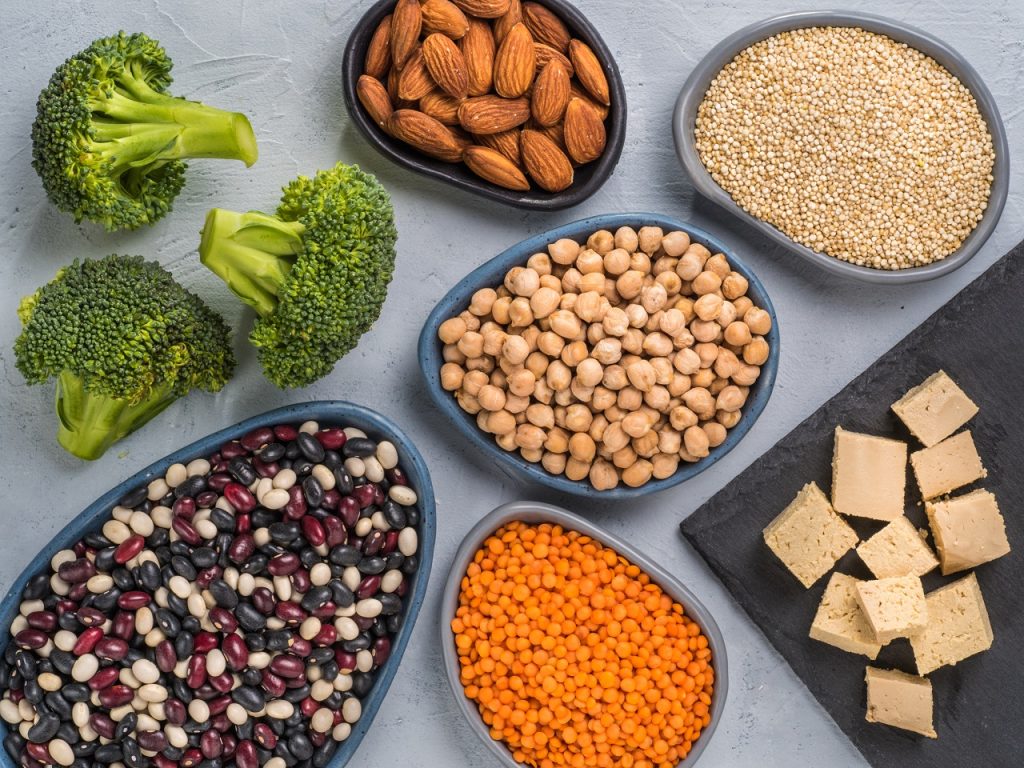
1. Tofu

It is also called Bean Curd, is a  Soy food product made from soybean or soya bean. It is one of the best meat substitutes because

  • It offers a complete protein profile
  • It has heat-stable storage protein. Hence, it is good for high temperature cooking
  • Bioavailability of soy protein is equivalent to meat and eggs
  • They are low in fat in comparison to animal based food especially saturated fat, and have zero cholesterol
  • Rich in many bioactive compounds such as isoflavones, peptides, flavonoids and vitamins, which have a protective effect against free radicals in the body

Using firm tofu and Crumbling, stir-fry it until brown and crispy. This makes it taste extremely similar to ground chicken or pork. It can be stir-fried with veggies like broccoli, bell pepper, Zucchini to make salads or its sautéed cubes can be added in soups, or used in sandwiches with lettuce and tomato slices or made into Tikka masala or Tofu-Chilli, etc.

2. Beans and Legumes

They are an ideal choice for a filling and fiber-rich meal. They have protein content which is at par with some animal foods, as per the Nutritive Value of Indian Foods. Raw beans/legumes can provide a whopping 18-37 gm of protein per 100 grams with additional advantage of fiber, low fat, no cholesterol and plenty of vitamins and minerals.

Few options include: 

  • Chickpeas have beneficial nutrient composition with high fibre which makes it more filling. They not only provide protein but also provide a substantial portion of iron, folate, potassium, and have a calcium content equivalent to milk. Using it as coarsely ground gives it a texture of minced beef. It can be used to make Hummus which is used as a dip for vegetable sticks,  baked falafel, which can serve as a meat-free patty in tacos or burgers or pancakes from chickpea flour with veggies to make a complete meal.
  • Boiled and minced Black beans can replace beans for ground beef in tacos and other similar dishes. The dark colour of the bean makes it a fantastic source of antioxidants and anthocyanins. It can be made into vegetables or fillings for sandwiches.
  • Lentils have one of the highest levels of protein by weight of all the pulses and less than 1% fat, providing them a nutritional edge to thicken meat-free curries and soups.
  • Cooked green peas are another protein-rich option, almost the same as a cup of milk. It can be served as a side dish, made into patties, cooked with veggies, stirred into soup or macaroni and cheese or blended with olive oil, parmesan cheese and toasted pine nuts to make a delicious pesto sauce.

3. Nuts & Seeds

Nuts and seeds are another good substitute for meats, fish and eggs as they are protein-dense, especially Hemp seeds which have complete proteins, good fiber, vitamin E, vitamin B2, niacin, folate, and essential minerals such as zinc, iron, calcium, magnesium, phosphorus, potassium, copper, and selenium and healthy essential fats

Only downside here is the relatively higher calories which calls for controlled portions. Here’s how you can use them: 

  • Hemp seeds, chia seeds and flax seeds can be toasted and sprinkled over salad to give a crunch.
  • Stir them into buttermilk/yogurt and oatmeal or blend them into smoothies.
  • Sunflower, sesame and melon seeds can be added to muffins, salads, stir fries or in the case of sunflower seeds, can be eaten on their own. 
  • Toasted nuts can be made into energy bars.
  • Plain nuts and nut butters can be eaten without hydrogenated oils or lots of added sugar, example, Almond butter and peanut butter.
  • Almond milk or hemp milk are also good options for consumption.

A study by Harvard School of Public Health (HSPH) has revealed that replacing one serving of red meat with one serving of nuts reduces mortality risk by 19%. Believe it or not, tennis legends Venus and Serena Williams follow a healthy, balanced raw vegan diet during the tennis season. That’s right, both raw and vegan.

If this article helped you, let us know in the comments below. You can read more articles on nutrition here or just speak to a GOQii Coach directly by subscribing for Personalised Health Coaching here.  

#BeTheForce 
April 19, 2023 By Tabassum Parveen 2 Comments

Should You Fast During Ramadan if You Are Diabetic?

diabetes and ramadan

Just a few days back, I was walking down a lane when I came across a person who fainted and fell before me. I got curious and learned that the man was fasting and he had recently been diagnosed with diabetes. He was given immediate medical support and revived.

This incident primarily occurred because he was unaware about the disease. He fell unconscious because the blood glucose levels of his body spiked up while fasting due to the change in medical timings and improper meals. It got me thinking if it is really safe for a diabetic to fast during Ramadan.

What Is Diabetes?

To keep it short, Diabetes is a condition where the blood sugar level is high due to the lack of Insulin – a hormone produced by the Pancreas. Insulin converts glucose into energy and supplies it to every single cell present in the body. The 3 main type of Diabetes include Type 1, Type 2 and Gestational.

In Type 1, the Pancreas stop working and in Type 2, the body produces a little Insulin or does not use it properly. This results in several health problems. Gestational Diabetes often occurs during pregnancy and it generally goes away after delivery.

Should You Fast During Ramadan If You’re Diabetic? 

During this holy month, the Muslim community observes a fast, eating only before sunrise (Suhoor) and after sunset (Iftar). They are not allowed to eat or drink anything in between. However, there is an exception towards people with medical ailments.

Diabetics and those at lower or moderate risks may choose to fast but there certainly isn’t a choice for those at higher risks. If you do choose to fast, keep an eye over blood sugar levels throughout the day. Most importantly, consult a doctor before fasting to avoid medical emergencies.

What Happens To Diabetics When They Fast?

Monitoring your blood glucose level while fasting is crucial for a diabetic. When healthy individuals consume food, Insulin is released by the Pancreas and it stores Glucose in the Liver and Glycogen in the Muscles which balance out the Blood Glucose Levels and maintain it at optimal range.

This process tends to malfunction during fasting which results in lack of Insulin in the blood, leading to either of the two conditions called Hyperglycemia or Hypoglycemia.

  • Hypoglycemia: This is a serious health condition where blood glucose levels drop below 70mg/dl. It requires immediate medical attention. If a person who is fasting feels shakiness or experiences headaches, sweating or lack of concentration, they must break their fast immediately to avoid any severe complications. Complications may range from seizures, coma to death. A bar of chocolate, a sugary drink or a small bowl of curd rice with sugar must be consumed if Blood Sugar Levels are exceptionally low. If a person breaks their fast on such an emergency, visit a doctor immediately.
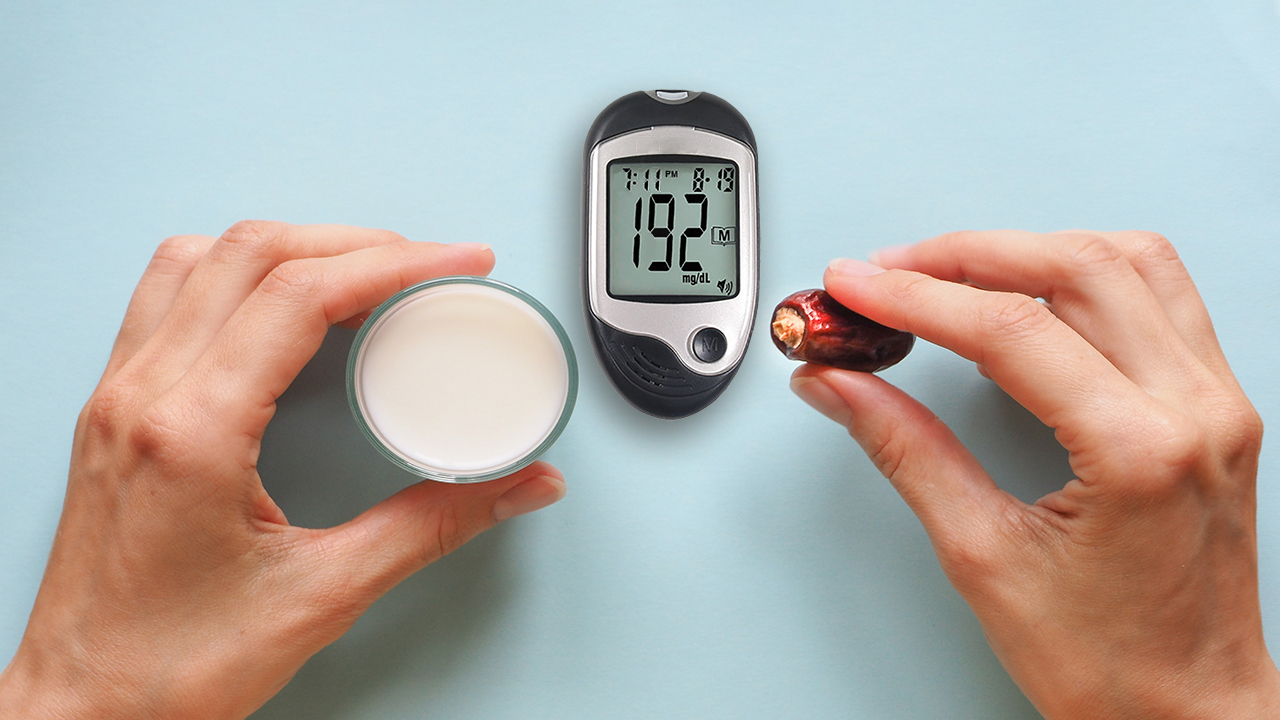
  • Hyperglycemia: This occurs when your sugar levels are as high as or more than 200mg/dl.  Common symptoms include extreme thirst, tiredness, and frequent urination. In such a situation, take advice from your doctor if you should continue your fast or not. Hyperglycemia affects each part of your body. If larger blood vessels are affected, you may face risks of stroke or a heart attack. On the contrary, if smaller blood vessels are affected, then you may face issues with your eyes, nerves and kidneys.
  • Diabetic Ketoacidosis: This is a condition where Blood Glucose Levels go extremely high and a person experiences abdominal pain, rapid breathing, nausea and vomiting. It requires immediate medical attention. In such situations, it is best to consult with a doctor.
  • Dehydration: While fasting, one may experience dehydration, especially those who work outdoors under the scorching heat of the sun. Due to lack of fluids, sugar may accumulate in the system, resulting in high blood sugar levels which can make you pass urine frequently. To overcome such dehydration during Ramadan, try to drink plenty of water after Iftar till Suhoor.

Managing Diabetes While Fasting During Ramadan

Fasting during the holy month of Ramadan is an individual’s decision. It can be managed with lifestyle changes, advice from a doctor and frequent monitoring. A few things you should consider are:

1. Pre-Diabetic Health Checkup: A Health checkup and monitoring your glucose levels before the month of Ramadan is necessary. You can also try fasting before Ramadan to see if you can manage it. Check your medication timings and discuss it with your doctor if you choose to fast.

If you consume medicines at Suhoor and keep a fast the entire day, chances are that your blood glucose levels might drop. Your blood glucose levels might even spike in the evening when you break your fast due to the intake of meals. Hence, discuss your medication timings and keep a glucometer handy to avoid medical emergencies.

2. Nutrition: If you are diabetic, ensure that both your meals are balanced. Opt for low Glycemic Index foods and Complex Carbs which digest slowly. Go for high fiber foods at Suhoor to manage blood glucose levels during fasts. Foods such as oats, Talbina (barley-based dish), brown rice, pasta and a bowl of vegetable salads work best.

Sorghum (Jowar) or Pearl Millet (Bajra) flattened bread (rotis) with Curd Raita is the best choice. A glass of buttermilk is also a good option. You can have Basil Seeds Water during Suhoor as it is rich in antioxidants, protein, good fats and fiber, all of which help in controlling diabetes.

A little protein in the form of chicken, fish, beans and legumes can also be included as they keep you full for a longer period of time and get absorbed slowly. However, people with kidney problems should take extra care to increase protein intake.

During Iftar, break your fast slowly. Chew properly and consume small amounts of food at different intervals as glucose levels may spike up if you consume a large meal at once. Have a small bowl of fruit salad or a glass of lassi (yogurt based drink) before heavy meals. Choose baked or grilled foods as compared to something fried and oily.

Sprouted salads, boiled chickpeas, or fruits are good options to include before you begin your meal. Don’t forget to hydrate yourself. Avoid sugary drinks or caffeinated beverages and choose fresh fruit juices such as beetroot juice or herbal iced tea.

We hope this article helps you stay healthy and maintain a fast without any complications or medical emergencies. If a medical emergency should arise, visit your doctor immediately.

If you found this article to be helpful, let us know your thoughts in the comments below. You can browse through more articles related to diabetes here.

If you need help or support managing Diabetes, join GOQii’s Diabetes Care Program. It’s India’s only diabetes program that is driven by Smart Science and Personal Coaching to improve Fasting Blood Sugar (FBS), Postprandial Blood Sugar (PP), and reduce HbA1c levels. You can subscribe here.

#BeTheForce

April 15, 2023 By GOQii Leave a Comment

Two Thumbs Up For Summer Salads!

summer saladsSummer is here and as the weather is only going to get hotter, it’ll take a lot more effort to stay hydrated especially if you’re spending long hours outside. Continuous exposure to high temperature and humidity without any rest and fluids can lead to lack of energy, dizziness headache, weakness and sometimes severe cramps and fluid retention. Instead of eating heavy and hot food, you need something light – like some good summer salads!

But before we go over how you can make your summer salads, let’s explore the ingredients we can use!

What Can You Eat During Summer? 

During this time of the year, our body needs more raw and cooling foods to help nourish and hydrate our cells. Apart from being chilled and high in water content, they also provide fiber for easy digestion and help eliminate toxins from the body.

Do you know that there are hydrating foods that provide about 20–25% of our daily water intake and it’s important to consume these during summer. Some of them include:

  • Fruits: Watermelon, tomatoes (containing lycopene phytonutrient that will help protect skin from ultraviolet rays), grape fruit, pears, blueberries, pineapple (the bromelain in it has many health benefits especially in reducing cough) and cucumber.
  • Leafy Greens: Spinach (Vitamin A and C) for liver detoxification with high watery lettuce, celery is brilliant.
  • Carrots: They are high in water content as well as the beta carotene phytonutrient. It also makes the salad plate more colorful.
  • Fresh Herbs: Parsley, mint, cilantro, coriander and basil are fabulous for reducing headaches, toothaches, calming the nerves and sore throats.
  • Spices: Cinnamon, raw garlic and raw ginger will help in keeping cholesterol levels under check. Being anti-inflammatory in nature, they help you fight against high BP, cancer and diabetes. Pepper goes awesome with salad curbing acidity!
  • Healthy Fatty Acids & Proteins: Nuts like almonds (vitamin E and fiber), walnuts and flaxseeds provide that much needed omega 3 fatty acid boost. You may also add peanuts, cashews, pistachios and seeds like sesame, sunflower, chia(topmost hydrator) for variations.
  • Olive Oil: It is rich in MUFA (Mono Unsaturated Fatty Acids) and can be added to the salad (the best form is the cold pressed virgin oil good for thyroid which also has phytonutrients). Canola, walnuts, avocado and walnut oil are wise picks for salad dressing too.
  • Lean Proteins: Quinoa, beans, chicken, legumes, chickpeas, paneer, lentils (folic acid rich providing vitamins and both soluble and insoluble fiber) should be added for muscle growth and repair.
  • Do not forget to sprinkle lime to keep it alkaline!

Summer Salads You Can Try 

Now that you are aware of which ingredients you can use, let’s go over on how you can use them.

1. Breakfast: Add some of the fruits mentioned above and mix them with yogurt. For breakfast, this is a great combination of carbs and proteins. If you are planning a long day out, you can combine your oatmeal with fruits like apple, pear and blueberry along with some nuts.

2. Morning snack: Apple/high watery fruit salad mixed with cinnamon, raisins and sprouts.

3. Lunch: Mix fresh fruits (carbs), vegetables (fiber), sprouts (proteins), beans and lentils.

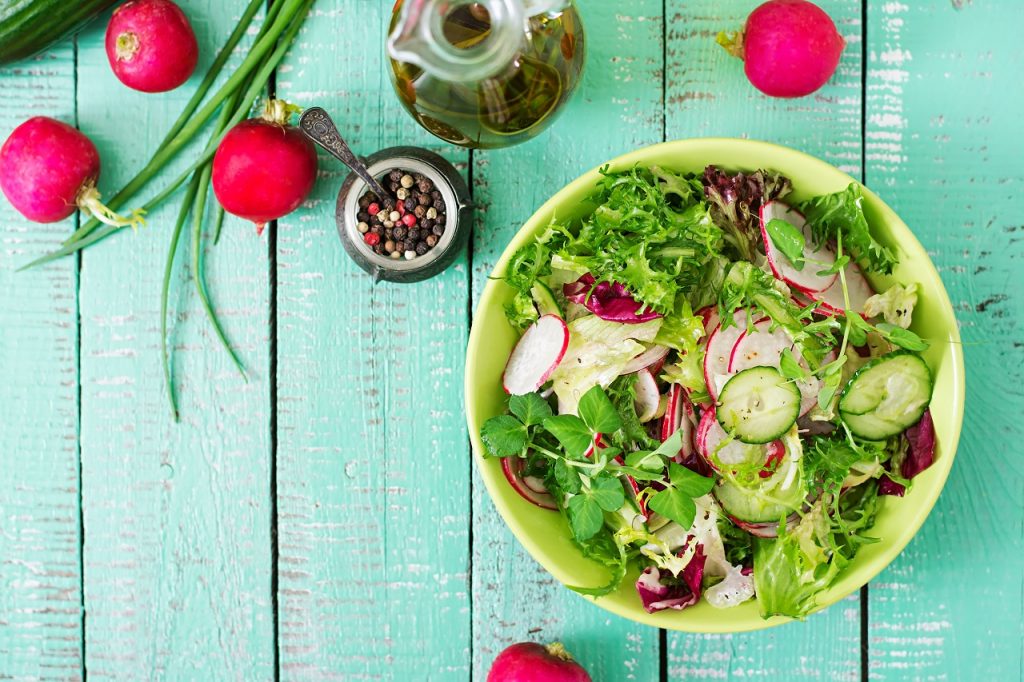
You can also try using watermelon, tomato, onion, cheese mixed with salt, vinegar oil chilled with lettuce leaves and black pepper. You can also add kale and cabbage for a calorie dense meal.

Another alternative is adding watermelon, cucumber, bell peppers, spinach, avocado, lime and quinoa. Apart from complete proteins, this dish will also provide calcium and vitamins.

The best blend of salad for lunch would be vegetables, good carbs, lean proteins (beans, chicken, shrimp, tofu, cottage cheese) and healthy fats, adding in red onions will keep it anti–inflammatory and antioxidant-rich.

4. Dinner: Mix Quinoa, beans, lentils and chicken with red bell pepper and veggies. Sprinkle lime and add in herbs according to your taste. You may also add spices to make it interesting.

The salads will not only provide water, but will also keep you full for a longer period of time, helping you keep your weight in check. You can get creative with your salads too. Try designing a different recipe for every meal. I would say grab your salad bowl and create your fun, nutritious and delicious summer salad to re-energize yourself.

We hope this article on summer salads helps you beat the heat! Read more articles on how to stay healthy during summer here. You can also ask an expert by subscribing for GOQii’s Personalised Health Coaching here.

#BeTheForce 
  • « Previous Page
  • 1
  • …
  • 42
  • 43
  • 44
  • 45
  • 46
  • …
  • 82
  • Next Page »

Search

Recent Posts

  • 4 Reasons Why Affirmations Are Not Working For You
  • The Social Side of GLP-1: Navigating “Food Culture” and Peer Pressure
  • Leaky Gut: Symptoms and Causes
  • Muscle Is Your Insurance Policy: Why Strength Predicts Lifespan More Than Cardio
  • The Fiber Gap: Managing Digestion on GLP-1 Therapy

Stay Updated

Archives

  • March 2026 (1)
  • February 2026 (14)
  • January 2026 (14)
  • December 2025 (19)
  • November 2025 (15)
  • October 2025 (20)
  • September 2025 (6)
  • August 2025 (6)
  • July 2025 (12)
  • June 2025 (18)
  • May 2025 (16)
  • April 2025 (22)
  • March 2025 (23)
  • February 2025 (22)
  • January 2025 (25)
  • December 2024 (22)
  • November 2024 (23)
  • October 2024 (21)
  • September 2024 (24)
  • August 2024 (30)
  • July 2024 (21)
  • June 2024 (26)
  • May 2024 (31)
  • April 2024 (27)
  • March 2024 (29)
  • February 2024 (25)
  • January 2024 (21)
  • December 2023 (15)
  • November 2023 (11)
  • October 2023 (19)
  • September 2023 (22)
  • August 2023 (18)
  • July 2023 (22)
  • June 2023 (24)
  • May 2023 (24)
  • April 2023 (23)
  • March 2023 (23)
  • February 2023 (19)
  • January 2023 (15)
  • December 2022 (11)
  • November 2022 (15)
  • October 2022 (15)
  • September 2022 (12)
  • August 2022 (10)
  • July 2022 (17)
  • June 2022 (11)
  • May 2022 (10)
  • April 2022 (6)
  • March 2022 (6)
  • February 2022 (13)
  • January 2022 (11)
  • December 2021 (7)
  • November 2021 (3)
  • October 2021 (6)
  • September 2021 (3)
  • August 2021 (8)
  • July 2021 (7)
  • June 2021 (15)
  • May 2021 (16)
  • April 2021 (10)
  • March 2021 (7)
  • February 2021 (4)
  • January 2021 (4)
  • December 2020 (3)
  • November 2020 (4)
  • October 2020 (10)
  • September 2020 (3)
  • August 2020 (3)
  • July 2020 (2)
  • June 2020 (4)
  • May 2020 (10)
  • April 2020 (12)
  • March 2020 (10)
  • February 2020 (4)
  • January 2020 (4)
  • December 2019 (3)
  • November 2019 (7)
  • October 2019 (5)
  • September 2019 (4)
  • August 2019 (9)
  • July 2019 (9)
  • June 2019 (11)
  • May 2019 (4)
  • April 2019 (8)
  • March 2019 (8)
  • February 2019 (9)
  • January 2019 (8)
  • December 2018 (9)
  • November 2018 (3)
  • October 2018 (3)
  • September 2018 (5)
  • August 2018 (10)
  • July 2018 (6)
  • June 2018 (13)
  • May 2018 (8)
  • April 2018 (18)
  • March 2018 (9)
  • February 2018 (8)
  • January 2018 (15)
  • December 2017 (12)
  • November 2017 (19)
  • October 2017 (13)
  • September 2017 (15)
  • August 2017 (4)
  • July 2017 (8)
  • June 2017 (7)
  • May 2017 (6)
  • April 2017 (8)
  • March 2017 (6)
  • February 2017 (7)
  • January 2017 (9)
  • December 2016 (10)
  • November 2016 (7)
  • October 2016 (7)
  • September 2016 (7)
  • August 2016 (11)
  • July 2016 (9)
  • June 2016 (9)
  • May 2016 (12)
  • April 2016 (17)
  • March 2016 (17)
  • February 2016 (8)
  • January 2016 (6)
  • December 2015 (2)
  • November 2015 (9)
  • October 2015 (7)
  • September 2015 (9)
  • August 2015 (11)
  • July 2015 (9)
  • June 2015 (12)
  • May 2015 (9)
  • April 2015 (13)
  • March 2015 (8)
  • February 2015 (5)
  • January 2015 (12)
  • December 2014 (14)
  • November 2014 (11)
  • October 2014 (6)
  • September 2014 (13)
  • August 2014 (12)
  • July 2014 (6)
  • June 2014 (2)
  • May 2014 (7)
  • April 2014 (5)

From “Laddu Nawin” to Fit and Fierce: How a 25-Year-Old Insurance Advisor Shed 20 Kilos and Gained His Life Back

When 25-year-old Nawin Yadav from Hyderabad walked into his office every morning, he carried more than just his files and policy papers. He had the weight of fatigue, sluggish energy, and an ever-growing belly that was becoming the butt of jokes. “People … [Read More...]

“I’ve Challenged Myself to Live 100 Years” – The Story of Chandubhai Savani’s Second Chance at Life

At 67, most people start slowing down. Not Chandubhai Savani. A resident of Surat, Chandubhai, thought life was on track. “My life was going well till I had my bypass surgery,” he says. That surgery, back in 2021, was a wake-up call.  Medication was routine, but exercise wasn’t. His diet? What he calls ‘normal.’ “I […]

From Shimla’s Slopes to Chandigarh’s Sidewalks: Surinder Kaur Bhalla’s Journey from Chaos to Control

Some journeys start with a plan. Others begin with a stumble literally. Surinder Bhalla, a government professional, born and raised in the scenic hill town of Shimla, had always lived a life of movement. “In Shimla, you walked everywhere,” she reflects. “Walking was never an exercise. It was just life.” But after shifting to Chandigarh, […]

Ananda Mukherjee Health Story

From Terminal Illness To Complete Wellness! Ananda Mukherjee Health Story

As we observe World Cancer Day under the powerful theme ‘United by Unique’ (2025-2027)**, we are reminded that every individual’s journey with cancer is distinct, yet united by shared resilience, hope, and the collective fight against this disease. This theme places people at the centre of care and their stories at the heart of the […]

  • HOME
  • HEALTHY LIVING
  • FITNESS
  • HEALTHY RECIPES
  • USER STORIES
  • KARMA
  • BUY GOQii

Copyright ©2016 GOQii



