GOQii

Blog

  • HOME
  • HEALTHY LIVING
  • FITNESS
  • HEALTHY RECIPES
  • USER STORIES
  • KARMA
  • BUY GOQii

Search Results for: chocolate

September 12, 2017 By Luke Coutinho 1 Comment

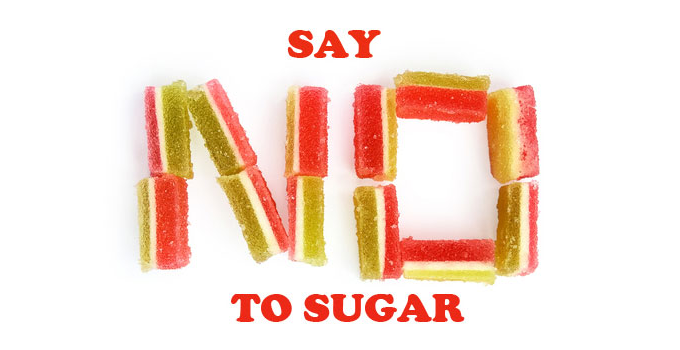
Are you a sugar addict?

sugar-addict

At first we want to believe that we are not addicts. The very word ‘ addict ‘ makes us think  ‘ Drugs ‘  or  ‘ Alcohol ‘

But, did you know that sugar is sweet poison….it’s a silent killer. The effects of massive sugar consumption creeps in on us and suddenly strikes, in the form of a deadly disease or mood swings or depression or extreme fatigue, lowered libido etc…

There is too much to write about the dangers of white refine sugar or its other ‘disguises’.
The results though, of this consumption can be seen all around us.

~ Obese children and obese parents.

~ People with midriff fat or a ‘ tyre’

~ Bulging bellies.

~ Increasing cases of cancer, diabetes, cardiovascular diseases, depression, and inability to sleep.

~ Hyper children

~Children finding it difficult to concentrate and focus in school.

~ Individual behaviors that stem from low self-esteem caused due to one’s looks

~ Depression and unhappiness caused because the’ scale does not move ‘

~ Supposedly ‘ fit’ people dying of heart attacks.

If you are told to give up sugar for 10 days, and it worries or angers you, you should accept that you are addicted to it

if your children cannot go 10 days without sugar, they are addicted.

If you can’t control your portions of sugar, for example: if you start with a piece of chocolate and end up finishing the whole bar or the cake or many cupcakes at one go (that’s me) you are addicted to sugar.

Some of the worst stages of cancer require the person to starve the body of sugar, and yet if the only pleading request from that person is to do anything, but not take away sugar from the diet then it definitely sounds like an addiction.

There’s nothing wrong with a little bit of sugar, but when you have a diet that comprises of packaged foods, outside foods and junk, you are in taking more sugar than your body can handle.

Here are three reasons why you should immediately make plans to cut your sugar intake –

Sugar makes you crave for more sugar and if you restrict yourself it leads to mood swings, behavioral changes and a feeling of ‘restriction’. Sugar starts the chain reaction of addiction and more sugar means more calories which in turn mean more weight.

Sugar is the chief cause of ‘ belly’ fat or love handles or Cellulite. It ferments in the body making the body acidic and giving rise to bloating and gas. We then tend to perceive these problems as something else, and end up doing a whole load of wrong things to beat the bloating and gas. For example, we cut down on beans, because we think that all that bloat and gas formation is because of these extremely healthy and nutritious beans. And, so we eliminate beans from our diet and fail to cut down on the substance that is the real cause, sugar.

Sugar makes the environment in our cells acidic.Almost all diseases breathe in an acidic environment. Enough has been said about that. If you feel you’re addicted, get aware of your consumption and slowly start reducing it over time.

Find sweet substitutes, or set small milestones to reach your goal of consuming less sugar.

Till then, be conscious of your sugar intake. At times no matter how much you work out or walk, but if you are consuming too much sugar, you will find you lose some weight, but not from your belly or sides or not as much as you want to and that obstacle is nothing but sugar.

August 7, 2017 By Jayshree Dhabalia 1 Comment

Let’s understand Cravings

Three colorful green, pink and yellow tart cakes wrapped in measuring tape on white background, unhealthy lifestyle concept, studio

Food craving (defined as an intense desire to eat a specific food) is of interest because it is extremely common and because it influences obesity or nutritional status. It has also been suggested that food craving may be the evolutionary source for cravings of all kinds including cravings for drugs and alcohol.  “Surveys estimate that almost 100% of young women and nearly 70% of young men had food cravings during the past year,” says Mercia Levin Pelchat, of Monell Chemical Senses Center in her published article ‘Food Cravings in Young and Elderly Adults’ in the journal Appetite*

As humans, we’re biologically wired to crave for Food. The more bad food we eat, the more our body will learn to accept and want them. We become addicted to highly palatable, energy dense food. Well, yes many of the food we eat today (ready made) are extremely addictive, and we are hardwired to crave them. Anything that gives us pleasure and offers relief, our body will want more and crave.

What food am I referring to?

Processed food. They are prepared with a combination of fat, sugar, and salt and provide very fewer nutrients.

Studies have found, highly processed food have the same effect on the brain as some drugs. It helps release feel good hormone which in turn helps to relieve stress temporarily.

What about those people who have food craving even without indulging in processed foods often? The answer for this could be due to missing micro nutrients from your diet, which causes you to crave for certain foods.

amazed young woman eating popcorn

What’s the Solution to Carvings?

Let’s take a look at why we should be adding more veggies, fruits, and other unprocessed food to our diet.

I have covered here few very commonly reported cravings and deficiency associated with the same:

Food Craving Bread
Nutrient Deficiency Nitrogen
Nutritious food Green Leafy Vegetables, Nuts, Seeds, Legumes, Grains
Food Craving White Pastas, Cake, Pastries
Nutrient Deficiency Chromium
Nutritious food Onion, Lettuce, Tomatoes, Cinnamon, Grapes
Food Craving Crisps/Potato Chips, Salty foods
Nutrient Deficiency Chloride
Nutritious food Celery, Olives, Tomatoes, Kelp, Himalayan Sea Salt
Food Craving Chocolate
Nutrient Deficiency Magnesium
Nutritious food Raw Cacao, Whole Grains, Beans, Nuts, Seeds, Fruit, Green Veggies
Food Craving Fizzy/Aerated Drinks
Nutrient Deficiency Calcium
Nutritious food Broccoli, Kale, Sesame seed, legumes, mustard, turnip, greens
Food Craving Coffee / Black tea
Nutrient Deficiency Sulphur
Nutritious food Cruciferous Veggies, Cranberries, horseradish, garlic, onion
Food Craving Ice, Chilled water
Nutrient Deficiency Iron
Nutritious food Beans, Legumes, Dates, Black raisin, Jaggery, Spinach
Food Craving Sweets
Nutrient Deficiency Phosphorous
Nutritious food Citrus Fruits, Green Leafy Veggies, Banana, Tomatoes, Black Olives.

As you can see on the table, a simple mindful inclusion of certain food does not only save you from lot more cravings and its ill effect but can also provide you with lots of nutrients and minerals.

So what will you choose?

*Appetite is an international research journal specializing in cultural, social, psychological, sensory and physiological influences on the selection and intake of foods and drinks. It covers normal and disordered eating and drinking and welcomes studies of both human and non-human animal behaviour towards food


July 17, 2017 By Payal Choudhury 3 Comments

Carbohydrates -“Your diet’s fuel”

carbohydrate-addicts-diet-plan1

The way carbohydrates are demonized today, it’s no wonder that so many people actually fear eating them. I used to be one of them. As a recovering “carb-o-phobe,” I’m now on the flip side and advocate eating complex carbohydrates for optimal nutrition.

Carbohydrates are nutrients that act as a good source of energy for our body. It is made up of sugar, starch and cellulose and it contains hydrogen and oxygen in the ratio 2:1which is the same as that of water. Although carbohydrates can be digested a lot easier than fats or proteins, they aren’t considered indispensable for the body.

While some carbohydrates make us healthy, others can be harmful to our health, if taken in excess quantities. For example, certain carbohydrates increase the risk of diabetes and heart ailments. So why are certain carbohydrates are beneficial and others adversely affect our health?…We need to go deeper and learn about the different forms of carbohydrates.

There are many forms of carbohydrates, but the three common forms are sugars, starches, and fibres. The basic unit of all carbohydrates is a sugar molecule. Then there are simple and complex carbohydrates. While sugars are simple carbohydrates, starches and fibres are classified as complex.

We generally consume simple and complex carbs. To understand what they are about, we’ll look at the list of carbohydrate rich foods and all that is essential for.

Simple carbohydrates are sugars composed of monosaccharide (single sugar molecules) or disaccharides (two joined sugar molecules) such as glucose, sucrose, lactose, and fructose. This category of carbohydrates is best found in fresh fruits.

On the other hand, however, there is another grade of foods that contain simple carbohydrates. This class of foods is processed foods. The trouble with these foods is that they provide energy and calories in abundance. It is for this reason that these high-calorie products must be kept away. Apart from that, simple carbohydrates that the body obtains from natural foods are also easier to digest than those obtained from processed foods.

Simple carbohydrates contain one or two sugar molecules linked together and are digested or broken down into glucose faster, because the bonds in these small molecules are easily accessible to the enzymes of the digestive tract. Hence, these carbohydrates are readily absorbed.

Complex carbohydrate:

Complex carbohydrates (or polysaccharides) are made up of three or more sugar molecules that are bound together. Since these carbohydrates get digested slowly, they release sugar into the system very gradually, thus allowing the body a consistent level of energy.

Often referred to as starch, foods that contain these complex carbohydrates are a great source of vitamins, minerals, and fibres. The old belief that starch is bad for the body is rapidly dying, because starches by themselves contain only 4 calories per gram, while fat contains 9 calories per gram. Also, the advantage with complex carbohydrates is that they fill you up quicker, thus allowing a reduced intake of food, which very simply leads to a reduced calorie intake.

In addition, refined carbohydrates may contain hydrogenated vegetable oils, additional fat, and processed sugars. Eating refined carbohydrates like a cookie in the morning will neither give you the energy nor give you the nutrition to maintain a balanced body.

Benefits of simple sugars:

Eating sugar gives you immediate access to fuel. There are times when this is an advantage. When the level of sugar in your blood drops, you may feel sluggish or even ill. Eating a simple carbohydrate, such as a fruit, may raise your blood sugar and give you the burst you need.

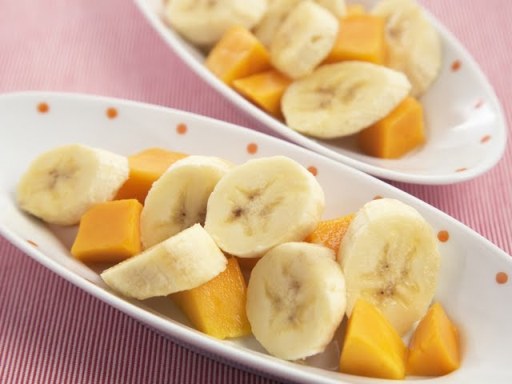
Simple carbohydrates may have the advantage over complex when it comes to preparing for exercise. Before a training session, race or game, many athletes eat a large amount of carbohydrate to provide energy. So before any workout, simple carbohydrates are your best choice. Due to the fact that they’re digested more quickly, simple carbohydrates are good for athletes who need short bursts of energy, as opposed to endurance athletes who need longer-term energy from slow-digesting carbohydrates. Examples of pre-workout meals that contain simple carbs are bananas with honey, low-fat yogurt with jelly or chocolate milk.

Complex Sugars:

There a number benefits of eating more complex carbohydrates, so it might be necessary to make some switches. Here are some examples of easy substitutions:

  • Instead of white bread and pasta, switch to whole grain bread and pasta (if the switch is intimidating at first, try mixing half whole grain and half white when making your pastas).
  • Instead of munching on chips, try raw vegetables.
  • Instead of rice, try eating more beans as a base for dishes.

Also diets rich in fibre help to keep us ‘regular’ which also promotes greater intestinal health and, in turn, helps to guard against a number of illnesses including colorectal cancer. Immunity is strengthened. It contributes to Energy, Digestion, Metabolism, Sleep, Filling fibre, Brain function, and Nervous system function.

Well, to distinguish simple and complex carbohydrates and how they are processed by the body, one might think that foods containing complex carbohydrates are actually healthier than those that have simple carbohydrates. However, this is not always true. Rice is rich in starch which is a complex carbohydrate, while fruits contain fructose which is a simple sugar. But we all know that between the two, fruits are a better option when it comes to eating healthy.

Thus, we see that not all carbohydrates are bad. In fact, a balanced diet that has a fair share of carbohydrates, is essential for a healthy you. So let go of your carbohydrate fears and feel good about including some of these foods and reap the benefits that good carbohydrates have to offer.


June 20, 2017 By Farida Gohil 5 Comments

5 foods that fight high CHOLESTEROL

mixed-nuts-olgakr-main

Image Credit: prevention.com

It’s easy to eat your way to an alarmingly high cholesterol level. The reverse is true too – changing what you eat can lower your cholesterol and improve the armada of fats floating through your bloodstream. Fresh fruits and vegetables, whole grains, and “good fats” are all part of a heart-healthy diet. But, some foods particularly are good at helping bring down cholesterol.

How? Some cholesterol-lowering foods deliver a good dose of soluble fibre, which binds cholesterol and its precursors in the digestive system and drags them out of the body before they get into circulation.Others provide polyunsaturated fats, which directly lower LDL. And, those with plant sterols and stanols keep the body from absorbing cholesterol. Here are a 5 of those foods:

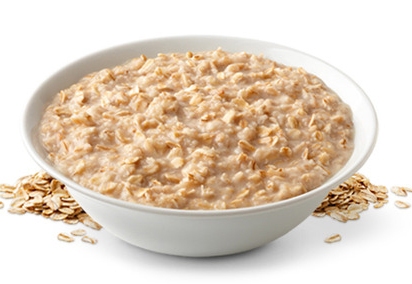
  1. OATS: An easy way to start lowering cholesterol is to choose oatmeal or a cold oat-based cereal like cheerios for breakfast. It gives you 1 to 2 grammes of soluble fibre. Add a banana or some strawberries for another half -gramme.
  2. BEANS: Beans are especially rich in soluble fibre and take a while to digest, meaning you feel full for longer hours after a meal. That’s one reason beans are useful food for folks trying to lose weight. With so many choices from navy and kidney beans to lentils, garbanzos, black-eyed peas, and beyond, there are also many ways to prepare them. Beans a very versatile food.
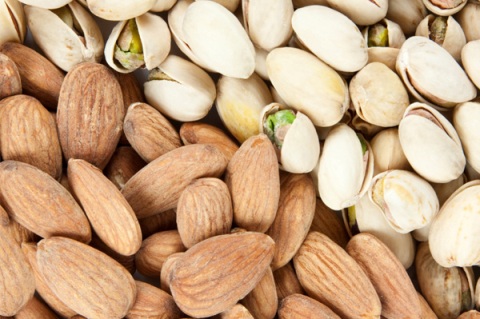
  3. NUTS: A bushel of studies shows that eating almonds, walnuts, peanuts, and other nuts are good for the heart. Eating 2 ounces of nuts a day can slightly lower LDL, on the order of 5%. Nuts have additional nutrients that protect the heart in other ways.

If you are allergic to any kind of nuts like peanuts, Walnuts or cashew nuts; you can go for pistachios or just almonds or if nothing works then you can just quit this food group and try to include the other four foods.

  1. Foods fortified with sterols and stanols: Sterols and stanols extracted from plants gum up the body’s ability to absorb cholesterol from food. Companies and adding them to foods ranging from margarine and granola bars to orange juice and chocolate. They are also available as supplements.Getting 2 grammes of plant sterols or stanols a day can lower LDL cholesterol by about 10%.
  2. FATTY FISH: Eating fish two or three times a week can lower LDL in two ways: by replacing meat, which has LDL -boosting saturated fats, and by delivering LDL -lowering Omega- 3 fats. Omega -3 s reduce triglycerides in the bloodstream and also protect the heart by helping prevent the onset of abnormal heart rhythms.

BUT STAY AWAY FROM…

As you consider eating more of the foods that can help lower down cholesterol, keep in mind that avoiding certain foods can improve your results. To keep cholesterol levels where you want them to be, limit intake of:

SATURATED FATS: The saturated fats found in red meat, milk and other Dairy Foods, and coconut and palm oil directly boost LDL. So one way to lower your LDL is to cut back on saturated fat. Try substituting extra- lean ground beef for regular; Low-fat or skim milk for whole milk; olive oil or a vegetable oil margarine for butter; baked fish or chicken for fried.

TRANS FAT: Trans fats are a by-product of the chemical reaction that turns liquid vegetable oil into solid margarine or shortening and that prevents liquid vegetable oils from turning rancid. Trans fats boost LDL as much as saturated fats do.They also lower protective HDL and increase the tendency for blood clots to form inside blood vessels. Although Trans fats were once ubiquitous in prepared foods, many companies now use trans- free alternatives. Summer restaurants and fast-food chains have yet to make the switch.

  • « Previous Page
  • 1
  • …
  • 20
  • 21
  • 22
  • 23
  • 24
  • …
  • 28
  • Next Page »

Search

Recent Posts

  • Social Health and Longevity: Why Relationships Matter as Much as Diet
  • Top 10 Foods For Diabetics: What to Eat to Manage Blood Sugar
  • Why Good Nutrition Before Conception Is Crucial For Your Baby’s Health
  • 6 Tricks To Help You Make Exercise A Habit
  • World Parkinson’s Day 2026: Bridging the Care Gap & Supporting Caregivers

Stay Updated

Archives

  • April 2026 (12)
  • March 2026 (18)
  • February 2026 (14)
  • January 2026 (14)
  • December 2025 (19)
  • November 2025 (15)
  • October 2025 (20)
  • September 2025 (6)
  • August 2025 (6)
  • July 2025 (12)
  • June 2025 (18)
  • May 2025 (16)
  • April 2025 (22)
  • March 2025 (28)
  • February 2025 (22)
  • January 2025 (25)
  • December 2024 (22)
  • November 2024 (23)
  • October 2024 (21)
  • September 2024 (23)
  • August 2024 (30)
  • July 2024 (21)
  • June 2024 (25)
  • May 2024 (30)
  • April 2024 (27)
  • March 2024 (27)
  • February 2024 (24)
  • January 2024 (21)
  • December 2023 (14)
  • November 2023 (11)
  • October 2023 (19)
  • September 2023 (22)
  • August 2023 (18)
  • July 2023 (22)
  • June 2023 (23)
  • May 2023 (24)
  • April 2023 (22)
  • March 2023 (23)
  • February 2023 (19)
  • January 2023 (15)
  • December 2022 (11)
  • November 2022 (15)
  • October 2022 (15)
  • September 2022 (12)
  • August 2022 (10)
  • July 2022 (17)
  • June 2022 (11)
  • May 2022 (10)
  • April 2022 (6)
  • March 2022 (6)
  • February 2022 (13)
  • January 2022 (11)
  • December 2021 (7)
  • November 2021 (3)
  • October 2021 (6)
  • September 2021 (3)
  • August 2021 (8)
  • July 2021 (7)
  • June 2021 (15)
  • May 2021 (16)
  • April 2021 (10)
  • March 2021 (7)
  • February 2021 (4)
  • January 2021 (4)
  • December 2020 (3)
  • November 2020 (4)
  • October 2020 (10)
  • September 2020 (3)
  • August 2020 (3)
  • July 2020 (2)
  • June 2020 (4)
  • May 2020 (10)
  • April 2020 (12)
  • March 2020 (10)
  • February 2020 (4)
  • January 2020 (4)
  • December 2019 (3)
  • November 2019 (7)
  • October 2019 (5)
  • September 2019 (4)
  • August 2019 (9)
  • July 2019 (9)
  • June 2019 (11)
  • May 2019 (4)
  • April 2019 (8)
  • March 2019 (8)
  • February 2019 (9)
  • January 2019 (8)
  • December 2018 (9)
  • November 2018 (3)
  • October 2018 (3)
  • September 2018 (5)
  • August 2018 (10)
  • July 2018 (6)
  • June 2018 (13)
  • May 2018 (8)
  • April 2018 (18)
  • March 2018 (9)
  • February 2018 (8)
  • January 2018 (15)
  • December 2017 (12)
  • November 2017 (19)
  • October 2017 (13)
  • September 2017 (15)
  • August 2017 (4)
  • July 2017 (8)
  • June 2017 (7)
  • May 2017 (6)
  • April 2017 (8)
  • March 2017 (6)
  • February 2017 (7)
  • January 2017 (9)
  • December 2016 (10)
  • November 2016 (7)
  • October 2016 (7)
  • September 2016 (7)
  • August 2016 (11)
  • July 2016 (9)
  • June 2016 (9)
  • May 2016 (12)
  • April 2016 (17)
  • March 2016 (17)
  • February 2016 (8)
  • January 2016 (6)
  • December 2015 (2)
  • November 2015 (9)
  • October 2015 (7)
  • September 2015 (9)
  • August 2015 (11)
  • July 2015 (9)
  • June 2015 (11)
  • May 2015 (9)
  • April 2015 (13)
  • March 2015 (8)
  • February 2015 (5)
  • January 2015 (12)
  • December 2014 (14)
  • November 2014 (11)
  • October 2014 (6)
  • September 2014 (13)
  • August 2014 (12)
  • July 2014 (6)
  • June 2014 (2)
  • May 2014 (7)
  • April 2014 (4)

From “Laddu Nawin” to Fit and Fierce: How a 25-Year-Old Insurance Advisor Shed 20 Kilos and Gained His Life Back

When 25-year-old Nawin Yadav from Hyderabad walked into his office every morning, he carried more than just his files and policy papers. He had the weight of fatigue, sluggish energy, and an ever-growing belly that was becoming the butt of jokes. “People … [Read More...]

“I’ve Challenged Myself to Live 100 Years” – The Story of Chandubhai Savani’s Second Chance at Life

At 67, most people start slowing down. Not Chandubhai Savani. A resident of Surat, Chandubhai, thought life was on track. “My life was going well till I had my bypass surgery,” he says. That surgery, back in 2021, was a wake-up call.  Medication was routine, but exercise wasn’t. His diet? What he calls ‘normal.’ “I […]

From Shimla’s Slopes to Chandigarh’s Sidewalks: Surinder Kaur Bhalla’s Journey from Chaos to Control

Some journeys start with a plan. Others begin with a stumble literally. Surinder Bhalla, a government professional, born and raised in the scenic hill town of Shimla, had always lived a life of movement. “In Shimla, you walked everywhere,” she reflects. “Walking was never an exercise. It was just life.” But after shifting to Chandigarh, […]

Ananda Mukherjee Health Story

From Terminal Illness To Complete Wellness! Ananda Mukherjee Health Story

As we observe World Cancer Day under the powerful theme ‘United by Unique’ (2025-2027)**, we are reminded that every individual’s journey with cancer is distinct, yet united by shared resilience, hope, and the collective fight against this disease. This theme places people at the centre of care and their stories at the heart of the […]

  • HOME
  • HEALTHY LIVING
  • FITNESS
  • HEALTHY RECIPES
  • USER STORIES
  • KARMA
  • BUY GOQii

Copyright ©2016 GOQii