GOQii

Blog

  • HOME
  • HEALTHY LIVING
  • FITNESS
  • HEALTHY RECIPES
  • USER STORIES
  • KARMA
  • BUY GOQii

Search Results for: carb

February 22, 2023 By Richa Athavale 9 Comments

Why You Should Avoid Eating A Heavy Dinner

Avoid eating a heavy dinner “I am not losing any weight in spite of following a healthy routine,” said one of my Players. “What did you eat for dinner yesterday?”  I asked. He replied saying, “2 Rotis, 1 bowl of Rice, Dal, Subzi, 1 bowl of salad (as you have told) and 2 small gulab jamun,” I was quick in pointing out that the answer to his weight loss issue was his heavy dinner.

Why Should You Avoid A Heavy Dinner?

Our body works on a simple principle of demand and supply. Whenever we are more active, we need more energy. Hence, we need to eat more – which means having a heavy breakfast, a good lunch and mid meal snacks, help you stay active.

Whereas, when we aren’t quite active, we require less energy. From the time we begin our day, till night, our activity levels lower gradually (unless you work in night shifts). We really don’t require much energy when we’re going to relax post dinner and ultimately sleep. Which means, we do not need to eat as much because we won’t be burning that food for energy. If you consume more food than your body needs at night, it’s a simple recipe for weight gain!

Having a lighter dinner aids digestion and helps you better utilise the nutrients. It is advisable to have a 2 hour gap before hitting the sack. This is one way to avoid that unnecessary fat and weight gain! In order to do this, you need a plan. If you’re not in a habit of having frequent meals, and you avoid an evening snack, you’ll tend to eat more at dinner. Also, understand the psychological effect when you haven’t eaten anything post lunch, barring that cup of tea! You’ll end up feasting because your brain is telling you that you are hungry.

Some Benefits Of Eating A Light Dinner 

  1. Aids in digestion and induces good sleep
  2. You will be able to get up fresh the next morning
  3. Helps in faster gut clearing
  4. Helps reducing fat & weight
  5. Reduces risk of lifestyle diseases like Type II Diabetes, Hypertension, High cholesterol, etc.
  6. Helps in reducing PCOD & Hypothyroidism
  7. Improves metabolism

The ideal time for dinner is near sunset 6.30- 7 pm. If you can’t manage it, then simply split your dinner between 2-3 small meals. Have an evening meal between 5-7 pm.  Ideally, at the time you feel hungry post Lunch. Eat Roti,Rice, Bhakri, or whole wheat bread etc. which is carbohydrate based for the first meal. Keep the lighter part for the next one i.e. 8-10 pm. Try to keep dinner low in carbs and more in proteins & fibers as this will prevent excess calories, give you proteins for muscle building throughout the night, and enough fiber will help in gut clearing.

You can try –

Proteins: Eggs, Chicken, Paneer, Dal, Sprouts, Usal, Curd, Yogurt, Soya, or Tofu mixed with
Fiber: Soups, salads, stir fried veggies, raita, or raw veggies, etc.

It can be as simple as curd rice, Khichdi- Kadhi, etc. But, watch the carbohydrate quantity. Avoid having fruits at this time as they contain fructose which is a simple sugar. If you feel hungry again at night, drink a glass of milk with turmeric powder or a bowl of soup/salads or a few nuts.

We hope this article helps you! For more tips on healthy living and making lifestyle changes, click here or speak to an expert by subscribing for GOQii’s Personalised Health Coaching here.

Disclaimer: This article was written keeping people who are trying to lose weight and fat in mind. This may not be appropriate for growing children, teenagers, underweight people, and/or people with medical conditions. Before making any changes to your diet, consult your doctor, nutritionist or dietitian. 

#BeTheForce

February 16, 2023 By Sanjana Shah Leave a Comment

The Link Between Sugar and Child Behavior

The Link Between Sugar and Child BehaviorIs sugar and child behavior connected? Before we delve into that, we need to understand that a perfect balanced diet of carbs, proteins, essential fats, vitamins and minerals is important during the growing age of the child. It is an ongoing research on whether food intake is really linked to a child’s behavior and mood. Below are the effects of healthy and unhealthy eating habits on the mood and behavior of a child.
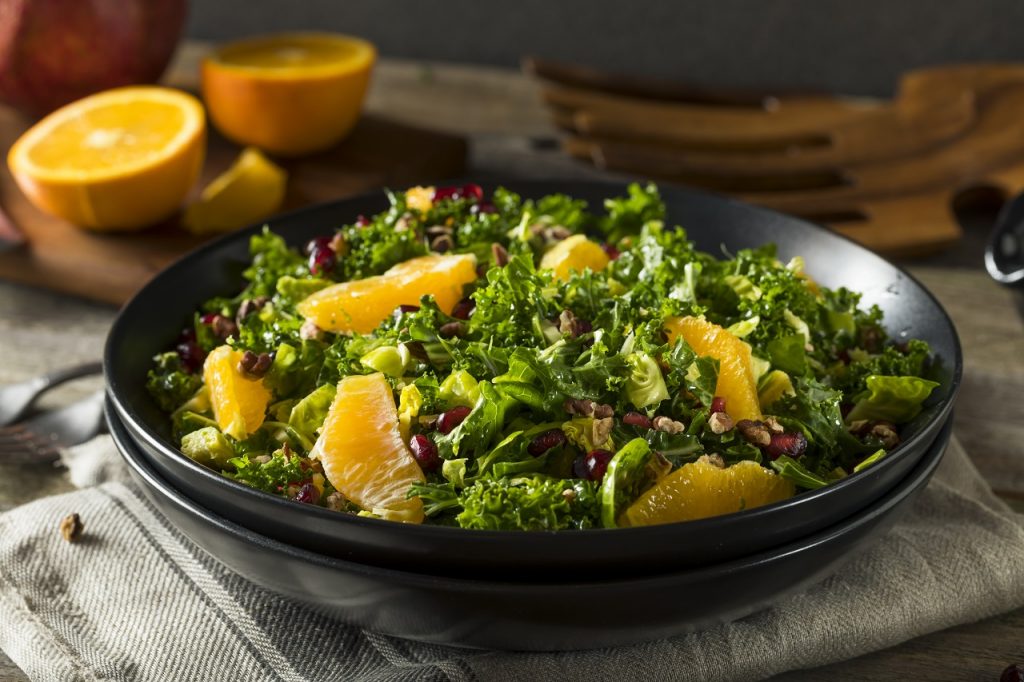

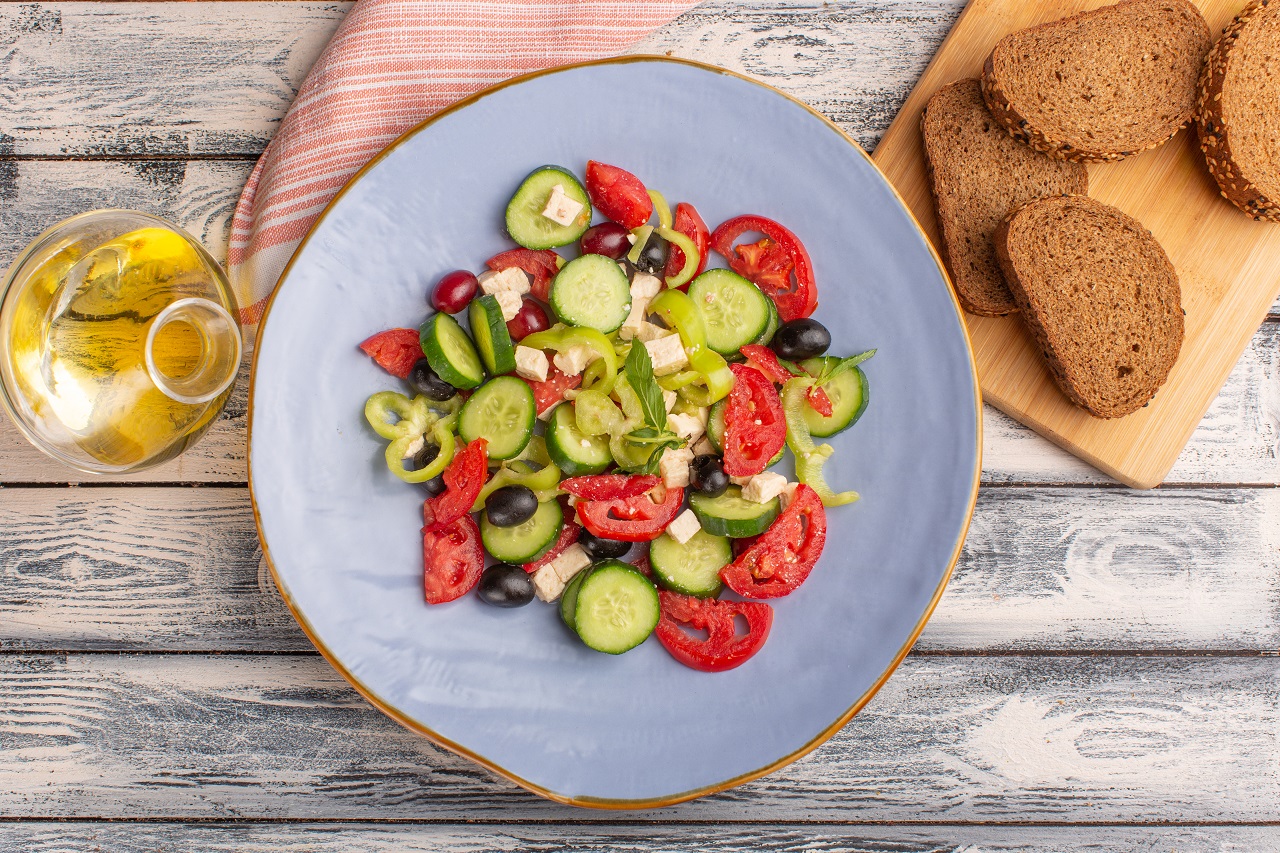
Healthy Eating Habits (Includes a balanced diet)

  • Better concentration
  • Improved learning skills
  • High grasping power
  • Socially active in making friends, prefers to play in groups
Unhealthy Eating Habits (Includes consumption of sugary food, preservative containing food, food colouring foods)

  • Lack of concentration in any given task
  • Hyperactive
  • Mood swings
  • Nutritional Deficiencies

We tend to correlate the word ‘kids’ with chocolates, ice creams, candies and cakes, etc.. The basic ingredient in these items is sugar!

Sugar and Child Behavior in Relation to Nutrition

Sugars are simple carbohydrates that easily get absorbed in blood glucose. Sugar is an empty calorie food i.e it has no nutrients and provides only energy.

Sugars have various forms like white sugar, brown sugar, honey and corn syrup. It’s a myth that jaggery, honey and brown sugar are better off than white sugar. Calories coming from them are same. The only difference is that white sugar is absorbed faster in the bloodstream than other sources.

Fruits naturally contain fructose with fiber which makes you feel fuller and are rich in water content, vitamins and minerals. On the other hand, colas or sugar candies contains only fructose syrup which disrupts the brain signal of being full and the child feels hungry again

Hidden Sugars in Food

Hidden Sugar means that the packet of food doesn’t show the word sugar on the ingredient list but still contains sugar labelled as other names such as dextrose, dextrin, corn syrup, or barley malt.

When consumed more than the required amounts and on a daily basis, sugar affects various parts of the body and mind:

  • Teeth (Tooth Cavities): Bacteria live on sugar medium. When kids don’t brush well or don’t drink water after eating, bacteria tends to overgrow, which in turn leads to cavities and tooth decay.
  • Brain: Impaired ability to memorise things, as the brain doesn’t get the right amount of nutrients to function.
  • Behavior: Sugar numbs the neurons in the brain, shortens a child’s attention span and makes them hyperactive.
  • Immunity: Constant bouts of cold and cough makes it difficult to sleep at night.
  • Metabolism: A child is at a higher risk of being obese and developing long term diseases like Diabetes.
  • Hormonal: Being in the growing stage, they are more prone to hormonal issues like acne, early onset of puberty, dandruff, skin issues, impaired growth.
  • Worms: Thread worms are caused due to bacteria thrive on sugar if the intake is high.

How to Minimize Sugar Dependence

  • As parents, we need to change our attitude of rewarding kids with sugar-rich foods every time they complete a task or behave well.
  • Fix up a Treat day like once a week or fortnightly wherein only on that day they can eat their favourite chocolate, cakes or candies
  • Substitute ready to drink fruit beverages with homemade smoothies or freshly prepared pulp fruit juice
  • Train them to choose healthy items like high fiber biscuits instead of cream-based biscuits
  • Prepare desserts at home with less sugar and store it. This way you minimize the chances of buying them from a shop
  • Be gradual and change one habit at a time. Don’t be adamant on changing the habits all at once.

How to Encourage Healthy Eating Habits

  • Make them learn all the food groups – vegetables, fruits, cereals, pulses, dairy. Either draw it on a paper or show them the real foods. Ask them to pick up the ones they want to eat for that particular day. This way, you can plan for 2-3 days in advance.
  • Usually, unhealthy eating habits make them vitamin and mineral deficient. So consult your doctor and start the appropriate supplements for it.
  • Prepare attractive snacking ideas in their tiffin boxes like a veggie stuffed roll, colourful sandwich, idlis made with spinach puree or tricolour idlis.
  • Remember the negative effects of unhealthy eating don’t show up immediately. It’s a long term consequence. But if the child’s health is compromised with headaches, asthma, cold/cough then the negative effects are seen in the short term.

Another important factor is being intolerant to certain food items like dairy products (casein) or gluten (wheat), which may make them aggressive, cranky and/or fussy. Common food allergens like soy, peanuts, corn and nuts also adversely affect the behaviour of the child in a negative way.

It is always better to read labels of food packets before purchasing. Be aware of what you and your kids are consuming. In case of doubts, do consult a doctor or nutritionist.

We hope this article on sugar and child behavior helps you make smarter nutritional choices for your children. Do let us know your thoughts in the comments below. For more on Kid’s Health, click here. To get expert advice, speak to a GOQii Coach by subscribing for Personalised Health Coaching.

#BeTheForce

February 5, 2023 By Neha Goyal 3 Comments

5 Winter Salads You Need to Try Now!

winter salads

With winter at its peak, it is all about comfort food for most of us. Even people who limit their tea, coffee and sugar intake, don’t mind sipping on 1-2 extra cups. But this is how we tend to get through these chilly months. While the comfort food makes us feel good, it also makes us feel sluggish. The best way to bounce back is eating clean by filling our plates with more veggies. The sad truth though, is that we don’t find salads as appealing as we do during summer. To make things interesting, I have some nice warm winter salads to help you get the goodness of veggies in your meals and keep your belly satisfied.

1. Chickpea Salad

Ingredients

  • Dried chickpeas (kabuli chana) – ½ cup soaked overnight
  • Grated fresh turmeric – 2 tsp
  • Grated ginger – 2 tsp
  • Chopped green chili – 2 tsp
  • Chopped green coriander – 2-3 tbsp
  • Medium onion – 1 thinly sliced
  • Small amla – ½ finely chopped
  • Capsicum – ¼ cup finely chopped
  • Boiled potato – 1 cut in cubes
  • Tomato – 1 chopped
  • Roasted sesame seeds – 2 tsp
  • Ghee – 1 tsp
  • Jeera – ¼ tsp
  • Hing powder – 1 pinch
  • Sea salt to taste

Method: Put soaked chickpeas in a pressure cooker along with grated turmeric, salt to taste & ¾ cup water. Let it cook for 4-5 whistles till it gets soft. Meanwhile, you can chop your vegetables. Now heat a nonstick pan on high flame, add 1 tsp ghee, jeera & let it crackle. Then, add the hing & boiled potato on high heat till crisp from all sides. Now combine steaming hot chickpeas, veggies & all other ingredients in a bowl & enjoy!

 2. Sweet Potato and Beetroot Salad

Ingredients

  • Boiled sweet potatoes – 2
  • Boiled beetroot – 1 medium
  • Spring Onion – ¼ cup chopped
  • Extra virgin olive oil or Sesame oil – 1 tsp
  • Fresh coriander leaves – 2 tbsp
  • Green chilly – 1 finely chopped
  • Sesame seeds – 2 tsp
  • Roasted pumpkin seeds – 1 tbsp
  • Paneer cubes – 50 gm
  • Sea Salt to taste
  • Black pepper powder – ¼ tsp
  • Lemon juice – 1 tsp

Method: Heat a nonstick pan over medium flame and grill paneer cubes over it. Add sweet potato, beetroot cubes and stir on high heat for a minute. Put the grilled veggies and paneer in a big bowl. Add the olive oil, lemon juice, salt, black pepper and sesame seeds in a separate bowl and mix. Pour this mixture over the grilled veggies mixture. Now add chopped spring onions, green chilly & fresh coriander. Toss everything together and your sweet, tangy & crunchy salad is ready.

3. Sweet Corn Salad

Ingredients

  • Sweet corn – 1 cup
  • Chopped carrot – ¼ cup
  • Chopped capsicum – ¼ cup
  • Paneer – 100 gm
  • Chopped onion – ¼ cup
  • Roasted sunflower seeds – 2 tbsp
  • Sea Salt to taste
  • Lemon juice – 1 tbsp
  • Cayenne/black pepper powder – ¼ tsp
  • Freshly chopped coriander – 2 tbsp

Method: Boil sweet corn in a saucepan with some water. While your corn is boiling, grill your paneer in a nonstick pan. Strain water from corn and transfer it to a big bowl. Now add paneer, chopped veggies, lemon juice, salt & pepper & toss everything together. Enjoy a hot bowl of salad.

4. Kidney Beans Salad

Ingredients

  • Boiled kidney beans (Rajma) – 1 cup
  • Chopped red onion – ¼ cup
  • Spring onion greens – ¼ cup
  • Chopped tomatoes – ¼ cup
  • Grated radish – ¼ cup
  • Small amla – 1 finely chopped
  • Grated ginger – 1 tsp
  • Finely chopped garlic – 1 tsp
  • Sea salt to taste
  • Lemon juice – 1 tsp
  • Chopped green chilly – 1-2 tsp
  • Freshly chopped coriander – 2 tbsp

Method: Add boiled rajma while it is still hot (or reheat if boiled in advance) in a big bowl. Now add veggies, herbs, spices and mix everything together. Your protein rich salad is ready!

5. Fruity Nutty Salad

Ingredients:

  • Pomegranate seeds – ½ cup
  • Orange, Kiwi, Apple – 1 each
  • Slivered Almonds – 7-8
  • Walnuts – 4 chopped
  • Roasted watermelon seeds – 1 tbsp
  • Rock salt – 1 pinch
  • Cayenne pepper – 1 pinch

Method: Peel the orange & cut into slices. Divide each slice in half. Cut the apple and kiwi into cubes. Combine all fruits in a bowl, sprinkle some salt, cayenne pepper and toss lightly (as vigorous tossing may let the juice of the fruits ooze out). Sprinkle nuts and watermelon seeds over your salad. It’s now ready to eat.

Highlights of the Winter Salads

  • Most of these salads contain carbs, protein and good fats in the right proportions. Hence, they are great options for a snack or a healthy and light dinner.
  • These winter salads are a good mix of warm and cold ingredients which don’t let you use winter as an excuse to skip salads.
  • The ingredients in these salads keep you warm and improve your immunity during winter.
  • They work as a great detox post the holiday binge as well

We hope you try these salads out! Your reviews are most welcome in the comment section below. If you tried any of these recipes, share a pic with us on your social media channels and tag GOQii! 

For more healthy recipes, click here or speak to an expert by subscribing for GOQii’s Personalised Health Coaching.

#BeTheForce!

January 30, 2023 By Swati Savla 1 Comment

Cardio For Weight Loss: High Intensity vs Low Intensity

cardio for weight loss

We are well aware that Cardio is the best form of exercise to achieve any kind of weight or fat loss. But to understand the intensity required to achieve this, is still a little unclear. While researching, I kept coming back to the same question, what’s better – high-intensity or low-intensity training? There’s just way too much information trying to sway readers without considering their individual goals and needs. 

Don’t worry! We’ve put together a few things you should know about in this article. It will give you a better idea of what low-intensity and high-intensity cardio training mean and will also help you decide which one you should go for! 

Low Intensity Cardio 

This workout encompasses consistent movements anywhere between 30-60 mins. It includes walking, cycling, swimming, light jogging, etc. The intensity is approx 40-60% of your maximum heart rate (your maximum heart rate = 220 – your age). 

Benefits: 

  • Consistent movements help maintain a steady heart rate (one can talk while doing any of these exercises)
  • You use more oxygen in these kind of exercises (hence fat is used as energy source)
  • Helps reduce the risk of cardiovascular disease by promoting good blood circulation
  • Reduces hyperglycemia (elevated blood sugar levels) in people with diabetes
  • Builds muscular endurance 

Disadvantages:

  • Due to the principle of adaptation, the body quickly adapts to become more aerobically efficient. So only doing low intensity training can eventually become counterproductive to your goals, especially if one of your goals is long-term fat loss or when you hit a plateau.
  • To keep up with the body’s quick aerobic adaptation process, a person would need to continually run for longer and longer distances and durations just to burn the same amount of calories they did when they first started.

High Intensity Workouts 

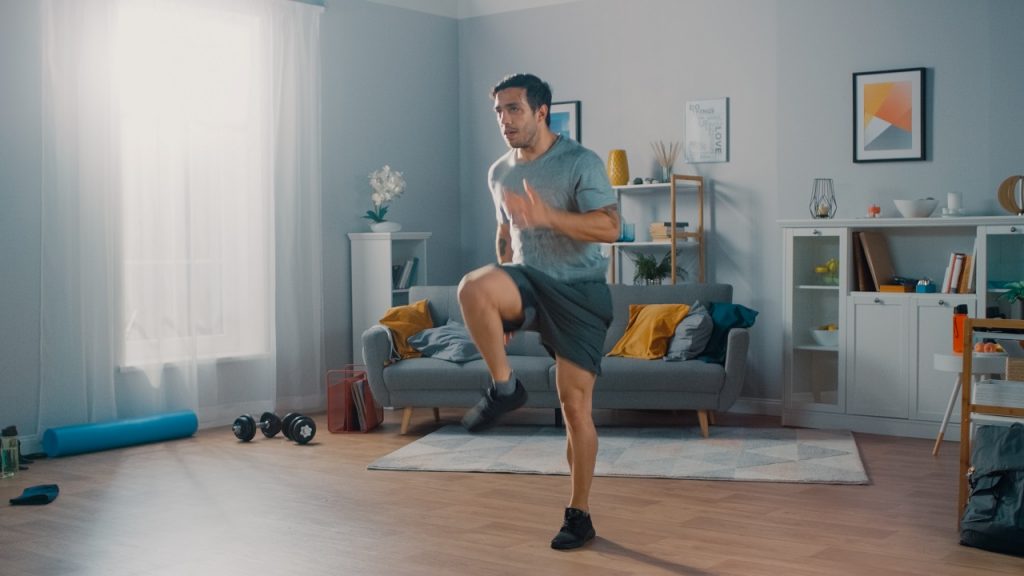
These workouts include quick, intense exercise bouts and short rest periods. Ranging from 4-30 minutes max. These types of workouts include a combination of sprints, burpees, squats, jumping jacks, pushups and an endless variety of other drills using only body weight or sometimes equipment like dumbbells or kettlebells. The intensity varies from 70-90% of maximum heart rate with 60-65% max heart rate in rest periods. 

Benefits: 

  • No equipment or gym needed as it can be done anywhere (great for frequent travelers)
  • Helps build muscle mass
  • Time efficient: energy is burned more quickly and even after exercise
  • Anaerobic exercise, since there is no time for oxygen consumption, the body burns more carbs
  • Because of the oxygen debt created, the body consumes extra oxygen post workout (EPOC- excess post-exercise oxygen consumption) and hence, continues burning fat post workout as well. So it has the dual benefit of carb and fat burning.

Disadvantages:

  • The body requires a day or two post HIIT for recovery, so this form of workout cannot be done daily.
  • It is physically intense! They are also harsh on your joints due to the high impact forces created in exercises like Burpees or Squat Jumps. So, if you’re just starting your fitness journey or have weak joints, HIIT cardio may not be the best place to start.

Which One Should You Choose?

It depends on you, your current level of fitness, your preferences and goals. Low-intensity is a great place to start if you have not worked out for a long time or are recovering from an injury. But if you already have experience and want to switch things up, lose some weight quickly or finally achieve your goal of going faster or further, give intervals a try. Don’t forget to be mindful of your body. Take breaks when you need to, don’t overtrain. Your body needs to rest, heal and progress! 

We hope this article on cardio for weight loss helps you achieve your goals! To learn more, check out Healthy Reads or tune in to live, interactive sessions on GOQii PRO by booking a class via the GOQii App, where you can get one-on-one guidance in real time by certified fitness experts.  

Get active and #BeTheForce 

  • « Previous Page
  • 1
  • …
  • 47
  • 48
  • 49
  • 50
  • 51
  • …
  • 95
  • Next Page »

Search

Recent Posts

  • 4 Reasons Why Affirmations Are Not Working For You
  • The Social Side of GLP-1: Navigating “Food Culture” and Peer Pressure
  • Leaky Gut: Symptoms and Causes
  • Muscle Is Your Insurance Policy: Why Strength Predicts Lifespan More Than Cardio
  • The Fiber Gap: Managing Digestion on GLP-1 Therapy

Stay Updated

Archives

  • March 2026 (1)
  • February 2026 (14)
  • January 2026 (14)
  • December 2025 (19)
  • November 2025 (15)
  • October 2025 (20)
  • September 2025 (6)
  • August 2025 (6)
  • July 2025 (12)
  • June 2025 (18)
  • May 2025 (16)
  • April 2025 (22)
  • March 2025 (23)
  • February 2025 (22)
  • January 2025 (25)
  • December 2024 (22)
  • November 2024 (23)
  • October 2024 (21)
  • September 2024 (24)
  • August 2024 (30)
  • July 2024 (21)
  • June 2024 (26)
  • May 2024 (31)
  • April 2024 (27)
  • March 2024 (29)
  • February 2024 (25)
  • January 2024 (21)
  • December 2023 (15)
  • November 2023 (11)
  • October 2023 (19)
  • September 2023 (22)
  • August 2023 (18)
  • July 2023 (22)
  • June 2023 (24)
  • May 2023 (24)
  • April 2023 (23)
  • March 2023 (23)
  • February 2023 (19)
  • January 2023 (15)
  • December 2022 (11)
  • November 2022 (15)
  • October 2022 (15)
  • September 2022 (12)
  • August 2022 (10)
  • July 2022 (17)
  • June 2022 (11)
  • May 2022 (10)
  • April 2022 (6)
  • March 2022 (6)
  • February 2022 (13)
  • January 2022 (11)
  • December 2021 (7)
  • November 2021 (3)
  • October 2021 (6)
  • September 2021 (3)
  • August 2021 (8)
  • July 2021 (7)
  • June 2021 (15)
  • May 2021 (16)
  • April 2021 (10)
  • March 2021 (7)
  • February 2021 (4)
  • January 2021 (4)
  • December 2020 (3)
  • November 2020 (4)
  • October 2020 (10)
  • September 2020 (3)
  • August 2020 (3)
  • July 2020 (2)
  • June 2020 (4)
  • May 2020 (10)
  • April 2020 (12)
  • March 2020 (10)
  • February 2020 (4)
  • January 2020 (4)
  • December 2019 (3)
  • November 2019 (7)
  • October 2019 (5)
  • September 2019 (4)
  • August 2019 (9)
  • July 2019 (9)
  • June 2019 (11)
  • May 2019 (4)
  • April 2019 (8)
  • March 2019 (8)
  • February 2019 (9)
  • January 2019 (8)
  • December 2018 (9)
  • November 2018 (3)
  • October 2018 (3)
  • September 2018 (5)
  • August 2018 (10)
  • July 2018 (6)
  • June 2018 (13)
  • May 2018 (8)
  • April 2018 (18)
  • March 2018 (9)
  • February 2018 (8)
  • January 2018 (15)
  • December 2017 (12)
  • November 2017 (19)
  • October 2017 (13)
  • September 2017 (15)
  • August 2017 (4)
  • July 2017 (8)
  • June 2017 (7)
  • May 2017 (6)
  • April 2017 (8)
  • March 2017 (6)
  • February 2017 (7)
  • January 2017 (9)
  • December 2016 (10)
  • November 2016 (7)
  • October 2016 (7)
  • September 2016 (7)
  • August 2016 (11)
  • July 2016 (9)
  • June 2016 (9)
  • May 2016 (12)
  • April 2016 (17)
  • March 2016 (17)
  • February 2016 (8)
  • January 2016 (6)
  • December 2015 (2)
  • November 2015 (9)
  • October 2015 (7)
  • September 2015 (9)
  • August 2015 (11)
  • July 2015 (9)
  • June 2015 (12)
  • May 2015 (9)
  • April 2015 (13)
  • March 2015 (8)
  • February 2015 (5)
  • January 2015 (12)
  • December 2014 (14)
  • November 2014 (11)
  • October 2014 (6)
  • September 2014 (13)
  • August 2014 (12)
  • July 2014 (6)
  • June 2014 (2)
  • May 2014 (7)
  • April 2014 (5)

From “Laddu Nawin” to Fit and Fierce: How a 25-Year-Old Insurance Advisor Shed 20 Kilos and Gained His Life Back

When 25-year-old Nawin Yadav from Hyderabad walked into his office every morning, he carried more than just his files and policy papers. He had the weight of fatigue, sluggish energy, and an ever-growing belly that was becoming the butt of jokes. “People … [Read More...]

“I’ve Challenged Myself to Live 100 Years” – The Story of Chandubhai Savani’s Second Chance at Life

At 67, most people start slowing down. Not Chandubhai Savani. A resident of Surat, Chandubhai, thought life was on track. “My life was going well till I had my bypass surgery,” he says. That surgery, back in 2021, was a wake-up call.  Medication was routine, but exercise wasn’t. His diet? What he calls ‘normal.’ “I […]

From Shimla’s Slopes to Chandigarh’s Sidewalks: Surinder Kaur Bhalla’s Journey from Chaos to Control

Some journeys start with a plan. Others begin with a stumble literally. Surinder Bhalla, a government professional, born and raised in the scenic hill town of Shimla, had always lived a life of movement. “In Shimla, you walked everywhere,” she reflects. “Walking was never an exercise. It was just life.” But after shifting to Chandigarh, […]

Ananda Mukherjee Health Story

From Terminal Illness To Complete Wellness! Ananda Mukherjee Health Story

As we observe World Cancer Day under the powerful theme ‘United by Unique’ (2025-2027)**, we are reminded that every individual’s journey with cancer is distinct, yet united by shared resilience, hope, and the collective fight against this disease. This theme places people at the centre of care and their stories at the heart of the […]

  • HOME
  • HEALTHY LIVING
  • FITNESS
  • HEALTHY RECIPES
  • USER STORIES
  • KARMA
  • BUY GOQii

Copyright ©2016 GOQii


