
GOQii

Blog

  • HOME
  • HEALTHY LIVING
  • FITNESS
  • HEALTHY RECIPES
  • USER STORIES
  • KARMA
  • BUY GOQii

Search Results for: breathing

November 12, 2025 By Neha Sharma Leave a Comment

Can You Die From Pneumonia? 6 Serious Complications You Should Know

pneumoniaPneumonia is an infection of the lungs which can be caused by bacteria, fungi or a virus. It can range from mild to life threatening – when you require medical intervention at the earliest. When the air sac of one or both lungs are filled with some fluid or pus, it leads to inflammation which causes chest pain while breathing, cough with phlegm or pus, fever, chills and difficulty in breathing. Newborns up to 2 years of age and older people above 65 yrs of age are more prone to pneumonia as their immunity is not strong enough to fight the infection.

Types Of Pneumonia 

There are four types of Pneumonia.

  • CAP (Community Acquired Pneumonia): It is a type of pneumonia that occurs outside the hospital or other healthcare facilities and is caused by bacteria, bacteria like organisms, fungi or a virus like COVID-19 as well.
  • HAP (Hospital Acquired Pneumonia): This type of pneumonia occurs during a hospital stay and can be serious as the person is already sick.
  • Health Care Acquired Pneumonia: This type of acquired pneumonia occurs when patients stay for a long term in hospitals or go to outpatient clinics for dialysis or chemotherapy.
  • Aspiration Pneumonia: This type of pneumonia occurs when you inhale food, liquid, saliva or vomit in your lungs and that causes an infection and it also occurs when there’s a brain injury.

What Are The Complications That Occur? 

Even with treatment, some people with Pneumonia, who have other health ailments, suffer complications. Here are some of them: 

  1. Bacteremia: When infection is caused by bacteria, it travels down to the bloodstream and can lead to septic shock that lowers the blood pressure and the heart cannot pump blood into the organs and organs may stop working altogether. So, if you are having symptoms like fever with chills, low blood pressure, stomach upset, fast breathing with a fast heart rate, you need to consult a doctor immediately.
  2. Lung Abscesses: Sometimes, due to pneumonia, pus pockets are formed in the lungs and give rise to fever, fatigue, weight loss, loss of appetite and coughing. This basically happens when a person is having bacteremia, gum disease, weakened immune system and regular intake of alcohol.
  3. Pleural Effusions, Empyema and Pleurisy: There are two types of layers surrounding your lungs called pleura. One from the outer side and one lines the part of your chest where the lungs sit. They help the lungs to move smoothly when one breathes. Sometimes, pain occurs while breathing and this is because the pleura swells and sometimes a fluid forms in between the layers and that is known as PLEURA EFFUSION. And if the fluid gets infected it leads to EMPYEMA.
  4. Respiratory Failure: With pneumonia, your lungs get infected and they will not be able to transfer oxygen to organs and won’t be able to get rid of carbon dioxide from the body which leads to this condition. Symptoms are fast breathing, irregular heart rate, anxiety, fatigue, losing consciousness or bluish tint on your skin, fingertips or nails.
  5. Kidney Failure: It’s not a common complication of pneumonia but when you are having bacteremia or septic shock, your heart may not be able to pump enough blood to your kidneys and they might stop functioning. Chances of kidney failure are high if it is coupled with other metabolic disorders.
  6. Heart Failure: Chances of heart diseases are higher if you have pneumonia as the heart may not be able to pump enough blood and oxygen as the heart itself doesn’t have enough supply. 

All the complications of pneumonia are not to be taken casually. If you experience any of the above symptoms or complications, seek medical help immediately. You can also track symptoms such as low blood oxygen, low blood pressure, increased heart rate and high body temperature with Smart Devices from GOQii. Tracking these symptoms early can help you avoid any unnecessary complications and get medical assistance on time.

We hope this article helps you. For more on Pneumonia and other medical conditions, check out Healthy Reads or ask your GOQii Coach directly by subscribing for Personalised Health Coaching here.

#BeTheForce 

Disclaimer: The information provided in this blog is for general awareness and educational purposes only. It is not intended to replace professional medical advice, diagnosis, or treatment. Always consult a qualified healthcare provider for personalised medical guidance or concerns related to your health. Images shown are for representation purposes only and may not depict the exact recommendations or outcomes.
November 3, 2025 By Urvi Gohil 4 Comments

5 Simple Lifestyle Changes To Manage Hypertension

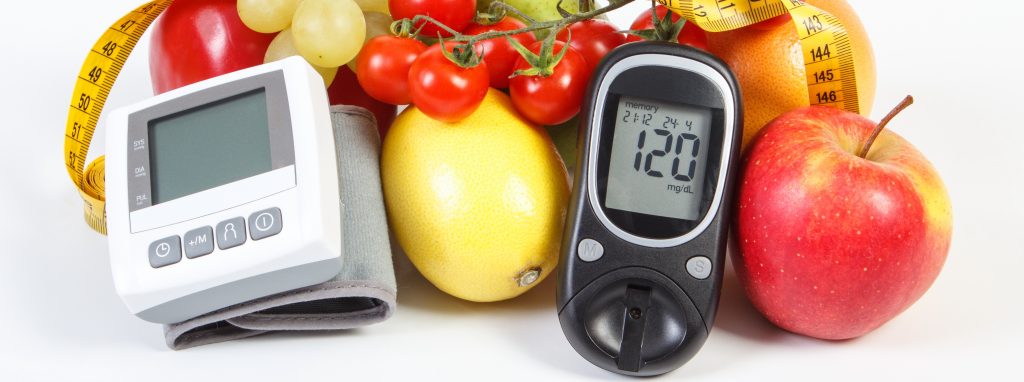
manage hypertensionBy now, anyone conscious about their health is aware of hypertension. In case you’re unfamiliar, hypertension is simply another name for high blood pressure. Blood pressure is the force exerted by blood against the walls of the blood vessels. This force depends on vascular resistance and how hard the heart has to work. Hypertension is a major risk factor for cardiovascular diseases, including stroke, heart attack, heart failure, and aneurysm.

An optimal blood pressure level is a reading under 120/80 mmHg, while a reading over 140/90 mmHg is generally considered high. It is crucial to keep blood pressure under control, and lifestyle management is the first-line treatment for hypertension.

5 Lifestyle Changes to Manage Hypertension

1. Cut Down on Alcohol & Quit Smoking
Drinking too much alcohol can raise blood pressure to unhealthy levels. Having more than three drinks in one sitting temporarily spikes blood pressure, and frequent drinking can lead to long-term increases. Heavy drinkers should gradually reduce their alcohol intake over 1-2 weeks to prevent sudden blood pressure surges.
Similarly, smoking can raise blood pressure immediately after each cigarette. Quitting smoking helps to normalise BP, reduces the risk of heart disease, and significantly improves overall health.

2. Managing Stress Effectively
Your body produces stress hormones when faced with pressure or anxiety, causing your heart to beat faster and blood vessels to narrow—leading to temporary blood pressure spikes. While these return to normal once stress subsides, frequent episodes of high stress can damage blood vessels, the heart, and kidneys.

          How to manage stress:

    • Exercise regularly—30 minutes, 3-5 times a week, helps reduce stress.
    • Try yoga & meditation—Deep breathing and mindfulness can help regulate stress levels.
    • Get enough sleep—Quality rest is essential for keeping BP under control.
    • Maintain social connections—Engaging in enjoyable activities and staying socially active reduces stress.

3. Reduce Sodium Intake:
Even a small reduction in sodium can significantly improve heart health and lower blood pressure by 5-6 mmHg in hypertensive individuals.

          Recommended Daily Sodium Intake:

    • Limit sodium to 2300 mg per day (ideal for general adults)
    • 1500 mg per day is ideal for those with high BP (less than one teaspoon of salt)

          How to reduce sodium:

    • Read food labels and choose low-sodium options
    • Avoid processed & packaged foods (e.g., noodles, soups, crisps, biscuits)
    • Use herbs & spices instead of salt to add flavour
    • Gradually reduce salt intake so your palate adjusts over time

4. Increase Fruit & Vegetable Intake
A diet rich in whole grains, fruit, vegetables, and low-fat dairy—while avoiding saturated fats and cholesterol—can lower blood pressure by 11 mmHg.

This approach is called the DASH (Dietary Approaches to Stop Hypertension) Diet, which emphasises:

  • Fruits & vegetables—Great sources of potassium, which counteracts sodium.
  • Whole grains—Support heart health and lower BP naturally.
  • Low-fat dairy—Helps regulate blood pressure.
  • Beetroot—A powerhouse for reducing BP (add it to smoothies!).

⚠ If you have blood sugar concerns, consult your doctor before consuming beetroot.

5. Exercise Regularly
Making exercise a habit is one of the best ways to naturally lower BP. You don’t need to hit the gym—just ensuring regular movement is enough.

Engage in moderate exercise (e.g., brisk walking, jogging, cycling, swimming) for 30 minutes a day, at least 5 days a week. Even small activities—taking the stairs, stretching, or walking short distances—help maintain heart health. Always consult a doctor or health coach before starting a new fitness routine if you have high BP.

By incorporating these five simple lifestyle changes, you can effectively manage hypertension while improving overall health. Making small but consistent changes in your diet, exercise, and stress management will lead to long-term benefits for your heart and well-being.

Which lifestyle change has worked best for you? Share your experience in the comments below!

#BeTheForce

Disclaimer: The information provided in this blog is for general awareness and educational purposes only. It is not intended to replace professional medical advice, diagnosis, or treatment. Always consult a qualified healthcare provider for personalised medical guidance or concerns related to your health.

October 29, 2025 By GOQii Leave a Comment

Exhausted At Work? Here’s Everything You Need To Know About Burnout!

Everything You Need To Know About BurnoutHave you ever woken up on time and still felt tired? You reach work but can’t stop yawning. Random bouts of sleepiness take control as concentration slowly slips away! Ever wondered why even a short commute made you feel like you ran a 200m race? What you’re feeling might be more than just “because I slept late last night”. In fact, what you’re experiencing might be burnout. Not the tyre burnout, but a medical condition that many people face on a daily basis.
WHO recently has declared ‘Burnout’ as a medical condition.

What Is Burnout?

Burnout is a syndrome conceptualized as resulting from chronic workplace stress that has not been successfully managed. In simple words, burnout is a state of emotional or physical exhaustion at a workplace.

What Causes Burnout? What Can It Result In?

  • Stress due to the inability to meet demands
  • Lack of concentration due to the overwhelming amount of work
  • Performance issues due to the lack of control over tasks
  • Sleeping problems due to an imbalance of work and life
  • Mental problems due to a lack of social support at home or at the office

Even though these are just some of the causes and effects of burnout, what really matters is how we treat this occupational phenomenon.

Burnout Can Be Treated In Several Simple Ways

  • Take some time off work: You could use up your ‘sick days’ or simply ask for a ‘medical leave’. During your leave you shouldn’t have any contact with your workplace as the entire point of the leave is to relax and clear your mind.
  • Set aside time for relaxation: Certain techniques of relaxation like yoga, meditation, and deep breathing exercises are known to be de-stressing and can clear your mind of troubles.
  • Know your work-limits. Learn to say ‘no’ when you’re already burdened with work.
  • Most importantly, you must keep your cool by doing what relaxes you.
  • Remember, that burnout causes one to feel negativity, so always stay positive!

A Long-Term Solution

Alexander Den Heijer, an inspirational speaker who aims to help people flourish once said, “When a flower doesn’t bloom, you fix the environment in which it grows, not the flower.” In this case, it is not the person that must be treated, but the workplace environment.

  • A workplace with a casual dress code, fun and positive environment can be a very effective in eliminating burnout.
  • Stress-busting activities are an easy way to create a feeling of positivity. These activities could be going for walks, having flexible schedules or laughing with your colleagues.

These types of environments are known to increase workplace efficiency and decrease stress and exhaustion. If the workplace can successfully be turned into a fun environment, it can reduce, if not completely eliminate burnout.

Your Health Is More Important Than Work

Even though burnout can lead to some serious emotional and physical conditions, it can, fortunately, be treated easily. With the right care and attention, your workplace can be swiftly converted from a place where you feel burdened with work, to a place that brings you positivity.

If you feel like you might be getting burned out, try these simple relaxation techniques. More so, you can also practice yoga to improve focus, build concentration and beat stress.

If nothing works and you need help, reach out to our experts by subscribing for Personalised Health Coaching here.

Was this article helpful? Let us know in the comments below!

#BeTheForce

Disclaimer: The information provided in this blog is for general awareness and educational purposes only. It is not intended to replace professional medical advice, diagnosis, or treatment. Always consult a qualified healthcare provider for personalised medical guidance or concerns related to your health. Images shown are for representation purposes only and may not depict the exact recommendations or outcomes.

October 28, 2025 By GOQii 9 Comments

How Important Is Cardio For Weight Loss?

cardio and weight lossYou are well aware of the fact that you lose weight when you burn more calories irrespective of how much you eat. The best way to lose weight is to follow a combination of cardio, strength training and a healthy diet.



Cardio is one of the key components because:

  • You burn more calories at one time.
  • Getting your heart rate into your target heart rate zone means your blood is pumping, you’re breathing hard, and you’re sweating and burning calories.
  • You can easily add intensity to increase your calorie burn. With cardio, it’s easy to increase your calorie burn with small changes, for instance running or walking faster, jumping higher, climbing hills or trying new activities that your body isn’t used to.
  • It adds to your overall calorie deficit. Burning calories with exercise means you don’t have to cut as many calories from your diet.
  • You can do cardio most days of the week. With strength training, your muscles require rest to recover and grow stronger. Cardio can be done most days of the week without worrying about injury or over-training.

The Best Cardio Exercises

While you know that cardio is important for weight loss, which exercises are best and how much do you really need for weight loss?

The truth is, there really isn’t any best cardio exercise. The best activity is the one you’ll do on a regular basis. So, finding something you like is critical to reaching your weight loss goals. That said, some exercises offer more intensity than others.

  • Impact activities: Exercises that involve some impact, like walking, will usually boost your heart rate quicker than no-impact activities like swimming or cycling.
  • High impact activities: High impact, or exercises that involve running or jumping, will often burn more calories than lower impact things like walking.
  • Whole body activities: When you involve both the upper and lower body, such as an aerobic activity which is also is known as cross training, it’s often easier to get the heart rate up and burn more calories.

That doesn’t mean you shouldn’t bother with low impact exercise. Both types of activities offer opportunities to burn calories and doing both gives you a well-rounded cardiovascular endurance development.

To get an idea of just how much cardio can do for you, check out the following list of common exercises. Below is the number of calories burned for a 150-pound person in 30 minutes:

  1. Step aerobics: 340 calories
  2. Stationary bike: 238 calories
  3. Swimming: 270 calories
  4. Walking 4 mph: 170 calories
  5. Running 5 mph: 270 calories
  6. kickboxing: 400 calories

Everything from walking to kickboxing can burn a significant number of calories!

How Much Do You Need?

It’s tough to know exactly how much cardio we need for weight loss. The American College of Sports Medicine and the American Heart Association recommend about 60 minutes of moderate to vigorous intensity activity on most days of the week. But, the truth is how much cardio you need varies from person to person and depends on factors such as:

  • How many calories you eat
  • How hard you exercise
  • Metabolism, age and gender
  • Fitness levels
  • Body fat percentage and weight
  • Exercise schedule

That said, here are some tips for setting up an effective cardio program:

  1. If you’re a beginner, start with 3 days of the cardio exercise of your choice, working at a level you can handle.
  2. Add time each week to work your way up to 30 to 45 minutes of continuous exercise.
  3. As you get stronger, try interval training once a week to help boost endurance and burn more calories.
  4. Work your way up to 5 to 6 days of cardio and try to vary what you do and how hard you work.

It will help you lose weight but it is most effective when combined with strength training and a healthy, low-calorie diet and adequate rest.

How Much Do You Need To Build Muscle?

You may think you shouldn’t do cardio exercise if you’re trying to gain muscle. But, cardio isn’t just for weight loss. It also helps condition the heart and lungs and promotes health and well-being. If your goal is to gain muscle, you won’t need tons of cardio. But, doing at least three 20-minute sessions a week won’t hurt your goals and will help you reap the benefits of cardio without burning too many calories. These are some simple necessities for cardio in weight loss. After reading this, I am sure all your misconceptions about weight training and weight loss are cleared!

If you want to begin working out or want to take your workouts to the next level, book a GOQii PRO class through the GOQii App and join our certified experts for a live, interactive session.

For more on weight loss, click here. Do let us know your thoughts in the comments below.

#BeTheForce 

Disclaimer: The information provided in this blog is for general awareness and educational purposes only. It is not intended to replace professional medical advice, diagnosis, or treatment. Always consult a qualified healthcare provider for personalised medical guidance or concerns related to your health. Images shown are for representation purposes only and may not depict the exact recommendations or outcomes.

  • « Previous Page
  • 1
  • …
  • 3
  • 4
  • 5
  • 6
  • 7
  • …
  • 55
  • Next Page »

Search

Recent Posts

  • India Leads in Longevity: GOQii Sanjeevini Named Top 40 in $101M XPRIZE
  • The Importance Of Knowing If You’re Thirsty Or Hungry
  • Best Foods To Alleviate Irritable Bowel Syndrome
  • ALL ABOUT VERTIGO!
  • PCOS and Anxiety: Discover Relief with the 54321 Technique

Stay Updated

Archives

  • December 2025 (8)
  • November 2025 (15)
  • October 2025 (20)
  • September 2025 (6)
  • August 2025 (6)
  • July 2025 (12)
  • June 2025 (18)
  • May 2025 (16)
  • April 2025 (23)
  • March 2025 (23)
  • February 2025 (22)
  • January 2025 (26)
  • December 2024 (26)
  • November 2024 (25)
  • October 2024 (22)
  • September 2024 (24)
  • August 2024 (31)
  • July 2024 (21)
  • June 2024 (26)
  • May 2024 (31)
  • April 2024 (27)
  • March 2024 (29)
  • February 2024 (26)
  • January 2024 (25)
  • December 2023 (15)
  • November 2023 (11)
  • October 2023 (20)
  • September 2023 (22)
  • August 2023 (20)
  • July 2023 (22)
  • June 2023 (24)
  • May 2023 (24)
  • April 2023 (24)
  • March 2023 (23)
  • February 2023 (20)
  • January 2023 (16)
  • December 2022 (12)
  • November 2022 (15)
  • October 2022 (15)
  • September 2022 (12)
  • August 2022 (10)
  • July 2022 (17)
  • June 2022 (11)
  • May 2022 (10)
  • April 2022 (6)
  • March 2022 (6)
  • February 2022 (13)
  • January 2022 (12)
  • December 2021 (7)
  • November 2021 (3)
  • October 2021 (6)
  • September 2021 (3)
  • August 2021 (8)
  • July 2021 (7)
  • June 2021 (15)
  • May 2021 (16)
  • April 2021 (10)
  • March 2021 (7)
  • February 2021 (4)
  • January 2021 (4)
  • December 2020 (3)
  • November 2020 (4)
  • October 2020 (10)
  • September 2020 (3)
  • August 2020 (3)
  • July 2020 (2)
  • June 2020 (4)
  • May 2020 (10)
  • April 2020 (12)
  • March 2020 (10)
  • February 2020 (4)
  • January 2020 (4)
  • December 2019 (3)
  • November 2019 (7)
  • October 2019 (5)
  • September 2019 (4)
  • August 2019 (9)
  • July 2019 (9)
  • June 2019 (11)
  • May 2019 (4)
  • April 2019 (9)
  • March 2019 (8)
  • February 2019 (9)
  • January 2019 (8)
  • December 2018 (9)
  • November 2018 (3)
  • October 2018 (3)
  • September 2018 (5)
  • August 2018 (10)
  • July 2018 (6)
  • June 2018 (13)
  • May 2018 (8)
  • April 2018 (18)
  • March 2018 (9)
  • February 2018 (8)
  • January 2018 (15)
  • December 2017 (12)
  • November 2017 (19)
  • October 2017 (13)
  • September 2017 (15)
  • August 2017 (4)
  • July 2017 (8)
  • June 2017 (7)
  • May 2017 (6)
  • April 2017 (8)
  • March 2017 (6)
  • February 2017 (7)
  • January 2017 (9)
  • December 2016 (10)
  • November 2016 (7)
  • October 2016 (7)
  • September 2016 (7)
  • August 2016 (11)
  • July 2016 (9)
  • June 2016 (9)
  • May 2016 (12)
  • April 2016 (17)
  • March 2016 (17)
  • February 2016 (8)
  • January 2016 (6)
  • December 2015 (2)
  • November 2015 (9)
  • October 2015 (7)
  • September 2015 (9)
  • August 2015 (11)
  • July 2015 (9)
  • June 2015 (12)
  • May 2015 (9)
  • April 2015 (13)
  • March 2015 (8)
  • February 2015 (5)
  • January 2015 (12)
  • December 2014 (14)
  • November 2014 (11)
  • October 2014 (6)
  • September 2014 (13)
  • August 2014 (12)
  • July 2014 (6)
  • June 2014 (2)
  • May 2014 (7)
  • April 2014 (5)

From “Laddu Nawin” to Fit and Fierce: How a 25-Year-Old Insurance Advisor Shed 20 Kilos and Gained His Life Back

When 25-year-old Nawin Yadav from Hyderabad walked into his office every morning, he carried more than just his files and policy papers. He had the weight of fatigue, sluggish energy, and an ever-growing belly that was becoming the butt of jokes. “People … [Read More...]

“I’ve Challenged Myself to Live 100 Years” – The Story of Chandubhai Savani’s Second Chance at Life

At 67, most people start slowing down. Not Chandubhai Savani. A resident of Surat, Chandubhai, thought life was on track. “My life was going well till I had my bypass surgery,” he says. That surgery, back in 2021, was a wake-up call.  Medication was routine, but exercise wasn’t. His diet? What he calls ‘normal.’ “I […]

From Shimla’s Slopes to Chandigarh’s Sidewalks: Surinder Kaur Bhalla’s Journey from Chaos to Control

Some journeys start with a plan. Others begin with a stumble literally. Surinder Bhalla, a government professional, born and raised in the scenic hill town of Shimla, had always lived a life of movement. “In Shimla, you walked everywhere,” she reflects. “Walking was never an exercise. It was just life.” But after shifting to Chandigarh, […]

Ananda Mukherjee Health Story

From Terminal Illness To Complete Wellness! Ananda Mukherjee Health Story

As we observe World Cancer Day under the powerful theme ‘United by Unique’ (2025-2027)**, we are reminded that every individual’s journey with cancer is distinct, yet united by shared resilience, hope, and the collective fight against this disease. This theme places people at the centre of care and their stories at the heart of the […]

  • HOME
  • HEALTHY LIVING
  • FITNESS
  • HEALTHY RECIPES
  • USER STORIES
  • KARMA
  • BUY GOQii

Copyright ©2016 GOQii
