GOQii

Blog

  • HOME
  • HEALTHY LIVING
  • FITNESS
  • HEALTHY RECIPES
  • USER STORIES
  • KARMA
  • BUY GOQii

Search Results for: portion control

June 20, 2025 By Sunita Arora 2 Comments

11 Easy Habits To Help You Lose Weight

easy habits to help you lose weightAs a lifestyle coach and weight management expert, I often meet individuals who find themselves stuck on their weight loss journey. In a previous article, I shared insights on 11 Unhealthy Habits That Are Destroying Your Health. Today, let’s focus on what you can do. With small, consistent changes to your daily routine, weight loss becomes more sustainable and far less overwhelming.

Here are 11 simple habits that can help you take control of your health and shed excess weight-without drastic measures.

11 Habits For a Healthier You

  1. Read Food Labels: Understanding nutrition labels empowers you to make better food choices. This is especially important if you’re managing conditions such as diabetes, high blood pressure, or high cholesterol. Look at the ingredients list – the greatest quantities are listed first. So, if sugar or corn syrup appears near the top, it’s best to steer clear.
  2. Maintain a Food Journal: Still not seeing results? Start logging your meals. A food journal helps you identify patterns and track where excess calories may be sneaking in. It’s an excellent self-awareness tool that puts you back in charge of your choices.
  3. Begin Your Day With Protein: We can’t emphasise this enough – don’t skip breakfast! A high-protein breakfast stabilises blood sugar, curbs mid-morning cravings, and jump-starts your metabolism. Think Greek yoghurt, eggs, oats, cottage cheese, or a handful of nuts and seeds.
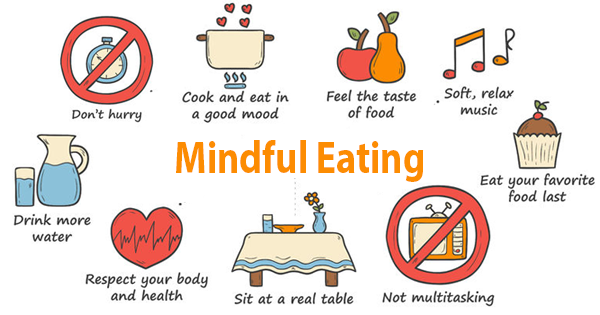
  4. Eat Slow and Chew More: Digestion begins in the mouth. Eating too quickly can lead to overeating. Chewing your food properly and taking your time allows you to feel full with less, while also improving nutrient absorption.
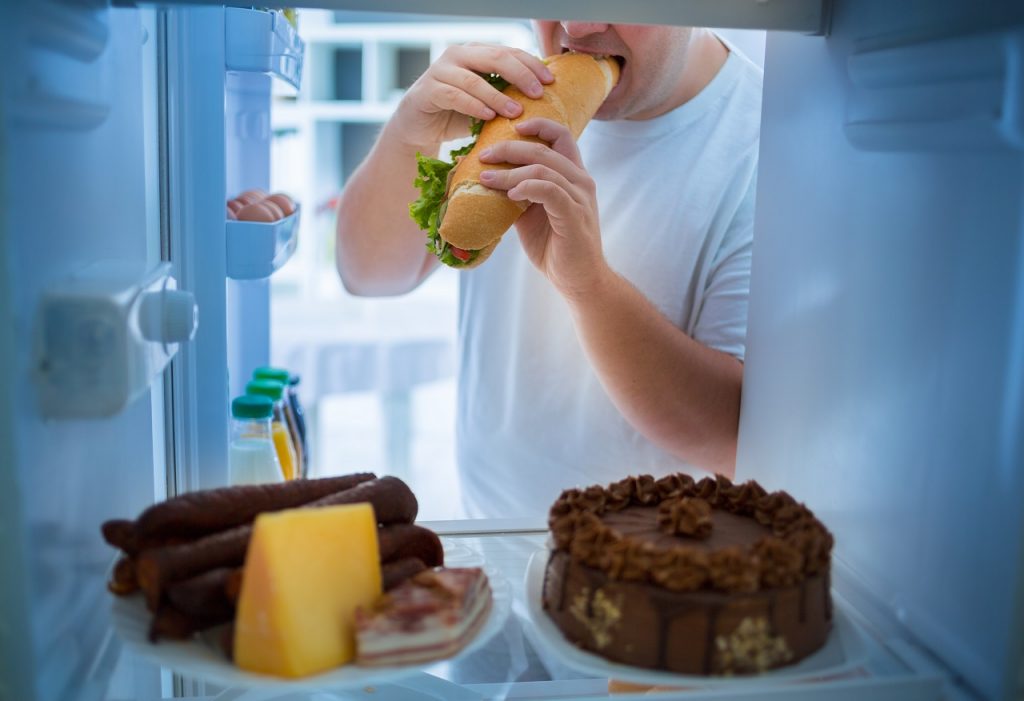
  5. Let Dinner Be Your Final Meal: Late-night snacking often stems from boredom or emotional triggers rather than hunger. If you truly need something after dinner, opt for light, high-fibre snacks like air-popped popcorn, hummus with veg sticks, or a small portion of unsweetened yoghurt. Otherwise, aim to make dinner your last meal of the day.
  6. Don’t Skip Meals: Skipping meals can slow your metabolism and lead to poor food choices later in the day. Regular meals support muscle maintenance, bone health, and immune function. When you under-eat, fatigue, hair loss, and low immunity can follow.
  7. Avoid Screens While Eating: Watching TV or using your phone while eating can distract you from recognising fullness cues. Mindful eating allows you to enjoy your food more, make healthier decisions, and prevent overeating.
  8. Use Smaller Plates: Visual cues influence our appetite. Using smaller plates encourages portion control, while larger plates often trick the brain into thinking you need more food than necessary. When dining out, ask for a half portion or share your meal – your waistline will thank you.
  9. Aim For 8 Hours of Sleep: Sleep deprivation leads to higher calorie consumption and poor food decisions. Prioritise 7-9 hours of quality sleep. Without it, planning meals, exercising and resisting cravings becomes harder. A consistent sleep routine supports long-term weight management.
  10. Stay Hydrated: Drinking enough water helps flush toxins, reduce cravings, and promote a feeling of fullness. Aim for 2-3 litres a day, adjusting for weather and activity level. Often, what we interpret as hunger is actually thirst.
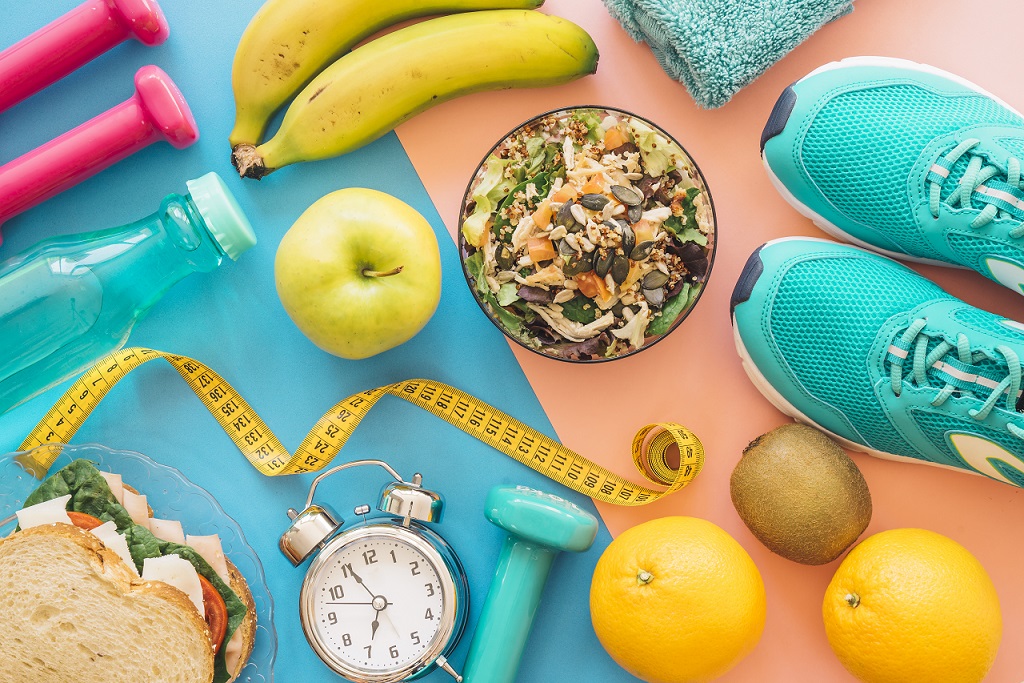
  11. Move More: Daily movement is just as important as planned workouts. Walking, cycling, taking the stairs, or dancing in your kitchen-all count. Physical activity not only burns calories, but also boosts metabolism, improves strength, and supports mental wellbeing.

Weight loss doesn’t require extreme dieting or intense workouts. By adopting these small yet impactful habits, you can build a healthier, more sustainable lifestyle. Want support along the way? Explore more articles on Healthy Reads or chat with a certified GOQii Health Coach by subscribing to personalised coaching here.

#BeTheForce 

Disclaimer: The information provided in this blog is for general awareness and educational purposes only. It is not intended to replace professional medical advice, diagnosis, or treatment. Always consult a qualified healthcare provider for personalised medical guidance or concerns related to your health. Images shown are for representation purposes only and may not depict the exact recommendations or outcomes.

June 4, 2025 By GOQii 20 Comments

Myths, Tips and Tricks for Weight Loss

Weight LossAre you struggling to lose weight? Have you tried everything from fad diets to exercise routines and health clubs but found no lasting results? Perhaps you’ve even regained the kilos as quickly as you lost them. So, when it comes to weight loss—what actually works?

Since every person’s body type and composition differ, weight loss varies from individual to individual. What remains common, however, is that weight loss must be holistic—diet alone isn’t the answer. The ideal approach combines several lifestyle factors.

The key to weight loss lies in making lasting changes to both your eating habits and overall lifestyle. Weight gain doesn’t happen overnight—it’s not the result of a few weeks or even months, but often years of overeating and poor habits. The safest and most effective way to lose weight is sensibly. For instance, shedding a kilo a week is both achievable and sustainable.

Crash diets should be avoided—they tend to fail over time. Extreme diets can slow down the body’s metabolism. Sustainable weight loss comes from gradual, permanent dietary changes. Don’t try to overhaul your diet all at once. Begin with small tweaks and build on them until balanced, nutritious choices become your new normal. Gradual change is more likely to form lasting habits.

Some Myths, Tips & Fun Tricks For Weight Loss

Myths

  • A glass of warm water in the morning helps you lose weight: Many believe hot water on an empty stomach melts fat. But fat doesn’t dissolve in water—hot or cold.
  • Switching sugar with honey will aid weight loss: While honey has many therapeutic properties, curing obesity isn’t one of them.
  • Bananas are fattening: This fruit is often misunderstood. It has calories similar to other fruits and is a great source of potassium. It’s filling and helps relieve constipation.
  • Standing while eating burns more calories: Not quite. You’re likely to eat more while standing. It’s always better to sit and eat mindfully—unless circumstances demand otherwise.
  • Skipping breakfast is good for dieting: Avoid skipping breakfast. It may lead to overeating later. Your body is in a fasting state overnight, and breakfast helps refuel and kickstart metabolism.
  • Potatoes are fattening: Surprisingly, potatoes are a better option than bread—boiled potatoes are far less fattening than fried ones or refined carbs.
  • Saunas help in shedding kilos: You might feel refreshed post-sauna, but the weight lost is only water. Once you rehydrate, your weight returns.

Tips

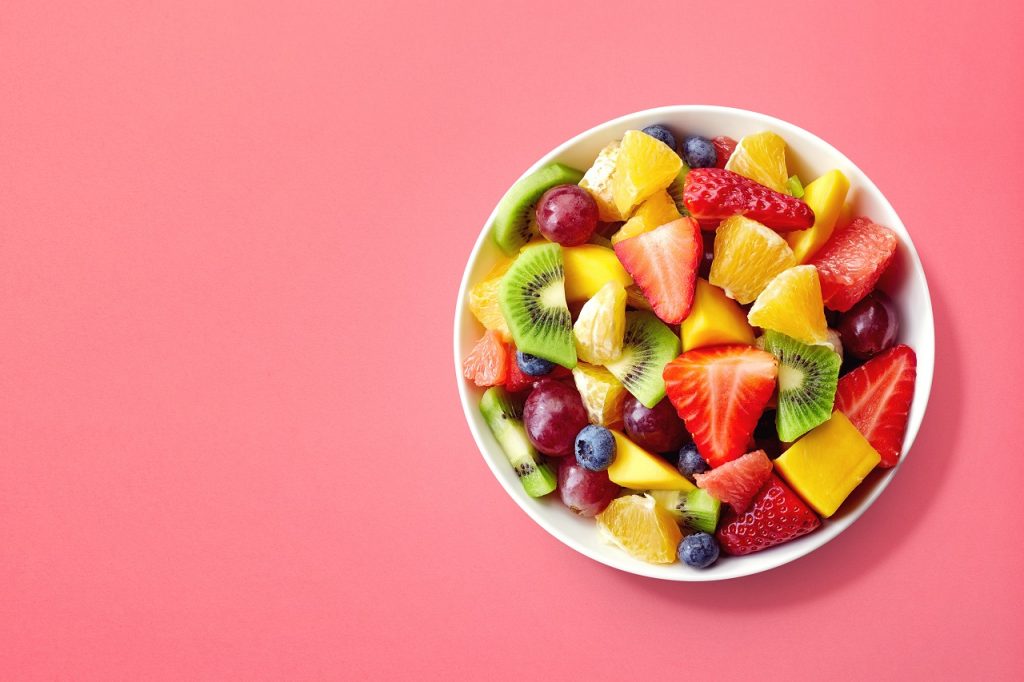
  • Eat plenty of leafy greens, fruits and whole grains.
  • Stay well-hydrated. Often, what feels like hunger is actually thirst. Here’s how to tell the difference.
  • Watch your nutrient intake. Divide your plate into four quarters – fill half with vegetables and fruits. The rest can be balanced between dairy, beans or cereals.
  • Choose smaller, more frequent meals over the traditional three – breakfast, lunch and dinner. Ideally, eat every 2.5–3 hours.
  • Have a colourful plate – with natural colours! Think vibrant vegetables and fruits for both nutrition and visual appeal.
  • Eat mindfully and chew thoroughly. It improves digestion, encourages portion control and reduces overeating.
  • Got a sweet tooth? Don’t deny it—satisfy it mindfully. Pick something that lasts, like a peppermint. If it’s high in sugar or fat, just take a bite—you’re after the taste, not the calories.
  • If indulging in sweets or fried food, have them at breakfast. Your metabolism is most active then—and you’ve got the rest of the day to burn off the extra energy.
  • Lack of sleep can lead to unnecessary snacking. Prioritise restful sleep to support your weight goals.
  • Breathe deeply into your belly. Fat burns in the flame of oxygen. Equal focus on exhaling helps detoxify your system.
  • Move every day. If you’re short on time, even 20 minutes of activity makes a difference. Remember, some movement is better than none!

Tricks

  • Set up a reward system. Having something to look forward to at each milestone helps keep you emotionally and mentally on track.
  • Be realistic with your goals – don’t aim for an unrealistic figure. Achieving a practical target can boost your confidence to keep going.
  • This might sound odd – but it works. When tempted by a snack, take a deep breath and count to 100. Chances are, the craving will pass.
  • Craving chocolate? Take a whiff of a strong perfume—it can dull the urge.
  • Try pinching your ear! Reflexologists believe it can curb cravings and reduce appetite.
  • Stay motivated. Visualise your desired weight or outfit. Imagine how you’ll feel and how others will respond. That mental image can be a powerful motivator.

The takeaway? Weight loss is a by-product of a healthy, active lifestyle. It’s you who has to get up, get moving, and choose a healthier path—meal by meal, step by step.

Do you have any other myths, tips or tricks you’d like to share? Drop them in the comments below! For more on Weight Loss, check out Healthy Reads. For the right guidance and motivation to work towards your health goals, subscribe for GOQii’s Personalised Health Coaching here.

#BeTheForce

Disclaimer: The information provided in this blog is for general awareness and educational purposes only. It is not intended to replace professional medical advice, diagnosis, or treatment. Always consult a qualified healthcare provider for personalised medical guidance or concerns related to your health. Images shown are for representation purposes only and may not depict the exact recommendations or outcomes.

March 18, 2025 By GOQii Leave a Comment

Obesity & Its Impact on Your Health: Why It’s More Than Just Weight

Obesity is often seen as just a number on the scales, but in reality, it’s far more than that. It’s a complex health condition that affects every aspect of your well-being, from your heart to your mental health. In a world where fast food is abundant, sedentary lifestyles are the norm, and stress levels are constantly high, obesity has become a growing global concern.

But here’s the good news—it’s preventable and reversible with the right lifestyle changes. Let’s explore how obesity affects your health, what causes it, and, most importantly, how you can take control of your body and well-being.

What is Obesity?

Obesity is defined as having an excess amount of body fat that poses health risks. A common way to measure it is the Body Mass Index (BMI), which calculates weight in relation to height:

BMI Categories:

  • Healthy weight: 18.5 – 24.9
  • Overweight: 25 – 29.9
  • Obese: 30 or above

However, BMI doesn’t tell the full story—where the fat is stored matters too. Visceral fat (fat around the organs) is more harmful than subcutaneous fat (under the skin), increasing the risk of serious diseases.

How Obesity Impacts Your Health

Carrying excess weight isn’t just about appearance—it’s about how your body functions. Here’s how obesity can impact your health:

  1. Increases the Risk of Chronic Diseases

Obesity is linked to some of the most serious health conditions, including:

  • Heart Disease & High Blood Pressure – Excess fat increases strain on the heart, leading to hypertension and an increased risk of heart attacks and strokes.
  • Type 2 Diabetes – Obesity is a key driver of insulin resistance, making blood sugar levels harder to control.
  • Liver Disease (Fatty Liver) – Excess fat can accumulate in the liver, leading to inflammation and scarring (cirrhosis).
  • Certain Cancers – Studies show obesity is linked to an increased risk of cancers, including breast, colon, and liver cancer.
  1. Impacts Mental Health & Well-being

Obesity isn’t just about physical health—it affects mental and emotional well-being too. Many individuals with obesity experience:

  • Low self-esteem & body image concerns
  • Increased risk of anxiety & depression
  • Social stigma & discrimination

The mind-body connection is real, and feeling good about yourself plays a huge role in overall health.

  1. Affects Joint & Bone Health

Excess weight puts extra pressure on your joints, particularly in the knees, hips, and lower back, increasing the risk of:

  • Osteoarthritis (joint wear and tear)
  • Chronic back pain
  • Reduced mobility & flexibility
  1. Disrupts Sleep & Increases Fatigue

Obesity is a leading cause of sleep apnoea, a condition where breathing repeatedly stops and starts during sleep. This can lead to:

  • Poor-quality sleep & daytime fatigue
  • Increased risk of heart disease
  • Difficulty concentrating & lower productivity

Quality sleep is essential for energy levels, brain function, and overall health.

What Causes Obesity?

While diet and lack of exercise play major roles, obesity is often a combination of multiple factors:

  1. Poor Diet Choices – High-calorie, processed, and sugary foods contribute to weight gain.
  2. Lack of Physical Activity – A sedentary lifestyle means fewer calories burned, leading to excess fat storage.
  3. Genetics & Metabolism – Some individuals are genetically predisposed to store fat more easily.
  4. Hormonal Imbalances – Conditions like hypothyroidism & PCOS can make weight management harder.
  5. Stress & Emotional Eating – Many people turn to food as a way to cope with stress, boredom, or emotions.

Understanding these factors is key to making sustainable lifestyle changes.

How to Prevent & Manage Obesity

The best approach to tackling obesity is a holistic lifestyle change—not just crash diets or quick fixes. Here’s how to take control of your health:

  1. Eat Mindfully & Nutrient-Dense Foods 🍏
    • Swap processed foods for whole, natural foods.
    • Focus on lean proteins, healthy fats, and fibre-rich foods.
    • Reduce sugar & refined carbs—they spike insulin and lead to fat storage.
    • Practise portion control and avoid emotional eating.
  1. Move More, Sit Less 🏃‍♀️
    • Aim for 30-45 minutes of movement daily—it doesn’t have to be intense! Walking, cycling, yoga, or swimming all help.
    • Strength training boosts metabolism and burns fat long after exercise.
    • Take the stairs, stand more, and find ways to be active throughout the day.
  1. Prioritise Sleep & Stress Management 😴
    • Get 7-9 hours of quality sleep—it helps regulate hunger hormones.
    • Practise relaxation techniques like meditation, deep breathing, or journaling.
    • Avoid late-night snacking—it often leads to unnecessary calorie intake.
  1. Stay Hydrated 💧
    • Drinking enough water helps digestion, metabolism, and fat loss.
    • Sometimes, thirst is mistaken for hunger—stay hydrated to avoid overeating.
  1. Seek Professional Support If Needed
    • A nutritionist, doctor, or health coach can create a personalised plan.
    • Mental health support can help with emotional eating and motivation.
    • Consider a buddy system—staying accountable makes a difference!

Obesity isn’t just about weight—it’s about long-term health, energy, and well-being. The good news is that even small lifestyle changes can make a big difference.

✅ Start with one healthy habit at a time.
✅ Focus on progress, not perfection.
✅ Remember—your body is capable of amazing things!

💬 Have you made changes to improve your health? Share your journey in the comments!

#BeTheForce

Disclaimer: The information provided in this blog is for general awareness and educational purposes only. It is not intended to replace professional medical advice, diagnosis, or treatment. Always consult a qualified healthcare provider for personalised medical guidance or concerns related to your health.

March 5, 2025 By GOQii Leave a Comment

The Difference Between Emotional Eating & Binge Eating Disorder

Many people use food as a coping mechanism, but when does it cross the line into something more serious like Binge Eating Disorder (BED)? Let’s explore the key differences.

What is Emotional Eating?

Emotional eating is when we eat in response to feelings rather than physical hunger. It is often triggered by stress, boredom, sadness, or even happiness.

Signs of Emotional Eating:

  • Eating in response to stress, sadness, boredom, or anxiety.
  • Craving specific comfort foods (e.g., sweets, crisps, or junk food).
  • Eating even when not physically hungry.
  • Feeling temporarily better after eating, but then experiencing guilt or regret.
  • Occurs occasionally and in smaller portions.

While emotional eating is a common behaviour, it becomes a concern when it happens frequently and disrupts your relationship with food.

What is Binge Eating Disorder (BED)?

Binge Eating Disorder (BED) is a serious mental health condition characterised by frequent, uncontrollable episodes of eating large quantities of food. Unlike emotional eating, BED involves a sense of loss of control and distress around food.

Signs of Binge Eating Disorder:

  • Frequent episodes of eating large amounts of food within a short time.
  • Eating even when uncomfortably full or not hungry.
  • Feeling out of control during eating episodes.
  • Eating very quickly and secretly, due to shame or embarrassment.
  • Feeling distressed, ashamed, or guilty after binge episodes.
  • Episodes occur at least once a week for three months (as per clinical diagnosis).

Unlike emotional eating, BED is a compulsive disorder that can have serious long-term effects on both physical and mental health.

Key Differences Between Emotional Eating & Binge Eating Disorder

Factor

Emotional Eating

Binge Eating Disorder (BED)

Triggers

Stress, boredom, sadness

Can be emotional or compulsive without a clear trigger

Portion Size

Small to moderate

Large amounts of food in one sitting

Control Over Eating

Some level of control

Complete loss of control

Frequency

Occasional

Recurring (at least once a week for 3+ months)

Aftermath Feelings

Mild guilt or regret

Intense guilt, shame, distress

Eating Speed

Normal

Very fast, often secretive

Physical Consequences

Rare

Can lead to obesity, diabetes, heart issues

How to Manage Emotional Eating & Binge Eating Disorder

Whether you struggle with occasional emotional eating or suspect you may have BED, there are steps you can take to regain control of your eating habits.

  1. Recognise Your Triggers

Keep a food and mood journal to identify what emotions drive your eating habits. Do you eat when you’re stressed? Lonely? Bored? Understanding your triggers is the first step to making changes.

  1. Find Healthier Coping Mechanisms

Instead of turning to food, try activities like:

    • Exercise – A natural mood booster.
    • Journaling – Helps process emotions.
    • Meditation or Deep Breathing – Reduces stress and anxiety.
    • Social Connection – Call a friend or spend time with loved ones.
  1. Eat Mindfully
    • Pay attention to hunger cues – eat when you’re physically hungry, not emotionally hungry.
    • Practise portion control – serve food on a plate rather than eating straight from a packet.
    • Slow down while eating – chew properly and enjoy your food.
  1. Professional Help for BED
    • Cognitive Behavioural Therapy (CBT) – A proven method to change binge-eating behaviours.
    • Mindful Eating Therapy – Helps individuals reconnect with hunger and fullness cues.
    • Support Groups & Counselling – Having a support system makes recovery easier.
    • Medical Interventions – In some cases, doctors may prescribe medication to help manage BED.

Occasionally turning to food for comfort is normal, but when it becomes a frequent coping mechanism or involves loss of control, it’s important to take action. Understanding the difference between emotional eating and Binge Eating Disorder is the first step toward a healthier relationship with food.

Have you ever struggled with emotional eating? What strategies have helped you? Share in the comments!

#BeTheForce

Disclaimer: The information provided in this blog is for general awareness and educational purposes only. It is not intended to replace professional medical advice, diagnosis, or treatment. Always consult a qualified healthcare provider for personalised medical guidance or concerns related to your health.

  • « Previous Page
  • 1
  • 2
  • 3
  • 4
  • 5
  • 6
  • …
  • 32
  • Next Page »

Search

Recent Posts

  • Healthy Eating: Paneer Stuffed Palak Paratha
  • 5 Simple Lifestyle Changes To Manage Hypertension
  • Vegging Out: My Unexpected Journey to Veganism
  • Natural Skincare For Healthy, Glowing Skin!
  • The Early Signs & Symptoms of Diabetes

Stay Updated

Archives

  • November 2025 (3)
  • October 2025 (20)
  • September 2025 (6)
  • August 2025 (6)
  • July 2025 (12)
  • June 2025 (18)
  • May 2025 (16)
  • April 2025 (23)
  • March 2025 (24)
  • February 2025 (23)
  • January 2025 (26)
  • December 2024 (26)
  • November 2024 (26)
  • October 2024 (22)
  • September 2024 (24)
  • August 2024 (31)
  • July 2024 (22)
  • June 2024 (27)
  • May 2024 (31)
  • April 2024 (27)
  • March 2024 (29)
  • February 2024 (26)
  • January 2024 (26)
  • December 2023 (17)
  • November 2023 (15)
  • October 2023 (23)
  • September 2023 (23)
  • August 2023 (21)
  • July 2023 (22)
  • June 2023 (24)
  • May 2023 (25)
  • April 2023 (24)
  • March 2023 (23)
  • February 2023 (20)
  • January 2023 (16)
  • December 2022 (12)
  • November 2022 (15)
  • October 2022 (15)
  • September 2022 (13)
  • August 2022 (11)
  • July 2022 (17)
  • June 2022 (11)
  • May 2022 (10)
  • April 2022 (6)
  • March 2022 (6)
  • February 2022 (13)
  • January 2022 (12)
  • December 2021 (7)
  • November 2021 (3)
  • October 2021 (6)
  • September 2021 (3)
  • August 2021 (8)
  • July 2021 (7)
  • June 2021 (15)
  • May 2021 (16)
  • April 2021 (10)
  • March 2021 (7)
  • February 2021 (4)
  • January 2021 (4)
  • December 2020 (3)
  • November 2020 (4)
  • October 2020 (10)
  • September 2020 (3)
  • August 2020 (3)
  • July 2020 (2)
  • June 2020 (4)
  • May 2020 (10)
  • April 2020 (12)
  • March 2020 (10)
  • February 2020 (4)
  • January 2020 (4)
  • December 2019 (3)
  • November 2019 (7)
  • October 2019 (5)
  • September 2019 (4)
  • August 2019 (9)
  • July 2019 (9)
  • June 2019 (11)
  • May 2019 (4)
  • April 2019 (9)
  • March 2019 (8)
  • February 2019 (9)
  • January 2019 (8)
  • December 2018 (9)
  • November 2018 (3)
  • October 2018 (3)
  • September 2018 (5)
  • August 2018 (10)
  • July 2018 (6)
  • June 2018 (13)
  • May 2018 (8)
  • April 2018 (18)
  • March 2018 (9)
  • February 2018 (8)
  • January 2018 (15)
  • December 2017 (12)
  • November 2017 (19)
  • October 2017 (13)
  • September 2017 (15)
  • August 2017 (4)
  • July 2017 (8)
  • June 2017 (7)
  • May 2017 (6)
  • April 2017 (8)
  • March 2017 (6)
  • February 2017 (7)
  • January 2017 (9)
  • December 2016 (10)
  • November 2016 (7)
  • October 2016 (7)
  • September 2016 (7)
  • August 2016 (11)
  • July 2016 (9)
  • June 2016 (9)
  • May 2016 (12)
  • April 2016 (17)
  • March 2016 (17)
  • February 2016 (8)
  • January 2016 (6)
  • December 2015 (2)
  • November 2015 (9)
  • October 2015 (7)
  • September 2015 (9)
  • August 2015 (11)
  • July 2015 (9)
  • June 2015 (12)
  • May 2015 (9)
  • April 2015 (13)
  • March 2015 (8)
  • February 2015 (5)
  • January 2015 (12)
  • December 2014 (14)
  • November 2014 (11)
  • October 2014 (6)
  • September 2014 (13)
  • August 2014 (12)
  • July 2014 (6)
  • June 2014 (2)
  • May 2014 (7)
  • April 2014 (5)

From “Laddu Nawin” to Fit and Fierce: How a 25-Year-Old Insurance Advisor Shed 20 Kilos and Gained His Life Back

When 25-year-old Nawin Yadav from Hyderabad walked into his office every morning, he carried more than just his files and policy papers. He had the weight of fatigue, sluggish energy, and an ever-growing belly that was becoming the butt of jokes. “People … [Read More...]

“I’ve Challenged Myself to Live 100 Years” – The Story of Chandubhai Savani’s Second Chance at Life

At 67, most people start slowing down. Not Chandubhai Savani. A resident of Surat, Chandubhai, thought life was on track. “My life was going well till I had my bypass surgery,” he says. That surgery, back in 2021, was a wake-up call.  Medication was routine, but exercise wasn’t. His diet? What he calls ‘normal.’ “I […]

From Shimla’s Slopes to Chandigarh’s Sidewalks: Surinder Kaur Bhalla’s Journey from Chaos to Control

Some journeys start with a plan. Others begin with a stumble literally. Surinder Bhalla, a government professional, born and raised in the scenic hill town of Shimla, had always lived a life of movement. “In Shimla, you walked everywhere,” she reflects. “Walking was never an exercise. It was just life.” But after shifting to Chandigarh, […]

Ananda Mukherjee Health Story

From Terminal Illness To Complete Wellness! Ananda Mukherjee Health Story

As we observe World Cancer Day under the powerful theme ‘United by Unique’ (2025-2027)**, we are reminded that every individual’s journey with cancer is distinct, yet united by shared resilience, hope, and the collective fight against this disease. This theme places people at the centre of care and their stories at the heart of the […]

  • HOME
  • HEALTHY LIVING
  • FITNESS
  • HEALTHY RECIPES
  • USER STORIES
  • KARMA
  • BUY GOQii

Copyright ©2016 GOQii