GOQii

Blog

  • HOME
  • HEALTHY LIVING
  • FITNESS
  • HEALTHY RECIPES
  • USER STORIES
  • KARMA
  • BUY GOQii

September 3, 2024 By Sheryl Afonso Leave a Comment

What’s Good For Health: Packaged Cereals or a Traditional Indian Breakfast?

traditional indian breakfastThe global food industry has made preparing meals a breeze. No longer do families need to stress about time-consuming, skillful cooking and the intricate assembling of cereals, pulses, veggies, spices, and herbs to put on a wholesome meal on the table. The array of packaged breakfast cereals available in supermarkets has spoiled us for choice in terms of variety and taste. There’s one for each day of the week and plenty to choose from for special occasions when friends stay over too! Gone are the days when you had to slog it out in your kitchen – chopping, slicing, dicing, soaking, grinding, mixing, fermenting, steaming, and plating – not only to satiate hungry tummies but also to earn compliments on your culinary skills! Oats, muesli, wheat flakes, corn flakes, oatmeal, Weetabix, rice krispies, and the like have replaced uttapams, poha, upma, sabudana khichdi, theplas, appams, chillas, paniyarams, dalia, teezan, and other wholesome delights in Indian homes. 

Why Shouldn’t You Opt For Packaged Cereals? 

While “time is of essence” is the mantra that dual-income families often use to justify their breakfast choice, long-term health is an unconscious sacrifice they may be making. Here’s why breakfast cereals may not deliver all that the package label promises:

  1.  Refined Grains: Refining is an industrial polishing process that cereals undergo to extend their shelf life. It strips away the nutrient-rich bran and germ portions of the cereal, leaving you with a grain that’s missing essential B-vitamins, fibre, magnesium, and vitamin E. 
  2. Sugar overload: The addictive taste of breakfast cereals often comes from added sugar. A quick glance at the ingredient list will show that sugar is frequently the second or third ingredient. Starting your day with a sugar-laden breakfast can cause your energy levels to crash within an hour, leading to early snacking, overeating, and potential weight issues.
  3. Misleading labels: Terms like “low-fat,” “multigrain,” “added bran,” “fortified with vitamins,” and “whole wheat” can be misleading. Each of these terms may hide the fact that the cereal has been stripped of nutrition and then minimally replenished. For example, a “low-fat” option may actually be a “high-carbohydrate” disaster, and “multigrain” may be just a blend of refined grains.

Nutritionists and researchers emphasize the benefits of breakfast, including weight management, improved concentration at school and work, better academic performance, healthier food choices throughout the day, and superior nutritional status.

These outcomes are enhanced when you follow established nutritional guidelines of complex carbohydrate-protein-fat combination meals to start your day. However, commercial breakfast cereals often lack dietary fiber – a complex carbohydrate that keeps you full longer, reduces cholesterol absorption, and prevents spikes in blood glucose levels. The preservatives, colors, flavors, and additives in these packaged boxes bring their own set of concerns.

Why Should You Opt for a Traditional Indian Breakfast? 

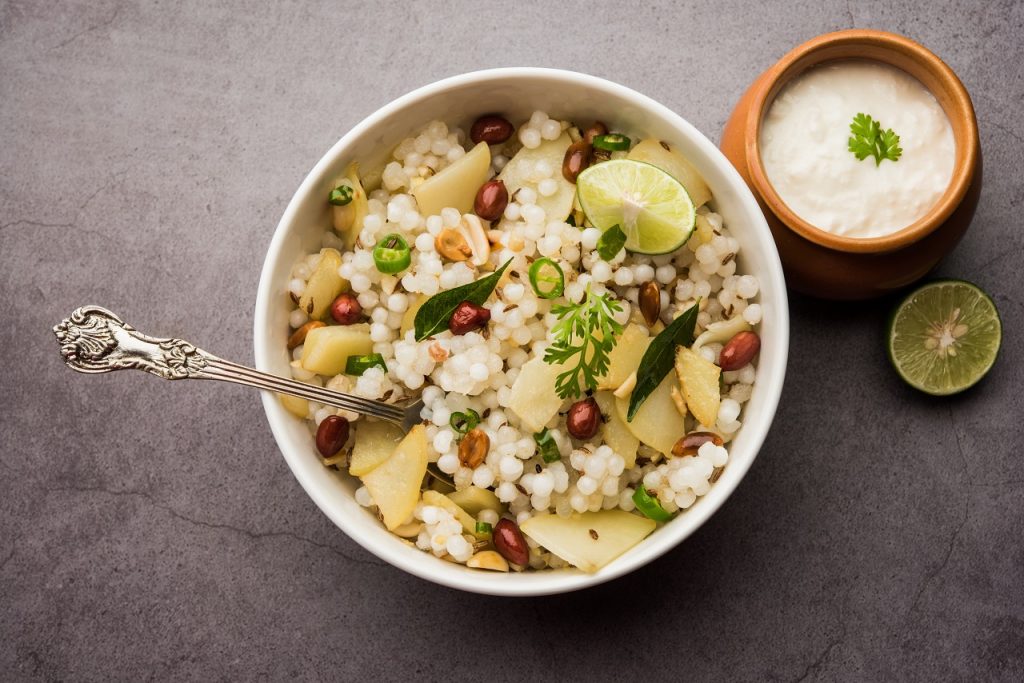
A traditional Indian breakfast, on the other hand, offers good-quality complete protein through cereal-pulse combination items (dosas, idlis), fiber (carrots and beans added to upma), healthy monounsaturated fats (groundnuts in poha and sabudana khichdi), iron and calcium (ragi in teezan), and probiotics (dhokla, idlis, and lassi/curd with parathas). The spices used in these dishes are increasingly recognized for their health benefits and contribute antioxidant and anti-inflammatory properties.

Tempted nutritionally? So, what’s stopping you from exploring the myriad ways to tickle your family’s taste buds by whipping out your grandma’s recipe and, in the process, living as robustly as she did? While time constraints may make you hesitant to switch to a healthier Indian breakfast menu, don’t be disheartened—planning is all it takes to sneak in a nutritious meal at the start of your day! Make a menu plan for the next day or the week ahead, and you’ll be on your way to a healthier you in no time! It’s worth the effort. Desi is the way to go… Breakfast like a king!

We hope this article helps you switch to a healthy traditional Indian breakfast! If you enjoyed reading this article, let us know in the comments below. For more on nutrition, check out Healthy Reads.

To get these nutritional tips or recipes directly from your GOQii Coach, subscribe for Personalised Health Coaching here.

Eat healthy and #BeTheForce 

September 1, 2024 By GOQii 39 Comments

Health Benefits Of Eating A Bowl Of Salad Daily

bowl of saladTraditionally, salads are prepared with raw vegetables like cucumber, tomatoes, cabbage and onions, which are cut into slices and sprinkled with a pinch of salt and lemon. They were either served as the smallest portion of the meal or totally ignored. If you’ve been doing the same, it’s time to change! Adding a bowl of salad to your meals is important, and that’s what we’re going to tell you in this article.

Why Should You Eat A Bowl Of Salad Daily? 

  • Firstly, starting your meals with a bowl of salad will help you lose weight. It’s true because salads are low in calories, high in fiber and rich in other nutrients. Fiber helps you feel full, so you eat less of the rest of your meal. Eating less but healthy = sustainable weight loss! Eating a high fiber salad aids in lowering cholesterol and also is known to prevent constipation.
  • Eating a little healthy fat (like the monounsaturated fat found in olive oil, avocado and nuts) with your vegetables in salads helps your body absorb protective phytochemicals  (known to protect against cancer and heart disease), like lycopene from tomatoes and lutein from dark green vegetables.
  • Best way to skip croutons (deep fried pieces of wheat bread) which are low in nutrients and have a high glycemic load, is to replace them with nuts and seeds to maintain the salad’s crunchiness.
  • To balance it with proper carbohydrates and proteins to make it a whole meal, you can add brown rice or protein packed Quinoa, Grilled Chicken, low fat Paneer (Cottage Cheese), Tofu or Sprouts.
  • People, who do not like to eat fruits, can relish salads which combine fruits and vegetables and eat it as a whole meal or as a snack. This provides a host of powerful antioxidants, which protect the body from damage caused by harmful molecules called free radicals.

Tips To Prepare Healthy Salads

  • Salads are known to be rich in Vitamins. Fat soluble vitamins A, D, E and K cannot be absorbed and used by the body without the presence of some fat. So go for the unsaturated fats (good fats) like olive oil or canola oil. Toss the oil with vinegar to help to prevent blood sugar spikes after meals.
  • The best way to include greens like romaine, radicchio, iceberg and spinach in your daily diet is to mix them all up or use one at a time in salads.
  • Add medicinal herbs like basil, garlic, lemon juice or parsley to the salad for that strong punch of flavor and loads of disease fighting antioxidants. The more flavorful your salad is naturally, the fewer high calorie ingredients like extra cheese and cream you’ll need to add for taste.
  • Pack your salads with as many other veggies or fruits as possible to get the synergetic effects. Carrots, cucumbers, different colored peppers, broccoli, peas, artichokes, strawberries, raspberries, or pears are great choices to add different textures as well as plenty of filling fiber.

We hope this article encourages you to make a habit of adding a bowl of salad to your meals! Get creative with your salad, make it colorful or crunchy and share a pic on social media or the GOQii Arena and tag us! For more on healthy living and nutrition, check out Healthy Reads.

To get more advice and guidance from experts on nutrition, weight loss, diet tips and healthy recipes! Subscribe to GOQii’s Personalised Health Coaching here.

Eat Healthy and #BeTheForce

Disclaimer: The information provided in this blog is for general awareness and educational purposes only. It is not intended to replace professional medical advice, diagnosis, or treatment. Always consult a qualified healthcare provider for personalised medical guidance or concerns related to your health.
August 31, 2024 By Soni Thakur 7 Comments

Why You Should Eat Your Fruits and Juice Your Veggies!

fruits and veggiesHow many times have you drank fruit juices? How often do you eat your vegetables? Although we agree that doing both is quite healthy, as fruits and vegetables are naturally good and contain all the vitamins and minerals needed by the body, we also need to consider that we might be doing it wrong! Why, do you ask? Let’s find out why you should eat your fruits and juice your veggies! 

Benefits of Eating Fruits Instead of Juicing Them

No doubt juices nourish your body with vitamins, minerals, antioxidants and other nutrients. In its liquid form, all the nutrients of whole fruit will be readily available for your body to absorb. However, juicing removes some important nutrients that can be retained by eating the whole fruit.

  1. Eating whole fruits provides your body with fiber, which is eliminated during the juicing process.
  2. A whole fruit protects you from the sensitivities that can be caused due to the heat generated by the juicer, ultimately decreasing the nutritional value of the fruit.
  3. Your blood sugar will not spike as much with whole fruits, making them recommended for people with Diabetes
  4. Fibers present in whole fruits keep you full for longer and provide relief from constipation
  5. As a snack, whole fruits relieve hunger pangs, and the digestion process takes longer compared to gulping down juice in one go. Eventually, this helps in mindful eating and keeps you fuller for longer.

Benefits of Juicing Vegetables

Eating vegetables is good for your health, but there are certain benefits of juicing them that you can incorporate in your daily diet for maximum health benefits.

  1. Juicing vegetables allows you to incorporate more than one vegetable at a time.
  2. Juicing a large volume of vegetables provide more vitamins than eating a green salad with just one or few veggies.
  3. Juices from some vegetables are more effective in lowering blood pressure and relaxing the muscles that line blood vessels.
  4. Vegetable juices may increase the speed of detoxifying your body as they are readily absorbed and digested.
  5. The water content and vitamins of some vegetables are lost during the cooking process, so juicing can help retain these nutrients.

Points to Remember

  • Our digestive system is designed to handle fiber and extract nutrients from a variety of foods, including whole fruits and vegetables.
  • Modifications can be made depending on your need, situation and availability.
  • We need at least 5 servings of vegetables and 2 servings of fruit each day
  • Vegetables and fruits of similar color generally contain similar protective compounds. To gain more benefits, it is best to choose fruits and vegetables of different color and varieties.

We hope this article helps you make a healthy shift. Remember that there is no hard and fast rule to this. Do what works best for you but before following this, do consult your dietician or nutritionist.

For more on nutrition, fruits and veggies, check out Healthy Reads or ask a GOQii Coach by subscribing for Personalised Health Coaching here.

#BeTheForce 

Disclaimer: The information provided in this blog is for general awareness and educational purposes only. It is not intended to replace professional medical advice, diagnosis, or treatment. Always consult a qualified healthcare provider for personalised medical guidance or concerns related to your health.

August 27, 2024 By Roopa Tandur 1 Comment

6 Good Cholesterol Foods You Must Eat

good cholesterol foods

When someone mentions cholesterol, we often think of bad cholesterol and heart disease. However, there are also good cholesterol foods that are vital for our body. Functions like the synthesis of Vitamin D and hormones, as well as the formation and structure of cell membranes, rely on good cholesterol. 

What is Good Cholesterol? 

Good cholesterol refers to High-Density Lipoprotein (HDL), which helps remove bad cholesterol, known as Low-Density Lipoprotein (LDL). HDL helps transport LDL to the liver for removal from the body. Consuming foods high in saturated fats can increase LDL levels, raising the risk of heart disease and stroke.

While exercising, sleep, stress management, limiting alcohol intake and quitting smoking are essential for maintaining healthy cholesterol levels, certain foods also help. Let’s take a look at some good cholesterol foods!

  1. Nuts and Seeds: They are high in healthy fats like monounsaturated and polyunsaturated fats (Omega 3 and Omega 6) and low on saturated fats, which help lower LDL cholesterol. They are rich in Alpha-Linoleic acid, which reduces inflammation and improves overall fat composition. These foods prevent oxidation of LDL cholesterol by free radicals, reducing plaque formation. They are also an excellent source of plant-based protein and fiber which give you a feeling of fullness. They also have a good amount of micronutrients which make them an ideal post-workout meal. However if you have allergies to nuts and seeds, avoid them. 
  2. Avocados: They are both tasty and nutrient-rich. They contain a high amount of Oleic acid, a monounsaturated fat that helps reduce inflammation and the risk of heart disease. Studies show that avocados can lower LDL cholesterol by 10% and total cholesterol by 8%. Additionally, avocados are high in fiber and healthy fats, which help you feel full for longer.
  3. Fatty Fish: Salmon, mackerel, tuna and sardines are rich in Omega 3 fatty acids, which benefit vital organs like the heart, brain and lungs. They also contain Vitamin D and A, essential for good bone and eye health. These fish are particularly effective in reducing death rates due to myocardial infarction and arrhythmia. They also help lowering plaque build-up in arteries and reducing the risk of cardiovascular disease. However, these fish contain contaminants, so cleaning them thoroughly before consuming is crucial.
  4. Eggs: They have a bad reputation due to their fat content, but not all fat in eggs are harmful. Eggs contain monounsaturated and polyunsaturated fats, which are heart healthy, along with saturated and trans fats, which raise bad cholesterol levels. One egg can easily provide a quarter of your daily fat serving. So including eggs in breakfast easily helps you include healthy fats in your diet. It also supports weight loss by preventing cravings throughout the day. Egg is a complete food, rich in both macro and most micronutrients and a good source of protein. Helps improve Vitamin D levels by aiding in its absorption. Having whole eggs by people who are already at risk of high cholesterol levels may worsen the condition, so include egg white as most of the fat and cholesterol in eggs comes from its yolk.
  5. Complex Carbs: Whole grain cereals like millets, wheat bran, oats, brown rice, fruit and vegetables contain longer chains of sugar that take longer to digest and convert into glucose, which the body uses for energy. Including 2 servings of whole grain cereals can help lower bad cholesterol, as the fiber in these foods aids in its removal from the body and improves HDL cholesterol levels.
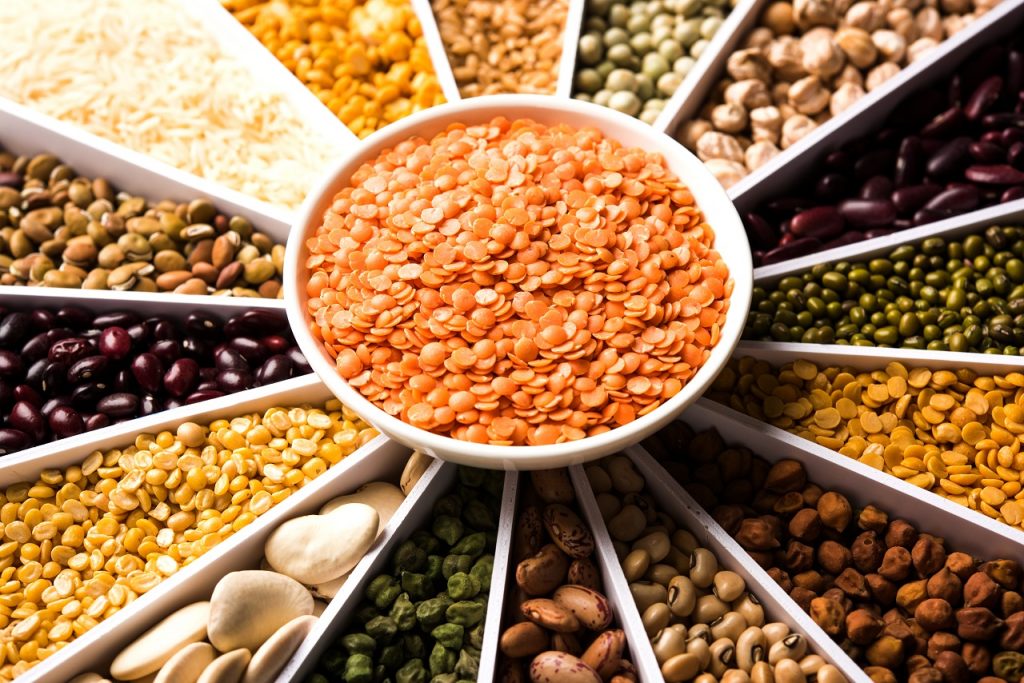
  6. Lentils and Pulses: Including these in your diet is an easy and inexpensive way to get both macro and micronutrients. Lentils are a good source of polyphenols, which reduce inflammation and prevent many life threatening diseases, including some types of cancer. Proteins in lentils help prevent blood vessel constriction, improve HDL levels and reduce LDL levels. Lentils are also rich in folate, which prevents the accumulation of homocysteine, a trigger factor for heart disease. 

We hope this article helps you understand the difference between bad cholesterol and good cholesterol foods, as well as what to eat to stay healthy. For more tips, check out Healthy Reads or ask an expert by subscribing for GOQii’s Personalised Health Coaching here.

#BeTheForce 

Disclaimer: The information provided in this blog is for general awareness and educational purposes only. It is not intended to replace professional medical advice, diagnosis, or treatment. Always consult a qualified healthcare provider for personalised medical guidance or concerns related to your health.

  • « Previous Page
  • 1
  • …
  • 7
  • 8
  • 9
  • 10
  • 11
  • …
  • 68
  • Next Page »

Search

Recent Posts

  • PCOS and Anxiety: Discover Relief with the 54321 Technique
  • Navigating the Maze of Nutrition: Finding Clarity Amidst Confusion
  • Get children active and keep them healthy
  • What Gestational Diabetes Can Do To You & Your Unborn Child
  • Breathing – A Forgotten Art

Stay Updated

Archives

  • December 2025 (4)
  • November 2025 (15)
  • October 2025 (20)
  • September 2025 (6)
  • August 2025 (6)
  • July 2025 (12)
  • June 2025 (18)
  • May 2025 (16)
  • April 2025 (23)
  • March 2025 (23)
  • February 2025 (22)
  • January 2025 (26)
  • December 2024 (26)
  • November 2024 (25)
  • October 2024 (22)
  • September 2024 (24)
  • August 2024 (31)
  • July 2024 (21)
  • June 2024 (26)
  • May 2024 (31)
  • April 2024 (27)
  • March 2024 (29)
  • February 2024 (26)
  • January 2024 (25)
  • December 2023 (15)
  • November 2023 (11)
  • October 2023 (22)
  • September 2023 (22)
  • August 2023 (20)
  • July 2023 (22)
  • June 2023 (24)
  • May 2023 (24)
  • April 2023 (24)
  • March 2023 (23)
  • February 2023 (20)
  • January 2023 (16)
  • December 2022 (12)
  • November 2022 (15)
  • October 2022 (15)
  • September 2022 (12)
  • August 2022 (10)
  • July 2022 (17)
  • June 2022 (11)
  • May 2022 (10)
  • April 2022 (6)
  • March 2022 (6)
  • February 2022 (13)
  • January 2022 (12)
  • December 2021 (7)
  • November 2021 (3)
  • October 2021 (6)
  • September 2021 (3)
  • August 2021 (8)
  • July 2021 (7)
  • June 2021 (15)
  • May 2021 (16)
  • April 2021 (10)
  • March 2021 (7)
  • February 2021 (4)
  • January 2021 (4)
  • December 2020 (3)
  • November 2020 (4)
  • October 2020 (10)
  • September 2020 (3)
  • August 2020 (3)
  • July 2020 (2)
  • June 2020 (4)
  • May 2020 (10)
  • April 2020 (12)
  • March 2020 (10)
  • February 2020 (4)
  • January 2020 (4)
  • December 2019 (3)
  • November 2019 (7)
  • October 2019 (5)
  • September 2019 (4)
  • August 2019 (9)
  • July 2019 (9)
  • June 2019 (11)
  • May 2019 (4)
  • April 2019 (9)
  • March 2019 (8)
  • February 2019 (9)
  • January 2019 (8)
  • December 2018 (9)
  • November 2018 (3)
  • October 2018 (3)
  • September 2018 (5)
  • August 2018 (10)
  • July 2018 (6)
  • June 2018 (13)
  • May 2018 (8)
  • April 2018 (18)
  • March 2018 (9)
  • February 2018 (8)
  • January 2018 (15)
  • December 2017 (12)
  • November 2017 (19)
  • October 2017 (13)
  • September 2017 (15)
  • August 2017 (4)
  • July 2017 (8)
  • June 2017 (7)
  • May 2017 (6)
  • April 2017 (8)
  • March 2017 (6)
  • February 2017 (7)
  • January 2017 (9)
  • December 2016 (10)
  • November 2016 (7)
  • October 2016 (7)
  • September 2016 (7)
  • August 2016 (11)
  • July 2016 (9)
  • June 2016 (9)
  • May 2016 (12)
  • April 2016 (17)
  • March 2016 (17)
  • February 2016 (8)
  • January 2016 (6)
  • December 2015 (2)
  • November 2015 (9)
  • October 2015 (7)
  • September 2015 (9)
  • August 2015 (11)
  • July 2015 (9)
  • June 2015 (12)
  • May 2015 (9)
  • April 2015 (13)
  • March 2015 (8)
  • February 2015 (5)
  • January 2015 (12)
  • December 2014 (14)
  • November 2014 (11)
  • October 2014 (6)
  • September 2014 (13)
  • August 2014 (12)
  • July 2014 (6)
  • June 2014 (2)
  • May 2014 (7)
  • April 2014 (5)

From “Laddu Nawin” to Fit and Fierce: How a 25-Year-Old Insurance Advisor Shed 20 Kilos and Gained His Life Back

When 25-year-old Nawin Yadav from Hyderabad walked into his office every morning, he carried more than just his files and policy papers. He had the weight of fatigue, sluggish energy, and an ever-growing belly that was becoming the butt of jokes. “People … [Read More...]

“I’ve Challenged Myself to Live 100 Years” – The Story of Chandubhai Savani’s Second Chance at Life

At 67, most people start slowing down. Not Chandubhai Savani. A resident of Surat, Chandubhai, thought life was on track. “My life was going well till I had my bypass surgery,” he says. That surgery, back in 2021, was a wake-up call.  Medication was routine, but exercise wasn’t. His diet? What he calls ‘normal.’ “I […]

From Shimla’s Slopes to Chandigarh’s Sidewalks: Surinder Kaur Bhalla’s Journey from Chaos to Control

Some journeys start with a plan. Others begin with a stumble literally. Surinder Bhalla, a government professional, born and raised in the scenic hill town of Shimla, had always lived a life of movement. “In Shimla, you walked everywhere,” she reflects. “Walking was never an exercise. It was just life.” But after shifting to Chandigarh, […]

Ananda Mukherjee Health Story

From Terminal Illness To Complete Wellness! Ananda Mukherjee Health Story

As we observe World Cancer Day under the powerful theme ‘United by Unique’ (2025-2027)**, we are reminded that every individual’s journey with cancer is distinct, yet united by shared resilience, hope, and the collective fight against this disease. This theme places people at the centre of care and their stories at the heart of the […]

  • HOME
  • HEALTHY LIVING
  • FITNESS
  • HEALTHY RECIPES
  • USER STORIES
  • KARMA
  • BUY GOQii

Copyright ©2016 GOQii