GOQii

Blog

  • HOME
  • HEALTHY LIVING
  • FITNESS
  • HEALTHY RECIPES
  • USER STORIES
  • KARMA
  • BUY GOQii

November 21, 2024 By Sohini Chakraborty Leave a Comment

Fat Facts That Are Easy to Digest

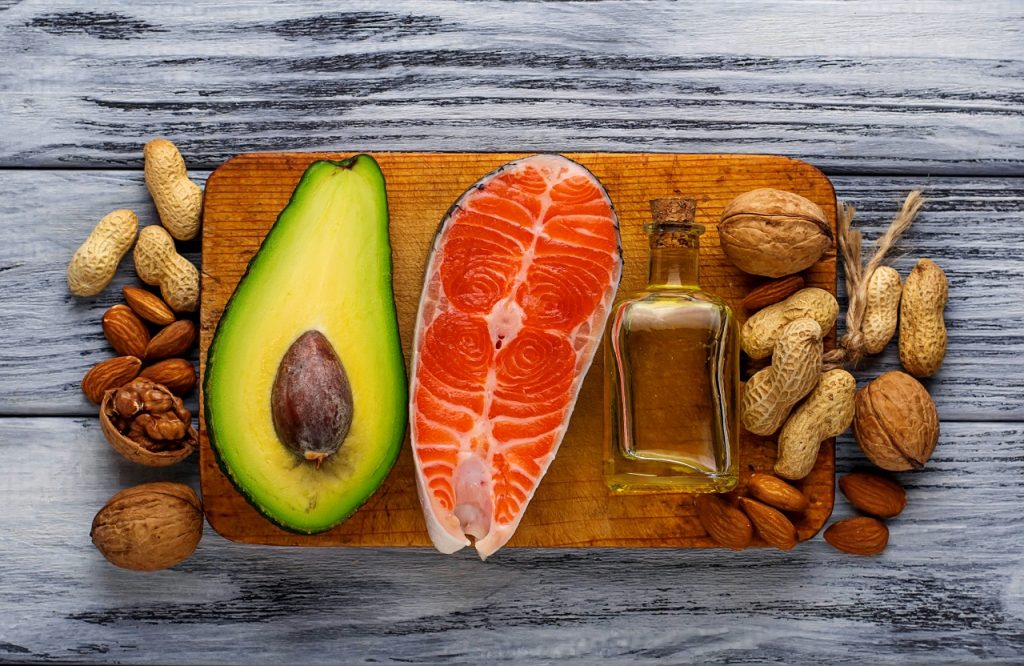
fat factsIt’s a shame that the word “Fat” has developed such a notorious reputation over the years with every health-conscious individual hellbent on removing that word from their dictionary. Before we condemn the word, we need to understand that the quality of fat is just as important as the quantity of it. So let’s bust some myths with these fat facts! 

Fat is one of the macro nutrients which provides 9kcal per gram and it is also essential for many functions of the body like solubilizing fat-soluble vitamins, secreting hormones, protecting our vital organs, etc. It is imperative to classify fats into broad categories. Now, let’s delve a little deeper into fat facts.  

1. Fats Which Are Bad For You

Here are the types of fats which are bad for your health.

  • Saturated Fat: Saturated fats are usually found in animal fats like beef, pork, lard, dark chocolate, full-fat dairy products like cheese, etc. They are usually solid at room temperature. Saturated fats were previously thought to cause cardiac problems but saturated fats are known to increase the amount of both HDL (good cholesterol) and LDL (bad cholesterol), hence it is safe to have saturated fats in lower amounts.
  • Trans-Fat: are produced during hydrogenation of fat when the oil is hardened to increase its shelf life. Apart from the natural Trans-fat present to some extent in dairies and meats, the artificial trans fat produced as a result of hydrogenation of fat is very harmful to health. It is found to increase the level of LDL cholesterol, thus increasing the risk of artery blockage and heart disease. It is also known to cause free radical damage to the body resulting in cancer. Trans-Fat is found in fried foods such as French fries, fried chicken, crackers, microwave popcorn, pizza, doughnut, cakes, muffins, pies, nuggets, sausages, non-dairy creamers, margarines, etc. Avoid this type of fat to stay healthy and free from diseases. Not more than 2% in a 2000kcal diet is permissible.
  • Cholesterol: is one of the most misunderstood subjects of this decade. Cholesterol is a wax like substance present in our body and can be obtained from many dietary sources like egg, meats and dairy products. It is necessary for bile formation and many other important functions of our body. According to recent studies, our total cholesterol level is not affected by entirely dietary intake as the body itself maintains the cholesterol balance. Then again, we should be careful about choosing the type of cholesterol to be consumed. There are 2 types of cholesterol: 
  1. HDL (High Density Lipoprotein): is very beneficial for the body as it removes plaques from the arteries and makes blood circulation smooth, preventing arterial block or damage. Its sources include olive oil, beans and legumes, high fiber fruits like avocado, chia seeds, nuts and fatty fish like salmon, trout, etc. These must be present in our diet.
  2. LDL (Low Density Lipoprotein), VLDL (Very Low Density Lipoprotein): are considered to be very harmful to the body. They create atherosclerotic plaque in the arteries, constricting proper blood circulation and cause the narrowing of blood vessels and heart blockage. Most of its sources include pork, beef, lamb meat, milk, butter, cream and cocoa butter. These should be present sparingly in our diet.

2. Fats Which Are Good For You

Let’s take a look at fats which are actually good for you!

  • Unsaturated Fats: contain double bonds in their structure and are known to be most beneficial among all. It may be of 2 types:
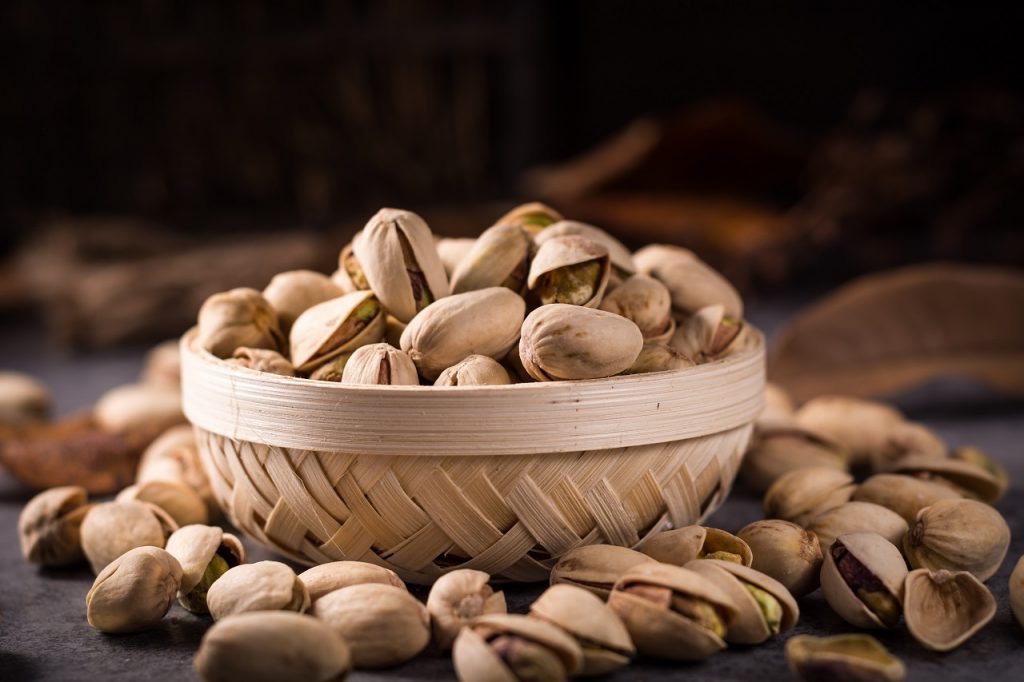
  • Monounsaturated Fats: These contain a single double bond and are known to be helpful in many ways. Evidently, they aid weight loss, reduce cardiac problems and decrease inflammation. Its major sources are avocado, nuts like almond, pistachios, vegetable oils like safflower oil, sesame oil, olive oil, canola oil, etc.
  • Polyunsaturated Fats: are considered as the most beneficial among the fat family. These fats are mainly of 2 types:
    1. Omega 3 Fatty Acids: are known to improve heart health, protect the nervous system, increase brain function, reduce anxiety and stress, improve eye function, reduce inflammation and help fight cancer as well. Sources include soya beans, chia seeds, walnuts, canola oil, salmon, sardine, etc. It’s good to have them as a part of daily diet.
    2. Omega 6 Fatty Acids: This type of fat helps balance good and bad cholesterol, it helps reduce asthma or respiratory problems especially in children, relieves diarrhea in children and is essential for improving brain function. Sources of Omega 6 Fatty Acids include hemp seed or hemp seed oil, flaxseed or flaxseed oil, walnuts, almond, avocado oil, eggs, tofu etc.

These fatty acids are called “essential” because they are not produced in the body and that is why they have to be present in our diet.

Considering all the fat facts listed above, we must focus more on the types of fat we are consuming. In a typical Indian diet, about 15-20% of total calories should come from fat and the most desirable proportion of Saturated Fat (SFA), Monounsaturated Fatty Acid (MUFA) and Polyunsaturated Fatty Acid (PUFA) must be 1:1.3:1.

We hope this article helps you make the best food choices. To know more about fat facts, bust more myths about food and nutrition, ask a GOQii Coach by subscribing for Personalised Health Coaching here.

Do leave your thoughts in the comments below! 

#BeTheForce 

November 9, 2024 By Mitali Ambekar 28 Comments

Fox Nuts: The Lotus Seeds & Its Nutritional Benefits!

Fox Nuts - Makhana - Lotus SeedsAs a kid, my mother used to feed me fox nuts – which I hated because they were tasteless. A few years ago, someone reintroduced me to them, and to my surprise, I still wasn’t a fan. I wondered why people liked them.

Thankfully, my mom had a way of getting me to eat them. She roasted the nuts, adding some spices and condiments, creating a healthy version of popcorn. Crunchy, flavorful, and the perfect tea-time snack!

Fox nuts are seeds from the lotus flower. They are cultivated in water, largely found in India, and known as “Makhana.” They are also found in Korea, Japan, and Russia, where they are referred to as “Gorgon Nuts” or Euryale Ferox.

Highly nutritious, fox nuts have been popular as a snack and are commonly used in various recipes, especially in Indian cuisine. They can be enjoyed roasted or fried and stored long-term in airtight containers. The Chinese have used them medicinally to strengthen the spleen and kidneys due to their many health benefits.

The Health Benefits Of Eating Fox Nuts

  • Fox Nuts are considered nutritionally superior to dry fruits like almonds, walnuts, cashew nuts and coconut in terms of sugar, protein, ascorbic acid and phenol content
  • They are rich in antioxidants, which help prevent signs of aging like white hair, wrinkles, and premature aging.
  • Their high fiber content helps to avoid constipation. It helps the body flush out waste and prevents the accumulation of toxins in the body 
  • It is also an aphrodisiac, helping in fertility issues like premature ejaculation, increasing the quality of semen and also helps women in overcoming infertility
  • These nuts are low on saturated fats and Sodium and high on Magnesium, Potassium and helps in controlling high blood pressure and diabetes as well
  • Fox Nuts help in controlling palpitation and insomnia as it has calming properties
  • It helps in relieving arthritis – numbness and pain in joints
  • As it is has astringent properties, it also helps cure diarrhea and have a better appetite
  • It strengthens the body and reduces burning sensation and quenches thirst

Here is my mother’s simple recipe to make it more tastier!

Fox nuts can be included in cereals or soups to support good health. High in protein, they make a great vegetarian snack. However, since their taste is neutral, most people don’t eat them raw. Here’s a simple recipe my mother used to make them more flavorful:

  1. Heat 2 teaspoon of homemade ghee in a pan
  2. Add salt and turmeric, stirring for few seconds. You can also add red chili, curry leaves, and mustard seeds for extra flavor.
  3. Add the Fox nuts and roast them for a few minutes

This snack is ideal for between meals or with tea or coffee. Fox nuts are also enjoyed as a fasting food in India, where they are regarded as sacred. Apart from snacking, you can add them to cereals, vegetable dishes, rice, or even desserts. So, what are you waiting for? Add fox nuts to your diet today!

Found this article helpful? Read up more on nutrition here. To get these tips, recipes and learn more about different foods, speak to a GOQii Coach by subscribing for Personalised Health Coaching here.

#BeTheForce

November 6, 2024 By Trishala Chopra 1 Comment

Vitamins that are essentially important for Women

vitaminsEveryone has heard about different vitamins and why they are essential for the human body. However, very few people know which vitamins are specifically required by the body. Certain Vitamins are absolutely necessary for women to maintain overall health, and it’s important to obtain these in the daily recommended intake (DRI) amounts. These vitamins can be acquired through good food choices.

Let’s explore the vitamins required by a woman’s body!

Here is the list of vitamins necessary  for women to live a healthy life:-

(1) Vitamin A

  • Obtained in the form of beta-carotene from food, which is then converted into vitamin A in our body.
  • Helps in maintaining good eyesight and prevents deficiency complications such as night blindness, xeropthalmia etc.
  • Found in antioxidant-rich foods such as carrots, apricots etc.

(2) Vitamin C

  • Also known as ascorbic acid
  • Aids in healing
  • Helps in the formation of RBC’s (Red Blood Cells)
  • It is required by anaemic women
  • Boosts the brain chemical, noradrenaline
  • Vitamin C levels decreases with age, and since it’s a water-soluble vitamin, it cannot be stored in the body, so regular intake is very important
  • Found in fruits such as oranges, grapes, kiwi, lemons etc.

(3) Vitamin E

  • Also known as tocopherol and sometimes, tocotrienols
  • Slows signs of aging
  • Helps in maintaining healthy skin
  • Found in foods such as sunflower oil, safflower oil, hazelnuts etc

(4) Vitamin B6

  • A water-soluble vitamin
  • Crucially important
  • Also known as pyridoxine
  • Helps in boosting metabolism
  • Found in bananas, chickpeas, oatmeal etc

(5) Vitamin B12

  • Also known as cyanocobalamin
  • Boost metabolism
  • Aids in Erythropoiesis (the making of RBCs)
  • Animal sources contain vitamin B12
  • Red meat is the richest source

(6) Folic acid

  • Very important during pregnancy
  • Helps in forming a healthy brain and spinal cord
  • Prevents birth defects such as Spinal Bifida
  • Found in spinach, dark green leafy vegetables, asparagus, citrus fruits, fortified cereals, etc
  • External supplementation is recommended during pregnancy

(7) Vitamin D

  • Aids in the absorption of calcium and phosphorous
  • Extremely important for postmenopausal women
  • A lack of Vitamin D can lead to osteopenia and eventually osteoporosis
  • Sunlight is the best source of Vitamin D

(8) Vitamin K

  • Keeps bones strong
  • Helps in blood clotting, which in turn prevents excessive bleeding
  • Good sources include green leafy veggies, soyabean oil, fish oil, etc

Get yourself checked for your Vitamin level and make sure to meet the DRI of these essential Vitamins to maintain overall health.

Ensuring adequate intake of essential vitamins can greatly benefit women’s health, enhancing energy levels, immunity, and overall well-being. Remember, a balanced diet is key to achieving these daily vitamin needs. If this article helped you, let us know in the comments below! For more on nutrition and women’s health, check out our Healthy Reads or speak to a certified expert by subscribing to GOQii’s Personalised Health Coaching here.

#BeTheForce

Disclaimer: The information provided in this blog is for general awareness and educational purposes only. It is not intended to replace professional medical advice, diagnosis, or treatment. Always consult a qualified healthcare provider for personalised medical guidance or concerns related to your health.

October 16, 2024 By Soni Thakur 11 Comments

7 Reasons Why Pulses Are Good For You!

pulses As we celebrate World Food Day this year, focusing on the theme of “Right to Food for a Better Life and a Better Future,” it’s important to highlight the crucial role that pulses can play in achieving food security and promoting better health. Pulses have always been a significant part of the Indian diet, valued for their rich nutritional content, affordability, and availability. They are an excellent source of plant-based protein, fiber, vitamins, and minerals, making them a vital tool in nourishing populations globally.

There are hundreds of varieties of pulses grown worldwide—like Lentils, Dry Beans (Common Beans), Black eyed peas (Cowpeas), Chickpeas, Pigeon peas (Toor Dal), and Kidney Beans—that are not only nutritious but also sustainable and accessible to all. This makes pulses a key to ensuring the right to food and building a better future for everyone.

If “Pulses” was an abbreviation, it could easily stand for:

P – Protein Rich

U – Universally Distributed

L – Low Cost

S – Source of Dietary Fiber

E – Easily Available

Despite being seen as a “poor man’s food” due to their low cost, pulses are a nutritional powerhouse that shouldn’t be ignored. Here’s why pulses are essential for a healthier life and a sustainable future:

7 Reasons to Include Pulses in Your Diet:

  1. Good for all age groups: From infants to the elderly, pulses provide essential nutrients that promote growth, development, and tissue repair, supporting a better quality of life for all.
  2. Affordable and Accessible: Pulses are widely available and affordable for all income groups. This makes them a vital food for ensuring the right to nutritious food, aligning perfectly with the theme of World Food Day.
  3. Heart-Healthy: Low in saturated and trans fat, pulses can help lower cholesterol levels, reduce blood pressure, and maintain a healthy weight. Their heart-healthy benefits contribute to a better life for millions globally.
  4. Reduce Risk of Chronic Illness: Regular consumption of pulses may reduce the risk of chronic diseases such as Diabetes, Cancer, and Heart disease, making them a powerful ally in promoting long-term health.
  5. Long Shelf Life: Pulses, being dried seeds, can be stored for long periods, reducing food waste and loss. This supports global efforts toward food security and sustainability, a core focus of World Food Day.
  6. Rich in Antioxidants: Pulses like Red Kidney Beans are packed with antioxidants that help fight inflammation and boost metabolism, ensuring a healthy body and mind.
  7. Improves Protein Quality When Paired with Cereals: Pulses improve the protein quality of meals when combined with cereals, making them an excellent source of balanced nutrition, especially for those who rely on plant-based diets.

Pulses: A Path to a Better Future

Pulses are not just nutritious and affordable—they also play a significant role in sustainable agriculture. They require fewer resources like water and fertilizers, making them eco-friendly and vital in reducing our environmental footprint. By embracing pulses, we support a sustainable food system that helps ensure everyone’s right to food, paving the way for a better future.

This World Food Day, let’s recognize the value of pulses as a versatile, nutritious, and sustainable food source for all. These reasons should inspire you to stock your kitchen with a variety of pulses and embrace their benefits!

We hope this article helps you! Do leave your thoughts in the comments below! For more articles on nutrition, explore Healthy Reads or speak to a GOQii Coach by subscribing for Personalised Health Coaching here.

#BeTheForce 

Disclaimer: The information provided in this blog is for general awareness and educational purposes only. It is not intended to replace professional medical advice, diagnosis, or treatment. Always consult a qualified healthcare provider for personalised medical guidance or concerns related to your health.

  • « Previous Page
  • 1
  • …
  • 6
  • 7
  • 8
  • 9
  • 10
  • …
  • 68
  • Next Page »

Search

Recent Posts

  • The “Protein Ceiling”: Why Spacing Your Intake is the Secret to Muscle Health
  • Healthy Eating: The Ultimate Healthy Chivda
  • Nutrition Guidelines For Seniors During Winter
  • Unleashing the Power of Polyphenols: A Vital Ally for Cancer Survivors
  • The Longevity Plate: A Guide to Assembling a Functional Diet at 80 Years Old

Stay Updated

Archives

  • February 2026 (5)
  • January 2026 (14)
  • December 2025 (19)
  • November 2025 (15)
  • October 2025 (20)
  • September 2025 (6)
  • August 2025 (6)
  • July 2025 (12)
  • June 2025 (18)
  • May 2025 (16)
  • April 2025 (22)
  • March 2025 (23)
  • February 2025 (22)
  • January 2025 (25)
  • December 2024 (22)
  • November 2024 (24)
  • October 2024 (22)
  • September 2024 (24)
  • August 2024 (30)
  • July 2024 (21)
  • June 2024 (26)
  • May 2024 (31)
  • April 2024 (27)
  • March 2024 (29)
  • February 2024 (26)
  • January 2024 (21)
  • December 2023 (15)
  • November 2023 (11)
  • October 2023 (19)
  • September 2023 (22)
  • August 2023 (18)
  • July 2023 (22)
  • June 2023 (24)
  • May 2023 (24)
  • April 2023 (24)
  • March 2023 (23)
  • February 2023 (19)
  • January 2023 (15)
  • December 2022 (11)
  • November 2022 (15)
  • October 2022 (15)
  • September 2022 (12)
  • August 2022 (10)
  • July 2022 (17)
  • June 2022 (11)
  • May 2022 (10)
  • April 2022 (6)
  • March 2022 (6)
  • February 2022 (13)
  • January 2022 (12)
  • December 2021 (7)
  • November 2021 (3)
  • October 2021 (6)
  • September 2021 (3)
  • August 2021 (8)
  • July 2021 (7)
  • June 2021 (15)
  • May 2021 (16)
  • April 2021 (10)
  • March 2021 (7)
  • February 2021 (4)
  • January 2021 (4)
  • December 2020 (3)
  • November 2020 (4)
  • October 2020 (10)
  • September 2020 (3)
  • August 2020 (3)
  • July 2020 (2)
  • June 2020 (4)
  • May 2020 (10)
  • April 2020 (12)
  • March 2020 (10)
  • February 2020 (4)
  • January 2020 (4)
  • December 2019 (3)
  • November 2019 (7)
  • October 2019 (5)
  • September 2019 (4)
  • August 2019 (9)
  • July 2019 (9)
  • June 2019 (11)
  • May 2019 (4)
  • April 2019 (8)
  • March 2019 (8)
  • February 2019 (9)
  • January 2019 (8)
  • December 2018 (9)
  • November 2018 (3)
  • October 2018 (3)
  • September 2018 (5)
  • August 2018 (10)
  • July 2018 (6)
  • June 2018 (13)
  • May 2018 (8)
  • April 2018 (18)
  • March 2018 (9)
  • February 2018 (8)
  • January 2018 (15)
  • December 2017 (12)
  • November 2017 (19)
  • October 2017 (13)
  • September 2017 (15)
  • August 2017 (4)
  • July 2017 (8)
  • June 2017 (7)
  • May 2017 (6)
  • April 2017 (8)
  • March 2017 (6)
  • February 2017 (7)
  • January 2017 (9)
  • December 2016 (10)
  • November 2016 (7)
  • October 2016 (7)
  • September 2016 (7)
  • August 2016 (11)
  • July 2016 (9)
  • June 2016 (9)
  • May 2016 (12)
  • April 2016 (17)
  • March 2016 (17)
  • February 2016 (8)
  • January 2016 (6)
  • December 2015 (2)
  • November 2015 (9)
  • October 2015 (7)
  • September 2015 (9)
  • August 2015 (11)
  • July 2015 (9)
  • June 2015 (12)
  • May 2015 (9)
  • April 2015 (13)
  • March 2015 (8)
  • February 2015 (5)
  • January 2015 (12)
  • December 2014 (14)
  • November 2014 (11)
  • October 2014 (6)
  • September 2014 (13)
  • August 2014 (12)
  • July 2014 (6)
  • June 2014 (2)
  • May 2014 (7)
  • April 2014 (5)

From “Laddu Nawin” to Fit and Fierce: How a 25-Year-Old Insurance Advisor Shed 20 Kilos and Gained His Life Back

When 25-year-old Nawin Yadav from Hyderabad walked into his office every morning, he carried more than just his files and policy papers. He had the weight of fatigue, sluggish energy, and an ever-growing belly that was becoming the butt of jokes. “People … [Read More...]

“I’ve Challenged Myself to Live 100 Years” – The Story of Chandubhai Savani’s Second Chance at Life

At 67, most people start slowing down. Not Chandubhai Savani. A resident of Surat, Chandubhai, thought life was on track. “My life was going well till I had my bypass surgery,” he says. That surgery, back in 2021, was a wake-up call.  Medication was routine, but exercise wasn’t. His diet? What he calls ‘normal.’ “I […]

From Shimla’s Slopes to Chandigarh’s Sidewalks: Surinder Kaur Bhalla’s Journey from Chaos to Control

Some journeys start with a plan. Others begin with a stumble literally. Surinder Bhalla, a government professional, born and raised in the scenic hill town of Shimla, had always lived a life of movement. “In Shimla, you walked everywhere,” she reflects. “Walking was never an exercise. It was just life.” But after shifting to Chandigarh, […]

Ananda Mukherjee Health Story

From Terminal Illness To Complete Wellness! Ananda Mukherjee Health Story

As we observe World Cancer Day under the powerful theme ‘United by Unique’ (2025-2027)**, we are reminded that every individual’s journey with cancer is distinct, yet united by shared resilience, hope, and the collective fight against this disease. This theme places people at the centre of care and their stories at the heart of the […]

  • HOME
  • HEALTHY LIVING
  • FITNESS
  • HEALTHY RECIPES
  • USER STORIES
  • KARMA
  • BUY GOQii

Copyright ©2016 GOQii