GOQii

Blog

  • HOME
  • HEALTHY LIVING
  • FITNESS
  • HEALTHY RECIPES
  • USER STORIES
  • KARMA
  • BUY GOQii

November 7, 2019 By Varsha Jangid 1 Comment

The Difference Between Keto, Paleo and Atkins

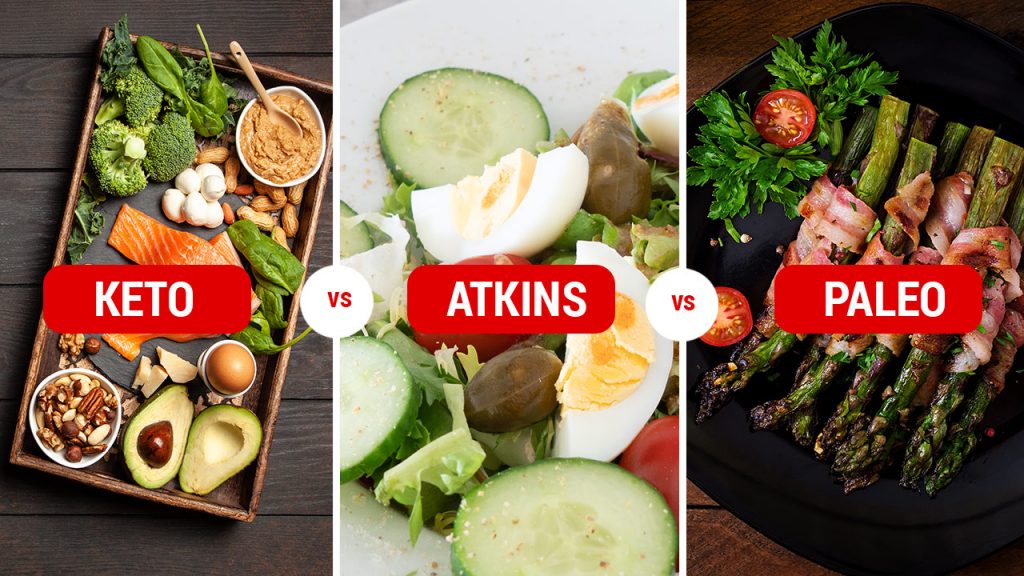
keto, atkins and paleo

With fad diets running around in full swing, you’re bound to wonder what they are about. To give you a quick gist, Keto, Atkins and Paleo are all low carbohydrate diets that serve different purposes. To understand the difference between them, let’s delve into details first!

1. Ketogenic or Keto Diet

This diet was created in the 1920s as a mode of treating epilepsy. The classic Keto diet requires 90% of the calories coming from fat, 6% from proteins and 4% from carbohydrates. The purpose of this diet is to force the body to go into ketosis, which is a metabolic state that utilizes fat for energy instead of glucose (i.e. from Carbs).

Although the diet is low-carb, its main focus is to be high in fat with some protein. There are no restrictions on the type of fat to be consumed.  So followers can have bacon, avocados, butter, etc.

Pros:

  • High-fat and high-protein foods keep you fuller for longer.
  • You can eat up to four ounces of cheese (For some of us, that’s key).
  • Protein is more limited than on Atkins, so your liver will not end up processing it.
  • Your cholesterol is going to get better as the good cholesterol will go up and the bad triglycerides will go down.
  • It can also help lower blood pressure.
  • The keto diet has been shown, in some studies, to improve the health of women with PCOS (Polycystic ovarian syndrome), reduce cholesterol, decrease seizures in epileptic children, and improve acne.

Cons: 

  • Have you heard of the Keto flu? When you start the diet, you may begin feeling grumpy and foggy while your body and brain adjust to using ketones instead of glucose for fuel. The Keto flu can last from 2 days to 2 weeks.
  • You cannot eat any fruit.
  • As the fiber content in the diet is low, it can cause issues such as constipation.
  • You need to be careful about dehydration.
  • You need to get ketone urine testing strips to confirm you’re in ketosis at regular intervals.
  • If you are accustomed to a high-fiber diet, you might need a supplement.
  • If you are on medication for hypertension, diabetes, or other conditions, you must talk to a doctor before starting the diet.

2. Atkins Diet

This diet is specifically labelled as a low-carb diet. There are 2 versions of Atkins diet: Atkin 20 which is the original diet and Atkin 40, which is a diet created for those looking to lose less than 40 pounds (approx. 18 kg).

The Classic Atkins diet has 4 phases: The 1st phase starts off with having 20-25gms of carbs per day and then slowly progresses to phase 4 in which people are allowed 80-100gms of carbs, which is still considered low-carb.

Atkins focuses on net carb intake. Instead of counting all carbs as the same, this diet takes fiber and sugars into account, whereas Paleo and Keto don’t. So if a food has 10gms of carbs, but 3gms of fiber, and 1gm of sugar, than your net carb intake would be 6gms.

Pros: 

  • You won’t be hungry. You will feel satisfied.
  • Weight comes off quickly, although some of it will be water weight. 
  • The four phases allow you to slowly add some carbs back in, making it somewhat easier to sustain. 
  • Atkins has a line of snack bars, shakes, and frozen meals, which make compliance convenient.
  • There is evidence that the diet helps improve both cholesterol and blood sugar levels.

Cons: 

  • Your initial dramatic weight loss is a whole lot of water — you won’t keep losing at the same level and the minute you eat carbs again it will come back on. 
  • You eat too much protein, which can cause serious liver issues.
  • This can also prevent you from going into ketosis, which means you won’t lose weight. 
  • Eating barely any carbs can, at first, make you feel cranky, lethargic, and even achy — mainly because your brain takes time to adjust from processing glucose to ketones.
  • Being in a state of ketosis causes stinky breath — and since bad breath doesn’t come from your mouth, brushing isn’t going to help.
  • The Atkins line of foods and snacks often contain artificial sweeteners and other processed ingredients.

3. Paleo Diet

The Paleo diet follows the eating pattern followed during the Paleolithic era, 2.6 million years ago, which is basically eating like a hunter- gatherer. It focuses mostly on a high-protein diet with lots of vegetables and fruit. Unlike Keto and Atkins, this diet doesn’t aim to be low-carb. It cuts down the intake of carbs from grains, dairy, legumes, refined and processed foods.

While keto diet doesn’t discriminate between the types of fats that needs to be included, the Paleo diet advises its followers to avoid certain types of oils and trans-fats. Although you can eat all the peanut butter you want to on a keto diet, the paleo diet cuts out the peanut butter because technically peanuts are classified under legumes.

Pros: 

  • The focus of Paleo is on whole, nutrient-dense foods.
  • You can have proteins, fruits and vegetables, and healthy fats (like those from avocado, nuts, and seeds). 
  • Low-glycemic diets have been shown to lower blood sugar and cholesterol and reduce visceral fat. 
  • You don’t have to give up sweets, as long as they are natural (honey, maple syrup, etc.). 
  • People with gut issues may find eliminating wheat, dairy, and processed foods also eliminates digestive discomfort. 
  • It is higher in fiber and other nutrients than Atkins and Keto.

Cons: 

  • The diet is restrictive and difficult to implement. 
  • Be prepared to shop and cook for every meal, because it’s challenging to eat out on Paleo. 
  • This diet might burn a hole in your pockets as grass-fed meats, free-range poultry and organic produce are expensive. 
  • Without dairy, you may need to increase your efforts to consume enough calcium. 
  • Weight loss, if any, may be more gradual than on the other diets.

While GOQii does not advocate, promote or instruct its players to follow fad diets, if you’re still adamant on choosing any one of these, you may want to consult your GOQii Coach within the app, nutritionist or dietician before proceeding as the same diet doesn’t work for everyone. You might even want to check with your doctor in case you have food allergies.

We hope this article helps you! Leave your thoughts in the comments below!

#BeTheForce

August 28, 2019 By Pradnya Shinde Leave a Comment

Should You Go Grain-Free?

grain-free

In the past few years, imperical evidence emerged, coaxing us to stay away from all the foods we enjoyed so much in order to live a strong, healthy and disease-free life. Now, along with sugar, fats and diary, you even have grains joining the list of dietary outcasts. How did this happen? Is it necessary? Let’s find out if you should go grain-free!

What is Grain-Free?

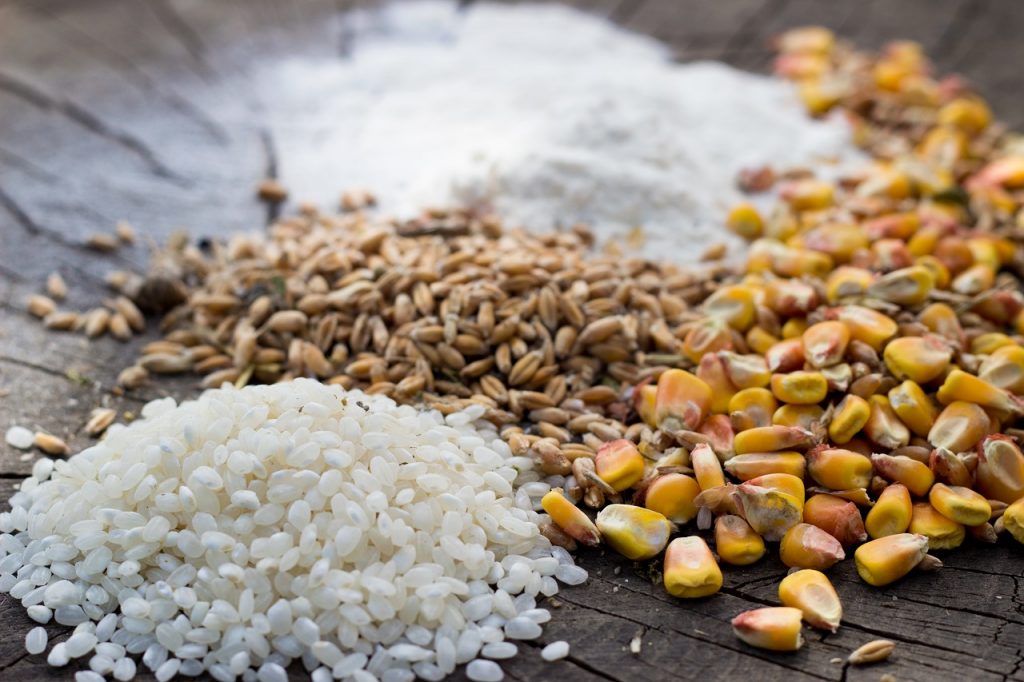
Have you ever thought about skipping rice, chapati or your favorite rotis for losing weight quickly? Ever skipped all grains which includes wheat and its products, corn, rice, jowar, ragi, and bajra? That is called going grain-free. It is when you eliminate all grains from your diet.

If you have followed a specific diet like Keto or Paleo, you know that they involve skipping grains. Another reason people avoid grains is the discomfort in digesting them. The specific known culprit is Wheat! But there is hardly any reason enough that suggests grains are unhealthy or promote weight gain.

Are There Any Benefits of Going Grain-Free?

The immediate benefit of going grain-free is that you will notice some weight loss and reduction in bloating. 80% of dry matter of grains is carbohydrates. Reduced intake of excess carbohydrates helps in reducing weight quickly as it also reduces water retention. Hence, skipping grains makes you feel light. It works for short-term weight loss.

However, if you want to go for long-term weight loss, skipping grains might not be such a great idea as it may lead to nutritional deficiency. Whole grains are a major source of Vitamin B in our diet. Restricting it for a long time may lead to deficiency and cause problems. Going grain-free is not for every person. You can get the same benefits by skipping sugar and processed foods. For long term weight loss, go for grains!

What to Watch Out For!

If you are insistent on going grain-free, then plan your diet in such a way that you can cope with the vitamin loss. For instasnce, include green vegetables in your diet. You can go grain-free for a specific period but avoid going long term. Remember that eating whole grains is good for your heart and it reduces the risk of cancer as well.

If you are skipping grains due to digestive discomfort, then take the IgA anti-gliadin antibodies test to see if you have gluten sensitivity followed by endoscopy to check for celiac disease.

Gluten is a protein present in wheat and it will cause you discomfort if you have gluten sensitivity or celiac disease. If you have either of these conditions, avoid wheat, rye and barley. You can safely eat other grains.

To sum it up, you can enjoy eating rice, idli and parathas in moderation. Avoid refined cereal!

We hope this article helps you come to a conclusion on whether you should go grain-free or not! Do let us know your thoughts in the comments below!

#BeTheForce

August 8, 2019 By Trupti Hingad 41 Comments

Foods That Help Cure Sinusitis!

Foods for SinusitisHave you woken up one morning with terrible pain in your forehead or between your eyes? To add to this agony, you experience a swelling face, stuffy nose and congestion. Your upper teeth hurt and it feels like your head is about to explode! If you have these symptoms, it is an indication of Sinusitis!



What is Sinusitis?

Sinus points are basically air spaces in your skull lined with mucous membranes. Most people have four sets of nasal sinuses.

  1. Two in the forehead above the eyes
  2. One inside each cheekbone
  3. A group of them, called the Ethmoid Sinuses, behind the bridge of the nose
  4. Another group behind the nose and underneath the brain called the Sphenoid Sinuses

These sinus points are like fingerprints. If there is an infection in these points, it leads to a condition called Sinusitis. Basically, it is an inflammation of the sinus cavity due to a virus, bacteria or fungus. Tiny hair-like structures called Cilia move mucus across Sinus Membranes, towards an exit.

All of your sinus cavities connect to your nose to allow a free exchange of air and mucus. Infections or allergies affect the sinus tissues, making them inflamed, red and swollen. But don’t worry, nature is loaded with remedies for most conditions!

Foods That Help Cure Sinusitis

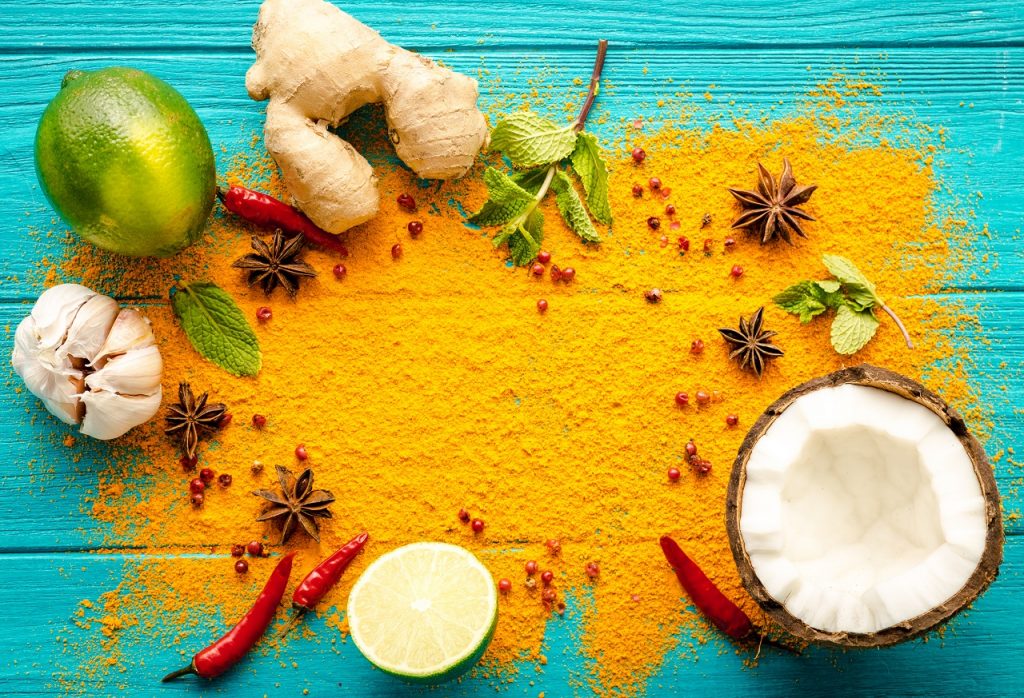
  1. Spicy Foods: Hot spices like pepper, chillis (capsicum), jalapenos, relieve sinus congestion as they help release the mucus that causes a stuffed nose. Spicy foods help in opening the sinus cavity and promote the restoration of normal breathing.
  2. Garlic: contains an enzyme called Allicin that destroys bacteria and viruses that cause Sinusitis.
  3. Vitamin E: found in nuts, seeds and vegetable oils helps you get rid of a sinus congestion.
  4. Zinc: in Lean Meat, Poultry, Licorice and Seafood helps in relieving a congestion.
  5. Warm Herbal Teas: like Peppermint, Ginger, Licorice and Holy Basil (Tulsi) teas are some of the best for your sinuses and throat during a bout of Sinusitis. Tea moistens mucus membrane, helping to clear the sinus network.
  6. Chicken Soup: contains an amino acid called cysteine that causes a runny nose and clears out the nasal congestion.
  7. Leafy Green Veggies, tomatoes, oranges, yellow fruits and veggies contain Vitamin A that helps build a healthy mucus membrane.
  8. Grapefruits, Oranges and Lemon are rich in Vitamin C and antioxidants. Thus, they help clear a sinus congestion. Oxidation damage can contribute to Chronic Sinusitis. Antioxidants protect the mucus membranes from free radical damage.
  9. Pineapple is rich in antioxidants which protect the delicate mucus membranes from damage. Bromelain, an enzyme found in pineapple, breaks down the junk that builds up in sinuses and reduces inflammation.
  10. Coconut Oil is very good at reducing inflammation and also in killing many bacteria, viruses, and fungi. Try oil pulling with a spoonful of coconut oil and you’ll notice your sinuses clear up. Simply swish around a spoonful of it for five to ten minutes and spit it out.
  11. Turmeric/Ginger Root: Turmeric root is wonderful, fragrant and contains natural anti-inflammatory Curcumin. This spice is also an antioxidant. When combined with spicy ginger root and brewed for hot tea, this combination can help loosen mucus from clogged nasal passages, alleviate sinus pressure, and make you feel better all around. Ginger root also has the added bonus of calming an upset stomach – a frequent side-effect of excessive night time sinus drainage.
  12. Apple Cider Vinegar: acts as a boon for sinus infections. Firstly, it is a natural antibacterial, antiviral, anti-fungal and anti-inflammatory that can kill the destructive microorganisms which cause the infection. Secondly, it helps the body maintain a healthy alkaline pH level, which helps breaking up mucus and discourage the proliferation of the condition.

Worst Foods For a Sinus Infection

  1. Caffeine weakens your adrenal glands and causes sinus congestion
  2. Fried foods/Processed foods containing additives are best avoided during a sinus infection
  3. Foods with high sugar content, especially ice cream, worsen a sinus infection
  4. Refined carbs like bread, pasta, and rice do not help during sinus congestions
  5. Fermented foods like cheese worsen sinus
  6. Starchy heavy foods like noodles are not for people with a sinus problem
  7. Milk is known to worsen a sinus congestion as it thickens mucus and promotes microbial growth
  8. Foods high in saturated fats like egg yolk and meat are to be avoided during a sinus infection

Keep your sinus clean and relax, breathe refresh and stay healthy! We hope this article helped you. Please do leave your thoughts in the comments below!

#BeTheForce

July 16, 2019 By Navnee Garg Leave a Comment

Almond Milk! Cheers to Good Health!

In recent months, you must have come across the term Almond Milk either in some recipes or even cooking shows. Ever wondered what it is or how it is made? Surely, it isn’t the already famous “Badam Milk” that we’re used to but something totally different from that! 

Almond Milk, in its essence, is an inexpensive, healthy alternative to conventional dairy that you can easily make at home. It is great for those who cannot or choose not to drink cow’s milk. It is made by grinding almonds, mixing them with water and filtering the mixture to create a product that looks a lot like milk and has a nutty flavour. 

Homemade Almond Milk Recipe 

  1. Soak 1 cup of almonds for up to 2 days 
  2. Drain and rinse the almonds 
  3. Blend almonds with 2 cups of water
  4. Line a glass measuring cup with cheesecloth or a nut bag 
  5. Pour the blended almonds in 
  6. Squeeze and press to extract about 2 cups of milk
  7. Refrigerate and use within 2 days 

Nutritional Value

Serving: 1/2 cup | Calories: 34kcal | Carbohydrates: 1.9g | Protein: 1.9g | Fat: 4g | Saturated Fat: 0.3g | Sodium: 6mg | Fiber: 1g | Sugar: 0.4g

Health Benefits of Almond Milk 

Before trying any recipe, you should know the benefits it provides so we can consume it in the right portion size, at the right time and with the right meal. 

Let’s have a closer look at the health benefits that almond milk provides. 

  • Low-Calorie Drink: How can something made from almonds, which itself is high in calories, can be low in calories? Thanks to the processing used to make it, only a small portion of almonds is present in the finished product. This makes it great for people who want to cut on calories and lose weight without compromising taste. Unsweetened almond milk contains up to 80% fewer calories than regular dairy milk. Using it as a replacement for cow’s milk could be an effective weight loss strategy.
  • Low in Sugar: Homemade almond milk is low in sugar, which makes this nutty milk a guilt-free drink! Although commercially available ones might have sugar added to them, the homemade recipe above leaves the sugar content up to you. More so, since diabetics need to limit their carb intake, replacing dairy milk with almond milk may be a good way to achieve this. 
  • Hello Vitamin E: Not only is Almond Milk low in calories, but it is also a good way to sip in some Vitamin E, providing 37% of the daily Vitamin E requirement in just 30ml. Vitamin E is a powerful antioxidant that combats inflammation and stress in the body.
  • Naturally, Lactose-Free: This is a boon for people with lactose intolerance and irritable bowel syndrome (IBS) as Almond Milk is naturally lactose-free, making it a good alternative to dairy. 
  • Go Dairy Free and Vegan: Whether it is religious beliefs, health and environment or a lifestyle choice, veganism is the “in trend” right now and almond milk is nothing less than a blessing to Vegans. Albeit, it is low in protein and is not suitable as a full replacement for dairy in young children. 
  • Recipe Rich: If you’re worried that consuming this product will be boring, you need not worry. It can be used in various recipes. Apart from a refreshing beverage, it can be used along with cereal, muesli or oats for breakfast, in tea, coffee or hot chocolate, smoothies, while baking muffins and pancakes, soups, dressing, homemade ice creams or almond yoghurt! There are plenty of options to keep you interested! 

How excited are you to try this recipe at home? If you try it, do share your experience in the comments below! 

#BeTheForce 

  • « Previous Page
  • 1
  • …
  • 36
  • 37
  • 38
  • 39
  • 40
  • …
  • 68
  • Next Page »

Search

Recent Posts

  • Best Foods To Alleviate Irritable Bowel Syndrome
  • ALL ABOUT VERTIGO!
  • PCOS and Anxiety: Discover Relief with the 54321 Technique
  • Navigating the Maze of Nutrition: Finding Clarity Amidst Confusion
  • Get children active and keep them healthy

Stay Updated

Archives

  • December 2025 (6)
  • November 2025 (15)
  • October 2025 (20)
  • September 2025 (6)
  • August 2025 (6)
  • July 2025 (12)
  • June 2025 (18)
  • May 2025 (16)
  • April 2025 (23)
  • March 2025 (23)
  • February 2025 (22)
  • January 2025 (26)
  • December 2024 (26)
  • November 2024 (25)
  • October 2024 (22)
  • September 2024 (24)
  • August 2024 (31)
  • July 2024 (21)
  • June 2024 (26)
  • May 2024 (31)
  • April 2024 (27)
  • March 2024 (29)
  • February 2024 (26)
  • January 2024 (25)
  • December 2023 (15)
  • November 2023 (11)
  • October 2023 (22)
  • September 2023 (22)
  • August 2023 (20)
  • July 2023 (22)
  • June 2023 (24)
  • May 2023 (24)
  • April 2023 (24)
  • March 2023 (23)
  • February 2023 (20)
  • January 2023 (16)
  • December 2022 (12)
  • November 2022 (15)
  • October 2022 (15)
  • September 2022 (12)
  • August 2022 (10)
  • July 2022 (17)
  • June 2022 (11)
  • May 2022 (10)
  • April 2022 (6)
  • March 2022 (6)
  • February 2022 (13)
  • January 2022 (12)
  • December 2021 (7)
  • November 2021 (3)
  • October 2021 (6)
  • September 2021 (3)
  • August 2021 (8)
  • July 2021 (7)
  • June 2021 (15)
  • May 2021 (16)
  • April 2021 (10)
  • March 2021 (7)
  • February 2021 (4)
  • January 2021 (4)
  • December 2020 (3)
  • November 2020 (4)
  • October 2020 (10)
  • September 2020 (3)
  • August 2020 (3)
  • July 2020 (2)
  • June 2020 (4)
  • May 2020 (10)
  • April 2020 (12)
  • March 2020 (10)
  • February 2020 (4)
  • January 2020 (4)
  • December 2019 (3)
  • November 2019 (7)
  • October 2019 (5)
  • September 2019 (4)
  • August 2019 (9)
  • July 2019 (9)
  • June 2019 (11)
  • May 2019 (4)
  • April 2019 (9)
  • March 2019 (8)
  • February 2019 (9)
  • January 2019 (8)
  • December 2018 (9)
  • November 2018 (3)
  • October 2018 (3)
  • September 2018 (5)
  • August 2018 (10)
  • July 2018 (6)
  • June 2018 (13)
  • May 2018 (8)
  • April 2018 (18)
  • March 2018 (9)
  • February 2018 (8)
  • January 2018 (15)
  • December 2017 (12)
  • November 2017 (19)
  • October 2017 (13)
  • September 2017 (15)
  • August 2017 (4)
  • July 2017 (8)
  • June 2017 (7)
  • May 2017 (6)
  • April 2017 (8)
  • March 2017 (6)
  • February 2017 (7)
  • January 2017 (9)
  • December 2016 (10)
  • November 2016 (7)
  • October 2016 (7)
  • September 2016 (7)
  • August 2016 (11)
  • July 2016 (9)
  • June 2016 (9)
  • May 2016 (12)
  • April 2016 (17)
  • March 2016 (17)
  • February 2016 (8)
  • January 2016 (6)
  • December 2015 (2)
  • November 2015 (9)
  • October 2015 (7)
  • September 2015 (9)
  • August 2015 (11)
  • July 2015 (9)
  • June 2015 (12)
  • May 2015 (9)
  • April 2015 (13)
  • March 2015 (8)
  • February 2015 (5)
  • January 2015 (12)
  • December 2014 (14)
  • November 2014 (11)
  • October 2014 (6)
  • September 2014 (13)
  • August 2014 (12)
  • July 2014 (6)
  • June 2014 (2)
  • May 2014 (7)
  • April 2014 (5)

From “Laddu Nawin” to Fit and Fierce: How a 25-Year-Old Insurance Advisor Shed 20 Kilos and Gained His Life Back

When 25-year-old Nawin Yadav from Hyderabad walked into his office every morning, he carried more than just his files and policy papers. He had the weight of fatigue, sluggish energy, and an ever-growing belly that was becoming the butt of jokes. “People … [Read More...]

“I’ve Challenged Myself to Live 100 Years” – The Story of Chandubhai Savani’s Second Chance at Life

At 67, most people start slowing down. Not Chandubhai Savani. A resident of Surat, Chandubhai, thought life was on track. “My life was going well till I had my bypass surgery,” he says. That surgery, back in 2021, was a wake-up call.  Medication was routine, but exercise wasn’t. His diet? What he calls ‘normal.’ “I […]

From Shimla’s Slopes to Chandigarh’s Sidewalks: Surinder Kaur Bhalla’s Journey from Chaos to Control

Some journeys start with a plan. Others begin with a stumble literally. Surinder Bhalla, a government professional, born and raised in the scenic hill town of Shimla, had always lived a life of movement. “In Shimla, you walked everywhere,” she reflects. “Walking was never an exercise. It was just life.” But after shifting to Chandigarh, […]

Ananda Mukherjee Health Story

From Terminal Illness To Complete Wellness! Ananda Mukherjee Health Story

As we observe World Cancer Day under the powerful theme ‘United by Unique’ (2025-2027)**, we are reminded that every individual’s journey with cancer is distinct, yet united by shared resilience, hope, and the collective fight against this disease. This theme places people at the centre of care and their stories at the heart of the […]

  • HOME
  • HEALTHY LIVING
  • FITNESS
  • HEALTHY RECIPES
  • USER STORIES
  • KARMA
  • BUY GOQii

Copyright ©2016 GOQii