GOQii

Blog

  • HOME
  • HEALTHY LIVING
  • FITNESS
  • HEALTHY RECIPES
  • USER STORIES
  • KARMA
  • BUY GOQii

September 18, 2024 By Gitanjali Bahl 2 Comments

Healthy Habits to Reduce Stress

stress reduction

Ever felt like you don’t have the time to eat, exercise, or interact with friends and family? Have deadlines and responsibilities chained you down in more ways than one? Do you spend most of your time at work with little activity? Are all these situations creating a stressful environment and draining your energy and mental health?

If your answer to the above was a yes, it is time you addressed these issues. Coping with expectations at work and at home can be taxing. While these are important, remember that nothing is worth sacrificing your health.

The simplest way to reduce stress is to keep your mind at ease and your body healthy with simple lifestyle changes and time management. Letting go of bad habits and introducing a few healthy tweaks can help you rekindle your relationship with your mind and body!

Here are a few changes you can make to reduce stress:

  • Start Your Day with Breathing Exercises or Meditation: Practicing different forms of Pranayama or  basic stretches can reduce stress and keep you energized throughout the day.
  • Plan Your Tasks: Spend some time planning your day to stay organized and avoid last-minute rushes that could lead to stress.
  • Limit Gadget Use: Use gadgets only for work or as and when necessary. Overindulgence in gadgets can lead to depression and cut you off from the real world. Set specific times for usage and avoid them at least an hour or two before sleep.
  • Set Alarms for Water Intake: Dehydration can affect cortisol levels, a stress hormone that impacts both mind and body. Staying hydrated can help reduce stress.
  • Walk Whenever Possible: If your workplace is within walking distance, opt to walk or cycle instead of driving. Walking releases endorphins, elevates your mood, and improves heart rate. Choose stairs over escalators or elevators as it is the best and easiest form of exercise!
  • Take Breaks: Spend time with family, friends and loved ones. A healthy social life fosters deeper connections and make life more meaningful.
  • Plan a Trip or Vacation: Whether with others or solo, a change in environment can boost creativity, positivity, and help you exchange new thoughts and ideas.
  • Eat Fruits Daily: Different fruits provide various nutrients that help reduce stress. For example, Bananas have Tryptophan, Avocados have Vitamin B, Sweet Potatoes have Potassium and Magnesium, all of which help lower stress levels.
  • Indulge in Hobbies: No matter how busy you are, hobbies help you relax. Whether it’s a sport, music, traveling, or painting, setting time aside for your passions will enrich your life.

Remember the old saying, “All work and no play makes Jack a dull boy”? It’s true! Take time for yourself. If you’re only working and not playing, are you really living? Your work targets can be achieved, and your relationships with friends and family can be sustained—but only if you prioritize your health. Make your physical and mental well-being a priority!

Want to learn more about managing stress? Check out Healthy Reads or ask a GOQii Coach by subscribing for Personalised Health Coaching here.

#BeTheForce

Disclaimer: The information provided in this blog is for general awareness and educational purposes only. It is not intended to replace professional medical advice, diagnosis, or treatment. Always consult a qualified healthcare provider for personalised medical guidance or concerns related to your health.
September 12, 2024 By Pradnya Shinde Leave a Comment

Dealing with Menopausal Hot Flushes and Night Sweats

“A sharp sensation of heat suddenly rises to my head. I go red in my face, but after a few minutes, its gone”.

“I begin to perspire. My clothes and hair start to get drenched as though I’ve just run few kms. Suddenly, after a while, it vanishes. Then, I’m not sure when this will occur again.

The above are statements made to me by women who experienced hot flashes for a long time. It is ANNOYING and EMBARRASSING.

This is a typical problem that women face during menopause. In order to escape this awkward circumstance, a lot of women even have a tendency to quit their jobs. Let us understand this issue a little more better.

Understanding Hot Flushes

A hot flush, commonly experienced as a sudden and intense sensation of heat affecting the upper body, primarily impacts the face, neck, chest, back, and arms. This phenomenon is characterized by visible redness and can lead to heavy perspiration. In some cases, the sensation may extend throughout the entire body.

The duration of a hot flush can vary significantly, lasting from a few seconds to as long as ten minutes. The frequency of these episodes also varies widely among individuals, occurring several times within an hour, a few times daily, or even just once weekly.

Hot flushes that occur during the night are referred to as night sweats. These can significantly disrupt sleep and are often troublesome. Typically beginning at the onset of menopause, hot flushes may persist for a decade or longer, affecting each individual differently.

Understanding Hot Flushes: Causes, Triggers, and Management

What Causes a Hot Flush?
Hot flushes commonly occur during perimenopause, a phase marked by the onset of irregular menstrual cycles. This period is characterized by significant fluctuations in estrogen levels, which disrupt the brain’s temperature regulation system. As a result, the body attempts to cool down through sweating.

What Triggers a Hot Flush?
Several factors can trigger hot flushes, including dietary and environmental influences, as well as lifestyle habits. Common triggers include:

  • Spicy foods
  • Caffeine
  • Smoking
  • Alcohol consumption
  • Wearing tight clothing
  • Obesity
  • Stress
  • Exposure to warm environments or consuming warm or icy foods

Managing Hot Flushes:

It is essential to consult a healthcare provider annually for reproductive health issues. During these consultations, doctors can offer guidance on managing symptoms of perimenopause, including hot flushes. Treatment options may include hormonal therapies, which help stabilize hormone levels, or non-hormonal strategies, which can alleviate symptoms without using hormone replacement therapies.

Lifestyle Adjustments to Manage Hot Flushes Effectively

To reduce the frequency and intensity of hot flushes, consider making several key lifestyle changes:

Avoid Triggers: Steer clear of known triggers like spicy foods, caffeine, and tobacco. Opt for decaffeinated coffee, limit alcohol intake to one drink at a time, and control smoking habits to minimize occurrences.

Increase Omega-3 Intake: Omega-3 fatty acids, known for their anti-inflammatory properties, may help alleviate hot flushes. Sources include fatty fish like salmon, tuna, and mackerel, as well as vegan options such as flax seeds, chia seeds, and hemp seeds.

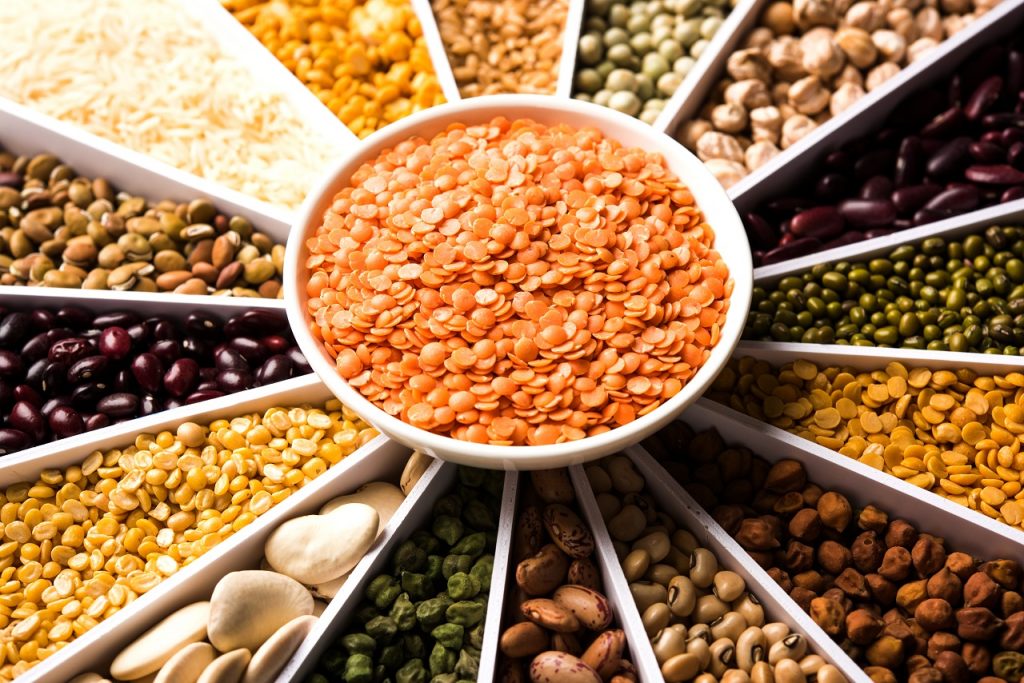
Incorporate Plant-Based Estrogens: Consuming foods rich in isoflavones and phytoestrogens, such as soy, tofu, chickpeas, and lentils, may help manage symptoms by mimicking estrogen.

Try Seed Cycling: This technique involves consuming specific seeds at different times of the month to balance hormone levels. For the first 14 days, eat two tablespoons of pumpkin and flax seeds, followed by two tablespoons of sesame and sunflower seeds for the next 15 days. These seeds also offer healthy fats, fiber, and nutrients.

Opt for Natural Fabrics: Wear comfortable undergarments and clothing made from natural fibers like cotton, linen, and bamboo, which are breathable. Dress in layers to easily adjust to temperature changes, and consider light, loose-fitting clothing for additional comfort.

Manage Body Temperature: Start your day with a cold shower to decrease the likelihood of hot flushes. Carry a portable or neck fan when outdoors. For night sweats, use breathable cotton bedding, cooling blankets, or cooling pillows, and keep your sleeping environment cool with air conditioning or fans.

Maintain a Healthy Weight: Address obesity by adhering to a nutritious diet and regular exercise routine. Aim for 30 minutes of mild exercise daily to help manage weight and reduce hot flush occurrences.

Practice Stress-Relief Techniques: Engage in relaxation practices such as yoga, mindfulness, and meditation. Simple deep breathing exercises can also be effective—inhale slowly through the nose, hold your hand on your belly to feel it rise, and exhale slowly through the mouth.

Consider Cognitive Behavioral Therapy (CBT): CBT can be beneficial for reducing anxiety related to hot flushes. It helps in identifying and reforming anxiety-triggering thoughts. Discuss the possibility of CBT with your therapist for tailored advice.

Implementing these strategies can significantly improve your management of hot flushes, enhancing comfort and overall quality of life.

Embracing Menopause with Confidence
Now that you have a better understanding of how to manage and mitigate hot flushes and night sweats, it’s important to remember that menopause is a natural phase of life, not a disease. With the right strategies and care, you can continue to lead a fulfilling and normal life.

We hope this article provides valuable insights for managing menopausal hot flushes and night sweats, helping you maintain a comfortable and balanced life. If you found this information useful, share your thoughts in the comments below. For personalised guidance and support, connect with our certified experts by subscribing to GOQii’s Personalised Health Coaching here.

#BeTheForce

Disclaimer: The information provided in this blog is for general awareness and educational purposes only. It is not intended to replace professional medical advice, diagnosis, or treatment. Always consult a qualified healthcare provider for personalised medical guidance or concerns related to your health.

September 2, 2024 By Vandana Juneja 1 Comment

Strength Training Benefits For Aging Bodies

strength trainingStrength training is essential for everyone, serving not just to enhance muscle strength but also to bolster overall health regardless of age. Whether you are 25 or 65, incorporating some form of strength training into your daily routine is beneficial, though the specifics of the exercises may vary depending on one’s age group.

In this blog post, I will discuss the changes that begin to occur in our bodies as we enter our thirties and forties—changes that are often less than welcome. More importantly, I’ll explore how strength training plays a crucial role in counteracting these changes and significantly enhancing the quality of our lives.

I have experienced the positive changes, that my body has undergone over the last 4-5 years, just by incorporating a strength training routine in the form of workouts with weights, and using my own body weight, as I do in my yoga practice. One can even use resistance bands, the various gym equipment, or own body weight for resistance, by doing push-ups, pull-ups, crunches, leg squats or push-ups against a wall etc.

What Happens As We Age?

The human body goes through changes as we age, and some of the effects are obvious, as we cross middle age. Even healthy, normal ageing includes:

  • A Slower metabolism
  • Decreased muscle mass and strength
  • Increased body fat
  • Reduced bone density
  • Increased bone porosity
  • Stiff joints
  • Slower reflexes and reaction times
  • Decreased aerobic capacity

These are normal changes that we may experience as we age, though the severity varies from person to person. One of the most important reasons to exercise, and specifically include strength training, is to slow and minimize these changes.  

Benefits of Strength Training

1. Increases Muscle Mass
As you age, muscle mass gradually decreases – a condition known as Sarcopenia. Individuals who are less active can expect to lose between 3% to 5% of their muscle mass each decade after turning 30, with this rate accelerating after age 65. By age of 70, the average adult may have lost up to 25% of their muscle mass primarily due to disuse and inactivity. However, this loss isn’t irreversible. Engaging in any form of exercise can help regain muscle mass and strength, but weight lifting, strength training, and resistance training are particularly effective. Research shows that after just six months of strength training twice a week, the biochemical, physiological, and genetic characteristics of older muscles can be rejuvenated by nearly 15 to 20 years.

2. Improves Bone Health
Bone fractures and breaks are quite prevalent among older adults due to decreased bone density and osteoporosis. While there are various causes of osteoporosis that may require medical intervention, substantial evidence suggests that exercise can significantly enhance bone density. Moreover, osteoporosis can be both prevented and managed through strength training. Just as muscles grow stronger with activity, bones also gain strength when engaged in physical exercise. Weight-bearing exercises, in particular, bolster bone health by stimulating the production of new cells.

3. Improves Functional Ability/Movement
Increasing strength through training is crucial for enhancing everyday functionality. Regular strength training enables older adults to enhance their mobility, walk longer distances, and potentially decrease their reliance on assistive devices such as canes and walkers.

Additionally, building strength supports a variety of functional movements, including walking, sitting down and standing up from chairs or beds, climbing stairs or escalators, and carrying groceries. These improvements in physical capabilities make daily life more manageable and empower individuals to engage in a wider range of activities that they desire to pursue.

4. Increases Metabolism
Strength training is highly effective for enhancing your metabolism, which is the rate at which your body burns calories while at rest. Engaging in strength training causes your body to require more energy based on the intensity of the exercise. This not only leads to calories being burned during the workout but also increases calorie burn after the workout as your body returns to a resting state. Additionally, hormones like Testosterone and DHEA, which are vital for strength and energy, naturally decrease with age. However, regular strength training can significantly boost these hormone levels within 8-12 weeks.

5. Improves Brain Health
Aging can increase the risk of loneliness, social isolation, depression, and other mental health challenges. However, building strength enhances mobility and functionality, which can significantly improve overall health, elevate mood, and enhance the quality of life. Additionally, resistance training has been shown to slow cognitive decline associated with aging. Studies indicate that lifting weights can improve memory, attention span, and conflict resolution skills.

6. Improves Health Conditions
Type 2 Diabetes: Strength training effectively lowers blood sugar levels and enhances insulin sensitivity. This improvement helps facilitate the transport of blood sugar into cells, thereby optimizing how the body utilizes glucose.

Cardiovascular Health: When properly executed, strength training benefits both the muscular and cardiovascular systems. Strengthened muscles reduce the workload on the heart, enabling the lungs to process oxygen more efficiently with less effort. This efficiency leads to the heart pumping more blood with fewer beats, which in turn increases the blood supply to the muscles.

How Often Should You Do It? 

It is recommended to engage in strength training three to five times per week for 20 to 30 minutes at a moderate intensity or two to three times per week for 15 to 20 minutes at a high intensity. However, always consult your doctor before starting any workout regimen, particularly if you have any pre-existing medical conditions, and seek professional guidance to ensure the correct technique. This helps in preventing injuries and maximizing the benefits of your workouts, especially when focusing on larger muscle groups which offer greater returns.

Let’s move beyond using age as an excuse and start prioritizing muscle health to enhance both our physical health and psychological well-being!

We hope this article helps you care for your muscles a little more and helps you improve your physical and psychological well-being as well. If you’re about to begin your strength training routine or need help, speak to a certified expert by subscribing to GOQii’s Personalised Health Coaching here.

Want to explore more articles on fitness? Click here.

#BeTheForce

September 1, 2024 By GOQii 39 Comments

Health Benefits Of Eating A Bowl Of Salad Daily

bowl of saladTraditionally, salads are prepared with raw vegetables like cucumber, tomatoes, cabbage and onions, which are cut into slices and sprinkled with a pinch of salt and lemon. They were either served as the smallest portion of the meal or totally ignored. If you’ve been doing the same, it’s time to change! Adding a bowl of salad to your meals is important, and that’s what we’re going to tell you in this article.

Why Should You Eat A Bowl Of Salad Daily? 

  • Firstly, starting your meals with a bowl of salad will help you lose weight. It’s true because salads are low in calories, high in fiber and rich in other nutrients. Fiber helps you feel full, so you eat less of the rest of your meal. Eating less but healthy = sustainable weight loss! Eating a high fiber salad aids in lowering cholesterol and also is known to prevent constipation.
  • Eating a little healthy fat (like the monounsaturated fat found in olive oil, avocado and nuts) with your vegetables in salads helps your body absorb protective phytochemicals  (known to protect against cancer and heart disease), like lycopene from tomatoes and lutein from dark green vegetables.
  • Best way to skip croutons (deep fried pieces of wheat bread) which are low in nutrients and have a high glycemic load, is to replace them with nuts and seeds to maintain the salad’s crunchiness.
  • To balance it with proper carbohydrates and proteins to make it a whole meal, you can add brown rice or protein packed Quinoa, Grilled Chicken, low fat Paneer (Cottage Cheese), Tofu or Sprouts.
  • People, who do not like to eat fruits, can relish salads which combine fruits and vegetables and eat it as a whole meal or as a snack. This provides a host of powerful antioxidants, which protect the body from damage caused by harmful molecules called free radicals.

Tips To Prepare Healthy Salads

  • Salads are known to be rich in Vitamins. Fat soluble vitamins A, D, E and K cannot be absorbed and used by the body without the presence of some fat. So go for the unsaturated fats (good fats) like olive oil or canola oil. Toss the oil with vinegar to help to prevent blood sugar spikes after meals.
  • The best way to include greens like romaine, radicchio, iceberg and spinach in your daily diet is to mix them all up or use one at a time in salads.
  • Add medicinal herbs like basil, garlic, lemon juice or parsley to the salad for that strong punch of flavor and loads of disease fighting antioxidants. The more flavorful your salad is naturally, the fewer high calorie ingredients like extra cheese and cream you’ll need to add for taste.
  • Pack your salads with as many other veggies or fruits as possible to get the synergetic effects. Carrots, cucumbers, different colored peppers, broccoli, peas, artichokes, strawberries, raspberries, or pears are great choices to add different textures as well as plenty of filling fiber.

We hope this article encourages you to make a habit of adding a bowl of salad to your meals! Get creative with your salad, make it colorful or crunchy and share a pic on social media or the GOQii Arena and tag us! For more on healthy living and nutrition, check out Healthy Reads.

To get more advice and guidance from experts on nutrition, weight loss, diet tips and healthy recipes! Subscribe to GOQii’s Personalised Health Coaching here.

Eat Healthy and #BeTheForce

Disclaimer: The information provided in this blog is for general awareness and educational purposes only. It is not intended to replace professional medical advice, diagnosis, or treatment. Always consult a qualified healthcare provider for personalised medical guidance or concerns related to your health.

  • « Previous Page
  • 1
  • …
  • 30
  • 31
  • 32
  • 33
  • 34
  • …
  • 42
  • Next Page »

Search

Recent Posts

  • Best Foods To Alleviate Irritable Bowel Syndrome
  • ALL ABOUT VERTIGO!
  • PCOS and Anxiety: Discover Relief with the 54321 Technique
  • Navigating the Maze of Nutrition: Finding Clarity Amidst Confusion
  • Get children active and keep them healthy

Stay Updated

Archives

  • December 2025 (6)
  • November 2025 (15)
  • October 2025 (20)
  • September 2025 (6)
  • August 2025 (6)
  • July 2025 (12)
  • June 2025 (18)
  • May 2025 (16)
  • April 2025 (23)
  • March 2025 (23)
  • February 2025 (22)
  • January 2025 (26)
  • December 2024 (26)
  • November 2024 (25)
  • October 2024 (22)
  • September 2024 (24)
  • August 2024 (31)
  • July 2024 (21)
  • June 2024 (26)
  • May 2024 (31)
  • April 2024 (27)
  • March 2024 (29)
  • February 2024 (26)
  • January 2024 (25)
  • December 2023 (15)
  • November 2023 (11)
  • October 2023 (20)
  • September 2023 (22)
  • August 2023 (20)
  • July 2023 (22)
  • June 2023 (24)
  • May 2023 (24)
  • April 2023 (24)
  • March 2023 (23)
  • February 2023 (20)
  • January 2023 (16)
  • December 2022 (12)
  • November 2022 (15)
  • October 2022 (15)
  • September 2022 (12)
  • August 2022 (10)
  • July 2022 (17)
  • June 2022 (11)
  • May 2022 (10)
  • April 2022 (6)
  • March 2022 (6)
  • February 2022 (13)
  • January 2022 (12)
  • December 2021 (7)
  • November 2021 (3)
  • October 2021 (6)
  • September 2021 (3)
  • August 2021 (8)
  • July 2021 (7)
  • June 2021 (15)
  • May 2021 (16)
  • April 2021 (10)
  • March 2021 (7)
  • February 2021 (4)
  • January 2021 (4)
  • December 2020 (3)
  • November 2020 (4)
  • October 2020 (10)
  • September 2020 (3)
  • August 2020 (3)
  • July 2020 (2)
  • June 2020 (4)
  • May 2020 (10)
  • April 2020 (12)
  • March 2020 (10)
  • February 2020 (4)
  • January 2020 (4)
  • December 2019 (3)
  • November 2019 (7)
  • October 2019 (5)
  • September 2019 (4)
  • August 2019 (9)
  • July 2019 (9)
  • June 2019 (11)
  • May 2019 (4)
  • April 2019 (9)
  • March 2019 (8)
  • February 2019 (9)
  • January 2019 (8)
  • December 2018 (9)
  • November 2018 (3)
  • October 2018 (3)
  • September 2018 (5)
  • August 2018 (10)
  • July 2018 (6)
  • June 2018 (13)
  • May 2018 (8)
  • April 2018 (18)
  • March 2018 (9)
  • February 2018 (8)
  • January 2018 (15)
  • December 2017 (12)
  • November 2017 (19)
  • October 2017 (13)
  • September 2017 (15)
  • August 2017 (4)
  • July 2017 (8)
  • June 2017 (7)
  • May 2017 (6)
  • April 2017 (8)
  • March 2017 (6)
  • February 2017 (7)
  • January 2017 (9)
  • December 2016 (10)
  • November 2016 (7)
  • October 2016 (7)
  • September 2016 (7)
  • August 2016 (11)
  • July 2016 (9)
  • June 2016 (9)
  • May 2016 (12)
  • April 2016 (17)
  • March 2016 (17)
  • February 2016 (8)
  • January 2016 (6)
  • December 2015 (2)
  • November 2015 (9)
  • October 2015 (7)
  • September 2015 (9)
  • August 2015 (11)
  • July 2015 (9)
  • June 2015 (12)
  • May 2015 (9)
  • April 2015 (13)
  • March 2015 (8)
  • February 2015 (5)
  • January 2015 (12)
  • December 2014 (14)
  • November 2014 (11)
  • October 2014 (6)
  • September 2014 (13)
  • August 2014 (12)
  • July 2014 (6)
  • June 2014 (2)
  • May 2014 (7)
  • April 2014 (5)

From “Laddu Nawin” to Fit and Fierce: How a 25-Year-Old Insurance Advisor Shed 20 Kilos and Gained His Life Back

When 25-year-old Nawin Yadav from Hyderabad walked into his office every morning, he carried more than just his files and policy papers. He had the weight of fatigue, sluggish energy, and an ever-growing belly that was becoming the butt of jokes. “People … [Read More...]

“I’ve Challenged Myself to Live 100 Years” – The Story of Chandubhai Savani’s Second Chance at Life

At 67, most people start slowing down. Not Chandubhai Savani. A resident of Surat, Chandubhai, thought life was on track. “My life was going well till I had my bypass surgery,” he says. That surgery, back in 2021, was a wake-up call.  Medication was routine, but exercise wasn’t. His diet? What he calls ‘normal.’ “I […]

From Shimla’s Slopes to Chandigarh’s Sidewalks: Surinder Kaur Bhalla’s Journey from Chaos to Control

Some journeys start with a plan. Others begin with a stumble literally. Surinder Bhalla, a government professional, born and raised in the scenic hill town of Shimla, had always lived a life of movement. “In Shimla, you walked everywhere,” she reflects. “Walking was never an exercise. It was just life.” But after shifting to Chandigarh, […]

Ananda Mukherjee Health Story

From Terminal Illness To Complete Wellness! Ananda Mukherjee Health Story

As we observe World Cancer Day under the powerful theme ‘United by Unique’ (2025-2027)**, we are reminded that every individual’s journey with cancer is distinct, yet united by shared resilience, hope, and the collective fight against this disease. This theme places people at the centre of care and their stories at the heart of the […]

  • HOME
  • HEALTHY LIVING
  • FITNESS
  • HEALTHY RECIPES
  • USER STORIES
  • KARMA
  • BUY GOQii

Copyright ©2016 GOQii