GOQii

Blog

  • HOME
  • HEALTHY LIVING
  • FITNESS
  • HEALTHY RECIPES
  • USER STORIES
  • KARMA
  • BUY GOQii

June 7, 2024 By Neha Morche 3 Comments

Hypertension: Cause for all heart issues

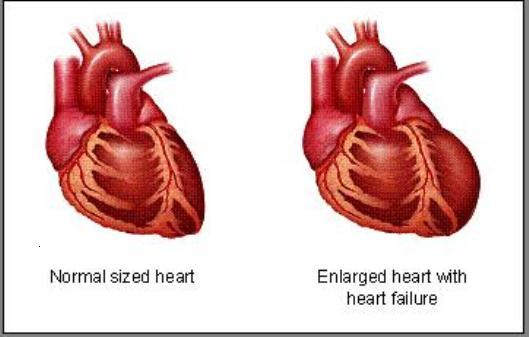
heart-failure2

Heart is one of the most important organs of our body, and keeping it healthy is important. Heart connects the entire body through its vital functions.

What does the heart exactly do? Why is it related to blood pressure?

This small fist like structure works hard to maintain blood flow to our body day and night. Fundamentally, it takes all the impure blood from the body, makes it pure with lots of Oxygen (fresh air), and sends it back. While doing this, it also contracts and relaxes (medically termed it as systolic and diastolic, respectively) in between a single beat. In normal course, if the person is healthy this happens smoothly without much pressure on it. Normal blood pressure levels should be 120/80 mm/hg.

Blood pressure is the culprit to heart issues. It’s natural to increase our blood pressure due to certain unpleasant situations, but if the blood pressure stays elevated for longer periods, then it turns into hypertension.

Causes for increased blood pressure:

  • Stress
  • Smoking
  • Alcohol
  • Obesity
  • Less water intake
  • High salt intake
  • Intake of more processed or bakery food.
  • Junk food or less fibrous food Intake
  • Less activity
  • Less sleep
  • Kidney disorders
  • Heredity
  • High fat food intake

All of these lead to plaque formation in the tiny blood vessels, due to which heart has to put more pressure than usual for a smooth blood flow. When it goes beyond the heart’s limit (it has muscles, after all) it stops pumping blood (which carries water, nutrients, and oxygen) thus it results in heart attack.

The good news is that one can avoid high blood pressure and avert heart attacks by just taking care of our daily meals, activities, water, sleep, stress etc. in short keeping a check on our lifestyle.

We need to improve all micro habits which set into our routine. Once you set yourself a routine, it’s difficult to break it.

Salt is the crucial factor that can lead to high blood pressure. Salt is a combination of sodium and chloride. Daily requirement of sodium is 1500mg to 2300mg, which means we can include approximately 1 teaspoon of salt. Sodium is also found in baking soda, monosodium glutamate (MSG), various seasonings, additives, condiments, meat, fish, poultry, dairy foods, eggs, smoked meats, olives, and pickled foods. High sodium directly contributes to high blood pressure.

Here are some heart friendly food options I have listed down for you

Antioxidants (green tea, red wine)

Fiber and Vitamin K (green leafy vegetables, whole grains, beans, whole pulses)

Whole Fruits

Omega 3 and Omega 6 fats (Almonds, walnuts, flax seeds, fish like salmon, sardines, mackerel, herring, tuna, avocado)

Ample amount of water intake.

Doing regular breathing exercises help us increase our Oxygen uptake.

Yoga, meditation or giving time to your hobbies keeps stress at bay.

Staying active through the entire day or indulging in any type of activity or game you enjoy can keep stress levels under check.

Maintaining heart health starts with managing your blood pressure. By making mindful choices in your diet, staying active, managing stress, and staying hydrated, you can significantly reduce the risk of hypertension and heart disease. Share your thoughts and experiences in the comments below. For more health tips and personalised guidance,speak to a certified expert by subscribing to GOQii’s Personalised Health Coaching here. Take control of your heart health today!

#BeTheForce

May 30, 2024 By Zehra Fatima 8 Comments

STEVIA (A 0 calorie, 0 carbs, 0 protein and 0 fats natural sweetener)

Yes, you have read right! A null nutritional value sweetener which is sweeter than sugar. Stevia has 0 kcal energy, 0gms of carbohydrates, 0 gms of proteins, 0 gms of fats yet a very sweet product and gained popularity in foreign countries. Let’s find out more about Stevia.

What is stevia?

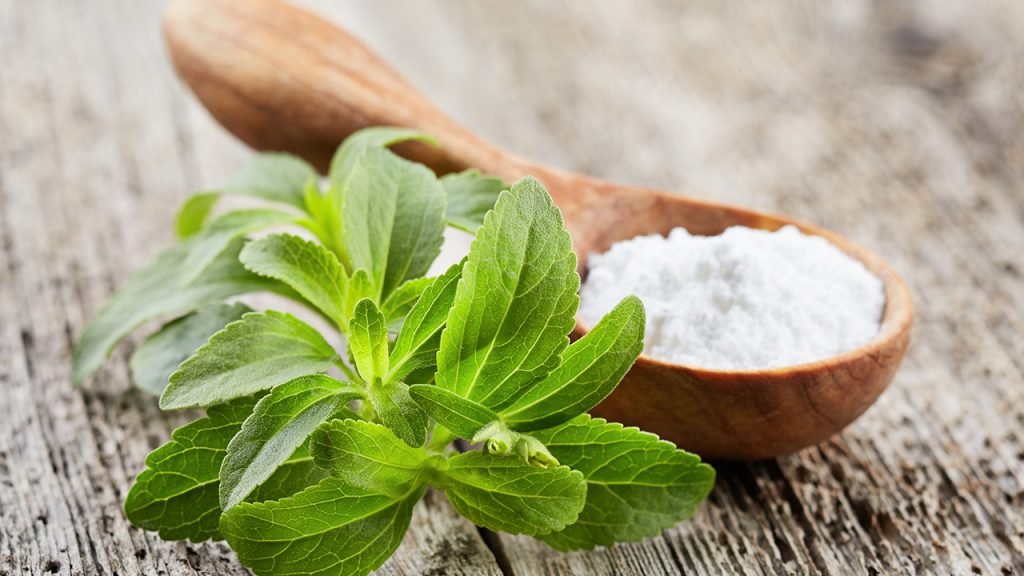
Stevia is a sweetener and sugar substitute extracted from the leaves of the plant species Stevia Rebaudiana.

The active compounds of stevia are steviol glycosides (mainly stevioside and rebaudioside), which have up to 150 times the sweetness of sugar, are heat-stable, pH-stable, and not fermentable. Stevia’s taste has a slower onset and longer duration than that of sugar, and some of its extracts may have a bitter or liquorice-like aftertaste at high concentrations.

Benefits of Stevia

Apart from using it as a replacement for Sugar it has additional benefits like

  • IN DIABETES: Research has shown that stevia sweeteners do not contribute calories or carbohydrates to the diet and do not affect blood glucose or insulin response, which allows people with diabetes to consume a wider variety of foods and comply with a healthful meal plan.
  • IN WEIGHT MANAGEMENT: The intake of added sugars has been shown to contribute an average of 16 percent of the total calories in the American diet and has been linked to weight gain and adverse effects on glycemic control. Plant-based, zero calorie stevia can be part of a well-balanced diet to help reduce energy intake without sacrificing taste.
  • IN BLOOD PRESSURE: Certain glycosides in stevia extract have been found to dilate blood vessels, increase sodium excretion, and urine output. In higher doses, stevia could potentially help lower blood pressure. The plant may have cardiotonic actions, which normalize blood pressure and regulate heartbeat.

Good and bad Stevia

Stevia’s green leaves are naturally sweet. However, those white powder and clear drops we find in groceries have very little to do with stevia leaves. They aren’t really stevia at all. They’re an extract that’s been super-refined using toxic chemicals, bleach, and marketed as “healthy”. Everybody is looking for a non-addictive, healthy sweetener. But, beware of any sugar-free sweetener that gives you the illusion of a “free ride”, because you may just be deepening your addiction.

Green leaf stevia is the least processed of the stevia types. The leaves are basically just dried and ground into powder form. This is the type of stevia that’s been used in South America and Japan for centuries as a natural sweetener and health remedy. This type of stevia is about 30–40 times sweeter than sugar.

The best stevia is the kind you can grow yourself. When it’s alive you know it’s REAL! Stevia plants grow beautifully in a pot, a garden, a window box, or on your kitchen window sill. Just pull off a leaf when you need to sweeten something. This way you can be sure it’s organic, and the soil is healthy.

We hope this article helps you understand the incredible benefits of Stevia as a natural sweetener. Have you tried incorporating Stevia into your diet? Let us know in the comments below. For more tips on diet and nutrition, speak to a certified expert by subscribing to GOQii’s Personalised Health Coaching here.

#BeTheForce
May 29, 2024 By Vrushali Athavle 1 Comment

TULSI – Solution to all ailments

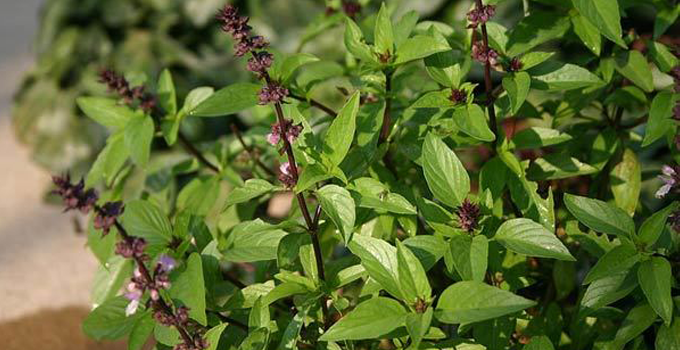
tulsi-leavesTulsi or Basil leaves is a small light green to dark purple coloured plant, which is often seen to be grown in front off or near houses in a special pot or special small masonry structures in almost every Indian home. Whether you like keeping plants at home or not, this sacred and medicinal plant is seen in every house. It is considered sacred in India and a manifestation of goddess Tulsi, a consort of God Vishnu.

Talking about its medicinal properties, Tulsi is classified as an adaptogen: It adapts itself to whatever ailment the body is experiencing. Name any body part, beginning from your head, eyes, mouth, throat, stomach, or kidney, Tulsi has a cure for it.

Its anti-bacterial, anti-fungal, anti-oxidant and anti-inflammatory properties make it a much talked about the herbal plant in medicine.

Let’s quickly go through some of them:

  • Head: In heating summer, by applying the paste of crushed Tulsi and Chandan will give you immediate cooling and relief from headaches.
  • Eyes:  Dark Tulsi is known to be rich in Vitamin A and hence no doubt that it helps in curing eye soreness and night blindness.
  • Mouth: Soaking Tulsi seeds in water at night and consuming it in the morning along with milk will surely give you relief from mouth ulcers. I have tried this and it has benefited me by giving immediate relief.
  • Teeth: A paste made by sun drying the tulsi leaves and mixing them with mustard oil is known to maintain dental health and gives you relief from bad mouth odour.
  •  Nose, throat, and chest: Water boiled with basil leaves and a pinch of salt should be used to gargle to get relief from a sore throat. Almost all the ayurvedic cough syrups and expectorants have tulsi as their main component, as it is known to melt the mucus giving relief to bronchitis and asthma patients.
  • Fever: A hot and tasty tulsi decoction made by adding cardamom, clove, coriander seeds, Jeshthamadh or Jashthamadh or Mulethi with a small amount of jaggery helps to bring down fever after one has drunk the decoction in small portions.
  •  Kidney: In case of renal stone the juice of basil leaves and honey, if taken regularly for 6 months will flush them via the urinary tract.

 The flavonoids in tulsi leaves are believed to reduce the risk of platelets forming clots on the arterial wall, preventing coronary heart disease and heart attacks.

Tulsi juice is also beneficial in treating many of the skin infections like ringworm and other skin diseases.

Note: These are only general guidelines as a first aid. It is always better to see a doctor depending upon the intensity of the case.

We hope this article helps you understand the incredible benefits of Tulsi. Have you tried incorporating Tulsi into your daily routine? Let us know in the comments below. For more tips on natural remedies and nutrition, check out Healthy Reads or speak to a certified expert by subscribing to GOQii’s Personalised Health Coaching here.

#BeTheForce
May 25, 2024 By Palak Mittal 2 Comments

How smartphones and other electronic gadgets affects our sleep quality

For most of us, our smartphone is the first thing we look at in the morning and the last thing we check before going to bed. But, is it a right practice? Well, it is not. As per a study published by the Brigham and Women’s Hospital in Boston, Massachusetts, using a smartphone right before bedtime actually reduces the overall quality of sleep.

Here’s how:

  • Difficulty in falling asleep – We feel sleepy when our brain releases a hormone called melatonin, which is determined by the body’s circadian rhythm. The blue light emitted by the screen of the smartphone interferes with this rhythm and the secretion of melatonin, which makes it difficult for us to fall asleep, even after we keep our phone aside.
  • Poor quality of sleep – Using a smartphone before going to bed also hampers the overall quality of sleep because, when we check an office email or a text message as the last thing before we sleep, it gets difficult for our brain to relax, due to which we are unable to sleep peacefully.
  • Decreased attention span – Our productivity suffers during the day, due to lack of proper sleep at night. Also, not getting enough sleep is known to hamper our decision-making skills, impair our long & short-term memory, which leads to unnecessary stress and anxiety
  • Increased risk of weight gain – Our body is more likely to feel hungry when we don’t get our due share of sleep, as sleep deprivation slows down our metabolism. Thus, use of smartphone right before bedtime can induce cravings, which lead to snacking and weight gain.
  • Weak immune system – While we are asleep our immune system produces antibodies that help fight infections, it also releases a protein known as cytokines. This protein not only promotes sleep but also fights inflammation and other problems caused by stress. Lack of sound sleep decreases the production of cytokines and increases the risk of falling sick, it also slows down our recovery cycle. Further, long-term sleep deprivation can raise the risk of diseases, such as diabetes, heart problems and obesity.
  • Skin damage – Sleeping late at night and not getting enough sleep can lead to dark circles, puffy eyes and fine lines across our face. The blue light emitted by our smartphones triggers the secretion of cortisol, which can damage our skin’s smoothness and elasticity.

Thus, even if we are spending only some time on our smartphone before going to bed, it affects our overall mental and physical well-being.

We hope this article sheds light on the detrimental effects of smartphone usage on sleep quality and overall health. If you found this information helpful, we’d love to hear your thoughts in the comments below. For more insights on improving sleep and maintaining a healthy lifestyle speak to a certified expert by subscribing to GOQii’s Personalised Health Coaching here.

#BeTheForce
  • « Previous Page
  • 1
  • …
  • 10
  • 11
  • 12
  • 13
  • 14
  • …
  • 78
  • Next Page »

Search

Recent Posts

  • Best Foods To Alleviate Irritable Bowel Syndrome
  • ALL ABOUT VERTIGO!
  • PCOS and Anxiety: Discover Relief with the 54321 Technique
  • Navigating the Maze of Nutrition: Finding Clarity Amidst Confusion
  • Get children active and keep them healthy

Stay Updated

Archives

  • December 2025 (6)
  • November 2025 (15)
  • October 2025 (20)
  • September 2025 (6)
  • August 2025 (6)
  • July 2025 (12)
  • June 2025 (18)
  • May 2025 (16)
  • April 2025 (23)
  • March 2025 (23)
  • February 2025 (22)
  • January 2025 (26)
  • December 2024 (26)
  • November 2024 (25)
  • October 2024 (22)
  • September 2024 (24)
  • August 2024 (31)
  • July 2024 (21)
  • June 2024 (26)
  • May 2024 (31)
  • April 2024 (27)
  • March 2024 (29)
  • February 2024 (26)
  • January 2024 (25)
  • December 2023 (15)
  • November 2023 (11)
  • October 2023 (22)
  • September 2023 (22)
  • August 2023 (20)
  • July 2023 (22)
  • June 2023 (24)
  • May 2023 (24)
  • April 2023 (24)
  • March 2023 (23)
  • February 2023 (20)
  • January 2023 (16)
  • December 2022 (12)
  • November 2022 (15)
  • October 2022 (15)
  • September 2022 (12)
  • August 2022 (10)
  • July 2022 (17)
  • June 2022 (11)
  • May 2022 (10)
  • April 2022 (6)
  • March 2022 (6)
  • February 2022 (13)
  • January 2022 (12)
  • December 2021 (7)
  • November 2021 (3)
  • October 2021 (6)
  • September 2021 (3)
  • August 2021 (8)
  • July 2021 (7)
  • June 2021 (15)
  • May 2021 (16)
  • April 2021 (10)
  • March 2021 (7)
  • February 2021 (4)
  • January 2021 (4)
  • December 2020 (3)
  • November 2020 (4)
  • October 2020 (10)
  • September 2020 (3)
  • August 2020 (3)
  • July 2020 (2)
  • June 2020 (4)
  • May 2020 (10)
  • April 2020 (12)
  • March 2020 (10)
  • February 2020 (4)
  • January 2020 (4)
  • December 2019 (3)
  • November 2019 (7)
  • October 2019 (5)
  • September 2019 (4)
  • August 2019 (9)
  • July 2019 (9)
  • June 2019 (11)
  • May 2019 (4)
  • April 2019 (9)
  • March 2019 (8)
  • February 2019 (9)
  • January 2019 (8)
  • December 2018 (9)
  • November 2018 (3)
  • October 2018 (3)
  • September 2018 (5)
  • August 2018 (10)
  • July 2018 (6)
  • June 2018 (13)
  • May 2018 (8)
  • April 2018 (18)
  • March 2018 (9)
  • February 2018 (8)
  • January 2018 (15)
  • December 2017 (12)
  • November 2017 (19)
  • October 2017 (13)
  • September 2017 (15)
  • August 2017 (4)
  • July 2017 (8)
  • June 2017 (7)
  • May 2017 (6)
  • April 2017 (8)
  • March 2017 (6)
  • February 2017 (7)
  • January 2017 (9)
  • December 2016 (10)
  • November 2016 (7)
  • October 2016 (7)
  • September 2016 (7)
  • August 2016 (11)
  • July 2016 (9)
  • June 2016 (9)
  • May 2016 (12)
  • April 2016 (17)
  • March 2016 (17)
  • February 2016 (8)
  • January 2016 (6)
  • December 2015 (2)
  • November 2015 (9)
  • October 2015 (7)
  • September 2015 (9)
  • August 2015 (11)
  • July 2015 (9)
  • June 2015 (12)
  • May 2015 (9)
  • April 2015 (13)
  • March 2015 (8)
  • February 2015 (5)
  • January 2015 (12)
  • December 2014 (14)
  • November 2014 (11)
  • October 2014 (6)
  • September 2014 (13)
  • August 2014 (12)
  • July 2014 (6)
  • June 2014 (2)
  • May 2014 (7)
  • April 2014 (5)

From “Laddu Nawin” to Fit and Fierce: How a 25-Year-Old Insurance Advisor Shed 20 Kilos and Gained His Life Back

When 25-year-old Nawin Yadav from Hyderabad walked into his office every morning, he carried more than just his files and policy papers. He had the weight of fatigue, sluggish energy, and an ever-growing belly that was becoming the butt of jokes. “People … [Read More...]

“I’ve Challenged Myself to Live 100 Years” – The Story of Chandubhai Savani’s Second Chance at Life

At 67, most people start slowing down. Not Chandubhai Savani. A resident of Surat, Chandubhai, thought life was on track. “My life was going well till I had my bypass surgery,” he says. That surgery, back in 2021, was a wake-up call.  Medication was routine, but exercise wasn’t. His diet? What he calls ‘normal.’ “I […]

From Shimla’s Slopes to Chandigarh’s Sidewalks: Surinder Kaur Bhalla’s Journey from Chaos to Control

Some journeys start with a plan. Others begin with a stumble literally. Surinder Bhalla, a government professional, born and raised in the scenic hill town of Shimla, had always lived a life of movement. “In Shimla, you walked everywhere,” she reflects. “Walking was never an exercise. It was just life.” But after shifting to Chandigarh, […]

Ananda Mukherjee Health Story

From Terminal Illness To Complete Wellness! Ananda Mukherjee Health Story

As we observe World Cancer Day under the powerful theme ‘United by Unique’ (2025-2027)**, we are reminded that every individual’s journey with cancer is distinct, yet united by shared resilience, hope, and the collective fight against this disease. This theme places people at the centre of care and their stories at the heart of the […]

  • HOME
  • HEALTHY LIVING
  • FITNESS
  • HEALTHY RECIPES
  • USER STORIES
  • KARMA
  • BUY GOQii

Copyright ©2016 GOQii



