GOQii

Blog

  • HOME
  • HEALTHY LIVING
  • FITNESS
  • HEALTHY RECIPES
  • USER STORIES
  • KARMA
  • BUY GOQii

March 24, 2025 By GOQii Leave a Comment

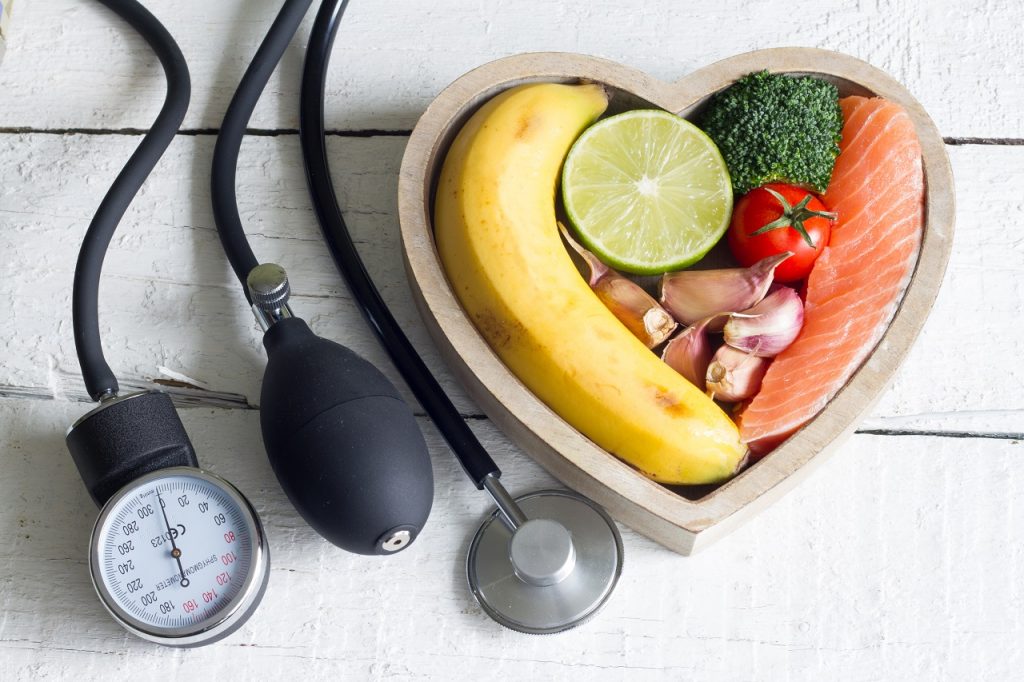
How to Lower Blood Pressure Naturally Through Diet & Lifestyle

High blood pressure—also known as hypertension—affects millions of people around the world. Often called the “silent killer,” it usually has no obvious symptoms but significantly raises your risk of heart disease, stroke, and kidney issues if left unchecked.

While medication can help control blood pressure, it’s not the only way. In fact, simple, consistent changes in your diet and lifestyle can go a long way in reducing your blood pressure naturally—improving your health and overall quality of life.

Let’s explore proven, practical ways to lower your blood pressure through everyday habits.

1. Eat More Whole, Unprocessed Foods 

A balanced, nutrient-rich diet forms the foundation for blood pressure control. Focus on:

  • Fruits & Vegetables – Rich in potassium, magnesium, and antioxidants. Potassium helps balance sodium levels and relax blood vessel walls.
  • Whole Grains – Oats, brown rice, quinoa, and wholemeal bread are high in fibre, which supports heart health.
  • Lean Proteins – Include fish (especially fatty fish like salmon), chicken, tofu, lentils, and beans.
  • Healthy Fats – Avocados, nuts, seeds, and olive oil offer heart-protective fats.

🧂 Tip: Cut down on salt (sodium). Aim for less than 5g of salt (or 2g sodium) per day. Use herbs, spices, lemon, and garlic to add flavour instead.

2. Move More – Stay Active 

Regular physical activity strengthens the heart, enabling it to pump blood with less effort, lowering the pressure on your arteries.

  • Aim for at least 30 minutes of moderate exercise (like brisk walking, swimming, or cycling) on most days.
  • Incorporate strength training 2-3 times a week.

🚶‍♀️ Short on time? Even walking during breaks, taking stairs, or stretching regularly can help!

3. Watch Your Weight 

Excess weight, especially around the abdomen, puts pressure on your heart and blood vessels.

  • Losing even 5-10% of your current weight can significantly lower your blood pressure.
  • Combine a calorie-controlled diet with increased activity for sustainable weight loss.

4. Reduce Stress Levels 

Chronic stress can trigger temporary spikes in blood pressure—and over time, lead to lasting effects.

  • Practise deep breathing, meditation, or mindfulness daily.
  • Engage in hobbies, connect with loved ones, or simply take time for yourself.
  • Try journaling or spending time in nature to unwind.

5. Limit Alcohol & Quit Smoking 

  • If you drink alcohol, stick to recommended limits—no more than 14 units per week (UK guideline), spread out over several days.
  • Smoking damages blood vessels and immediately raises blood pressure—quitting can improve heart health dramatically.

6. Stay Hydrated 

Water supports kidney function and helps flush out excess sodium. Aim for 2-3 litres of water daily unless advised otherwise by a healthcare professional.

7. Cut Down on Caffeine

While moderate caffeine may be fine, too much can cause spikes in blood pressure in some individuals.

  • Limit to 1-2 cups of coffee or tea per day.
  • Monitor how your body responds and adjust accordingly.

8. Sleep Well 

Poor sleep is linked to higher blood pressure and increased risk of chronic conditions.

  • Aim for 7-9 hours of quality sleep each night.
  • Create a bedtime routine—avoid screens before bed, keep your room dark and cool, and wind down with relaxing activities.

Managing your blood pressure isn’t just about medication—it’s about taking daily actions that support your heart and overall health. Small, consistent lifestyle changes can lead to big improvements.

💬 Have you made changes to manage your blood pressure naturally? Share your experience in the comments below!

#BeTheForce

Disclaimer: The information provided in this blog is for general awareness and educational purposes only. It is not intended to replace professional medical advice, diagnosis, or treatment. Always consult a qualified healthcare provider for personalised medical guidance or concerns related to your health.
December 3, 2024 By Sunita Arora 3 Comments

Lower Blood Pressure Naturally With Dietary Changes

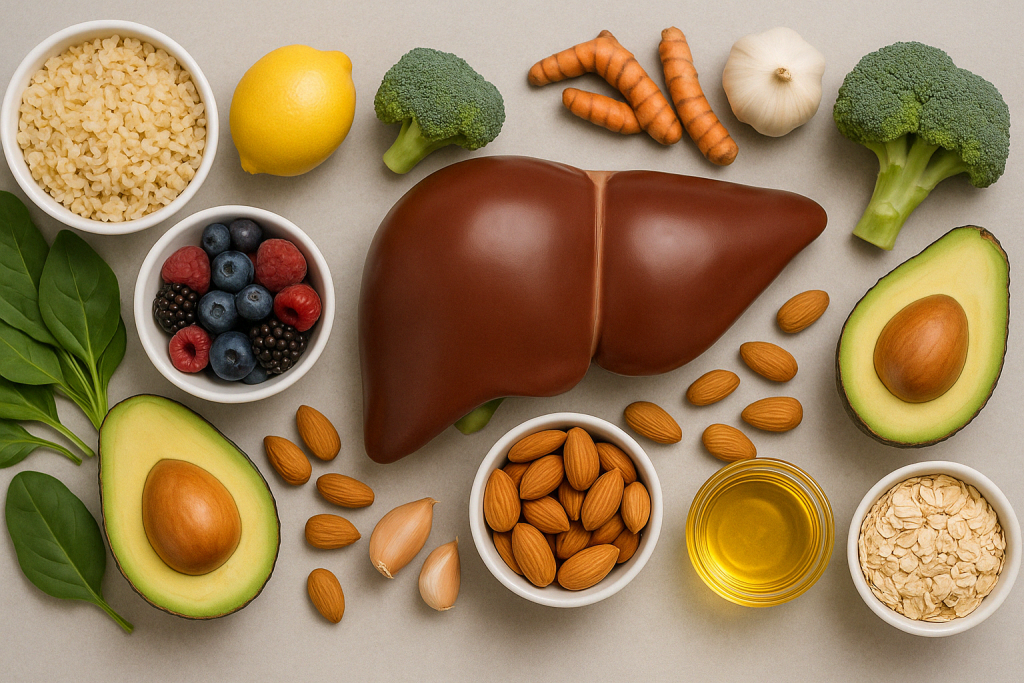
lower blood pressure naturallyHypertension, known as a silent killer, is simply the elevation of your blood pressure levels. It is majorly developed due to factors like a sedentary lifestyle, high salt intake due to processed and packaged food. But, the good news is that you can control it. You can manage to lower blood pressure naturally by making dietary and other lifestyle changes after consulting with your doctor. 

Foods That Help Lower Blood Pressure Naturally 

Let’s take a look at foods which are healthy and can help with the condition! 

  1. Green Tea: is associated with numerous health benefits. It is rich in polyphenols and catechins, which act as antioxidants to prevent cell damage, reduce inflammation, and protect heart health. Intake of green tea is associated with significantly lower levels of LDL, triglycerides, total cholesterol, and blood pressure. You can have 1-2 cups of green tea daily one hour after a meal to maintain your blood pressure and to improve insulin sensitivity.
  2. Olive Oil: is packed with antioxidants like tocopherols, β-carotene, lutein which helps in relieving inflammation and decreases the risk of cardiovascular diseases. It is rich in MUFA which promotes heart health and is linked with lowering blood pressure. In Indian cooking, you can safely use 1-2 teaspoon of extra virgin olive oil daily to sauté veggies, make salad dressings, etc.
  3. Fatty Fish: like salmon and tuna are rich with omega-3 fatty acids which aid in improving heart health. These fatty fishes and fish oil supplements are beneficial for lowering blood pressure, sugar levels and triglycerides. Consumption of fatty fish 2-3 times a week is good for heart health.
  4. Nuts: like walnuts, almonds are a rich source of monounsaturated fatty acids which lower total cholesterol, LDL (bad) cholesterol and blood pressure. It has minerals like magnesium and copper, Vitamin E, MUFA which protects against various heart diseases by reducing plaque formation and keeps your arteries clear. You can include 5-6 soaked almonds and 2-3 walnuts in your diet.
  5. Seeds: are the powerhouse of various nutrients, rich in Omega-3 and Omega-6 fatty acids which improve many heart disease risk factors including blood pressure, cholesterol, and triglycerides. Include flax seeds, chia seeds, sunflower seeds and hemp seeds in your diet. Just make a mixture of these seeds and have 1-2 tsp daily by mixing them with nuts or adding them to your smoothies or salads. 
  6. Berries: are packed with antioxidants like anthocyanins which protect the heart from oxidative stress and help in maintaining normal blood pressure. It also has polyphenols which improve blood pressure, insulin resistance and systemic inflammation. You can add a handful of strawberries, blackberries and raspberries in your diet.
  7. Banana: The American Heart Association encourages people to increase the consumption of foods that contain potassium. Eating foods that are rich in potassium helps in lowering blood pressure levels better than taking supplements. You can slice a banana in your favourite cereal or oatmeal, make a smoothie or a shake for a potassium-rich addition.
  8. Pomegranate: is rich in fibre, vitamins and minerals. Drinking a cup of pomegranate juice daily for four weeks can help lower blood pressure naturally. Early research suggests that drinking pomegranate juice helps to keep the arteries in the neck clear of the build-up of fatty deposits and improve blood flow to the heart.
  9. Tomato: is one of the important ingredients in our Indian cuisine which enhances the flavour and colour of dishes. Tomatoes are loaded with lycopene which reduces the risk of heart attack and stroke. New research claims that drinking a glass of unsalted tomato juice daily is a simple way to lower blood pressure and reduce the risk of heart disease. It also removes excess cholesterol, plaque from arteries and increases the level of HDL Cholesterol.
  10. Garlic: is a pearl for Hypertension patients. Daily consumption of garlic for an extended period can reduce LDL Cholesterol, triglycerides, and blood pressure significantly. It has allicin, allyl mercaptan, and diallyl disulphide which are very effective in controlling cholesterol and blood pressure. Eating 1-2 fresh, raw garlic is one among the herbal remedies for controlling high blood pressure.
  11. Oats: are a rich source of soluble and insoluble fiber. They are low in fat, low in sodium and contain beta-glucan, a type of fiber which lowers blood pressure. A review of 28 trials concluded that higher consumption of beta-glucan fiber may lower both systolic and diastolic blood pressure. Eating oats for breakfast/snacks in the form of oats porridge, oats upma, oats chila, is a great way to fuel up for the day.
  12. Beetroot: Drinking one glass of beetroot juice daily can significantly reduce blood pressure in people with hypertension. Due to the high concentration of nitrates, it relaxes blood vessels and dilates them, which helps the blood flow more easily and lowers blood pressure. Both raw beet juice and cooked beets are effective to lower blood pressure and decrease inflammation. 

Apart from the above food options, you need to  control what you eat. Avoid sauces, pickles, coffee, packaged food, etc. and cut your salt intake to half a teaspoon daily. Avoid smoking and consuming alcohol in excess as well. Before making any massive dietary changes, consult your doctor first!

We hope this article helps you! For more on hypertension and tips to lower blood pressure, tune in to live sessions by experts on GOQii Play or ask your GOQii Coach directly by subscribing to Personalised Health Coaching here.

To know how simple lifestyle changes can help your reverse high blood pressure, listen to our player Digvijay Singh’s journey as he discusses the lifestyle changes he made with our Founder & CEO Vishal Gondal.

#BeTheForce 

November 20, 2024 By GOQii 5 Comments

3 Breathing Exercises To Strengthen Your Lungs

breathing exercisesHave you ever thought about the number of breaths you take in a lifetime? On average, we take about 675 million breaths in 80 years. Breathing patterns vary throughout our lives, influenced by age, environment, lifestyle, and health conditions such as COPD (Chronic Obstructive Pulmonary Disease). For those managing COPD or looking to maintain lung health, strengthening lung function is essential for overall well-being.

Our lungs are responsible for oxygen (O2) and carbon dioxide (CO2) exchange, ensuring that our body functions smoothly. Lung capacity and efficiency are key to respiratory health, and certain breathing exercises can help enhance this capacity. Here are three effective techniques to support lung function and improve breathing, especially beneficial for individuals with respiratory challenges like COPD.

1. Pursed Lip Breathing

This simple exercise helps slow down breathing and completely empties the lungs, which is particularly helpful during moments of shortness of breath—common among those with COPD.

How to Do it:

  • Sit comfortably, relax your shoulders, neck, and close your eyes gently.
  • Inhale through your nose for 2–3 seconds.
  • Purse your lips as if blowing out a candle, then exhale slowly through them for 4–6 seconds.
  • Repeat for about 5 minutes to experience relief and improved lung capacity.

This technique is beneficial during or after physical activity, as it lets plenty of air flow through the lungs, restoring normal breathing patterns.

2. Diaphragmatic or Belly breathing

How often in a day do we pay attention to our breathing pattern? Do you do shallow breathing or deep breathing? The diaphragm is the main sheet of muscle in between the chest and the abdomen that helps in respiration. But, usually, we develop the habit of breathing through chest, neck and shoulder muscles which limits the amount of air filling in and out of our lungs. Belly breathing strengthens the diaphragm and enhances the pulmonary efficiency. Here is the best way to train yourself for diaphragmatic breathing.

How to Do it:

  • Lie down on your back on a flat surface with the knees bent or sit comfortably on a chair with neck, shoulder and head relaxed
  • Place your one hand lightly on your abdomen and the other hand on the chest
  • Inhale deeply through the nose for 2-3 seconds as you fill all the air towards your abdomen
  • Pay attention to the hand on the abdomen moving up while making sure hand on the chest is not moving up
  • Now exhale all the air through the mouth (Pursed lips) while tightening the abdomen inwards. Make sure the hand on your abdomen is moving down
  • Repeat this breathing for 5-10 minutes to get the maximum benefits

3. Alternate Nostril breathing

This is a type of deep and slow breathing in Yoga in which inhaling, and exhaling happens through alternate nostrils.  Long term practice of this breathing improves the total capacity of the lungs while boosting the pulmonary function markers. It is also meant to purify the lungs and the circulatory system throughout the body.

How to Do it:

  • Sit straight on a flat surface with relaxed shoulders and neck
  • Start with deep inhalation and slow exhalation couple of times or for a minute
  • While folding the index and middle fingers of the right hand, make Vishnu mudra to close the right nostril with right thumb and left nostril with ring finger
  • At first, close the right nostril and slowly exhale through left nostril
  • Keep the right nostril closed and slowly inhale through the left nostril and feel all the air going upwards while filling all the air deep down till the abdomen
  • Once you inhale all the air possible, pause briefly for 2 seconds
  • Now close the left nostril with the ring finger and release thumb to open the right nostril
  • Exhale out all the air through the right nostril with a pause of 2 second at the end
  • As your still closing the left nostril, inhale slowly through the right nostril letting all the air into right side of the body with a short pause of 2 seconds at the end
  • Again, close the right nostril and open the left nostril to exhale all the air out

This is considered as one round of alternate nostril breathing. Continue this pattern for 5-10 minutes to get the maximum benefits.

Enhancing Lung Health with Breathing Exercises

Consistently practicing one or more of these breathing techniques on an empty stomach can help build lung strength and may aid in boosting immunity. These simple yet effective exercises can support your lung function, whether you’re managing COPD or simply aiming to breathe better.

Find more breathing exercises, meditation techniques and yoga here. You can also get these tips directly from your GOQii Coach by subscribing to Personalised Health Coaching here.

#BeTheForce

Disclaimer: The information provided in this blog is for general awareness and educational purposes only. It is not intended to replace professional medical advice, diagnosis, or treatment. Always consult a qualified healthcare provider for personalised medical guidance or concerns related to your health.

August 23, 2024 By Shazia Sadruddin Leave a Comment

Unleashing the Power of Polyphenols: A Vital Ally for Cancer Survivors

Imagine if the foods you love could shield you from cancer and aid in your recovery. Enter polyphenols, a family of over 8,000 plant compounds found in fruits, green and black tea, coffee, red wine, chocolate, and seeds. These natural substances have demonstrated remarkable potential in cancer treatment, especially after conventional therapies, by minimizing side effects and enhancing their effectiveness.

Polyphenols: Nature’s Cancer Combatants

Polyphenols exhibit both chemo preventive and chemotherapeutic effects, helping to prevent and potentially treat cancer. Here’s how:

  1. Suppressing Tumor Formation and Angiogenesis: Polyphenols can inhibit the growth of new blood vessels that feed tumors.
  2. Preventing Metastasis: They can reduce the spread of cancer cells.
  3. Triggering Apoptosis: Polyphenols can induce programmed cell death in cancer cells.
  4. Regulating Immune Responses: They can enhance the body’s natural defense mechanisms.
  5. Protecting Healthy Cells: Polyphenols safeguard cells from harmful free radicals.

Key Polyphenols in Cancer Treatment

Most studies focus on individual substances within the polyphenol family, each with unique anticancer properties:

  • Resveratrol: Found in grapes and red wine, resveratrol is linked to the suppression of glucose uptake, metastasis, and the induction of apoptosis in cancer cells.
  • EGCG (Epigallocatechin Gallate): Found in green tea, EGCG can regulate cancer cell growth, metastasis, and angiogenesis by altering various biological processes.
  • Curcumin: Found in turmeric, curcumin suppresses cell growth and angiogenesis, halts cell cycle progression in tumor cells, and triggers apoptosis across different cancer models.

The Role of Polyphenols in Cancer Survivors

Polyphenols play several crucial roles in supporting cancer survivors:

  1. Antioxidant Properties: By neutralizing free radicals, polyphenols reduce oxidative stress, protecting cellular integrity and supporting overall health in cancer survivors.
  2. Anti-inflammatory Benefits: Chronic inflammation is a risk factor for cancer progression and recurrence. Polyphenols’ anti-inflammatory properties help mitigate this risk, improving overall health.
  3. Modulation of Cell Signaling Pathways: Polyphenols influence cell signaling pathways involved in cancer progression, inhibiting those that lead to cell proliferation and metastasis while promoting those that induce apoptosis.
  4. Immune System Support: Some polyphenols enhance the immune system’s ability to fight off cancer cells, maintaining a robust defense against potential cancer cells and other diseases.
  5. Improved Gut Health: Polyphenols promote beneficial bacteria growth and inhibit harmful bacteria, crucial for a healthy gut microbiome and a strong immune system, especially important for those with compromised immune systems due to cancer treatments.

Incorporating Polyphenols into Your Diet

While the benefits of polyphenols are promising, they should be part of a balanced diet and healthy lifestyle. Cancer survivors should aim to consume a variety of polyphenol-rich foods, as whole foods provide a complex mix of nutrients and bioactive compounds that work synergistically.

Practical Tips

  • Enjoy a cup of green tea daily: Packed with EGCG (epigallocatechin-3-gallate, a major catechin found in green tea) it’s a delicious and healthy way to support your health.
  • Add berries to your meals: Rich in various polyphenols, they’re a versatile and tasty addition to breakfast, smoothies, or desserts.
  • Incorporate turmeric into your cooking: Spice up your dishes while reaping the benefits of curcumin.

A balanced and varied diet, along with a healthy lifestyle, is key to maximizing the benefits of polyphenols and supporting long-term health and well-being. Have you noticed any benefits from including polyphenol-rich foods in your diet? Share your story in the comments below!

We hope this article helps you. For further information or guidance, reach out to our certified experts by subscribing to GOQii’s Personalised Health Coaching here.

#BeTheForce

Disclaimer: The information provided in this blog is for general awareness and educational purposes only. It is not intended to replace professional medical advice, diagnosis, or treatment. Always consult a qualified healthcare provider for personalised medical guidance or concerns related to your health.

  • « Previous Page
  • 1
  • 2
  • 3
  • 4
  • 5
  • Next Page »

Search

Recent Posts

  • Navigating the Maze of Nutrition: Finding Clarity Amidst Confusion
  • Get children active and keep them healthy
  • What Gestational Diabetes Can Do To You & Your Unborn Child
  • Breathing – A Forgotten Art
  • The Incredible Benefits Of Milk You Might Not Know

Stay Updated

Archives

  • December 2025 (3)
  • November 2025 (15)
  • October 2025 (20)
  • September 2025 (6)
  • August 2025 (6)
  • July 2025 (12)
  • June 2025 (18)
  • May 2025 (16)
  • April 2025 (23)
  • March 2025 (23)
  • February 2025 (22)
  • January 2025 (26)
  • December 2024 (26)
  • November 2024 (25)
  • October 2024 (22)
  • September 2024 (24)
  • August 2024 (31)
  • July 2024 (21)
  • June 2024 (26)
  • May 2024 (31)
  • April 2024 (27)
  • March 2024 (29)
  • February 2024 (26)
  • January 2024 (25)
  • December 2023 (15)
  • November 2023 (11)
  • October 2023 (22)
  • September 2023 (22)
  • August 2023 (20)
  • July 2023 (22)
  • June 2023 (24)
  • May 2023 (24)
  • April 2023 (24)
  • March 2023 (23)
  • February 2023 (20)
  • January 2023 (16)
  • December 2022 (12)
  • November 2022 (15)
  • October 2022 (15)
  • September 2022 (12)
  • August 2022 (10)
  • July 2022 (17)
  • June 2022 (11)
  • May 2022 (10)
  • April 2022 (6)
  • March 2022 (6)
  • February 2022 (13)
  • January 2022 (12)
  • December 2021 (7)
  • November 2021 (3)
  • October 2021 (6)
  • September 2021 (3)
  • August 2021 (8)
  • July 2021 (7)
  • June 2021 (15)
  • May 2021 (16)
  • April 2021 (10)
  • March 2021 (7)
  • February 2021 (4)
  • January 2021 (4)
  • December 2020 (3)
  • November 2020 (4)
  • October 2020 (10)
  • September 2020 (3)
  • August 2020 (3)
  • July 2020 (2)
  • June 2020 (4)
  • May 2020 (10)
  • April 2020 (12)
  • March 2020 (10)
  • February 2020 (4)
  • January 2020 (4)
  • December 2019 (3)
  • November 2019 (7)
  • October 2019 (5)
  • September 2019 (4)
  • August 2019 (9)
  • July 2019 (9)
  • June 2019 (11)
  • May 2019 (4)
  • April 2019 (9)
  • March 2019 (8)
  • February 2019 (9)
  • January 2019 (8)
  • December 2018 (9)
  • November 2018 (3)
  • October 2018 (3)
  • September 2018 (5)
  • August 2018 (10)
  • July 2018 (6)
  • June 2018 (13)
  • May 2018 (8)
  • April 2018 (18)
  • March 2018 (9)
  • February 2018 (8)
  • January 2018 (15)
  • December 2017 (12)
  • November 2017 (19)
  • October 2017 (13)
  • September 2017 (15)
  • August 2017 (4)
  • July 2017 (8)
  • June 2017 (7)
  • May 2017 (6)
  • April 2017 (8)
  • March 2017 (6)
  • February 2017 (7)
  • January 2017 (9)
  • December 2016 (10)
  • November 2016 (7)
  • October 2016 (7)
  • September 2016 (7)
  • August 2016 (11)
  • July 2016 (9)
  • June 2016 (9)
  • May 2016 (12)
  • April 2016 (17)
  • March 2016 (17)
  • February 2016 (8)
  • January 2016 (6)
  • December 2015 (2)
  • November 2015 (9)
  • October 2015 (7)
  • September 2015 (9)
  • August 2015 (11)
  • July 2015 (9)
  • June 2015 (12)
  • May 2015 (9)
  • April 2015 (13)
  • March 2015 (8)
  • February 2015 (5)
  • January 2015 (12)
  • December 2014 (14)
  • November 2014 (11)
  • October 2014 (6)
  • September 2014 (13)
  • August 2014 (12)
  • July 2014 (6)
  • June 2014 (2)
  • May 2014 (7)
  • April 2014 (5)

From “Laddu Nawin” to Fit and Fierce: How a 25-Year-Old Insurance Advisor Shed 20 Kilos and Gained His Life Back

When 25-year-old Nawin Yadav from Hyderabad walked into his office every morning, he carried more than just his files and policy papers. He had the weight of fatigue, sluggish energy, and an ever-growing belly that was becoming the butt of jokes. “People … [Read More...]

“I’ve Challenged Myself to Live 100 Years” – The Story of Chandubhai Savani’s Second Chance at Life

At 67, most people start slowing down. Not Chandubhai Savani. A resident of Surat, Chandubhai, thought life was on track. “My life was going well till I had my bypass surgery,” he says. That surgery, back in 2021, was a wake-up call.  Medication was routine, but exercise wasn’t. His diet? What he calls ‘normal.’ “I […]

From Shimla’s Slopes to Chandigarh’s Sidewalks: Surinder Kaur Bhalla’s Journey from Chaos to Control

Some journeys start with a plan. Others begin with a stumble literally. Surinder Bhalla, a government professional, born and raised in the scenic hill town of Shimla, had always lived a life of movement. “In Shimla, you walked everywhere,” she reflects. “Walking was never an exercise. It was just life.” But after shifting to Chandigarh, […]

Ananda Mukherjee Health Story

From Terminal Illness To Complete Wellness! Ananda Mukherjee Health Story

As we observe World Cancer Day under the powerful theme ‘United by Unique’ (2025-2027)**, we are reminded that every individual’s journey with cancer is distinct, yet united by shared resilience, hope, and the collective fight against this disease. This theme places people at the centre of care and their stories at the heart of the […]

  • HOME
  • HEALTHY LIVING
  • FITNESS
  • HEALTHY RECIPES
  • USER STORIES
  • KARMA
  • BUY GOQii

Copyright ©2016 GOQii