GOQii

Blog

  • HOME
  • HEALTHY LIVING
  • FITNESS
  • HEALTHY RECIPES
  • USER STORIES
  • KARMA
  • BUY GOQii

September 10, 2023 By Rashmi Deshpande Leave a Comment

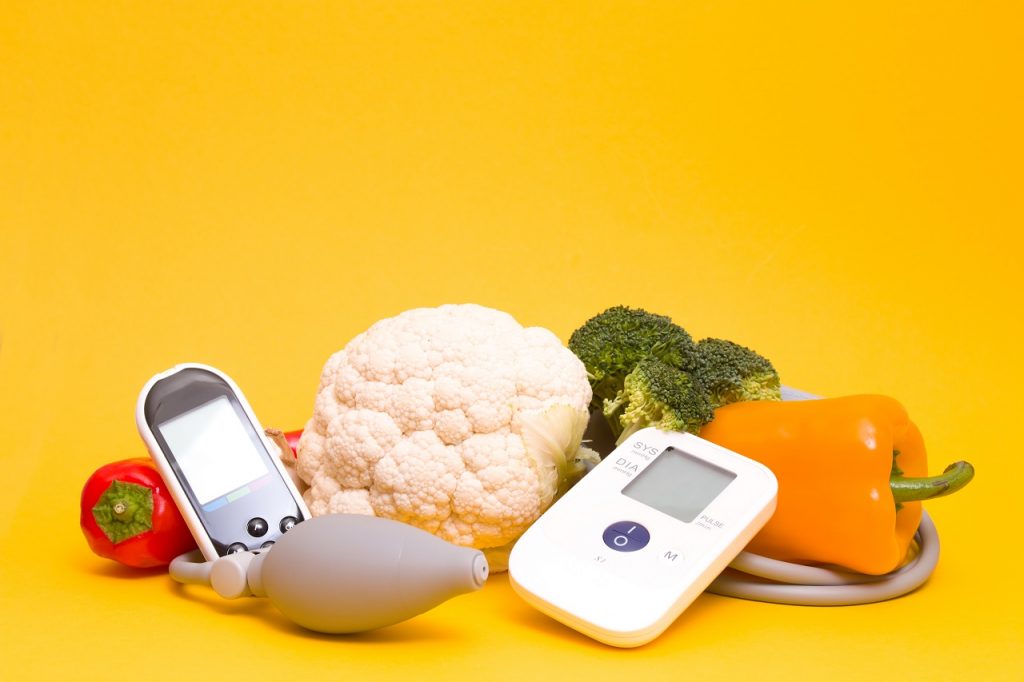
Foods To Manage Blood Sugar Naturally

manage blood sugar

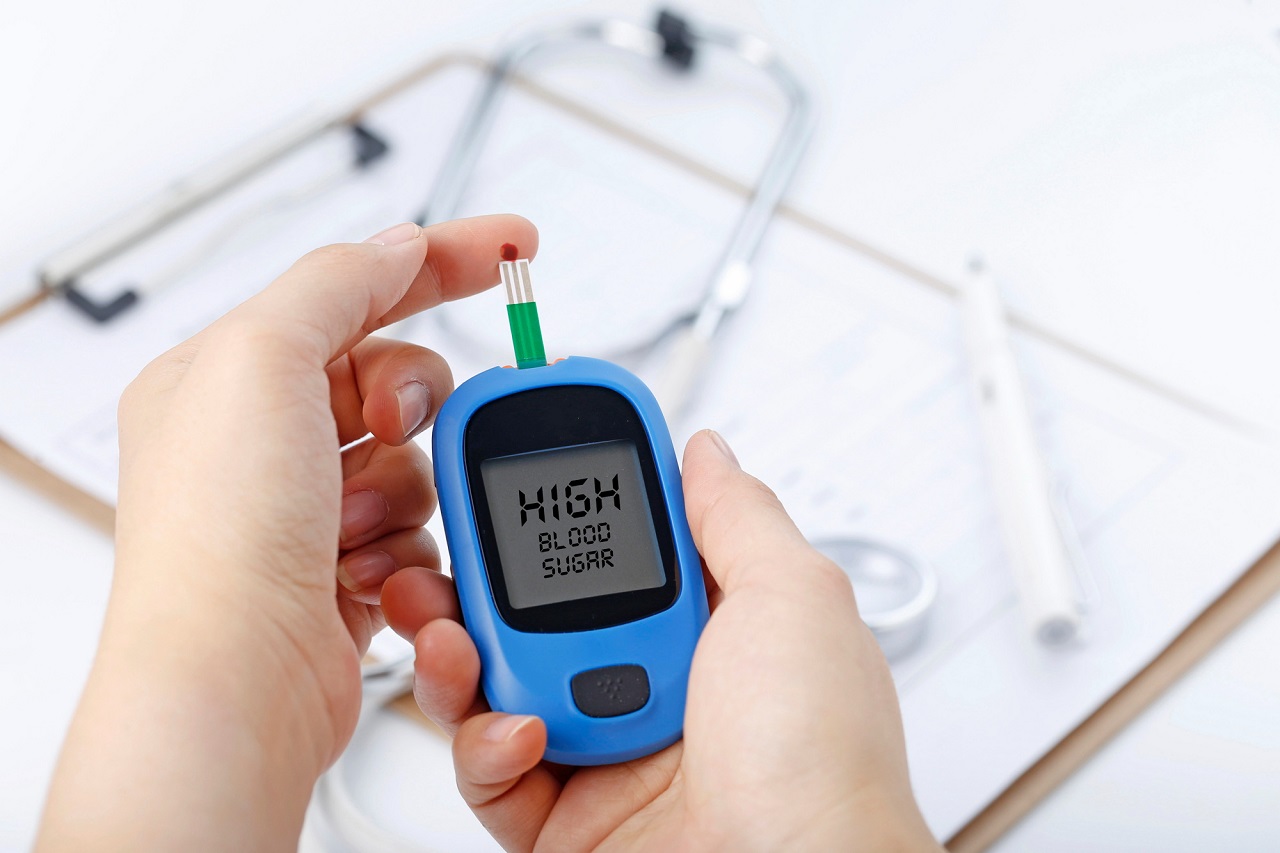
By now, we’re all aware that Diabetes is a condition in which the body is unable to control the glucose entering the bloodstream. Along with medicines, food is key to controlling it. As it is a slow progressive disorder, it makes our organs weak and affects their functioning like a slow poison. Hence, it is really important to keep our blood sugar levels under control. Let’s see how we can manage blood sugar naturally with food. 

Foods That Manage Blood Sugar Naturally 

High blood sugar occurs when your body can’t effectively transport sugar from blood into cells. If sugar levels go high, you need to add the following food to your diet. 

1. Eat More Green Leafy Veggies
Leafy green vegetables are extremely nutritious and low in calories. They’re also very low in digestible carbs, so they won’t significantly affect blood sugar levels. Spinach, kale, methi, bathua and other leafy greens are good sources of many vitamins and minerals, including vitamin C. People with diabetes have a greater requirement of vit C as it acts as a potent antioxidant and also has anti-inflammatory qualities. Increasing dietary intake of vitamin C-rich foods can help people with diabetes increase their serum vitamin C levels while reducing inflammation and cellular damage. In addition, leafy greens are good sources of the antioxidants – lutein, zeaxanthin. These antioxidants protect your eyes from macular degeneration and cataracts, which are common diabetes complications. Leafy green vegetables are rich in nutrients like Vitamin C, as well as antioxidants that protect your heart and eye health. You can add these veggies in all meals in different forms like sabji, soup, salads, in roti , paratha, chutneys etc.

2. Addition of Micronutrients
Chromium is involved in carb and fat metabolism. It also helps control blood sugar levels. Lack of chromium may predispose you to carb intolerance. Chromium rich foods include egg yolks, whole-grain products like millets, coffee, nuts, green beans, broccoli and meat (in moderation).

Magnesium-rich foods include dark leafy greens, whole grains, fish, dark chocolate, bananas, avocados and beans (not matured).

3. Reduce Carb Intake
Reduction in carb intake not more than 100grams per day, avoiding simple carbs like maida products and packet atta as well. Try to get coarse atta which has wheat husk, add isabgol in roti to reduce the spike in sugar levels after meals. Add whole grains like millets, jawar, chana, chia seeds and quinoa to your daily meals.

4. Add a Good Amount of Nuts
All types of nuts contain fiber and are low in net carbs, high in essential oils and protein to regulate sugar levels and provide nutrients.

  • Almonds: 2.6 grams
  • Brazil nuts: 1.4 grams
  • Cashews: 7.7 grams
  • Hazelnuts: 2 grams
  • Macadamia: 1.5 grams
  • Pecans: 1.2 grams
  • Pistachios: 5 grams
  • Walnuts: 2 grams

5. Add Seeds To Your Diet
These are rich in good fats, protein, dietary fibers and have the ability to reduce hunger pangs and craving for sugar. They also provide constant energy supply to diabetics.

  • Flax seeds – 1 to 2tbps per day 
  • Sunflower seeds – 2tbs per day
  • Pumpkin seeds – 2tbps per day
  • Sesame seeds – 1tbps per day
  • Methi seeds – 1 to 2tsp soaked.

Nuts and seeds can be easily added as evening snacks, in salads and to your morning breakfast too.

People with diabetes often experience low blood sugar levels. Certain medications, excessive alcohol consumption, some critical illnesses and hormone deficiencies can also cause hypoglycemia without diabetes. To fix this, you can have:

  • A small apple, banana, or orange
  • 15 grapes
  • A few prunes
  • 2 tablespoons of raisins or dates
  • 1/2 cup of juice or regular (not diet) soda
  • 1 tablespoon of honey or sugar
  • Hard candy, jellybeans, or gummy candy check on ingredients before consuming.
  • Glucose tablets or Lemon sharbat with sugar but without salt. 

These are a few foods we need to add to our diet to manage blood sugar naturally – this along with exercise for approx 30 mins a day. For more on managing blood sugar, check out Healthy Reads or consult a GOQii Coach by subscribing for Personalised Health Coaching here.

#BeTheForce 
April 19, 2023 By Tabassum Parveen 2 Comments

Should You Fast During Ramadan if You Are Diabetic?

diabetes and ramadan

Just a few days back, I was walking down a lane when I came across a person who fainted and fell before me. I got curious and learned that the man was fasting and he had recently been diagnosed with diabetes. He was given immediate medical support and revived.

This incident primarily occurred because he was unaware about the disease. He fell unconscious because the blood glucose levels of his body spiked up while fasting due to the change in medical timings and improper meals. It got me thinking if it is really safe for a diabetic to fast during Ramadan.

What Is Diabetes?

To keep it short, Diabetes is a condition where the blood sugar level is high due to the lack of Insulin – a hormone produced by the Pancreas. Insulin converts glucose into energy and supplies it to every single cell present in the body. The 3 main type of Diabetes include Type 1, Type 2 and Gestational.

In Type 1, the Pancreas stop working and in Type 2, the body produces a little Insulin or does not use it properly. This results in several health problems. Gestational Diabetes often occurs during pregnancy and it generally goes away after delivery.

Should You Fast During Ramadan If You’re Diabetic? 

During this holy month, the Muslim community observes a fast, eating only before sunrise (Suhoor) and after sunset (Iftar). They are not allowed to eat or drink anything in between. However, there is an exception towards people with medical ailments.

Diabetics and those at lower or moderate risks may choose to fast but there certainly isn’t a choice for those at higher risks. If you do choose to fast, keep an eye over blood sugar levels throughout the day. Most importantly, consult a doctor before fasting to avoid medical emergencies.

What Happens To Diabetics When They Fast?

Monitoring your blood glucose level while fasting is crucial for a diabetic. When healthy individuals consume food, Insulin is released by the Pancreas and it stores Glucose in the Liver and Glycogen in the Muscles which balance out the Blood Glucose Levels and maintain it at optimal range.

This process tends to malfunction during fasting which results in lack of Insulin in the blood, leading to either of the two conditions called Hyperglycemia or Hypoglycemia.

  • Hypoglycemia: This is a serious health condition where blood glucose levels drop below 70mg/dl. It requires immediate medical attention. If a person who is fasting feels shakiness or experiences headaches, sweating or lack of concentration, they must break their fast immediately to avoid any severe complications. Complications may range from seizures, coma to death. A bar of chocolate, a sugary drink or a small bowl of curd rice with sugar must be consumed if Blood Sugar Levels are exceptionally low. If a person breaks their fast on such an emergency, visit a doctor immediately.
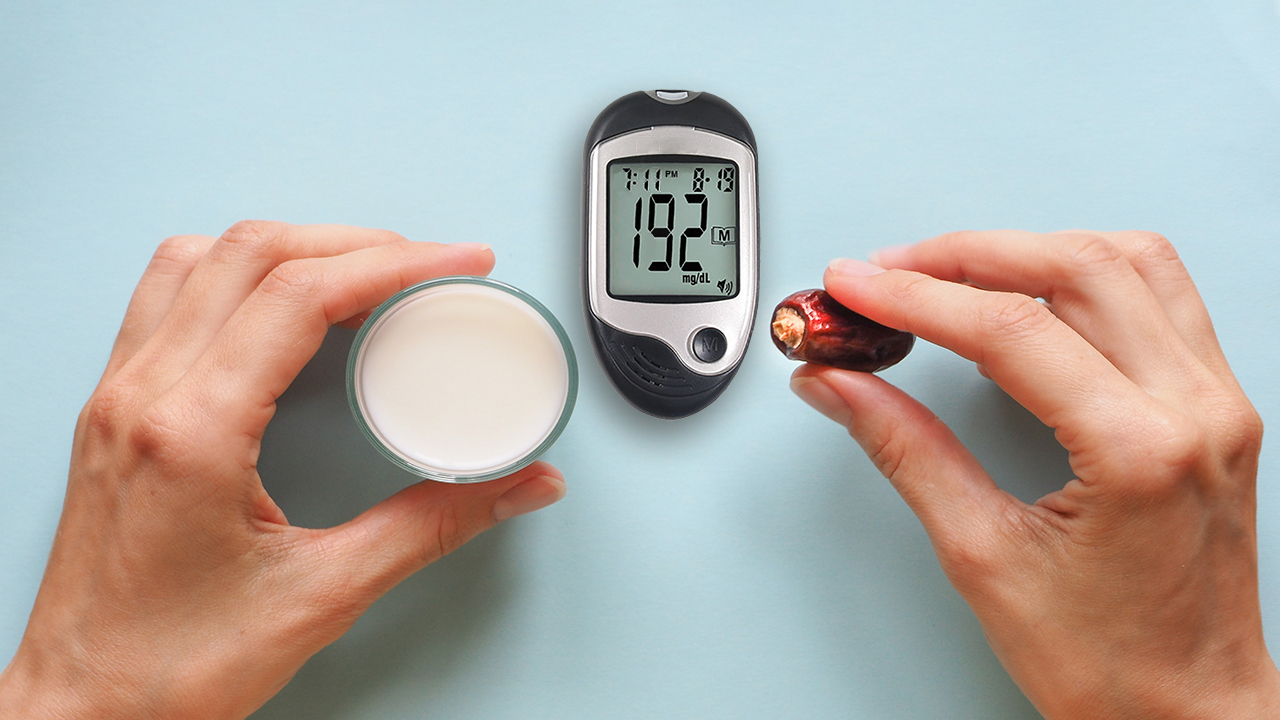
  • Hyperglycemia: This occurs when your sugar levels are as high as or more than 200mg/dl.  Common symptoms include extreme thirst, tiredness, and frequent urination. In such a situation, take advice from your doctor if you should continue your fast or not. Hyperglycemia affects each part of your body. If larger blood vessels are affected, you may face risks of stroke or a heart attack. On the contrary, if smaller blood vessels are affected, then you may face issues with your eyes, nerves and kidneys.
  • Diabetic Ketoacidosis: This is a condition where Blood Glucose Levels go extremely high and a person experiences abdominal pain, rapid breathing, nausea and vomiting. It requires immediate medical attention. In such situations, it is best to consult with a doctor.
  • Dehydration: While fasting, one may experience dehydration, especially those who work outdoors under the scorching heat of the sun. Due to lack of fluids, sugar may accumulate in the system, resulting in high blood sugar levels which can make you pass urine frequently. To overcome such dehydration during Ramadan, try to drink plenty of water after Iftar till Suhoor.

Managing Diabetes While Fasting During Ramadan

Fasting during the holy month of Ramadan is an individual’s decision. It can be managed with lifestyle changes, advice from a doctor and frequent monitoring. A few things you should consider are:

1. Pre-Diabetic Health Checkup: A Health checkup and monitoring your glucose levels before the month of Ramadan is necessary. You can also try fasting before Ramadan to see if you can manage it. Check your medication timings and discuss it with your doctor if you choose to fast.

If you consume medicines at Suhoor and keep a fast the entire day, chances are that your blood glucose levels might drop. Your blood glucose levels might even spike in the evening when you break your fast due to the intake of meals. Hence, discuss your medication timings and keep a glucometer handy to avoid medical emergencies.

2. Nutrition: If you are diabetic, ensure that both your meals are balanced. Opt for low Glycemic Index foods and Complex Carbs which digest slowly. Go for high fiber foods at Suhoor to manage blood glucose levels during fasts. Foods such as oats, Talbina (barley-based dish), brown rice, pasta and a bowl of vegetable salads work best.

Sorghum (Jowar) or Pearl Millet (Bajra) flattened bread (rotis) with Curd Raita is the best choice. A glass of buttermilk is also a good option. You can have Basil Seeds Water during Suhoor as it is rich in antioxidants, protein, good fats and fiber, all of which help in controlling diabetes.

A little protein in the form of chicken, fish, beans and legumes can also be included as they keep you full for a longer period of time and get absorbed slowly. However, people with kidney problems should take extra care to increase protein intake.

During Iftar, break your fast slowly. Chew properly and consume small amounts of food at different intervals as glucose levels may spike up if you consume a large meal at once. Have a small bowl of fruit salad or a glass of lassi (yogurt based drink) before heavy meals. Choose baked or grilled foods as compared to something fried and oily.

Sprouted salads, boiled chickpeas, or fruits are good options to include before you begin your meal. Don’t forget to hydrate yourself. Avoid sugary drinks or caffeinated beverages and choose fresh fruit juices such as beetroot juice or herbal iced tea.

We hope this article helps you stay healthy and maintain a fast without any complications or medical emergencies. If a medical emergency should arise, visit your doctor immediately.

If you found this article to be helpful, let us know your thoughts in the comments below. You can browse through more articles related to diabetes here.

If you need help or support managing Diabetes, join GOQii’s Diabetes Care Program. It’s India’s only diabetes program that is driven by Smart Science and Personal Coaching to improve Fasting Blood Sugar (FBS), Postprandial Blood Sugar (PP), and reduce HbA1c levels. You can subscribe here.

#BeTheForce

January 13, 2023 By Rajashree Menon Leave a Comment

Taking Ownership Of Diabetes Through Education and Awareness

Diabetes ManagementDiya was a young girl who seemed as active as can be. She trekked, hit the gym, albeit sporadically, had a healthy appetite and as she called it, ‘lived to eat’. At 30, there was a blood donation drive and check-up in the organisation she worked at and here, she was diagnosed with diabetes. There were no other alarm bells ringing; she thought she was healthy! The doctor prescribed medications. She carried on with her life till a shooting pain in the chest made her rethink her lifestyle.
Prakash was detected with Diabetes in his late 30’s. A history of smoking, stress infused work situation, being overweight and a family history of Diabetes made a potent combination which led him to the road to Diabetes. He continued his unchecked lifestyle along with sporadic visits to the general practitioner till he found his vision blurring and a burning pain in his limbs, which made it difficult for him to sleep. Faced with diabetes complications, he knew he had to seek help from the right doctors, eat the right diet and correct his lifestyle before it was too late.

That is the scenario for most people and that is the stealthy attitude of diabetes; it creeps in and hits you. Once diagnosed, either medication is taken or not. Rarely is there a consistent follow-up. Medications tend to plateau after a while and if there is no consultation with doctors regularly, no scheduled blood tests, no nutrition assessments, no exercise patterns, it augurs for something deep and dark. This is seen as the initial concerns with diabetes control. Not everyone takes it critically. But not everyone has access to proper doctors and nutritionists.

Diabetes Is Not Taken As A Serious Disease

Consistency is key for maintaining and even reversal. Yes, in the early stages, a reversal is possible. A diabetes patient needs support, needs family and friends to assist in their journey, as it is a challenge. More than mere support, it is about adherence.

It is about breaking the habit. It is about changing habits. The first feeling when one is diagnosed is shock, helplessness, feeling of depression. As an illness, diabetes is debilitating in the long run as it has an overall effect on almost every part of the body, externally and internally. And yet, it can be controlled, and in some cases, reversed.

But now comes the challenging phase of education i.e. control and solution, and it is not easy. Besides medical advice, traditional indigenous methods are offered, and they have been helpful. Hence, understanding what goes into the treatment of diabetes is crucial.

So let’s look at the aspects of diabetes management.

1. Education

At first, you’ve got to understand the diagnosis – is it Type 1 or Type 2. Understand the various repercussions of the type of diabetes you have. Consult your doctor, read reputed websites for knowledge of diabetes and diabetes management. Listen to conventional wisdom and follow the advice of the doctors. Get on a plan.

2. Nutrition

Nutrition involves two aspects – Medication – those suggested by the doctors and home grown indigenous supplementary methods have also been beneficial. The other aspect is Food – what can be eaten, what can be paired together, and what must be avoided.

Meal composition – high protein, low carbs. Understanding foods with a high glycaemic index (foods that spike up sugar levels in the blood are to be avoided). Another important aspect is the timing of when you eat. Fad diets are not helpful and can be harmful. Sustainable, sensible eating and not temporary ‘diet eating’, one in which you can measure what you eat for a long period of time, is important.

Hydration – drinking water is extremely essential. Essentially, what you ingest can help in lowering possible future microvascular damage and other complications.

3. Control

Diabetes care needs discipline. Controlling diabetes involves complying with a proper course of medication and a healthy living construct. It is imperative that you maintain regular follow-ups with the doctor. Blood work, especially HbA1C levels must be checked every quarter to enable proper diabetes care.

Most doctors complain that follow-ups are low, if any. What has shown progress is that along with medications, the main aspect is weaving exercise into your lifestyle. Walking and light exercise has shown to have tremendous benefits in controlling and lowering HbA1C levels. Recent studies have shown that a 10-minute walk after every meal has proved as beneficial as a 30-minute walk every day.

4. Solution

So how do we control and/or reverse diabetes? Diabetes may be a global pandemic and India has the second highest number of cases, but the solution is simple! It is proper management through medication adherence, education, lifestyle changes, self-monitoring, keeping up with doctor appointments and awareness of the issues that could be faced in the future.

The first step is to take ownership of the disease. This can be achieved through awareness, which happens through education. The medical community and the Diabetes Patient Community on Social Media and other close knit communities or groups ensure that you understand what people are going through, and the solutions that are available. Holistic management of diabetes ensures that the patient with diabetes wins in the game of life. Do not panic. It is easy and definitely do-able. It is not rocket science!

If you need help or support managing Diabetes, join GOQii’s Diabetes Care Program. It’s India’s only diabetes program that is driven by Smart Science and Personal Coaching to improve Fasting Blood Sugar (FBS), Postprandial Blood Sugar (PP), and reduce HbA1c levels. You can subscribe here: https://store.goqii.com/diabetescare

For more tips on how to manage diabetes, check out Healthy Reads.

#BeTheForce

October 4, 2022 By Geetika Patni Leave a Comment

Barley and Ragi: The Best Grains For Diabetes & Their Benefits

Best grains for diabetes If you’re diagnosed with Diabetes, white rice and anything made with white flour such as bread or pasta and other refined grains are off the table. This leaves us with little options. Out of these limited options, Barley and Ragi can work wonders if you want to stop those surges in blood sugar. Here’s why we think Barley and Ragi are the best grains for diabetes.



Why Are Barley and Ragi The Best Grains For Diabetes?

Barley is a wonder grain, not only for diabetics, but for everyone. This grain helps diabetics specifically because it is high in fiber content (soluble and insoluble) which makes it a low GI food. Consuming Barley will not raise your blood sugar levels like a piece of bread or a cup of polished white rice would.

If you’re wondering how Barley achieves that, it’s because of the Beta Glucan fibers in it. Thanks to these fibers, the release of sugars in the bloodstream is slowed and when consumed, it helps a person keep their sugar levels well within the target zones – for post prandial – that is post meal sugar, as well as the fasting sugar levels, which improve because consuming barley keeps you satiated for a longer duration, so you are less hungry and eat less frequently.

Moreover, Barley is a good source of magnesium which is very important for diabetics as deficiency of magnesium is known to cause insulin resistance, and a magnesium-rich diet helps in improving insulin sensitivity of cells which results in better blood sugar control. 1 cup of barley consumption covers 61% of your daily magnesium requirement.

What Is The Best Way To Consume Barley? 

Make sure to go for hull-less Barley which is the truly whole grain variety of Barley. More processed type is known as pearl Barley and may have less nutrient density as compared to hull-less Barley. The way to consume it is by adding it to soups, stuffing, flour, etc. or by having barley water more commonly known as ‘Jau Ka Pani’ which is prepared by soaking a cup of barley overnight. Adding Barley in a diabetic diet serves a lot of benefits!

How Does Ragi Help Manage Diabetes? 

If we speak of Ragi, it also comes from the millet family and contains higher amounts of calcium and phosphorus as compared to some other cereals and grains. Diabetics who have gluten resistance and cannot consume wheat or barley can opt for Ragi as it is gluten-free. Ragi also has very less cholesterol and very high antioxidant activity, which helps meet the overall nutritional requirement for a diabetic. 

However, it’s best to consume Ragi in moderation and rotate with other whole grains for best benefits on sugar control. For diabetics, the best approach to carbohydrate consumption is to stick to rotation of whole grain foods.

We hope this article on the best grains for diabetes helps you. For more on managing diabetes, check out Healthy Reads. 

For further guidance and motivation by certified experts, join the GOQii Diabetes Care program. It’s India’s only diabetes program that is driven by Smart Science and Personal Coaching to improve Fasting Blood Sugar (FBS), Postprandial Blood Sugar (PP), reduce HbA1c levels and let you win gold! You can subscribe here: https://store.goqii.com/diabetescare.

#BeTheForce 

  • « Previous Page
  • 1
  • …
  • 8
  • 9
  • 10
  • 11
  • 12
  • …
  • 14
  • Next Page »

Search

Recent Posts

  • PCOS and Anxiety: Discover Relief with the 54321 Technique
  • Navigating the Maze of Nutrition: Finding Clarity Amidst Confusion
  • Get children active and keep them healthy
  • What Gestational Diabetes Can Do To You & Your Unborn Child
  • Breathing – A Forgotten Art

Stay Updated

Archives

  • December 2025 (4)
  • November 2025 (15)
  • October 2025 (20)
  • September 2025 (6)
  • August 2025 (6)
  • July 2025 (12)
  • June 2025 (18)
  • May 2025 (16)
  • April 2025 (23)
  • March 2025 (23)
  • February 2025 (22)
  • January 2025 (26)
  • December 2024 (26)
  • November 2024 (25)
  • October 2024 (22)
  • September 2024 (24)
  • August 2024 (31)
  • July 2024 (21)
  • June 2024 (26)
  • May 2024 (31)
  • April 2024 (27)
  • March 2024 (29)
  • February 2024 (26)
  • January 2024 (25)
  • December 2023 (15)
  • November 2023 (11)
  • October 2023 (22)
  • September 2023 (22)
  • August 2023 (20)
  • July 2023 (22)
  • June 2023 (24)
  • May 2023 (24)
  • April 2023 (24)
  • March 2023 (23)
  • February 2023 (20)
  • January 2023 (16)
  • December 2022 (12)
  • November 2022 (15)
  • October 2022 (15)
  • September 2022 (12)
  • August 2022 (10)
  • July 2022 (17)
  • June 2022 (11)
  • May 2022 (10)
  • April 2022 (6)
  • March 2022 (6)
  • February 2022 (13)
  • January 2022 (12)
  • December 2021 (7)
  • November 2021 (3)
  • October 2021 (6)
  • September 2021 (3)
  • August 2021 (8)
  • July 2021 (7)
  • June 2021 (15)
  • May 2021 (16)
  • April 2021 (10)
  • March 2021 (7)
  • February 2021 (4)
  • January 2021 (4)
  • December 2020 (3)
  • November 2020 (4)
  • October 2020 (10)
  • September 2020 (3)
  • August 2020 (3)
  • July 2020 (2)
  • June 2020 (4)
  • May 2020 (10)
  • April 2020 (12)
  • March 2020 (10)
  • February 2020 (4)
  • January 2020 (4)
  • December 2019 (3)
  • November 2019 (7)
  • October 2019 (5)
  • September 2019 (4)
  • August 2019 (9)
  • July 2019 (9)
  • June 2019 (11)
  • May 2019 (4)
  • April 2019 (9)
  • March 2019 (8)
  • February 2019 (9)
  • January 2019 (8)
  • December 2018 (9)
  • November 2018 (3)
  • October 2018 (3)
  • September 2018 (5)
  • August 2018 (10)
  • July 2018 (6)
  • June 2018 (13)
  • May 2018 (8)
  • April 2018 (18)
  • March 2018 (9)
  • February 2018 (8)
  • January 2018 (15)
  • December 2017 (12)
  • November 2017 (19)
  • October 2017 (13)
  • September 2017 (15)
  • August 2017 (4)
  • July 2017 (8)
  • June 2017 (7)
  • May 2017 (6)
  • April 2017 (8)
  • March 2017 (6)
  • February 2017 (7)
  • January 2017 (9)
  • December 2016 (10)
  • November 2016 (7)
  • October 2016 (7)
  • September 2016 (7)
  • August 2016 (11)
  • July 2016 (9)
  • June 2016 (9)
  • May 2016 (12)
  • April 2016 (17)
  • March 2016 (17)
  • February 2016 (8)
  • January 2016 (6)
  • December 2015 (2)
  • November 2015 (9)
  • October 2015 (7)
  • September 2015 (9)
  • August 2015 (11)
  • July 2015 (9)
  • June 2015 (12)
  • May 2015 (9)
  • April 2015 (13)
  • March 2015 (8)
  • February 2015 (5)
  • January 2015 (12)
  • December 2014 (14)
  • November 2014 (11)
  • October 2014 (6)
  • September 2014 (13)
  • August 2014 (12)
  • July 2014 (6)
  • June 2014 (2)
  • May 2014 (7)
  • April 2014 (5)

From “Laddu Nawin” to Fit and Fierce: How a 25-Year-Old Insurance Advisor Shed 20 Kilos and Gained His Life Back

When 25-year-old Nawin Yadav from Hyderabad walked into his office every morning, he carried more than just his files and policy papers. He had the weight of fatigue, sluggish energy, and an ever-growing belly that was becoming the butt of jokes. “People … [Read More...]

“I’ve Challenged Myself to Live 100 Years” – The Story of Chandubhai Savani’s Second Chance at Life

At 67, most people start slowing down. Not Chandubhai Savani. A resident of Surat, Chandubhai, thought life was on track. “My life was going well till I had my bypass surgery,” he says. That surgery, back in 2021, was a wake-up call.  Medication was routine, but exercise wasn’t. His diet? What he calls ‘normal.’ “I […]

From Shimla’s Slopes to Chandigarh’s Sidewalks: Surinder Kaur Bhalla’s Journey from Chaos to Control

Some journeys start with a plan. Others begin with a stumble literally. Surinder Bhalla, a government professional, born and raised in the scenic hill town of Shimla, had always lived a life of movement. “In Shimla, you walked everywhere,” she reflects. “Walking was never an exercise. It was just life.” But after shifting to Chandigarh, […]

Ananda Mukherjee Health Story

From Terminal Illness To Complete Wellness! Ananda Mukherjee Health Story

As we observe World Cancer Day under the powerful theme ‘United by Unique’ (2025-2027)**, we are reminded that every individual’s journey with cancer is distinct, yet united by shared resilience, hope, and the collective fight against this disease. This theme places people at the centre of care and their stories at the heart of the […]

  • HOME
  • HEALTHY LIVING
  • FITNESS
  • HEALTHY RECIPES
  • USER STORIES
  • KARMA
  • BUY GOQii

Copyright ©2016 GOQii