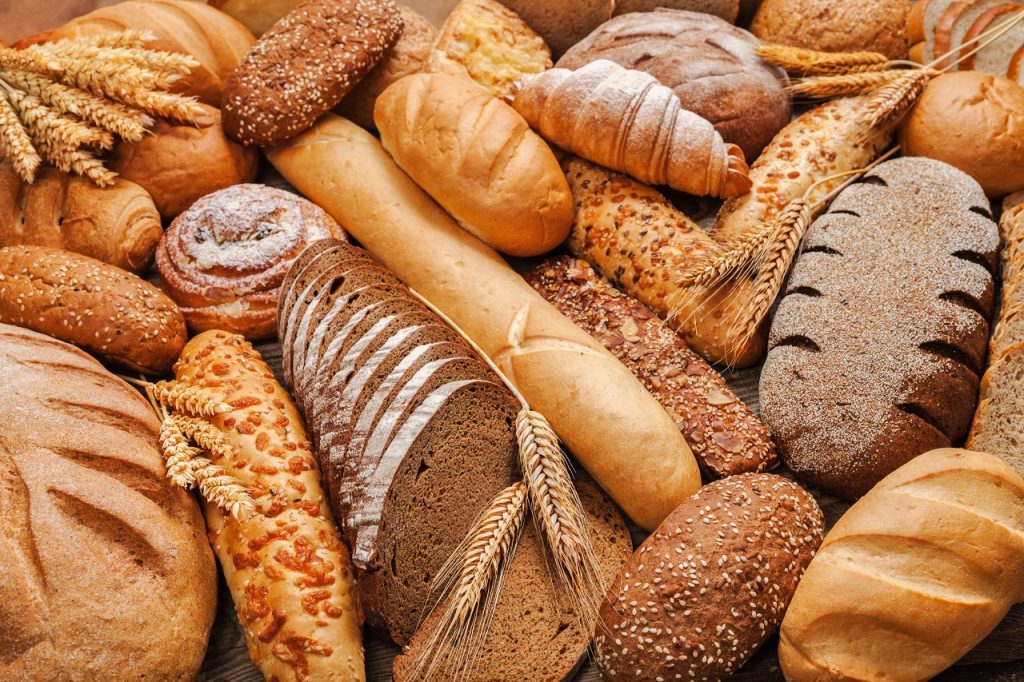
 We are all well aware of terms like whole wheat, multigrain, seven-grain, 12-grain, all natural, organic and enriched. Often, we try to look out for the healthiest option when we hit the grocery store to buy that perfect piece of loaf. Every time you eat bread, be it a sandwich, a muffin or a bagel, you’ve got an opportunity to improve your diet. For most us, choosing whole-wheat bread products is the easiest way to eat more super-healthy whole grains. But, when you’re standing in front of the bread array in the supermarket, by just reading the various label claims, just how do you know which is the best bread to buy? Choosing the best bread can be confusing. Here are three bread myths that need to be DEBUNKED!
3 Bread Myths Busted!
#1: If it looks brown and has the word “wheat” in the name, it has lots of fiber and whole grain.
The Truth: Its always the first ingredient listed on the ingredient label that tells the story. If it’s “wheat flour” or “enriched bleached flour” (or similar), that tells you white flour was mostly used, not “whole-wheat flour”.
#2: Breads with healthy sounding names like “seven-grain” or “100% natural” are the best choices.
The Truth: Just because the name of the bread on the package sounds super-healthy, it doesn’t mean the bread actually is healthy. Certain seven-grain and 12-grain breads, for example, list “unbleached enriched flour” as their first ingredient and some are mainly made with “wheat flour”, not whole wheat.
#3: Rye bread is a 100% whole-grain, high-fiber choice.
The Truth: The first ingredient listed on the label of most brand brands of rye bread is none other than unbleached enriched flour. The second ingredient is usually water, and the third, rye flour. That explains why most rye breads have only 1 gram of fiber per slice (some have less than that). So, rye bread isn’t usually 100% whole grain.
Tips To Buy The Best Bread
1. Just “whole wheat” or “made with whole grain”, doesn’t classify as healthy
Look for labels that say “100% whole wheat” or “100% whole grain”, and don’t settle for anything less. If it’s 100% whole wheat, the first ingredient listed in the ingredient label has to be whole-wheat flour or 100% whole-wheat flour. You want whole grains because they’re naturally low in fat and cholesterol free; contain 10% to 15% protein, and offer loads of healthy fiber, resistant starch, minerals, vitamins, antioxidants, phytochemicals, and often, phytoesterogrens (plant estrogens). With all those nutrients in one package, it’s no wonder whole grains provide so many health benefits.
2. Watch the Sodium
Most bread products come with a dose of sodium which is added to help control the yeast activity and for flavor. If you eat three servings of whole grain bread a day and each slice has about 200 milligrams of sodium, that contributes 600 milligrams to your daily sodium total. It may not sound like much, but it represents one-third of your limit if you’re trying to stay within 1,800 milligrams a day.
3. Serving Size Matters
When comparing bread products, look carefully at the serving size on the label. Some bread slices are much larger than others.
4. “Diet or Light” Isn’t Always Better
There are several brands of bread that are promoted as being low in calories. They usually have the word “light” in the name or on the packaging. Often, “light” bread means a smaller serving size and a product that is pumped with some extra fiber.
A Quick Checklist Before You Buy Bread:
- 4 grams of fiber per 2-slice serving (or similar)
- 100% whole wheat flour as the first ingredient on the label
- Less than 401 mg sodium per 2-slice serving
- 1 gram saturated fat or less per 2-slice serving (most have zero saturated fat)
We hope we’ve busted those bread myths and this article helps you buy the best bread out there without compromising your health. If you found this article helpful, please share your thoughts in the comments below!
For more tips on nutrition, click here or ask a GOQii Coach for assistance by subscribing for Personalised Health Coaching here.
#BeTheForce
 As a lifestyle coach, I often hear people complain about how they have been working on their health goals, but not getting anywhere. Most times, they aren’t able to achieve that “perfect target” is because they are either confused about the target they want to set or don’t know how to plan a strategy to achieve that goal. The simple solution is to plan SMART goals.
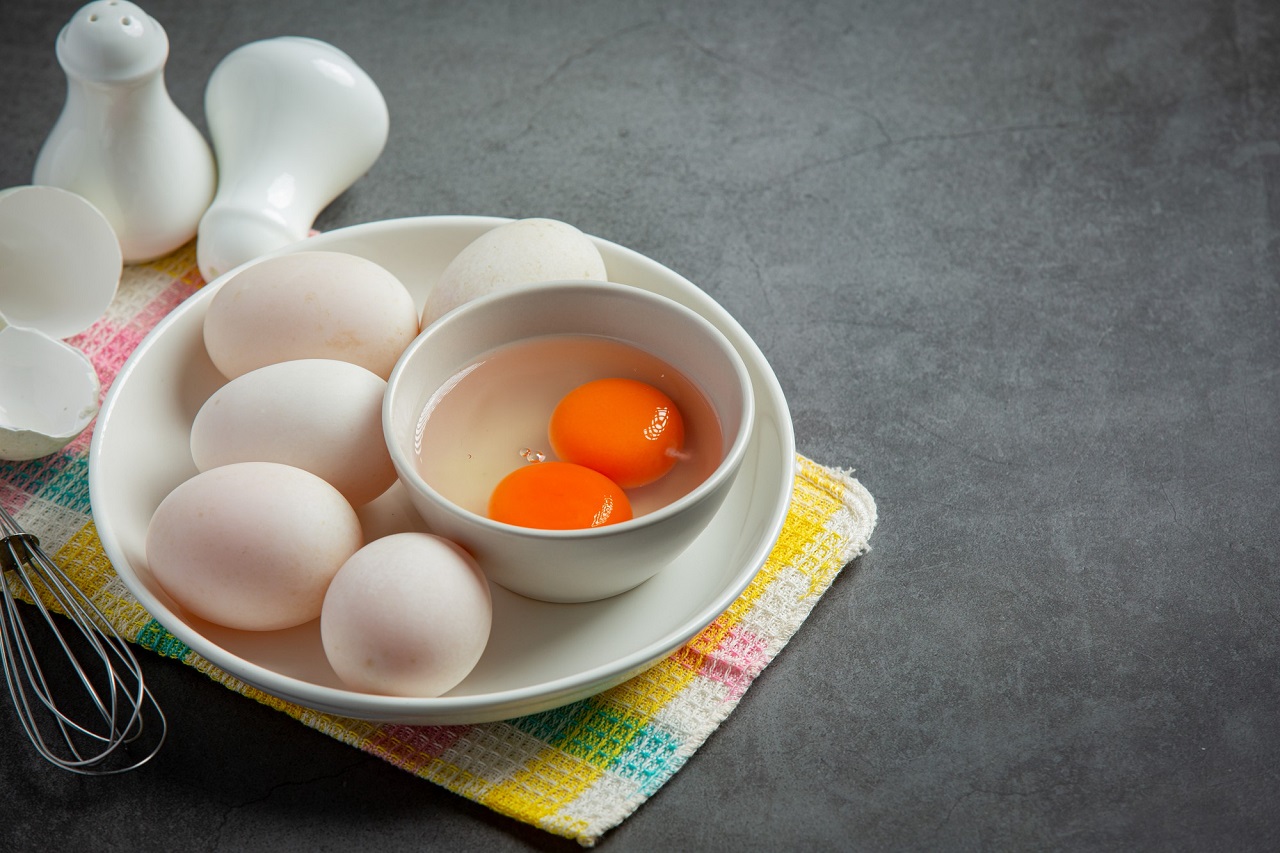 Eggs are the easiest and fastest to cook. Not to mention, they’re one of the most favorite meals! Almost all of us savor eggs in various preparations such as an omelette, boiled eggs, poached eggs, fried eggs, scrambled eggs, egg curry, egg sandwich, and many more.
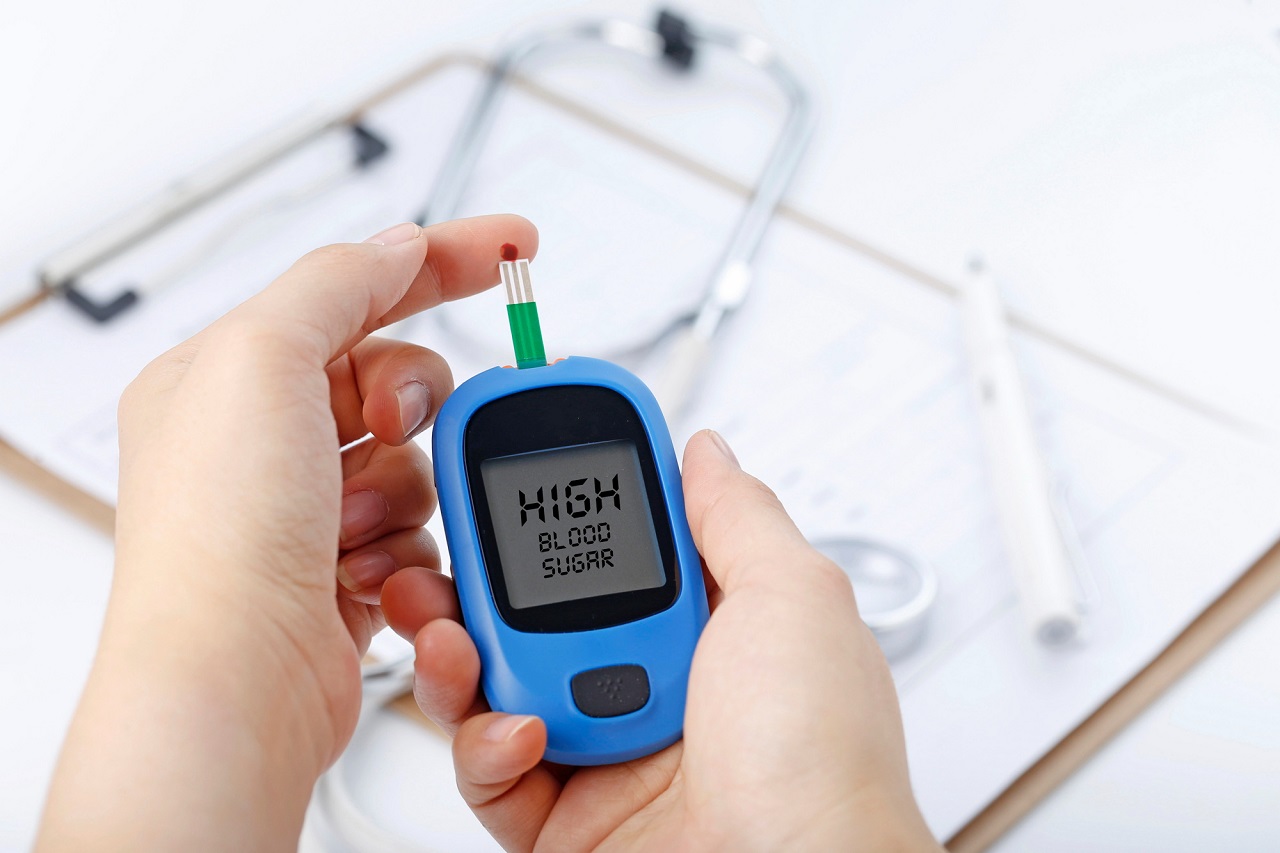 Diya was a young girl who seemed as active as can be. She trekked, hit the gym, albeit sporadically, had a healthy appetite and as she called it, ‘lived to eat’. At 30, there was a blood donation drive and check-up in the organisation she worked at and here, she was diagnosed with diabetes. There were no other alarm bells ringing; she thought she was healthy! The doctor prescribed medications. She carried on with her life till a shooting pain in the chest made her rethink her lifestyle.


