GOQii

Blog

  • HOME
  • HEALTHY LIVING
  • FITNESS
  • HEALTHY RECIPES
  • USER STORIES
  • KARMA
  • BUY GOQii

January 17, 2024 By Dr. Naina Sudarshan 9 Comments

5 Simple Yoga Asanas To Strengthen Lungs

Simple Yoga Asanas

Lungs are the most important organs of the body as it involves the breathing process. Proper functioning of the lungs is critical for all the other body parts to function well. Recent global health challenges, exemplified by the impact of respiratory infections like COVID-19, SARI, and ILI, underscore the critical importance of pulmonary health. Though we all know Pranayamas are controlled breathing or breathing exercises in Yoga, actual control of breathing starts with Yoga Asanas or the postures. Each Asana has its own breathing pattern. Breath or Prana is the primary source of energy or the force that keeps us alive. So, it is important to keep our lungs healthy and strong. Practising simple yoga asanas can have huge benefits on our lungs and overall health. Here are 5 simple Yoga Asanas which can strengthen our lungs with other benefits.

Simple Yoga Asanas To Strengthen Lungs 

1. Tadasana (Mountain Pose)
simple yoga asanas

This posture fills the lungs with plenty of fresh air as we inhale, expanding the rib cage and abdomen. All the alveoli in the lungs are filled with extra oxygen, enhancing the lungs’ performance.

Method:

  • Stand straight with both feet 2 inches apart
  • Inhale deep and raise both arms over the head, interlocking fingers with palms facing up
  • Lift both the heels slowly, raising your entire body upward
  • Balance your entire body on your toes
  • Hold the position for few seconds while inhaling and exhaling normally
  • Slowly exhale while lowering the hands and heels down
  • Return to the rest position

2. Trikonasana (Triangle Pose)
This asana opens up the chest cavity, allowing the airways to open for the lungs to receive air easily.

Method:

  • From a standing straight position, spread your legs apart for 3-4 feet
  • Turn the right foot out 90 degrees toward the right
  • Turn the left foot about 30 degrees inwards to the right
  • Inhale and raise both the arms up on the sides, keeping the shoulders relaxed
  • Exhale and slowly bend your body to the right side
  • Try to touch your right foot with your right hand until the body is parallel to the ground and spine is straight
  • Slowly lift the left arm upward in line with the right arm
  • Hold this position for a few seconds while looking up toward the tip of the left hand
  • Slowly inhale and raise up your body. Exhale and bring down the arms on your sides
  • Repeat the same on the other side now

3. Ardha Matsyendrasana (Half Fish Pose)
This posture expands the chest and lungs on both sides

Method:

  • Sit on the floor with the legs stretched in front, feet together
  • Bend the right knee and keep the right foot with the sole up
  • Sit on the right heel so that the left side of the sitting fits on the arch of the right sole
  • Take the left foot over the right side of the right knee
  • Keep the left foot flat on the floor
  • Relax the shoulder and straighten up the spine
  • Place the right arm on the outside of the left knee with hand facing up
  • Inhale while lifting the rib and exhale while slowly twisting the spine towards the left
  • Keep the right palm flat on the back of your right foot
  • Turn your head towards the back from left side
  • Maintain the pose for few seconds
  • Slowly exhale and get back to the sitting position
  • Repeat the same on the other side

4. Bhujangasana (Cobra Pose)
Though there are many benefits through this pose, it expands the chest and lungs to improve the lung capacity

Method:

  • Lie down with face down and feet together
  • Forehead should be touching the ground
  • Place both palms on the side of your shoulders
  • Elbows are close to the body
  • Inhale and tighten the hip and the tailbone
  • As you exhale, draw the shoulders back, lifting the upper body
  • Back and abdominal muscles are stretched
  • Look straight or towards the ceiling as much as you are comfortable
  • Hold the position for few seconds
  • Exhale and return to the face down lying position

5. Shashankasana (Rabbit Pose)
simple yoga asanasThis is one among the easy poses that is suitable for everyone. This is also called as child pose or Baalasana. It improves the lung capacity, expands the back part of the lungs, relieves upper and lower back issues and addresses spine issues

Method:

  • Sit in Vajrasana (Sitting on your feet with soles facing up and knees bent)
  • Inhale and slowly raise both the arms upwards straight above the head
  • Your abdomen and chest cavity are raised up with spine erect in this position
  • Now slowly exhale and bend forward with the spine erect
  • Let the abdomen rest on your knees
  • Hand stretched straight and rested on the floor above the head
  • Maintain this position for few seconds to few minutes while breathing normally
  • Inhale and raise your body and arms up
  • Get back to the Vajrasana position

All these Asanas have many other benefits on our health including increased flexibility, metabolism, toning the abdominal muscles and spinal health. People with back issues, neck issues, spine issues need to be cautious while doing any Yoga postures. It is always good to learn Yoga Asanas under good guidance. People having serious or chronic medical issues need to consult their doctors before doing Yoga.

We hope you try out these 5 simple Yoga Asanas to strengthen lungs and level up your health! For more articles on yoga, check out Healthy Reads or reach out to our certified experts by subscribing to GOQii’s Personalised Health Coaching here.

 #BeTheForce 

January 11, 2024 By Farhat Khan 2 Comments

What is Resting Heart Rate & How Can You Improve It?

Resting Heart Rate

If you want to know more about heart health, your Resting Heart Rate can tell you a lot! As we all know, our heart is responsible for providing blood and oxygen to each and every organ in the body and if there is any trouble in the heart, automatically the rest of the body will be impacted too.

What is Resting Heart Rate?

Resting heart rate (RHR) is known as your base or lowest heart rate. It can be defined as the number of times your heart beats per minute while you’re resting or not active. The normal resting heart rate reading should be in between 60 to 100 beats per minute (BPM). The term use for a heart rate below 60 bpm is called Bradycardia while a heart rate above 100 bpm is called Tachycardia. Usually, children tend to have a higher heart rate than adults. It is because of their faster metabolism. For a newborn, resting heart rate around 100 to 150 bpm is considered normal.

How Can You Measure It? 

Measuring heart rate is the same as checking your pulse. Currently, there are different ways to measure it – you can even measure it using your fitness tracker or band. You can also use the ancient method wherein, you place your index and middle finger on your wrist just below the thumb, or along either side of your neck, so you can feel your pulse. Remember not to use your thumb to take this measurement as it has its own pulse so you might not get the accurate measurement. Use a watch to count the number of beats for 30 seconds and double it so you will get the reading for per minute. Repeat it twice or thrice to make sure you get the accurate measurements. 

To get the proper readings, it is advised to check your resting heart rate as soon as you wake up before carrying out any other work or activity. 

Factors That Affect RHR 

Daily activities such as walking or drinking a cup of coffee, medications, hormones, body size, stress and activity level can change your resting heart rate. Some major factors include: 

  • Age
  • Lack of sleep
  • Dehydration
  • Stress
  • Obesity
  • Health conditions, lung disease and diabetes
  • Some medications like Beta blockers & calcium channels
  • Temperature
  • Exercise

Generally, lower heart rates are considered better as it shows your heart is working well with no extra effort. On the other side, a higher resting heart rate shows your heart has to work extra hard to pump blood.

Ways to Improve or Lower Heart Rate

  1. One of the reasons for increased RHR as one ages, is the lack of or less physical activity. As aging is a natural process, we can improve its impact on heart health by adding 30 minutes of walking or any other low impact exercise like cycling, swimming and dancing. Of course, your heart will beat fast during the activity and for a short time after that, but practicing it every day will automatically help in reducing your elevated resting heart rate.
  2. Guided breathing practices, yoga, tai chi, meditation, long walks and reading are all great ways to calm your mind and body, which will help in controlling your heart rate.
  3. Always try to get at least seven hours of sleep every night so your body gets sufficient time to recover from stress.
  4. Keeping yourself well hydrated helps blood flow through the body and makes the functioning of the heart easy as well. 
  5. Those who smoke have a higher RHR. Quitting brings it back down. 
  6. Keep a watch on body weight. The larger the body, the more the heart has to work to supply it with blood. Losing body weight helps in lowering elevated RHR.

It’s important to maintain an active lifestyle with regular aerobic exercise, a balanced diet, quality sleep and hydration. By measuring your resting heart rate regularly, you can see both your long-term progress and daily fluctuations in it. When your resting heart rate decreases as a result of training, it’s a sign that your cardiovascular health is improving.

We hope this article helps you make heart-healthy choices! Do let us know your thoughts in the comments below. For more on heart health, check out Healthy Reads or reach out to our certified experts by subscribing to GOQii’s Personalised Health Coaching here.

#BeTheForce 

January 10, 2024 By Kusum Soni 3 Comments

Quick Tips to Reduce Joint Pains During Winter

Joint pains during winterDo you experience joint pains during winter? While common for some people, the exact nature of cold-induced joint pain is uncertain but we’ve noticed that the symptoms often worsen.

It could be that muscles, ligaments and joints just get stiffer with lower temperatures, as the human body will conserve more heat, more blood would be circulated to the heart and lungs. So when this happens, muscles and blood vessels in the arms, shoulders, knees and other joints will contract, leading to pain. Even muscles lose their range of motion.

Reasons for Joint Pains during Winter

  • The pain receptors become more sensitive during winter.
  • The drop in atmospheric pressure causes joint tissues to swell, building tension between joints, causing pain.
  • Increase in muscle spasms in colder temperatures also worsens the pain and stiffness in joints.
  • The cold causes fine blood capillaries in the joints and extremities, like fingers and toes, to shrink or contract, amplifying the pain. 
  • Less sunlight during winters means lower Vitamin D levels which leads to weakened bones and joints.

Remedies for Relief 

  1. Dress Warm: Keep yourselves, especially your feet warm. Wear two or three pairs of thin clothing instead of one pair of heavy warm clothes to conserve body heat.
  2. Stay Active: Exercising is another way to get rid of all joint and muscle stiffness during winter time without overdoing it. Because this will improve blood circulation to your extremities and provide warmth and the necessary micronutrients to relieve pain.
  3. Localized Heating: Use an electric heating pad, hot water bag or an electric blanket to keep yourself warm while resting or sleeping.
  4. Warm baths: Swimming in a heated pool is great exercise and it soothes your joints. You can also get great relief from warm water or steam bath. Avoid piping hot water.
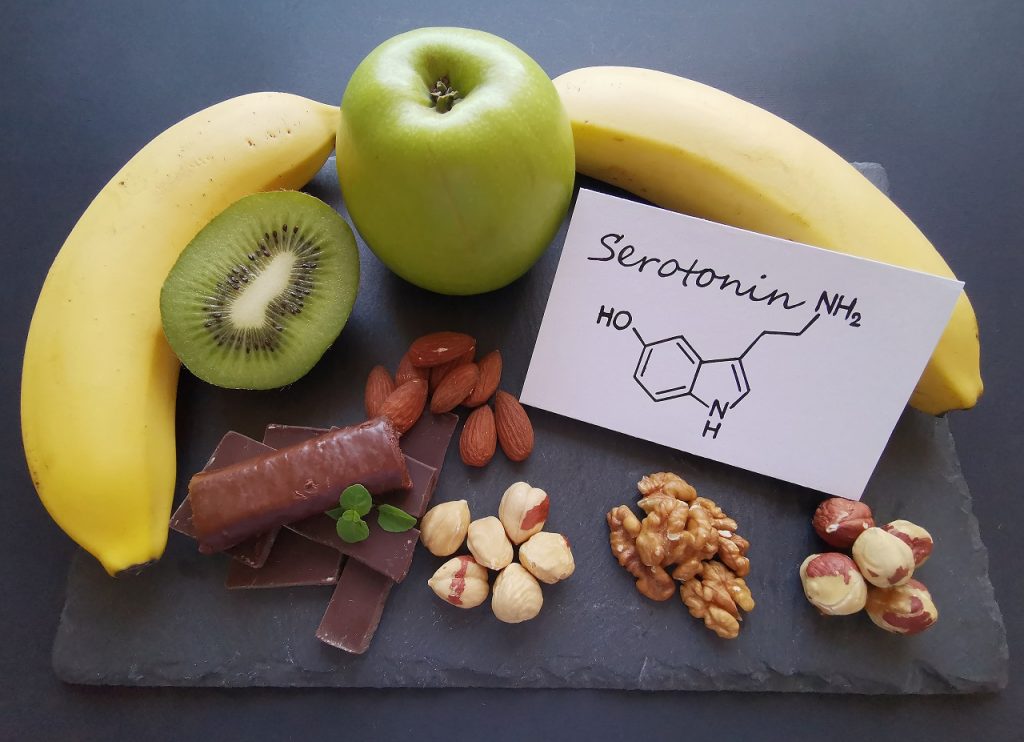
  5. Vitamin D: is essential for bone health. Lack of it can cause body aches. This deficiency may be due to lack of exposure to sunlight. Spending some time under the sun is a great way to replenish Vitamin D and get rid of joint aches. Food sources for Vitamin D include fatty fish, cheese, egg yolk, milk, nuts and seeds, soya products, and legumes. To enable absorption of Vitamin D from food or sunlight, include magnesium rich foods like entire green leafy vegetables (which are abundant in winters), pumpkin seeds, sunflower seeds, almonds, walnuts, avocado and bananas etc.
  6. Omega-3 Fatty Acids: are anti-inflammatory and highly beneficial in reducing inflammation in joints. So include avocados, flaxseeds, walnuts and fish in your diet. You’ll also find good Omega-3 in flax seeds, walnuts, chia seeds, pumpkin seeds, and sunflower seeds as well. 

A Quick Home Remedy

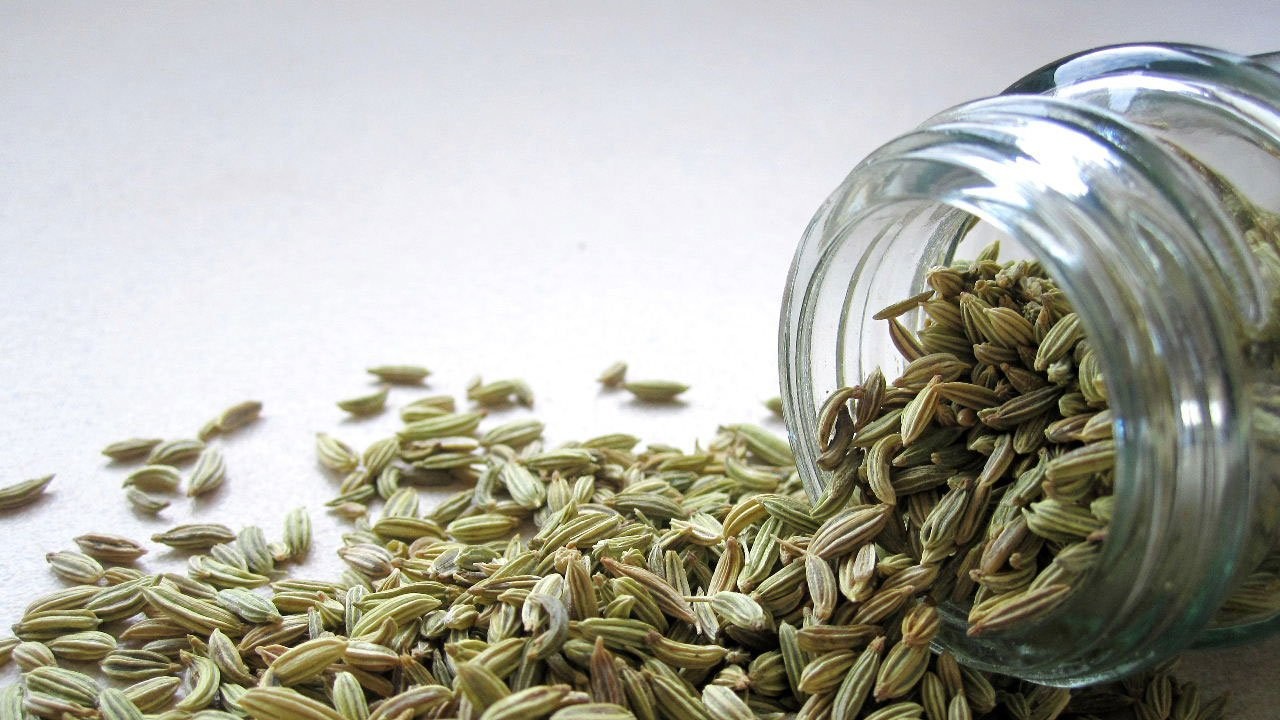
A mixture of turmeric, fenugreek/methi seeds and ginger has a positive impact on reducing joint pains and arthritis because of the anti-inflammatory properties. 

Ingredients

  • Ginger powder – 20 gm
  • Methi seeds – 50 gm
  • Turmeric powder – 50 gm

How to have: Take half or one tablespoon in the morning, preferably on an empty stomach for wonderful results.

Enjoy winter while following the above tips, for joint pains during winter. If you face extreme discomfort in your joints, do consult a doctor for Bone and Joint health.

For more tips and remedies for winter, check out Healthy Reads or ask a GOQii Coach by subscribing for Personalised Health Coaching here.

#BeTheForce 

January 9, 2024 By Neha Kapoor 5 Comments

6 Magical Herbs That Can Help You Sleep

6 Magical Herbs To Help You Sleep There are many people who face severe issues of sleep disorder and it is difficult for them to fall asleep. Sleep is a key component of good health. They say humans need at least 8 hours of sleep a night to rejuvenate and restore their bodies. Unfortunately, in the days of stress, chaos, constant electronic bombardment, adrenal fatigue, and hormonal craziness, we are seeing people generally getting less sleep, and the sleep they do get, tends to be interrupted in some way. This means the sleep quality and quantity have a lot to be desired. Thankfully, we have these 6 magical herbs which can help you relax, rejuvenate, and come to a quiet place of rest and relaxation.

6 Magical Herbs To Help You Sleep

1. Ashwagandha (Winter Cherry)

It is an adaptogen with strong affinities towards the nervous system. It helps the body deal with stress and hormone fluctuations caused by stress, especially helping regulate cortisol levels at night time. Cortisol is what wakes you up at 2 am thinking about a million things at once and not being able to fall back asleep. Taking 500mg of Ashwagandha daily can help your body even out stress hormone levels which can help you get a good night sleep. It has also been shown to ease anxiety and depression.

2. Chamomile

It is a wonderful calming herb. It relaxes both the body (muscles) and the mind. It is also a wonderful, gentle sedative. It is safe and effective for children. Chamomile tea sipped by a breastfeeding mother can soothe the baby after breastfeeding. Toddlers can sip chamomile tea with a little bit of honey before bedtime to calm them down. Adults can drink 1-2 cups of chamomile tea at the end of the day to help calm down before bedtime. Steep chamomile in hot water for 10 minutes in a tightly capped jar, strain and enjoy.

Chamomile oil can also be put in bath water (5-6 drops) to soothe overwrought nerves, diluted to 2% to make an excellent massage oil, or used as an inhalant.

Dose: Tea, 1 cup 2-3x daily; Tincture, 30 drops 3 x daily.

3. Lavender

Everyone knows that Lavender is great for relaxing and calming the mind and body. The essential oil can be diffused in the evenings alone or combined with other relaxing essential oils to bring on a state of peace and relaxation. The leaves can be drunk as a tea, or added to food. It is great for insomnia, agitation and restlessness. Lavender is a gentle strengthening tonic for the nervous system as well. A few drops of lavender oil added to a bath before bedtime are recommended for persons with sleep disorders. Additionally, the oil may be used as a compressor massage oil or simply inhaled to alleviate insomnia.

Dose: Tea, 1 cup 2-3 x daily; Essential oil may be inhaled, massaged into the skin (use 10 drops essential oil per ounce of vegetable oil), or added to baths (3-10 drops).

4. Passionflower

It’s a great herb for people who wake frequently throughout the night. It is a safe herb for most (excluding excessive use in pregnancy, especially in the first trimester), including children and can be taken in large doses frequently. It is used to promote a deep restful sleep and ease anxiety. Take 30-60 drops of passionflower tincture an hour before hitting the bed, and again at bedtime if you are not yet tired. The herb can be combined with others to make a wonderful night time tea as well. Passionflower is used for minor sleep problems in both children and adults (Bruneton, 1995). It is an excellent sedative with no side effects even when used in large doses (Spaick, 1978).

Dose: Tea, 1 cup 3x daily; Tincture, 30-60 drops 3-4x daily.

5. Lemon balm

It is used primarily to lift the mood and promote calmness and relaxation. Since depression is often related to insomnia, probably because of a lack of serotonin, lemon balm can help you achieve sleep by promoting mental and physical health. Several studies have confirmed its sedative effects, however, it should be noted that too high of a dosage (1800 milligrams) increases anxiety.

To make it into a mild, uplifting, and relaxing tea. You will need:

  • 2 tablespoons of dried lemon balm, or 8-10 tablespoons of fresh lemon balm
  • 2 teaspoons dried chamomile
  • Honey to taste (optional)
  • 8 ounces of fresh water

Directions: Place the loose herbs in a mug and cover with 8 ounces of boiling water. Steep for 5 minutes, strain, and drink 30-45 minutes before bed.

6. California Poppy

This is a great herb for insomnia due to restlessness and anxiety (and it’s safe and gentle enough for children). This herb not only helps you to fall asleep, it improves the quality of your sleep as well. A tincture is the most powerful way to take this. Try 30-40 drops twice daily (the second dose close to bedtime).

These herbs can be combined to make a lovely relaxing night time tea that works for your specific needs. That is the great thing about herbs, some speak to you more than others. Those are typically the herbs that you should do some more work with to see if they suit you!

Before you try any of these herbs, have a word with your doctor, dietitian or nutritionist. You can also speak to our Coaches and Experts by subscribing for GOQii’s Personalised Health Coaching here.

For more articles on sleep and sleep tips, check out Healthy Reads.

#BeTheForce

  • « Previous Page
  • 1
  • …
  • 61
  • 62
  • 63
  • 64
  • 65
  • …
  • 202
  • Next Page »

Search

Recent Posts

  • Best Foods To Alleviate Irritable Bowel Syndrome
  • ALL ABOUT VERTIGO!
  • PCOS and Anxiety: Discover Relief with the 54321 Technique
  • Navigating the Maze of Nutrition: Finding Clarity Amidst Confusion
  • Get children active and keep them healthy

Stay Updated

Archives

  • December 2025 (6)
  • November 2025 (15)
  • October 2025 (20)
  • September 2025 (6)
  • August 2025 (6)
  • July 2025 (12)
  • June 2025 (18)
  • May 2025 (16)
  • April 2025 (23)
  • March 2025 (23)
  • February 2025 (22)
  • January 2025 (26)
  • December 2024 (26)
  • November 2024 (25)
  • October 2024 (22)
  • September 2024 (24)
  • August 2024 (31)
  • July 2024 (21)
  • June 2024 (26)
  • May 2024 (31)
  • April 2024 (27)
  • March 2024 (29)
  • February 2024 (26)
  • January 2024 (25)
  • December 2023 (15)
  • November 2023 (11)
  • October 2023 (22)
  • September 2023 (22)
  • August 2023 (20)
  • July 2023 (22)
  • June 2023 (24)
  • May 2023 (24)
  • April 2023 (24)
  • March 2023 (23)
  • February 2023 (20)
  • January 2023 (16)
  • December 2022 (12)
  • November 2022 (15)
  • October 2022 (15)
  • September 2022 (12)
  • August 2022 (10)
  • July 2022 (17)
  • June 2022 (11)
  • May 2022 (10)
  • April 2022 (6)
  • March 2022 (6)
  • February 2022 (13)
  • January 2022 (12)
  • December 2021 (7)
  • November 2021 (3)
  • October 2021 (6)
  • September 2021 (3)
  • August 2021 (8)
  • July 2021 (7)
  • June 2021 (15)
  • May 2021 (16)
  • April 2021 (10)
  • March 2021 (7)
  • February 2021 (4)
  • January 2021 (4)
  • December 2020 (3)
  • November 2020 (4)
  • October 2020 (10)
  • September 2020 (3)
  • August 2020 (3)
  • July 2020 (2)
  • June 2020 (4)
  • May 2020 (10)
  • April 2020 (12)
  • March 2020 (10)
  • February 2020 (4)
  • January 2020 (4)
  • December 2019 (3)
  • November 2019 (7)
  • October 2019 (5)
  • September 2019 (4)
  • August 2019 (9)
  • July 2019 (9)
  • June 2019 (11)
  • May 2019 (4)
  • April 2019 (9)
  • March 2019 (8)
  • February 2019 (9)
  • January 2019 (8)
  • December 2018 (9)
  • November 2018 (3)
  • October 2018 (3)
  • September 2018 (5)
  • August 2018 (10)
  • July 2018 (6)
  • June 2018 (13)
  • May 2018 (8)
  • April 2018 (18)
  • March 2018 (9)
  • February 2018 (8)
  • January 2018 (15)
  • December 2017 (12)
  • November 2017 (19)
  • October 2017 (13)
  • September 2017 (15)
  • August 2017 (4)
  • July 2017 (8)
  • June 2017 (7)
  • May 2017 (6)
  • April 2017 (8)
  • March 2017 (6)
  • February 2017 (7)
  • January 2017 (9)
  • December 2016 (10)
  • November 2016 (7)
  • October 2016 (7)
  • September 2016 (7)
  • August 2016 (11)
  • July 2016 (9)
  • June 2016 (9)
  • May 2016 (12)
  • April 2016 (17)
  • March 2016 (17)
  • February 2016 (8)
  • January 2016 (6)
  • December 2015 (2)
  • November 2015 (9)
  • October 2015 (7)
  • September 2015 (9)
  • August 2015 (11)
  • July 2015 (9)
  • June 2015 (12)
  • May 2015 (9)
  • April 2015 (13)
  • March 2015 (8)
  • February 2015 (5)
  • January 2015 (12)
  • December 2014 (14)
  • November 2014 (11)
  • October 2014 (6)
  • September 2014 (13)
  • August 2014 (12)
  • July 2014 (6)
  • June 2014 (2)
  • May 2014 (7)
  • April 2014 (5)

From “Laddu Nawin” to Fit and Fierce: How a 25-Year-Old Insurance Advisor Shed 20 Kilos and Gained His Life Back

When 25-year-old Nawin Yadav from Hyderabad walked into his office every morning, he carried more than just his files and policy papers. He had the weight of fatigue, sluggish energy, and an ever-growing belly that was becoming the butt of jokes. “People … [Read More...]

“I’ve Challenged Myself to Live 100 Years” – The Story of Chandubhai Savani’s Second Chance at Life

At 67, most people start slowing down. Not Chandubhai Savani. A resident of Surat, Chandubhai, thought life was on track. “My life was going well till I had my bypass surgery,” he says. That surgery, back in 2021, was a wake-up call.  Medication was routine, but exercise wasn’t. His diet? What he calls ‘normal.’ “I […]

From Shimla’s Slopes to Chandigarh’s Sidewalks: Surinder Kaur Bhalla’s Journey from Chaos to Control

Some journeys start with a plan. Others begin with a stumble literally. Surinder Bhalla, a government professional, born and raised in the scenic hill town of Shimla, had always lived a life of movement. “In Shimla, you walked everywhere,” she reflects. “Walking was never an exercise. It was just life.” But after shifting to Chandigarh, […]

Ananda Mukherjee Health Story

From Terminal Illness To Complete Wellness! Ananda Mukherjee Health Story

As we observe World Cancer Day under the powerful theme ‘United by Unique’ (2025-2027)**, we are reminded that every individual’s journey with cancer is distinct, yet united by shared resilience, hope, and the collective fight against this disease. This theme places people at the centre of care and their stories at the heart of the […]

  • HOME
  • HEALTHY LIVING
  • FITNESS
  • HEALTHY RECIPES
  • USER STORIES
  • KARMA
  • BUY GOQii

Copyright ©2016 GOQii