GOQii

Blog

  • HOME
  • HEALTHY LIVING
  • FITNESS
  • HEALTHY RECIPES
  • USER STORIES
  • KARMA
  • BUY GOQii

April 9, 2025 By GOQii Leave a Comment

Sunlight & Vitamin D: Nature’s Feel-Good Formula for Health

When you think of the sun, what comes to mind? Warmth on your skin? A beautiful morning walk? Or perhaps the occasional sunburn?

What if we told you the sun is also one of the most powerful natural healers available to us?

Sunlight, in moderation, is essential—not just for mood and energy—but because it helps our bodies make Vitamin D, a key nutrient that supports your bones, immune system, and even blood sugar control. Let’s break down how you can harness the power of the sun to boost your overall health (and yes, without getting sunburnt!).

☀️ How the Sun Helps Make Vitamin D

When sunlight hits your skin, it triggers a reaction that produces vitamin D. About 80% of the vitamin D your body needs comes from this process, making sun exposure the most effective natural source.

But it’s all about balance. Too much sun can cause damage, while 10 to 30 minutes of sunlight, especially in the early morning or late afternoon, can do wonders—depending on your skin type and where you live.

✨ Bonus: Early morning light also helps regulate your body clock, which means better sleep and improved mental clarity.

🧠 Why Vitamin D Matters

Here’s what happens when your body gets enough Vitamin D:

✔️ Your immune system gets a boost – Helps fight infections more effectively
✔️ Your bones and muscles stay strong – Supports calcium absorption and muscle repair
✔️ Your mood improves – Low vitamin D has been linked to depression and low energy
✔️ You sleep better – Supports your natural sleep-wake cycle
✔️ Your blood sugar stays steadier – May improve insulin sensitivity, especially helpful for those managing diabetes

🚶‍♀️ Sun + Movement = Double the Benefits

If you’re exercising outdoors, you’re getting both physical and nutritional benefits. Walking, jogging, cycling, gardening—even 20 minutes of light activity outside can help lift your spirits while supporting vitamin D production.

So yes, that peaceful walk in the park? It’s not just good for your heart—it’s good for your bones, mood, and immunity too.

🥦 Foods That Help Top Up Vitamin D

While sunlight is your best source, some foods can help too—especially when sunshine is in short supply.

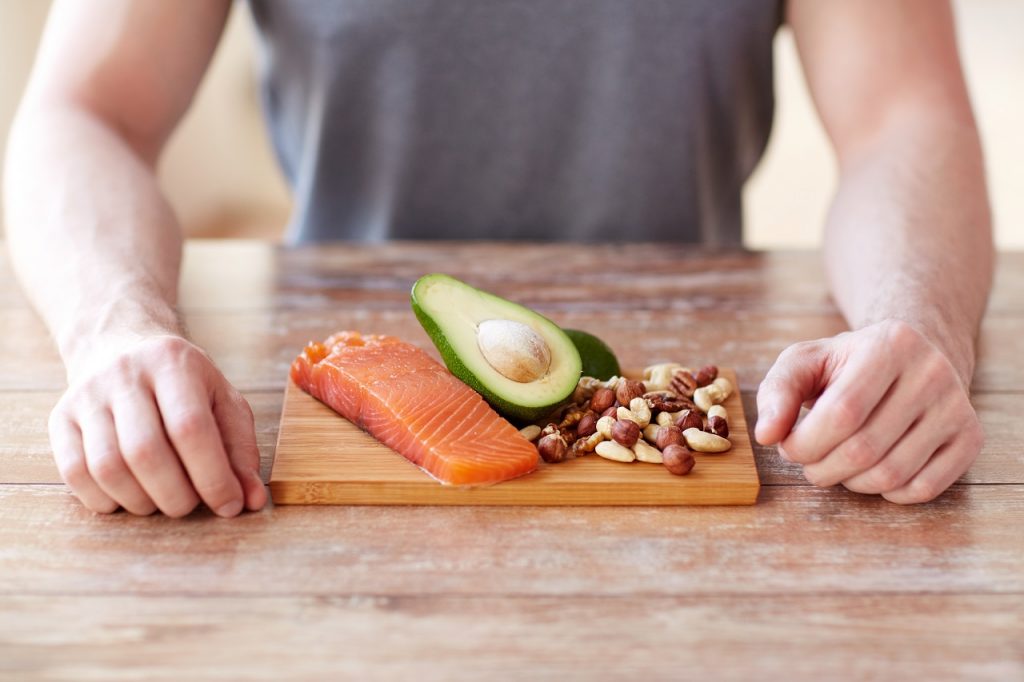
✅ Oily fish – salmon, sardines, mackerel
✅ Eggs – particularly the yolk
✅ Nuts – a great on-the-go snack
✅ Leafy greens – spinach, kale, and similar
✅ Fortified foods – plant milks, cereals (check labels)

These are nutrient-packed choices that often fit well into low-carb or blood sugar-friendly meal plans.

💊 Should You Take a Supplement?

If you live in a region with limited sunlight (especially in winter), or you spend most of your time indoors, you may struggle to get enough vitamin D naturally.

That’s where supplements can help.

Many people find that 1000 IU per day is a safe and effective amount—but always speak with your doctor or nutritionist first, especially if you have any health conditions.

🧴 A Quick Note on Safe Sun Habits

  • Start with short exposure in the morning
  • Let your skin absorb some sun without sunscreen for the first 10 minutes
  • After that, apply sunscreen, especially if staying out longer
  • Dark skin tones may need more exposure to produce the same amount of vitamin D

Vitamin D isn’t just about stronger bones or fighting colds. It’s about helping your body and mind work at their best—from better mood to stronger immunity, steadier sleep, and balanced hormones.

So, step outside. Stretch. Breathe deeply. And soak in a little bit of nature’s original health supplement.

Just 20 minutes a day could make a world of difference.

#BeTheForce

March 26, 2025 By GOQii Leave a Comment

Decode Your Food: How to Read Labels and Make Smarter Choices

Walking down the supermarket aisle, you’re bombarded with choices—”low fat,” “high protein,” “sugar-free,” “natural.” But what do these claims really mean? How do you know if a product is genuinely healthy or just smartly marketed? The answer lies in the fine print: the food label.

Reading food labels can feel like cracking a code, but once you know what to look for, it becomes second nature—and empowers you to make healthier, smarter decisions for yourself and your family.

Let’s break it down into simple, actionable steps with a few nutritionist-approved pro tips!

  1. Start With the Ingredients List 📝

This is where the truth of the product lies. Ingredients are listed in order of quantity, from most to least. If sugar, salt, or refined flour are among the first three, it’s a red flag.

  • Choose products with whole, recognisable ingredients.
  • Fewer ingredients usually mean less processing.

💡 Pro Tip: Ingredients like high fructose corn syrup, maltose, dextrose, or anything ending in “-ose” are forms of sugar. The same goes for hydrogenated oils, which signal unhealthy trans fats.

  1. Serving Size vs. Reality 🍿

The label might say 120 calories per serving—but what’s a serving? 5 crackers? Half a chocolate bar? Often, the serving size is much smaller than what we typically consume.

  • Always check the number of servings per package.
  • If you eat double the serving size, you’re getting double the calories, fat, and sugar.

💡 Pro Tip: For single-serve snacks, don’t assume the whole pack is one serving. Check to avoid underestimating your intake.

  1. Understanding Nutrition Per 100g vs. Per Serving 📊

Many labels show nutrition per 100g and per serving.

  • Use per 100g to compare products easily.
  • Use per serving to track your intake.

💡 Pro Tip: If you’re comparing two products, always use the per 100g column to avoid being misled by serving sizes that vary between brands.

  1. Know Your Daily Reference Intakes (RI) 📅

Labels often list percentages of nutrients based on a daily reference intake (also called Daily Value). These help you understand how much of a nutrient you’re getting per portion.

  • Aim for high %RI in fibre, protein, vitamins, and minerals.
  • Aim for low %RI in saturated fat, sugar, and salt.

💡 Pro Tip: A %RI of 5% or less is low; 20% or more is high. Use this to gauge whether a food is helping or hindering your goals.

  1. Nutrients to Prioritise ✅

  • Fibre: Go for 3g or more per serving. Fibre keeps you full, supports digestion, and stabilises blood sugar.
  • Protein: Helps with satiety and muscle maintenance—look for at least 5-10g per serving in snacks.
  • Vitamins & Minerals: Check for iron, calcium, vitamin D, and B vitamins. These often get overlooked!
  1. Nutrients to Watch Out For ⚠️

  • Added Sugars: Ideally less than 5g per serving. Sugar is often hidden in “healthy” foods like yoghurt and granola.
  • Saturated Fat: Keep this below 1.5g per 100g for a healthy heart.
  • Salt (Sodium): Aim for less than 0.3g per 100g. High salt intake can raise blood pressure.

💡 Pro Tip: Some products list sodium instead of salt. Multiply sodium by 2.5 to get the salt equivalent.

  1. Don’t Fall for Buzzwords ❌

“Natural,” “low fat,” “no added sugar”—these claims can be misleading.

  • “Low fat” might mean high sugar.
  • “No added sugar” doesn’t mean sugar-free—fruit concentrates count!
  • “Gluten-free” doesn’t mean healthy—many such products are high in fat or sugar.
  1. Example: Comparing Two Granola Bars 🍫 vs. 🥜

Nutrient

Bar A Bar B
Calories 200 160
Sugar 12g 5g
Fibre 2g 5g
Protein 3g 6g

✔ Bar B wins—lower sugar, higher fibre and protein, fewer calories. Always check beyond the front label!

Understanding food labels helps you cut through the noise, take control of your health, and make empowered choices. It’s not about perfection—it’s about making informed swaps that add up over time.

Next time you shop, take a closer look. Your future self will thank you for every smarter bite.

💬 Do you check labels regularly? What’s the biggest surprise you’ve found? Let us know in the comments!

#BeTheForce

Disclaimer: The information provided in this blog is for general awareness and educational purposes only. It is not intended to replace professional medical advice, diagnosis, or treatment. Always consult a qualified healthcare provider for personalised medical guidance or concerns related to your health.

March 24, 2025 By GOQii Leave a Comment

How to Lower Blood Pressure Naturally Through Diet & Lifestyle

High blood pressure—also known as hypertension—affects millions of people around the world. Often called the “silent killer,” it usually has no obvious symptoms but significantly raises your risk of heart disease, stroke, and kidney issues if left unchecked.

While medication can help control blood pressure, it’s not the only way. In fact, simple, consistent changes in your diet and lifestyle can go a long way in reducing your blood pressure naturally—improving your health and overall quality of life.

Let’s explore proven, practical ways to lower your blood pressure through everyday habits.

1. Eat More Whole, Unprocessed Foods 

A balanced, nutrient-rich diet forms the foundation for blood pressure control. Focus on:

  • Fruits & Vegetables – Rich in potassium, magnesium, and antioxidants. Potassium helps balance sodium levels and relax blood vessel walls.
  • Whole Grains – Oats, brown rice, quinoa, and wholemeal bread are high in fibre, which supports heart health.
  • Lean Proteins – Include fish (especially fatty fish like salmon), chicken, tofu, lentils, and beans.
  • Healthy Fats – Avocados, nuts, seeds, and olive oil offer heart-protective fats.

🧂 Tip: Cut down on salt (sodium). Aim for less than 5g of salt (or 2g sodium) per day. Use herbs, spices, lemon, and garlic to add flavour instead.

2. Move More – Stay Active 

Regular physical activity strengthens the heart, enabling it to pump blood with less effort, lowering the pressure on your arteries.

  • Aim for at least 30 minutes of moderate exercise (like brisk walking, swimming, or cycling) on most days.
  • Incorporate strength training 2-3 times a week.

🚶‍♀️ Short on time? Even walking during breaks, taking stairs, or stretching regularly can help!

3. Watch Your Weight 

Excess weight, especially around the abdomen, puts pressure on your heart and blood vessels.

  • Losing even 5-10% of your current weight can significantly lower your blood pressure.
  • Combine a calorie-controlled diet with increased activity for sustainable weight loss.

4. Reduce Stress Levels 

Chronic stress can trigger temporary spikes in blood pressure—and over time, lead to lasting effects.

  • Practise deep breathing, meditation, or mindfulness daily.
  • Engage in hobbies, connect with loved ones, or simply take time for yourself.
  • Try journaling or spending time in nature to unwind.

5. Limit Alcohol & Quit Smoking 

  • If you drink alcohol, stick to recommended limits—no more than 14 units per week (UK guideline), spread out over several days.
  • Smoking damages blood vessels and immediately raises blood pressure—quitting can improve heart health dramatically.

6. Stay Hydrated 

Water supports kidney function and helps flush out excess sodium. Aim for 2-3 litres of water daily unless advised otherwise by a healthcare professional.

7. Cut Down on Caffeine

While moderate caffeine may be fine, too much can cause spikes in blood pressure in some individuals.

  • Limit to 1-2 cups of coffee or tea per day.
  • Monitor how your body responds and adjust accordingly.

8. Sleep Well 

Poor sleep is linked to higher blood pressure and increased risk of chronic conditions.

  • Aim for 7-9 hours of quality sleep each night.
  • Create a bedtime routine—avoid screens before bed, keep your room dark and cool, and wind down with relaxing activities.

Managing your blood pressure isn’t just about medication—it’s about taking daily actions that support your heart and overall health. Small, consistent lifestyle changes can lead to big improvements.

💬 Have you made changes to manage your blood pressure naturally? Share your experience in the comments below!

#BeTheForce

Disclaimer: The information provided in this blog is for general awareness and educational purposes only. It is not intended to replace professional medical advice, diagnosis, or treatment. Always consult a qualified healthcare provider for personalised medical guidance or concerns related to your health.

March 18, 2025 By GOQii Leave a Comment

Obesity & Its Impact on Your Health: Why It’s More Than Just Weight

Obesity is often seen as just a number on the scales, but in reality, it’s far more than that. It’s a complex health condition that affects every aspect of your well-being, from your heart to your mental health. In a world where fast food is abundant, sedentary lifestyles are the norm, and stress levels are constantly high, obesity has become a growing global concern.

But here’s the good news—it’s preventable and reversible with the right lifestyle changes. Let’s explore how obesity affects your health, what causes it, and, most importantly, how you can take control of your body and well-being.

What is Obesity?

Obesity is defined as having an excess amount of body fat that poses health risks. A common way to measure it is the Body Mass Index (BMI), which calculates weight in relation to height:

BMI Categories:

  • Healthy weight: 18.5 – 24.9
  • Overweight: 25 – 29.9
  • Obese: 30 or above

However, BMI doesn’t tell the full story—where the fat is stored matters too. Visceral fat (fat around the organs) is more harmful than subcutaneous fat (under the skin), increasing the risk of serious diseases.

How Obesity Impacts Your Health

Carrying excess weight isn’t just about appearance—it’s about how your body functions. Here’s how obesity can impact your health:

  1. Increases the Risk of Chronic Diseases

Obesity is linked to some of the most serious health conditions, including:

  • Heart Disease & High Blood Pressure – Excess fat increases strain on the heart, leading to hypertension and an increased risk of heart attacks and strokes.
  • Type 2 Diabetes – Obesity is a key driver of insulin resistance, making blood sugar levels harder to control.
  • Liver Disease (Fatty Liver) – Excess fat can accumulate in the liver, leading to inflammation and scarring (cirrhosis).
  • Certain Cancers – Studies show obesity is linked to an increased risk of cancers, including breast, colon, and liver cancer.
  1. Impacts Mental Health & Well-being

Obesity isn’t just about physical health—it affects mental and emotional well-being too. Many individuals with obesity experience:

  • Low self-esteem & body image concerns
  • Increased risk of anxiety & depression
  • Social stigma & discrimination

The mind-body connection is real, and feeling good about yourself plays a huge role in overall health.

  1. Affects Joint & Bone Health

Excess weight puts extra pressure on your joints, particularly in the knees, hips, and lower back, increasing the risk of:

  • Osteoarthritis (joint wear and tear)
  • Chronic back pain
  • Reduced mobility & flexibility
  1. Disrupts Sleep & Increases Fatigue

Obesity is a leading cause of sleep apnoea, a condition where breathing repeatedly stops and starts during sleep. This can lead to:

  • Poor-quality sleep & daytime fatigue
  • Increased risk of heart disease
  • Difficulty concentrating & lower productivity

Quality sleep is essential for energy levels, brain function, and overall health.

What Causes Obesity?

While diet and lack of exercise play major roles, obesity is often a combination of multiple factors:

  1. Poor Diet Choices – High-calorie, processed, and sugary foods contribute to weight gain.
  2. Lack of Physical Activity – A sedentary lifestyle means fewer calories burned, leading to excess fat storage.
  3. Genetics & Metabolism – Some individuals are genetically predisposed to store fat more easily.
  4. Hormonal Imbalances – Conditions like hypothyroidism & PCOS can make weight management harder.
  5. Stress & Emotional Eating – Many people turn to food as a way to cope with stress, boredom, or emotions.

Understanding these factors is key to making sustainable lifestyle changes.

How to Prevent & Manage Obesity

The best approach to tackling obesity is a holistic lifestyle change—not just crash diets or quick fixes. Here’s how to take control of your health:

  1. Eat Mindfully & Nutrient-Dense Foods 🍏
    • Swap processed foods for whole, natural foods.
    • Focus on lean proteins, healthy fats, and fibre-rich foods.
    • Reduce sugar & refined carbs—they spike insulin and lead to fat storage.
    • Practise portion control and avoid emotional eating.
  1. Move More, Sit Less 🏃‍♀️
    • Aim for 30-45 minutes of movement daily—it doesn’t have to be intense! Walking, cycling, yoga, or swimming all help.
    • Strength training boosts metabolism and burns fat long after exercise.
    • Take the stairs, stand more, and find ways to be active throughout the day.
  1. Prioritise Sleep & Stress Management 😴
    • Get 7-9 hours of quality sleep—it helps regulate hunger hormones.
    • Practise relaxation techniques like meditation, deep breathing, or journaling.
    • Avoid late-night snacking—it often leads to unnecessary calorie intake.
  1. Stay Hydrated 💧
    • Drinking enough water helps digestion, metabolism, and fat loss.
    • Sometimes, thirst is mistaken for hunger—stay hydrated to avoid overeating.
  1. Seek Professional Support If Needed
    • A nutritionist, doctor, or health coach can create a personalised plan.
    • Mental health support can help with emotional eating and motivation.
    • Consider a buddy system—staying accountable makes a difference!

Obesity isn’t just about weight—it’s about long-term health, energy, and well-being. The good news is that even small lifestyle changes can make a big difference.

✅ Start with one healthy habit at a time.
✅ Focus on progress, not perfection.
✅ Remember—your body is capable of amazing things!

💬 Have you made changes to improve your health? Share your journey in the comments!

#BeTheForce

Disclaimer: The information provided in this blog is for general awareness and educational purposes only. It is not intended to replace professional medical advice, diagnosis, or treatment. Always consult a qualified healthcare provider for personalised medical guidance or concerns related to your health.

  • « Previous Page
  • 1
  • …
  • 5
  • 6
  • 7
  • 8
  • 9
  • …
  • 14
  • Next Page »

Search

Recent Posts

  • The Importance Of Knowing If You’re Thirsty Or Hungry
  • Best Foods To Alleviate Irritable Bowel Syndrome
  • ALL ABOUT VERTIGO!
  • PCOS and Anxiety: Discover Relief with the 54321 Technique
  • Navigating the Maze of Nutrition: Finding Clarity Amidst Confusion

Stay Updated

Archives

  • December 2025 (7)
  • November 2025 (15)
  • October 2025 (20)
  • September 2025 (6)
  • August 2025 (6)
  • July 2025 (12)
  • June 2025 (18)
  • May 2025 (16)
  • April 2025 (23)
  • March 2025 (23)
  • February 2025 (22)
  • January 2025 (26)
  • December 2024 (26)
  • November 2024 (25)
  • October 2024 (22)
  • September 2024 (24)
  • August 2024 (31)
  • July 2024 (21)
  • June 2024 (26)
  • May 2024 (31)
  • April 2024 (27)
  • March 2024 (29)
  • February 2024 (26)
  • January 2024 (25)
  • December 2023 (15)
  • November 2023 (11)
  • October 2023 (20)
  • September 2023 (22)
  • August 2023 (20)
  • July 2023 (22)
  • June 2023 (24)
  • May 2023 (24)
  • April 2023 (24)
  • March 2023 (23)
  • February 2023 (20)
  • January 2023 (16)
  • December 2022 (12)
  • November 2022 (15)
  • October 2022 (15)
  • September 2022 (12)
  • August 2022 (10)
  • July 2022 (17)
  • June 2022 (11)
  • May 2022 (10)
  • April 2022 (6)
  • March 2022 (6)
  • February 2022 (13)
  • January 2022 (12)
  • December 2021 (7)
  • November 2021 (3)
  • October 2021 (6)
  • September 2021 (3)
  • August 2021 (8)
  • July 2021 (7)
  • June 2021 (15)
  • May 2021 (16)
  • April 2021 (10)
  • March 2021 (7)
  • February 2021 (4)
  • January 2021 (4)
  • December 2020 (3)
  • November 2020 (4)
  • October 2020 (10)
  • September 2020 (3)
  • August 2020 (3)
  • July 2020 (2)
  • June 2020 (4)
  • May 2020 (10)
  • April 2020 (12)
  • March 2020 (10)
  • February 2020 (4)
  • January 2020 (4)
  • December 2019 (3)
  • November 2019 (7)
  • October 2019 (5)
  • September 2019 (4)
  • August 2019 (9)
  • July 2019 (9)
  • June 2019 (11)
  • May 2019 (4)
  • April 2019 (9)
  • March 2019 (8)
  • February 2019 (9)
  • January 2019 (8)
  • December 2018 (9)
  • November 2018 (3)
  • October 2018 (3)
  • September 2018 (5)
  • August 2018 (10)
  • July 2018 (6)
  • June 2018 (13)
  • May 2018 (8)
  • April 2018 (18)
  • March 2018 (9)
  • February 2018 (8)
  • January 2018 (15)
  • December 2017 (12)
  • November 2017 (19)
  • October 2017 (13)
  • September 2017 (15)
  • August 2017 (4)
  • July 2017 (8)
  • June 2017 (7)
  • May 2017 (6)
  • April 2017 (8)
  • March 2017 (6)
  • February 2017 (7)
  • January 2017 (9)
  • December 2016 (10)
  • November 2016 (7)
  • October 2016 (7)
  • September 2016 (7)
  • August 2016 (11)
  • July 2016 (9)
  • June 2016 (9)
  • May 2016 (12)
  • April 2016 (17)
  • March 2016 (17)
  • February 2016 (8)
  • January 2016 (6)
  • December 2015 (2)
  • November 2015 (9)
  • October 2015 (7)
  • September 2015 (9)
  • August 2015 (11)
  • July 2015 (9)
  • June 2015 (12)
  • May 2015 (9)
  • April 2015 (13)
  • March 2015 (8)
  • February 2015 (5)
  • January 2015 (12)
  • December 2014 (14)
  • November 2014 (11)
  • October 2014 (6)
  • September 2014 (13)
  • August 2014 (12)
  • July 2014 (6)
  • June 2014 (2)
  • May 2014 (7)
  • April 2014 (5)

From “Laddu Nawin” to Fit and Fierce: How a 25-Year-Old Insurance Advisor Shed 20 Kilos and Gained His Life Back

When 25-year-old Nawin Yadav from Hyderabad walked into his office every morning, he carried more than just his files and policy papers. He had the weight of fatigue, sluggish energy, and an ever-growing belly that was becoming the butt of jokes. “People … [Read More...]

“I’ve Challenged Myself to Live 100 Years” – The Story of Chandubhai Savani’s Second Chance at Life

At 67, most people start slowing down. Not Chandubhai Savani. A resident of Surat, Chandubhai, thought life was on track. “My life was going well till I had my bypass surgery,” he says. That surgery, back in 2021, was a wake-up call.  Medication was routine, but exercise wasn’t. His diet? What he calls ‘normal.’ “I […]

From Shimla’s Slopes to Chandigarh’s Sidewalks: Surinder Kaur Bhalla’s Journey from Chaos to Control

Some journeys start with a plan. Others begin with a stumble literally. Surinder Bhalla, a government professional, born and raised in the scenic hill town of Shimla, had always lived a life of movement. “In Shimla, you walked everywhere,” she reflects. “Walking was never an exercise. It was just life.” But after shifting to Chandigarh, […]

Ananda Mukherjee Health Story

From Terminal Illness To Complete Wellness! Ananda Mukherjee Health Story

As we observe World Cancer Day under the powerful theme ‘United by Unique’ (2025-2027)**, we are reminded that every individual’s journey with cancer is distinct, yet united by shared resilience, hope, and the collective fight against this disease. This theme places people at the centre of care and their stories at the heart of the […]

  • HOME
  • HEALTHY LIVING
  • FITNESS
  • HEALTHY RECIPES
  • USER STORIES
  • KARMA
  • BUY GOQii

Copyright ©2016 GOQii