GOQii

Blog

  • HOME
  • HEALTHY LIVING
  • FITNESS
  • HEALTHY RECIPES
  • USER STORIES
  • KARMA
  • BUY GOQii

April 28, 2021 By Mrinali Dwivedi 1 Comment

All You Need To Know About Irritable Bowel Syndrome (IBS)

irritable bowel syndrome

Irritable Bowel Syndrome (IBS) is an umbrella term for a long standing functional (relating to the function of) gut disorder that affects around 1 in 10 people worldwide. It is more common than you may think. It has now been recognized as the most common debilitating gastrointestinal disorder in the general population globally.

Classically, IBS manifests as abdominal pain or discomfort, that is relieved by passing stools or is associated at its onset. With an alteration in the stool frequency (either an increase or decrease) or a change in the appearance of the stool (to either loose or hard). There is still a lot that is being researched about this disorder, and although there is currently no cure, we can still manage the symptoms and live a quality full life!

What Causes Irritable Bowel Syndrome? 

While the main causative factors of this disorder are uncertain, it is considered to be caused by a play of numerous physical as well as emotional factors. Physical factors being lack of physical activity, improper dietary habits and poor sleep quality, coupled with a number of emotional stressors and impaired mental health. Research has shown that those who endure extended periods of stress, anxiety and depression, are more prone to experience IBS related symptoms & vice versa. However, people who consume high doses of antibiotics or antidepressants, are more likely to experience this symptom complex.

What Are Its Symptoms? 

The symptoms of this disorder vary individually. They can range from constipation, diarrhoea, bowel movements that are alternating between constipation and diarrhoea, bloating and abdominal pain/discomfort. Symptoms can be exacerbated on intake of certain foods and drinks, called ‘triggers’ or on days that the individual is experiencing poor sleep or excess mental pressure.

Note: If you are experiencing any other symptoms such as unexplained weight loss, blood in the stools, a prolonged change in bowel movements for 6+ weeks or have a family history of bowel cancer, consider consulting your General Practitioner.

How Can It Be Managed? 

Diet and Lifestyle

  1. Keep a Symptom diary to help identify potential trigger foods
  2. Practice Mindful eating: Eat slowly without any distractions like television or mobile phones
  3. Yoga and Physical Exercise can help reduce stress and some symptoms. It also aids in maintaining a healthy weight status.
  4. A varied diet is the key to microbial diversity. Having a balanced meal with foods from different food groups helps maintain gut microbiota
  5. Limit fruits to 3 portions/80g a day. This is because of the fiber profile of fruits that may interact with gut mobility
  6. Probiotics may improve symptoms, yet an individualised approach is needed

Food and Drinks

  1. Avoid long gaps between eating. Regular meal timings and controlled portion sizes prevent symptoms from exacerbating
  2. Consume lots of fluids, approx 6-8 glasses a day. However, limit fizzy drinks
  3. Spicy foods can irritate the gut lining, especially if used with highly flavoured ingredients such as too much onion and garlic. Limit them! 
  4. Caffeine should be reduced to less than 3 cups a day (tea/coffee)
  5. Reduce Alcohol intake to 30-60ml or even lesser per week
  6. Resistant Starch is seen to exacerbate symptoms. Reduce the intake of cooked and cooled carbs like frozen pizza/cold pasta, day old boiled potatoes, etc. or refined wheat flour products like bakery products 

We hope this article helps you manage Irritable Bowel Syndrome. Do leave your thoughts in the comments below and share this article with someone who needs to read it! For more on living a healthy lifestyle, check out Healthy Reads or tune in to LIVE sessions by experts on GOQii Play. 

To get the right guidance for lifestyle issues such as IBS, Subscribe or Renew your GOQii subscription now: https://goqiiapp.page.link/wssu

#BeTheForce 

March 26, 2021 By Poornima Seth 1 Comment

Superfood Battle: Spirulina vs Moringa

Spirulina vs Moringa

Though moringa and spirulina are complete plant proteins as they contain all nine essential amino acids. Moringa has been showing up strong with other Super greens, like matcha, spinach, and kale. This time I would like to compare it with everyone’s favorite blue-green algae, spirulina. But before we get into the Spirulina vs Moringa debate, let’s understand what these two are. 

Spirulina is blue-green algae that grows on both fresh and saltwater. These tiny algae are packed with nutrients. In modern times, spirulina can provide many benefits. It is a rich source of protein and also a good source of beta-carotene, various minerals, and gamma-linolenic acid, an essential fatty acid. Spirulina is available in the form of capsules, tablets, and powder and can be incorporated in certain foods and beverages such as energy bars, popcorn, and smoothies.

Moringa Oleifera (drumstick tree) has been praised for its many health benefits for thousands of years. It is very rich in antioxidants and bioactive plant compounds which are good for health. So far, scientists have only investigated a few of the many reputed health benefits. It is known by many different names, such as drumstick tree, horseradish tree or ben oil tree.

Spirulina is a mighty protein beast, as it is high in protein as it actually holds the number one position on two points: highest protein content per calorie, and highest protein content per ounce. As 100 g of spirulina contains 58 g of protein. But you know we are not here just tell you how great spirulina is. For this battle, moringa will be depending on a few standbys: its high iron content, as well as its respectable amounts of vitamin A, calcium, and fiber. 

So, without wasting time let the Battle of the Greens begin!

Spirulina Vs Moringa

For this Spirulina vs Moringa debate, we will be comparing 10g (about 1 tablespoon) powder of each.

Spirulina  Moringa
Protein 5.75g 2.7g
Calcium 174mg 12mg
Iron 15.8mg 2.85mg
Fiber 3.3g 0.36g
Vitamin A 910iu 57iu
Potassium 140mg 136.3mg
Carbohydrate 5.1g 2.39g
Sodium 2mg 105mg
Calories 35 29
Vitamin C 0.99mg 1.01mg

Antioxidants Properties

Both Spirulina and Moringa are excellent sources of antioxidants. Each of them contains several different antioxidants, but spirulina falls just a little short when compared to moringa.

Moringa contains almost 40 known antioxidant compounds, whereas spirulina contains almost half of that. As moringa contains a great number of antioxidants in terms of the overall content, this round also goes to moringa.

Side-Effects

Moringa is considered to have no side effect, but the roots can be very poisonous. This is why one must keep in mind that only moringa fruit, leaves or seeds are meant for human consumption. Spirulina on the other hand has some potential side effects, although they are seemingly rare. The various side effects include stomach ache, constipation, dizziness – pretty much the usual suspects. According to the National Institute of Health, “People with autoimmune diseases – such as lupus, rheumatoid arthritis (RA), multiple sclerosis (MS),  and pemphigus vulgaris – might have to avoid spirulina because these blue-green algae may have immune-boosting properties, which in turn might worsen the symptoms of auto-immune diseases”. The NIH also points out that spirulina contains amino acid phenylalanine, which may worsen phenylketonuria, so people with this metabolic disorder should also avoid spirulina. 

We’ll call this round a wash given both super greens carry some risks, however minimal they may actually be.

Final Verdict: Who Wins?

Moringa knocks out spirulina 7-3 with several definitive points and wins. As it turns out, spirulina is kind of a one-trick pony as it just has high protein content, it really wasn’t very competitive in any of the other categories. Both moringa oleifera & spirulina, in the case of antioxidants, each contain several different antioxidants, but spirulina falls just a little short when compared to moringa. In case of side effects, both super greens carry some risks, but here as well, moringa hits the goal in case of autoimmune diseases. So if we take an overall review, I feel moringa wins! 

We hope this article on Spirulina vs Moringa helps you make healthier choices! Do let us know your thoughts in the comments below! For more on nutrition, check out Healthy Reads or tune in to LIVE sessions by experts on GOQii Play. 

#BeTheForce 

March 12, 2021 By Mrinali Dwivedi 2 Comments

Vitamin C Supplements: Do You Actually Need Them?

Vitamin C Supplements

While the COVID-19 pandemic made us realize the importance of health and immunity, there has been an unprecedented hype about taking nutritional supplements, especially those that are claimed to protect us from infectious diseases. One such supplement that gained a lot of popularity is Vitamin C. According to data by a research firm, The All India Organisation of Chemists and Druggists (AIOCD), India sold around 171 crore pills of Vitamin C Supplements and 13 crore pills of vitamin C combined with other multivitamins in 2020. The growth in sales of vitamin C supplements in the year 2020 was almost 110%.

Health Benefits of Vitamin C 

Vitamin C has numerous roles in our body and has been linked to some impressive health benefits! 

  • It is a powerful antioxidant that can strengthen your body’s natural defenses
  • May lower the risk of heart diseases
  • Has been linked to reduced blood uric acid levels and lower risk of gout
  • Can improve the absorption of iron from the diet and helps prevent iron deficiency, anemia
  • May boost immunity by helping white blood cells function more effectively, strengthening skin’s defense system and help heal wounds faster
  • Low vitamin C levels have been linked to an increased risk of memory and thinking disorders like dementia, while just about the right amount taken from food sources has been shown to have a protective effect

Does More Mean Better Health and Immunity? 

Given all the benefits of Vitamin C, can you consume more than required? Well, when it comes to vitamins, more is not always better. In fact, more can sometimes be dangerous. As vitamin and mineral supplements are available over the counter and without any prescription of a doctor/nutritionist, the masses assume that they are safe at any dosage. In the case of Vitamin C, our body cannot store it, so when consumption exceeds 2000 mg/day, it will be eliminated by the kidneys through urine, as it is a water soluble vitamin.

Too much vitamin C can interfere with the body’s ability to absorb copper, a mineral that is essential to the human body for carrying out major functions. Dosages above a 1000 mg coagulate iron in the cells of the body and oxidise them, causing an actual rusting action! Too much vitamin C or calcium (a regular component of vitamin C supplements) might cause bloating and stomach upset, diarrhea, nausea, vomiting, heartburn, headaches, insomnia, and in prolonged uses, kidney stones. This means that your immunity can be rather compromised than being boosted by unjustified popping of supplement pills.

How Much Of Vitamin C Supplements Is Enough? 

Vitamin C is an essential vitamin, which means your body cannot produce it and one has to provide it from the outside. Yet, the daily need of this vitamin can be conveniently met with a balanced diet containing a good amount from natural sources as opposed to going for supplements. Found in a variety of fruits and vegetables, vitamin C is most abundant in Amla, Guava, Oranges, Strawberries, Kiwi, Bell peppers, Green chillies, Radish greens, Bathua Greens, Broccoli, Kale and Spinach.

Estimated Average Requirement (EAR) of Vitamin C:

  • 55-65 mg/day for normal healthy adults
  • 25-35 mg/day for normal healthy children (1-18 years of age)

We hope this article on Vitamin C Supplements helps you make the healthier choice! Do let us know your thoughts in the comments below. For more on nutrition, check out Healthy Reads or tune in to LIVE sessions by experts on GOQii Play. 

#BeTheForce

November 2, 2020 By Sunita Arora Leave a Comment

Boost Testosterone Naturally With These 10 Foods

Boost testosterone naturally

Testosterone is an androgen, a male sex hormone, though females need it too. After the age of 30, most men experience a gradual decline in testosterone. In an attempt to boost testosterone levels, some men switch to T-Booster Supplements. While 90% of the T-Booster supplements in the market claimed to boost testosterone, researchers found that less than 25% of the supplements had data to support their claims. Many of the T-Boosters also contained high doses of vitamins and minerals which is more than the tolerable limit and not good for health at all. As per the FDA, unlike drugs, supplements are not intended to treat, diagnose, prevent or cure diseases. The safest and most effective way to boost testosterone levels naturally is through Nutrition. Good levels of magnesium, zinc, omega-3 and vitamin D in diet can all help to sustain your healthy testosterone levels.

10 Foods To Boost Testosterone Naturally 

If you have low levels of testosterone, then start including the foods listed below to boost testosterone levels. 

  1. Garlic: is called a cortisol reducer because it contains allicin which is very helpful in lowering cortisol levels. Cortisol is produced in the adrenal gland, where testosterone is produced as well. By reducing cortisol in your system adrenal gland, it helps to produce more testosterone effectively. Have 1-2 cloves of crushed garlic in the morning with water or honey and use garlic in cooking food regularly to improve your testosterone levels. 
  2. Pomegranate: is an old aged symbol for fertility, supporting heart health and is used to boost testosterone levels as well. Studies have shown consumption of pure pomegranate juice, around 300ml, increased testosterone levels significantly while lowering blood pressure and reducing stress with improved mood.
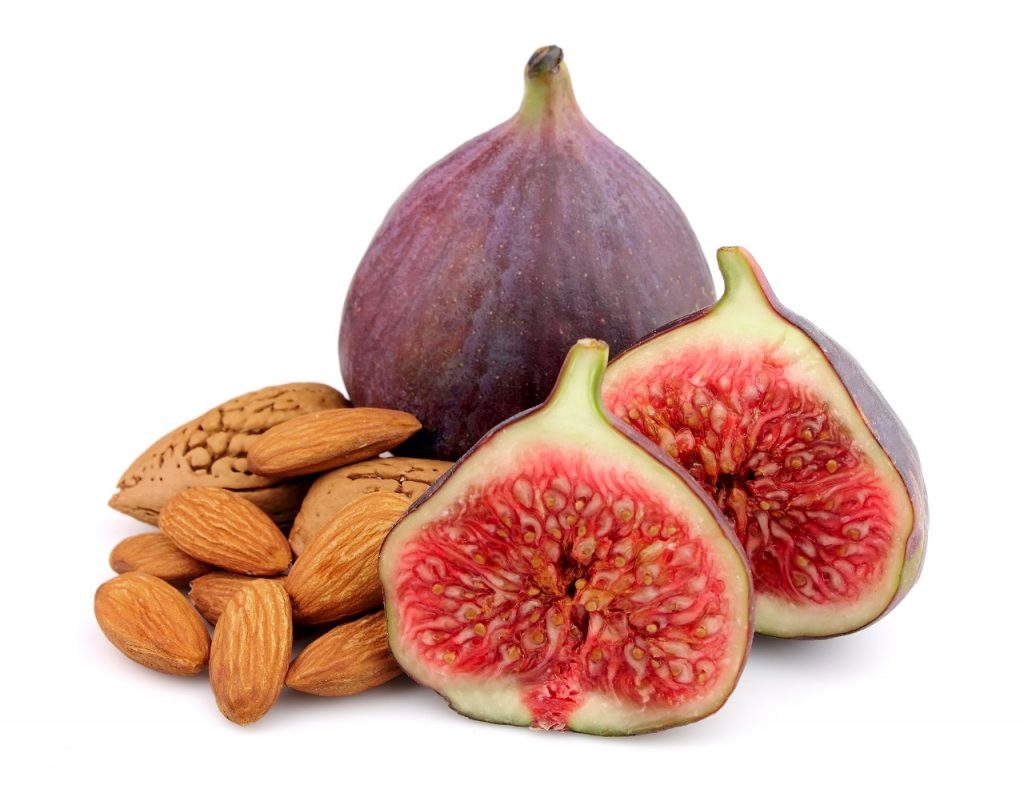
  3. Almonds: A nutritional powerhouse for men’s health, almonds are loaded with healthy fats, vitamins and minerals that help support testosterone production. It contains high levels of minerals like Zinc, which is known to raise testosterone levels in people who are Zinc deficient. Have 5-6 soaked almonds daily to see changes. 
  4. Bananas: are the food factory of important vitamins and minerals that aid in the production of testosterone. They are rich in an enzyme called bromelain which boost testosterone levels and are excellent for maintaining energy levels. You can add Bananas in your diet in the form of shakes, smoothies, mix with oat’s porridge or curd, etc.
  5. Spinach: is one of the most popular superfoods, which is rich in iron, magnesium and is an excellent testosterone booster. It has been known as one of the best testosterone boosting foods which is easily available during all the seasons. You can make spinach soup, smoothies or you can add spinach in your curries, sandwiches, etc. 
  6. Honey: contains boron which is kind of a natural mineral associated with helping testosterone levels, building strong bones and muscles. You can replace white sugar in your tea/milk/smoothie with honey. You can also add it to your porridge but make sure it is raw, organic honey and not the processed one.
  7. Lemon: is a citrus fruit which is a great source for boosting testosterone levels. It also has vitamin A, which is required for the production of testosterone. You can have lemon water, add lemon in your salad, soups, etc. to improve testosterone more fruitfully.
  8. Eggs: are packed with testosterone boosting nutrients because they provide a generous amount of high quality protein which is essential for maintaining adequate levels of testosterone. Eggs are also rich in good cholesterol, Vitamin D and omega-3 which boost testosterone levels and help in building muscle. Have 1-2 eggs with yolk in your diet daily to improve your testosterone levels.
  9. Fish: Good quality of Salmon and Tuna work well to boost testosterone levels by 90%. They are super-rich in Vitamin D – which helps maintain sperm count and due to the good amount of omega-3, it boosts testosterone levels effectively. You can include these fatty fishes in your diet 2-3 times a week.
  10. Ashwagandha: is a popular Ayurvedic herb, also called Indian Ginseng or Winter Cherry, It is a natural T-Booster that also helps men who are struggling with infertility. Studies have shown significant improvement in semen quality and also a drop in stress levels in the men taking Ashwagandha. Daily doses of 125mg of ashwagandha all the way up to 5g have shown benefits in clinical trials. But it may interact with your thyroid, blood sugar and blood pressure medications. So you should always consult a medical professional before starting it.

Before beginning to consume any of the foods listed here, please consult a doctor to check for allergies or any other issues these foods may cause. Changing your diet is one of the most effective ways to maintain healthy testosterone levels but physical activity, sleep quality and weight management are equally important. 

If you lack sleep, you find it harder to exercise and easier to gain fat and if you gain weight, your testosterone production drops. If your weight is healthy you find it easier to exercise and get good sleep and if you lose weight, your testosterone levels can jump right back up to normal! 

We hope this article helps you! For more information or guidance, check out LIVE sessions by our experts on GOQii Play. 

#BeTheForce 

  • « Previous Page
  • 1
  • …
  • 58
  • 59
  • 60
  • 61
  • 62
  • …
  • 66
  • Next Page »

Search

Recent Posts

  • India Leads in Longevity: GOQii Sanjeevini Named Top 40 in $101M XPRIZE
  • The Importance Of Knowing If You’re Thirsty Or Hungry
  • Best Foods To Alleviate Irritable Bowel Syndrome
  • ALL ABOUT VERTIGO!
  • PCOS and Anxiety: Discover Relief with the 54321 Technique

Stay Updated

Archives

  • December 2025 (8)
  • November 2025 (15)
  • October 2025 (20)
  • September 2025 (6)
  • August 2025 (6)
  • July 2025 (12)
  • June 2025 (18)
  • May 2025 (16)
  • April 2025 (23)
  • March 2025 (23)
  • February 2025 (22)
  • January 2025 (26)
  • December 2024 (26)
  • November 2024 (25)
  • October 2024 (22)
  • September 2024 (24)
  • August 2024 (31)
  • July 2024 (21)
  • June 2024 (26)
  • May 2024 (31)
  • April 2024 (27)
  • March 2024 (29)
  • February 2024 (26)
  • January 2024 (25)
  • December 2023 (15)
  • November 2023 (11)
  • October 2023 (20)
  • September 2023 (22)
  • August 2023 (20)
  • July 2023 (22)
  • June 2023 (24)
  • May 2023 (24)
  • April 2023 (24)
  • March 2023 (23)
  • February 2023 (20)
  • January 2023 (16)
  • December 2022 (12)
  • November 2022 (15)
  • October 2022 (15)
  • September 2022 (12)
  • August 2022 (10)
  • July 2022 (17)
  • June 2022 (11)
  • May 2022 (10)
  • April 2022 (6)
  • March 2022 (6)
  • February 2022 (13)
  • January 2022 (12)
  • December 2021 (7)
  • November 2021 (3)
  • October 2021 (6)
  • September 2021 (3)
  • August 2021 (8)
  • July 2021 (7)
  • June 2021 (15)
  • May 2021 (16)
  • April 2021 (10)
  • March 2021 (7)
  • February 2021 (4)
  • January 2021 (4)
  • December 2020 (3)
  • November 2020 (4)
  • October 2020 (10)
  • September 2020 (3)
  • August 2020 (3)
  • July 2020 (2)
  • June 2020 (4)
  • May 2020 (10)
  • April 2020 (12)
  • March 2020 (10)
  • February 2020 (4)
  • January 2020 (4)
  • December 2019 (3)
  • November 2019 (7)
  • October 2019 (5)
  • September 2019 (4)
  • August 2019 (9)
  • July 2019 (9)
  • June 2019 (11)
  • May 2019 (4)
  • April 2019 (9)
  • March 2019 (8)
  • February 2019 (9)
  • January 2019 (8)
  • December 2018 (9)
  • November 2018 (3)
  • October 2018 (3)
  • September 2018 (5)
  • August 2018 (10)
  • July 2018 (6)
  • June 2018 (13)
  • May 2018 (8)
  • April 2018 (18)
  • March 2018 (9)
  • February 2018 (8)
  • January 2018 (15)
  • December 2017 (12)
  • November 2017 (19)
  • October 2017 (13)
  • September 2017 (15)
  • August 2017 (4)
  • July 2017 (8)
  • June 2017 (7)
  • May 2017 (6)
  • April 2017 (8)
  • March 2017 (6)
  • February 2017 (7)
  • January 2017 (9)
  • December 2016 (10)
  • November 2016 (7)
  • October 2016 (7)
  • September 2016 (7)
  • August 2016 (11)
  • July 2016 (9)
  • June 2016 (9)
  • May 2016 (12)
  • April 2016 (17)
  • March 2016 (17)
  • February 2016 (8)
  • January 2016 (6)
  • December 2015 (2)
  • November 2015 (9)
  • October 2015 (7)
  • September 2015 (9)
  • August 2015 (11)
  • July 2015 (9)
  • June 2015 (12)
  • May 2015 (9)
  • April 2015 (13)
  • March 2015 (8)
  • February 2015 (5)
  • January 2015 (12)
  • December 2014 (14)
  • November 2014 (11)
  • October 2014 (6)
  • September 2014 (13)
  • August 2014 (12)
  • July 2014 (6)
  • June 2014 (2)
  • May 2014 (7)
  • April 2014 (5)

From “Laddu Nawin” to Fit and Fierce: How a 25-Year-Old Insurance Advisor Shed 20 Kilos and Gained His Life Back

When 25-year-old Nawin Yadav from Hyderabad walked into his office every morning, he carried more than just his files and policy papers. He had the weight of fatigue, sluggish energy, and an ever-growing belly that was becoming the butt of jokes. “People … [Read More...]

“I’ve Challenged Myself to Live 100 Years” – The Story of Chandubhai Savani’s Second Chance at Life

At 67, most people start slowing down. Not Chandubhai Savani. A resident of Surat, Chandubhai, thought life was on track. “My life was going well till I had my bypass surgery,” he says. That surgery, back in 2021, was a wake-up call.  Medication was routine, but exercise wasn’t. His diet? What he calls ‘normal.’ “I […]

From Shimla’s Slopes to Chandigarh’s Sidewalks: Surinder Kaur Bhalla’s Journey from Chaos to Control

Some journeys start with a plan. Others begin with a stumble literally. Surinder Bhalla, a government professional, born and raised in the scenic hill town of Shimla, had always lived a life of movement. “In Shimla, you walked everywhere,” she reflects. “Walking was never an exercise. It was just life.” But after shifting to Chandigarh, […]

Ananda Mukherjee Health Story

From Terminal Illness To Complete Wellness! Ananda Mukherjee Health Story

As we observe World Cancer Day under the powerful theme ‘United by Unique’ (2025-2027)**, we are reminded that every individual’s journey with cancer is distinct, yet united by shared resilience, hope, and the collective fight against this disease. This theme places people at the centre of care and their stories at the heart of the […]

  • HOME
  • HEALTHY LIVING
  • FITNESS
  • HEALTHY RECIPES
  • USER STORIES
  • KARMA
  • BUY GOQii

Copyright ©2016 GOQii