GOQii

Blog

  • HOME
  • HEALTHY LIVING
  • FITNESS
  • HEALTHY RECIPES
  • USER STORIES
  • KARMA
  • BUY GOQii

May 11, 2024 By Trupti Hingad Leave a Comment

Hidden benefits of used tea bags

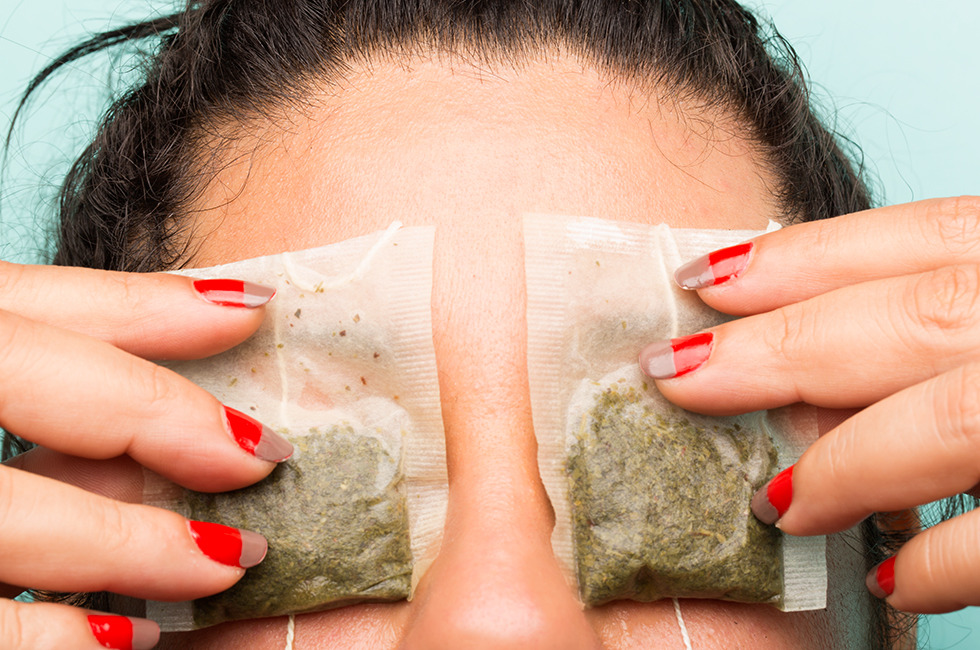
tea bags under the eye

Tea is Indians favourite beverage. Tea is known for many beneficial properties that it contains. Whether it is black tea or green tea or white tea…there are numerous health, home and cosmetic benefits attached to tea. Tea bags once used do not necessarily need be thrown away in the trash once they have been dunked and seeped into the boiling water and milk if you are using any.

Let me share a couple of hidden benefits of used tea bags

  1. Tea bags for your eyes: The number of antioxidants present in tea makes it ideal when it comes to banishing those dark circles. After use, you can freeze these tea bags and press it on to your eyes for few minutes the next day. This will help in lightening the area and reducing the puffiness under the eye.
  1. Tea bags for food flavouring: You can use tea bags to flavour the dishes too. This can be used as a robust condiment with pasta, grains, and chicken. You can use these tea bags in the water which will be used to boil grains and pasta so that the flavour can get infused in these ingredients. You can use flavoured tea bags like chamomile and cinnamon to make a difference to the dish that you are preparing.
  1. Tea bags in the garden: In a large garden or small pots, you can use tea bags in the water used for watering plants. This will help in preventing the onset of any kind of fungal infection as far as the plants go.
  1. Tea bags to deal with odours: Tea bags can be placed in muslin clothes and hung on rods and placed in corners to acts as deodorising agent. You can place these tea bags in the refrigerator too so that you can eliminate the various scents and odours that are not too pleasant.
  1. Tea bags for cleaning: You can use tea bags to clean your rugs and carpets. These can be frozen before they are opened and the dried tea leaves can be spread over the various stains before being brushed away. This will lighten the stains gradually. Use the teabags to rub furniture and floor scratches to make them disappear.
  1. Tea bags for healing sores: Chill a used tea bag in the freezer. Once it’s cold, place it on your canker sore. The cold plus the tea’s healing properties will help your sore feel better faster.
  1. Tea bags for stopping bleeding on cuts: When a kitchen injury strikes while slicing and dicing, staunch the blood flow fast by saturating a black tea bag with hot water, then holding it against the injury for 30 seconds. The tannins in the tea will quickly clot the blood so you can cover the cut with a bandage and get back to whipping up your delicious dinner.
  1. Tea bags to keep iron vessels rust proof: To make sure that your skillet stays rust-free by wiping it with a damp used black tea bag after every cooking session. The tea’s tannins will coat the pan with an invisible protective layer that prevents rust-causing oxidation.

Don’t discard those used tea bags just yet! Embrace their hidden potential and explore the multitude of ways they can enhance your life, from skincare to household chores. Give these inventive uses a try and make the most out of every cup of tea. We hope this article helps you. For further information or guidance, reach out to our certified experts by subscribing to GOQii’s Personalised Health Coaching here.

#BeTheForce 
March 11, 2024 By Neha Morche 8 Comments

All about Wheat Grass and its benefits

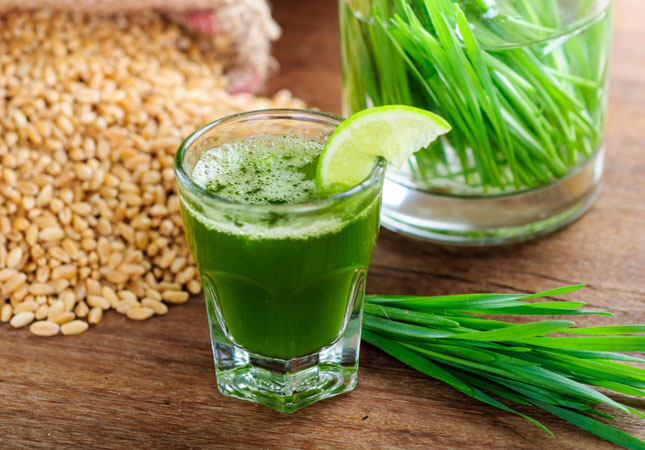
wheatgrass

In the ancient days in India plants were used as a medicine to cure health issues. Later allopathy was invented and it made life simpler. During my days of college, I came across this magical grass called ‘Wheatgrass’ and it’s amazing benefits to our health.

Wheat grass itself cannot be eaten as it is hard to digest. Interestingly, it can be grown indoors and outdoors by putting wheat seeds in water and then harvesting the leaves; which also occupies less space. It is available in various forms such as juice outside parks, powders and in capsule form. But, the ideal way to have it is in the fresh juice form to get enough nutrients. Wheatgrass is used as a concentrated source of nutrients in powder and capsules.

Wheatgrass is a good source of potassium, dietary fiber, Vitamin A, Vitamin C, Vitamin E, Vitamin K, Thiamin, Riboflavin, Niacin, Vitamin B6, Pantothenic Acid, Iron, Zinc, Copper, Manganese and Selenium, and has negligible amount of proteins.

Wheatgrass is generally considered safe. A word of caution as it may cause nausea, headaches, swelling to your throat due to the bacteria present in it (due to contamination) as it is grown in soil or water.

 Benefits :

  1. It is rich in chlorophyll (similar to haemoglobin) and iron which increases blood cell count.
  2. Lowers blood pressure by dilating the blood pathways.
  3. Wheat grass juice has alkaline minerals which reduces acidity also gastrointestinal tract problems.
  4. It detoxifies liver and the bloodstream.
  5. It has powerful ability to fight against tumors.
  6. If applied externally on the skin which eliminate itching immediately.
  7. It prevents hair from greying.
  8. It helps in stabilising blood sugar levels.
  9. Drinking wheat grass juice will help in clearing sinuses by breaking up the mucus.
  10. It helps in increasing immunity.

We trust this exploration into the wonders of wheatgrass has sparked your curiosity about incorporating this nutritional gem into your daily routine. Are you already a wheatgrass enthusiast, or are you inspired to give it a try? Share your thoughts and experiences in the comments below. For further insights into holistic health and nutrition, check out Healthy Reads. If you’re seeking personalised guidance, connect with our certified experts through GOQii’s Personalised Health Coaching here. Embrace the goodness of wheatgrass and embark on a journey to enhanced well-being!

#BeTheForce

March 5, 2024 By Trishala Chopra Leave a Comment

How to fight against the common illnesses with natural remedies!  

home remedies for common illnesses

Common illnesses like cold and cough, fever, headaches can be even more common than we can think!  We have no practical solution for these illnesses other than popping over the counter (OTC) pills to suppress the symptoms and waiting for them to reoccur.

If that one pill doesn’t work, they pop up the second one and after the second one doesn’t work they end up in doctor’s cabin asking for some more medicines. Taking these medicines over and over again is simply abusing our bodies. Side effects of the medicines are no less which gives us a chance to try and change our approach.

Remember how our grandmothers resorted to old traditional home remedies for better health? Those remedies are now being used as a part of naturopathy treatment. Before reaching out to these over the counter pills, let’s try and combine our herbs, spices and right diet to fight these illnesses.

Let’s understand each common illnesses one by one:-

  • Common cold

I am sure each one of us has suffered from common cold and can completely relate to its symptoms. It is perhaps the most common illness in the world. There was a research where data was collated to find out maximum sick leave reason and the data revealed that common cold topped the charts. There is no permanent cure for common cold.

Well, I have seen people taking antibiotics for getting rid of common cold. Antibiotics can do nothing for a common cold. If you are prescribed one then you might as well ask your doctor to give you something else because antibiotics only work against infections caused by bacteria but common cold is caused by a virus.

There is no permanent cure for common cold. There are more than 200 strains of viruses and it is difficult for the body to build up immunity against every strain which is why you see common cold hitting you always!

Symptoms of a common cold:

  • A severe headache
  • A sore throat
  • Fever
  • Congestion
  • Watery eyes
  • A cough
  • Nasal congestion
  • Sneezing

How to prevent the common cold?

(i) Include antioxidant-rich foods in your diet

  • It is important to boost your immunity and Vitamin C can act as an excellent immune-boosting nutrient.
  • Include raw fruits and vegetables which has PRANIC energy in your diet.

(ii) Include Bioflavonoids rich foods in your diet

  • Bioflavonoids were once known as Vitamin P.
  • These compounds help in fighting against the common cold.
  • Lemon, sweet lime, chillies, green pepper, grapes are good sources of bioflavonoids.

Natural remedies to cure a common cold:

(i) Ingredients:

  • Lime juice
  • Cayenne pepper
  • Manuka or organic honey
  • Water

Method:

  • Dilute 2 tbsp of lime juice + Pinch of cayenne pepper + 1 tsp of manuka honey in a ½ cup of warm water.

Dosage:

  • Have it early morning on empty stomach to prevent cold.
  • Take this concoction 3 times a day before breakfast, lunch and dinner if you are suffering from cold.

(ii)  Ingredients:

  • Fresh ginger juice
  • Fresh garlic juice
  • Turmeric powder
  • Elaichi or Cardamom

    Method:

  • Brew 2 tbsp of fresh ginger juice + 1 tbsp of fresh garlic juice + pinch of turmeric powder + 2 elaichi (cardamom) pods in 200 ml of water
  • Boil this decoction and then simmer it for 2 minutes.
  • Strain the water and add 1 tsp of a mishri or khadi shaker, drink this decoction warm

  Dosage :

  • 3 times a day till cold and cough subsides

(2) Fever

In my opinion, fever is the most misunderstood common issue. Everybody has a different definition of fever. Whenever your body temperature crosses 98.6 F, chances of getting fever becomes high. Medically, temperature above 100.4 F is termed as fever.

What causes fever?

It is important for everyone to know what causes fever. Fever is actually a response to your body against foreign invaders.

What are these foreign invaders?

Virus

Bacteria

Fungi

Toxins

Drugs

These foreign invaders are considered to be pyrogens or fever-producing substances. These pyrogens trigger the brain to raise the body temperature so that the body can fight these foreign invaders.

I have seen people popping up pills with a slight rise in body temperature. I have given this explanation above so that people understand that what is this fever and why does it happen? Your immune system is very smart, it will manage things on its own for a while. Taking fever-reducing medicines means that you are interfering with your immune system’s work.

Usually, fever reduces in a day or two. If it doesn’t then please visit your healthcare practitioner before popping any pills. Fever can be a symptom of any disease.

Staying with fever is not a good idea, I understand. But, taking medicine for the same is a very bad idea. Try these natural remedies to reduce your fever, it will not interfere with your immune system and will give you some relief as well.

Ingredients:

  • Dill seeds (Suva seeds)
  • Peppercorns (Kali Mirch )
  • Kalonji
  • Cinnamon powder
  • Water

 Method:

  • Boil 1 tbsp of roasted dill seeds + 1 tsp of peppercorns powder + 1 tsp of Kalonji in 150 ml of water for about 6 mins. Let it stay warm for about 15 mins.
  • Strain this mixture and add a pinch of cinnamon powder
  • Drink this mixture warm
  • Repeat it till the body temperature reduces.

(3) A headache

This topic can be an article in itself. Discussing headache is a huge thing but to cut it short headaches have numerous causes and headaches are divided into 3 categories:

  • Primary
  • Secondary
  • Other

Primary headaches include a migraine, stress, cold and cough induced headaches. Secondary headaches include headaches caused by structural problems in the body especially head and neck.

Here are some natural remedies to manage a headache:

  • Eat 5 black raisins + 1 tsp of sesame seeds twice a day. Keep chewing it and then drink lukewarm water
  • 1 glass of fresh tomato juice once a day
  • Soak your feet in Epsom salt and relax for a while. A headache will be drastically reduced.

Hope these tips help you in dealing with common illnesses!

Note: If your symptoms do not get better then please see your healthcare practitioner.

Opt for natural remedies to combat common illnesses, embracing the wisdom of traditional healing. From immune-boosting foods to age-old home remedies, prioritize your well-being the holistic way. Empower your health with these simple yet effective solutions. For further information or guidance, reach out to our certified experts by subscribing to GOQii’s Personalised Health Coaching here.

#BeTheForce
January 31, 2024 By CHARMI GOGRI 5 Comments

Healing power of herbs and spices – Part 1

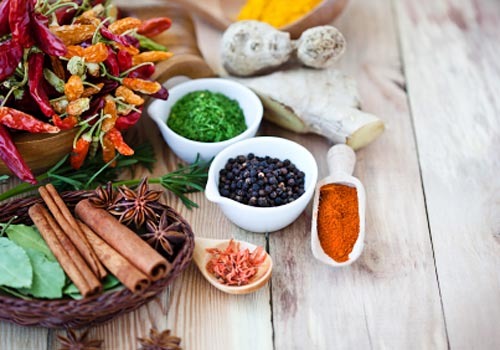
 Spice

Cooking without spices is like having a dance party without music; the two just go together. These power packed tiny ingredients have a lot to offer apart from flavoring. Yes! I’ve heard plenty of stories of people who have healed various health problems through food. As Hippocrates, the famous Greek Physician once said, “Let food be thy medicine and medicine be thy food.” This makes it clear that people are aware that food can be used to treat or prevent health conditions. Most of us in the field of holistic medicine could spend hours discussing different approaches to food and diet. However, I think that we often overlook the power of a diet in terms of the abundance of benefits spices and herbs present in the food have to offer.

The history of spices is simply fascinating. It’s testimony to the fact that wars were fought over spices and kingdoms were lost over them. Spices were recognized as powerful medicine way back in 2600 BC. These herbs and spices not only add interest to our plates and palates, but they promote health in incredibly powerful ways. Ideally, the leaf of a plant used in cooking may be referred to as herb, and any other part of the plant, often dried, as a spice.

Spices can be the buds (eg. cloves), bark (eg.cinnamon), roots (eg. ginger), berries (eg. peppercorns), aromatic seeds (eg. cumin), and even the stigma of a flower (eg. saffron). Many of the aromatic seeds known as spices are actually gathered from plants when they have finished flowering. A familiar example would be coriander, with the leaves being referred to as herb, and the dried seeds as a spice.

Below is an extensive list of spices and herbs (Described in alphabetic order; Doesn’t mean it is in the order of their importance/benefits) that are worth adding to your culinary list owing to their key health benefits. We have split the blog into two parts for easy reading.

  1. Amchur: Amchoor or Amchur, also referred to as mango powder, is a fruity spice powder made from dried unripe green mangoes and is used as a citrusy seasoning. Mostly it’s used in Chutneys and Indian curries. Due to its high iron content it is popularly recommended for Anemia and Pregnant women. Also, it’s believed to reduce acidity and improve digestion.
  1. Asafoetida: The lingering odour of Asafoetida has given it many names like Devil’s dung and stinking gum. It’s commonly known as Hing in India. It’s warm in nature and that probably explains the reason it helps to increase the digestive enzymes. It helps reduce flatulence, digestive disorders, prevents constipation and is an excellent laxative. A pinch of asafoetida can be taken with buttermilk/water to reduce flatulence and cleanse the digestive system. Also, It’s believed to relieve menstrual pain. The active component of Asafoetida, coumarins can thin the blood and is believed to be anti-coagulant. Also, helps lower blood pressure.
  1. Black peppercorns : Also known as Kali Mirch. Piperine is the active ingredient in black pepper, and it has been shown to jumpstart digestion, prevent certain cancers and heart disease, lowers blood pressure, and prevents arthritis. Cases show that it has cholesterol lowering properties and help in cardiac function recovery especially after a heart attack. Overnight soaked peppercorns if consumed next day while having breakfast relieves migraine problem for most of them. The outer layer of peppercorn assists in the breakdown of fat cells. Therefore, peppery foods are a good way to help you shed weight. The antibacterial property of black pepper helps to fight against infections and insect bites.
  1. Basil: Also known as Tulsi in India and considered auspicious has medicinal usage extending from reducing ill effects of radiotherapy of cancer to optimizing kidney function to keeping cough and fever at bay. This herb has lot to offer. The strong anti-bacterial properties of Basil are known from years and hence owing to this property, basil is valued for its anti inflammatory. The active components i.e. eugenol and rosmarinic acid present in basil boosts production of serotonin and dopamine in brain. This could lead to sunnier mood in as little as 3 days. Basil also has a strengthening effect on kidney functioning. Consuming 5-6 leaves with water or crushing leaves to make juice and having with equal proportion of honey on a regular basis will improve overall kidney functioning and also aids in facilitating kidney stones through the urinary tract. Basil is a key ingredient in cough syrups and expectorants. Basil leaves can be used in the treatment of fever and common cold. Chewing some fresh basil leaves for relief from colds and flus is the best possible thing to treat naturally. Usually Smokers are prone for respiratory disorders and cancer. For both these, Tulsi is ideal. Having said that, care needs to be taken while handling this herb as the oils in basil are highly volatile, it is best to add the herb at the end of the cooking process, so it will retain its maximum essence and flavour !
  1. Bay Leaf : Bay leaves popularly known as Tej Patta are one of the main ingredients added to the popular Indian spice mix i.e. Garam Masala. Bay leaves help strengthen immune system and ward off urinary tract infection. Bay leaves have a very strong effect on the gut health. It helps in stimulating urination as a diuretic, which decreases the toxicity of the body, but can also stimulate vomiting (as an emetic) when something toxic has been consumed.
  1. Cardamom : Cardamom also known as Elaichi have aromatic and warming properties. They are believed to stimulate appetite and enhance digestion. It helps in stimulation and regular excretion of gastric juices. It helps in balancing these acids in cases of acidity, thus providing relief during heart burns. Those suffering from flatulence and gas gets a good relief when they chew cardamom after a meal. This helps those suffering from. Cardamom is also beneficial in relieving stomach cramps, hiccups, nausea, vomiting as well as constipation. Apart from health benefits, It is also valued for improving oral hygiene and eradicate fowl breathe.
  1. Carom seeds : These tiny seeds are popularly known as Ajwain or bishop’s weed in Indian Market. Ajwain contains high levels of thymol, a compound, which aids the release of gastric juices from the stomach which makes Ajwain`excellent indigestion reliever. To add more, it helps to deal with flatulence, nausea and colicky pain in babies. Ajwain has properties that help reduce inflammation and soothes irritated nerves. Because of this, it acts a great remedy to stop hiccups
  1. Cinnamon : Commonly known as Dalchini. Apart from its aroma and taste, the benefits of this spice can be attributed to its anti-bacterial, anti-fungal, anti-microbial and anti-clotting factor. Cinnamon is known for its role in the reduction of total and bad cholesterol (LDL) and increase in good cholesterol (HDL). It also helps improve insulin resistance and improves glucose tolerance in people with type 2 diabetes mellitus, thereby making it useful in diabetes management. Consuming Cinnamon plus honey has many benefits one of which is that it increases body’s metabolism and also helps in relieving gas and acidity.
  1. Clove: Clove or Laung is a pungent aromatic floral bud. The most prominent and common use of clove is alleviating symptoms of toothache and dental decay. The anti-inflammatory and analgesic components present in clove helps to reduce the swelling around an infected tooth and relieve pain. Plus, their antiseptic property will help fight the infection in the affected area and prevent it from spreading. Apart from this, Eugenol present in clove prevents clotting of blood and in purifying blood.
  1. Cumin: This spice which is native to Middle-East Asian region is one of the best spices to use to prevent and relieve gas. It is of beneficial to women after childbirth to shrink the uterus and increase breast milk. Cumin seeds (Jeera) also contains high amount of melatonin, which when consumed with bananas increases the production of chemicals within the brain. This combination helps beat

To be continued

  • « Previous Page
  • 1
  • 2
  • 3
  • 4
  • 5
  • Next Page »

Search

Recent Posts

  • PCOS and Anxiety: Discover Relief with the 54321 Technique
  • Navigating the Maze of Nutrition: Finding Clarity Amidst Confusion
  • Get children active and keep them healthy
  • What Gestational Diabetes Can Do To You & Your Unborn Child
  • Breathing – A Forgotten Art

Stay Updated

Archives

  • December 2025 (4)
  • November 2025 (15)
  • October 2025 (20)
  • September 2025 (6)
  • August 2025 (6)
  • July 2025 (12)
  • June 2025 (18)
  • May 2025 (16)
  • April 2025 (23)
  • March 2025 (23)
  • February 2025 (22)
  • January 2025 (26)
  • December 2024 (26)
  • November 2024 (25)
  • October 2024 (22)
  • September 2024 (24)
  • August 2024 (31)
  • July 2024 (21)
  • June 2024 (26)
  • May 2024 (31)
  • April 2024 (27)
  • March 2024 (29)
  • February 2024 (26)
  • January 2024 (25)
  • December 2023 (15)
  • November 2023 (11)
  • October 2023 (22)
  • September 2023 (22)
  • August 2023 (20)
  • July 2023 (22)
  • June 2023 (24)
  • May 2023 (24)
  • April 2023 (24)
  • March 2023 (23)
  • February 2023 (20)
  • January 2023 (16)
  • December 2022 (12)
  • November 2022 (15)
  • October 2022 (15)
  • September 2022 (12)
  • August 2022 (10)
  • July 2022 (17)
  • June 2022 (11)
  • May 2022 (10)
  • April 2022 (6)
  • March 2022 (6)
  • February 2022 (13)
  • January 2022 (12)
  • December 2021 (7)
  • November 2021 (3)
  • October 2021 (6)
  • September 2021 (3)
  • August 2021 (8)
  • July 2021 (7)
  • June 2021 (15)
  • May 2021 (16)
  • April 2021 (10)
  • March 2021 (7)
  • February 2021 (4)
  • January 2021 (4)
  • December 2020 (3)
  • November 2020 (4)
  • October 2020 (10)
  • September 2020 (3)
  • August 2020 (3)
  • July 2020 (2)
  • June 2020 (4)
  • May 2020 (10)
  • April 2020 (12)
  • March 2020 (10)
  • February 2020 (4)
  • January 2020 (4)
  • December 2019 (3)
  • November 2019 (7)
  • October 2019 (5)
  • September 2019 (4)
  • August 2019 (9)
  • July 2019 (9)
  • June 2019 (11)
  • May 2019 (4)
  • April 2019 (9)
  • March 2019 (8)
  • February 2019 (9)
  • January 2019 (8)
  • December 2018 (9)
  • November 2018 (3)
  • October 2018 (3)
  • September 2018 (5)
  • August 2018 (10)
  • July 2018 (6)
  • June 2018 (13)
  • May 2018 (8)
  • April 2018 (18)
  • March 2018 (9)
  • February 2018 (8)
  • January 2018 (15)
  • December 2017 (12)
  • November 2017 (19)
  • October 2017 (13)
  • September 2017 (15)
  • August 2017 (4)
  • July 2017 (8)
  • June 2017 (7)
  • May 2017 (6)
  • April 2017 (8)
  • March 2017 (6)
  • February 2017 (7)
  • January 2017 (9)
  • December 2016 (10)
  • November 2016 (7)
  • October 2016 (7)
  • September 2016 (7)
  • August 2016 (11)
  • July 2016 (9)
  • June 2016 (9)
  • May 2016 (12)
  • April 2016 (17)
  • March 2016 (17)
  • February 2016 (8)
  • January 2016 (6)
  • December 2015 (2)
  • November 2015 (9)
  • October 2015 (7)
  • September 2015 (9)
  • August 2015 (11)
  • July 2015 (9)
  • June 2015 (12)
  • May 2015 (9)
  • April 2015 (13)
  • March 2015 (8)
  • February 2015 (5)
  • January 2015 (12)
  • December 2014 (14)
  • November 2014 (11)
  • October 2014 (6)
  • September 2014 (13)
  • August 2014 (12)
  • July 2014 (6)
  • June 2014 (2)
  • May 2014 (7)
  • April 2014 (5)

From “Laddu Nawin” to Fit and Fierce: How a 25-Year-Old Insurance Advisor Shed 20 Kilos and Gained His Life Back

When 25-year-old Nawin Yadav from Hyderabad walked into his office every morning, he carried more than just his files and policy papers. He had the weight of fatigue, sluggish energy, and an ever-growing belly that was becoming the butt of jokes. “People … [Read More...]

“I’ve Challenged Myself to Live 100 Years” – The Story of Chandubhai Savani’s Second Chance at Life

At 67, most people start slowing down. Not Chandubhai Savani. A resident of Surat, Chandubhai, thought life was on track. “My life was going well till I had my bypass surgery,” he says. That surgery, back in 2021, was a wake-up call.  Medication was routine, but exercise wasn’t. His diet? What he calls ‘normal.’ “I […]

From Shimla’s Slopes to Chandigarh’s Sidewalks: Surinder Kaur Bhalla’s Journey from Chaos to Control

Some journeys start with a plan. Others begin with a stumble literally. Surinder Bhalla, a government professional, born and raised in the scenic hill town of Shimla, had always lived a life of movement. “In Shimla, you walked everywhere,” she reflects. “Walking was never an exercise. It was just life.” But after shifting to Chandigarh, […]

Ananda Mukherjee Health Story

From Terminal Illness To Complete Wellness! Ananda Mukherjee Health Story

As we observe World Cancer Day under the powerful theme ‘United by Unique’ (2025-2027)**, we are reminded that every individual’s journey with cancer is distinct, yet united by shared resilience, hope, and the collective fight against this disease. This theme places people at the centre of care and their stories at the heart of the […]

  • HOME
  • HEALTHY LIVING
  • FITNESS
  • HEALTHY RECIPES
  • USER STORIES
  • KARMA
  • BUY GOQii

Copyright ©2016 GOQii