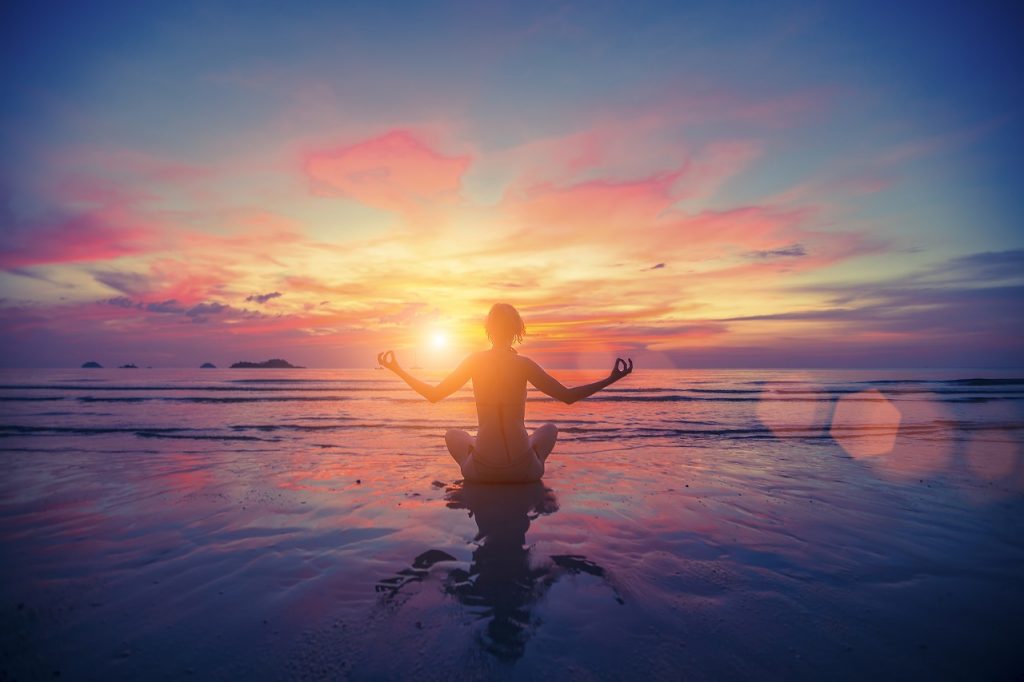
 We know that meditation is very very good for health, especially mental health. But sometimes, we get confused about what exactly to do. So here’s a guide to help you begin. Try these powerful ways of meditation to improve your health and wellbeing!
Powerful Ways Of Meditation
1. Concentrative Meditation
As the word suggests, you are supposed to concentrate on one point so you won’t think about other things. When thoughts are scattered, it creates no impact, but sharp attention is a powerful tool. One way to do it is to focus on your own breathing cycle. See how you inhale through the nose, how you feel inside the body and how you exhale. Another way is to focus on sounds like any word or phrase or the sound of a bell. You can also focus on a candle’s flame. Sit in front of the candle, look at the flame and close your eyes. Behold the picture of the flame in front of your mind. When the picture fades, open your eyes and repeat the process.
2. Contemplative Meditation
Instead of trying to stop thinking, contemplative meditation includes focusing on a single thought. Instead of too many different thoughts, it’s thinking about one subject and one thought with complete awareness of the thought. For this, you can contemplate any sentence from a religious scripture or contemplate objects like a flower or a tree. Think about the shape of a particular flower.
Another way is asking a question to yourself, believing in your inner instinct and waiting for an answer to come up. The questions can be:
- What am I looking for?
- What is it I am resisting?
- Knowing I will die, how should I live?
- What is my greatest mission?
- What do I love?
- What do I have fear of?
- Who am I?
3. Witness Meditation
Watch your thoughts as if it’s a movie. Let the thoughts come, simply observe them, but do not react or try to reject. Be neutral. This is called being the witness of your thoughts. What does it do? It reduces your attachment from your thoughts. You no longer feel pain with those repetitive thoughts. This is a great technique to let go of resentment from the past.
4. Chanting Mantra
Chanting mantras repeatedly is one way of meditation. Mantra is a sanskrit word. Man means mind and Tra means release. Mantra is supposed to be a set of words which releases your mind from all it’s anxieties. It has been said that chanting mantras provides spiritual growth. But make sure you are paying attention, because that is all what we want. You can chant OM or Gayatri Mantra.
5. Movement Meditation
If you think you can’t sit at one place and focus, practice meditation through body movements. Self defense practices like Tai chi and Qigong are used as a form of meditation for a very long time. Yoga is one excellent example of movement meditation. Yoga involves being fully aware of your breathing and understanding the basic nature of self. But not only this, we can also practice meditation through simply walking or dancing. Just be attentive, pay close attention to your steps, body movements and surroundings.
Next time, when you sit to meditate, you can try something new. Keep it mind, sometimes we might get a little restless but be patient. Don’t get frustrated. Slowly get back to your point of concentration.
We hope these 5 powerful ways of meditation help you! Do leave your thoughts and experiences in the comments below. For more on meditation and yoga, check out Healthy Reads or for further guidance, speak to a certified expert by subscribing to GOQii’s Personalised Health Coaching here.
#BeTheForce
Disclaimer: The information provided in this blog is for general awareness and educational purposes only. It is not intended to replace professional medical advice, diagnosis, or treatment. Always consult a qualified healthcare provider for personalised medical guidance or concerns related to your health.
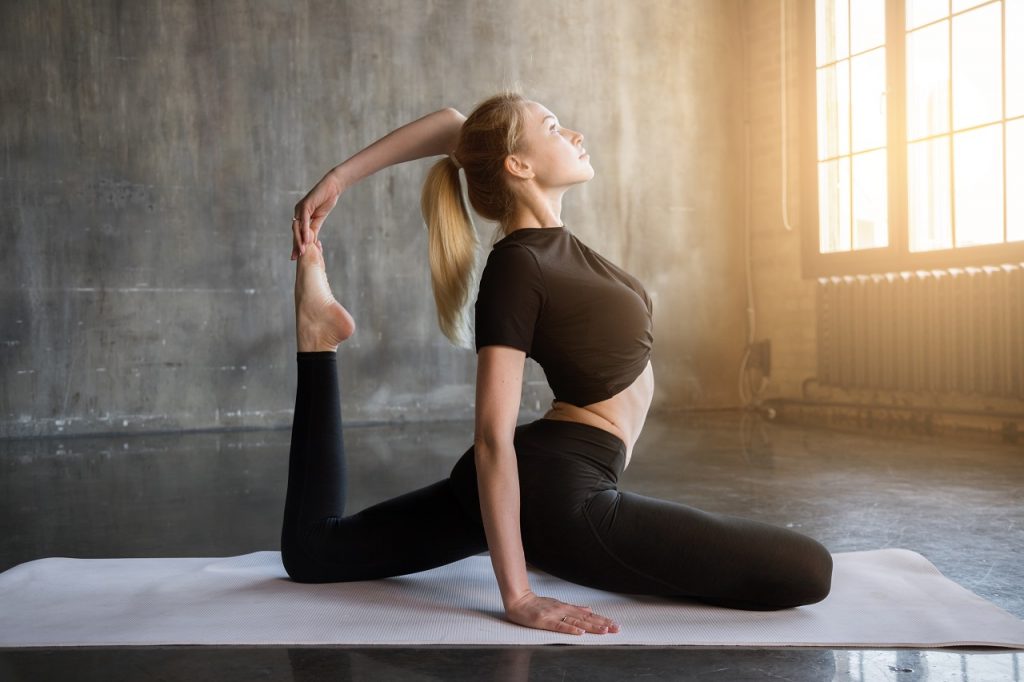 Get ready to boost your immunity and conquer those pesky viral infections! Monsoons and the ever-changing weather can leave us feeling drained and vulnerable to sore throats, colds, and fevers. But fret not! Yoga Therapy comes to the rescue with its comprehensive approach.
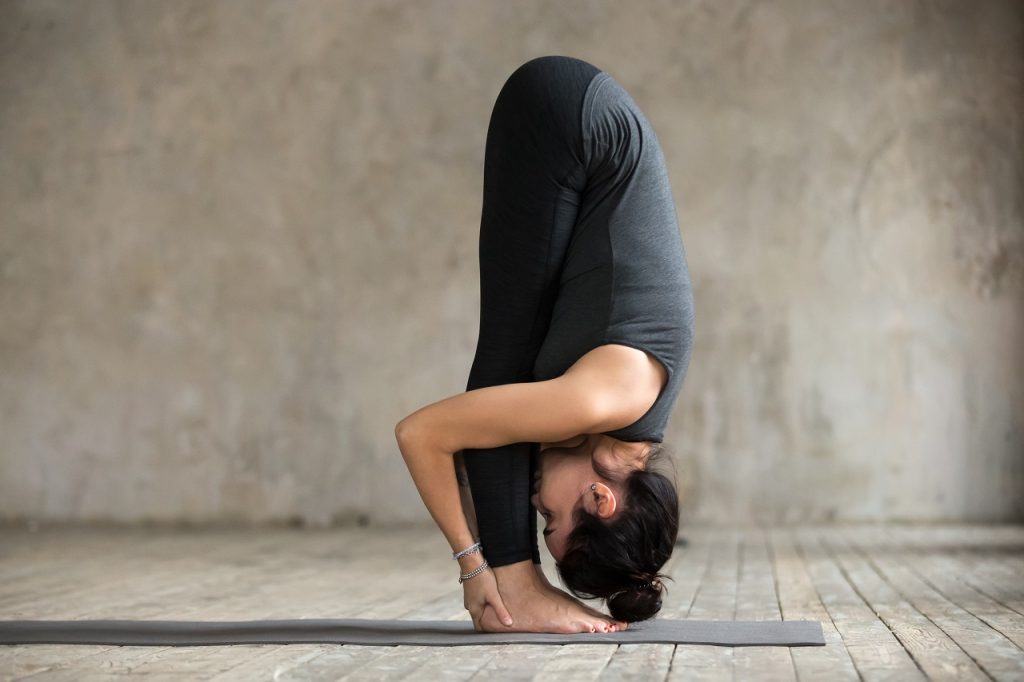 Helps in clearing out the sinus passages, thereby clearing out blockages and allowing for more complete breathing. It invigorates the nervous system and relieves stress and tension.
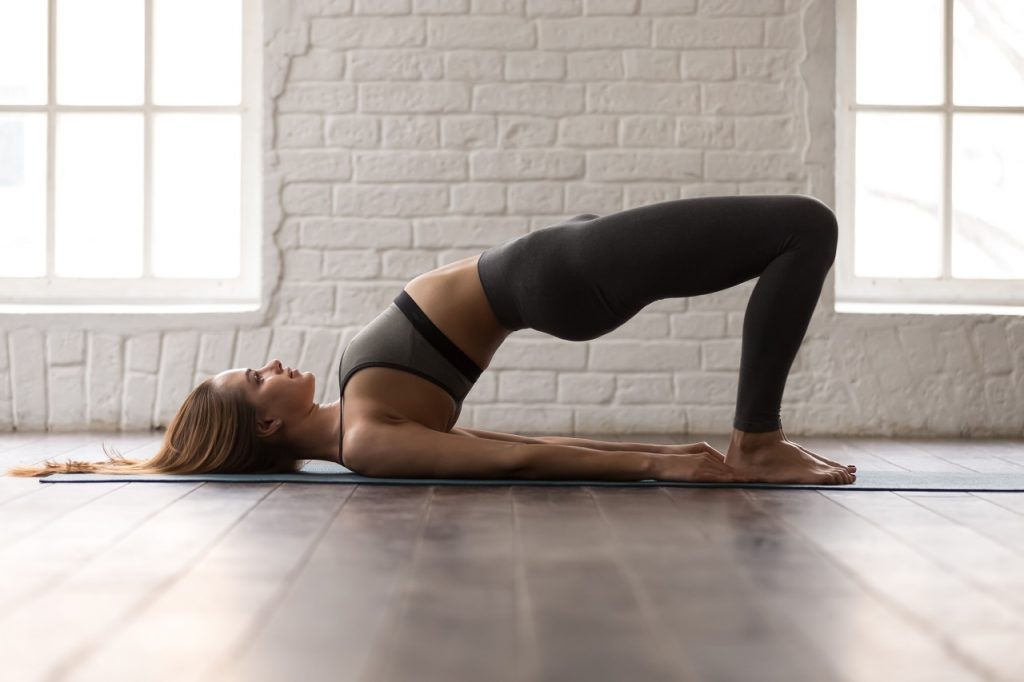 Opens up the chest. It also sends fresh blood to the head, which helps open up the sinuses further. This asana also activates the thymus glands, one of the main organs of the immune system.
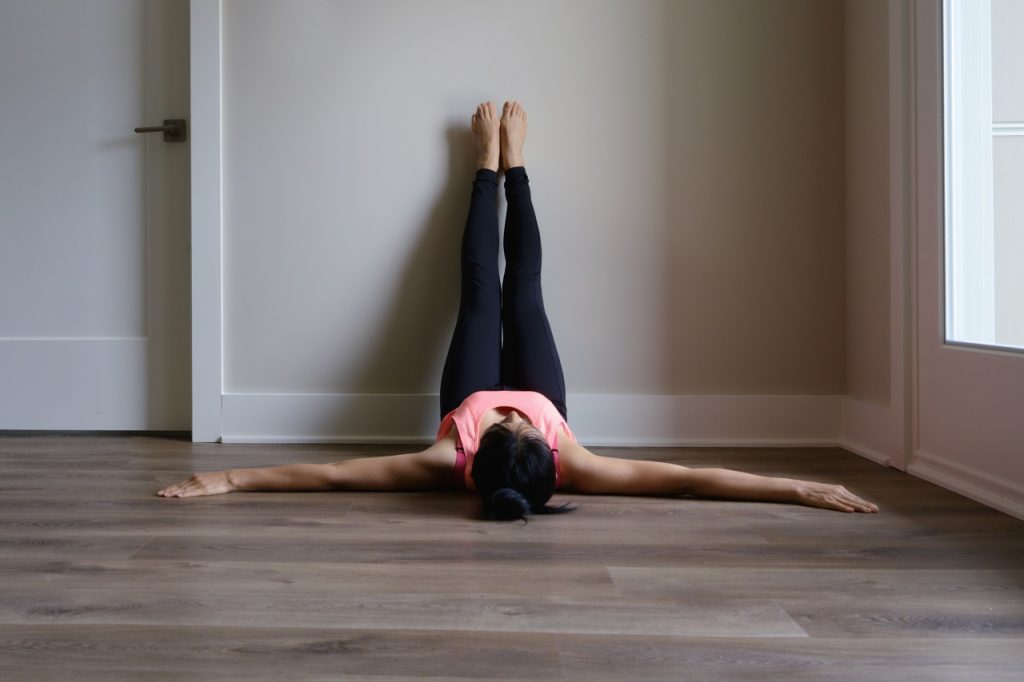 The Legs Up the Wall Pose is a great pose to practice to counter respiratory ailments. When you practice this asana, you might find relief from headaches or backaches that accompany a cold. Practicing this asana calms the mind and makes you strong as your body deals with the cold and helps in reducing fatigue, which usually follows common cold. This asana helps the immune cells to move through your body.
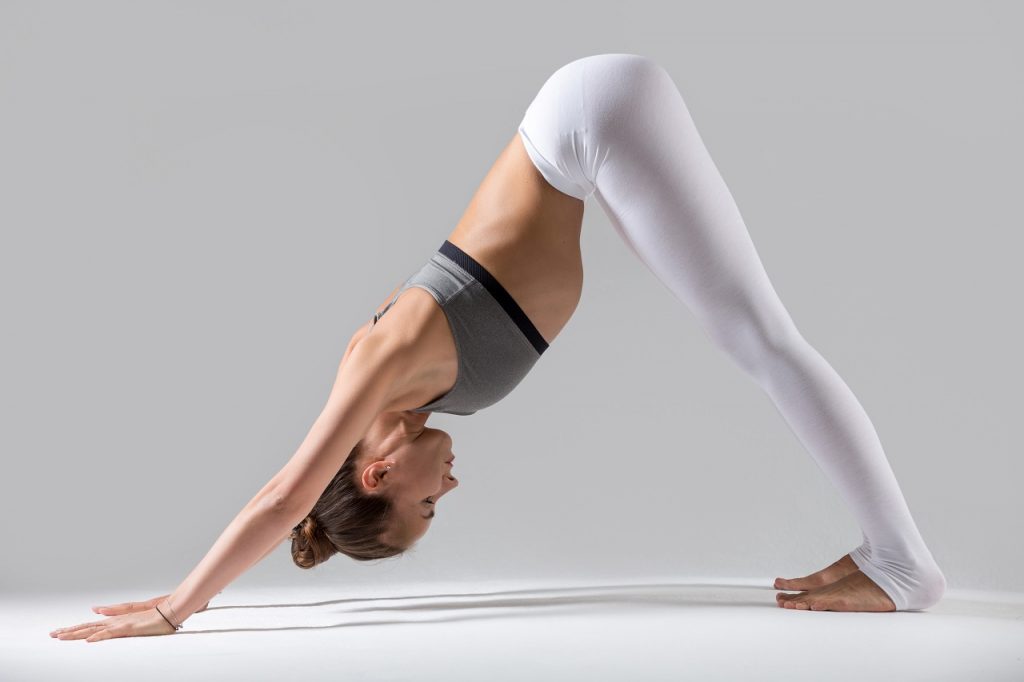 In this asana, your heart is placed higher than the head. There is a reverse pull of gravity that happens when you do that, and this aids in the proper circulation of the lymph and the blood. The mild inversion allows a free flow of white blood cells throughout the body and also helps to drain out the sinuses.
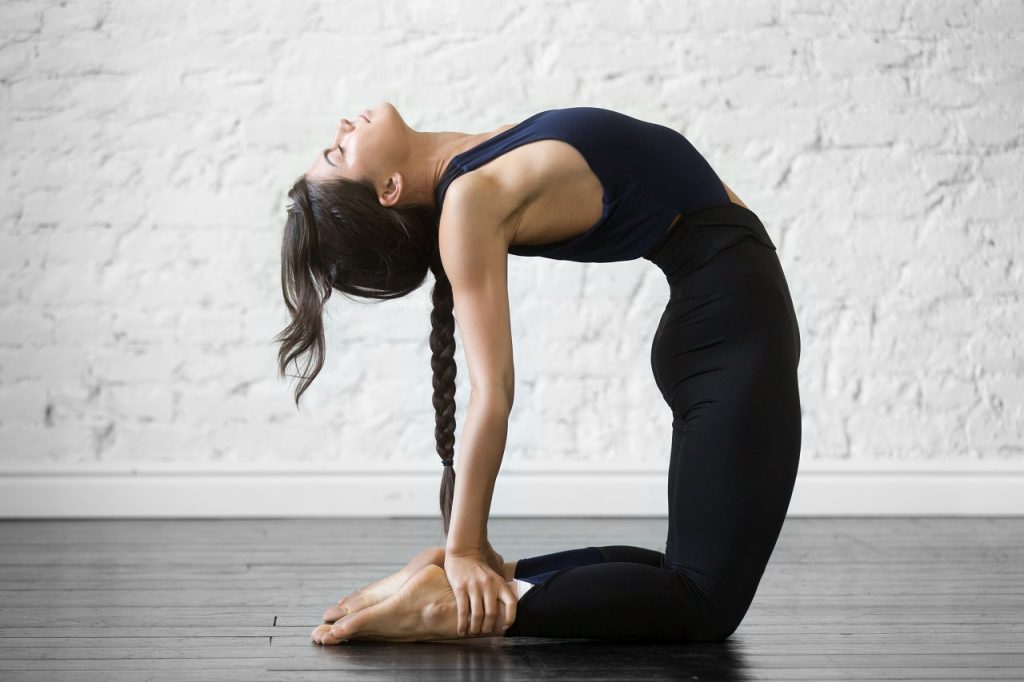 This asana opens up the chest and clears out all the passages. It is essential to try and breathe as much as you can while you are in this pose. This will help open up all the blocked areas that are causing the cold.
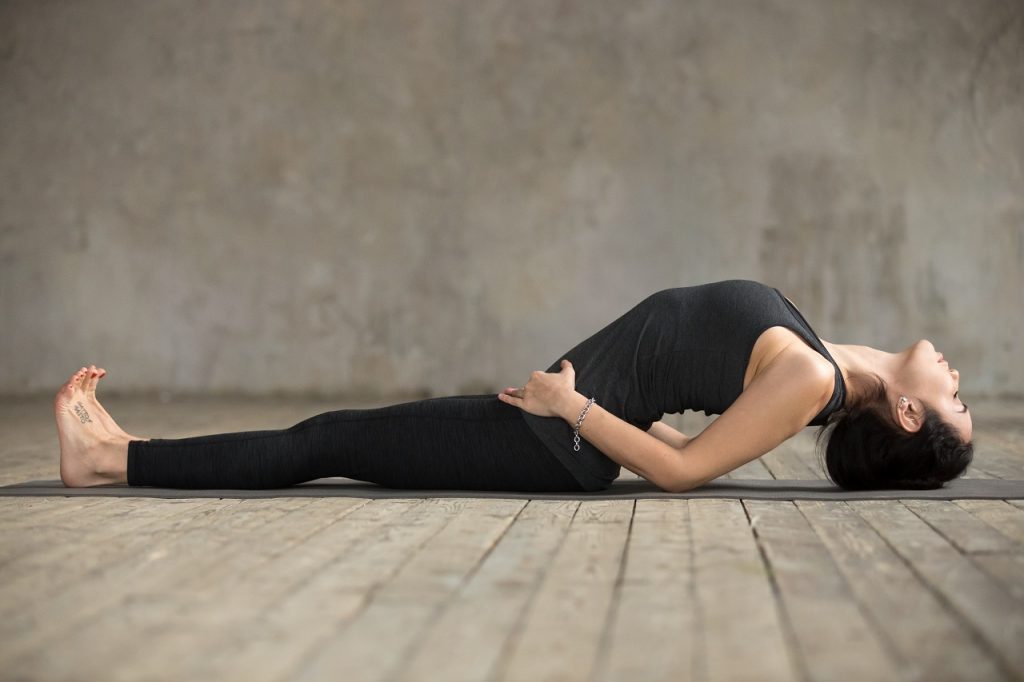 When you assume this asana, your chest is raised and your throat is opened up. This improves your breathing and might help alleviate a cold. During colds, one can support the upper thoracic back with a cushion, bolster, or yoga blocks, aiding optimal recovery.
 Many of us are worried about the impact of the ongoing pandemic on our elderly and physically vulnerable relatives. To top it off, the economic impact it has had around the world, right down to individuals being unable to work and ineligible for sick pay is huge. All this coupled with shortages in shops, cancellation of planned holidays and events have all caused some level of anxiety and distress. As these mental and emotional issues pile up, there’s a good chance that one might go over the edge. To avoid that, something must be done. During these trying times, there is something you can do to improve your mental and emotional wellbeing. That something is meditation!


