GOQii

Blog

  • HOME
  • HEALTHY LIVING
  • FITNESS
  • HEALTHY RECIPES
  • USER STORIES
  • KARMA
  • BUY GOQii

February 17, 2023 By Deepanshu Sharma 1 Comment

Amaranth: The Healthy Supergrain That No One Knows

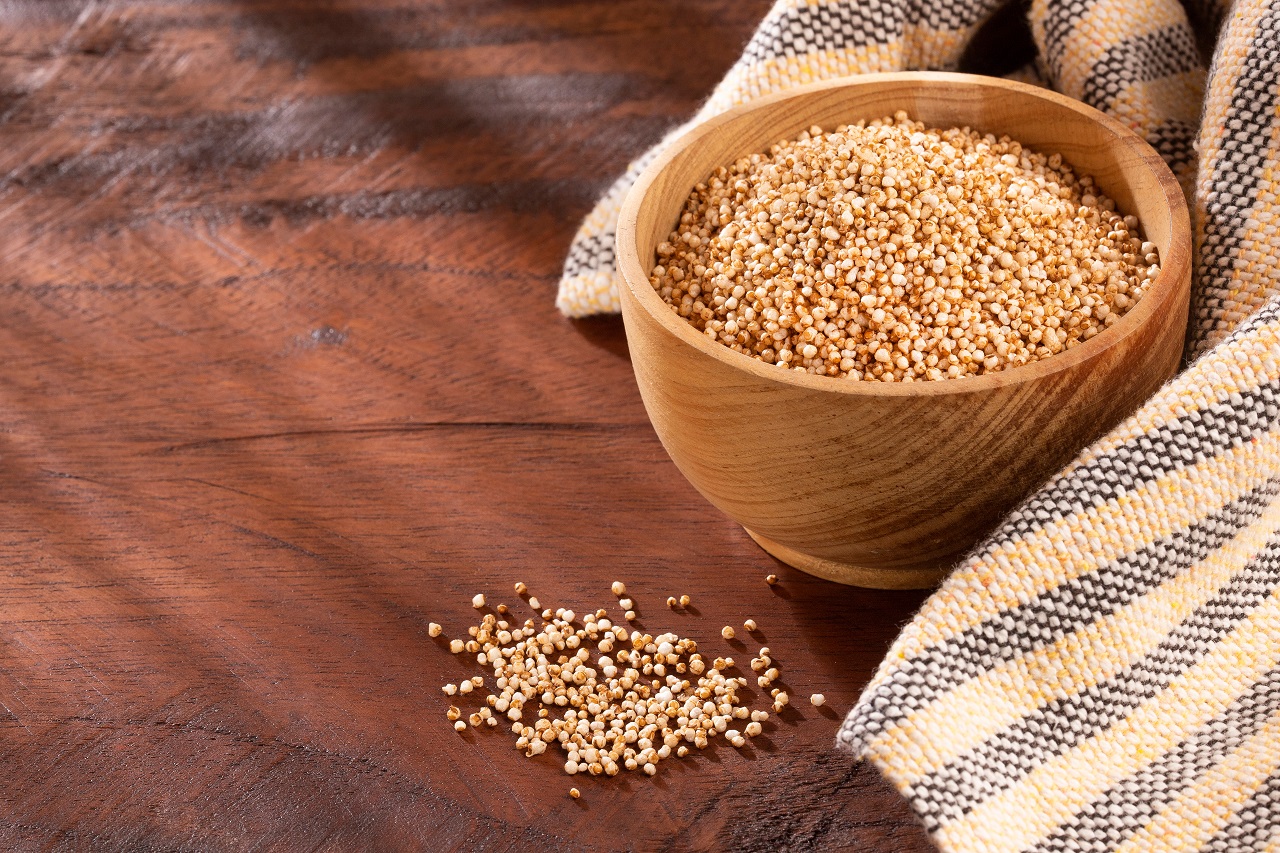
AmaranthIn India, this supergrain is called Rajgira (royal grain) or Ramdana (grain given by Lord Ram), for its amazing utility and health benefits. In English, it is known as Kingseed or Amaranth (derived from a word which means ‘never ending’ in Sanskrit). All these names are quite accurate. Read on to know more about this wonderful grain!

What is Amaranth?

Amaranth is a weed which seems like a cereal. Hence, it is known as a pseudo-cereal. It is a small, round, light colored grain having a crunchy texture which can be eaten raw or in any other form just like wheat or rice.

It was first grown in Peru 8,000 years ago by the Aztec civilization. Today, it is grown all over the world, including India. It gained most of it popularity in the last 50 years when it was studied in the US for its health benefits.

What are the Benefits Derived from Amaranth?

Amaranth is truly a class apart from other grains and cereals. It has the highest energy per 100gm among all grains. When compared to wheat, it has twice the amount or more of minerals such as Iron, Calcium, Phosphorus, Magnesium and Potassium in the cooked form while also having more of Proteins, Healthy Unsaturated Fats and B Vitamins.

Amaranth is also gluten free, which makes it suitable for the gluten intolerant. It is a more nutritious option than other substitutes like Sorghum (Jowar) and Finger Millet (Ragi).

Amaranth is one of the best plant sources of protein (14gm protein per 100gm). The protein content is almost similar to animal sources like cheese which makes it a must in vegan and vegetarian diets. It is rich in Lysine – an essential amino acid which is very rare in other vegetarian protein sources.

Amaranth also has the distinction of being the only grain having Vitamin C in it. The grain also has fairly high amounts of Albumin which is hard to find in plant foods. Moreover, one serving of uncooked Rajgira can give 105% of the total RDA of Manganese which is needed for normal brain and nerve functioning among other things in the body.

Apart from all these nutritional benefits, it has therapeutic benefits too. Rutin, a compound found in Amaranth gives relief from high blood pressure. Other constituents of this wonderful grain can also protect one from several forms of cancers. Being rich in fiber and free of gluten, it also aids people suffering from stomach issues.

How Do You Eat It?

It can be eaten either raw or in other forms like roasting, boiling, etc. Just like wheat, it can be made into a flour which can be used to make flatbread (rotis) too.

One must note that it has some compounds which inhibit the absorption of a few nutrients only when eaten in the raw form. When cooked in any form, these compounds are eliminated and it can be eaten without any worries.

Another big advantage of Amaranth is that it can also be eaten during fasting as it is not a cereal unlike wheat or rice. Being low in calories, high in proteins, vitamins and other vital minerals, it is substantially better than other options.

So go ahead and eat some Amaranth. You can even make flatbreads and use this superfood in your daily life! If you found this article useful, share it with friends and family! Let us know your thoughts in the comments below.

For more on nutrition, click here or speak to an expert by subscribing for GOQii’s Personalised Health Coaching here.

#BeTheForce

February 16, 2023 By Sanjana Shah Leave a Comment

The Link Between Sugar and Child Behavior

The Link Between Sugar and Child BehaviorIs sugar and child behavior connected? Before we delve into that, we need to understand that a perfect balanced diet of carbs, proteins, essential fats, vitamins and minerals is important during the growing age of the child. It is an ongoing research on whether food intake is really linked to a child’s behavior and mood. Below are the effects of healthy and unhealthy eating habits on the mood and behavior of a child.
Healthy Eating Habits (Includes a balanced diet)

  • Better concentration
  • Improved learning skills
  • High grasping power
  • Socially active in making friends, prefers to play in groups
Unhealthy Eating Habits (Includes consumption of sugary food, preservative containing food, food colouring foods)

  • Lack of concentration in any given task
  • Hyperactive
  • Mood swings
  • Nutritional Deficiencies

We tend to correlate the word ‘kids’ with chocolates, ice creams, candies and cakes, etc.. The basic ingredient in these items is sugar!

Sugar and Child Behavior in Relation to Nutrition

Sugars are simple carbohydrates that easily get absorbed in blood glucose. Sugar is an empty calorie food i.e it has no nutrients and provides only energy.

Sugars have various forms like white sugar, brown sugar, honey and corn syrup. It’s a myth that jaggery, honey and brown sugar are better off than white sugar. Calories coming from them are same. The only difference is that white sugar is absorbed faster in the bloodstream than other sources.

Fruits naturally contain fructose with fiber which makes you feel fuller and are rich in water content, vitamins and minerals. On the other hand, colas or sugar candies contains only fructose syrup which disrupts the brain signal of being full and the child feels hungry again

Hidden Sugars in Food

Hidden Sugar means that the packet of food doesn’t show the word sugar on the ingredient list but still contains sugar labelled as other names such as dextrose, dextrin, corn syrup, or barley malt.

When consumed more than the required amounts and on a daily basis, sugar affects various parts of the body and mind:

  • Teeth (Tooth Cavities): Bacteria live on sugar medium. When kids don’t brush well or don’t drink water after eating, bacteria tends to overgrow, which in turn leads to cavities and tooth decay.
  • Brain: Impaired ability to memorise things, as the brain doesn’t get the right amount of nutrients to function.
  • Behavior: Sugar numbs the neurons in the brain, shortens a child’s attention span and makes them hyperactive.
  • Immunity: Constant bouts of cold and cough makes it difficult to sleep at night.
  • Metabolism: A child is at a higher risk of being obese and developing long term diseases like Diabetes.
  • Hormonal: Being in the growing stage, they are more prone to hormonal issues like acne, early onset of puberty, dandruff, skin issues, impaired growth.
  • Worms: Thread worms are caused due to bacteria thrive on sugar if the intake is high.

How to Minimize Sugar Dependence

  • As parents, we need to change our attitude of rewarding kids with sugar-rich foods every time they complete a task or behave well.
  • Fix up a Treat day like once a week or fortnightly wherein only on that day they can eat their favourite chocolate, cakes or candies
  • Substitute ready to drink fruit beverages with homemade smoothies or freshly prepared pulp fruit juice
  • Train them to choose healthy items like high fiber biscuits instead of cream-based biscuits
  • Prepare desserts at home with less sugar and store it. This way you minimize the chances of buying them from a shop
  • Be gradual and change one habit at a time. Don’t be adamant on changing the habits all at once.

How to Encourage Healthy Eating Habits

  • Make them learn all the food groups – vegetables, fruits, cereals, pulses, dairy. Either draw it on a paper or show them the real foods. Ask them to pick up the ones they want to eat for that particular day. This way, you can plan for 2-3 days in advance.
  • Usually, unhealthy eating habits make them vitamin and mineral deficient. So consult your doctor and start the appropriate supplements for it.
  • Prepare attractive snacking ideas in their tiffin boxes like a veggie stuffed roll, colourful sandwich, idlis made with spinach puree or tricolour idlis.
  • Remember the negative effects of unhealthy eating don’t show up immediately. It’s a long term consequence. But if the child’s health is compromised with headaches, asthma, cold/cough then the negative effects are seen in the short term.

Another important factor is being intolerant to certain food items like dairy products (casein) or gluten (wheat), which may make them aggressive, cranky and/or fussy. Common food allergens like soy, peanuts, corn and nuts also adversely affect the behaviour of the child in a negative way.

It is always better to read labels of food packets before purchasing. Be aware of what you and your kids are consuming. In case of doubts, do consult a doctor or nutritionist.

We hope this article on sugar and child behavior helps you make smarter nutritional choices for your children. Do let us know your thoughts in the comments below. For more on Kid’s Health, click here. To get expert advice, speak to a GOQii Coach by subscribing for Personalised Health Coaching.

#BeTheForce

December 16, 2022 By Urvi Gohil 2 Comments

Why You Should Eat Slowly For Good Health & Better Digestion

Eat SlowlyMary Roach, in her book, Gulp: Adventures on the Alimentary Canal describes the digestive system as a highly elaborate inside of the tube that starts at the mouth and ends at the anus.

Let’s address an important facet of pre-digestion: Chewing – a much neglected lifestyle habit.

What Happens When You Eat Slowly?

The chewing process serves as the first step to proper digestion. Two interesting things happen while chewing: Firstly, Ptyalin, which is required for digestion of carbohydrates is secreted. The other thing is that the brain kicks into action and recognizes whether you are chewing proteins, carbohydrates or fats and accordingly tells the stomach to secrete the right enzymes.

It takes approximately 20 minutes from the time you start eating for your brain to send out signals of fullness. When you eat slowly, it allows ample of time to trigger the signal from your brain that you are full. Feeling full translates into eating less.

Speed eating, gorging and binge eating majorly contribute to unhealthy weight gain. Studies confirmed that chewing every bite for a longer period of time helps you lose weight and improve digestion. This is because it provides more time for your brain to receive the signal. Therefore, the slower you chew, the lesser you eat and the more satisfied you are. Eating fast promotes weight gain and makes you feel out of control of your eating habits.

Follow These Simple Steps! 

  • The very first step to mindful eating is to choose the smallest plate in your house. Take that plate and serve your portions and sit
  • Sit down to eat in a calm environment with minimal distractions. It is your time with your food. Don’t eat while driving, watching TV, while texting, etc.
  • Add 1 exchange of raw or cooked vegetables right before the main meal and use a fork to eat it. Try setting a minimum number of chews per bite
  • Look at your plate and see how colorful it is and what good it is going to do to your body. Sense the aroma and question yourself about its nutrition
  • Take a fork or chop stick to eat your meal. If you’re eating roti-sabji, take very small bites of the roti and more vegetables. Chew 30 times or more per bite and gulp it down
  • Set your time to eat. At least 20-30 minutes for each meal and preferably even longer at dinner. This will set your relationship with food
  • When you eat slowly, it improves your health in more ways than one. It leads to better digestion, better absorption, reduced bloating, acidity & constipation as well as aids weight management

So eat slowly, chew properly and live healthy! We hope this article helps you chew your food for better digestion and absorption of all those precious nutrients. Do let us know your thoughts in the comments below!

For more health tips like this, check out Healthy Reads or speak to an expert by subscribing for GOQii’s Personalised Health Coaching here: https://goqiiapp.page.link/bsr

#BeTheForce

October 25, 2022 By GOQii 5 Comments

Strength Training and It’s Benefits

strength training

Having covered so many topics across health and fitness, we wanted to focus today’s topic on Strength Training. I have always been fond of strength training. If performed correctly, strength training can provide significant functional benefits and improvement in overall health and well-being.

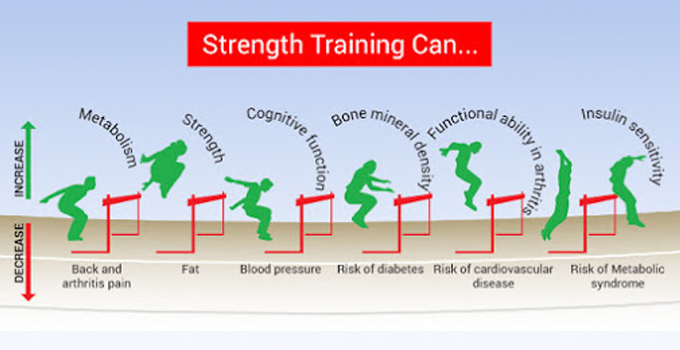
Weight training can increase Bone Mineral Density and Muscle Mass. It also increases the strength and toughness of our tendons and ligaments, improves joint function and range of motion, and reduces potential for injury. Strength training will tone your muscles.

benefits of strength trainingStrength training or weight training or anaerobic training all are same. In anaerobic exercise, cells use ATP (Adenosine Tri Phosphate) as a source of energy or glucose in the absence of oxygen. It usually lasts up to 2 minutes.



I began strength training at the age of 16 with traditional Indian squat, Surya Namaskar and push ups. At that time, my knowledge was limited. After some time I realized that my immune system is performing better. I used to fall sick more often with fever and/or cold but weight training really helped me make my immune system stronger.

Weight training can be done using body weight, elastic bands, dumbbells, barbells, and kettle bells. I prefer using my body weight as there is no investment which is required and sometimes, I use dumbbells for weight training.

If you are feeling depressed or stressed, try weight training. It helped me overcome depression and might work wonders for you! After a weight training session, endorphin levels increase in the body. Endorphins are the neurotransmitters released by the pituitary gland which makes one feel good. Neuro-muscular coordination improves.

One benefit of strength training is that during training you are burning calories but the effect will remain for more time because of the increased muscle mass. So weight training will help to increase the B.M.R. as muscle needs more energy to survive.

What Happens in Strength Training?

During strength training, there will be a wear and tear in the muscle fiber but that damage will be repaired after sleep and proper nutrition. Your muscles will become stronger. Your muscular strength and muscular endurance will go up after 2-3 sessions. For hypertrophy (increase in muscle mass), you need more training sessions, proper nutrition and rest.

During weight training, blood flow will increase to a particular muscle. There will be more supply of nutrients to that muscle and muscle will increase in size and strength. Smaller muscles need less time for recovery but bigger muscles like the hamstrings or quadriceps need more time and nutrition.

But before starting weight training you have to prepare your body and mind. Start with a good warm up. During or before you exercise, try ballistic stretching where you are not holding the stretch. After your training session, perform cool down and static stretching where you will hold the stretch for 10-15 seconds.

Want to know more about Strength Training? Ask an expert by subscribing for Personalised Health Coaching here: https://goqiiapp.page.link/bsr

For more on fitness, check out Healthy Reads.

#BeTheForce

  • « Previous Page
  • 1
  • …
  • 11
  • 12
  • 13
  • 14
  • 15
  • …
  • 23
  • Next Page »

Search

Recent Posts

  • Best Foods To Alleviate Irritable Bowel Syndrome
  • ALL ABOUT VERTIGO!
  • PCOS and Anxiety: Discover Relief with the 54321 Technique
  • Navigating the Maze of Nutrition: Finding Clarity Amidst Confusion
  • Get children active and keep them healthy

Stay Updated

Archives

  • December 2025 (6)
  • November 2025 (15)
  • October 2025 (20)
  • September 2025 (6)
  • August 2025 (6)
  • July 2025 (12)
  • June 2025 (18)
  • May 2025 (16)
  • April 2025 (23)
  • March 2025 (23)
  • February 2025 (22)
  • January 2025 (26)
  • December 2024 (26)
  • November 2024 (25)
  • October 2024 (22)
  • September 2024 (24)
  • August 2024 (31)
  • July 2024 (21)
  • June 2024 (26)
  • May 2024 (31)
  • April 2024 (27)
  • March 2024 (29)
  • February 2024 (26)
  • January 2024 (25)
  • December 2023 (15)
  • November 2023 (11)
  • October 2023 (22)
  • September 2023 (22)
  • August 2023 (20)
  • July 2023 (22)
  • June 2023 (24)
  • May 2023 (24)
  • April 2023 (24)
  • March 2023 (23)
  • February 2023 (20)
  • January 2023 (16)
  • December 2022 (12)
  • November 2022 (15)
  • October 2022 (15)
  • September 2022 (12)
  • August 2022 (10)
  • July 2022 (17)
  • June 2022 (11)
  • May 2022 (10)
  • April 2022 (6)
  • March 2022 (6)
  • February 2022 (13)
  • January 2022 (12)
  • December 2021 (7)
  • November 2021 (3)
  • October 2021 (6)
  • September 2021 (3)
  • August 2021 (8)
  • July 2021 (7)
  • June 2021 (15)
  • May 2021 (16)
  • April 2021 (10)
  • March 2021 (7)
  • February 2021 (4)
  • January 2021 (4)
  • December 2020 (3)
  • November 2020 (4)
  • October 2020 (10)
  • September 2020 (3)
  • August 2020 (3)
  • July 2020 (2)
  • June 2020 (4)
  • May 2020 (10)
  • April 2020 (12)
  • March 2020 (10)
  • February 2020 (4)
  • January 2020 (4)
  • December 2019 (3)
  • November 2019 (7)
  • October 2019 (5)
  • September 2019 (4)
  • August 2019 (9)
  • July 2019 (9)
  • June 2019 (11)
  • May 2019 (4)
  • April 2019 (9)
  • March 2019 (8)
  • February 2019 (9)
  • January 2019 (8)
  • December 2018 (9)
  • November 2018 (3)
  • October 2018 (3)
  • September 2018 (5)
  • August 2018 (10)
  • July 2018 (6)
  • June 2018 (13)
  • May 2018 (8)
  • April 2018 (18)
  • March 2018 (9)
  • February 2018 (8)
  • January 2018 (15)
  • December 2017 (12)
  • November 2017 (19)
  • October 2017 (13)
  • September 2017 (15)
  • August 2017 (4)
  • July 2017 (8)
  • June 2017 (7)
  • May 2017 (6)
  • April 2017 (8)
  • March 2017 (6)
  • February 2017 (7)
  • January 2017 (9)
  • December 2016 (10)
  • November 2016 (7)
  • October 2016 (7)
  • September 2016 (7)
  • August 2016 (11)
  • July 2016 (9)
  • June 2016 (9)
  • May 2016 (12)
  • April 2016 (17)
  • March 2016 (17)
  • February 2016 (8)
  • January 2016 (6)
  • December 2015 (2)
  • November 2015 (9)
  • October 2015 (7)
  • September 2015 (9)
  • August 2015 (11)
  • July 2015 (9)
  • June 2015 (12)
  • May 2015 (9)
  • April 2015 (13)
  • March 2015 (8)
  • February 2015 (5)
  • January 2015 (12)
  • December 2014 (14)
  • November 2014 (11)
  • October 2014 (6)
  • September 2014 (13)
  • August 2014 (12)
  • July 2014 (6)
  • June 2014 (2)
  • May 2014 (7)
  • April 2014 (5)

From “Laddu Nawin” to Fit and Fierce: How a 25-Year-Old Insurance Advisor Shed 20 Kilos and Gained His Life Back

When 25-year-old Nawin Yadav from Hyderabad walked into his office every morning, he carried more than just his files and policy papers. He had the weight of fatigue, sluggish energy, and an ever-growing belly that was becoming the butt of jokes. “People … [Read More...]

“I’ve Challenged Myself to Live 100 Years” – The Story of Chandubhai Savani’s Second Chance at Life

At 67, most people start slowing down. Not Chandubhai Savani. A resident of Surat, Chandubhai, thought life was on track. “My life was going well till I had my bypass surgery,” he says. That surgery, back in 2021, was a wake-up call.  Medication was routine, but exercise wasn’t. His diet? What he calls ‘normal.’ “I […]

From Shimla’s Slopes to Chandigarh’s Sidewalks: Surinder Kaur Bhalla’s Journey from Chaos to Control

Some journeys start with a plan. Others begin with a stumble literally. Surinder Bhalla, a government professional, born and raised in the scenic hill town of Shimla, had always lived a life of movement. “In Shimla, you walked everywhere,” she reflects. “Walking was never an exercise. It was just life.” But after shifting to Chandigarh, […]

Ananda Mukherjee Health Story

From Terminal Illness To Complete Wellness! Ananda Mukherjee Health Story

As we observe World Cancer Day under the powerful theme ‘United by Unique’ (2025-2027)**, we are reminded that every individual’s journey with cancer is distinct, yet united by shared resilience, hope, and the collective fight against this disease. This theme places people at the centre of care and their stories at the heart of the […]

  • HOME
  • HEALTHY LIVING
  • FITNESS
  • HEALTHY RECIPES
  • USER STORIES
  • KARMA
  • BUY GOQii

Copyright ©2016 GOQii
