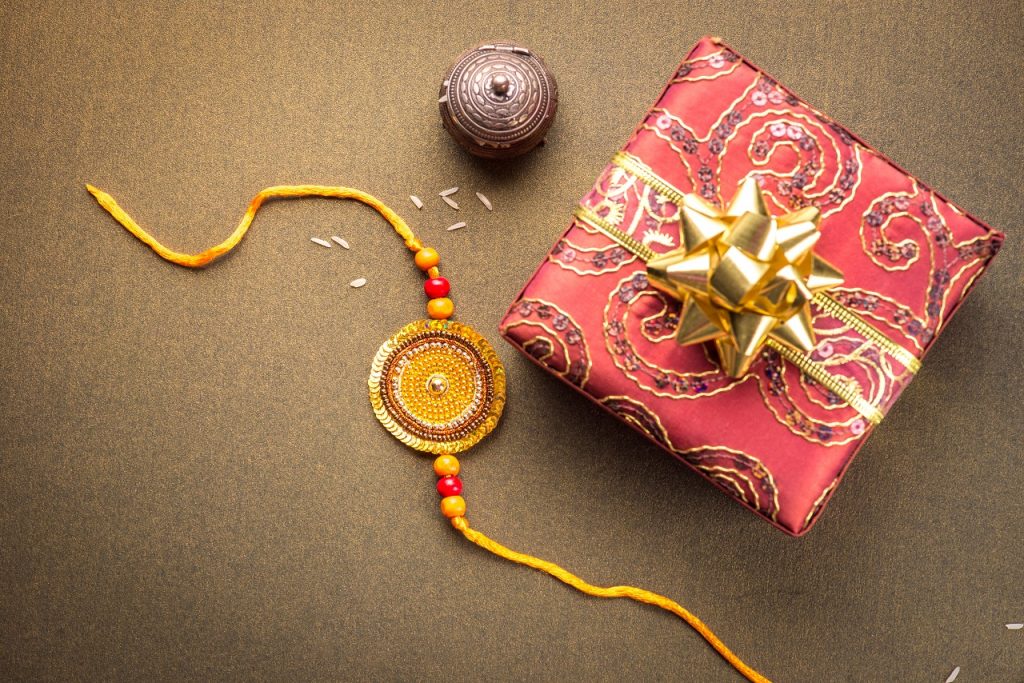
 There’s no denying that your sibling is your first best friend. They’re the first person you share secrets with. You guys fight, make up, gang up and have all your precious encounters of embarrassing moments as well as cherished memories with each other. Such bonds are hard to come by. Now whether you were born with the sibling bond or earned it, you’d wish nothing but the best for your partner in crime. So why not give them the gift of good health! Here are 5 healthy Raksha Bandhan gifting ideas tailored for you!
5 Healthy Raksha Bandhan Gifting Ideas
1. A Warm Cup of Sunshine
Nothing warms the heart like a cup of healthy tea or coffee to get one going in the early hours of the day. Think about gifting your sibling a nice premium blend of tea or coffee which will invigorate them. If you’re not sure where to get this from, try the select offerings by Udyan Tea, Rage Coffee, Dorje Tea, or Roots & Stems
2. Something Sweet
While your relationship might be bittersweet, adding some extra sweet never hurt anybody! Go for immunity boosting honey and sweets which will help them cut back on refined sugars and level up their health! Try honey and sweeteners by Honey Twigs, Sri Sri Tattva, Forest Bee, Keeros or Equal. You can also try cookies by The Snack Company or Goras Cookies.
3. Get Them in Gear
Do you guys workout together? Is your sibling thinking of joining a gym? Help them pick the right outfit and gear up to sweat it out. Think t-shirts, joggers, dry fits et al. You can also go for some indoor exercising equipment to ensure that your sibling stays in shape and lives a long and healthy life!
4. Turn Up The Volume
Tired of hearing them yell or being yelled at? Replace all those loud verbal exchanges with the sound of music. As we all know, good music requires good sound. Think about gifting them a nice pair of earphones or headphones to zone out or even Bluetooth speakers make for a great gift. Way to turn the volume up!
5. A Lifestyle Change
The greatest gift that you can give your sibling is the gift of good health. Sign them up for the GOQii Insure Plus program, which offers personalised health coaching along with insurance benefits. Help them take control of their well-being with expert guidance, support, and the added peace of mind that comes with health insurance. With GOQii Insure Plus, you’re ensuring they receive the best tools to lead a healthier, happier life.
All the products mentioned above can be bought from the GOQii Health Store for a discount using your GOQii Cash. Download the app and head over there now!
We hope you liked these Raksha Bandhan gifting ideas. Do you have suggestions of your own? Leave them in the comments below!
Happy Raksha Bandhan to all the siblings out there!
#BeTheForce
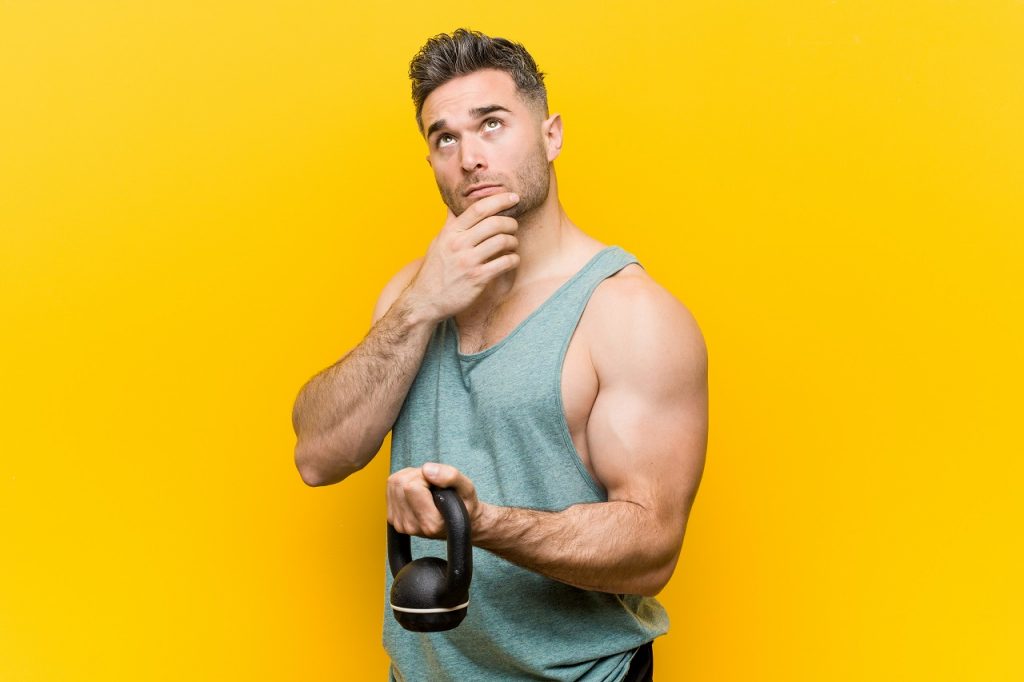 This topic is one of the most discussed in the bodybuilding community and is very controversial too. Both natural bodybuilding and steroid bodybuilding have been practiced since long and each group feels that their method of body building is “right”. Before coming to a conclusion, let’s first understand the difference between the two and then decide which one is better.
 While sleep requirements vary slightly from person to person, most healthy adults need between 7-9 hours of sleep per night to function at best. It has been estimated that more than half of the working population in India have experienced some or the other form of sleep deprivation or alteration during their lifetime.


